Stroke Rehabilitation Finger Splint Suppliers and Manufacturers
Compare 14 verified suppliers offering Stroke Rehabilitation Finger Splint products with varying lead times, certifications, and response speeds. Review specifications like material and origin, then request samples to validate quality before placing orders; review the available evidence before requesting comparable quotations from suitable candidates.
Suppliers List
Jiujian Medical Equipment (kunshan) Co., Ltd.
- Verified by Intertek
- Manufacturer, Trading Company
- Lead time5 days
- Avg. response≤ 4h
Main productsArm or Leg Rehabilitation Exercise Bike, Arms and Legs Rehabilitation Exercise Bike, Upper Limbs Rehabilitation Training Device, Tongue Training Device, Robot Glove
Main marketsDomestic Market(42%), Mid East(10%), Western Europe(10%)

Henan Eminent Medical Devices Co., Ltd.
- Verified by TUVRHEINLAND
- Manufacturer/Factory
- China Henan
- Lead time23 days
- Avg. response≤ 3h
Main productsBarber Chair, Shampoo Chair/Bed, Massage Table, Nursing Bed/Hospital Bed, Medical Brace, Mirror Salon Station, Commder Chair, Bath Chair, Nail Table Desk, Wheelchair
Main marketsSouth America,Eastern Europe,Mid East,North America,Southeast Asia,Eastern Asia,Oceania,Western Europe,Africa

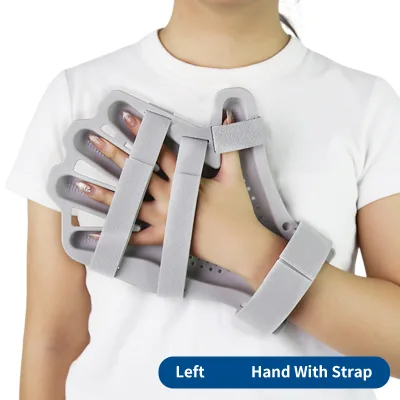
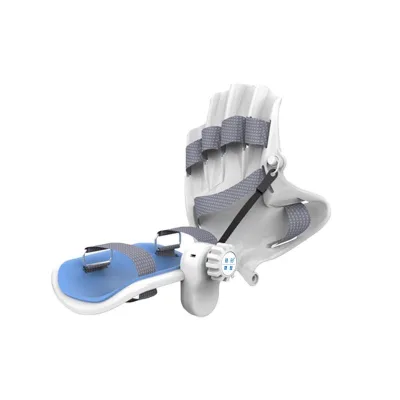
Rehabilitation Robot Finger Training Stroke Hand Splint Finger Orthosis
$112.00 - $133.00
MOQ: 10 Pieces

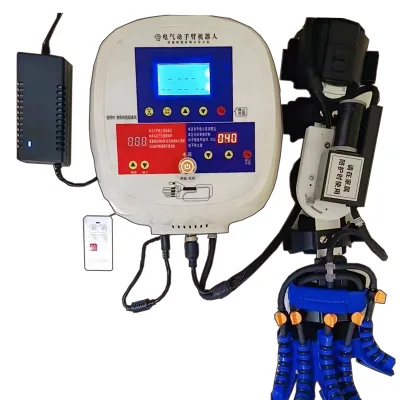
Hand Stroke Rehabilitation Equipment Hand Rehabilitation Robot Gloves Stroke
$65.00 - $110.00
MOQ: 10 Pieces

Hebei Jiewo Medical Instrument Co., Ltd.
- Trading Company
- Hebei, China
- Lead time5 days
- Avg. response≤ 2h
Main productsmaternity support,lumbar support,tourmaline magnetic,crutch,arm sling
Main marketsNorth America(40.00%), South America(20.00%), Eastern Europe(15.00%), Domestic Market(5.00%)

XIAMEN DORRELLA HEALTH TECHNOLOGY CO.,LTD
- Verified by SGS
- Trading Company,Manufacturer/Factory,Group Corporation
- China Fujian
- Lead time23 days
- Avg. response≤ 9h
Main productsOrthotic Brace, Ankle Brace, Arm Brace, Back Brace, Cervical Collar, Finger Splint, Hip Abduction Braces, Hand and Wrist Brace, Post-Op Shoes, Orthopedic Waiking Boot
Main marketsSouth America,Eastern Europe,Mid East,North America,Southeast Asia,Eastern Asia,Oceania,Western Europe,Africa

Anti-Spasticity Splint Finger Rehabilitation Exercise Finger Orthosis Training Hand Support Brace
$1.20 - $1.80
MOQ: 10 Pieces

Orthopedic Medical Wrist Hand Support Sprain Wrist Splint for Wrist Pain Wrist Joint Brace
$6.76 - $9.56
MOQ: 10 Pieces

Leg Walker Stroke Hemiplegic Walking Aid Lower Limb Rehabilitation Exoskeleton
$9.01 - $9.64
MOQ: 10 Sets

Comfortable Breathable Wrist Hand Support Adjustable Wrist Brace for Arthritis Tendonitis
$6.10 - $8.07
MOQ: 2 Pieces

- Verified by BV
- Combined
- China Guangdong
- Lead time30 days
- Avg. response≤ 9h
Main productsMedical Air Mattress, Nebulizer, Air Compression Leg Massager, Humidifier, Oxygen Concentrators, Air Mattress, Blood Pressure Monitor, Suction Machine, Therometer, Face Mask
Main marketsSouth America,Africa,Southeast Asia/ Mideast,East Asia(Japan/ South Korea),Europe,Australia,North America

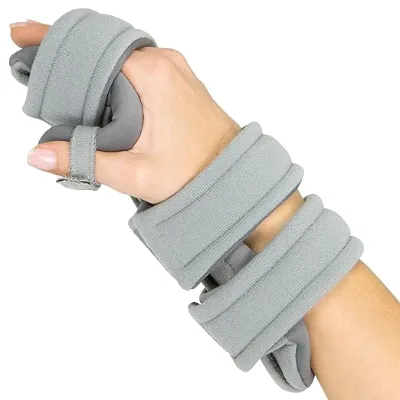
Stroke Hand Splint- Soft Resting Hand Splint with Functional Hand Splint
$180.00 - $450.00
MOQ: 200 Sets


Stroke Hand Brace Soft Resting Hand Splint Support Finger Recovery Equipment
$180.00 - $450.00
MOQ: 200 Sets


Stroke Recovery Finger Rehabilitation for Robot Rehabilitation Stroke Patient Hand Recovery
$180.00 - $450.00
MOQ: 200 Sets

Fingers Support Stroke Rehab Thumb Wrist Injury Recovery Thumb Training Gloves
$180.00 - $450.00
MOQ: 200 Sets
Hengshui Jingkang Medical Device Co., Ltd.
- Manufacturer, Trading Company
- Hebei, China
- Lead time5 days
- Avg. response≤ 5h
Main productsmaternity support,lumbar support,tourmaline magnetic,crutch,arm sling
Main marketsNorth America(40.00%), South America(20.00%), Eastern Europe(15.00%), Domestic Market(5.00%)

LeYiDi International Medical Devices (Beijing) Co., Ltd.
- Verified by SGS
- Trading Company
- China Beijing
- Lead time15 days
- Avg. response≤ 7h
Main productsThermal Dry Films, Radiology Film, Medical X-ray Film, Intelligent Blood Collection Management System, Printer of Medical Dry Film, Inkjet X-ray Film, Laser X-ray Film, Thermal X-ray Film, Automatic Test Tube Labeling Machine, Digital X-ray Film
Main marketsSouth America,Africa,Southeast Asia/ Mideast

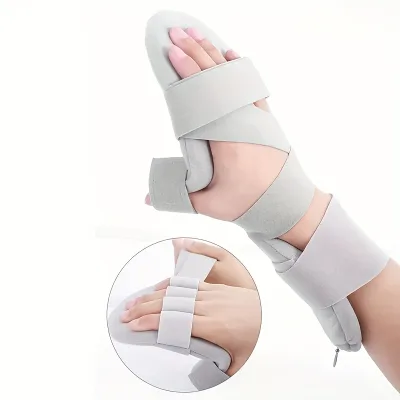
Stroke Hand Splint Soft Resting with Functional Finger Recovery Equipment
$119.00 - $179.00
MOQ: 2 Sets

Stroke Hand Finger Splint Soft Resting for Flexion Contractures Promote Blood Circulation
$119.00 - $179.00
MOQ: 2 Sets

Stroke Hand Splint Soft Resting Finger Flexion Contractures Promote Blood Circulation
$119.00 - $179.00
MOQ: 2 Sets


Stroke Patient Wireless Hand Stroke Rehabilitation Physical Therapy Device
$119.00 - $179.00
MOQ: 2 Sets

Huiyuan Lantian Medical System Co., Ltd.
- Verified by SGS
- Trading Company
- China Sichuan
- Lead time23 days
- Avg. response≤ 4h
Main productsInfusion Set Portable Ultrasound
Main marketsDomestic

Xiamen Sun Lion Technology Co., Ltd.
- Manufacturer/Factory
- China Fujian
- Lead time45 days
- Avg. response≤ 6h
Main productsAir Pressure Therapy System, Recovery Boots, Medical Euqipemnt, Air Compression Leg Massage, Hospital Bed, Hot and Cold Compression Therapy Machine, Leg Massager, Tens Unit, EMS Massager, Hand Rehabilitation Device
Main marketsSouth America,Eastern Europe,Mid East,North America,Southeast Asia,Eastern Asia,Oceania,Western Europe,Africa


Rechargeable Portable Stroke Recovery Hand Finger Exerciser Hand Finger Physical Therapy Equipment
$600.00 - $923.00
MOQ: 1 Sets


Portable Hand Exercise Rehab Equipment Physical Therapy for Stroke Patient
$290.00 - $430.00
MOQ: 1 Sets

$300.00 - $500.00
MOQ: 1 Pieces

Shijiazhuang Wonderfu Rehabilitation Device Technology Co., Ltd.
- Verified by CTI
- Combined
- China Hebei
- Lead time15 days
- Avg. response≤ 5h
Main productsKnee Joint
Main marketsSouth America,Africa,Southeast Asia/ Mideast,East Asia(Japan/ South Korea),Europe,Australia,North America

Stroke Hand Function Rehabilitation Hemiplegia Hand Recovery Finger Trainer Rehabilitation Equipment
$400.00 - $450.00
MOQ: 1 Pieces

Hand Limb Recovery Hemiplegic Finger Function Training Physical Therapy Use
$435.00 - $450.00
MOQ: 1 Pieces

Shanghai Best Medical Products Company Limited
- Manufacturer/Factory
- China Shanghai
- Lead time30 days
- Avg. response≤ 10h
Main productsHospital, Lab, Dentist's, Industry Supplies, Beauty Salon, SPA, Bathroom Supplies, Restaurant, Kitchen, Hotel Supplies
Main marketsSouth America,Eastern Europe,Mid East,North America,Southeast Asia,Eastern Asia,Oceania,Western Europe,Africa

Qingdao Dmd Medical Technology Co., Ltd.
- Verified by SGS
- Combined
- China Shandong
- Lead time30 days
- Avg. response≤ 2h
Main productsLigating Clips, Clip Appliers, Titanium Clips, Polymer Clips, Endoscopic Surgical Instruments, Aortic Punch, Trocar, Veress Needle, Suction-Irrigation Set, Disposable Clips Applier
Main marketsSouth America,Others(foreignTradeCapacity.exportBusinessCapacityMarketOther),Southeast Asia/ Mideast,Europe
Hebei Maizhi Medical Technology Co., Ltd.
- Manufacturer, Trading Company
- Hebei, China
- Lead time10 days
- Avg. response≤ 5h
Main productsprotective gear,Electric medical bed,underarm crutches,Urine collection bag,nursing bed
Main marketsSouth Asia(20.00%), Domestic Market(20.00%), Central America(10.00%), Northern Europe(10.00%), Mid East(10.00%), North America(10.00%), Southeast Asia(10.00%), South America(5.00%), Eastern Asia(3.00%), Africa(2.00%)

Wuxi Jihetang Health Management Consulting Co., Ltd.
- Trading Company
- Jiangsu, China
- Lead time5 days
- Avg. response≤ 4h
Main productsAcupuncture Needles,rTms,Rehabilitation Devices,Guasha Board,Massager
Main marketsNorth America(30.00%), Eastern Europe(20.00%), Western Europe(20.00%), Southern Europe(15.00%), Mid East(10.00%), South America(5.00%)
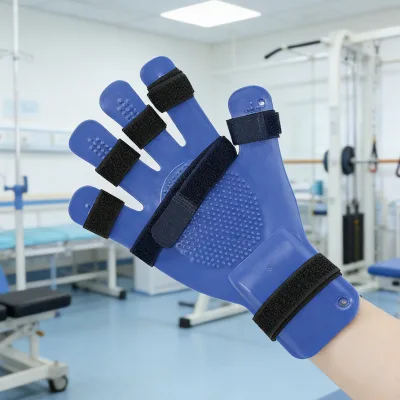
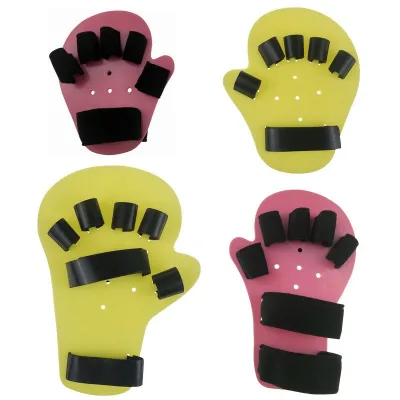
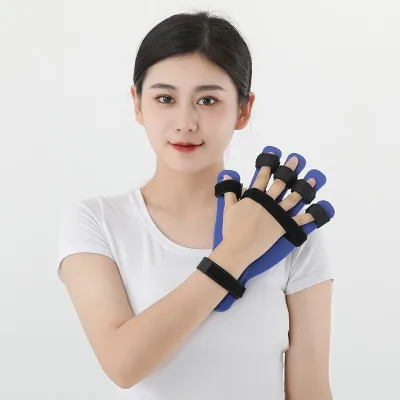
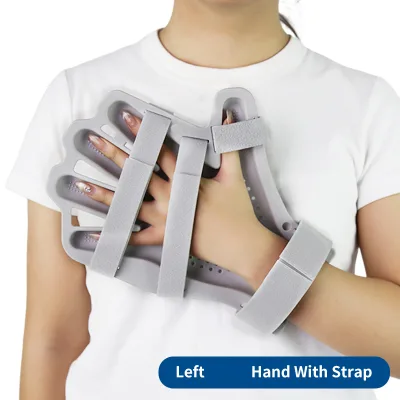


Comprehensive Sourcing Guide
Stroke Rehabilitation Finger Splint Supplier Concentration and Factory Types
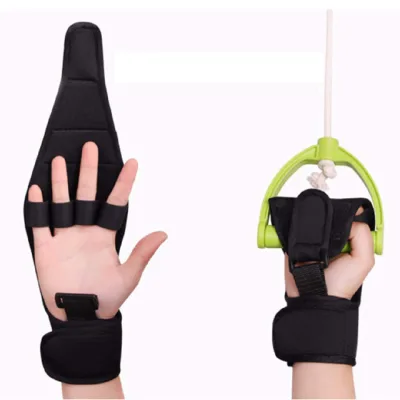
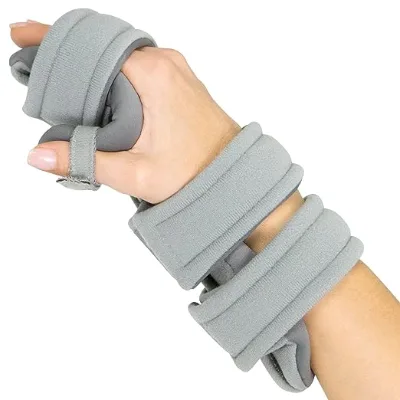
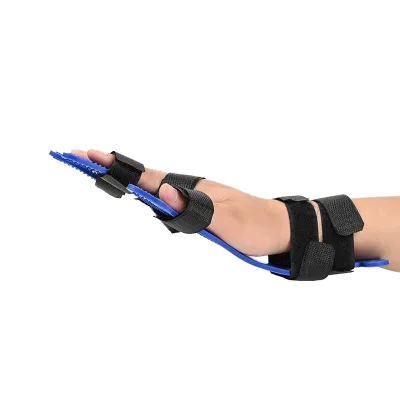
The current supplier landscape for stroke rehabilitation finger splints reveals a mix of manufacturers and trading companies, each offering distinct advantages for procurement. Some entities operate as direct manufacturers with capabilities in sample processing, graphic processing, and customized on-demand production, while others function as trading companies that aggregate products from various sources. This diversity allows buyers to select partners based on whether they require direct factory engagement for custom tooling or a trading partner for broader catalog access. The presence of both types suggests a mature supply chain where specialized production coexists with distribution networks.
When evaluating the concentration of these suppliers, it is important to note that specific manufacturing clusters are not explicitly confirmed in the available data beyond general origins like Jiangsu, China. Buyers should therefore verify the physical location of the factory by requesting site audit reports or video tours rather than assuming a specific industrial zone. The main products listed include various rehabilitation devices such as arm and leg exercise bikes, robot gloves, and specific finger stabilizers, indicating that many suppliers offer a broader range of orthopedic and physiotherapy equipment. This suggests that a single supplier might serve multiple needs, but buyers must confirm if the specific finger splint models are core competencies or secondary items.
How to Verify Stroke Rehabilitation Finger Splint Suppliers
Verification of suppliers in this category requires a rigorous check of their certification status and third-party audit results. Available data indicates that some suppliers hold certifications such as EN IEC 55014, CE, and FCC, while others possess ISO 13485, ISO 9001, and BSCI. These credentials are critical for medical devices, as they demonstrate adherence to quality management systems and safety standards required for rehabilitation equipment. Buyers must request valid certificates and cross-reference them with the issuing bodies to ensure they are current and applicable to the specific finger splint models being sourced.
Beyond certifications, the verification status provided by third-party agencies like Intertek or TÜV Rheinland serves as a crucial indicator of supplier reliability. A verified status suggests that the supplier has undergone a physical or document audit, but buyers should not assume this covers every product line. It is essential to confirm that the verification specifically includes the manufacturing facility where the finger splints are produced. Additionally, checking the response time, which can range from approximately three to four days in the current data, helps gauge the supplier's operational efficiency and communication readiness. A slow response time may indicate logistical bottlenecks or a lack of dedicated sales support for international inquiries.
What to Compare Across Stroke Rehabilitation Finger Splint Suppliers
Comparing suppliers requires a detailed analysis of their lead times, minimum order quantities, and pricing structures to ensure alignment with project requirements. Lead times in the current dataset vary significantly, with some suppliers indicating a five-day turnaround while others suggest a twenty-three-day period. This variance often reflects differences in production capacity, inventory levels, and the complexity of the specific product model. Buyers must clarify whether the quoted lead time includes raw material procurement, manufacturing, and packaging, or if it represents only the production phase.
Minimum order quantities (MOQ) and pricing are equally critical factors that differ across the supplier base. Some listings show an MOQ of two units with prices ranging from $4.76 to $5.26, while others require a minimum of ten units with prices between $2.24 and $2.56. These differences may stem from the material composition, such as food-grade silicone versus polyester and cotton, or the level of customization required. Buyers should also compare the after-sales service offerings, such as online technical support, and warranty periods, which can range from one year to unspecified terms. Understanding these commercial variables helps in selecting a supplier that balances cost efficiency with the flexibility needed for initial orders.
Common Stroke Rehabilitation Finger Splint Sourcing Risks
One significant risk in sourcing stroke rehabilitation finger splints involves the potential mismatch between product specifications and actual manufacturing capabilities. While suppliers list attributes like "Food Grade Silicone" or "Polyester & Cotton," the actual material quality can vary if not strictly controlled. Buyers must verify the instrument classification, such as Class I, and ensure that the safety standards claimed are met for the specific market they intend to serve. Relying solely on product descriptions without requesting material test reports or batch-specific quality certificates can lead to compliance issues upon import.
Another risk is the inconsistency in response times and lead times, which can disrupt supply chain planning. The data shows response times ranging from roughly three to four days, but this may not reflect real-world performance during peak seasons or for custom orders. If a supplier promises a five-day lead time but lacks the capacity for sample processing or graphic processing, delays are likely. Furthermore, the absence of explicit information on escrow services or specific warranty enforcement mechanisms in some listings creates financial exposure. Buyers should insist on clear terms regarding dispute resolution and product liability before committing to large orders.
Stroke Rehabilitation Finger Splint Regional Sourcing and Logistics
Regional sourcing decisions should be guided by the verified locations of the suppliers and their logistical capabilities. The available data points to origins in Jiangsu, China, and Henan, China, which are known manufacturing hubs. However, buyers must confirm the exact factory address to assess proximity to major ports and the efficiency of local logistics networks. Suppliers located in these regions may benefit from established supply chains for raw materials like silicone and nylon, potentially reducing costs and lead times. Nevertheless, the specific location should be validated to ensure it aligns with the buyer's shipping preferences and customs requirements.
Logistics planning must also account for the packaging dimensions and weight of the products, which vary by model. For instance, some finger splints have a single package size of 38x18x5 cm with a gross weight of 0.600 kg, while others are smaller at 25x19x2 cm with a weight of 0.200 kg. These differences impact shipping costs and container utilization rates. Buyers should request detailed packing lists and calculate the total volume and weight for their order to optimize freight expenses. Additionally, verifying the supplier's experience with international shipping and their ability to handle customs documentation is essential to prevent delays at the destination port.
Stroke Rehabilitation Finger Splint Commercial Terms and Order Planning
Commercial terms for Stroke Rehabilitation Finger Splint orders must be clearly defined to avoid misunderstandings regarding payment, delivery, and quality assurance. Buyers should negotiate terms that include specific delivery dates, payment milestones, and penalties for late shipments. The data indicates that some suppliers offer customization services, which may require a separate deposit or a modified payment schedule. It is vital to establish a clear timeline for sample approval before mass production begins, ensuring that the final product meets the required specifications for finger rehabilitation.
Order planning should also consider the shelf life and warranty periods associated with the products. Some listings mention a shelf life of one year and a one-year warranty, which are critical for medical devices that may be stored before use. Buyers must verify if these terms apply to the specific batch they are purchasing and how warranty claims are handled. Additionally, understanding the after-sales service, such as online technical support, is important for resolving any issues that arise post-delivery. By carefully structuring the commercial agreement, buyers can mitigate risks and ensure a smooth procurement process for their stroke rehabilitation needs.
FAQs
What certifications do these finger splints hold?
Many products carry CE and FCC certifications, with some holding FDA approval for medical use. Specific items also meet EN IEC 55014 standards. Always verify the exact certification listed for the specific model number before purchasing to ensure compliance with your local regulations.
What is the typical lead time for these orders?
Lead times vary significantly between suppliers, ranging from five days to twenty-three days depending on the manufacturer. Some suppliers offer faster processing for samples, while others require longer production windows for customized orders. Check the specific lead time listed for your chosen supplier.
What are the minimum order quantities for finger splints?
Minimum order quantities differ by product type, with some items requiring as few as two units while others need ten. The specific MOQ depends on the model number and material used. Review the product details page to confirm the exact minimum quantity required for your order.
Where are these rehabilitation devices manufactured?
Most listed products originate from Jiangsu, China, with some suppliers located in Henan. The place of origin is clearly stated in the product attributes for each item. Verify the specific location on the product page to understand shipping times and potential import requirements for your region.
What materials are used to make these splints?
Common materials include food-grade silicone, nylon belts, polyester, cotton, and high tenacity resin. Some models use plastic or polypropylene for durability. The main material is specified in the product attributes, so check the details for the specific model to ensure it meets your needs.
How quickly do suppliers typically respond to inquiries?
Response times vary, with some suppliers replying within three hours and others taking up to four hours. Faster response times are often associated with verified manufacturers. Check the specific response time listed for each supplier to gauge their availability for your urgent sourcing needs.
Are these products suitable for adult patients?
Yes, many products are explicitly designed for adult use, with age ranges specified in the attributes. Some models also cater to children or specific rehabilitation needs like stroke recovery. Always check the age range description to ensure the product fits the intended patient demographic.