Studio Photography LED Video Light Suppliers and Manufacturers
Compare 25 verified suppliers of Studio Photography LED Video Light based on location, lead times, certifications, and response times. Review product specs like IP ratings and power to source the right equipment for your needs; review the available evidence before requesting comparable quotations from suitable candidates.
Updated
Suppliers List

Guangdong The One Studio Co., Limited
- Verified by SGS
- Combined
- China Guangdong
- Lead time15 days
- Avg. response≤ 3h
Main productsLED Studio Light, LED Stage Light, LED Profile Spotlight, LED Leko, Profile Spot Light, LED Fresnel Light, LED Video Panel Light, LED Blinder Light, Stage Lighting, Soft Light
Main marketsSouth America,Southeast Asia/ Mideast,East Asia(Japan/ South Korea),Europe,North America

Guangzhou Sanfei Stage Lighting Co., Ltd
- Verified by BV
- Manufacturer/Factory
- China Guangdong
- Lead time15 days
- Avg. response≤ 4h
Main productsMoving Head Light, LED Stage Light, LED Moving Head Spot Light, LED PAR Light, LED Effect Light, LED Waterproof Light, LED Auto-Show Light, Laser Light, LED Matrix Light, LED Beam Light
Main marketsSouth America,Eastern Europe,Mid East,North America,Southeast Asia,Eastern Asia,Oceania,Western Europe,Africa

GUANGZHOU MS LIGHTING CO., LIMITED
- Combined
- China Guangdong
- Lead time15 days
- Avg. response≤ 4h
Main productsLED Light, Moving Head Light, Stage Light, Professional Light, Scan Light, Smoke Machine, Follow Spot, Laser Light, LED Stage Light, Disco Light
Main marketsSouth America,Southeast Asia/ Mideast,Europe
Ningbo E-Reise Photographic Equipment Co., Ltd.
- Manufacturer
- Zhejiang, China
- Lead time0 days
- Avg. response≤ 9h
Main productsPhotographic Equipment,comsumer electronics
Main marketsDomestic Market(30.00%), Western Europe(30.00%), South America(20.00%), Southeast Asia(10.00%), North America(10.00%)
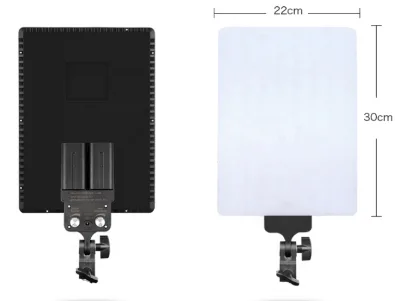
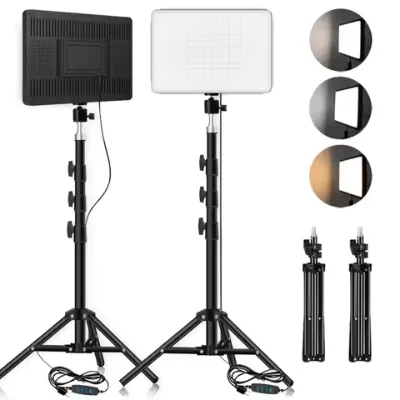
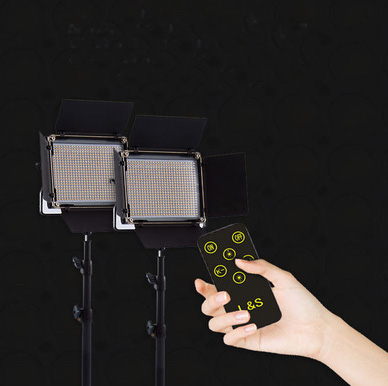
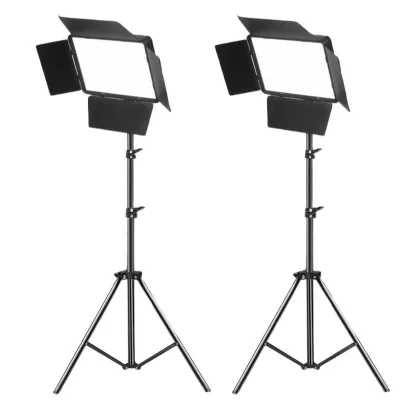
E-reise 2 Set 3200K/5500K Photography Photo Lighting Studio Panel Lamp Led Video Light With Tripod
$150.2165
MOQ: 100 Minimum
Zhongshan Auta Led Lighting Company Limited
- Verified by TüVRheinland
- Manufacturer, Trading Company
- Lead time15 days
- Avg. response≤ 3h
Main productsSolar LED Light, Garden LED Light, Outdoor LED Light, Smart LED Lights
Main marketsNorth America(25%), Oceania(25%), Domestic Market(20%)
Shaoxing Kefengte Photographic Equipment Co., Ltd.
- Manufacturer, Trading Company
- Zhejiang, China
- Lead time45 days
- Avg. response≤ 2h
Main productsPhotography Light, Ring Light, Soft Box, Camera Filters, Camera Accessories
Main marketsSoutheast Asia(70.00%), North America(5.00%), South America(5.00%), Western Europe(5.00%), Southern Europe(5.00%), Northern Europe(5.00%), Eastern Europe(5.00%)
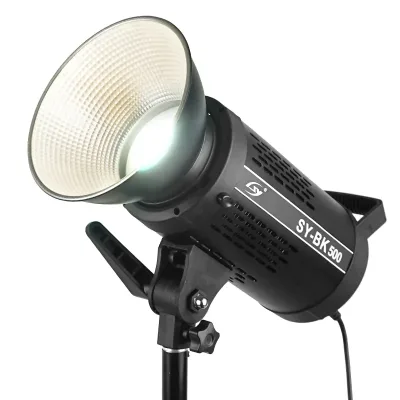
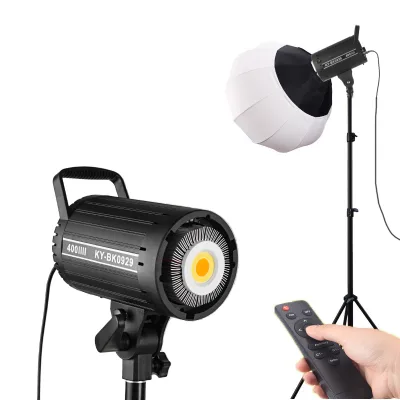
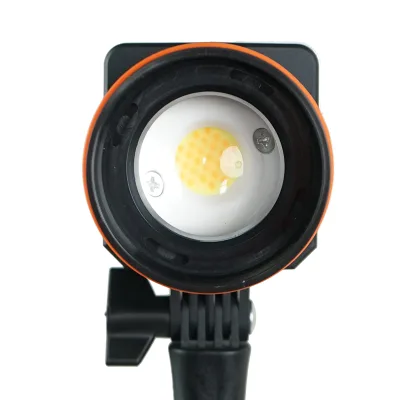
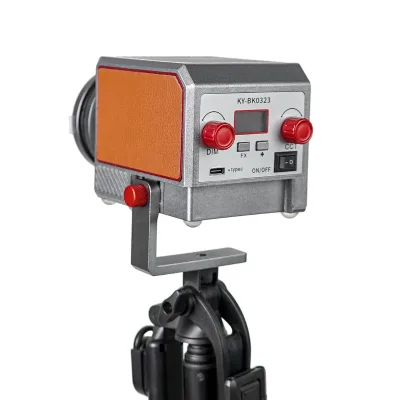
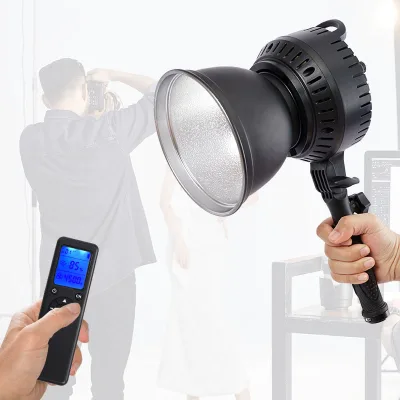
Professional Studio Light Portable Handheld Video Light Color Photography Lighting Kit
$41.60 - $46.60
MOQ: 50


Nanjing Lealite Industry Co., Ltd.
- Verified by TUVRHEINLAND
- Trading Company
- China Jiangsu
- Lead time15 days
- Avg. response≤ 3h
Main productsGalvanized Pole, Light Pole, LED Street Light, Traffic Pole, Circuit Breaker, Terminal Box Ekm2035, Grow Light, Photocell Sensor, Metallic Pole, Electrical Pole
Main marketsSouth America,Africa,Southeast Asia/ Mideast,East Asia(Japan/ South Korea),Europe
Shenzhen Kingsway Technology Co., Ltd.
- Verified by SGS Group
- Trading Company
- Lead time0 days
- Avg. response≤ 5h
Main productsAndroid TV Box, Mini Projector, TV Dongle, Mini Keyboard, Wireless WiFi Media Share Devices
Main marketsNorth America(35%), Western Europe(27%), South America(10%)
- Verified by TüVRheinland
- Trading Company
- Lead time15 days
- Avg. response≤ 6h
Main productsPhotographic Flash, Continuous Light, LED Panel Light, Light Stand, Photography Accessories
Main marketsNorth America(15%), South America(15%), Southeast Asia(10%)

- Verified by BV
- Combined
- China Guangdong
- Lead time15 days
- Avg. response≤ 2h
Main productsLED Flood Lights, LED High Bay Lights, LED Street Lights, LED Stadium Lights, LED Wall Lights, LED Down Lights, LED Spotlights, LED Photography Lights, LED Sport Lights
Main marketsAfrica,Southeast Asia/ Mideast,East Asia(Japan/ South Korea),Europe,Australia,North America


Professional LED White Video Lights Box Photo Studio Photography Light
$100.00 - $1000.00
MOQ: 1 Pieces

Remote Control Dimming High Light Efficiency Studio Lighting LED Photography Light
$100.00 - $1000.00
MOQ: 1 Pieces

RGB Bi-Color Energy-Saving LED Video Studio Lights Filming Camera Photo Recording
$100.00 - $1000.00
MOQ: 1 Pieces

Professional Video Photography LED Light Dimmable for Photo Studio Live Fill
$360.00 - $1405.00
MOQ: 1 Pieces

New Photo Studio Lighting Photography Adjustable Color Temperature Customization
$360.00 - $1405.00
MOQ: 1 Pieces

Shenzhen Zhongfan Technology Co., Ltd.
- Manufacturer, Trading Company
- Guangdong, China
- Lead time0 days
- Avg. response≤ 2h
Main productsVlogging Kit,Video Making Kit,Wireless Microphone,Microphone Accessories,Tripod
Main marketsNorth America(30.00%), Southern Europe(10.00%), Northern Europe(10.00%), Eastern Europe(10.00%), Western Europe(10.00%), South Asia(5.00%), Oceania(5.00%), Southeast Asia(5.00%), Central America(5.00%), South America(5.00%), Mid East(5.00%)
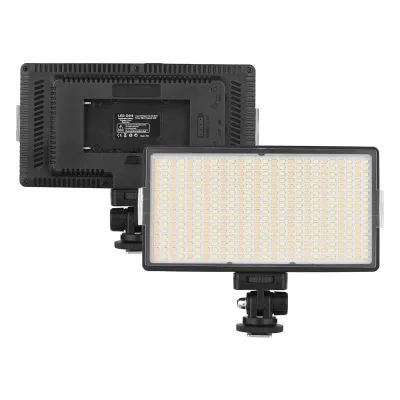
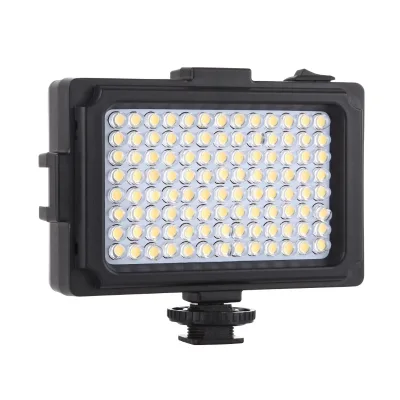
High Quality Video Light Professional 104 LED 1800LM Vlogging Photography Video Studio Light
$4.90 - $6.50
MOQ: 5 units

Guangzhou Futu Intelligent Technology Co., Ltd
- Verified by SGS
- Combined
- China Guangdong
- Lead time15 days
- Avg. response≤ 4h
Main productsPhotographic Lighting, Camera Bag, Camera Tripod, Nail Lamp, Half Moon Light, Lash Light, Beauty Lamp, Eyelash Lamp, Lashes Lamp, Selfie Ring Light
Main marketsDomestic

Photographic Lamp Studio Video Lighting LED Selfie Light for Photography Live
$45.00 - $59.00
MOQ: 30 pieces

Professional Photo Studio Photography Ring Light LED Video Light for Makeup Youtube
$32.00 - $38.00
MOQ: 50 pieces

$22.00 - $26.00
MOQ: 20 Pieces


Guangzhou Meizhi Guang Photographic Equipment Co., Ltd.
- Manufacturer
- Guangdong, China
- Lead time3 days
- Avg. response≤ 3h
Main productsPhotography lighting,live streaming lighting,photography accessories,Photography fill-in light,Selfie stick
Main marketsAfrica(30.00%), North America(10.00%), Southeast Asia(10.00%), Eastern Asia(10.00%), Mid East(10.00%), Domestic Market(5.00%), Southern Europe(5.00%), Northern Europe(5.00%), Western Europe(5.00%), Eastern Europe(5.00%), South America(5.00%)

Guangzhou Miao Figure Digital Technology Co, Ltd
- Verified by TUVRHEINLAND
- Manufacturer/Factory
- China Guangdong
- Lead time68 days
- Avg. response≤ 2h
Main productsPhotography Lights, Photography Background, Photography Props, Camera Stand, Photography Stand, Background Stand, Camera Accessories, Action Camera Accessories, Photography Softbox, Photography Light Stand
Main marketsEastern Europe,Mid East,North America,Western Europe,Africa
Guangdong Futulong Photography Equipment Co., Ltd.
- Manufacturer
- Guangdong, China
- Lead time3 days
- Avg. response≤ 5h
Main productsPhotography lighting,live streaming lighting,photography accessories,Photography fill-in light,Selfie stick
Main marketsSouth America(30.00%), Africa(10.00%), North America(5.00%), Eastern Europe(5.00%), Southeast Asia(5.00%), Oceania(5.00%), Mid East(5.00%), Eastern Asia(5.00%), Western Europe(5.00%), Central America(5.00%), Northern Europe(5.00%), Southern Europe(5.00%), South Asia(5.00%), Domestic Market(5.00%)
Chengdu Tops Technology Co., Ltd.
- Trading Company
- Lead time旺季: "1 - 1":10,"> 1":"To be negotiated", 淡季: "1 - 1":10,"> 1":"To be negotiated"
- Avg. response≤ 5h
Main productsPhoto Booth, Guestbook Phone, Heat Pump
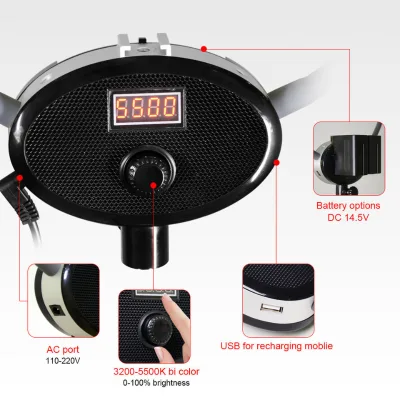
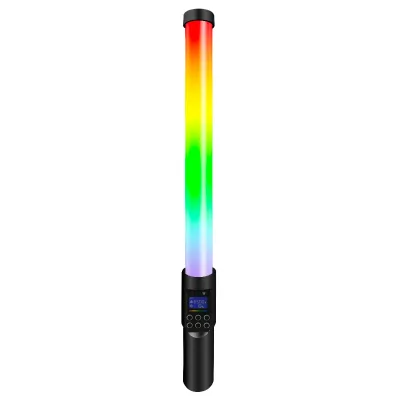
RGB LED Video Light Handheld Fill Light Studio Light
$94.00 - $119.00
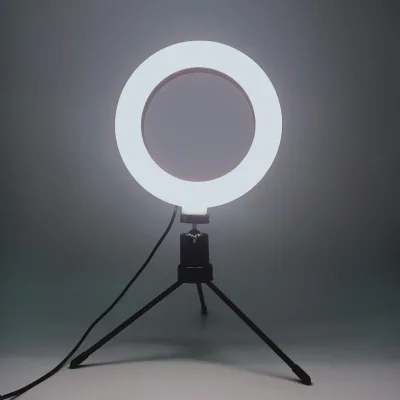
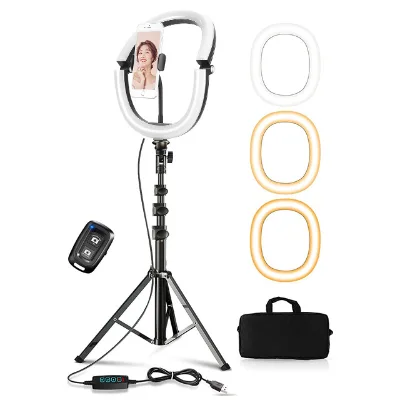
$8.30 - $12.40
MOQ: 100 pieces

- Verified by SGS
- Trading Company
- China Guangdong
- Lead time15 days
- Avg. response≤ 6h
Main productsStage Lights, Moving Head, LED Lights, LED Stage Light, LED Wash, LED Stage Fixture
Main marketsSoutheast Asia/ Mideast,Europe,North America

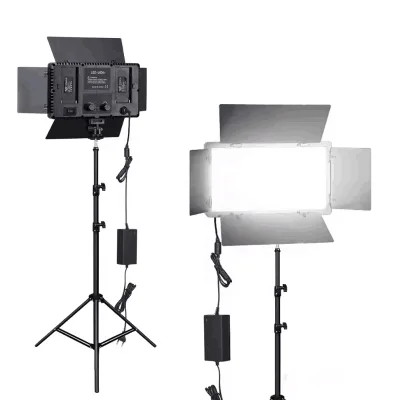
200W Dimmable Audio Photo Shooting LED Panel Light, Video Studio Photography Lighting
$140.00 - $150.00
MOQ: 1 Pieces

Dongguan Xintan Hardware Products Co., Ltd.
- Manufacturer, Trading Company
- Guangdong, China
- Lead time15 days
- Avg. response≤ 9h
Main productsTripod Stand,Photographic Lighting,LED Ring Light,Grow Tent,Hardware Accessories
Main marketsNorth America(40.00%), South America(15.00%), Western Europe(10.00%), Mid East(10.00%), Africa(10.00%), South Asia(5.00%), Southern Europe(5.00%), Northern Europe(5.00%)
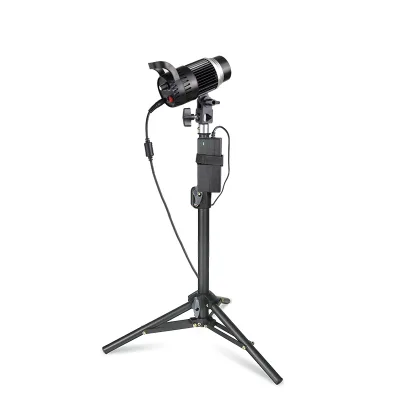
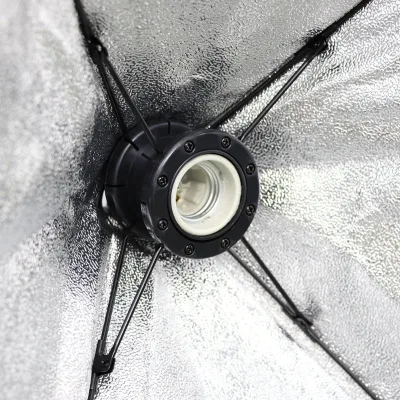
Studio LED Light 200W Softbox Continuous Lighting Video Production Lights
$45.00 - $48.00
MOQ: 10 pieces
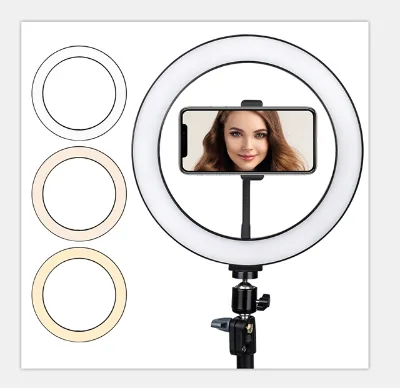

Ubaiyi Optoelectronic Technology (Shenzhen) Co., Ltd.
- Trading Company,Manufacturer/Factory
- China Guangdong
- Lead time23 days
- Avg. response≤ 11h
Main productsFill Video Light, Photo Studio Accessories, Screen for iPhone, Screen for Samsung, Screen for Pixel, Ear Phones, Accessories for Phone, Charger, Battery, Power Bank
Main marketsSouth America,Eastern Europe,Mid East,North America,Southeast Asia,Eastern Asia,Oceania,Western Europe,Africa

$16.00 - $17.50
MOQ: 10 Pieces

Pocket Photo Studio Accessories LED Photography Rechargeable LED Video Light Camera Lighting-W36
$4.50 - $6.00
MOQ: 10 Pieces


Shanghai Lanyou Lighting Co., Ltd.
- Verified by CTI
- Trading Company
- China Anhui
- Lead time15 days
- Avg. response≤ 6h
Main productsLED Channel Letters, Acrylic Signs, Metal Sign Letters, Wayfinding Signs, Outdoor Signage
Main marketsSouth America,Africa,Southeast Asia/ Mideast,East Asia(Japan/ South Korea),Europe,Australia,North America

LED Fill Lamp Video Panel Light Photography Lighting Live Stream Photo Studio Light with Stand
$3.90 - $4.50
MOQ: 100 Pieces

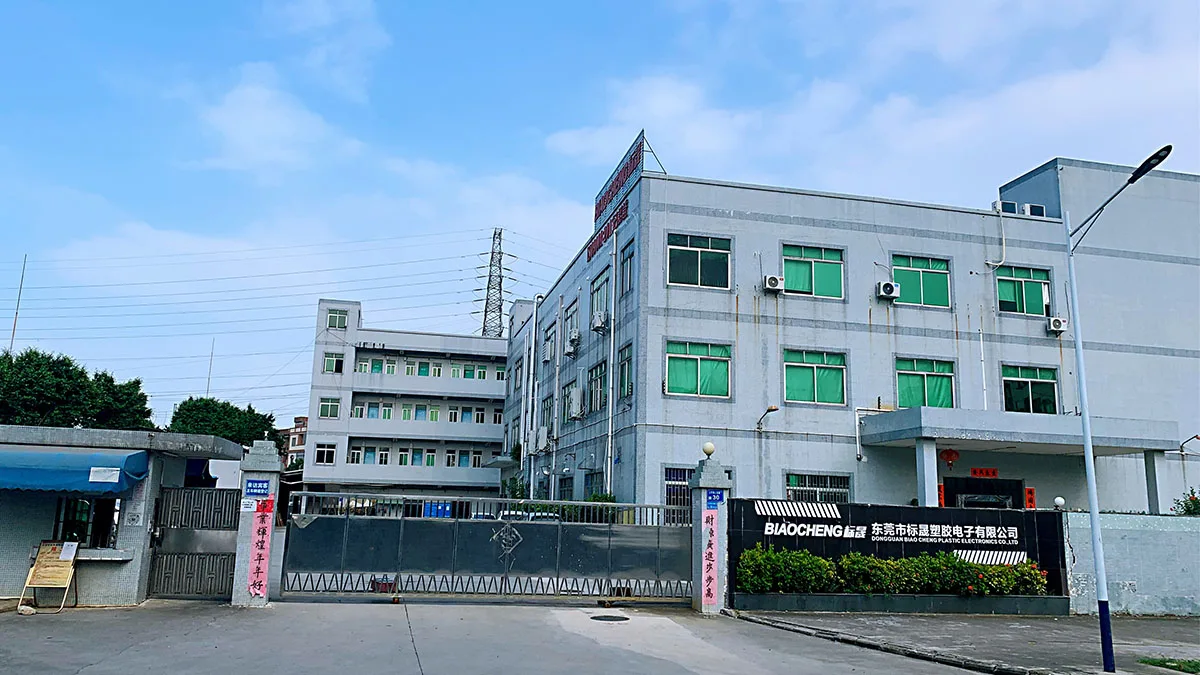
Dongguan Biaocheng Plastic Electronics Co., Ltd.
- Manufacturer, Trading Company
- Guangdong, China
- Lead time25 days
- Avg. response≤ 10h
Main productsVideo Light,Softbox,Photographic Equipment,Microphone,Ring Light
Main marketsNorth America(30.00%), Eastern Europe(20.00%), Domestic Market(10.00%), Western Europe(10.00%), Eastern Asia(10.00%), South America(10.00%), Central America(5.00%)
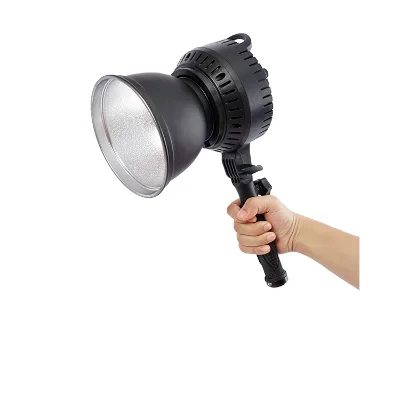
Hot Sale High Luminous Professional Photography Studio Light Foto Studio Led Light
$49.00 - $69.00
MOQ: 100 sets

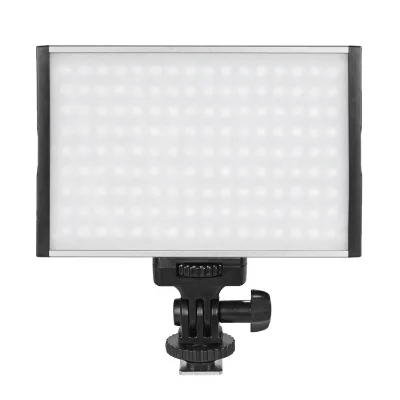
Factory Direct Sale New Arrival Bi-color Portable Led Video Studio Camera Light
$18.00 - $23.00
MOQ: 1 sets
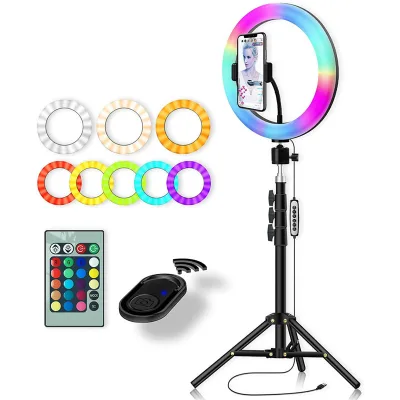
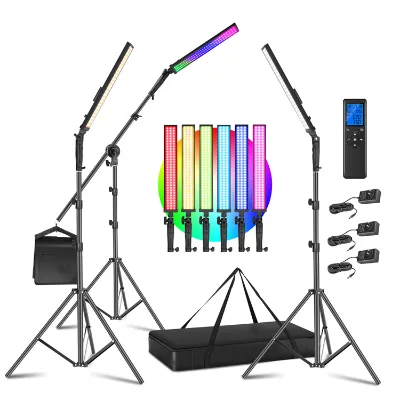
High Quality Best Price RGB LED Video Light Photography with Tripod Stand
$8.7769 - $9.8083
MOQ: 1 sets
Dongguan Wansheng Electronics Technology Co., Ltd.
- Verified by SGS Group
- Manufacturer, Trading Company
- Guangdong, China
- Lead time15 days
- Avg. response≤ 7h
Main productsFill Light,Beauty Lamp,Mobile Phone Tripod,Mobile Phone Bracket,External Optical Drive
Main marketsNorth America(15%), South America(15%), Eastern Europe(10%)
- Manufacturer, Trading Company
- Shandong, China
- Lead time3 days
- Avg. response≤ 5h
Main productsBackdrops,Video Lights,Softboxes,Light Stands,Backdrop Support System
Main marketsCentral America(15.00%), South America(15.00%), North America(15.00%), Western Europe(10.00%), Northern Europe(10.00%), Africa(10.00%), Eastern Europe(10.00%), Southern Europe(5.00%), Eastern Asia(5.00%), Southeast Asia(5.00%)

Guangzhou Ao Mei Di Stage Lighting Equipment Co., Ltd.
- Combined
- China Guangdong
- Lead time15 days
- Avg. response≤ 9h
Main productsStage Lighting Moving Head Light Beam Light
Main marketsSouth America,Africa,Southeast Asia/ Mideast,East Asia(Japan/ South Korea),Europe,Australia,North America

6X55W Warm White 3200K LED Studio Video Panel Light for Wedding Photography
$50.00 - $80.00
MOQ: 1 Pieces


4 Rows 4*55W Film Studio and TV Television Three-Color Soft Video Camera Light
$25.00 - $60.00
MOQ: 1 Pieces


Shenzhen Aisaien Electronic Co., Ltd.
- Manufacturer, Trading Company
- Guangdong, China
- Lead time0 days
- Avg. response≤ 6h
Main productsRing light,tripod,Wireless Microphone,Led Fill light,Selfie Stick
Main marketsSouthern Europe(20.00%), North America(19.00%), Western Europe(15.00%), Eastern Europe(10.00%), Africa(10.00%), South America(10.00%), Central America(5.00%), Eastern Asia(3.00%), Domestic Market(3.00%), Northern Europe(2.00%), Mid East(1.00%), South Asia(1.00%), Southeast Asia(1.00%)




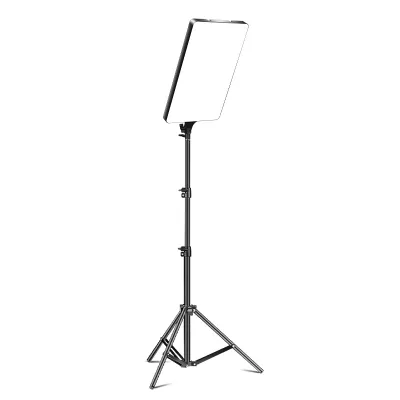
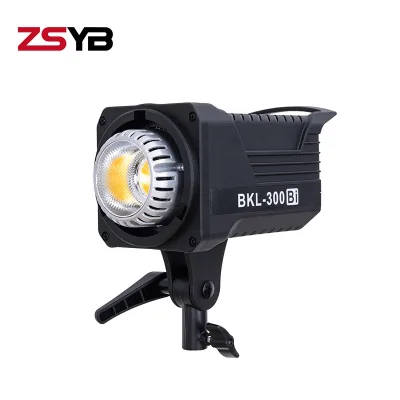
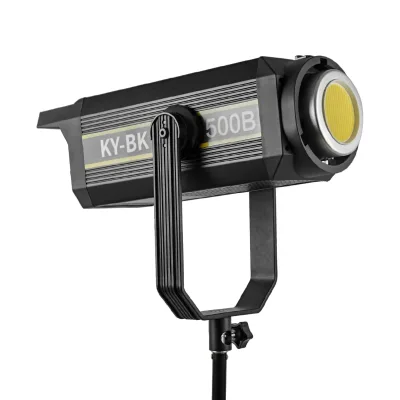
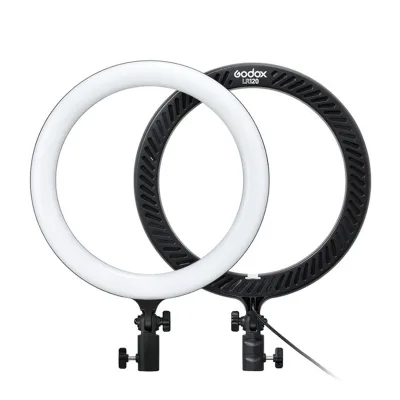


Comprehensive Sourcing Guide
Studio Photography LED Video Light Supplier Concentration and Factory Types
The available data indicates a concentration of manufacturing activity in China Guangdong, a region known for its electronics supply chain. When evaluating potential partners, buyers should look for suppliers explicitly stating this location in their profile to ensure proximity to established component networks. The results show a mix of company types, including combined entities and manufacturers or factories. A combined company type often suggests a blend of trading and production capabilities, whereas a manufacturer or factory designation implies direct control over the assembly line. This distinction is critical for buyers seeking specific customization or direct quality control over the production process.
Buyers must verify the specific nature of the supplier before assuming their capabilities. The observed data includes suppliers offering ODM, OEM, and own brand services, which indicates flexibility in product development. However, not every supplier will possess these exact capacities, so the buyer must confirm the specific service model during initial inquiries. The presence of RD capacity for custom branding suggests that some factories can adapt existing designs, but this requires explicit confirmation. Understanding whether a supplier is purely a manufacturer or a hybrid entity helps in setting realistic expectations for lead times and communication flows.
How to Verify Studio Photography LED Video Light Suppliers
Verification is a critical step when sourcing studio photography led video lights, as the market contains varied levels of operational maturity. The provided facts highlight specific verification bodies such as SGS and BV, which serve as third-party validation of a supplier's business legitimacy. Buyers should prioritize suppliers displaying these verification badges, as they indicate that an independent agency has reviewed the company's operations. It is important to note that not all suppliers in the search results may display these specific verification marks, so the absence of a badge does not automatically disqualify a vendor but warrants deeper due diligence.
Beyond third-party verification, system certifications provide insight into the supplier's internal management standards. The data shows suppliers holding ISO9001:2015 and ISO14001:2015 certificates, which reflect adherence to quality and environmental management systems. Additionally, product-specific certifications like CE, RoHS, GS, and CCC are visible in product attributes, indicating compliance with safety and regulatory standards for various markets. Buyers should request copies of these certificates to ensure they are current and valid for the specific products being ordered. Relying solely on the presence of a certification label without verifying the document details can lead to compliance issues in the destination market.
What to Compare Across Studio Photography LED Video Light Suppliers
When comparing suppliers, response time is a key metric for assessing communication efficiency and potential service quality. The observed data includes response times ranging from 2.50 to 3.08, which serves as a benchmark for expected interaction speed. A faster response time often correlates with better customer service and quicker resolution of pre-sales inquiries. However, buyers should not assume all suppliers will match the fastest observed rate; instead, they should test the responsiveness of potential partners during the initial contact phase to gauge their actual service level.
Lead time and minimum order quantity (MOQ) are equally vital factors for supply chain planning. The data indicates a lead time of 15 days for certain products, while MOQs vary significantly, with some suppliers requiring as few as one unit and others demanding ten. Buyers must align these figures with their inventory strategy and cash flow requirements. Additionally, comparing main products helps ensure the supplier specializes in the specific type of lighting needed, such as LED studio panels or flood lights. Price ranges also differ, with some products listed between 53.85 and 69.23, while others range from 177 to 204. These variations reflect differences in power, features, and build quality, necessitating a detailed comparison of specifications alongside cost.
Common Studio Photography LED Video Light Sourcing Risks
One significant risk involves the discrepancy between advertised specifications and actual product performance. The product attributes list detailed features like IP65 ratings, specific LED chip types such as Epistar, and power consumption figures. However, buyers must verify that these specifications are consistent across the entire production batch. Inconsistent quality control can lead to units that fail to meet the stated IP rating or color temperature, causing delays in production schedules. It is essential to request sample units before placing a bulk order to validate that the physical product matches the digital description provided in the supplier's catalog.
Another risk relates to the reliability of the supply chain and the ability to meet delivery deadlines. While a lead time of 15 days is observed, external factors such as raw material shortages or logistical disruptions can extend this period. Buyers should not rely on a single quoted lead time without a buffer for potential delays. Furthermore, the customization options listed, such as available branding or specific voltage requirements, introduce complexity. If a supplier lacks the necessary RD capacity or experience with custom orders, the risk of errors increases. Clear communication regarding customization requirements and a written agreement on delivery timelines are necessary to mitigate these risks effectively.
Studio Photography LED Video Light Regional Sourcing and Logistics
Sourcing from the identified region of China Guangdong offers access to a robust electronics ecosystem, but it also introduces specific logistical considerations. The proximity to major ports facilitates efficient shipping, yet buyers must account for the distance and transit time to their destination. The product attributes mention packing options like flight cases or cartons, which influence the volume and weight of the shipment. Understanding the packaging standards is crucial for calculating freight costs and ensuring the products arrive without damage. Buyers should verify if the supplier uses standard export packaging or if specialized handling is required for fragile electronic components.
Logistics planning also involves understanding the origin of the components used in the lighting fixtures. Some product attributes specify the use of imported LED chips, while others mention domestic sources. This distinction can impact the overall cost and the supply chain's vulnerability to international trade policies. Buyers should inquire about the origin of critical components to assess potential tariff implications. Additionally, the voltage specifications, such as AC90260V or AC100240V, must align with the electrical standards of the destination country. Mismatches in voltage or plug types can render the equipment unusable, necessitating the purchase of adapters or transformers, which adds to the total cost of ownership.
Studio Photography LED Video Light Commercial Terms and Order Planning
Commercial terms regarding payment and pricing structures are fundamental to a successful transaction. The observed price ranges provide a baseline for budgeting, but buyers must clarify whether these prices include shipping, taxes, or duties. Some suppliers may offer tiered pricing based on order volume, which can significantly affect the unit cost. It is advisable to negotiate terms that align with the buyer's financial timeline, such as using escrow services for larger orders to protect against non-delivery. The presence of verification badges like SGS or BV can sometimes influence the willingness of suppliers to offer favorable payment terms, as it reduces perceived risk.
Order planning requires a clear understanding of the minimum order quantities and the flexibility of the supplier to accommodate changes. While some suppliers have an MOQ of one, others require ten units, which impacts the initial investment. Buyers should also consider the lead time of 15 days when planning production schedules, ensuring that the delivery date aligns with project deadlines. Customization requests, such as specific branding or color temperatures, may extend the lead time and require additional costs. Therefore, buyers should finalize all product specifications before placing an order to avoid delays. Clear documentation of all agreed-upon terms, including pricing, lead times, and customization details, is essential for a smooth procurement process.
FAQs
What is the price range for LED studio video lights?
Prices typically range from $53.85 to $204.00 per unit depending on specifications. Basic square panel lights start near $53.85, while high-power flood lights reach up to $204.00. Buyers should check specific model listings for exact pricing tiers and bulk discounts.
What certifications do these LED lights have?
Most units carry CE, RoHS, GS, and CCC certifications for global compliance. System certifications often include ISO9001:2015 and ISO14001:2015 for quality management. Buyers should verify specific product labels to ensure they meet local regulatory requirements for film and television applications.
What is the minimum order quantity for these lights?
Minimum order quantities vary from one unit to ten units per model. Some basic panel lights allow single-unit purchases, while specialized flood lights may require a minimum of ten units. Buyers should confirm the specific MOQ for their chosen model before placing orders.
How long does production take for these lights?
Standard lead times are approximately 15 days for production and shipping. This duration applies to most standard LED video panel and flood light models. Buyers requiring urgent delivery should contact suppliers directly to confirm current production schedules and expedited shipping options.
Are these lights suitable for outdoor use?
Many models feature IP65 ratings, making them suitable for outdoor photography and stage use. Waterproof designs protect against dust and water jets during filming. Buyers should verify the specific IP rating on product details to ensure adequate protection for their outdoor environment.
What control systems are supported by these lights?
Lights support DMX, Autorun, and Master/Slave control systems for professional setups. DMX channels typically range from two to eight channels depending on the model. Buyers should check product specifications to ensure compatibility with their existing lighting control consoles and rigging equipment.