Sustainable Folding Glass Snack Bowl Suppliers and Manufacturers
Source 18 verified suppliers for Sustainable Folding Glass Snack Bowl products. Compare key dimensions including location, lead time, MOQ, and certifications to find the right partner. Review product details and request quotes directly; review the available evidence before requesting comparable quotations from suitable candidates.
Suppliers List

Zibo Timestone International Co., Ltd.
- Manufacturer/Factory
- China Shandong
- Lead time45 days
- Avg. response≤ 14h
Main productsCeramic Dinnerware, Ceramic Mugs, Stainless Steel Bottles Mugs and Tumblers, Glass Bottles Mugs and Tumblers, Dinnerware, Tableware, Glassware, Kitchenware, Household Items, Ceramic Granding Balls and Filters
Main marketsSouth America,Eastern Europe,Mid East,North America,Southeast Asia,Eastern Asia,Oceania,Western Europe,Africa

- Verified by TUVRHEINLAND
- Trading Company
- China Hunan
- Lead time45 days
- Avg. response≤ 2h
Main productsCeramic Mug, Vacuum Flask, Dinner Set, Cup, Mug, Thermal Bottle, Ceramic Dinner Set, Glass Jar, Glass Cup, Wine Cup
Main marketsSoutheast Asia/ Mideast


New Arrival Transparent Colorful Patterned Snacks Fruit Plate Glass Bowl
$0.40 - $0.69
MOQ: 2000 Pieces


Household Fashion Transparent Glass Bowl Ice Chilled Salad Bowl Glass Bowl with Lid
$1.30 - $1.80
MOQ: 1000 Sets

Yancheng Xinboyuan Glass Co., Ltd.
- Verified by BV
- Trading Company,Manufacturer/Factory
- China Jiangsu
- Lead time23 days
- Avg. response≤ 12h
Main productsGlass Table Lamp, Glass Perfume Bottles, Glass Lampshade, Glass Labware, Glass Bottles & Jars, Glass Candlesticks, Borosilicate Mug & Cups, Glass Vases & Terrariums, Glass Beakers, Glass Reagent Bottles
Main marketsEastern Europe,Mid East,North America,Western Europe


Design Fashion Creative Multi-Color Glass Bowl Heat-Resistant Fruit Salad Bowl
$2.00 - $3.80
MOQ: 50 Pieces

Hebei Zhuozhongxi Glass Products Co., Ltd.
- Verified by BV
- Manufacturer/Factory
- China Hebei
- Lead time15 days
- Avg. response≤ 4h
Main productsGlass Cup, Glass Teapot, Coffee Appliance, Tea Set, Glass Crafts, Glass Jug, Glass Food Storage Jar, Wine Glass, Candle Holders, Double Wall Glass
Main marketsSouth America,Eastern Europe,Mid East,North America,Southeast Asia,Eastern Asia,Oceania,Western Europe,Africa

Hemera (Tianjin) Technology Development Limited
- Verified by TUVRHEINLAND
- Manufacturer/Factory
- China Tianjin
- Lead time38 days
- Avg. response≤ 4h
Main productsGlass Cup, Glass Teapot, Glass Jar&Container, Glass Pitcher&Carafe, Water Jug, Coffee Set, Wine Set, Glass Cooking Ware
Main marketsSouth America,Eastern Europe,Mid East,North America,Southeast Asia,Eastern Asia,Oceania,Western Europe,Africa

$2.70 - $3.55
MOQ: 300 Pieces

$2.70 - $3.55
MOQ: 300 Pieces

Clear Simple Design Glass Salad Bowls Glass Cereal Bowl for Desserts Yogurt Nuts Fruits Cereal
$1.60 - $2.00
MOQ: 500 Pieces


Large Capacity Transparent Double Wall Glass Salad Bowl Easy to Wash Dessert Glass Bowl
$2.70 - $3.55
MOQ: 300 Pieces

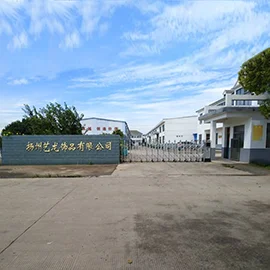
Yangzhou Artdragon Decorations Co., Ltd.
- Manufacturer, Trading Company
- Jiangsu, China
- Lead time60 days
- Avg. response≤ 3h
Main productsGlass Crafts, Felt Products, Sport Products
Main marketsNorth America(65.00%), Western Europe(25.00%), South America(3.00%), Northern Europe(3.00%), Oceania(1.00%), Southern Europe(1.00%), Eastern Asia(1.00%), Mid East(1.00%)

Wholesale Retro Glass Bowl Home Ice Cream Bowl Yogurt Oatmeal Breakfast Dessert Salad Glass Bowl
$0.48 - $0.59
MOQ: 200 pieces
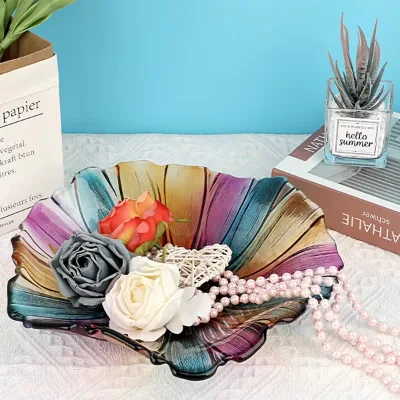
Yiwu Honghui Technology Co., Ltd
- Verified by SGS
- Trading Company
- China Zhejiang
- Lead time15 days
- Avg. response≤ 4h
Main productsGlass Water Pipe, Grinder, Smoking Accessory, Rolling Machine, Stash Can
Main marketsEurope,North America
- Verified by SGS
- Trading Company
- China Yunnan
- Lead time15 days
- Avg. response≤ 5h
Main marketsSoutheast Asia/ Mideast
JINAN FLAME GLASSWARE COMPANY LIMITED
- Verified by SGS
- Trading Company
- China Shandong
- Lead time23 days
- Avg. response≤ 19h
Main marketsDomestic

Guangzhou Garbo International Trading Co., Ltd.
- Verified by TUVRHEINLAND
- Trading Company,Manufacturer/Factory
- China Guangdong
- Lead time45 days
- Avg. response≤ 6h
Main productsGlassware, Glass Cup, Glass Mug, Glass Bowl, Glass Candy Jar, Glass Pitcher, Glass Ice Cream Cup and Ice Bucket, Opal Glassware, Stainless Steel Cutlery, Ceramic Dinnerware
Main marketsSouth America,Eastern Europe,Mid East,North America,Southeast Asia,Eastern Asia,Oceania,Western Europe,Africa

$0.27 - $0.75
MOQ: 3000 Pieces


Elegant Glass Bowls High-End Solid Color Fruit Bowl High Quality Salad Bowl
$1.30 - $2.24
MOQ: 2000 Pieces


$0.67 - $0.70
MOQ: 5000 Pieces
Baoying County Xuzhiguang Glass Crafts Co., Ltd.
- Verified by SGS Group
- Manufacturer, Trading Company
- Lead time7 days
- Avg. response≤ 2h
Main productsGlass Vases, Glass Candle Holders, Glass Tea Sets, Glass Wind Chimes, Glass Wine Glasses
Main marketsDomestic Market(66%), North America(12%), Western Europe(5%)
- Trading Company
- China Shanghai
- Lead time0 days
- Avg. response≤ 2h
Main productsRolling Paper, Rolling Tray, Grinder, Cone, Filter, Smoke Accessories

Heat Resistant Mini Silicone Pinch Bowls Multicolor Reusable Snack Bowls Silicone Bowls
$0.35
MOQ: 10000 Pieces

Mini Silicone Pinch Bowls Multicolor Reusable Snack Bowls Silicone Condiment Bowls
$0.30
MOQ: 10000 Pieces

Qingdao Simpassic Import and Export Co., Ltd.
- Trading Company,Manufacturer/Factory
- China Shandong
- Lead time0 days
- Avg. response≤ 23h
Main productsGlass Cup, Glass Jar, Borosilicate Glass Food Containers, Glass Mug, Tableare, Glass Tumbler, Glassware, Glass Jug, Glass
Main marketsSouth America,Eastern Europe,Mid East,North America,Southeast Asia,Eastern Asia,Oceania,Western Europe,Africa


10oz Glass Bowl, Mini Dessert Bowls Set for Small Portion Food, Dessert and Snack
$0.55
MOQ: 3000 Pieces


Yancheng Gold Best Glassware Co., Ltd.
- Trading Company
- Jiangsu, China
- Lead time20 days
- Avg. response≤ 3h
Main productsHome Decoration,Tableware,Kitchenware,Lighting Accessories,Glass Crafts
Main marketsNorth America(25.00%), Domestic Market(20.00%), Northern Europe(10.00%), Southern Europe(7.00%), Western Europe(7.00%), South America(5.00%), South Asia(5.00%), Eastern Asia(5.00%), Eastern Europe(5.00%), Oceania(5.00%), Central America(2.00%), Mid East(2.00%), Africa(1.00%), Southeast Asia(1.00%)
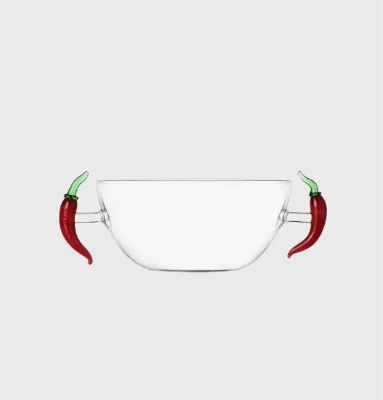
Wholesale Custom Glass Salad Bowl Vegetable Tableware Fruit Creative Fruit Glass Bowl
$4.27 - $4.58
MOQ: 500 pieces
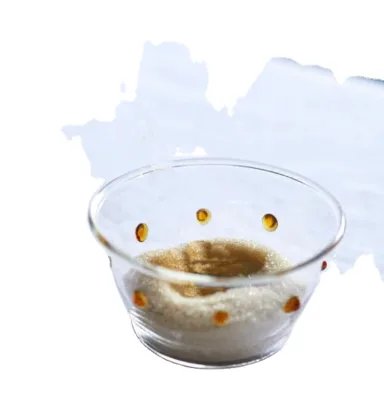
Wholesale Customized Fruit Home Snack Living Room Yogurt Glass Salad Bowl for Kitchen
$2.86 - $3.88
MOQ: 200 pieces

Xuzhou Xulang Glass Manufacturing Company., Ltd
- Verified by BV
- Trading Company,Manufacturer/Factory
- China Jiangsu
- Lead time30 days
- Avg. response≤ 3h
Main productsGlass Bottle, Glass Jar, Spice Grinder, Cup, Milk Bottle
Main marketsSouth America,Eastern Europe,Mid East,North America,Southeast Asia,Eastern Asia,Oceania,Western Europe,Africa

Hot Selling High Temperature Resistance Glass Storage Bowls Fruit Vegetable Salad Glass Bowls
$1.60 - $2.70
MOQ: 2000 Pieces

Household Customized Creative Kitchen Irregular Shape Serving Bowls Salad Bowl Glass with Gold Rim
$1.80 - $3.00
MOQ: 2000 Pieces
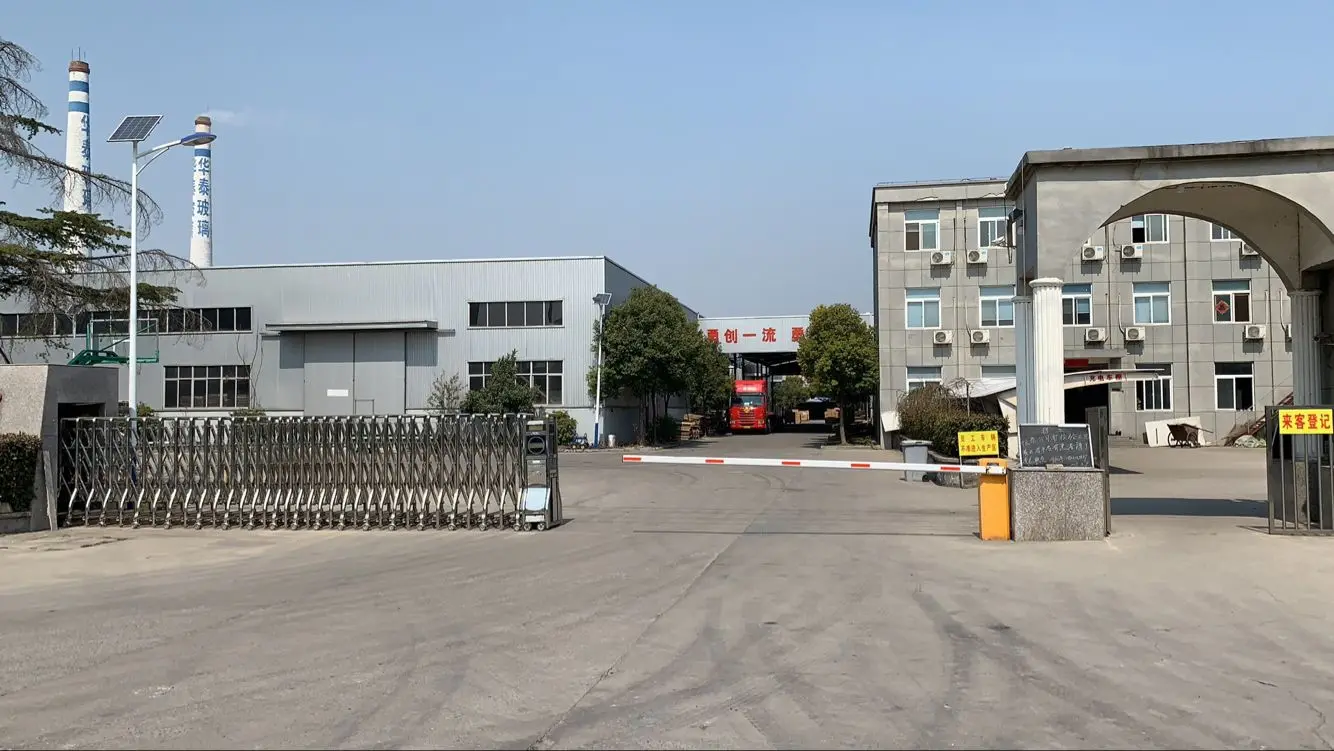
Bengbu Cattelan Glassware Co., Ltd.
- Manufacturer, Trading Company
- Anhui, China
- Lead time35 days
- Avg. response≤ 5h
Main productsWater Glass,Glass Bowl,Beer Glass,Shot Glass,Candle Glass
Main marketsNorth America(32.00%), South America(10.00%), Domestic Market(10.00%), Western Europe(9.00%), Eastern Europe(8.00%), Southern Europe(8.00%), Eastern Asia(6.00%), Southeast Asia(6.00%), Northern Europe(5.00%), Mid East(4.00%), South Asia(2.00%)

Zibo Green Light Industrial Co., Ltd.
- Verified by SGS
- Trading Company
- China Shandong
- Lead time30 days
- Avg. response≤ 7h
Main productsGlass Storage Jar, Glass Oil Vinegar Bottle, Glass Canister, Glass Dispenser, Glass Bowl and Plate, Glass Candle Holder, Glass Bathroom Products, Glass Vase, Glass Spice Jar
Main marketsEast Asia(Japan/ South Korea),Europe,North America

Xuzhou New Path Glass Products Co., Ltd.
- Verified by SGS
- Trading Company
- China Jiangsu
- Lead time15 days
- Avg. response≤ 11h
Main marketsSoutheast Asia/ Mideast


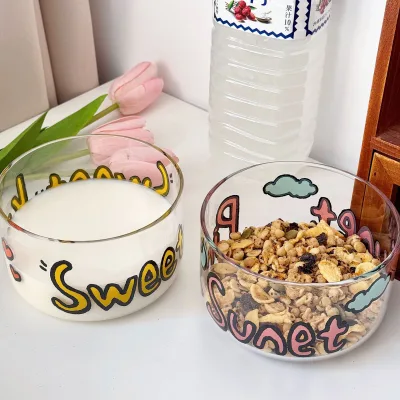
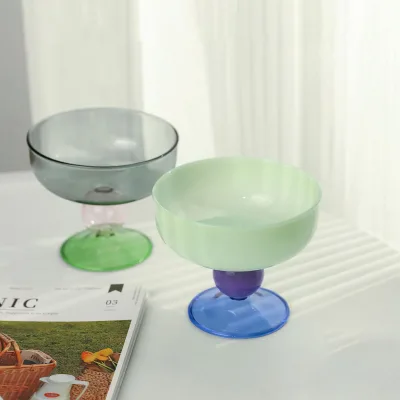
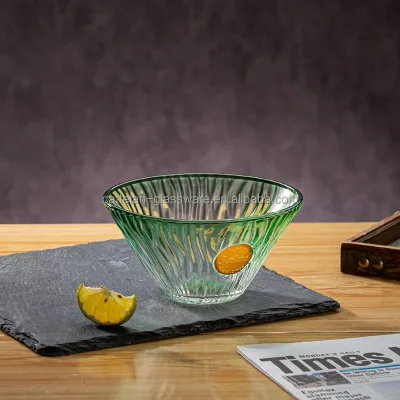


Comprehensive Sourcing Guide
Sustainable Folding Glass Snack Bowl Supplier Concentration and Factory Types
Current supplier data indicates manufacturing clusters primarily located in China's Shandong province, where factories produce ceramic dinnerware, glass bottles, and various tumblers. These facilities often operate as manufacturers or factories with capabilities for both OEM and ODM services, suggesting a concentration of production capacity in this specific region. The presence of established companies in Shandong implies a mature supply chain for glass and ceramic tableware, though specific factory names are not disclosed in the available results. Buyers should verify if other regional clusters exist by checking the origin field on product listings, as some results also reference Hunan province for glass jar and cup production.
When evaluating factory types, it is essential to distinguish between manufacturers and trading companies based on the company_type field. The observed data shows a mix of manufacturer entities and trading companies, each offering different advantages regarding direct production control versus broader product sourcing. Manufacturers in Shandong may offer more direct customization for glass snack bowls, while trading companies might provide a wider range of styles from multiple sources. Buyers must confirm the actual production capability by reviewing the main_products list, which often includes items like glass bowls, ceramic mugs, and kitchenware, to ensure the supplier specializes in the specific Sustainable Folding Glass Snack Bowl category required.
How to Verify Sustainable Folding Glass Snack Bowl Suppliers
Verification begins with checking system certifications such as BSCI, ISO 9000, ISO 9001, and SEDEX, which are explicitly listed for some suppliers in the current results. These certifications indicate adherence to specific management and social compliance standards, providing a baseline for supplier reliability. Additionally, product-level certifications like CE/EU, FDA, LFGB, and SGS are critical for food-contact items, ensuring the glass materials meet safety requirements for snack bowls. Buyers should request proof of these certifications rather than relying solely on the supplier's claim, as the presence of these marks on product attributes suggests a commitment to quality and regulatory compliance.
Beyond certifications, verification involves assessing the supplier's response time and verification status, such as the TUVRHEINLAND mark observed in the data. A response time of approximately 13 minutes or less indicates a responsive supply chain, which is vital for resolving issues during the sourcing process. Buyers should also confirm the supplier's verification status through independent third-party audits if available, as this adds a layer of trust regarding the company's legitimacy. It is crucial to cross-reference the listed location, such as Shandong or Hunan, with the actual factory address to ensure the supplier is operating from the claimed region, thereby reducing the risk of fraud or misrepresentation in the sourcing process.
What to Compare Across Sustainable Folding Glass Snack Bowl Suppliers
When comparing suppliers, key dimensions include lead time, minimum order quantity (MOQ), and response speed, all of which vary significantly across the available results. Lead times can extend up to 45 days, while response times range from under two minutes to over thirteen minutes, indicating differences in operational efficiency. Buyers should prioritize suppliers with shorter lead times if speed is critical, but must balance this against the MOQ requirements, which can range from 1,000 to 5,000 units depending on the specific product model. Comparing these metrics helps identify suppliers that align with the buyer's production schedule and inventory constraints without overcommitting to large initial orders.
Price and customization options are also critical comparison factors, with observed price points ranging from $0.30 to $1.90 per unit based on material and design complexity. Some suppliers offer customization for glass snack bowls, while others provide non-customized stock items, affecting the final cost and lead time. Buyers should evaluate the trade-off between price and the ability to customize, as custom designs often require higher MOQs and longer production cycles. Additionally, comparing the main products list ensures the supplier has the specific capacity for sustainable folding glass snack bowls, rather than just general tableware, ensuring the selected partner can meet the unique requirements of the product category.
Common Sustainable Folding Glass Snack Bowl Sourcing Risks
One significant risk involves the discrepancy between claimed certifications and actual product compliance, particularly for glass items intended for food contact. While some suppliers list FDA, LFGB, and SGS certifications, buyers must verify that these apply specifically to the folding glass snack bowl model and not just general product lines. Inconsistent certification data across different product attributes can lead to regulatory issues in the destination market, especially if the product is marketed as eco-friendly or sustainable. Buyers should request specific test reports for the exact model number to ensure the material and design meet all necessary safety standards before placing an order.
Another risk is the variability in lead times and production capacity, which can disrupt supply chains if not managed correctly. Observed lead times of up to 45 days may be insufficient for urgent orders, and suppliers with high response times might delay communication regarding production delays. Additionally, the distinction between manufacturers and trading companies can impact quality control, as trading companies may not have direct oversight of the production process. Buyers should mitigate this risk by establishing clear communication channels and setting realistic expectations for delivery dates, ensuring that any potential delays are communicated promptly to avoid stockouts or missed market opportunities.
Sustainable Folding Glass Snack Bowl Regional Sourcing and Logistics
Regional sourcing is heavily influenced by the location of manufacturing clusters, with Shandong and Hunan provinces emerging as key hubs for glass and ceramic production. Suppliers in Shandong often focus on ceramic dinnerware and glass bottles, while those in Hunan may specialize in glass jars and cups. Buyers should verify the specific origin of the product, as logistics costs and lead times can vary significantly depending on the distance from the factory to the port of shipment. Understanding the regional strengths helps in selecting suppliers that can offer competitive pricing and efficient shipping routes, reducing overall logistics costs and delivery times.
Logistics planning must account for the packaging standards and shipping methods used by different suppliers, as these affect the safety and cost of the goods in transit. Some suppliers use color boxes or master cartons with specific packing configurations, such as 5 pieces per inner box, which can impact the number of units per container. Buyers should confirm the packing details to ensure the glass snack bowls are protected during shipping, minimizing the risk of breakage. Additionally, understanding the origin location helps in calculating customs duties and import taxes, ensuring that the total landed cost remains within budget while maintaining the sustainability goals of the product line.
Sustainable Folding Glass Snack Bowl Commercial Terms and Order Planning
Commercial terms such as MOQ and pricing structures are fundamental to order planning, with observed MOQs ranging from 1,000 to 5,000 units depending on the supplier and product model. Buyers must align their order quantities with these MOQs to avoid unnecessary costs or the need to negotiate lower thresholds, which may not always be feasible. Pricing varies based on material and customization, with some models priced as low as $0.30 and others up to $1.90, requiring careful budgeting to ensure profitability. Understanding these terms early in the sourcing process helps in planning production schedules and managing cash flow effectively.
Order planning should also consider the customization options and lead times, as these factors directly impact the timeline from order placement to delivery. Suppliers offering customization may require additional time for design approval and production setup, extending the overall lead time. Buyers should factor in these variables when planning their inventory levels and marketing campaigns to ensure product availability aligns with market demand. By carefully reviewing the commercial terms and planning accordingly, buyers can mitigate risks associated with delays or cost overruns, ensuring a smooth and efficient sourcing process for sustainable folding glass snack bowls.
FAQs
What certifications do the glass snack bowls have?
Glass snack bowls from these suppliers carry CE, EU, FDA, SGS, LFGB, and EEC certifications. These standards ensure the products meet international safety requirements for food contact. Buyers should verify specific test reports for their target market before placing large orders.
What is the minimum order quantity for glass bowls?
Minimum order quantities vary by product, ranging from 1,000 to 5,000 pieces. Some glass snack bowls require 5,000 units, while others start at 3,000 or 2,000 units. Buyers must check the specific MOQ listed for each model to ensure it fits their procurement needs.
How long does production take for these bowls?
Production lead times for the listed glass and ceramic bowls are approximately 45 days. This duration covers manufacturing and quality checks before shipment. Buyers should confirm current lead times with suppliers as schedules may shift based on order volume and material availability.
Are customization options available for these bowls?
Customization is available for many glass snack bowl models, including logo printing and shape adjustments. Some products support OEM and ODM services with own branding capabilities. Buyers should specify their design requirements early to ensure the supplier can accommodate the requested changes within the timeline.
Where are these sustainable glass bowls manufactured?
These bowls are manufactured in China, specifically in Shandong and Hunan provinces. Shandong suppliers focus on glass and ceramic dinnerware, while Hunan facilities produce various glass containers. Buyers can request factory addresses to verify the specific production location for their order.
What is the price range for wholesale glass bowls?
Wholesale prices for glass snack bowls range from 0.30 to 1.90 USD per unit depending on the model and material. Specific items like glass snack bowls start at 0.30 USD, while ceramic options may cost 1.50 USD. Final pricing depends on order quantity and customization details.
How quickly do suppliers respond to inquiries?
Supplier response times vary, with some facilities responding within 1.09 hours and others taking around 13.29 hours. Faster response times often indicate higher availability for immediate order processing. Buyers should prioritize suppliers with quicker response metrics for urgent sourcing needs.