Suzuki Baleno Oxygen Lambda Sensor Suppliers and Manufacturers
Compare 24 verified suppliers offering Suzuki Baleno Oxygen Lambda Sensor with details on location, lead times, and MOQ. Review product specifications and response times to select a suitable vendor for your needs; review the available evidence before requesting comparable quotations from suitable candidates.
Suppliers List

Guangzhou Haoyang Auto Parts Firm
- Manufacturer, Trading Company
- Guangdong, China
- Lead time3 days
- Avg. response≤ 7h
Main productsOxygen Sensor,Electrical Window Switch,Fuel Pump/Timing kit/Head Gasket,Shock Absorber
Main marketsNorth America(35.00%), Southeast Asia(20.00%), South America(10.00%), Western Europe(10.00%), Africa(10.00%), Eastern Europe(10.00%), Mid East(5.00%), Central America(0.00%)
Guangzhou Haoxiang Auto Parts Co., Ltd.
- Verified by Intertek
- Trading Company
- Lead time2 days
- Avg. response≤ 1h
Main productsFuel Injection Pump, Spark Plug, Water Pump, Sensor, Fuel Pump
Main marketsNorth America(35%), South America(15%), Eastern Europe(10%)

Guangzhou Xin Sande Auto Parts Co., Ltd.
- Verified by TUVRHEINLAND
- Trading Company
- China Guangdong
- Lead time30 days
- Avg. response≤ 5h
Main productsCar Part
Main marketsSouth America,Southeast Asia/ Mideast,North America
Guangzhou Honchang Auto Parts Co., Ltd.
- Trading Company
- Guangdong, China
- Lead time5 days
- Avg. response≤ 3h
Main productsAuto PDC Sensor,Power Window Switch,TPMS Sensor,Clock Spring,Other Electronics
Main marketsSouth America(20.00%), North America(20.00%), Northern Europe(10.00%), Western Europe(10.00%), Eastern Europe(10.00%), Southern Europe(5.00%), Africa(5.00%), Central America(5.00%), Southeast Asia(5.00%), Eastern Asia(5.00%), Mid East(5.00%)

Guangzhou first Jun Technology Co., Ltd.
- Verified by SGS
- Trading Company
- China Guangdong
- Lead time30 days
- Avg. response≤ 5h
Main productsFuel Pump, Ignition Coil, Fuel Injector, Oxygen Sensor, Injector, Diesel Injector, Nozzle, Common Rail Parts, Head Rotor
Main marketsDomestic


High Quality Oxygen Sensor Lambda Sensor for Opel Suzuki Mazda Volvo Oza19e12 Km81010 96335925
$5.00 - $10.00
MOQ: 1 Pieces


High Quality Oxygen Sensor O2 Lambda Sensor for Toyota Camry Venza OEM 89467-06100
$10.00 - $25.00
MOQ: 1 Pieces

Wenzhou Bee Automobile Parts Co., Ltd.
- Verified by SGS
- Manufacturer/Factory
- China Zhejiang
- Lead time23 days
- Avg. response≤ 4h
Main productsThrottle Body, Mass Air Flow Sensor, Oxygen Sensor, Nox Sensor, Fuel Injector, Carburetor, Ignition Distributor, Ignition Coil, EGR Valve, Thermostat Housing
Main marketsSouth America,Eastern Europe,North America,Southeast Asia,Eastern Asia,Oceania,Africa


234-9031 Oxygen Sensor for Suzuki 2349031 18213-66j20 1821366j20 25054070 234-9023 18213-66j00
$12.70 - $13.70
MOQ: 20 Pieces

Changsha Torch Auto Parts Co., Ltd.
- Verified by CTI
- Combined
- China Hunan
- Lead time45 days
- Avg. response≤ 3h
Main productsSpark Plug, Ignition Coil, Seal, Brake Pad, Ignition Parts, Power Plant Equipment and Spare Parts, Gas Genesets, Engine Parts, Filter
Main marketsAfrica,Southeast Asia/ Mideast,Domestic,Europe,North America


Fast Response Oxygen Lambda Sensor for Performance Cars Compatible with Genesis Coupe
$10.00 - $19.99
MOQ: 4 pieces

High Performance OE Oza588-Sz1 Auto Parts Lambda Car Oxygen Sensor for Ikco
$10.00 - $19.99
MOQ: 4 pieces

Guangzhou Jiyang Trading Co., Ltd.
- Manufacturer, Trading Company, Distributor/Wholesaler
- Guangdong, China
- Lead time15 days
- Avg. response≤ 7h
Main productsEngine part,Chassis part,Auto sensor,Aluminum profile,forging steel
Main marketsNorth America(25.00%), Mid East(15.00%), Oceania(15.00%), Western Europe(15.00%), Northern Europe(5.00%), Eastern Europe(5.00%), Central America(5.00%), Southeast Asia(3.00%), Domestic Market(2.00%), Eastern Asia(2.00%), South Asia(2.00%), Southern Europe(2.00%), Africa(2.00%), South America(2.00%)

- Trading Company
- China Chongqing
- Lead time15 days
- Avg. response≤ 4h
Main productsAuto Alternator, Auto Starter, Steering Rack, Throttle Body, Auto Sensor, Control Arm/Crossmember, Power Steering Pump, Fuel Injector, Ignition Distributor, Turbocharger
Main marketsSouth America,Europe

Wholesale Car Lambda O2 Oxygen Sensor 18213-70h02 149100-3820 for Suzuki Baleno
$6.00 - $13.00
MOQ: 1 Pieces

Hot Selling Car Engine Spare Parts Lambda Oxygen Sensor 18213-78K00 for Suzuki Sx4
$9.00 - $15.00
MOQ: 1 Pieces

Chinese Manufacturer New Great Quality Oxygen Lambda Sensor 18213-82j00 for Suzuki
$6.00 - $11.00
MOQ: 1 Pieces

Auto O2 Lambda Oxygen Sensor 234000-9121 234000-7132 18213-79K10 18213-57L00 for Suzuki
$5.00 - $20.00
MOQ: 1 Pieces


Car Accessory Oxygen Sensor 24102432 Lambda O2 Oxygen Sensor for Chevrolet
$8.00 - $15.00
MOQ: 1 Pieces
Shanghai Hongyu Trading Co., Ltd.
- Verified by Intertek
- Trading Company
- Lead time5 days
- Avg. response≤ 4h
Main productsTiming Chain Kit, VVT Gears, Timing Belt Kit, Water Pump, Engine Parts

Ruian Shengliang Trading Co., Ltd.
- Verified by TUVRHEINLAND
- Trading Company,Manufacturer/Factory
- China Zhejiang
- Lead time45 days
- Avg. response≤ 10h
Main productsCooling System Parts, Suspension Parts, Engine Parts, Sensor Parts, Chassis Parts
Main marketsSouth America,Eastern Europe,Mid East,Western Europe


$10.00 - $30.00
MOQ: 50 Pieces

Oxygen Sensor Uaa0001-Su007 for Suzuki 63r30 Uaa0001su007 OE Sandard Process
$10.00 - $35.00
MOQ: 50 Pieces

Qingdao D&E International Trade Co., Ltd.
- Verified by BV
- Trading Company,Manufacturer/Factory
- China Shandong
- Lead time23 days
- Avg. response≤ 6h
Main productsAuto Spare Parts, Truck Sparts Parts, Diesel Heaters, Truck Air Conditioner, Heater Spare Parts for Eberspacher/Webasto
Main marketsSouth America,Eastern Europe,Mid East,North America,Southeast Asia,Eastern Asia,Oceania,Western Europe,Africa

Auto Parts Oxygen Sensor 234-9119 OEM 211200-3510 Lambda Probe Oxygen Sensor for Japanese Car
$22.00 - $25.00
MOQ: 50 Pieces

Oxygen Sensor 234-4979 OEM 36532-R1b-A01 Lambda Probe Oxygen Sensor for Japanese Car
$8.67 - $10.43
MOQ: 30 Pieces


Oxygen Sensor Lambda Sensor 0 258 007 043 0258007043 30751034 Auto Parts
$8.56 - $10.29
MOQ: 50 Pieces

- Manufacturer, Trading Company, Distributor/Wholesaler, Business Service (Transportation, finance, travel, Ads, etc)
- Guangdong, China
- Lead time7 days
- Avg. response≤ 4h
Main productsauto sensor,ignition system,auto switch,cooling system,Engines parts
Main marketsSouth America(20.00%), North America(20.00%), South Asia(10.00%), Mid East(10.00%), Oceania(10.00%), Africa(10.00%), Southeast Asia(10.00%), Eastern Europe(10.00%)
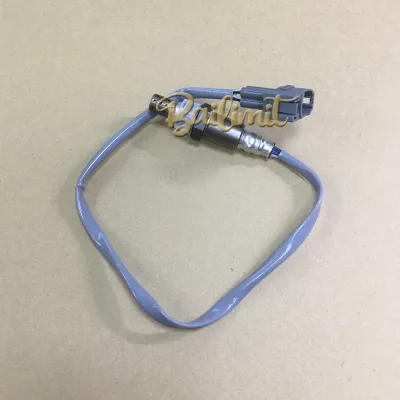
Auto New Lambda Probe O2 Oxygen Sensor 1821363J01 18213-63J01 for Suzuki SX4 for Liana for Justy
$9.00 - $12.00
MOQ: 10 pieces
Guangzhou Huiliang Trading Co., Ltd.
- Manufacturer, Trading Company, Distributor/Wholesaler, Other
- Guangdong, China
- Lead time0 days
- Avg. response≤ 4h
Main productsAuto sensors,spark plugs,Hoses & tubes,Valves,thermostats
Main marketsSouth America(35.00%), Mid East(30.00%), Western Europe(15.00%), Eastern Europe(10.00%), Domestic Market(5.00%), Southeast Asia(5.00%)

Guangzhou Fengming Auto Parts Co., Ltd.
- Verified by SGS
- Trading Company
- China Guangdong
- Lead time15 days
- Avg. response≤ 8h
Main productsAuto Part, Spark Plug, Filters, Clock Spring, Water Pump, Timing Chain Kit, Engine Mount, Gasket Kit, Control Arm, Steering Rack
Main marketsSoutheast Asia/ Mideast,Europe,North America


Auto Replacement Parts Rear Oxygen Sensor OEM 89465-52060 for Japanese Car
$13.00 - $15.00
MOQ: 2 Pieces


Anhui Aljieao Auto Parts Co., Ltd
- Verified by CTI
- Trading Company
- China Anhui
- Lead time23 days
- Avg. response≤ 2h
Main productsUrea Pump, Nox Sensor, Truck Lamp
Main marketsSouth America,Africa,Southeast Asia/ Mideast,East Asia(Japan/ South Korea),Europe,Australia,North America

$10.94 - $14.98
MOQ: 20 Pieces

$10.94 - $14.98
MOQ: 20 Pieces

Wenzhou High and Long Co., Ltd.
- Verified by SGS
- Trading Company
- China Zhejiang
- Lead time30 days
- Avg. response≤ 10h
Main productsThrottle Body, Auto Sensors, Idle Control Valve, Ignition Coil, ECU, Fuel Metering
Main marketsSoutheast Asia/ Mideast,Europe,North America

H&L OE 18213-82K00 Uaa0001-Su001 Air Fuel Ratio Oxygen Sensor Auto Parts Lambda Sensor for Suzuki
$21.00 - $24.00
MOQ: 10 Pieces

$6.00 - $7.20
MOQ: 10 Pieces

$15.80 - $17.50
MOQ: 10 Pieces

$15.80 - $17.50
MOQ: 10 Pieces


Stqr 4-Wire Lambda Probe O2 Sensor 9673438580 Auto Part Car for YAMAHA Fz Oxygen Sensor for Citroen
$7.50 - $8.10
MOQ: 10 Pieces
Guangzhou Zhenhua Auto Part Trading Co., Ltd.
- Trading Company
- Lead time旺季: "1 - 100":31,"> 100":"To be negotiated", 淡季: "1 - 100":31,"> 100":"To be negotiated"
- Avg. response≤ 2h
Main productsFuel Injector, Ignition Coils, Mass Air Flow Meter Sensor, Camshaft Position Sensor, Oygen Sensor
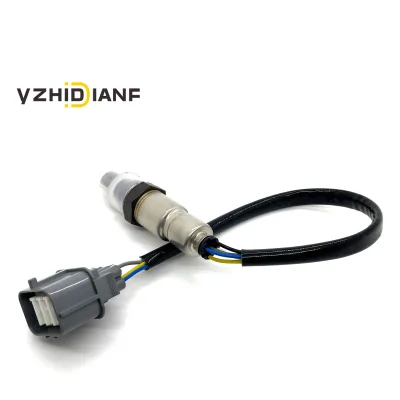
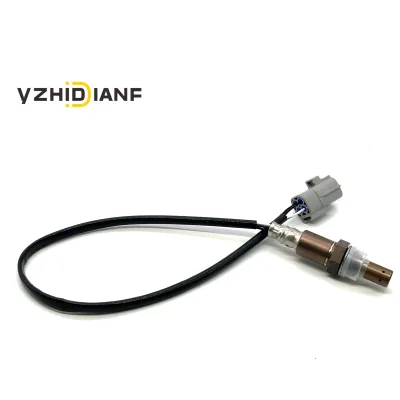
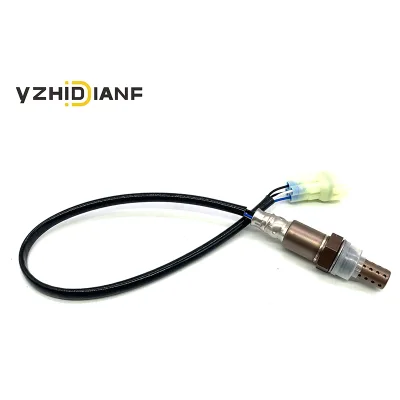
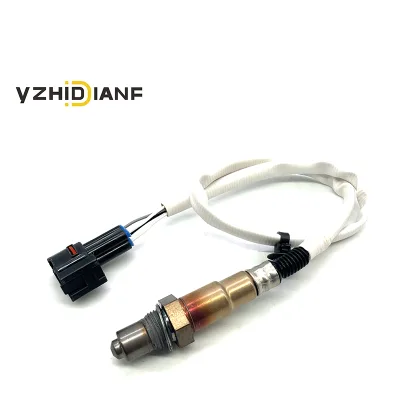
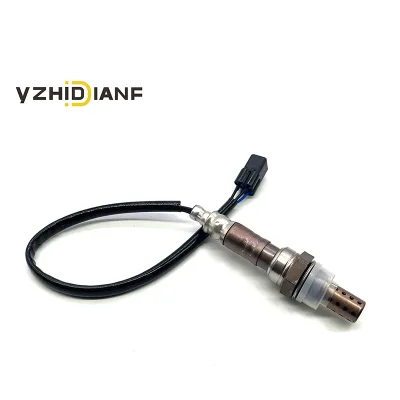
High Precision Auto Engine Sensor O2 Oxygen Sensor 1821368H51 18213-68H51 For SUZUKI Every
$6.64 - $8.48
MOQ: 10 pieces
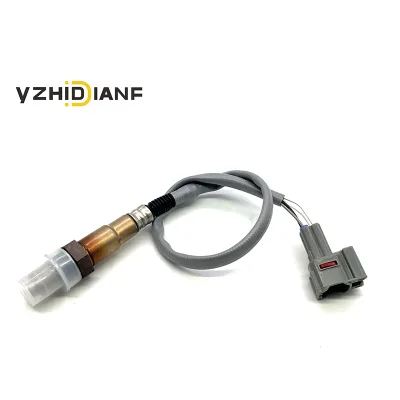
High Precision O2 Oxygen Sensor 1821384M00 18213-84M00 For Suzuki Celerio
$9.00 - $12.00
MOQ: 10 pieces
Guangzhou Oumengda Trade Co., Ltd.
- Manufacturer, Trading Company, Distributor/Wholesaler
- Lead time旺季: "1 - 10":7,"11 - 100":15,"> 100":"To be negotiated", 淡季: "1 - 10":7,"11 - 100":15,"> 100":"To be negotiated"
- Avg. response≤ 2h
Main productsspark plug,ignition coil,Oxygen Sensor,Air Flow Meters,Auto Sensors

Wenzhou Credit Parts Co., Ltd.
- Verified by TUVRHEINLAND
- Combined
- China Zhejiang
- Lead time15 days
- Avg. response≤ 10h
Main productsFuel Injector, Fuel Pump, Vvt Variable Valve, Sensor, Fuel Injector Repair Kits, Fuel Pressure Regulator, Idle Air Control Valve, Diesel Injector
Main marketsNorth America

Guangzhou Goson Autopart Co., Ltd
- Verified by BV
- Trading Company
- China Guangdong
- Lead time15 days
- Avg. response≤ 15h
Main productsIgnition Coil, Fuel Pump, Oil Nozzle, Fuel Oil Pump Assembly, Computer Board, Oxygen Sensor, Water Temperature Sensor, Idle Speed Motor
Main marketsDomestic


High Quality Automobile Parts Engine Oxygen Sensor Fit for Toyata OEM: 89465-Bz040
$8.50 - $11.50
MOQ: 20 Pieces

Guangzhou Desheng Auto Parts Co., Ltd.
- Manufacturer, Trading Company, Distributor/Wholesaler
- Guangdong, China
- Lead time15 days
- Avg. response≤ 9h
Main productsignition coil,oxygen/abs/tps sensor,fuel injector,VVT value,spark plug
Main marketsSouth America(50.00%), Africa(15.00%), North America(14.00%), Western Europe(5.00%), Southern Europe(5.00%), Eastern Europe(3.00%), Southeast Asia(3.00%), Oceania(3.00%), South Asia(1.00%), Mid East(1.00%)
Zhengzhou Tuopuda Auto Parts Co., Ltd.
- Trading Company
- Henan, China
- Lead time10 days
- Avg. response≤ 2h
Main productsalternator,fuel injector,lambda sensor,pickup canopy,starter motor
Main marketsSouth America(20.00%), North America(20.00%), Western Europe(10.00%), Domestic Market(10.00%), Northern Europe(10.00%), Africa(10.00%), Eastern Europe(10.00%), Eastern Asia(5.00%), Mid East(5.00%)
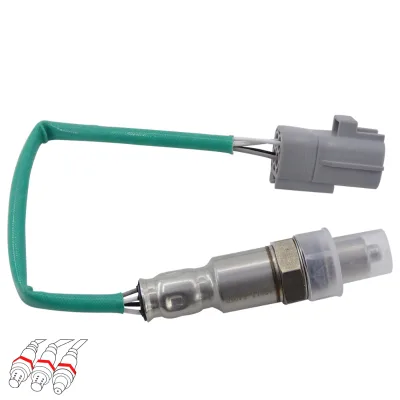
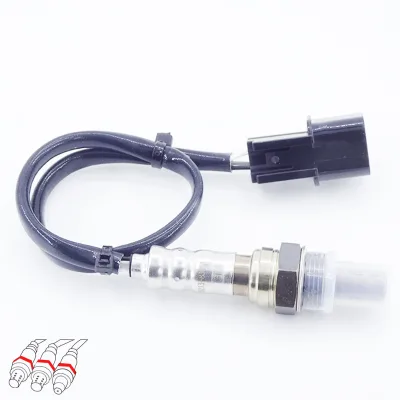
BRD2268 Auto Parts Exhaust Oxygen Sensor 18213-83G50 1821383G50 for Suzuki
$6.80 - $7.00
MOQ: 50 pieces
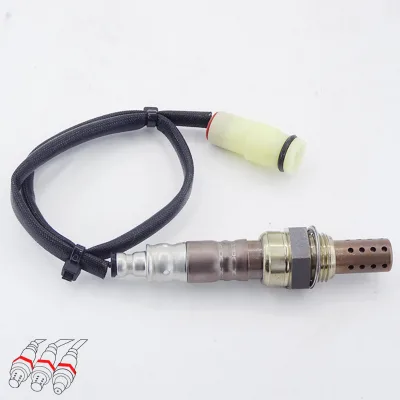
BRD1482 New OEM for Suzuki Marine Oxygen Sensor O2 18213-74F00 Steel Material Engine
$7.30 - $7.60
MOQ: 50 pieces
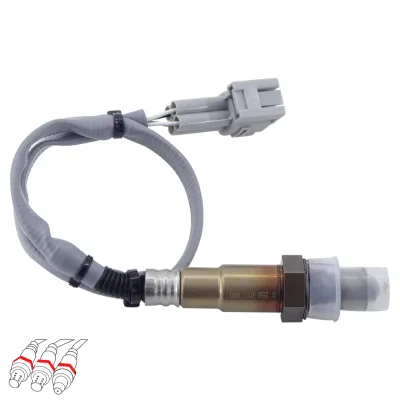
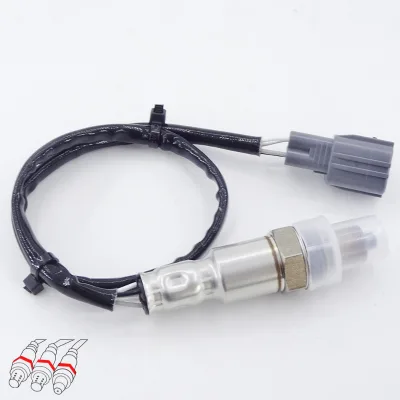
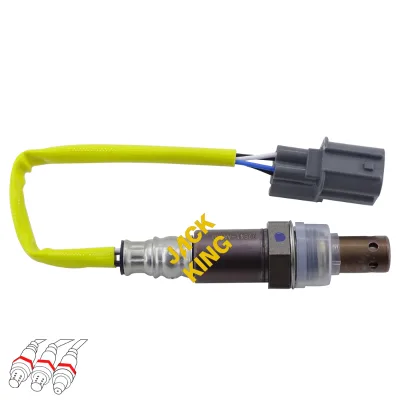
Guangzhou Bineng Business Co., Ltd.
- Verified by Intertek
- Trading Company
- Lead time7 days
- Avg. response≤ 2h
Main productsAuto Sensors, Air Flow Meters, Ignition Coils, Spark Plugs , Car Switch
Main marketsSouth America(45%), North America(35%), Domestic Market(20%)
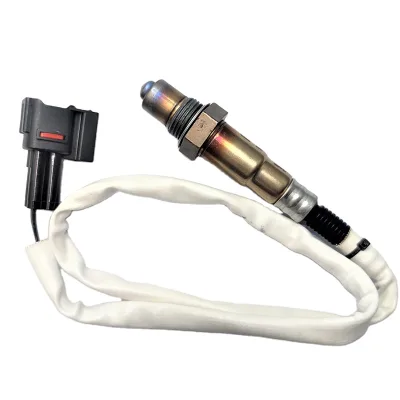
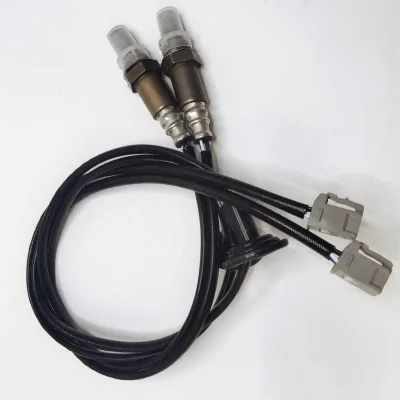
Wholesale Hot Selling Sensors 89465-50149 89465-13040 Lambda Oxygen Sensor for RUNNER
$9.88 - $12.88
MOQ: 4 pieces
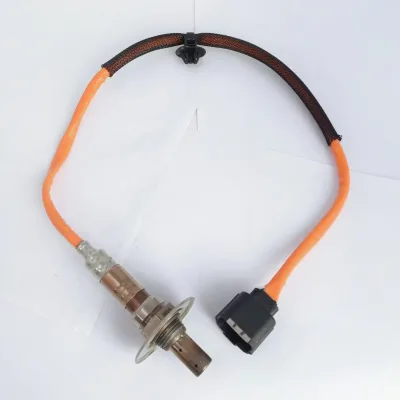
22641-AA480 22641AA480 Car Sensors Oem Oxigen O2 Sensor Wholesale for Suzuki Sx4 Jimmy Vitara
$20.88 - $23.88
MOQ: 4 pieces
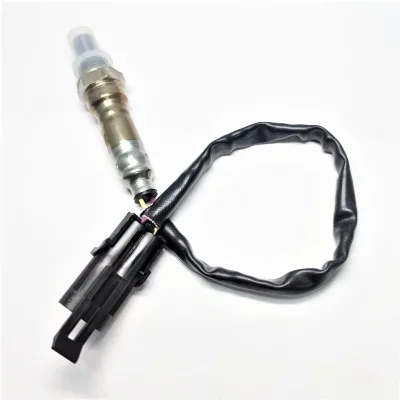
$10.88 - $14.88
MOQ: 4 pieces
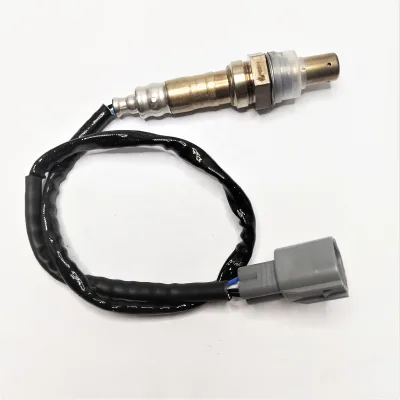
High Quality 89467-33040 89467-33020 89467-33010 Oxygen Sensor for SOLARA RAV
$16.39 - $19.48
MOQ: 4 pieces


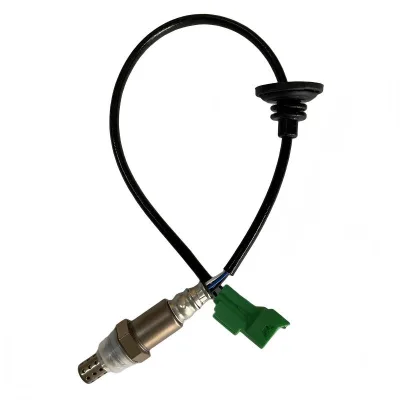
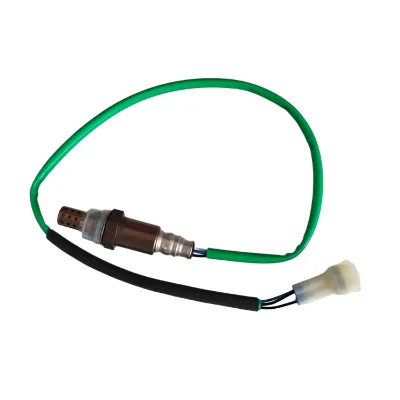
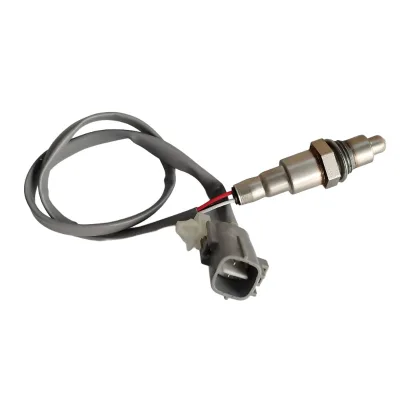
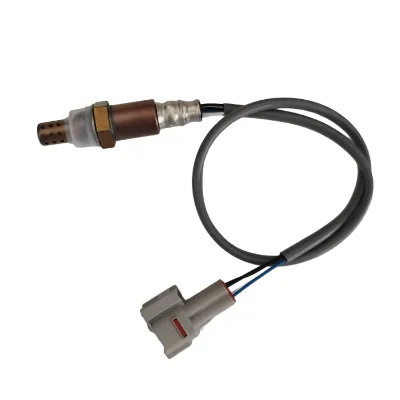
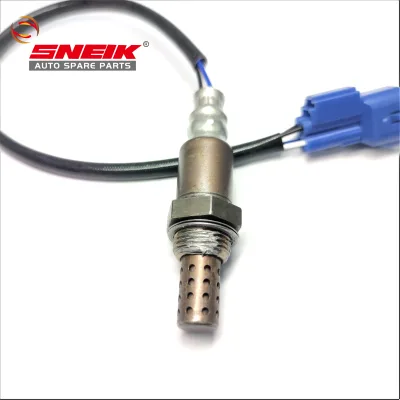
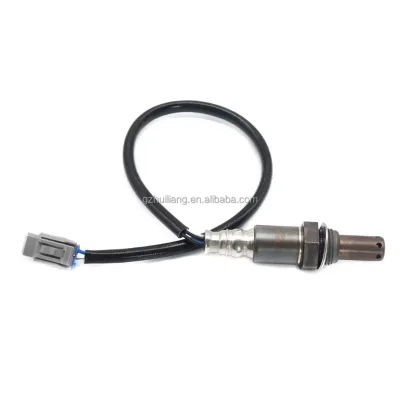
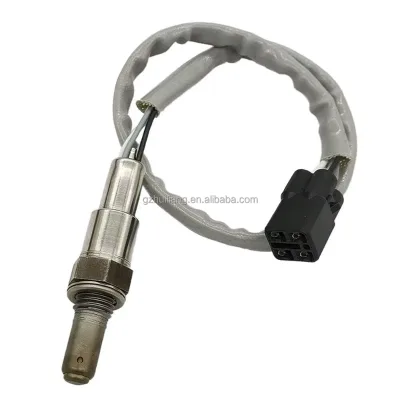
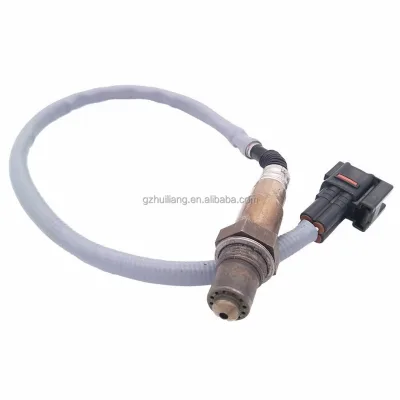


Comprehensive Sourcing Guide
Suzuki Baleno Oxygen Lambda Sensor Supplier Concentration and Factory Types
The available data indicates a concentration of suppliers operating from Guangdong, China, specifically noting Guangzhou as a key origin point for specific product listings. This regional clustering suggests a mature supply chain ecosystem for automotive electrical components, where manufacturers and trading companies coexist to serve global demand. Buyers should recognize that while some entities are identified as manufacturers, others function as trading companies, which may influence the directness of communication and the flexibility of customization options. The presence of both company types in the same geographic area often creates a competitive environment that can drive down costs but requires careful vetting to ensure the source of the goods matches the claimed business model.
When assessing the factory types, it is critical to distinguish between entities that produce the oxygen sensors and those that aggregate products from various sources. The observed data shows a mix of company types, meaning a single listing might represent a manufacturer with direct control over production or a trading firm sourcing from multiple factories. Buyers must verify the actual production capability by requesting factory audits or video tours, as the label alone does not guarantee manufacturing capacity. Understanding this distinction is vital for negotiating prices and lead times, as manufacturers may offer better margins on large orders while trading companies might provide faster access to a broader range of compatible parts for different Suzuki models.
How to Verify Suzuki Baleno Oxygen Lambda Sensor Suppliers
Verification begins with checking for third-party validation marks such as Intertek, which appears in the observed data as a verification status for certain suppliers. This external audit provides a baseline of trust regarding the supplier's business legitimacy and operational stability, though it does not guarantee product quality for every specific order. Buyers should prioritize suppliers displaying such verification badges and cross-reference them with the specific product details provided, such as the model number 18213-83CA0 or 18213-76G00, to ensure the verified entity is actually supplying the exact component required for the Suzuki Baleno.
Beyond verification badges, buyers must scrutinize the response time and communication channels listed in supplier profiles. The data shows response times varying from one to seven days, which serves as a proxy for operational efficiency and customer service readiness. A supplier with a one-day response time may indicate a dedicated sales team or automated systems, whereas a seven-day delay could signal a smaller operation or potential communication bottlenecks. Additionally, checking for certifications like CE is essential, as these indicate compliance with specific safety and quality standards required for automotive electrical parts. Buyers should request copies of these certificates and verify their validity before proceeding with any transaction to mitigate the risk of receiving non-compliant or substandard components.
What to Compare Across Suzuki Baleno Oxygen Lambda Sensor Suppliers
Comparing suppliers requires a detailed analysis of key operational metrics such as Minimum Order Quantity (MOQ), lead times, and pricing structures. The observed data reveals MOQs ranging from 5 to 10 pieces, with some suppliers offering samples while others require bulk purchases. Lead times also vary significantly, with some listings indicating immediate stock availability within 3 to 7 days, while others specify a production time of up to 25 days. Buyers must align these figures with their inventory needs and project timelines, ensuring that the supplier can meet delivery deadlines without compromising on the quality of the oxygen sensors.
Pricing is another critical dimension for comparison, with observed price ranges spanning from approximately $7.00 to $25.57 depending on the specific model and supplier. Factors influencing these prices include the brand name, such as TOKs or Haoxiang, and the origin of the product, which may be listed as China or Japan. Buyers should not assume that a lower price always indicates a better deal, as the warranty period and condition of the product, whether brand new or original, also play significant roles in value assessment. It is advisable to request detailed quotes that break down costs for shipping, taxes, and any potential customization fees to ensure a transparent comparison across different supplier offers.
Common Suzuki Baleno Oxygen Lambda Sensor Sourcing Risks
One significant risk involves the discrepancy between the claimed place of origin and the actual manufacturing location. While some product attributes list the origin as Japan, others specify Guangdong or Guangzhou, China. This inconsistency can lead to confusion regarding quality expectations and compliance with local regulations. Buyers must verify the true origin of the product to ensure it meets the specific requirements of their market, as components manufactured in different regions may undergo different quality control processes. Relying solely on the product description without independent verification can result in receiving parts that do not match the expected performance standards for the Suzuki Baleno.
Another risk is the variability in warranty terms and after-sales support. The data shows warranty periods ranging from 12 months to 1 year, but the specific conditions and claim processes are often not detailed in the initial product listings. If a supplier fails to honor the warranty or provides inadequate support for defective units, the buyer may face significant financial losses and operational delays. Additionally, the lack of standardized packaging or labeling, such as neutral packing versus customized options, can complicate logistics and inventory management. Buyers should explicitly negotiate warranty terms and packaging requirements in the contract to protect against these potential pitfalls and ensure a smooth transaction.
Suzuki Baleno Oxygen Lambda Sensor Regional Sourcing and Logistics
Sourcing from the Guangdong region offers logistical advantages due to the area's well-developed infrastructure and proximity to major shipping ports. The observed data highlights delivery times of 3 to 7 days for in-stock items, suggesting efficient local logistics networks that can expedite the fulfillment process. However, buyers must account for international shipping variables, such as customs clearance and transit times, which can extend the overall delivery window beyond the supplier's stated production or stock availability. Understanding the specific shipping terms, such as DHL, FedEx, or sea freight, is crucial for planning inventory levels and managing customer expectations regarding arrival dates.
Logistics planning also involves evaluating the supplier's ability to handle customized packaging and labeling requirements. The data indicates options for neutral packing or customized packaging, which can impact the final cost and the ease of distribution in the buyer's target market. Buyers should confirm that the supplier can accommodate specific labeling needs, such as language requirements or barcoding, to avoid delays at customs or retail distribution centers. Furthermore, the single package size and gross weight provided in the product attributes are essential for calculating shipping costs accurately. Buyers must ensure that these dimensions align with their logistics partners' capabilities to optimize freight costs and minimize the risk of damage during transit.
Suzuki Baleno Oxygen Lambda Sensor Commercial Terms and Order Planning
Commercial terms for these transactions often include payment methods such as 30% T/T, PayPal, or Western Union, which offer varying levels of security for both buyers and sellers. Buyers should carefully evaluate the payment structure to ensure it aligns with their risk tolerance and cash flow management strategies. For larger orders, negotiating a letter of credit or using escrow services can provide additional protection against non-delivery or quality disputes. It is also important to clarify the payment currency and any applicable exchange rate fluctuations that could affect the final cost of the order, ensuring that the budget remains stable throughout the procurement process.
Order planning must account for the production lead times and the potential for stock shortages, especially for specific model numbers like 18213-83CA0. The data shows production times of up to 25 days, which requires buyers to place orders well in advance to avoid stockouts. Additionally, buyers should consider the availability of samples for quality testing before committing to a large order, as this step can prevent costly mistakes and ensure the product meets the required specifications. Establishing a clear communication channel with the supplier for order updates and potential delays is essential for maintaining a reliable supply chain. By integrating these commercial and logistical factors into a comprehensive order plan, buyers can mitigate risks and ensure a steady flow of high-quality oxygen sensors for their Suzuki Baleno inventory.
FAQs
What is the minimum order quantity for Suzuki Baleno oxygen sensors?
The minimum order quantity is typically 10 pieces for standard listings. Some suppliers offer lower thresholds of 5 pieces for specific models. Buyers should verify the exact MOQ per product listing before placing an order to ensure compliance with supplier requirements.
How long does delivery take for oxygen sensors from China?
Delivery times vary between 3 to 7 days for in-stock items and up to 25 days for production runs. Some suppliers indicate a lead time of 2 to 3 days for specific orders. Buyers must confirm the current stock status and production schedule with the seller.
What warranty is provided for the oxygen lambda sensors?
Most listings include a 12-month warranty for brand new oxygen sensors. One specific product offers a 1-year warranty for general auto applications. Buyers should check the specific product details to confirm the exact warranty period applicable to their purchase.
Where are these oxygen sensors manufactured or sourced from?
Products originate from locations such as Guangdong, China, and Guangzhou. One specific listing indicates a place of origin in Japan for certain models. Buyers should verify the specific place of origin listed for each product to understand the manufacturing source.
What is the price range for Suzuki Baleno oxygen sensors?
Prices range from approximately 7.00 to 25.57 USD depending on the model and specifications. Specific listings show ranges between 7.80 and 9.20 USD or 16.00 to 20.00 USD. Buyers should review individual product pages for the most accurate current pricing.
Can suppliers provide samples of the oxygen sensors?
Samples are available for many of the listed oxygen sensor products. Buyers can request samples to verify quality before committing to larger orders. It is recommended to contact the supplier directly to confirm sample availability and any associated costs.
What payment methods are accepted for these auto parts?
Accepted payment methods include 30% T/T, PayPal, and Western Union. Buyers should confirm the specific payment terms with the supplier before finalizing any transaction. Different suppliers may have varying payment policies depending on the order size and product type.