Sustainable Melamine Measuring Cup and Spoon Set Suppliers
Source a Sustainable Melamine Measuring Cup and Spoon Set from 36 verified suppliers. Compare key dimensions such as lead times, MOQs, and certifications to find the right partner. Review product details and request quotes to streamline your procurement process; review the available evidence before requesting comparable quotations from suitable candidates.
Suppliers List

Wenzhou Cathylin International Trade Co., Ltd.
- Verified by TUVRHEINLAND
- Trading Company
- China Zhejiang
- Lead time15 days
- Avg. response≤ 13h
Main productsFlatware, Cutlery, Kitchen Tools, Tableware, Cookware, Bakeware, Drinkware
Main marketsNorth America
Yangjiang Golden View Economic Trading Co., Ltd.
- Verified by Intertek
- Manufacturer, Trading Company
- Lead time45 days
- Avg. response≤ 4h
Main productsKitchen Utensil, Bakeware, Ice Mold, Kitchen Gadgets, Baking Tools
Main marketsNorth America(35%), Oceania(15%), Western Europe(15%)
Yangjiang Ronghong Houseware Co., Ltd.
- Verified by SGS Group
- Manufacturer, Trading Company
- Lead time35 days
- Avg. response≤ 6h
Main productsBaking Tool/Kitchenware/BBQ Tool/Bar Tool/Knife Set
Main marketsNorth America(20%), Western Europe(20%), South America(15%)
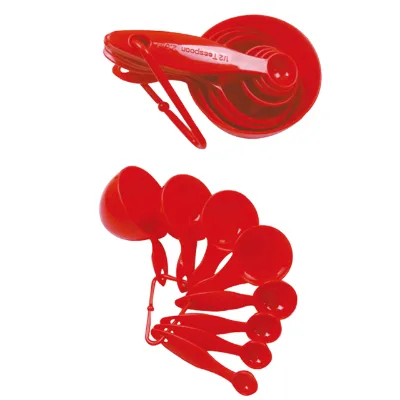
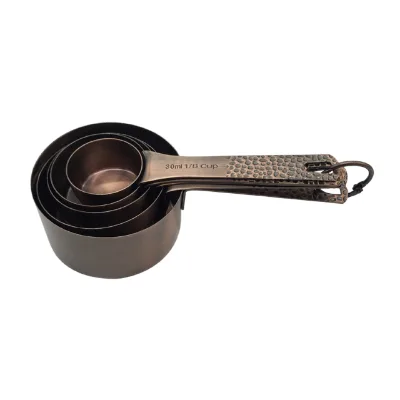
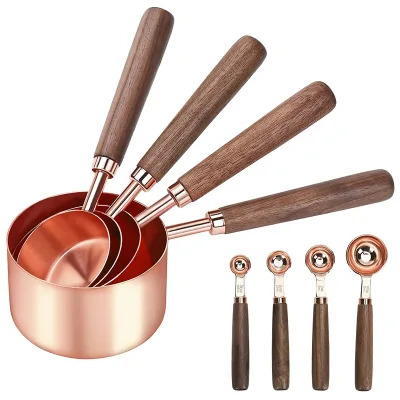
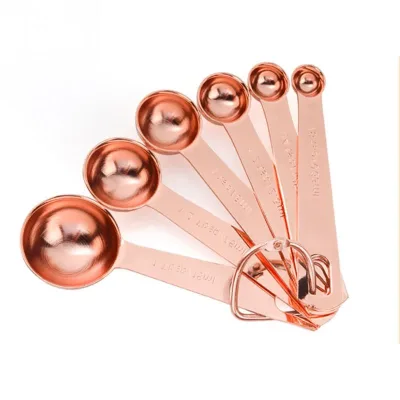
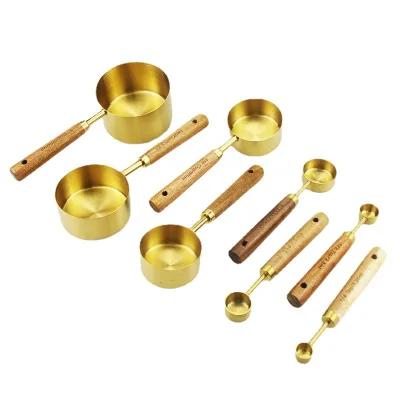
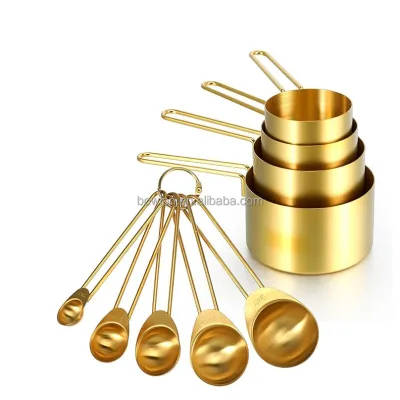
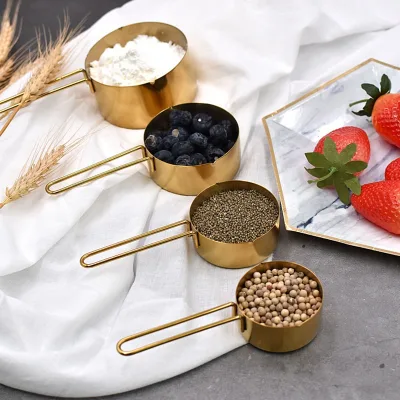
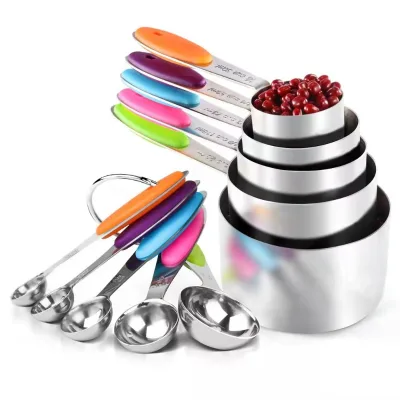
Copper Plated Stainless Steel Measuring Cups and Spoons Set Heavy Duty 5 Measurer Cups
$4.60 - $4.70
MOQ: 3600 sets

Ningbo Plestic Metal Product Co., Ltd.
- Verified by BV
- Combined
- China Zhejiang
- Lead time30 days
- Avg. response≤ 3h
Main productsCustom Plastic Part, Plastic Molding, Custom Plastic Mold, Injection Molding Service, Custom Plastic Product, Plastic Scoop, Plastic Funnel, Nasal Inhaler, Plastic Injection Molding
Main marketsSouth America,Africa,Southeast Asia/ Mideast,East Asia(Japan/ South Korea),Domestic,Europe,Australia,North America

Changsha Chengtong Technology Co., Ltd.
- Verified by SGS
- Trading Company
- China Hunan
- Lead time15 days
- Avg. response≤ 6h
Main productsCutting Board, Vegetable Chopper, Measuring Cup, Milk Frother, Measuring Spoon, Vegetable Peeler, Kitchen Scissors, Knife Sharpener
Main marketsSoutheast Asia/ Mideast

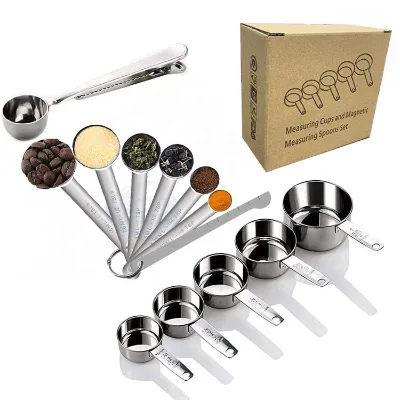
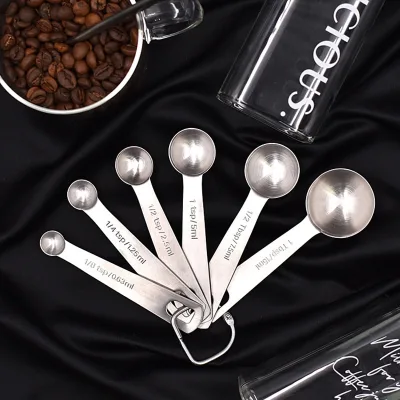
Kitchen Teaspoon and Tablespoon Measuring 7 Piece Stainless Steel Measure Cup Spoon Sets
$0.65 - $0.85
MOQ: 500 Pieces


- Verified by SGS Group
- Trading Company
- Lead time20 days
- Avg. response≤ 10h
Main productsKitchenware, Coffee French Maker, Plastic Bento Box, Bamboo Wooden Kitchen Items, Ceramic & Glass Products
Main marketsNorthern Europe(20%), South Asia(20%), North America(10%)

- Trading Company
- China Zhejiang
- Lead time30 days
- Avg. response≤ 11h
Main productsHome Appliance, Cookware Set, Thermos, Home Storage, Furniture, Pet Supplies, Garden Tools, Outdoor Supplies, Baby Supplies, Houesehold Items
Main marketsSouth America,Africa,Southeast Asia/ Mideast,East Asia(Japan/ South Korea),Domestic,Europe,Australia,North America

Xiamen Ehang Household Products Co., Ltd.
- Trading Company
- zhejiang, China
- Lead time37 days
- Avg. response≤ 7h
Main productsKitchenware,bamboo and wooden products,Houseware,Kitchen gadgets,Garden
Main marketsSoutheast Asia(20.00%), North America(20.00%), Southern Europe(10.00%), Northern Europe(10.00%), Western Europe(10.00%), South America(10.00%), Eastern Europe(10.00%), Central America(5.00%), Domestic Market(1.00%), Mid East(1.00%), Oceania(1.00%), Eastern Asia(1.00%), Africa(1.00%)

Jinhua Hengyang Cross-Border Trade Limited Liability Company
- Verified by SGS
- Trading Company
- China Zhejiang
- Lead time15 days
- Avg. response≤ 7h
Main productsCoffee Maker Air Fryer Storage Box Knife Set, Silicone Baking Mold Robot Vacuum Cleaning Table, Shower Head Non-Slip Shower Curtain Vacuum Stora, Collapsible Laundry Basket Bohemian Wall Tapestr, Fringe Pillow Cover Bedding Set Memory Foam Pill, Bamboo Tissue Biodegradable Trash Bags LED Fair, Smart Plug Fairy Lights Pet Food Bowl, Household Daily Necessities Kitchen Cleaning, Bathroom Storage and Care Fabric Home Decor, Bedding Daily Chemical Paper Products
Main marketsEurope

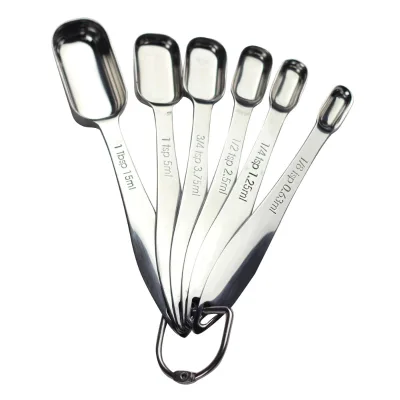
Stainless Steel Measuring Spoon Set with Scale Milk Powder and Coffee Spoon
$0.57 - $0.71
MOQ: 500 Pieces


Jiangmen Goodman Cleaning Supplies Co., Ltd.
- Verified by TUVRHEINLAND
- Combined
- China Guangdong
- Lead time15 days
- Avg. response≤ 12h
Main productsFood Pan, Food Basket Tray, Storage Box, Cleaning Bucket, Trash Can
Main marketsEurope,North America

$0.45 - $0.52
MOQ: 1000 pieces


Stainless Steel Measuring Spoons for Powders Measuring Cups and Spoons Set
$2.00 - $2.60
MOQ: 1000 pieces


Yangjiang Homedailys Houseware Co., Ltd.
- Verified by Intertek
- Trading Company
- Lead time25 days
- Avg. response≤ 2h
Main productsKnives, Kitchenware, BBQ, Wine Opener, Multitools
Main marketsNorth America(48%), Western Europe(24%), Oceania(12%)
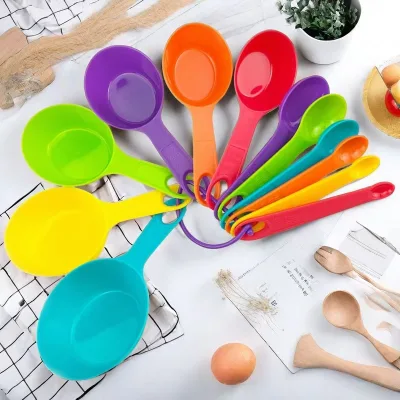
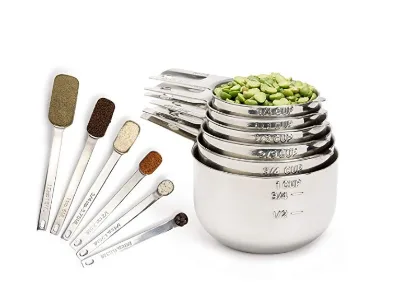
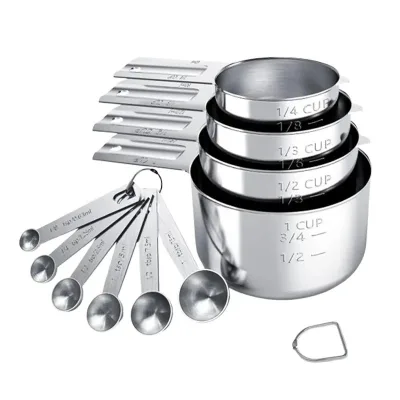
12 Pcs Stainless Steel Liquid Measuring Cups and Dry Measuring Spoons Set ,Nesting Cups
$11.16 - $13.80
MOQ: 1000
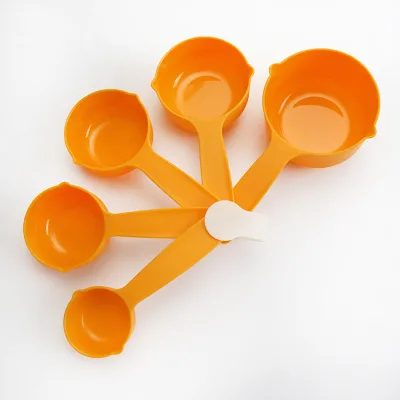

Shenzhen Beadith Technology Co., Ltd.
- Manufacturer
- Guangdong, China
- Lead time0 days
- Avg. response≤ 7h
Main productsHome & Garden,Tools & Hardware,Silicone Product,Cake Tools,Hot Sell
Main marketsWestern Europe(20.00%), North America(20.00%), Domestic Market(5.00%), South Asia(5.00%), Southern Europe(5.00%), Northern Europe(5.00%), Central America(5.00%), South America(5.00%), Eastern Asia(5.00%), Mid East(5.00%), Oceania(5.00%), Africa(5.00%), Southeast Asia(5.00%), Eastern Europe(5.00%)

- Manufacturer/Factory
- China Fujian
- Lead time38 days
- Avg. response≤ 1h
Main productsKeychains, Bags, Caps, Balls
Main marketsSouth America,Eastern Europe,Mid East,North America,Southeast Asia,Eastern Asia,Oceania,Western Europe,Africa

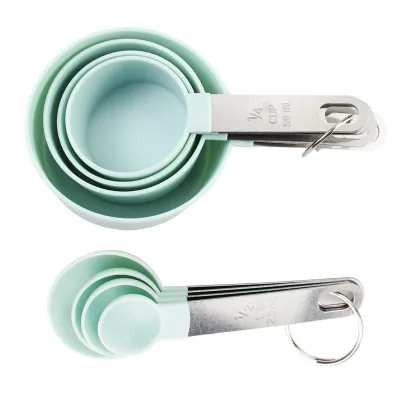
8PCS Measuring Spoon and Cup Set with Stainless Steel Handle Coffee Spoon Plastic Teaspoon Sets
$1.19 - $1.39
MOQ: 500 Pieces

Food Grade Quality Stainless Steel Measuring Spoons and Measuring Cups Set of 8 Pieces
$1.99 - $2.39
MOQ: 500 Pieces
Eagle Catering Equipment Co., Ltd.
- Verified by SGS Group
- Trading Company
- Lead time45 days
- Avg. response≤ 1h
Main productsTrolley, GN Pan, Stock Pot, Utensils, Kitchen Tools
Main marketsWestern Europe(35%), Eastern Europe(20%), North America(10%)
Chaozhou Chaoan Caitang Guangcheng Stainless Steel Product Factory
- Verified by SGS Group
- Manufacturer, Trading Company
- Lead time20 days
- Avg. response≤ 4h
Main productsSteam Pot, Storage Boxes & Bins; Food Container, Kettle, Soup Pot, Food Container
Main marketsEastern Asia(30%), Southeast Asia(15%), North America(10%)

Jiangmen Xinxin Houseware Co., Ltd.
- Verified by BV
- Trading Company,Manufacturer/Factory
- China Guangdong
- Lead time30 days
- Avg. response≤ 5h
Main productsLunch Box, Coffeeware, Kitchenware, Chafing Dishes, Gn Pan, Juice Dispenser, Trolley, Stock Pot, Bar Sets, Storages Box
Main marketsEastern Europe,Mid East,North America,Southeast Asia,Eastern Asia,Oceania,Western Europe

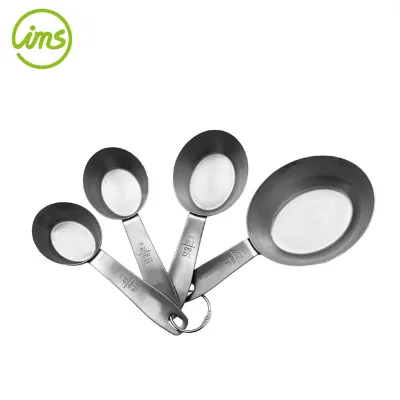
4 Grey Stainless Steel Dry & Liquid Ingredients-Teaspoon and Tablespoon Measuring Spoons Set
$2.41 - $3.38
MOQ: 3000 sets

Jiaxing Havkup Selection E-Commerce Co., Ltd.
- Verified by TüVRheinland
- Trading Company
- Lead time0 days
- Avg. response≤ 3h
Main productsDrinkware, Bar Accessories, Kitchenware, Home Decoration, Outdoor Products
Main marketsNorth America(90%), Oceania(5%), Western Europe(5%)

Yangjiang C&B Consumer Product Limited
- Verified by CTI
- Trading Company
- China Guangdong
- Lead time15 days
- Avg. response≤ 6h
Main productsBarbecue Tongs, Grilling Brushes, Outdoor Shovel, Grilling Tools, Kitchen Ware, Outdoor Products, Pizza Tools, Knife Set
Main marketsSouth America,Africa,Southeast Asia/ Mideast,Europe,Australia,North America

Hot Selling Measuring Cup & Spoon Set - Stainless Steel Handle, Baking Tools
$0.31 - $0.39
MOQ: 1000 Sets


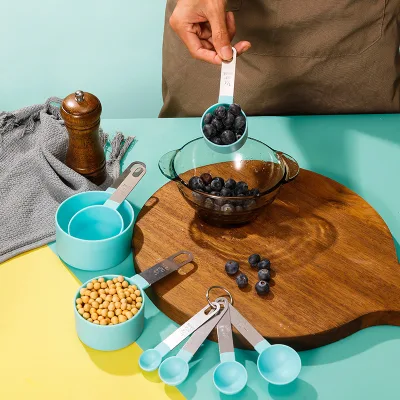
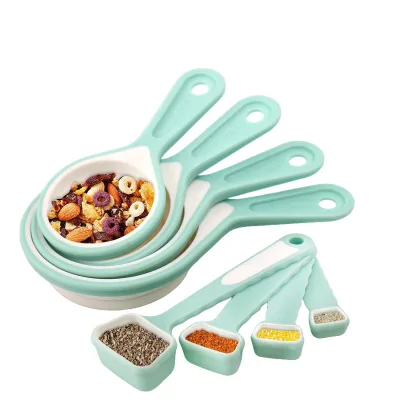
Multicolor Measuring Set (12PCS) - Cups & Spoons in Multiple Sizes, for Baking & Drinks
$0.78 - $0.89
MOQ: 1000 Sets

Jieyang Rongcheng District Shunyuanfeng Hardware Products Factory
- Manufacturer, Trading Company
- Guangdong, China
- Lead time0 days
- Avg. response≤ 6h
Main productsstainless steel straw,barware,stainless steel flatware,kitchware,tableware
Main marketsSouth America(20.00%), North America(20.00%), Domestic Market(5.00%), South Asia(5.00%), Southern Europe(5.00%), Northern Europe(5.00%), Central America(5.00%), Western Europe(5.00%), Eastern Asia(5.00%), Mid East(5.00%), Oceania(5.00%), Africa(5.00%), Southeast Asia(5.00%), Eastern Europe(5.00%)
Jieyang Xinghao Stainless Steel Factory
- Verified by TüVRheinland
- Manufacturer, Trading Company
- Lead time5 days
- Avg. response≤ 5h
Main productsStainless Steel Cutlery, Stainless Steel Straw, Lunch Box, Kitchen Gadgets, Barware
Main marketsDomestic Market(30%), Mid East(11%), North America(10%)
Xinxiang Hongqi District Huafeiwu Import And Export Trade Co., Ltd.
- Trading Company
- Henan, China
- Lead time0 days
- Avg. response≤ 3h
Main productsHome decor,Kitchenware,Garden Supplies
Main marketsSoutheast Asia(20.00%), Mid East(20.00%), South Asia(20.00%), Africa(10.00%), Eastern Asia(10.00%), Northern Europe(10.00%), Domestic Market(10.00%)

Yangjiang Bowlon Industry & Trade Co., Ltd.
- Manufacturer, Trading Company
- Guangdong, China
- Lead time40 days
- Avg. response≤ 7h
Main productsBBQ Tools
Main marketsNorth America(40.00%), Western Europe(30.00%), Southern Europe(5.00%), Northern Europe(5.00%), Southeast Asia(5.00%), Oceania(3.00%), Mid East(3.00%), South America(2.00%), Africa(2.00%), Eastern Europe(2.00%), South Asia(1.00%), Eastern Asia(1.00%), Central America(1.00%)
Fujian Dehua Dome Arts&crafts Co., Ltd.
- Verified by TüVRheinland
- Trading Company
- Lead time60 days
- Avg. response≤ 6h
Main productsCeramic Crafts, Resin Crafts
Main marketsWestern Europe(45%), North America(35%), Mid East(10%)

Guangzhou Chenquan Technology Co., Ltd.
- Verified by SGS
- Trading Company
- China Guangdong
- Lead time15 days
- Avg. response≤ 3h
Main productsDailynecessities
Main marketsDomestic
Yangjiang Gemhye Trading Co., Ltd.
- Trading Company
- Guangdong, China
- Lead time40 days
- Avg. response≤ 5h
Main productsBaking Set/Baking Accessories/Cookie Cutters, Measuring Cups & Spoons/Kitchen Utensils
Main marketsNorth America(45.00%), Western Europe(30.00%), Oceania(5.00%), Southern Europe(5.00%), Northern Europe(5.00%), Southeast Asia(5.00%), South America(3.00%), Domestic Market(2.00%)
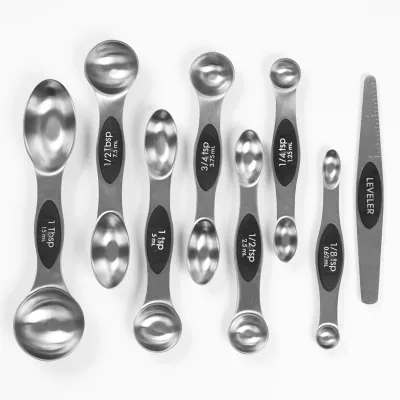
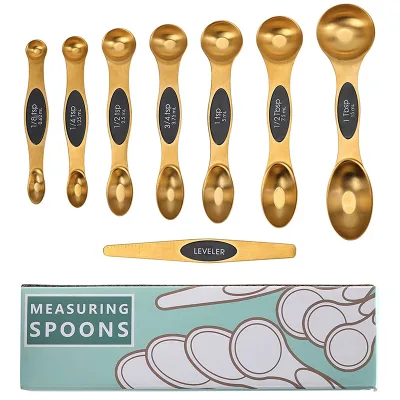
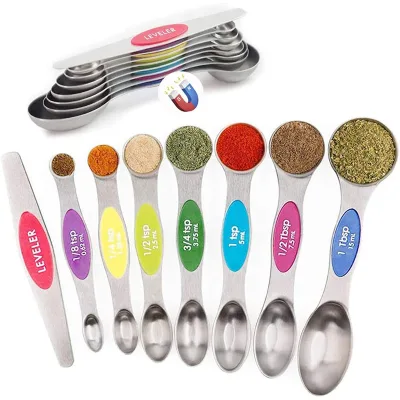
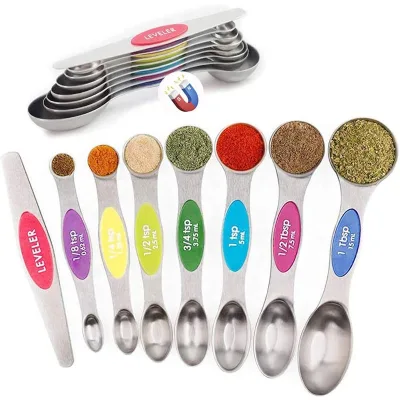
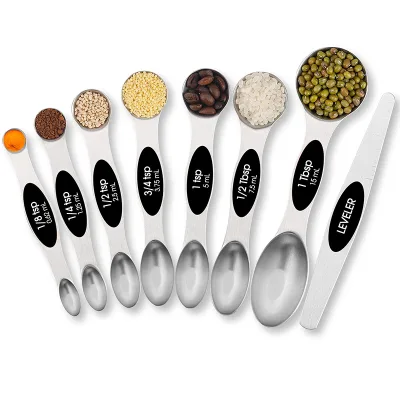
Set Of 8 Piece Dual Sided Magnetic Measuring Spoons Set Stainless Steel Measuring Spoons
$3.00 - $3.50
MOQ: 1000

Xiamen Athome Household Products Co., Ltd.
- Verified by SGS
- Trading Company
- China Fujian
- Lead time30 days
- Avg. response≤ 5h
Main productsXiamen Athome Household Products Co. Ltd. Is a, Custom Matcha Tea Set, Wooden &Bamboo Kitchenware, Custom Gifts & Souvenirs, Home & Seasonal Decor, Tableware &Dinner Set, Custom Candle Holer, Seasonal & Promotional Gifts, Drinkware, Sourdough & Baking Tools
Main marketsSoutheast Asia/ Mideast,East Asia(Japan/ South Korea)


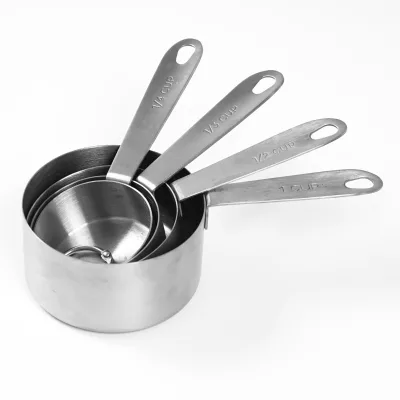
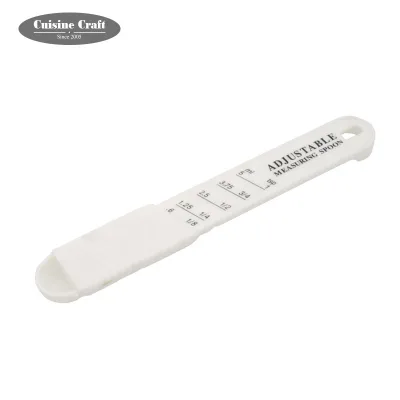
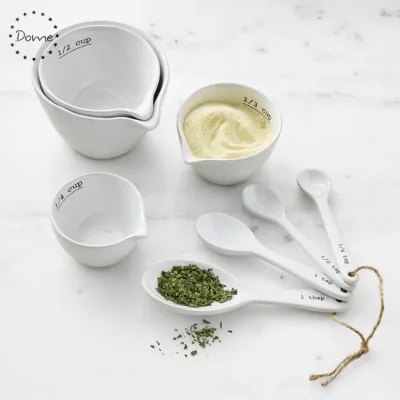
Wholesale Price OEM Manufacturer Personalized Customed Ceramic Measuring Cup and Spoon Set
$1.18 - $7.68
MOQ: 500 Pieces

OEM Factory Ceramic Measuring Cup and Bowl Set with Spout, Kitchen Baking Tools
$0.88 - $8.98
MOQ: 200 Pieces

Shenzhen Baibanfengxing Technology Co., Ltd.
- Manufacturer, Trading Company
- Guangdong Province, China
- Lead time5 days
- Avg. response≤ 5h
Main productshousehold products,Kitchen supplies
Main marketsDomestic Market(20.00%), Eastern Europe(15.00%), North America(15.00%), Western Europe(10.00%), Southern Europe(10.00%), Northern Europe(10.00%), South America(5.00%), Mid East(5.00%), Southeast Asia(5.00%), Central America(5.00%)
Yiwu Fangcun Hardware Products Co., Ltd.
- Manufacturer, Trading Company
- Zhejiang Province, China
- Lead time0 days
- Avg. response≤ 2h
Main productsCookies Cutting Molds,Household items,Home appliances,kitchenware,Practical daily tools
Main marketsMid East(30.00%), North America(20.00%), Eastern Europe(20.00%), Southern Europe(10.00%), Northern Europe(10.00%), Western Europe(10.00%)

Eagle Catering Equipment Co., Ltd.
- Manufacturer/Factory
- China Guangdong
- Lead time30 days
- Avg. response≤ 9h
Main productsTrolleys, Gastronorm Containers, Table, Shelves, Sink, Barrier Post, Cookware, Buffetware, Barware, Kitchen Utensils
Main marketsSouth America,Eastern Europe,Mid East,North America,Southeast Asia,Eastern Asia,Oceania,Western Europe,Africa
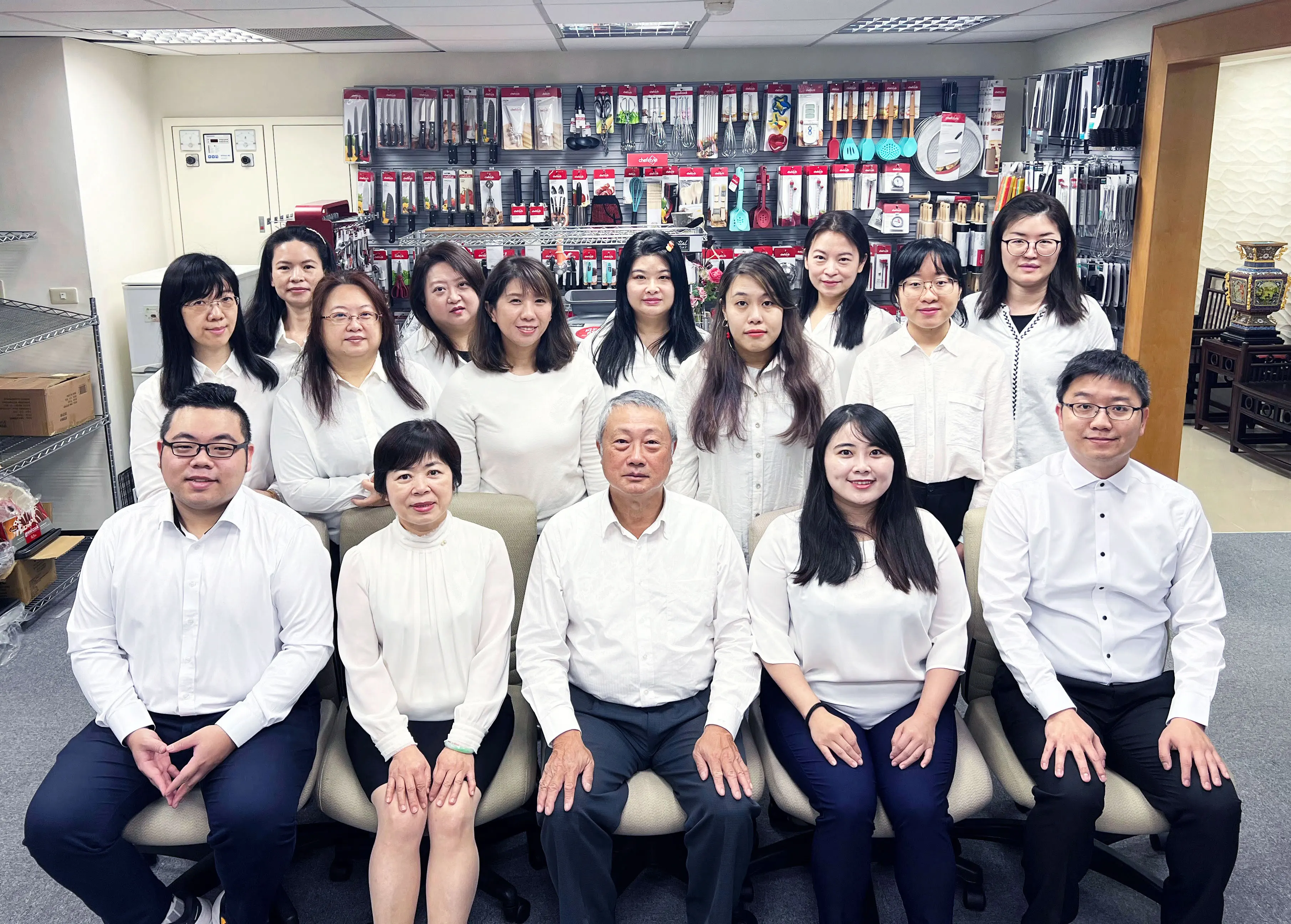
INTERCONTINENTAL MARKETING SERVICES FAR EAST CO., LTD.
- Trading Company
- Taiwan, China
- Lead time40 days
- Avg. response≤ 9h
Main productsCooking Tools & Gadgets,Knives & Cutting Board,Fruit Tools & Vegetable Tools,Baking Tools & Bakeware,Kitchen Organization
Main marketsNorth America(40.50%), Southern Europe(15.50%), Western Europe(15.50%), Mid East(6.50%), South America(6.00%), Eastern Europe(5.50%), Eastern Asia(5.50%), Southeast Asia(5.00%)
Hebei Kitchenware Import Export Trade Co., Ltd.
- Trading Company
- Hebei, China
- Lead time22 days
- Avg. response≤ 8h
Main productsKitchenware,Pet products,Household,Bathroom rack,Bar tool
Main marketsNorth America(15.00%), Northern Europe(13.00%), Central America(13.00%), South America(12.00%), Eastern Europe(11.00%), Western Europe(10.00%), Southeast Asia(6.00%), Oceania(5.00%), Southern Europe(4.00%), South Asia(3.00%), Africa(3.00%), Eastern Asia(2.00%), Domestic Market(1.00%), Mid East(1.00%)

Zhong Xing Da (Hangzhou) Import & Export Co., Ltd.
- Verified by SGS
- Manufacturer/Factory
- China Zhejiang
- Lead time45 days
- Avg. response≤ 6h
Main productsCooking, Cookware, Waterfun, Fishing, Camping, RV
Main marketsSouth America,Eastern Europe,North America,Western Europe

4PCS BPA Free Silicone Measuring Cups and Foldable Spoons Eco Friendly Engraved Set
$3.26 - $3.85
MOQ: 1000 Pieces

$3.26 - $3.85
MOQ: 1000 Pieces

Collapsible Engraved Silicone Measuring Cups and Spoons 4PCS BPA Free Eco Friendly Set
$3.26 - $3.85
MOQ: 1000 Pieces

4PCS Foldable Silicone Measuring Cups and Spoons Set BPA Free Engraved Eco Friendly
$3.26 - $3.85
MOQ: 1000 Pieces

Collapsible BPA Free Silicone Measuring Cups and Spoons Set 4PCS Eco Friendly Engraved Tools
$3.26 - $3.85
MOQ: 1000 Pieces

Eco Friendly Collapsible Measuring Cups and Spoons 4PCS Set BPA Free Engraved Silicone Tools
$3.26 - $3.85
MOQ: 1000 Pieces
Hangzhou Winner Home Craft Trading Co., Ltd.
- Trading Company
- Zhejiang, China
- Lead time30 days
- Avg. response≤ 2h
Main productskitchen products,bar accessories,glassware,cocktail set,ice bucket
Main marketsNorth America(40.00%), Western Europe(35.00%), Northern Europe(5.00%), Southern Europe(5.00%), Eastern Europe(5.00%), South America(3.00%), Africa(2.00%)
Yangjiang Feeton Home Products Co., Ltd.
- Verified by SGS Group
- Manufacturer, Trading Company
- Lead time30 days
- Avg. response≤ 3h
Main productsKitchen Gadgets, BBQ Tools, Kitchen Knife
Main marketsWestern Europe(40%), North America(30%), South America(30%)

Difanmax Tech Lianyungang Co., Ltd.
- Verified by BV
- Manufacturer/Factory
- China Jiangsu
- Lead time23 days
- Avg. response≤ 3h
Main productsConsumer Electronics, Kinesiology Tape Adhesive Tapes, Industrial Tools, Home & Garden, Gifts & Crafts, Sport Products Entertainment, Health & Medical, Auto Parts E-Bike Auto Tools & Components, Clothes Apparel, Bicycle Hardware Laboratory Measuring Protective
Main marketsSouth America,North America,Southeast Asia,Oceania,Western Europe

- Trading Company,Manufacturer/Factory
- China Guangdong
- Lead time45 days
- Avg. response≤ 5h
Main productsStainless Steel Trolley, Mobile Trolley, Flatform Trolley, Bakery Trolley, Trash Bag Holder, Insulated Container, Stock Pot, Worktable, Kitchen Sink, Buffet
Main marketsSouth America,Eastern Europe,Mid East,North America,Southeast Asia,Eastern Asia,Oceania,Western Europe,Africa






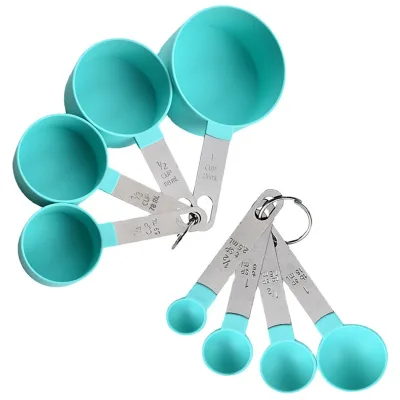
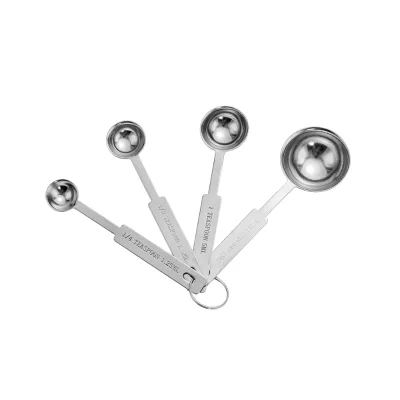
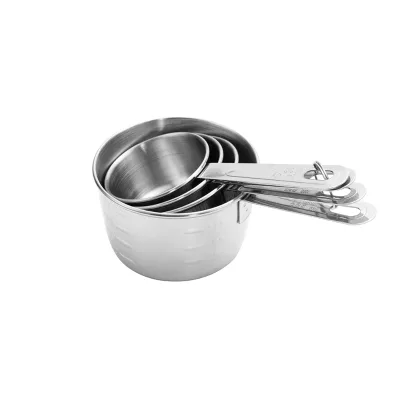
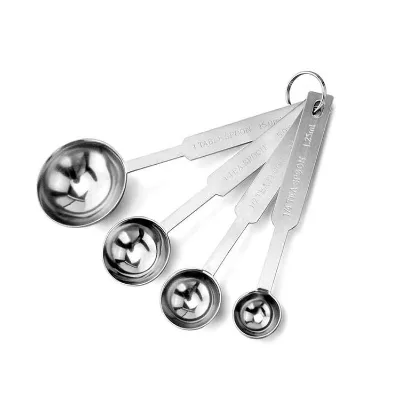






Comprehensive Sourcing Guide
Sustainable Melamine Measuring Cup and Spoon Set Supplier Concentration and Factory Types
The current supplier landscape for sustainable melamine measuring cup and spoon sets shows a concentration of manufacturers and trading companies primarily located in China, with specific activity noted in Zhejiang and Guangdong provinces. While the provided data highlights stainless steel and wooden handle products from these regions, buyers seeking melamine-specific items must verify if these same clusters produce the requested material. The observed supplier types include both Trading Companies and Manufacturers, indicating a mixed market where some entities handle direct production while others facilitate sourcing. Buyers should look for suppliers listing "Manufacturer" as a primary company type to ensure direct factory access, though trading companies may offer broader catalog options.
When evaluating factory types, it is critical to distinguish between entities that only trade and those with actual production capacity. The available data shows suppliers with capabilities in sample processing and customized on-demand production, which suggests a flexible manufacturing environment. However, specific claims about melamine production lines must be confirmed through direct inquiry, as the current evidence focuses heavily on stainless steel and wood composites. Buyers should request proof of specific melamine molding equipment and capacity to ensure the supplier can meet volume requirements without relying on third-party subcontractors.
How to Verify Sustainable Melamine Measuring Cup and Spoon Set Suppliers
Verification of suppliers requires a rigorous check of their stated credentials against independent audit reports. The current results indicate that some suppliers hold TUVRHEINLAND and Intertek verification statuses, which serve as strong indicators of operational reliability. Buyers must confirm if these certifications specifically cover the sustainable melamine production process and the final product safety, rather than general company audits. It is essential to request the specific audit report for the melamine product line to ensure compliance with relevant food safety standards, as general verification does not guarantee material-specific adherence.
Beyond third-party verification, buyers should assess the supplier's response time and communication efficiency as a proxy for reliability. The observed data includes response times ranging from 4 to 12.46 hours, which can help gauge the responsiveness of potential partners. A supplier with a faster response time may indicate a more organized sales team capable of handling complex inquiries regarding sustainable materials. Buyers should also verify the supplier's establishment year and track record, ensuring they have sufficient experience with melamine products before committing to a large order.
What to Compare Across Sustainable Melamine Measuring Cup and Spoon Set Suppliers
Comparing suppliers requires a detailed analysis of key operational metrics such as lead time, minimum order quantity, and pricing structures. The available data shows lead times varying significantly, with some suppliers offering 15-day delivery while others require up to 45 days. Buyers must align these timelines with their inventory planning needs, as a shorter lead time might come with higher costs or limited customization options. Additionally, the minimum order quantities observed range from 10 to 200 units, necessitating a careful balance between cost efficiency and inventory risk for smaller buyers.
Pricing and customization capabilities are also critical comparison points. The data indicates price ranges for similar kitchenware products, but specific melamine pricing must be requested directly. Buyers should compare the cost per unit against the customization options available, such as logo printing or color variations. Some suppliers offer customized logos and eco-friendly features, which can add value but may increase the unit price. It is vital to request a detailed quote that breaks down material costs, tooling fees, and shipping to ensure a transparent comparison across different supplier proposals.
Common Sustainable Melamine Measuring Cup and Spoon Set Sourcing Risks
One significant risk in sourcing sustainable melamine products is the potential mismatch between claimed sustainability and actual material composition. While some suppliers list eco-friendly features, buyers must verify the specific type of melamine used and its compliance with environmental regulations. The current evidence mentions eco-friendly attributes for stainless steel and wood products, but this does not automatically extend to melamine items. Buyers should demand third-party test results confirming the absence of harmful chemicals and the recyclability of the melamine material to mitigate this risk.
Another risk involves supply chain consistency and quality control, particularly when dealing with trading companies. The observed data shows a mix of manufacturer and trading company types, which can lead to variability in quality if the trading company lacks direct oversight of the production line. Buyers should assess the supplier's capacity for quality assurance, including their in-house testing procedures and defect rates. It is also important to verify the supplier's ability to maintain consistent lead times, as delays can disrupt production schedules and increase overall costs for the buyer.
Sustainable Melamine Measuring Cup and Spoon Set Regional Sourcing and Logistics
Regional sourcing strategies should focus on identifying clusters with established expertise in melamine production, though specific location data for this material is not explicitly detailed in the current results. The observed supplier locations in Zhejiang and Guangdong suggest a strong manufacturing base in China, but buyers must confirm if these regions have dedicated melamine facilities. Buyers should inquire about the supplier's proximity to raw material sources and logistics hubs to minimize shipping costs and lead times. Understanding the regional logistics network is essential for planning efficient delivery schedules and managing potential customs delays.
Logistics planning must also account for the specific packaging requirements of melamine products to prevent damage during transit. The available data mentions various packaging types, including color boxes and poly bags, which can impact shipping volume and cost. Buyers should negotiate packaging standards that ensure product integrity while optimizing container space. Additionally, buyers should verify the supplier's experience with international shipping, including their ability to handle documentation and customs clearance efficiently. This ensures a smooth transition from factory to destination, reducing the risk of delays or additional fees.
Sustainable Melamine Measuring Cup and Spoon Set Commercial Terms and Order Planning
Commercial terms for sustainable melamine orders should clearly define payment structures, escrow usage, and warranty conditions. While the current data does not specify escrow availability, buyers should insist on using secure payment methods to protect their investment. It is crucial to negotiate terms that allow for partial payments upon delivery or inspection, ensuring that the supplier meets quality standards before final payment is released. Buyers should also clarify the supplier's policy on returns and replacements for defective items, as this can significantly impact the overall cost of the order.
Order planning must consider the supplier's production capacity and their ability to scale with demand. The observed data shows supply abilities ranging from 10,000 sets per month to smaller batch capabilities, which influences how buyers should structure their orders. Buyers should plan for lead times that accommodate potential production delays and ensure they have sufficient buffer stock. Additionally, buyers should establish a clear communication channel for order updates and quality checks, ensuring that any issues are addressed promptly. This proactive approach helps maintain a stable supply chain and minimizes the risk of disruptions.
FAQs
What is the typical lead time for these sets?
Lead times vary by supplier, with observed ranges from 15 to 45 days. Some manufacturers offer faster turnaround for samples, while bulk orders may require longer production schedules depending on customization needs and current factory capacity.
What are the minimum order quantities for these sets?
Minimum order quantities differ significantly across suppliers. Some listings accept orders as low as 10 pieces, while others require 30, 50, or even 200 pieces. Buyers should verify specific MOQs before placing an order to ensure alignment with their needs.
Are these measuring sets available with custom logos?
Yes, many suppliers offer customized logo options for these sets. Customization is often available for branding purposes, allowing buyers to add their own designs. Buyers should confirm specific logo requirements and any associated costs with the supplier directly.
What materials are commonly used for these sets?
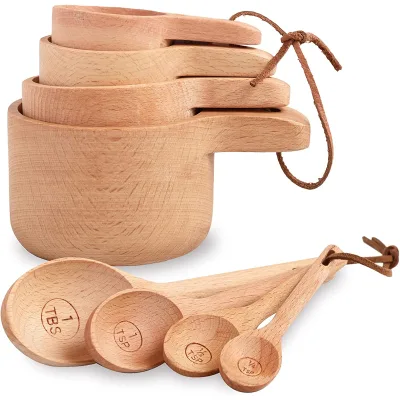
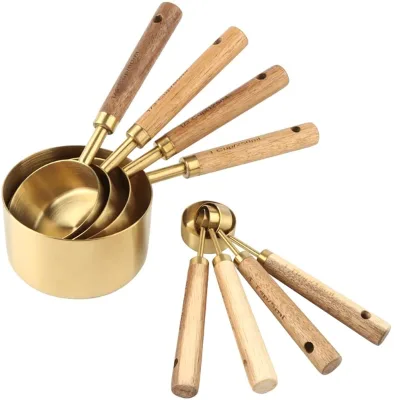
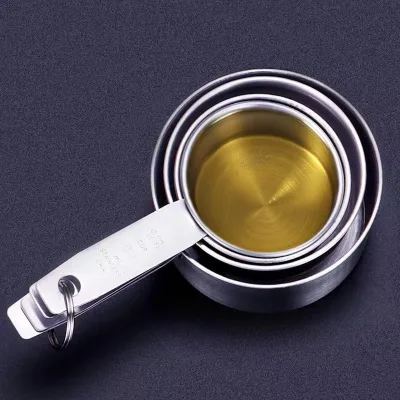
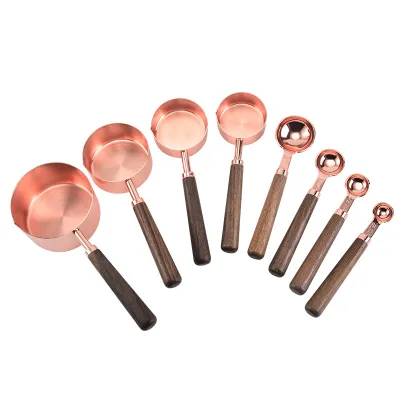
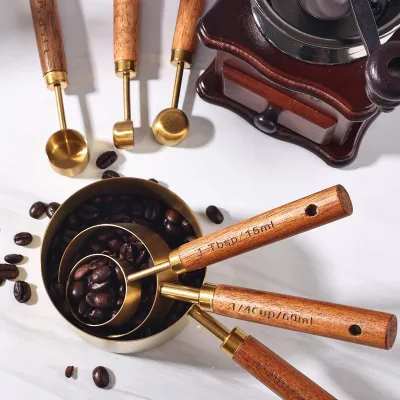
Common materials include stainless steel, often paired with wooden handles like acacia. Some sets feature eco-friendly properties and are non-toxic. Buyers should check product specifications to confirm material composition, especially if they require specific durability or safety standards.
Where are these suppliers located?
Suppliers are primarily located in China, specifically in Zhejiang and Guangdong provinces. These regions are known for manufacturing kitchenware and measuring tools. Buyers should verify the exact location of their chosen supplier to understand shipping logistics and potential tariffs.
Do suppliers offer certifications for these products?
Some suppliers hold certifications such as LFGB and FSC, indicating compliance with safety and environmental standards. Verification services like TÜV Rheinland and Intertek may also be used. Buyers should request proof of certification to ensure product quality and regulatory compliance.
What is the price range for these sets?
Prices vary based on material, customization, and order volume. Observed ranges include items priced between 0.59 and 12.00 per unit. Buyers should compare multiple listings to find the best value, considering factors like shipping costs and minimum order requirements.