Temperature Control Smart Mug with Lid Suppliers and Manufacturers
Source 23 verified suppliers for Temperature Control Smart Mug with Lid options. Compare grounded dimensions including ISO9001:2015 certification, China Guangdong and Zhejiang locations, and lead times of 15-30 days. Request quotes to evaluate pricing and MOQs; review the available evidence before requesting comparable quotations from suitable candidates.
Suppliers List

Zhongshan Xinyuan Silicone Rubber Co. Ltd
- Verified by TUVRHEINLAND
- Combined
- China Guangdong
- Lead time15 days
- Avg. response≤ 2h
Main productsSilicone Mold, Silicone Ice Cube Tray, Silicone Wristband, Silicone Tea Infuser, Silicone Bakeware, Silicone Keychain, Silicone Cup Coaster, Silicone Bag
Main marketsSouth America,Southeast Asia/ Mideast,Domestic,Europe,North America

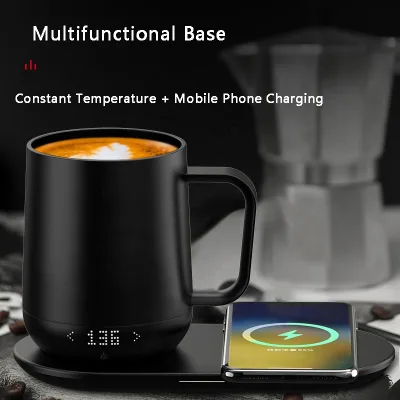
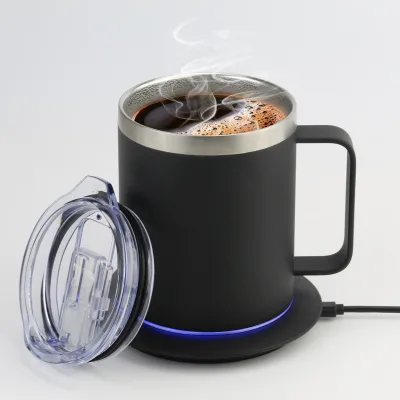
Customized Temperature Control Smart Mug Self-Heating Coffee Mug with Lid
$41.00 - $45.50
MOQ: 500 Pieces


Yongkang Congjian Industry and Trade Co., Ltd
- Verified by SGS
- Manufacturer/Factory
- China Zhejiang
- Lead time15 days
- Avg. response≤ 8h
Main productsInsulated Bottle, Vacuum Flask, Stainless Steel Water Bottle
Main marketsSouth America,Eastern Europe,Mid East,North America,Southeast Asia,Eastern Asia,Oceania,Western Europe,Africa

Anhui YOTO Import & Export Co., Ltd.
- Verified by SGS
- Manufacturer/Factory
- China Anhui
- Lead time23 days
- Avg. response≤ 4h
Main productsWater Bottle, Vacuum Flask, Cup & Mugs, Thermos, Plastic Water Bottles, Kid's Bottles, Tumblers, Sports Bottles
Main marketsSouth America,Eastern Europe,Mid East,North America,Southeast Asia,Eastern Asia,Western Europe,Africa

- Verified by TUVRHEINLAND
- Combined
- China Guangdong
- Lead time15 days
- Avg. response≤ 3h
Main productsSilicone Wristband, Silicone Bracelet, Metal Pin, Badge, Medal, Coin, Medallion, Keychain, Lanyard, Rubber Wristband
Main marketsSouth America,Southeast Asia/ Mideast,Domestic,Europe,North America

$44.00 - $55.00
MOQ: 1 Pieces

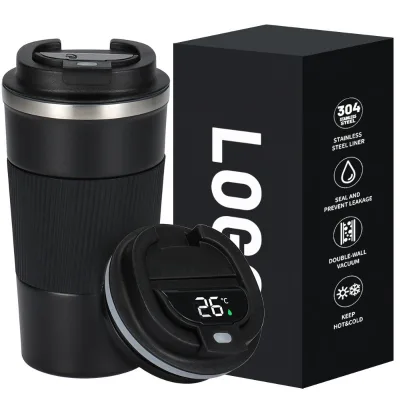
Temperature Control 55 Degrees Smart Mug, 14oz, Black, APP Controlled Heated Coffee Cup
$44.00 - $55.00
MOQ: 1 Pieces

Anhui Beauty Home Technology Co., Ltd
- Verified by TUVRHEINLAND
- Trading Company
- China Anhui
- Lead time30 days
- Avg. response≤ 2h
Main productsStainless Steel Vacuum Thermos Cup, Smart Auto Cooling and Heating Cup Holder, Thermal Vacuum Flask, Ceramic Mug with Thermostat, Coffee Mugs, Reusable Plastic Cups, Glass Container, Stainless Steel Wine Accessories, Stainless Steel Vacuum Insulated Tumbler, Disposable PP Pet Cups
Main marketsSouth America

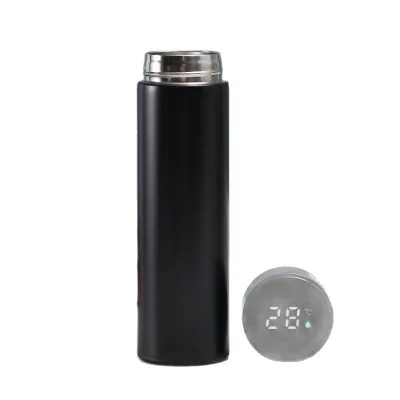
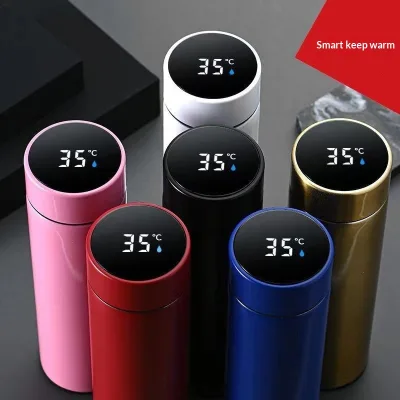
New Smart Coffee Mug Stainless Steel Smart Cup Temperature Display Vacuum Thermo Cup with LED Lid
$1.95 - $3.36
MOQ: 100 Pieces


$1.50 - $3.15
MOQ: 500 Pieces


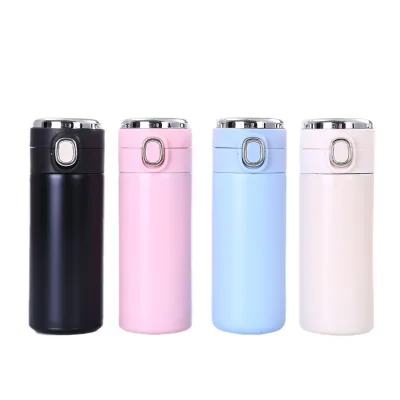
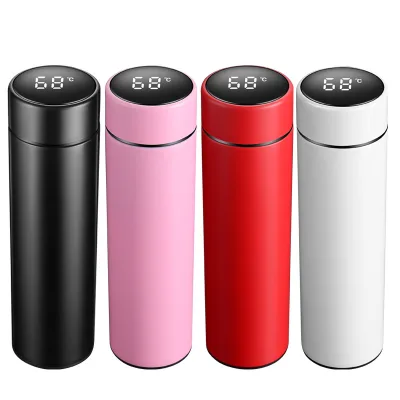
Wholesale Stainless Steel Thermal Insulation Tea Cup Intelligent Temperature Smart Water Bottle
$1.35 - $1.95
MOQ: 500 Pieces


LIANYUNGANG KAESHING INTERNATIONAL TRADING CO., LTD.
- Verified by TUVRHEINLAND
- Trading Company
- China Jiangsu
- Lead time15 days
- Avg. response≤ 5h
Main productsGlass Bottle, Glass Jar, Glass Cup, Glassware, High Borosilicate Glass Jar Bottle Mug, Glass Perfume Bottle, Glass Mug, Glass Decanter, Storage Jar, Fused Silica
Main marketsNorth America

$51.50 - $77.20
MOQ: 500 Pieces

$65.63 - $75.63
MOQ: 500 Pieces

$40.00 - $45.00
MOQ: 500 Pieces

- Verified by SGS Group
- Trading Company
- Lead time30 days
- Avg. response≤ 1h
Main productsInsulated Water Bottle, Wine Tumbler, Bamboo Bottle, Sport Water Bottle, Glass Water Bottle
Main marketsNorth America(25%), Western Europe(20%), Eastern Europe(10%)

Shanghai Karry Industrial Co., Ltd.
- Verified by BV
- Combined
- China Zhejiang
- Lead time30 days
- Avg. response≤ 5h
Main productsSports Bottle
Main marketsSoutheast Asia/ Mideast,Europe,North America

Factory Price Large Capacity Thermal Insulation Effect Smart Coffee Mug with Temperature Display
$2.55 - $3.15
MOQ: 500 Pieces

Trend Product Insulated Travel Coffee Mug 410ml Smart Termos Cup with Temperature Display
$2.55 - $3.15
MOQ: 500 Pieces

Popular Coffee Mug Termos Outdoor LED Digital Intelligent Smart Temperature Display Thermal Mug
$2.55 - $3.15
MOQ: 500 Pieces

$1.65 - $2.17
MOQ: 500 Pieces

Smart Termos Insulated Tumbler Taza Termic LED Temperature Display SUS316 Thermal Mug
$2.55 - $3.15
MOQ: 500 Pieces

- Verified by BV
- Manufacturer/Factory
- China Beijing
- Lead time23 days
- Avg. response≤ 23h
Main productsPromotion Gifts, Corporate Gift, Gift Bag, Luggage, Tumbler, Promotional Bags, Tote Bag, Travel Bag, Shopping Cart, Umbrella
Main marketsSouth America,Eastern Europe,Mid East,North America,Southeast Asia,Eastern Asia,Oceania,Western Europe,Africa

Smart LED Coffee Mug Cup Double Wall Stainless Steel with Temperature Display Lid
$1.70 - $2.20
MOQ: 5000 Pieces


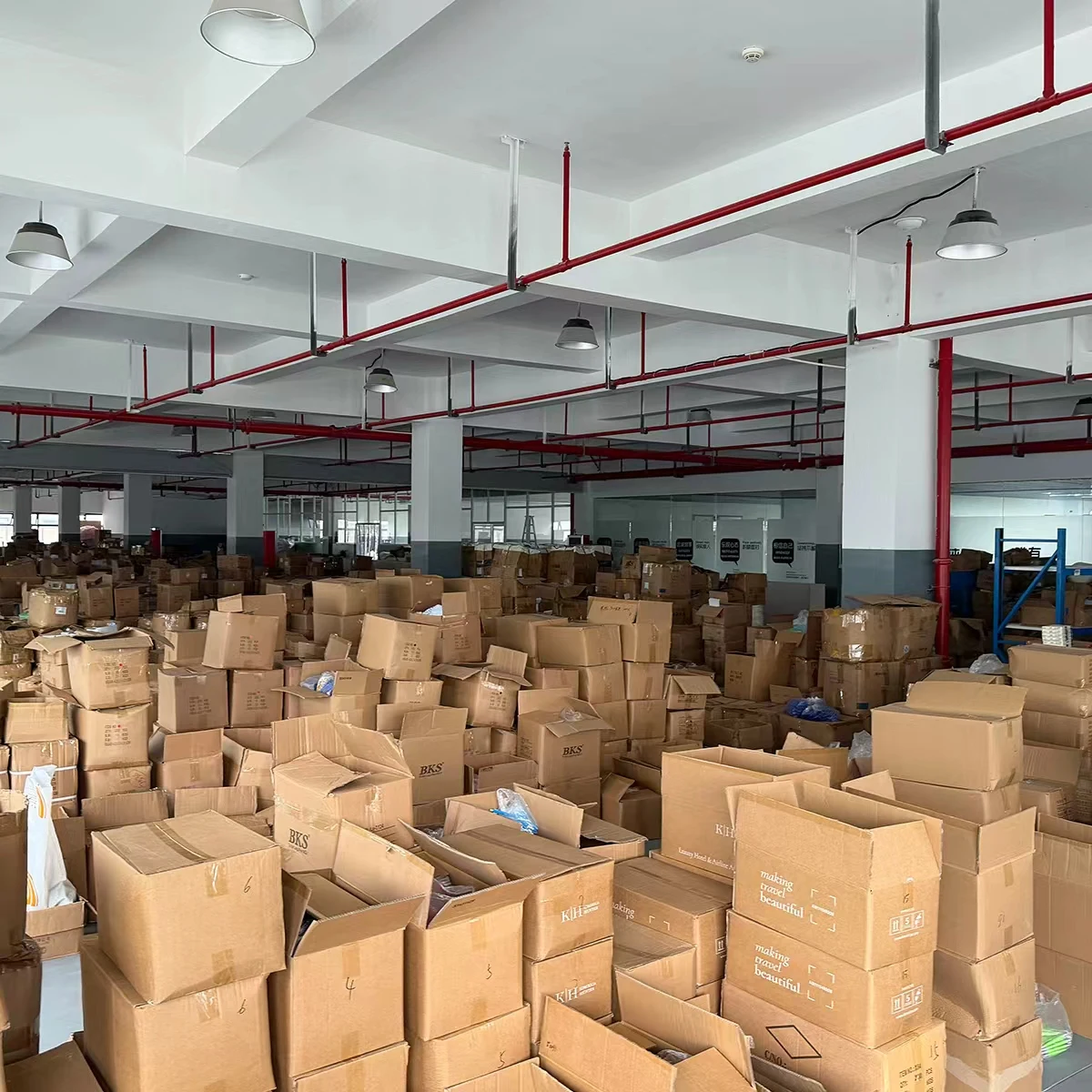
Hangzhou Jinchengyu Industry And Trad Co., Ltd.
- Manufacturer, Trading Company
- Zhejiang, China
- Lead time30 days
- Avg. response≤ 2h
Main productsStainless Steel Bottle,Thermos Water Bottle,Plastic Water Bottle,Glass Series Product,Home Decorations
Main marketsNorth America(30.0%), South Asia(25.0%), Southern Europe(20.0%), Eastern Europe(10.0%), Western Europe(10.0%), Southeast Asia(5.0%)
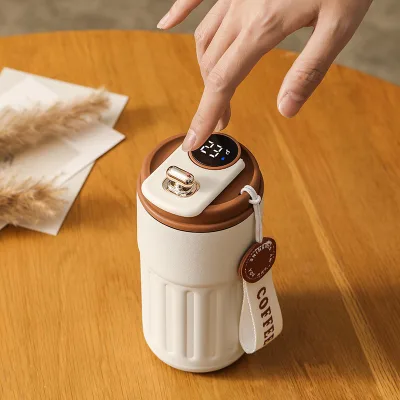
Smart Temperature Control Travel Mug 12H Precision Heating Car Coffee Cup With LED Display
$2.89 - $3.15
MOQ: 2 pieces
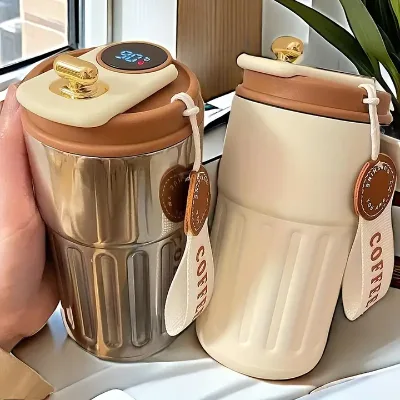
Smart Temperature Travel Coffee Mug Temperature Controlled Vacuum Flasks Thermoses
$2.95 - $3.22
MOQ: 2 pieces
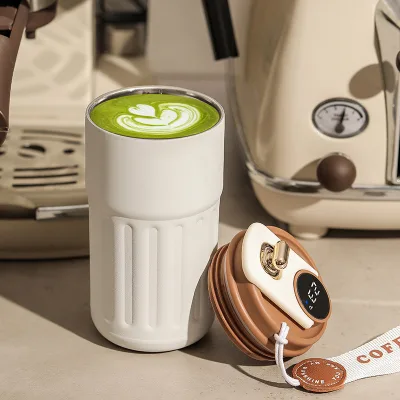
Anhui Xianwei E-Commerce Co., Ltd
- Verified by TUVRHEINLAND
- Manufacturer/Factory
- China Anhui
- Lead time0 days
- Avg. response≤ 5h
Main productsLamp, Cup, Tent
Main marketsSouth America,Eastern Europe,Mid East,North America,Southeast Asia,Eastern Asia,Oceania,Western Europe,Africa


$1.37 - $1.83
MOQ: 100 Pieces

- Verified by TUVRHEINLAND
- Trading Company
- China Beijing
- Lead time30 days
- Avg. response≤ 6h
Main productsWater Bottle, Tumbler, Vacuum Flask, Lunch Box/Food Jar, Travel Mug, Water Jug/Pot, Stainless Steel Cup, Thermo
Main marketsEurope


$2.78 - $2.91
MOQ: 1 Pieces


Anhui Ifun Import&Export Co., Ltd
- Verified by TUVRHEINLAND
- Trading Company
- China Anhui
- Lead time30 days
- Avg. response≤ 8h
Main productsGlass Infuser Water Bottle, Stainless Steel Water Bottle, Plastic Water Bottle, Vacuum Flask, French Press Coffee Maker, Thermos Flask, BPA Free Plastic Water Bottles, Drink Bottles, Travel Mug, French Coffee Press
Main marketsSouth America,Africa,Southeast Asia/ Mideast,East Asia(Japan/ South Korea),Europe,Australia,North America


LCD Temperature Display Smart Tumblers Customized Insulation Coffee Tumblers with Handle
$2.35 - $2.79
MOQ: 2 Pieces


Wholesale 380ml 510ml Double Wall Vacuum Insulated Travel Stainless Steel Smart Coffee Mug Tumbler
$1.69 - $2.89
MOQ: 2 pieces

Changsha Sofly Industry Co.,Ltd
- Verified by BV
- Trading Company
- China Hunan
- Lead time15 days
- Avg. response≤ 6h
Main productsPower Bank, Digital Luggage Scale, USB Flash Drive, LED Light, LED, Mobile Battery Charger, USB Stick, USB 2.0 USB 3.0, Digital Hanging Portable Scale, Digital Scale
Main marketsEurope


$2.00 - $2.50
MOQ: 200 Pieces

Zhanjiang Wangmao Electronic Technology Co., Ltd
- Verified by SGS
- Trading Company
- China Guangdong
- Lead time15 days
- Avg. response≤ 2h
Main productsLight Industry & Daily Use, Lights & Lighting, Arts & Crafts
Main marketsEurope

Stainless Steel Insulated Smart Travel Coffee Tumbler Mug with LED Temperature Display
$1.68 - $2.86
MOQ: 50 Pieces


LED Smart Temperature Display Termos Stainless Steel Travel Coffee Mug Cup Tumbler
$1.68 - $2.86
MOQ: 50 Pieces

Intelligent Termo Digital Stainless Steel LED Smart Temperature Display Thermal Coffee Cup
$1.98 - $3.68
MOQ: 50 Pieces

Zhongshan Xinyuan Silicone Rubber Co., Ltd.
- Verified by TUVRHEINLAND
- Combined
- China Guangdong
- Lead time15 days
- Avg. response≤ 1h
Main productsEmbroidery Patch, PVC Keychain, Pin Badge, Medal, Lanyard, Challenge Coin, Paper Air Freshener, Coffee Maker, Luggage Tag, Coffee Maker/Grinder
Main marketsSouth America,Southeast Asia/ Mideast,Domestic,Europe,North America


Smart Constant Temperature Mug Office Temperature Control Heating Coffee Couple Water Cup
$45.50 - $55.00
MOQ: 20 Pieces
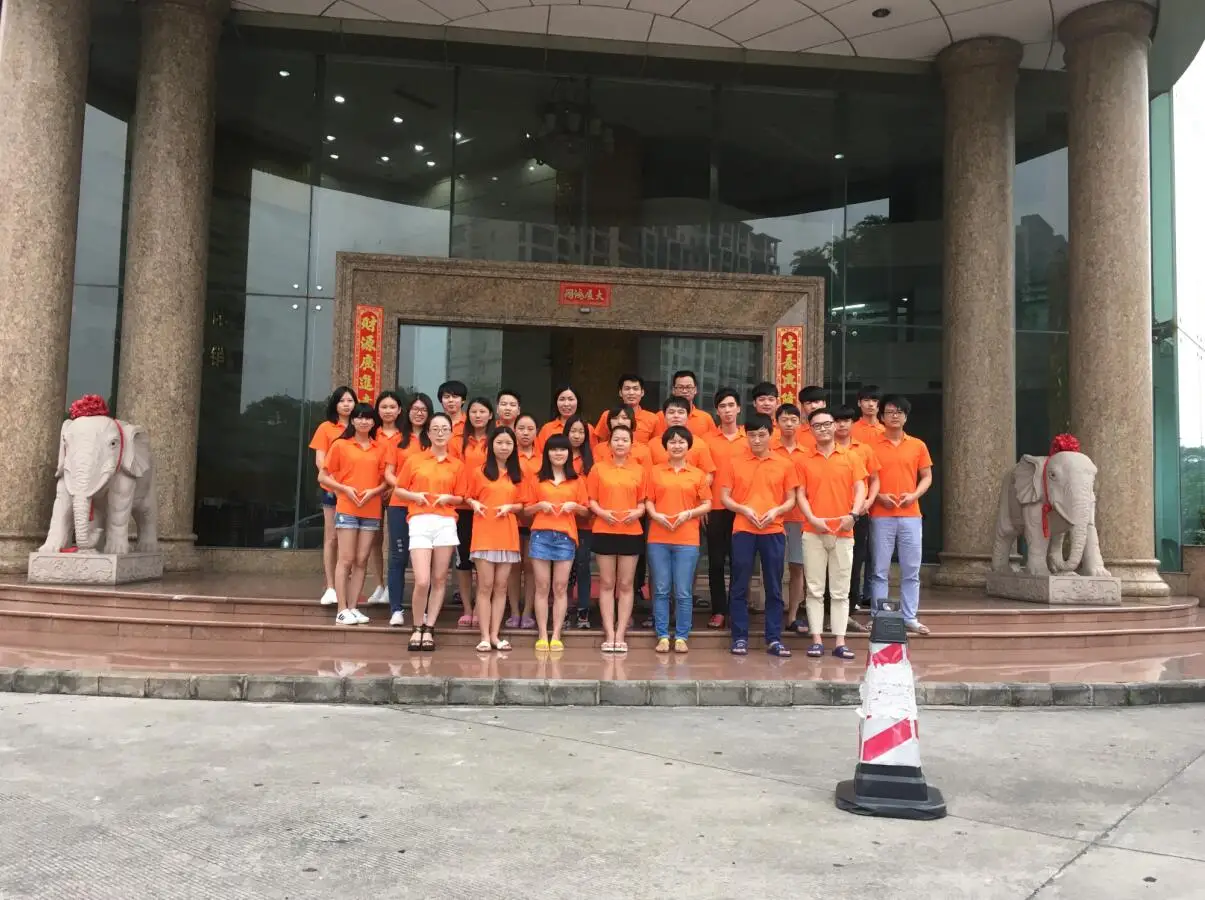
YIWU STAR PEAK COMMODITY CO.,LTD.
- Manufacturer, Trading Company
- Zhejiang, China
- Lead time20 days
- Avg. response≤ 4h
Main productsgift plastic spoon,gift tape measure keychains,gift water bottle,promotional gift,promotional gifts
Main marketsNorth America(18.0%), Eastern Europe(12.0%), Southern Europe(7.690000000000001%), Mid East(7.690000000000001%), Northern Europe(7.690000000000001%), Central America(7.690000000000001%), Western Europe(7.690000000000001%), South America(7.690000000000001%), Eastern Asia(5.0%), Oceania(5.0%), South Asia(5.0%), Southeast Asia(5.0%), Africa(3.8599999999999994%)
Ningbo Joywards Commodity Co., Ltd.
- Trading Company
- Zhejiang, China
- Lead time15 days
- Avg. response≤ 5h
Main productsWater Bottle,Mug,Tumbler,Flask,Aluminum bottle
Main marketsNorth America(28.999999999999996%), Northern Europe(20.0%), Eastern Europe(19.0%), Western Europe(15.0%), Oceania(5.0%), South America(2.0%), Southeast Asia(2.0%), Central America(2.0%), Africa(1.0%), Mid East(1.0%), Eastern Asia(1.0%), Southern Europe(1.0%), South Asia(1.0%), Domestic Market(1.0%)
Dongguan Grace Technology Co., Ltd.
- Verified by SGS
- Trading Company
- China Guangdong
- Lead time15 days
- Avg. response≤ 2h
Main marketsSouth America,Others(foreignTradeCapacity.exportBusinessCapacityMarketOther),Southeast Asia/ Mideast,East Asia(Japan/ South Korea),Europe,Australia,North America

12oz 17oz Smart Intelligent Digital Temperature Display Stainless Coffee Mug
$1.80 - $3.00
MOQ: 50 Pieces

Digital Tumbler Mugs Insulated Temperature Flask Smart LED Thermo Water Bottle
$1.50 - $3.50
MOQ: 50 Pieces

Factory Stainless Steel LED Fahrenheit Celsius Smart Thermo Tea Coffee Mug
$3.60 - $5.00
MOQ: 50 Pieces

750ml Thermal Cup Smart Digital Temperature Tumbler Stainless Vacuum Flask
$3.60 - $5.00
MOQ: 50 Pieces

BPA Free Digital Temperature Handle Lid Stainless Steel Vacuum Smart Coffee Cup
$3.60 - $5.00
MOQ: 50 Pieces

304 Stainless Steel LED Smart Water Bottle Temperature Display Thermal Flask Cup
$4.50 - $6.00
MOQ: 50 Pieces

Chaozhou City Cha'an District Fengtang Town Sai Si Ceramics Factory
- Verified by CTI
- Combined
- China Guangdong
- Lead time30 days
- Avg. response≤ 6h
Main productsMugs, Ceramic Tissue Boxes, Ceramic Pet Bowls, Ceramic Vases
Main marketsDomestic

$2.00 - $4.00
MOQ: 1000 Pieces

$2.00 - $4.00
MOQ: 1000 Pieces
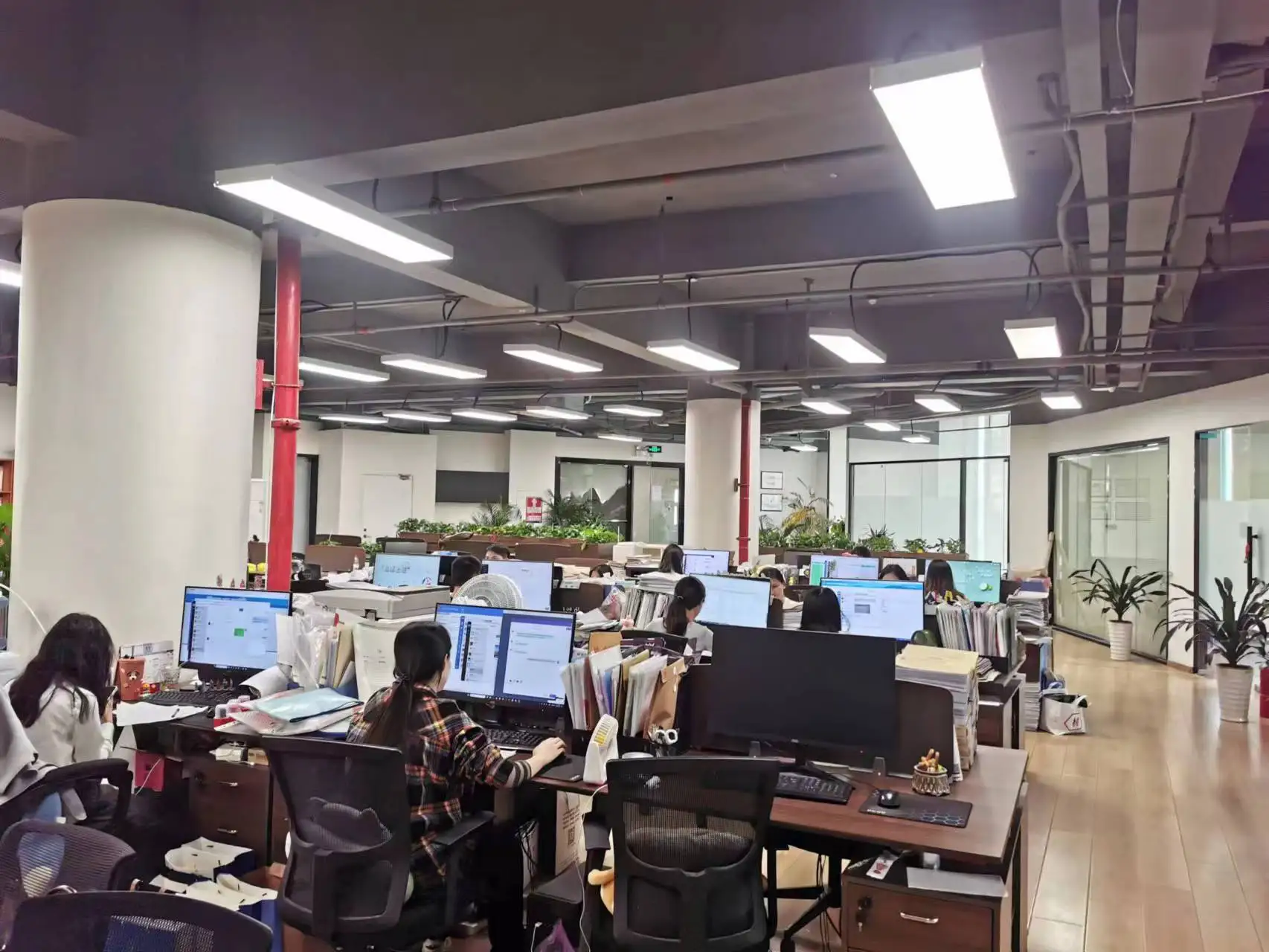
Shenzhen Cootty Outdoor Products Co., Ltd.
- Manufacturer
- Guangdong, China
- Lead time30 days
- Avg. response≤ 2h
Main productsWater Bottle,Smart Bottle
Main marketsNorth America(45.0%), Eastern Europe(35.0%), South Asia(10.0%), Oceania(10.0%), South America(10.0%)
Guangzhou Doremi Gifts Co., Ltd.
- Manufacturer
- Guangdong, China
- Lead time10 days
- Avg. response≤ 2h
Main productsKettle,Cup,Thermos cup,Key Chain,Office stationery
Main marketsWestern Europe(20.0%), South America(20.0%), Central America(20.0%), Eastern Europe(15.0%), Northern Europe(10.0%), Southern Europe(10.0%), North America(5.0%)

Shanghai Jspeed Industry Co.Ltd
- Verified by TUVRHEINLAND
- Trading Company
- China Shanghai
- Lead time30 days
- Avg. response≤ 2h
Main productsWater Bottle, Stainless Steel Bottle, Vacuum Bottle, Thermal Mug, Vacuum Flask, Thermal Cup, Insulated Cup, Vacuum Cup
Main marketsSouth America




Comprehensive Sourcing Guide
Temperature Control Smart Mug with Lid Supplier Concentration and Factory Types
Current data indicates manufacturing clusters for temperature control smart mugs with lids are concentrated in specific Chinese provinces, with Guangdong and Zhejiang emerging as primary hubs for this category. Suppliers in Guangdong often list silicone molds and bakeware alongside drinkware, suggesting a diversified manufacturing base that may support complex plastic or silicone components required for smart heating elements. In contrast, Zhejiang-based factories frequently specialize in insulated bottles and vacuum flasks, indicating a strong capability in stainless steel thermal engineering which is critical for maintaining the precise temperature control features buyers seek. These regional distinctions help buyers identify whether a supplier's core competency aligns with the specific material requirements of their smart mug project, whether that involves metal thermal insulation or plastic housing for electronic components.
The supplier landscape includes a mix of combined trading companies and dedicated manufacturers or factories, each offering distinct advantages for sourcing temperature control smart mugs with lids. Combined entities often provide broader product ranges, such as silicone wristbands or tea infusers, which can be bundled with smart drinkware for promotional campaigns, while manufacturers focus on OEM and ODM capabilities for custom branding and engineering. Some suppliers explicitly state their capacity for both OEM and ODM services, allowing buyers to request custom temperature algorithms or unique lid designs without being limited to existing stock models. Understanding this distinction is vital, as a factory may offer tighter control over production quality and lead times, whereas a combined supplier might provide more flexibility in sourcing complementary items from their network to fulfill a complete order.
How to Verify Temperature Control Smart Mug with Lid Suppliers
Verification of suppliers for temperature control smart mugs with lids requires checking for recognized third-party audit certifications that confirm operational integrity and quality management systems. Data shows that some suppliers hold ISO9001:2015 certificates, which indicates a standardized approach to quality control processes essential for electronic components like heating elements and temperature sensors. Additionally, verification badges from organizations such as TÜV Rheinland or SGS provide an external layer of confidence regarding the supplier's business legitimacy and adherence to safety standards. Buyers should prioritize suppliers displaying these specific credentials, as they serve as tangible proof that the factory has undergone rigorous assessment, reducing the risk of receiving substandard or unsafe electronic drinkware products.
Response time and communication efficiency are critical metrics for verifying supplier reliability when sourcing complex items like smart mugs with lids. The available data reveals response times ranging from approximately 1.40 to 7.67 hours, with faster responses often correlating with higher engagement levels and better project management capabilities. A supplier who responds within a few hours is more likely to address technical queries regarding USB charging specifications, thermal insulation performance, or custom logo placement promptly. Buyers should test communication channels before placing orders, noting that a slow response time may indicate a lack of dedicated technical support or a high volume of unmanaged inquiries, which could lead to delays in resolving critical issues during the production of temperature-sensitive smart drinkware.
What to Compare Across Temperature Control Smart Mug with Lid Suppliers
When comparing suppliers, buyers must evaluate lead times and minimum order quantities (MOQ) to ensure alignment with their inventory and cash flow requirements. Current observations show lead times can vary, with some suppliers indicating a standard 15-day production window, while others may require 23 days or more depending on customization levels. MOQs also differ significantly, with some listings showing a minimum of 50 units for stainless steel tumblers, while others require 100 or even 500 units for specific smart mug models. This variance allows buyers to select partners that match their scale, whether they are launching a small pilot run or planning a large-scale wholesale distribution of temperature control smart mugs with lids.
Product specifications and customization options are another vital dimension for comparison, particularly regarding material composition and thermal performance. Suppliers offer varying attributes such as 14-ounce capacities, metal or stainless steel bodies, and thermal insulation performance lasting between 6 to 24 hours. Some listings explicitly state that customization is available for logos, colors, and packaging, while others may have stricter constraints on design changes. Buyers should compare these technical details against their specific market needs, ensuring the selected supplier can deliver the exact temperature control features, lid designs, and power supply requirements, such as USB charging, that define the product's functionality and user experience.
Common Temperature Control Smart Mug with Lid Sourcing Risks
One significant risk in sourcing temperature control smart mugs with lids involves the discrepancy between advertised capabilities and actual product performance, particularly regarding heating efficiency and battery life. While some product data lists thermal insulation performance of 12 to 24 hours, other listings may only guarantee 6 hours of warmth, creating potential confusion for buyers who assume uniform performance across all suppliers. Without rigorous testing or clear specification sheets, buyers risk receiving units that fail to maintain the desired temperature, leading to customer dissatisfaction and potential returns. It is essential to request detailed technical data sheets and sample testing results to verify that the heating elements and insulation materials meet the claimed standards before committing to a large order.
Another risk arises from inconsistent packaging and shipping standards, which can damage sensitive electronic components during transit. Product attributes indicate that some suppliers use individual color boxes, while others utilize bulk cartons, and the lack of standardized protective packaging for smart devices can lead to broken lids or damaged charging ports upon arrival. Additionally, variations in origin locations, such as Guangdong versus Zhejiang, may imply different logistics chains and handling procedures that affect the final condition of the goods. Buyers must explicitly confirm packaging requirements and insurance coverage to mitigate the risk of transit damage, ensuring that the fragile electronic components within the temperature control mugs arrive in perfect working order.
Temperature Control Smart Mug with Lid Regional Sourcing and Logistics
Sourcing from specific regions like Guangdong and Zhejiang offers distinct logistical advantages and challenges for temperature control smart mugs with lids. Guangdong suppliers often benefit from established supply chains for electronic components and plastics, potentially reducing lead times for complex smart devices, while Zhejiang factories may leverage their expertise in stainless steel processing for high-quality vacuum flasks. However, buyers must account for regional differences in shipping infrastructure and customs procedures, as the origin location directly impacts freight costs and delivery timelines. Understanding these regional nuances helps buyers anticipate potential delays and select the most efficient route for their specific product requirements, whether prioritizing speed or cost-effectiveness in the supply chain.
Logistics planning must also consider the specific packaging dimensions and weight of the smart mugs, which vary by supplier and model. Data indicates product dimensions ranging from 8.1 cm to 11.8 cm in height, with weights around 300 grams, influencing how many units fit into standard shipping containers and the associated freight charges. Some suppliers offer custom packing options, while others use standard color boxes or cartons, which affects the total volume and weight of the shipment. Buyers should calculate the optimal container load based on these dimensions to minimize shipping costs, ensuring that the temperature control smart mugs with lids are packed efficiently to maximize space utilization and reduce per-unit logistics expenses.
Temperature Control Smart Mug with Lid Commercial Terms and Order Planning
Commercial terms for temperature control smart mugs with lids often include specific pricing structures that vary based on order volume and customization levels. Current data shows price ranges from approximately $1.65 to $45.50 per unit, with lower prices typically associated with higher MOQs or simpler designs, while premium smart features command higher costs. Buyers must carefully analyze these price points against their budget and margin targets, ensuring that the quoted price includes all necessary components like lids, charging cables, and custom packaging. It is crucial to clarify whether the price is based on FOB or EXW terms, as this determines who bears the cost and risk of transportation from the factory to the destination port.
Order planning should also account for sample availability and the timeline for final production approval. Many suppliers offer sample provision, which is a critical step for verifying the quality of temperature control mechanisms and overall build before mass production begins. Buyers should factor in the time required for sample testing and any necessary design iterations into their overall project schedule, as this can significantly impact the final delivery date. Additionally, understanding the supplier's capacity for ODM and OEM services ensures that the production timeline aligns with market launch dates, preventing delays that could result from missed deadlines or production bottlenecks in the supply chain.
FAQs
What is the typical lead time for temperature control smart mugs?
Lead times vary by supplier, with some offering 15 days and others up to 23 days. Buyers should verify specific timelines based on order volume and customization needs before placing an order to ensure timely delivery.
What are the minimum order quantities for these smart mugs?
Minimum order quantities range from 50 units to 500 units depending on the supplier and product model. Some listings allow orders as low as one unit, while others require bulk purchases of 100 or more items.
Which certifications do suppliers of smart mugs typically hold?
Suppliers often hold ISO9001:2015, BSCI, and ISO 9000 certifications. Verification bodies like TÜV Rheinland and SGS also validate supplier credentials, ensuring quality standards are met for manufacturing and product safety compliance.
Where are the manufacturers of these mugs located?
Manufacturers are primarily located in China, specifically in Guangdong, Zhejiang, and Anhui provinces. These regions host factories producing silicone molds, stainless steel bottles, and various smart drinkware with temperature control features.
How quickly do suppliers typically respond to inquiries?
Response times vary, with some suppliers replying within 1.40 hours and others taking up to 7.67 hours. Buyers should check individual supplier profiles for current response speed to ensure efficient communication during the sourcing process.
What customization options are available for smart coffee mugs?
Customization is widely available, including custom logos, colors, and packaging. Many suppliers offer ODM and OEM services, allowing buyers to tailor product models, materials, and features to meet specific brand requirements and market needs.
What is the price range for temperature control smart mugs?
Prices range from approximately 1.65 to 45.50 per unit depending on features and order size. Stainless steel models often cost less, while advanced smart mugs with temperature displays and self-heating capabilities command higher prices.