Tesla CCS1 EV Charger Adapter Suppliers and Manufacturers
Source 15 verified suppliers for the Tesla CCS1 EV Charger Adapter. Compare grounded dimensions including China locations, ISO 9001 certification, IP55-IP66 ratings, and pricing from $42.80 to $109.30. Review lead times and MOQs to identify the right partner for your procurement needs.
Suppliers List

- Verified by SGS
- Trading Company
- China Shandong
- Lead time23 days
- Avg. response≤ 3h
Main productsEV Charger, EV Charging Station, Charging Station, AC Charger, DC Charger, AC Charging Station, DC Charging Station, Cars Chargers, Electric Cars Charger, Charging Pile
Main marketsSouth America,Europe

Shenzhen TopSuny Solar Energy LLC
- Trading Company,Manufacturer/Factory,Group Corporation
- China Guangdong
- Lead time23 days
- Avg. response≤ 12h
Main productsEV Charger, EV Charging Station, Portable EV Charger, EV Charging Cable, EV Charging Connector, EV Adapter, Power Station, Solar Panel, Portable Power Station, Power Bank
Main marketsSouth America,Eastern Europe,Mid East,North America,Southeast Asia,Eastern Asia,Oceania,Western Europe,Africa


$50.00 - $61.00
MOQ: 1 Pieces

Wholesale Electric Vehicle Charging Connector EV CCS2 Fast Charger Adapter
$101.50 - $109.30
MOQ: 10 Pieces


$16.60 - $16.90
MOQ: 100 Pieces

Shanghai Mida EV Power Co., Ltd.
- Verified by SGS
- Trading Company
- China Shanghai
- Lead time15 days
- Avg. response≤ 3h
Main productsDC Charging Station, EV Charger Module, Liquid Cooled Power Module, Nacs & CCS1 & CCS2 & Gbt, Fast DC Charger, Wall Mounted DC Charger, Floor Standing Charging Station, DC Mobile EV Charger, EV Charging Products, Portable EV Charger
Main marketsSouth America,Africa,Southeast Asia/ Mideast,East Asia(Japan/ South Korea),Domestic,Europe,Australia,North America


$520.00 - $600.00
MOQ: 10 pieces
Guangzhou Evlink Technology Co., Ltd.
- Manufacturer, Trading Company
- Guangdong, China
- Lead time0 days
- Avg. response≤ 3h
Main productsFor tesla Car Interior& Exterior Accessories,For cybertruck Interior& Exterior Accessories,For EV car upgrade,For EV car modify,night vision device
Main marketsNorth America(11.0%), Northern Europe(10.0%), Central America(10.0%), South America(10.0%), Eastern Europe(9.0%), Domestic Market(8.0%), Oceania(6.0%), Western Europe(6.0%), Eastern Asia(5.0%), South Asia(5.0%), Southern Europe(5.0%), Southeast Asia(5.0%), Africa(5.0%), Mid East(5.0%)
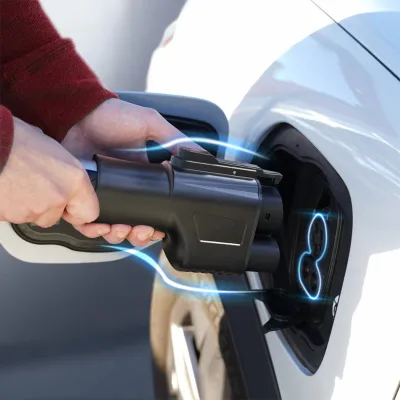
New Energy Electric Car EV Charging Adapter CCS2 to CCS1 DC+AC Ev Charger Car Adapter
$130.00 - $139.00
MOQ: 2 sets
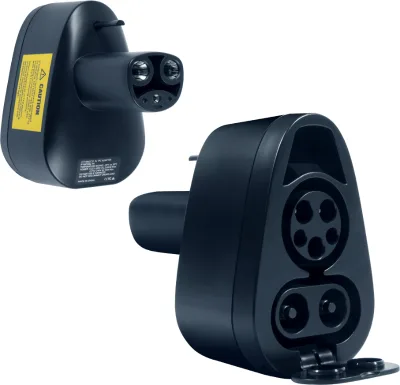
250KW CCS1 to CCS2 EV Connectors CCS1 to Tes-la, CCS1&J1772 2-in-one for tesla Interface Adapter
$90.00 - $104.00
MOQ: 2 sets
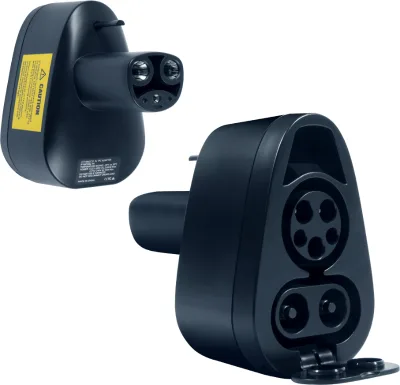
Hefei Lithium Machinery Technology Co., Ltd
- Verified by SGS
- Combined
- China Anhui
- Lead time15 days
- Avg. response≤ 11h
Main productsElectric Car Charger, EV Car Charger, EV Charging Station
Main marketsAfrica,Europe,North America


EV Accessories Electric Vehicle Charging Adapter Car Charger EV Adapter CCS2-Telsa
$99.00 - $599.00
MOQ: 1 Pieces

American Standard Electric Cars CCS2 to CCS1 Charger Adapter EV Charging Adapter
$59.00 - $99.00
MOQ: 1 Pieces

DC Adapter EV Charger CCS2 to CCS1 Electric Car Charger Converter for EV Charging Station
$59.00 - $99.00
MOQ: 1 Pieces

- Verified by TUVRHEINLAND
- Combined
- China Zhejiang
- Lead time30 days
- Avg. response≤ 15h
Main productsPower Inverter, Battery Charger, LED Lamp, Lock
Main marketsSouth America,East Asia(Japan/ South Korea),Europe,North America

HICI Digital Power Technology Co., Ltd.
- Verified by BV
- Combined
- China Hubei
- Lead time23 days
- Avg. response≤ 6h
Main productsEV Charger, EV Charging Station, Electric Vehicle Charger, Fast Charging, DC Charger, Hpc Charging, Ultra Fast Charging, Liquid Cooling, Electric Car Charger, Pantograph
Main marketsSouth America,Southeast Asia/ Mideast,Europe

Wenzhou Jinling Electric Co., Ltd.
- Verified by SGS
- Manufacturer/Factory
- China Zhejiang
- Lead time45 days
- Avg. response≤ 3h
Main productsAC EV Charger, DC EV Charging Station, Electric Vehicle Charger, EV Adapter, Type 2 Charger, Type 1 Charger, EV Charging Cable, Tesla Charger, Wall-Mount Charger, Wall Mount Charger
Main marketsSouth America,Eastern Europe,North America,Southeast Asia,Western Europe


EV Charger Adapter CCS2 to Tesla DC Level 2 EV Charger Support 250kw Fast Charging Connector
$76.00 - $84.00
MOQ: 1 Pieces


Jiangsu Zilong New Energy Technology Co., Ltd.
- Verified by SGS
- Combined
- China Jiangsu
- Lead time15 days
- Avg. response≤ 1h
Main productsEV Charger, Portable EV Charger, SAE J1772 Mode 2 Charger, IEC 62196-2 Mode 2 Charger, IEC 62196-2 Female Charger, IEC 62196-3 DC Charger, SAE J1772 AC Charger, EV Vehicles Cocket IEC62196-2 Charger Socket, J1772 Standard Socket, EV Charging Adapter T1-T2/T2-T1
Main marketsSoutheast Asia/ Mideast,Domestic,Europe,North America


CCS2 to CCS1 Portable Electric Car EV Charger Adapter with High Quality
$129.00 - $159.00
MOQ: 2 Pieces


Guangzhou Laimao Electronic Technology Co., Ltd.
- Trading Company, Distributor/Wholesaler
- Guangdong, China
- Lead time3 days
- Avg. response≤ 4h
Main productsSamp Shelter & Bedding,Camping Pots & Pans,Camp Furniture,Camp Lighting & Power,EV charging accessory
Main marketsWestern Europe(23.0%), Northern Europe(15.0%), Southern Europe(13.0%), Eastern Europe(13.0%), South America(10.0%), North America(10.0%), Domestic Market(2.0%), South Asia(2.0%), Southeast Asia(2.0%), Oceania(2.0%), Central America(2.0%), Africa(2.0%), Eastern Asia(2.0%), Mid East(2.0%)
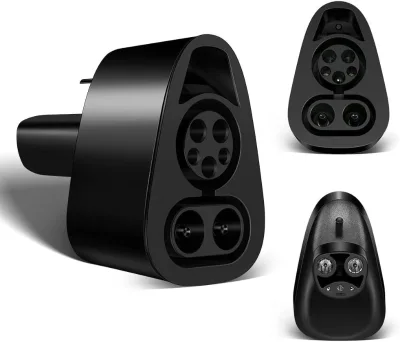
Ev Charger Ccs Charging Connector Adapteur Combo 1 Ccs1 Dc Fast Adapter Plug for Tesla Model Y
$50.06 - $52.24
MOQ: 50 pieces
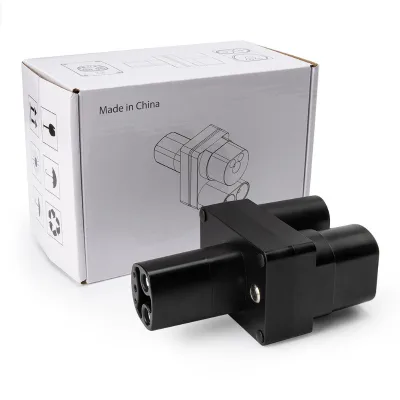

Hubei Xin Yanmei Supply Chain Management Co., Ltd
- Verified by SGS
- Trading Company
- China Hubei
- Lead time30 days
- Avg. response≤ 4h
Main productsEV Charger Motherboard, DC EV Charger, Charging Cable, EV Charger Adapter, EV Charger, EV Charging Station, Portable EV Charger, Portable Power Station, EV Charging Connector, Power Station
Main marketsSouth America,North America,Oceania,Africa
Anhui Karunte New Energy Technology Co., Ltd.
- Manufacturer, Trading Company
- Anhui, China
- Lead time10 days
- Avg. response≤ 2h
Main productsEv charger,Ev charger accessories,Ev charger cable,Ev charger adapter,Ev charger parts
Main marketsWestern Europe(15.0%), Mid East(15.0%), North America(15.0%), Eastern Asia(10.0%), Southeast Asia(10.0%), Eastern Europe(8.0%), South America(8.0%), South Asia(5.0%), Central America(5.0%), Oceania(4.0%), Northern Europe(3.0%), Southern Europe(2.0%)
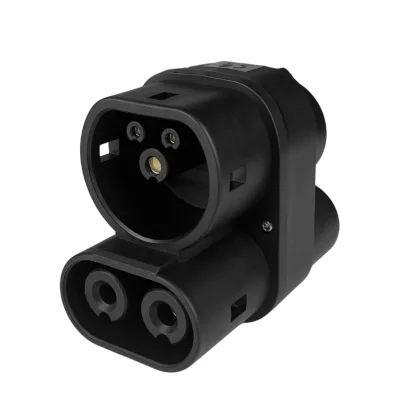
CCS1 to CCS2 EV Charger Adapter DC Fast Charging Adapter
$70.00 - $80.00
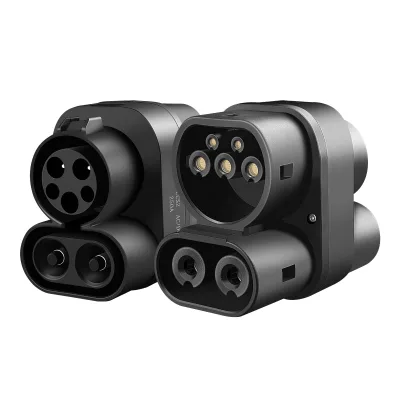
CCS1 to CCS2 EV Charger Adapter DC+AC Fast Charging Adapter
$70.00 - $80.00
Anhui Tary Tongda Mechanical &Electrical Co., Ltd.
- Verified by TüVRheinland
- Manufacturer, Trading Company
- Lead time10 days
- Avg. response≤ 2h
Main productsAC Charging Station, DC Charging Station, Portable Charging Station
Main marketsMid East(40%), South America(30%), Western Europe(10%)
Shanghai Hongyu Trading Co., Ltd.
- Verified by Intertek
- Trading Company
- Lead time5 days
- Avg. response≤ 4h
Main productsTiming Chain Kit, VVT Gears, Timing Belt Kit, Water Pump, Engine Parts
Nanjing Jingyi Power New Energy Co., Ltd.
- Verified by Intertek
- Manufacturer, Trading Company
- Lead time60 days
- Avg. response≤ 19h
Main productsDC EV Charger, AC EV Charger
Main marketsNorth America(32%), Eastern Europe(23%), Western Europe(21%)
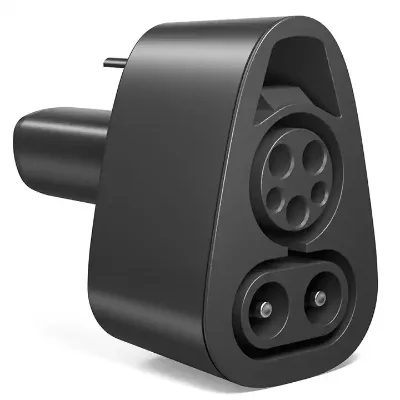
$62.00 - $73.00
MOQ: 10 pieces
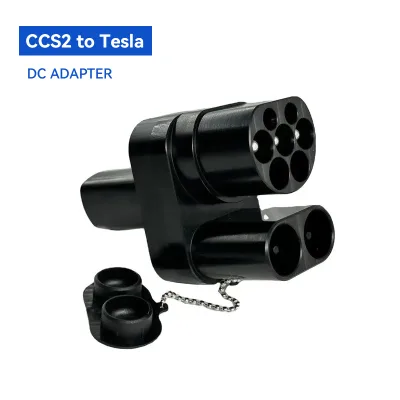
Dual Function 2 in 1 CCS Combo Type 2 Fast Adaptor Converter Ccs2 to tesla Dc Ac Adapter
$55.00 - $74.00
MOQ: 5 pieces


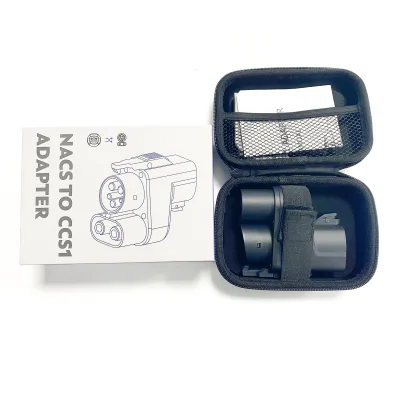
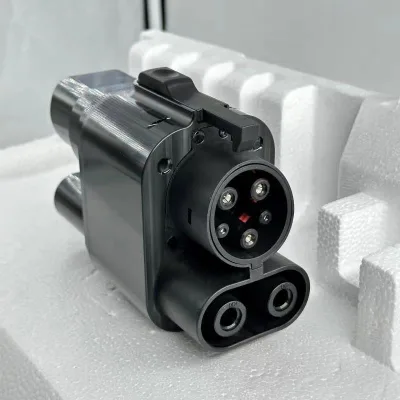
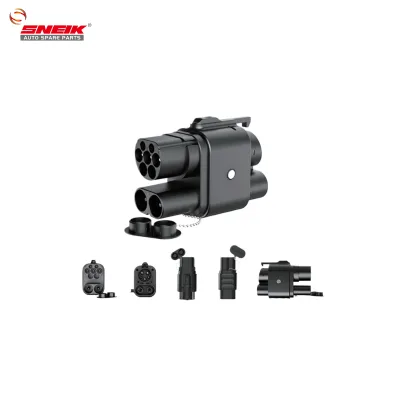
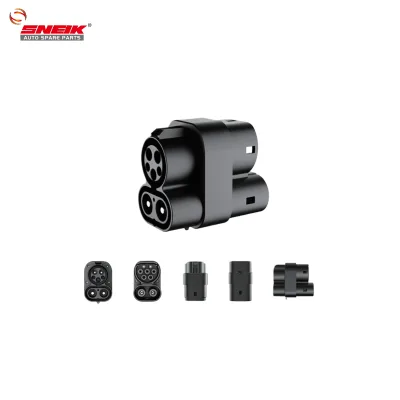
Comprehensive Sourcing Guide
Tesla CCS1 EV Charger Adapter Supplier Concentration and Factory Types
The available data indicates that suppliers for Tesla CCS1 EV charger adapters are concentrated in specific Chinese provinces, with Shandong and Guangdong emerging as key manufacturing hubs. Fact records show a distinct split where some entities operate from Shandong while others are based in Guangdong, suggesting regional specialization in electric vehicle components. Buyers should verify the specific factory location for each potential partner, as the supply chain dynamics and logistics costs can vary significantly between these two provinces. The presence of multiple locations implies a competitive market where proximity to raw material sources or port infrastructure may influence pricing and delivery speed.
Regarding company structure, the observed supplier pool includes a mix of trading companies and manufacturers, with some entities listing themselves as group corporations or factories. This diversity means that a single search result might represent a direct production facility or an intermediary reseller. Some suppliers explicitly state capabilities in ODM and OEM services, indicating they can customize products, while others may focus on trading existing inventory. Buyers must distinguish between these types because a trading company might offer faster access to various models but less control over production quality, whereas a manufacturer with ODM capacity can tailor specifications like IP ratings or connector types to specific project needs.
How to Verify Tesla CCS1 EV Charger Adapter Suppliers
Verification of supplier credibility relies heavily on third-party audit results and specific certification claims found in their profiles. One observed supplier holds an SGS verification status, which serves as a tangible indicator of operational legitimacy, while another lists ISO 9001 system certification, suggesting adherence to quality management standards. However, not all suppliers in the current results display system certifications, with some showing a NIL status for this attribute. Buyers should prioritize partners with verified badges or recognized quality standards and request copies of these documents before proceeding, as the absence of such proof requires additional due diligence to ensure the supplier meets international safety requirements for EV charging equipment.
Response time and communication efficiency are critical metrics for assessing supplier reliability during the sourcing process. Data shows response times varying from approximately 2.79 hours to over 11 hours, indicating a significant difference in how quickly different suppliers engage with inquiries. A faster response time often correlates with a more active sales team and better project management capabilities, which is essential when dealing with technical products like EV adapters that may require detailed clarification on compatibility or technical specifications. Buyers should test the responsiveness of potential suppliers early in the process, as slow communication can lead to delays in resolving technical questions or finalizing order details, potentially impacting the overall project timeline.
What to Compare Across Tesla CCS1 EV Charger Adapter Suppliers
When evaluating potential partners, buyers should compare minimum order quantities (MOQ) and pricing structures to align with their procurement budget and volume requirements. The observed data reveals a wide range in MOQs, with some suppliers accepting orders as low as one unit, while others require a minimum of ten or two units. Pricing also varies significantly, with unit costs ranging from approximately $42.80 to over $109.30 depending on the specific model and features. Buyers must analyze these figures in the context of their total order volume, as a lower unit price might be offset by a higher MOQ that ties up capital, whereas a flexible MOQ allows for smaller test orders but may come with a higher per-unit cost.
Lead times and production capacity are equally vital factors to compare when planning a supply chain for EV charging adapters. The current results indicate a lead time of 23 days for certain suppliers, which sets a baseline for delivery expectations. Additionally, suppliers differ in their research and development capabilities, with some offering ODM services and others focusing on OEM or own-brand production. This distinction affects the ability to customize products, such as changing the IP grade from IP55 to IP65 or altering the physical dimensions. Buyers should match their specific customization needs with the supplier's stated capacity, ensuring that the partner can deliver the exact technical specifications required for their target market without compromising on quality or delivery schedules.
Common Tesla CCS1 EV Charger Adapter Sourcing Risks
One significant risk in sourcing these adapters involves the variability in product certifications and compliance standards across different suppliers. While some products list certifications like CE, FCC/EV, and RoHS, others may lack explicit documentation or display a NIL status for system certifications. This inconsistency creates a compliance risk, particularly for buyers targeting markets with strict regulatory requirements for electric vehicle charging equipment. Without verified proof of compliance, there is a danger of importing non-compliant goods that could face customs delays or legal penalties. Buyers must explicitly request certification documents for every batch and verify that the listed standards match the regulatory requirements of their destination country before finalizing any purchase.
Another critical risk relates to the accuracy of product specifications and the potential for mismatched expectations regarding durability and performance. The observed data shows variations in IP ratings, with some adapters rated at IP55, others at IP65, and some at IP66, alongside differences in operational temperature ranges and material compositions. If a buyer assumes a specific IP rating based on a general product title without verifying the detailed attributes, they may receive a product unsuitable for their intended environment, such as outdoor installation requiring higher dust and water protection. Buyers should meticulously cross-reference the detailed product attributes, such as the specific IP grade and material type, against their project requirements to avoid receiving goods that fail to meet the necessary environmental protection standards.
Tesla CCS1 EV Charger Adapter Regional Sourcing and Logistics
The geographic concentration of suppliers in Shandong and Guangdong provinces offers distinct logistical advantages and challenges for international buyers. Suppliers in these regions benefit from established port infrastructure, which facilitates the export of heavy or bulky items like EV charging stations and adapters. However, the specific location of the factory impacts the final landed cost and transit time. Buyers sourcing from Shandong may face different shipping routes compared to those sourcing from Guangdong, and these differences can influence the overall cost structure. It is essential to confirm the exact factory address to calculate accurate freight charges and to understand the local customs procedures that might apply to the specific region of origin.
Packaging and shipping methods also vary among suppliers, directly affecting the safety of the goods during transit. The data indicates that some products are packed in wooden cases, while others use standard cartons, and the weight of the items ranges from light adapters to heavier units. For instance, one product is noted to weigh 18.23kg, while another is only 0.32kg, necessitating different handling and packaging strategies. Buyers should verify the packing details to ensure that the chosen method provides adequate protection against damage during long-distance shipping. Additionally, understanding the packaging dimensions is crucial for optimizing container space and reducing shipping costs, as inefficient packing can lead to wasted space and higher freight expenses.
Tesla CCS1 EV Charger Adapter Commercial Terms and Order Planning
Commercial terms regarding warranty and after-sales service are pivotal for long-term supplier relationships and risk mitigation. The observed data highlights a disparity in service offerings, with some suppliers providing a 24-month warranty and others offering up to five years of after-sales support. This variation significantly impacts the total cost of ownership and the buyer's confidence in the product's longevity. Buyers should clearly define their warranty expectations in the purchase agreement and ensure that the supplier's stated service period is legally binding. A longer warranty period often indicates a manufacturer's confidence in their product quality, but it must be accompanied by clear terms regarding what is covered and the process for claiming repairs or replacements.
Order planning must also account for the specific production capabilities and customization options available from each supplier. Some suppliers offer customization for color, IP grade, and model numbers, while others may have limited flexibility. The ability to customize is often tied to the supplier's R&D capacity, with ODM providers offering more extensive options than standard trading companies. Buyers should plan their orders well in advance to accommodate any customization requests, as these processes can extend lead times beyond the standard 23 days observed in the data. Furthermore, understanding the minimum order quantities and pricing tiers is essential for financial planning, ensuring that the order volume aligns with the supplier's production capacity and the buyer's budget constraints.
FAQs
What is the price range for Tesla CCS1 adapters?
Prices for Tesla CCS1 adapters range from 42.80 to 109.30 USD depending on the specific model and supplier. Some listings show a minimum of 42.80 USD while others reach up to 109.30 USD. Buyers should verify exact pricing for their required quantity before placing an order.
What is the minimum order quantity for these adapters?
The minimum order quantity varies by supplier, with some accepting orders as low as one unit. Other suppliers require a minimum of two units or ten units for specific models. Buyers must check the specific product listing to confirm the exact MOQ required for their purchase.
How long does it take to receive the adapters?
Lead times for these adapters are reported as 23 days for certain suppliers. Response times from suppliers vary, with some replying within 2.79 hours and others taking over 11 hours. Buyers should confirm current lead times directly with the supplier before finalizing their purchase agreement.
Are these adapters available for customization?
Yes, customization is available for many Tesla CCS1 adapter models listed by suppliers. Buyers can request specific configurations or branding options depending on the supplier capabilities. It is recommended to discuss customization details directly with the supplier to ensure the product meets specific requirements.
What certifications do these adapters have?
Some adapters carry certifications such as CE, FCC/EV, and RoHS, while others may have no listed system certification. One supplier holds ISO 9001 certification for their manufacturing processes. Buyers should verify the specific certification status for each product before making a purchasing decision.
Where are these adapters manufactured?
These adapters are manufactured in China, specifically in the Shandong and Guangdong provinces. The product origin is listed as China for all observed listings. Buyers should confirm the specific manufacturing location with the supplier to ensure it aligns with their sourcing preferences.
What is the IP rating for these adapters?
The IP rating for these adapters varies, with options including IP55, IP65, and IP66. Some models are rated for outdoor use with higher protection levels. Buyers should select the appropriate IP rating based on their intended installation environment and usage conditions.
What is the warranty period for these adapters?
Warranty periods for these adapters can range from 24 months to 5 years depending on the supplier and model. Some listings explicitly state a 5-year after-sales service period. Buyers should confirm the specific warranty terms and coverage details with the supplier before completing their transaction.