Temperature Display Smart Coffee Mug Suppliers and Manufacturers
Source 30 verified suppliers for Temperature Display Smart Coffee Mug options. Compare grounded dimensions including China Zhejiang and Guangdong locations, 500-piece MOQs, 15-20 day lead times, and BSCI or ISO9001:2015 certifications. Review detailed product specs and pricing to identify suitable partners.
Updated
Suppliers List

Shanghai Karry Industrial Co., Ltd.
- Verified by BV
- Combined
- China Zhejiang
- Lead time30 days
- Avg. response≤ 6h
Main productsSports Bottle
Main marketsSoutheast Asia/ Mideast,Europe,North America

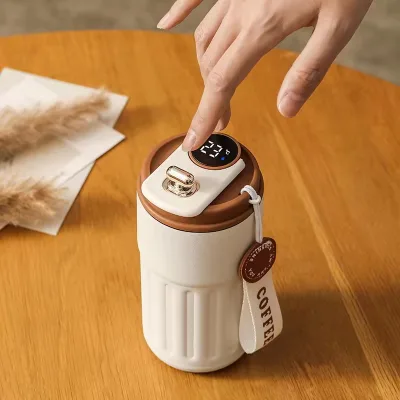
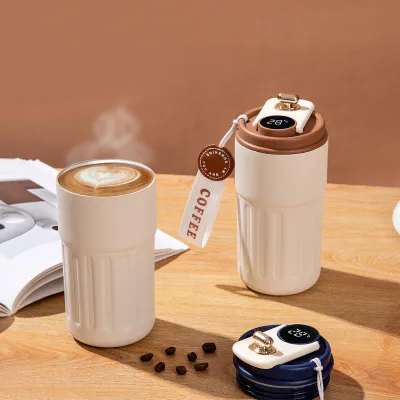
Factory Price Large Capacity Thermal Insulation Effect Smart Coffee Mug with Temperature Display
$2.55 - $3.15
MOQ: 500 Pieces

Popular Coffee Mug Termos Outdoor LED Digital Intelligent Smart Temperature Display Thermal Mug
$2.55 - $3.15
MOQ: 500 Pieces

$2.55 - $3.25
MOQ: 500 Pieces

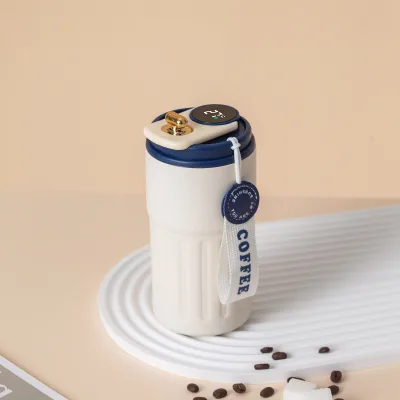
Cheap Travel Mug Vacuum Insulated Coffee Cups Stainless Thermos Mug with Smart Temperature Display
$1.65 - $2.17
MOQ: 500 Pieces

$1.65 - $2.17
MOQ: 500 Pieces

Trend Product Insulated Travel Coffee Mug 410ml Smart Termos Cup with Temperature Display
$2.55 - $3.15
MOQ: 500 Pieces
Guangzhou Haha Housewares Manufacturing Co., Ltd.
- Trading Company
- Guangdong, China
- Lead time30 days
- Avg. response≤ 4h
Main productsTumbler,Water Bottle,Mug,Can Cooler
Main marketsNorth America(85.00%), Northern Europe(3.00%), South America(2.00%), South Asia(1.00%), Southern Europe(1.00%), Eastern Europe(1.00%), Central America(1.00%), Western Europe(1.00%), Eastern Asia(1.00%), Mid East(1.00%), Oceania(1.00%), Africa(1.00%), Southeast Asia(1.00%)
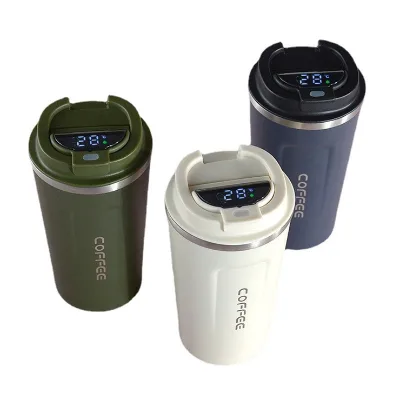
$1.9536 - $2.3638
MOQ: 500 pieces
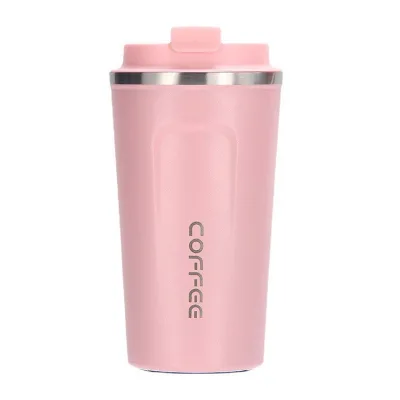
$1.9431 - $2.2515
MOQ: 100 pieces
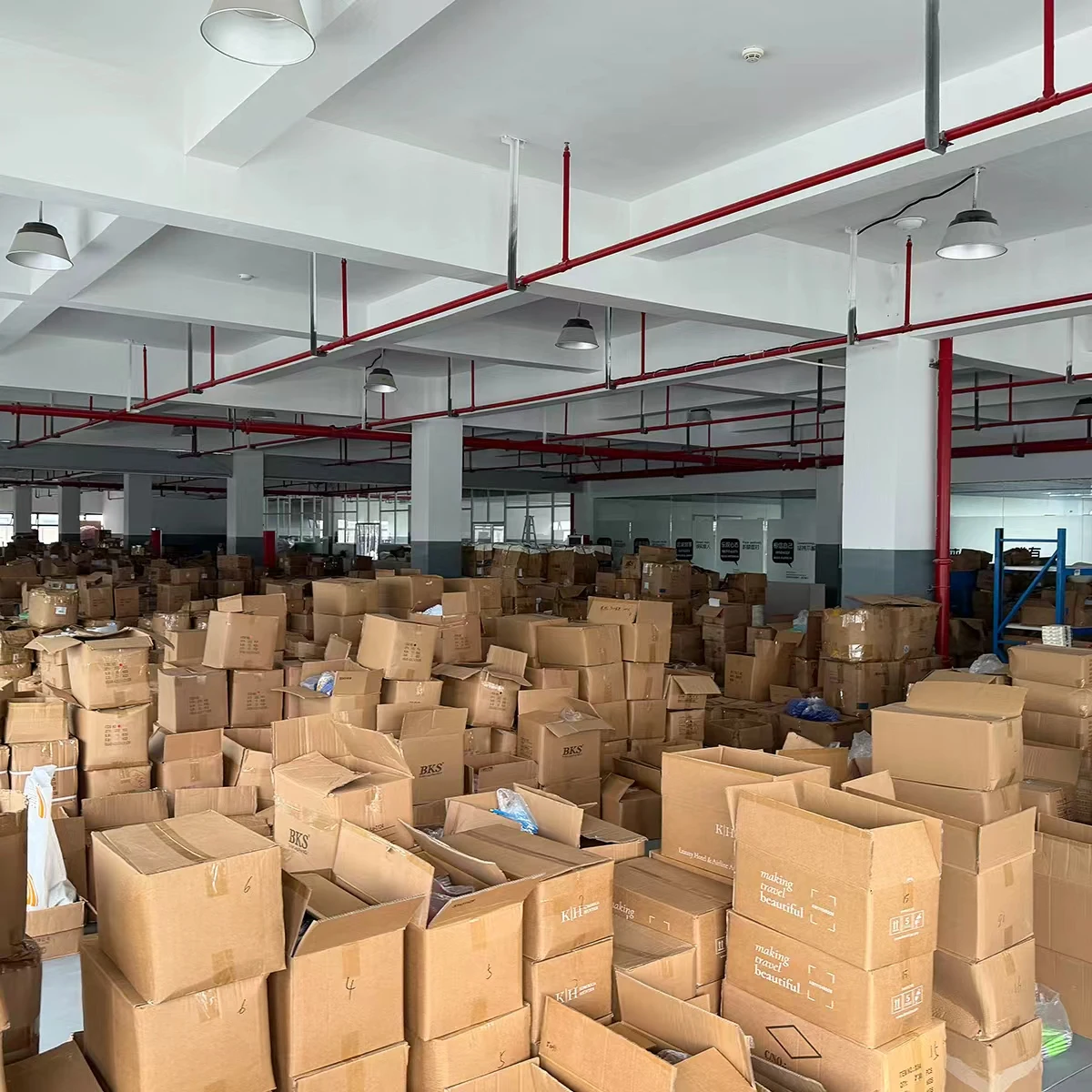
Hangzhou Jinchengyu Industry And Trad Co., Ltd.
- Manufacturer, Trading Company
- Zhejiang, China
- Lead time30 days
- Avg. response≤ 1h
Main productsStainless Steel Bottle,Thermos Water Bottle,Plastic Water Bottle,Glass Series Product,Home Decorations
Main marketsNorth America(30.00%), South Asia(25.00%), Southern Europe(20.00%), Eastern Europe(10.00%), Western Europe(10.00%), Southeast Asia(5.00%)
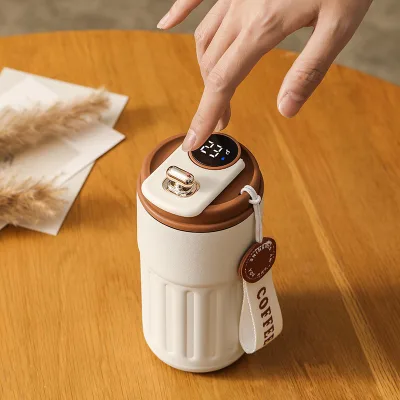
Smart Temperature Control Travel Mug 12H Precision Heating Car Coffee Cup With LED Display
$2.89 - $3.15
MOQ: 2 pieces
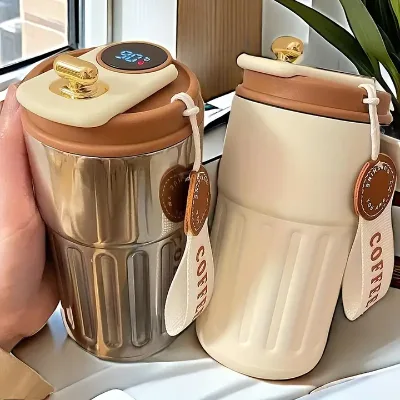
Smart Temperature Travel Coffee Mug Temperature Controlled Vacuum Flasks Thermoses
$2.9641 - $3.2305
MOQ: 2 pieces
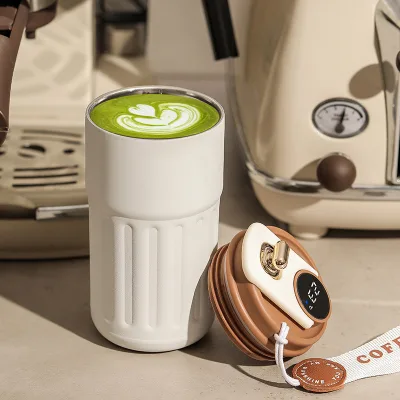
$2.9641 - $3.2305
MOQ: 2 pieces
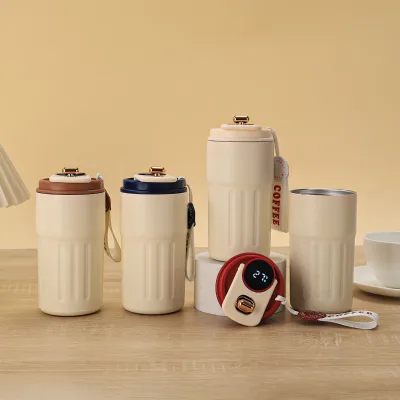
Custom LOGO Tumbler Thermal Coffee Mug Double Wall Vacuum Insulated Coffee Cup With LED Display
$2.89 - $3.15
MOQ: 2 pieces
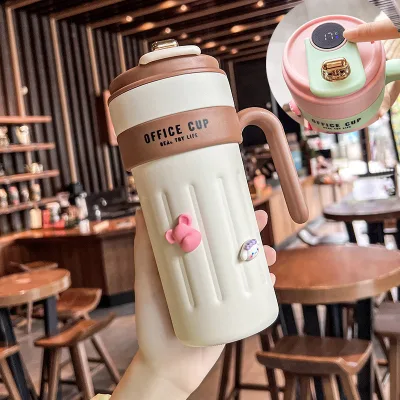

Changsha Sofly Industry Co.,Ltd
- Verified by BV
- Trading Company
- China Hunan
- Lead time15 days
- Avg. response≤ 4h
Main productsPower Bank, Digital Luggage Scale, USB Flash Drive, LED Light, LED, Mobile Battery Charger, USB Stick, USB 2.0 USB 3.0, Digital Hanging Portable Scale, Digital Scale
Main marketsEurope


400ml LED Temperature Display Stainless Steel Coffee Mug Vacuum Insulated Smart Travel Mug
$2.00 - $2.50
MOQ: 200 Pieces

$2.00 - $2.50
MOQ: 200 Pieces


Yongkang Baoshi Industry And Trade Co., Ltd
- Verified by Intertek
- Manufacturer, Trading Company
- Lead time30 days
- Avg. response≤ 4h
Main productsStainless Steel Thermal Bottle, Thermal Food Jar, Coffee Pot, Smart Thermos, Coffee Cup
Main marketsNorth America(35%), Eastern Asia(30%), South America(25%)

Zhongshan Xinyuan Silicone Rubber Co., Ltd.
- Verified by TUVRHEINLAND
- Combined
- China Guangdong
- Lead time15 days
- Avg. response≤ 2h
Main productsEmbroidery Patch, PVC Keychain, Pin Badge, Medal, Lanyard, Challenge Coin, Paper Air Freshener, Coffee Maker, Luggage Tag, Coffee Maker/Grinder
Main marketsSouth America,Southeast Asia/ Mideast,Domestic,Europe,North America


Smart Constant Temperature Mug Office Temperature Control Heating Coffee Couple Water Cup
$45.50 - $55.00
MOQ: 20 Pieces
Shenzhen Lampda Photoelectric Technology Co., Ltd.
- Verified by TüVRheinland
- Manufacturer, Trading Company
- Lead time12 days
- Avg. response≤ 3h
Main productsUV Self-Cleaning Water Bottle, Shaker Bottle, Smart Water Bottle, Toothbrush Holder, Pacifier Sterilizer
Main marketsNorth America(25%), Western Europe(21%), Eastern Europe(10%)

Zhongshan Xinyuan Silicone Rubber Co. Ltd
- Verified by TUVRHEINLAND
- Combined
- China Guangdong
- Lead time15 days
- Avg. response≤ 2h
Main productsSilicone Mold, Silicone Ice Cube Tray, Silicone Wristband, Silicone Tea Infuser, Silicone Bakeware, Silicone Keychain, Silicone Cup Coaster, Silicone Bag
Main marketsSouth America,Southeast Asia/ Mideast,Domestic,Europe,North America


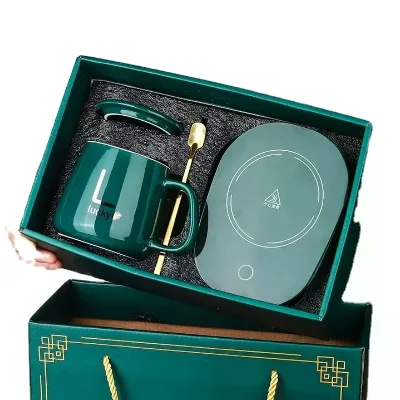
Customized Temperature Control Smart Mug Self-Heating Coffee Mug with Lid
$41.00 - $45.50
MOQ: 500 Pieces


Sample Customization USB Charging Intelligent Heating Cup Thermostatic Cup
$41.00 - $45.50
MOQ: 500 Pieces
- Verified by SGS Group
- Trading Company
- Lead time30 days
- Avg. response≤ 1h
Main productsInsulated Water Bottle, Wine Tumbler, Bamboo Bottle, Sport Water Bottle, Glass Water Bottle
Main marketsNorth America(25%), Western Europe(20%), Eastern Europe(10%)
$1.8069 - $2.4251
MOQ: 100 pieces

Henan Jbett Industrial Technology Co., Ltd.
- Trading Company
- Henan, China
- Lead time0 days
- Avg. response≤ 5h
Main productsBBQ Grills,Smoking Accessories,Bar tools,kitchen gadgets,Cigar accessories
Main marketsNorth America(80.00%), Western Europe(20.00%)

- Verified by BV
- Manufacturer/Factory
- China Beijing
- Lead time23 days
- Avg. response≤ 21h
Main productsPromotion Gifts, Corporate Gift, Gift Bag, Luggage, Tumbler, Promotional Bags, Tote Bag, Travel Bag, Shopping Cart, Umbrella
Main marketsSouth America,Eastern Europe,Mid East,North America,Southeast Asia,Eastern Asia,Oceania,Western Europe,Africa


Smart LED Coffee Mug Cup Double Wall Stainless Steel with Temperature Display Lid
$1.70 - $2.20
MOQ: 5000 Pieces


LIANYUNGANG KAESHING INTERNATIONAL TRADING CO., LTD.
- Verified by TUVRHEINLAND
- Trading Company
- China Jiangsu
- Lead time15 days
- Avg. response≤ 4h
Main productsGlass Bottle, Glass Jar, Glass Cup, Glassware, High Borosilicate Glass Jar Bottle Mug, Glass Perfume Bottle, Glass Mug, Glass Decanter, Storage Jar, Fused Silica
Main marketsNorth America

$40.00 - $45.00
MOQ: 500 Pieces

$51.50 - $77.20
MOQ: 500 Pieces

$65.632 - $75.632
MOQ: 500 Pieces


Xiamen Green Light Garden Industry and Trade Co., Ltd.
- Verified by TUVRHEINLAND
- Trading Company
- China Fujian
- Lead time15 days
- Avg. response≤ 8h
Main productsOutdoor and Sport Products, Custom Backpacks Bag, Custom Storage Bag, Custom Bike, Bike Bicycle Parts, Hotel Amenities, Sport Accessories, Custom Bottle Cups, Custom Umbrella, Custom Gifts
Main marketsNorth America

New Design Smart LED Temperature Display Stainless Steel Vacuum Coffee Cup Mug
$1.00 - $3.50
MOQ: 100 Pieces

New Design Custom Logo Smart LED Temperature Display Stainless Steel Vacuum Coffee Cup Mug
$3.00 - $5.00
MOQ: 100 Pieces
Dongguan Sheerfond New Materials Co., Ltd.
- Verified by TüVRheinland
- Manufacturer, Trading Company
- Lead time20 days
- Avg. response≤ 1h
Main productsSmart Mattress Cover, Graphene Heating Element, Graphene Heating Pad, Smart Heating Cup, Golf Heating And Cooling Pads
Main marketsEastern Asia(35%), Mid East(20%), Domestic Market(20%)

- Verified by TUVRHEINLAND
- Combined
- China Guangdong
- Lead time15 days
- Avg. response≤ 2h
Main productsSilicone Wristband, Silicone Bracelet, Metal Pin, Badge, Medal, Coin, Medallion, Keychain, Lanyard, Rubber Wristband
Main marketsSouth America,Southeast Asia/ Mideast,Domestic,Europe,North America

Temperature Control 55 Degrees Smart Mug, 14oz, Black, APP Controlled Heated Coffee Cup
$44.00 - $55.00
MOQ: 1 Pieces

$44.00 - $55.00
MOQ: 1 Pieces
Shijiazhuang Persistence Technology Co., Ltd.
- Verified by TüVRheinland
- Trading Company
- Lead time15 days
- Avg. response≤ 2h
Main productsCeramic Mug, Stainless Steel Insulation Cup, Paper Bag, Plastic Bag
Main marketsNorth America(50%), Western Europe(30%), Southeast Asia(10%)
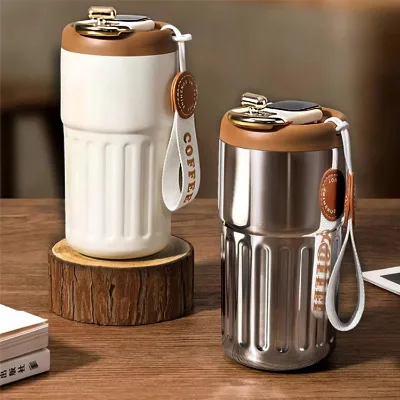
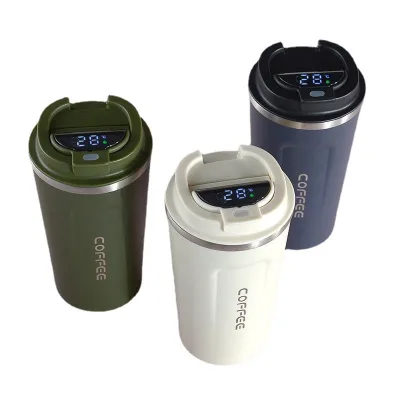
Hot Selling 380Ml 510Ml Led Smart Temperature Display Digital Cold and Hot Coffe Travel Thermal Cup
$1.78 - $2.13
MOQ: 50 pieces

Anhui Beauty Home Technology Co., Ltd
- Verified by TUVRHEINLAND
- Trading Company
- China Anhui
- Lead time30 days
- Avg. response≤ 2h
Main productsStainless Steel Vacuum Thermos Cup, Smart Auto Cooling and Heating Cup Holder, Thermal Vacuum Flask, Ceramic Mug with Thermostat, Coffee Mugs, Reusable Plastic Cups, Glass Container, Stainless Steel Wine Accessories, Stainless Steel Vacuum Insulated Tumbler, Disposable PP Pet Cups
Main marketsSouth America


New Smart Coffee Mug Stainless Steel Smart Cup Temperature Display Vacuum Thermo Cup with LED Lid
$1.95 - $3.36
MOQ: 100 Pieces


Zhanjiang Wangmao Electronic Technology Co., Ltd
- Verified by SGS
- Trading Company
- China Guangdong
- Lead time15 days
- Avg. response≤ 2h
Main productsLight Industry & Daily Use, Lights & Lighting, Arts & Crafts
Main marketsEurope

Stainless Steel Insulated Smart Travel Coffee Tumbler Mug with LED Temperature Display
$1.68 - $2.86
MOQ: 50 Pieces

LED Temperature Display Stainless Steel Double-Wall Travel Office Smart Coffee Cup
$1.98 - $3.68
MOQ: 50 Pieces


Intelligent Termo Digital Stainless Steel LED Smart Temperature Display Thermal Coffee Cup
$1.98 - $3.68
MOQ: 50 Pieces

Double-Wall Stainless Steel Insulated Coffee Cup Tumbler with Smart LED Temperature Display
$1.68 - $2.86
MOQ: 50 Pieces

- Verified by TUVRHEINLAND
- Trading Company
- China Beijing
- Lead time30 days
- Avg. response≤ 12h
Main productsWater Bottle, Tumbler, Vacuum Flask, Lunch Box/Food Jar, Travel Mug, Water Jug/Pot, Stainless Steel Cup, Thermo
Main marketsEurope

$3.80 - $3.97
MOQ: 100 Pieces


Anhui YOTO Import & Export Co., Ltd.
- Verified by SGS
- Manufacturer/Factory
- China Anhui
- Lead time23 days
- Avg. response≤ 3h
Main productsWater Bottle, Vacuum Flask, Cup & Mugs, Thermos, Plastic Water Bottles, Kid's Bottles, Tumblers, Sports Bottles
Main marketsSouth America,Eastern Europe,Mid East,North America,Southeast Asia,Eastern Asia,Western Europe,Africa
Hunan Good Creation Industry & Trade Co., Ltd.
- Verified by SGS Group
- Trading Company
- Lead time15 days
- Avg. response≤ 3h
Main productsStainless Steel Tumblers, Plastic Water Bottles, Glass Water Bottles
Main marketsNorth America(65%), Domestic Market(10%), Southeast Asia(8%)

Ningbo Crede Creative Gift Co., Ltd.
- Trading Company
- Zhejiang, China
- Lead time30 days
- Avg. response≤ 6h
Main productsHome Storage Organizer,Drinkware,Food Container,Kitchen Gadgets And Accessories,Small Kitchen Appliances
Main marketsNorth America(40.00%), Eastern Europe(15.00%), Western Europe(15.00%), Southern Europe(10.00%), Southeast Asia(5.00%), Northern Europe(5.00%), South America(5.00%), Eastern Asia(5.00%)
Henan Dibangni Industrial Development Co., Ltd.
- Manufacturer, Trading Company
- Henan, China
- Lead time3 days
- Avg. response≤ 7h
Main productsHome Storage & Organization,Kitchen & Tabletop
Main marketsNorth America(30.00%), Southeast Asia(10.00%), Northern Europe(10.00%), Western Europe(10.00%), Eastern Europe(5.00%), Central America(5.00%), South America(5.00%), South Asia(5.00%), Southern Europe(5.00%), Oceania(5.00%), Domestic Market(5.00%), Eastern Asia(2.00%), Mid East(2.00%), Africa(1.00%)

Yongkang Congjian Industry and Trade Co., Ltd
- Verified by SGS
- Manufacturer/Factory
- China Zhejiang
- Lead time15 days
- Avg. response≤ 8h
Main productsInsulated Bottle, Vacuum Flask, Stainless Steel Water Bottle
Main marketsSouth America,Eastern Europe,Mid East,North America,Southeast Asia,Eastern Asia,Oceania,Western Europe,Africa
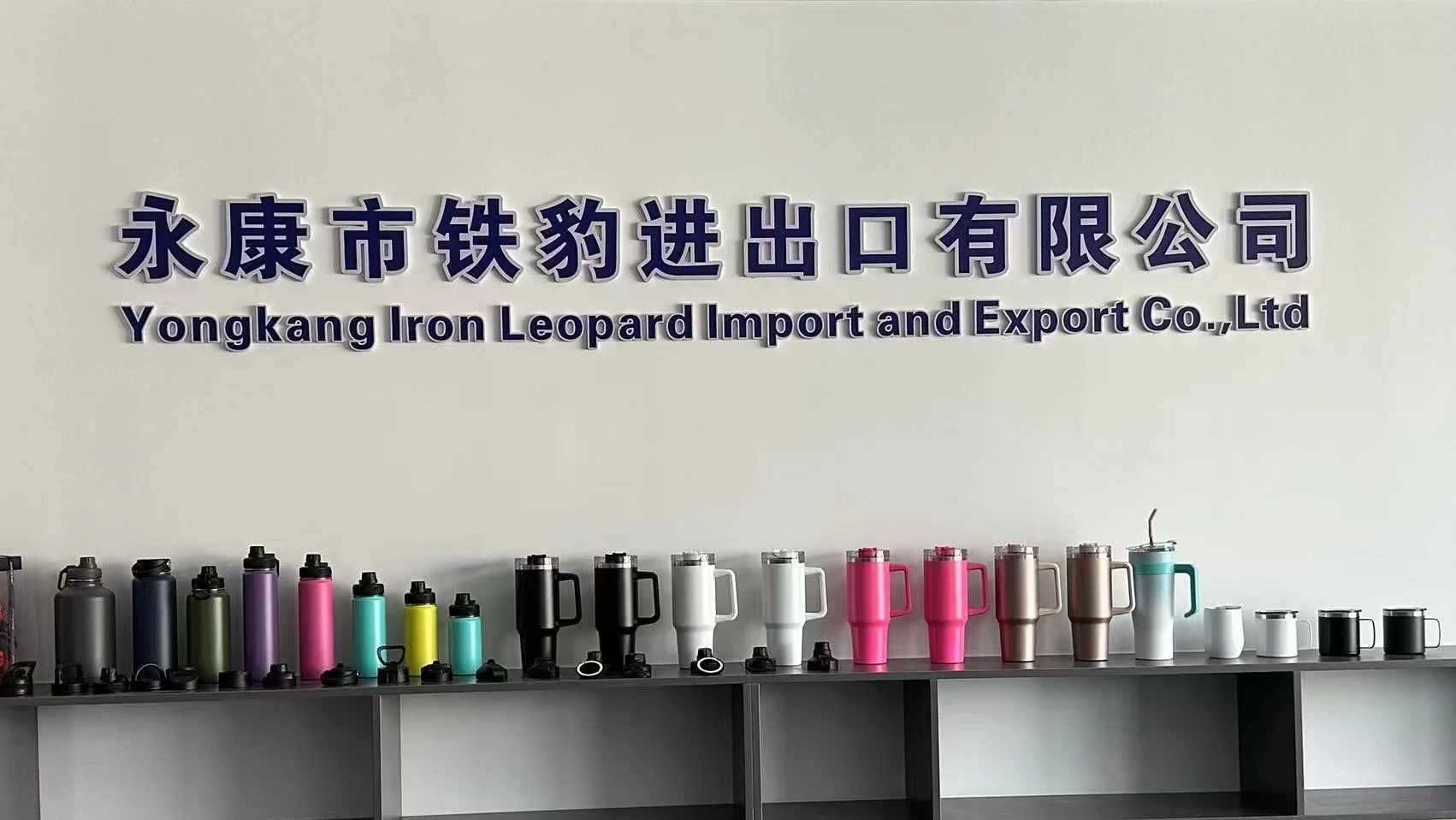
Yongkang Iron Leopard Import And Export Co., Ltd.
- Trading Company
- Zhejiang, China
- Lead time0 days
- Avg. response≤ 4h
Main productsWater Bottle, Tumbler, Lunch Box, Plastic Water Bottle, Glass Water Bottle
Main marketsNorth America(60.00%), Western Europe(20.00%), Mid East(15.00%), South America(5.00%)

Anhui Xianwei E-Commerce Co., Ltd
- Verified by TUVRHEINLAND
- Manufacturer/Factory
- China Anhui
- Lead time0 days
- Avg. response≤ 5h
Main productsLamp, Cup, Tent
Main marketsSouth America,Eastern Europe,Mid East,North America,Southeast Asia,Eastern Asia,Oceania,Western Europe,Africa

$1.37 - $1.83
MOQ: 100 Pieces


Zibo Deshan International Trade Co., Ltd.
- Trading Company
- Shandong, China
- Lead time30 days
- Avg. response≤ 2h
Main productsstorage jars,spice jars,vase,candle jars,blowing craft glass and colored glaze
Main marketsNorth America(25.00%), Western Europe(22.00%), South America(15.00%), Southern Europe(10.00%), Northern Europe(5.00%), Oceania(5.00%), Central America(5.00%), Mid East(3.00%), Southeast Asia(3.00%), Eastern Europe(2.00%), South Asia(2.00%), Domestic Market(1.00%), Africa(1.00%), Eastern Asia(1.00%)
Shenzhen Kingsway Technology Co., Ltd.
- Verified by SGS Group
- Trading Company
- Lead time0 days
- Avg. response≤ 5h
Main productsAndroid TV Box, Mini Projector, TV Dongle, Mini Keyboard, Wireless WiFi Media Share Devices
Main marketsNorth America(35%), Western Europe(27%), South America(10%)

Changsha Sunflower B&T Co., Ltd.
- Verified by TUVRHEINLAND
- Manufacturer/Factory
- China Hunan
- Lead time0 days
- Avg. response≤ 4h
Main productsWater Bottle, Sponge, Tumblers, Plastic Water Bottle, Stainless Steel Water Bottle, Mugs, Mat, Make up Sponge, Backpack, Drinlwares
Main marketsSouth America,Eastern Europe,Mid East,North America,Southeast Asia,Eastern Asia,Oceania,Western Europe,Africa

New 510ml Smart LED Temperature Display Stainless Steel Vacuum Coffee Cup
$1.80 - $3.50
MOQ: 100 Pieces

Smart Customized Stainless Steel Insulated Coffee Cup with LED Temperaturer Display
$1.99 - $2.29
MOQ: 100 Pieces
Chaozhou Binsly Stainless Steel Manufactory (sole Proprietorship)
- Verified by SGS Group
- Manufacturer, Trading Company
- Lead time0 days
- Avg. response≤ 3h
Main productsStainless Steel Water Bottle, Silicone Water Bottle, Tritan Bottle, Plastic Water Bottle, Cups
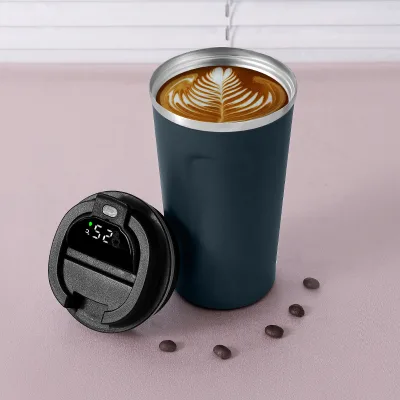
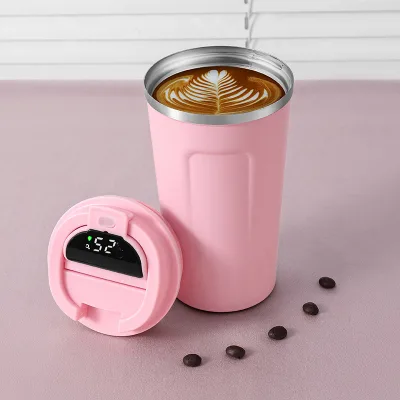
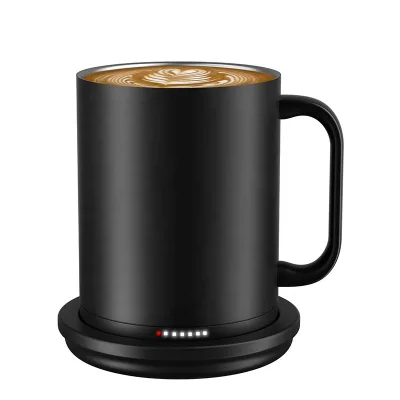
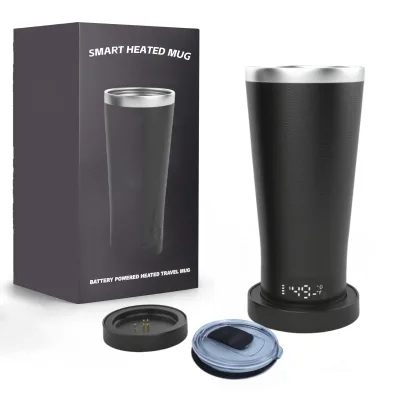
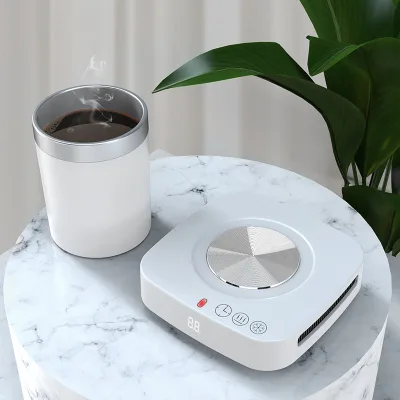


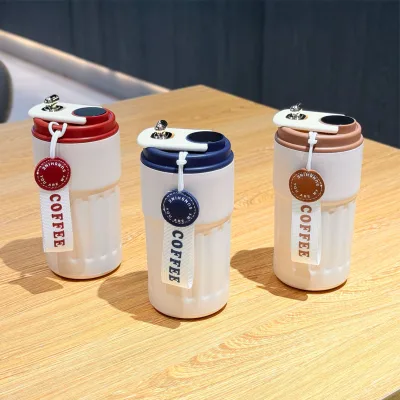
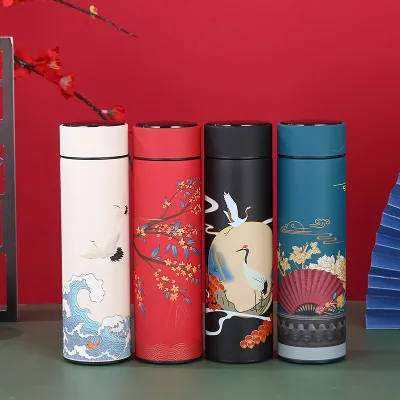
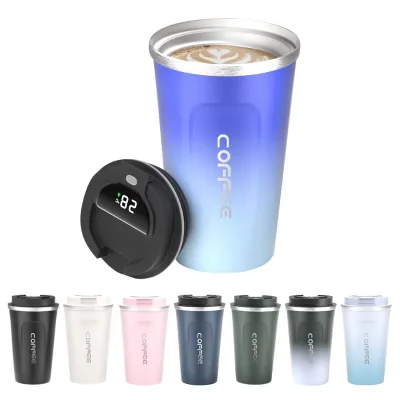
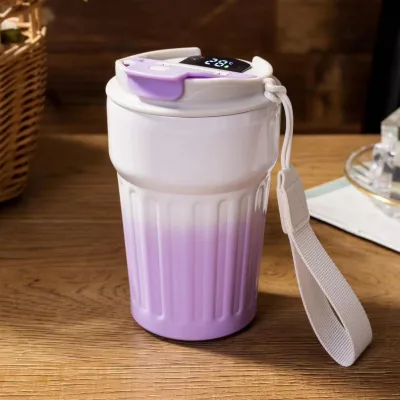
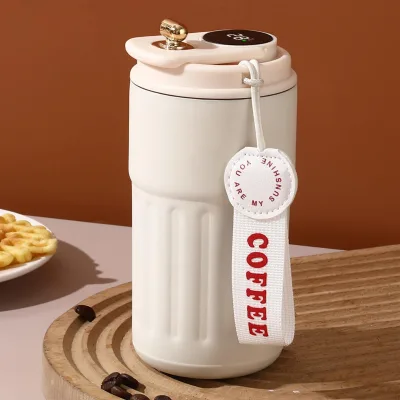
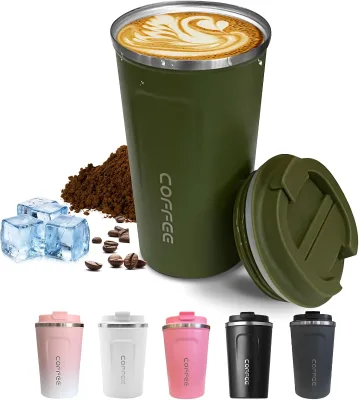


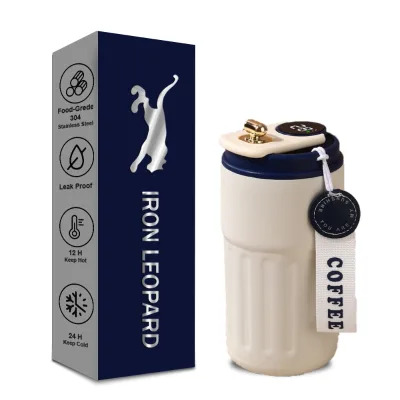
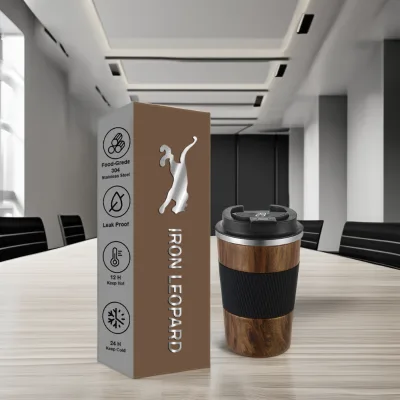
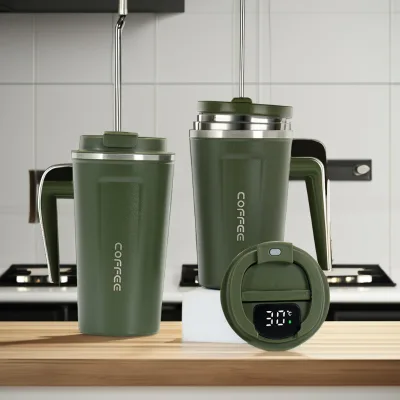
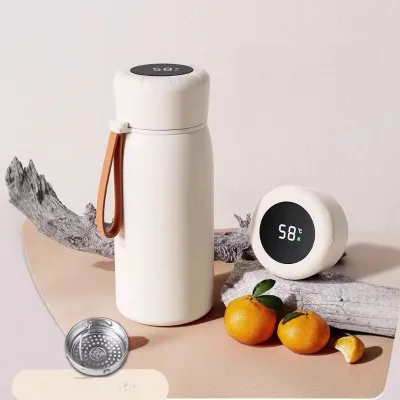
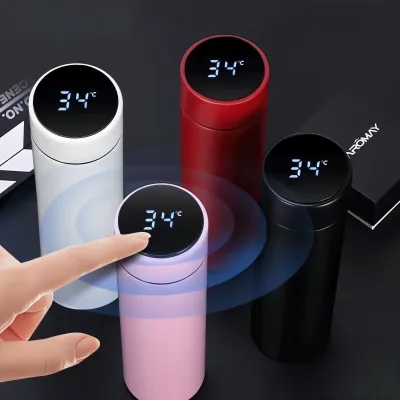
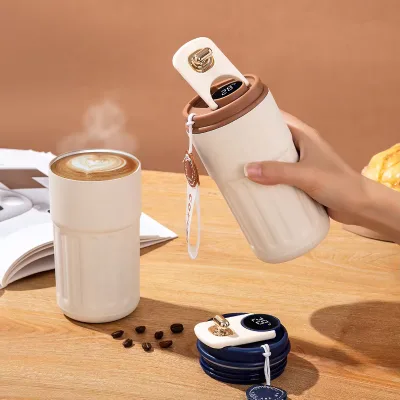
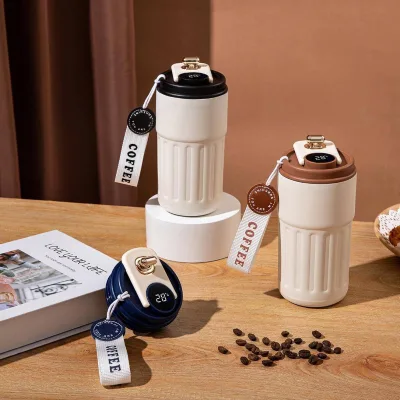
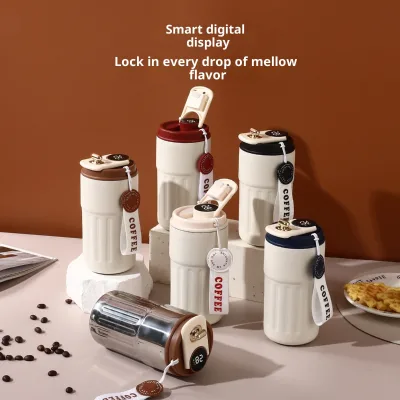
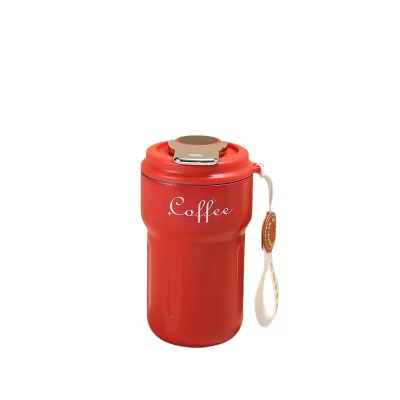
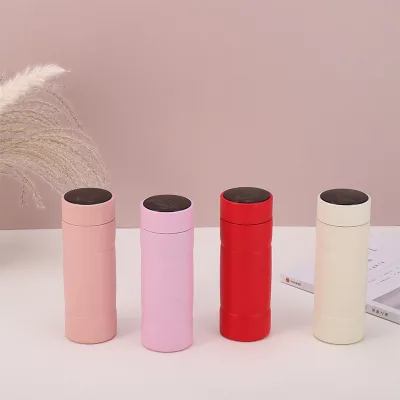
Comprehensive Sourcing Guide
Temperature Display Smart Coffee Mug Supplier Concentration and Factory Types
Current data indicates that manufacturers and trading companies offering temperature display smart coffee mugs are concentrated in specific Chinese provinces, with Zhejiang and Guangdong emerging as primary hubs for this category. Suppliers in these regions often list their main products to include stainless steel bottles, thermos water bottles, and various drinkware accessories, suggesting a mature ecosystem for thermal insulation technology. The company types observed range from combined entities that handle both manufacturing and trading to pure trading companies that source from factories. This diversity allows buyers to access different supply chain models, though the specific factory location must be verified against the supplier's profile to ensure direct access to production capabilities.
When evaluating the factory type, buyers should note that some suppliers offer ODM and OEM services alongside their own brands, indicating in-house design and production capacity. Others may focus on stocking ready-to-ship items, which can affect lead times and customization flexibility. The presence of combined company types often implies a broader product range, such as can coolers and glass series products, which might indicate a supplier's ability to bundle orders. However, the exact nature of the facility, whether it is a dedicated factory or a trading house, requires confirmation through direct inquiry or verification reports. Understanding this distinction is crucial for determining who controls the quality and timeline of the Temperature Display Smart Coffee Mug production.
How to Verify Temperature Display Smart Coffee Mug Suppliers
Verification of suppliers for temperature display smart coffee mugs relies heavily on third-party audit reports and digital verification badges provided by the platform. Some suppliers display BV verification status, which serves as a baseline indicator of business legitimacy and operational stability. Buyers should prioritize suppliers who have undergone factory audits for standards such as BSCI, Sedex, or ISO9001:2015, as these certifications often correlate with better quality control processes for electronic components like LED displays and temperature sensors. The absence of these specific credentials does not automatically disqualify a supplier, but it necessitates a more rigorous due diligence process to confirm their manufacturing capabilities and ethical standards.
Response time is another critical metric for verifying supplier reliability and communication efficiency. Data shows response times varying from one to five days, with faster responses often indicating a more active sales team or a streamlined inquiry process. A supplier with a response time of one day may be more capable of handling urgent customization requests or resolving technical issues regarding the smart mug's functionality. Buyers should also check the supplier's main product list to ensure they specialize in drinkware rather than unrelated categories, which could signal a lack of expertise. Confirming these details through direct communication helps establish a baseline of trust before proceeding to sample requests or large-scale orders.
What to Compare Across Temperature Display Smart Coffee Mug Suppliers
When comparing suppliers, buyers must analyze key operational dimensions such as minimum order quantity, lead time, and pricing structures to find the best fit for their business needs. Minimum order quantities for these smart mugs can vary significantly, with some suppliers requiring 500 pieces while others accept orders as low as 100 pieces. Lead times also differ, with production times ranging from 15 to 20 days for customized orders, while sample times typically take between 5 to 7 days. These variations directly impact inventory planning and cash flow, making it essential to compare these figures across multiple potential partners to align with specific project timelines and budget constraints.
Pricing and customization capabilities are equally vital factors in the comparison process. Unit prices for temperature display smart coffee mugs can range from approximately $1.65 to $3.25 depending on the model, capacity, and feature set, such as touch screens or specific insulation performance. Suppliers offering customization for logos, colors, and packaging provide greater flexibility for branding, but this often comes with higher MOQs or longer production windows. Buyers should also compare the specific product attributes, such as material grade (e.g., 304 stainless steel) and thermal insulation duration, to ensure the product meets their quality expectations. A thorough side-by-side analysis of these commercial terms helps identify the most cost-effective and reliable supplier for the specific requirements of the order.
Common Temperature Display Smart Coffee Mug Sourcing Risks
One significant risk in sourcing temperature display smart coffee mugs involves the reliability of the electronic components, particularly the LED temperature displays and heating elements. Since these products integrate complex electronics with vacuum insulation technology, there is a potential for functional failures if the supplier lacks rigorous quality control. Buyers should verify that the supplier has experience with electronic integration and can provide test results or certifications related to the safety and durability of the smart features. Without proper verification, there is a risk of receiving units with inaccurate temperature readings or short battery life, which can lead to high return rates and damage to the buyer's brand reputation.
Another risk pertains to the consistency of the supply chain and the ability to meet delivery deadlines. Variations in lead times, such as the difference between sample production and mass production, can cause delays if not managed correctly. Suppliers with longer response times or those that are trading companies without direct factory control may face bottlenecks during peak seasons. Additionally, the complexity of customization, including specific packaging and logo application, can introduce errors if the communication between the buyer and supplier is not precise. Buyers must mitigate these risks by establishing clear communication channels, requesting detailed production schedules, and ensuring that all customization requirements are documented and confirmed before production begins.
Temperature Display Smart Coffee Mug Regional Sourcing and Logistics
Sourcing temperature display smart coffee mugs from China involves navigating logistics from specific manufacturing clusters, primarily in Zhejiang and Guangdong provinces. These regions are known for their robust infrastructure and experience in exporting drinkware, which facilitates efficient shipping and handling of fragile electronic goods. Buyers should confirm the exact origin of the product, as this influences shipping costs and transit times. For instance, suppliers in Zhejiang may have different port access compared to those in Guangdong, which can affect the overall logistics strategy. Understanding the regional location helps in estimating freight costs and planning for potential customs delays or regulatory requirements in the destination market.
Logistics planning must also account for the specific packaging requirements of these smart mugs to prevent damage during transit. Products often come in white boxes and carton boxes, with dimensions that need to be considered for container loading efficiency. Buyers should verify the single package size and gross weight to optimize shipping volume and reduce costs. Additionally, the thermal insulation performance and the presence of electronic components may require special handling or labeling during transport. Ensuring that the supplier uses appropriate packaging materials and methods is crucial to maintaining product integrity. Buyers should discuss these logistics details early in the negotiation process to avoid unexpected costs or delays upon arrival.
Temperature Display Smart Coffee Mug Commercial Terms and Order Planning
Commercial terms for temperature display smart coffee mugs often include specific conditions regarding payment, customization, and delivery that must be clearly defined before placing an order. Buyers should expect to negotiate terms related to the minimum order quantity, which can range from 100 to 500 pieces, and the associated unit price, which varies based on the model and features. It is essential to clarify the production time, which typically spans 15 to 20 days, and the sample time, usually 5 to 7 days, to align with the buyer's project schedule. Understanding these timelines allows for better inventory management and ensures that the supply chain remains responsive to market demands.
Order planning also requires attention to the customization options available, such as logo printing, color selection, and packaging design. Suppliers may offer support for OEM and ODM services, but these often come with additional costs or higher minimum order thresholds. Buyers should verify the availability of specific features, such as double-wall vacuum insulation or touch screen capabilities, and ensure they are included in the final product specifications. Additionally, the supplier's ability to provide a customized logo and packaging is a key differentiator that can enhance brand value. By carefully planning these commercial terms and customization details, buyers can secure a reliable supply of high-quality temperature display smart coffee mugs that meet their specific business objectives.
FAQs
What is the typical lead time for smart coffee mugs?
Production time generally ranges from 15 to 20 days after order confirmation. Sample preparation takes 5 to 7 days for initial review. Buyers should account for shipping duration when planning inventory. These timelines apply to standard customization requests and bulk orders.
What is the minimum order quantity for these mugs?
The standard minimum order quantity is 500 pieces for most suppliers. Some options allow for lower volumes starting at 100 pieces. This flexibility supports smaller trial orders or specific market testing. Buyers should confirm the exact MOQ with the supplier before finalizing the purchase agreement.
How fast do suppliers typically respond to inquiries?
Response times vary between 1 and 5 hours on average. Faster responses often indicate higher availability and dedicated support teams. Quick communication helps resolve technical questions about temperature display features. Buyers can expect prompt replies during standard business hours from verified manufacturers.
What price range should I expect for these mugs?
Unit prices typically range from $1.65 to $3.25 depending on specifications. Factors like capacity, material grade, and LED display complexity affect the final cost. Bulk orders often secure better pricing tiers. Buyers should request detailed quotes to understand the total landed cost including customization and shipping.
Are these mugs suitable for outdoor sports use?
Yes, many models are designed with portable and leak-proof features for outdoor activities. Double-wall vacuum insulation keeps drinks hot or cold for extended periods. The sport style and durable stainless steel construction support rugged use. These mugs are ideal for travel, camping, and daily commuting scenarios.
Can I customize the logo and packaging?
Customization is available for logos, packaging, and design elements. Suppliers support OEM and ODM services to meet brand requirements. Buyers can choose from various colors and styles to match their market. Custom packaging options include white boxes and carton configurations for retail readiness.