Travel Knitted Hat and Scarf Set Suppliers and Manufacturers
Find 29 verified suppliers offering travel knitted hat and scarf sets with varying lead times, MOQs, and certifications. Compare response times, locations, and product standards to select the right partner. Contact suppliers directly to request samples and confirm pricing; review the available evidence before requesting comparable quotations from suitable candidates.
Suppliers List

Zhenjiang Fashiontex Industries Co., Ltd.
- Verified by TUVRHEINLAND
- Trading Company
- China Jiangsu
- Lead time30 days
- Avg. response≤ 4h
Main productsHandkerchief, Bandana, Towel, Muslin Cloth, Facial Cleansing Cloth, Makeup Remove Cloth
Main marketsAustralia


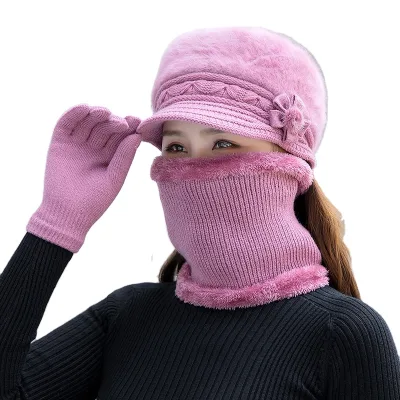
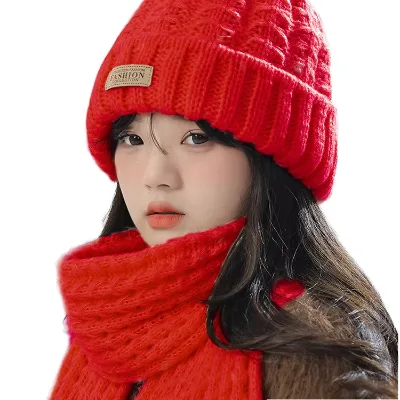
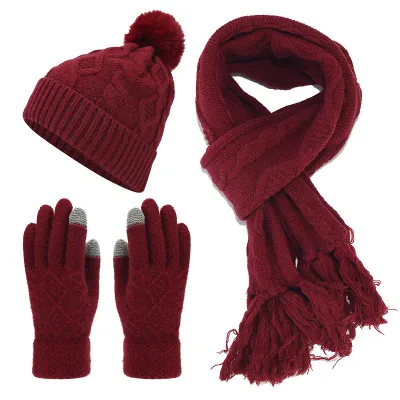
Knitted Hat Beanie Hat Scarf and Gloves Set
MOQ: 1000 Pieces
Baoding Junyang Import And Export Trade Co., Ltd.
- Verified by SGS Group
- Trading Company
- Lead time20 days
- Avg. response≤ 3h
Main productsBaseball cap, Snapback cap, Trucker hats, T-shirt, Slipper
Main marketsNorth America(70%), Western Europe(25%), Southeast Asia(5%)
Hangzhou Jolly Accessories Co., Ltd.
- Verified by TüVRheinland
- Trading Company
- Lead time20 days
- Avg. response≤ 3h
Main productsRain Boots, Scarves, Hats, Bags, Gloves
Main marketsEastern Europe(30%), North America(20%), Eastern Asia(15%)

- Verified by TUVRHEINLAND
- Trading Company,Manufacturer/Factory
- China Chongqing
- Lead time38 days
- Avg. response≤ 4h
Main productsBaseball Cap, Beanie Hat, Trucker Hat, Bucket Hat, Snapback Hat, Scarf, Gloves, Apron, Sock, T Shirt&Polo Shirt
Main marketsSouth America,Eastern Europe,Mid East,North America,Southeast Asia,Eastern Asia,Oceania,Western Europe,Africa
Wuxi Jihe Industrial Technology Co., Ltd
- Verified by SGS Group
- Trading Company
- Jiangsu, China
- Lead time15 days
- Avg. response≤ 4h
Main productsBaseball Cap, Bucket Hat, Trucker Hat, Shorts, T-Shirt
Main marketsNorth America(70%), Oceania(25%), South America(5%)
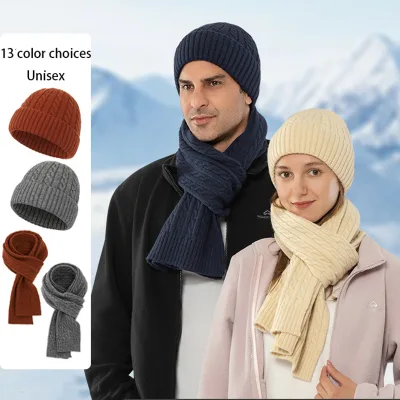
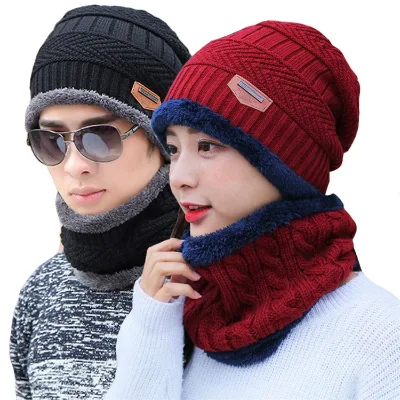
2026 Autumn/Winter Fashion Warm Scarf Hat Set Men's and Women's Knitted Hat Scarf Two Piece Set
$6.68 - $8.73
MOQ: 25 pieces

- Verified by SGS
- Manufacturer
- China Shanghai
- Lead time23 days
- Avg. response≤ 3h
Main productsScarf, Bag, Hat, Blanket, House Shoes, Indoor Slippers, Scarf & Warmth Set, Shawl, Hijab Headscarf, Cap
Main marketsEast Asia(Japan/ South Korea),Domestic,Europe,North America


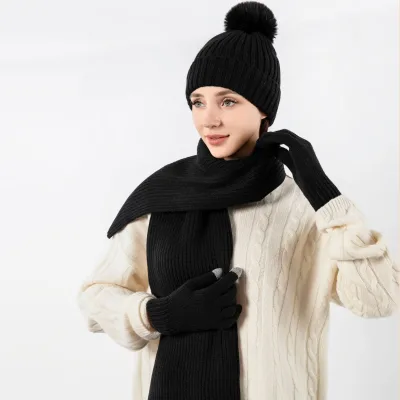
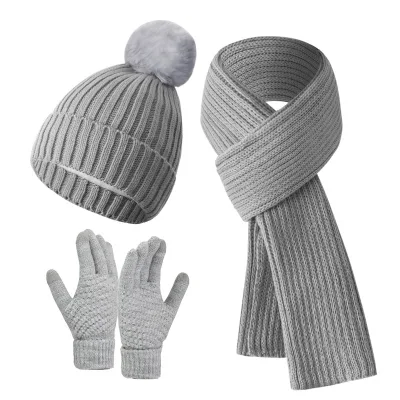
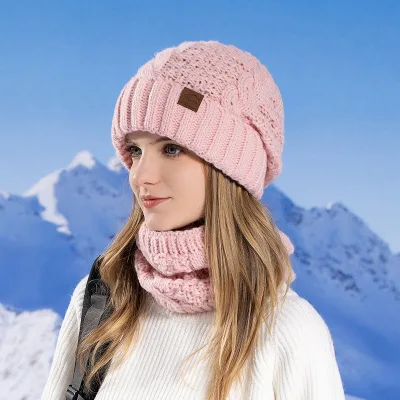
Stylish Polyester Knitted Beanie Hat and Neck Warmer Set for Winter Sports
$1.35 - $2.13
MOQ: 50 Pieces


- Verified by SGS Group
- Trading Company
- Lead time15 days
- Avg. response≤ 1h
Main productsHat, Cap, Apron, T-shirt, Cape
Main marketsNorth America(45%), Western Europe(30%), Oceania(10%)
Jiangsu Perfect International Trade Co., Ltd.
- Trading Company
- Jiangsu, China
- Lead time10 days
- Avg. response≤ 2h
Main productsGloves,Hats,Caps,Bags,Backpack
Main marketsNorth America(80.00%), South America(20.00%)
Zhengzhou Fanfang E-Commerce Co., Ltd
- Verified by SGS
- Trading Company
- China Henan
- Lead time15 days
- Avg. response≤ 4h
Main productsSunglass, Hats, Jewellery, Bags and Shoes etc
Main marketsNorth America

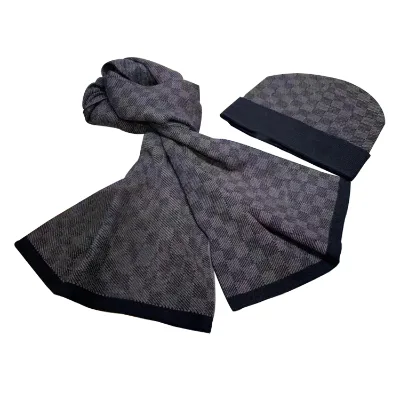
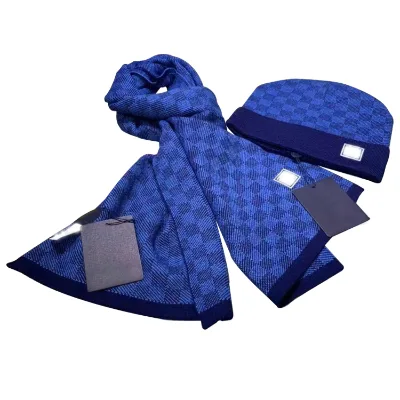
Fashion Luxury Winter Hat Set for Women Men Designer Hat and Scarf Suit Knitted
$10.99 - $17.99
MOQ: 2 Sets

Designer Hats & Scarves Sets for Women Men Luxury Scarf Knitted Hat Warmth Autumn Gift
$15.99 - $24.99
MOQ: 2 Sets


Sungnan Import & Export Co., Ltd.
- Verified by TUVRHEINLAND
- Combined
- China Zhejiang
- Lead time30 days
- Avg. response≤ 7h
Main productsScarf, Socks, China Scarf, Leggings, Hats, Bags, Gloves
Main marketsNorth America


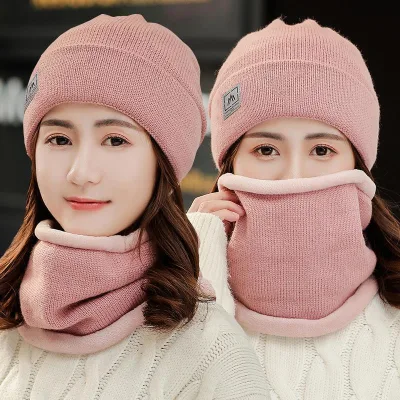
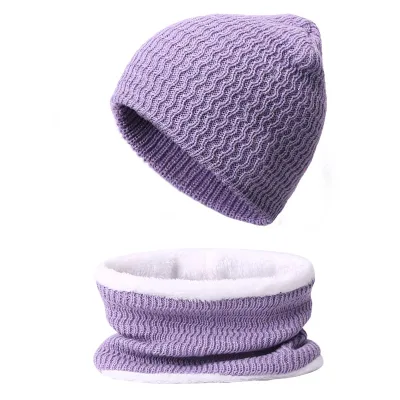
Wholesale Outdoor Knitted Winter Warm Neck Warmer Beanie Hat and Scarf Set with Lining
$3.28 - $3.43
MOQ: 100 Sets


Zhangjiagang Sewingman Caps & Apparel Co., Ltd.
- Manufacturer, Trading Company
- Lead time旺季: "1 - 50":30,"51 - 500":35,"501 - 5000":45,"> 5000":"To be negotiated", 淡季: "1 - 50":30,"51 - 500":35,"501 - 5000":45,"> 5000":"To be negotiated"
- Avg. response≤ 3h
Main productsCap, Beanies, Bucket Hats, Bandanas, Balaclavas

- Verified by CTI
- Trading Company
- China Zhejiang
- Lead time15 days
- Avg. response≤ 7h
Main productsJewelry, Brooch, Belt, Necklace, Agent, Bracelet, China Trim, China Ring, China Hair Accessory, China Earring
Main marketsSouth America

Shijiazhuang Joanfar Trade Co., Ltd.
- Trading Company
- Hebei, China
- Lead time30 days
- Avg. response≤ 3h
Main productsFur ball,Keychain,Garment accessories,socks,Hat&scarf
Main marketsWestern Europe(20.00%), North America(10.00%), Domestic Market(5.00%), South Asia(5.00%), Southern Europe(5.00%), Northern Europe(5.00%), Central America(5.00%), South America(5.00%), Eastern Asia(5.00%), Mid East(5.00%), Oceania(5.00%), Africa(5.00%), Southeast Asia(5.00%), Eastern Europe(5.00%)
Fuzhou Chongkang Gifts Trade Co., Ltd.
- Verified by TüVRheinland
- Trading Company
- Lead time15 days
- Avg. response≤ 2h
Main productsHats, Rain Coat, Promotional & Business Gifts
Main marketsWestern Europe(55%), North America(25%), Southeast Asia(10%)
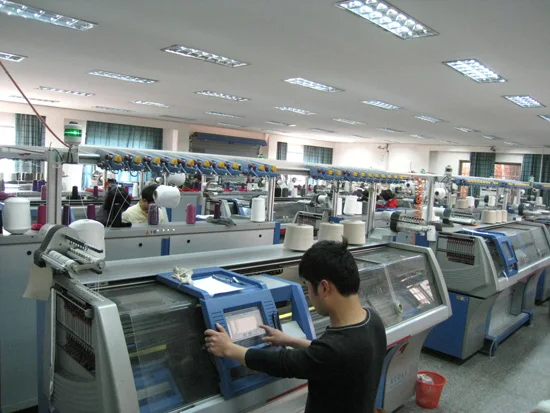
Tonglu Guanghe Import And Export Co., Ltd.
- Trading Company
- Zhejiang, China
- Lead time0 days
- Avg. response≤ 2h
Main productshat,scarf,poncho,pet sweater,blanket
Main marketsWestern Europe(30.00%), Northern Europe(30.00%), North America(30.00%), Eastern Europe(10.00%)
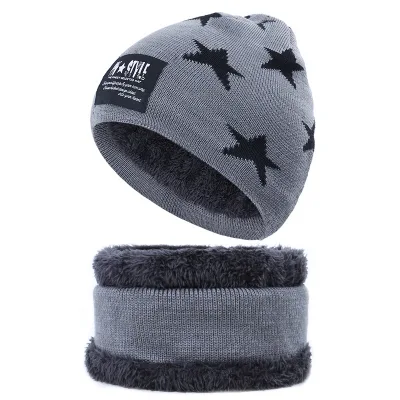
Winter Set of Knitting Needles Beanie and Scarf for Hat and Glove Crafting
$1.94 - $2.66
MOQ: 200 sets
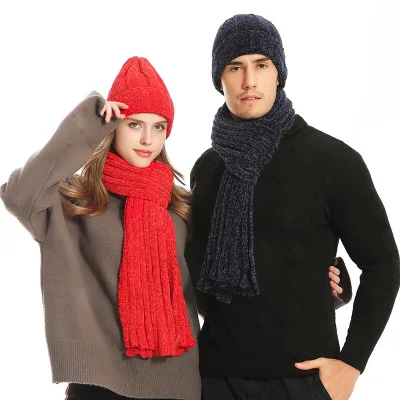

Guangdong RongGuang Clothing Co.,Ltd
- Combined
- China Guangdong
- Lead time15 days
- Avg. response≤ 9h
Main productsBaseball Cap, Bucket Hat, Golf Cap, Fisherman Hat, Empty Hat, Wash Cap, Kids Hat, Trucker Hat, Snapback Cap, Camo Hat
Main marketsSouth America,Domestic,Europe


$2.50 - $5.00
MOQ: 500 Pieces

$1.80 - $3.00
MOQ: 500 Pieces

$2.50 - $5.00
MOQ: 500 Pieces

$2.50 - $5.00
MOQ: 500 Pieces

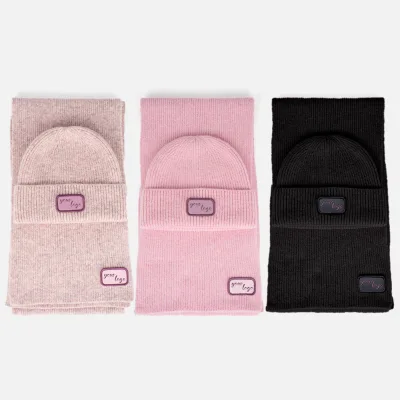
Custom Cotton Yarn Black Logo Blue Beanie Hat and Scarf Set Women Men Knitted Beanie Hat for Winter
$2.50 - $5.00
MOQ: 500 Pieces

Ningbo Yinzhou Tianjie Industrial Co., Ltd.
- Combined
- China Zhejiang
- Lead time23 days
- Avg. response≤ 7h
Main productsBeanie Hat, Bucket Hat, Baseball Hat, Festival Hat, Beret Hat, Sun Hat, Children Hat
Main marketsSouth America,Africa,Southeast Asia/ Mideast,East Asia(Japan/ South Korea),Domestic,Europe,Australia,North America

Hangzhou Xingliao Accessories Co., Ltd.
- Verified by BV
- Trading Company
- China Zhejiang
- Lead time30 days
- Avg. response≤ 12h
Main marketsSouth America,Africa,Europe,Australia


Two-Piece Set of Classic Black-and-White Jacquard Knitted Scarves and Hats.
$0.90 - $3.00
MOQ: 800 piece


Jacquard Beanie and Neck Scarf with Fleece Warm Knitted Gift Set for Winter
$1.78 - $2.86
MOQ: 300 piece
Jiaxing Watcher Import & Export Co., Ltd.
- Manufacturer, Trading Company
- Lead time旺季: "1 - 5000":15,"> 5000":"To be negotiated", 淡季: "1 - 5000":15,"> 5000":"To be negotiated"
- Avg. response≤ 5h
Main productsFur coat, Fur vest, Wool Coat, Beanie Hat, Beret Hat

QINGDAO HEILINE INDUSTRIAL CO., LTD.
- Verified by SGS
- Trading Company,Manufacturer/Factory
- China Shandong
- Lead time23 days
- Avg. response≤ 3h
Main productsHat, Baseball Cap, Beanies, Indoor Slippers, Bandanas, Balaclava, Headband, Sunvisor Cap
Main marketsSouth America,Eastern Europe,North America,Western Europe

Jacquard Knitted Winter OEM Wholesale Warm Christmas Hat & Scarf&Glove Set
$6.10 - $7.00
MOQ: 500 Pieces

Acrylic Jacquard Knitted Winter OEM Wholesale Warm Christmas Hat & Scarf&Glove Set
$6.10 - $7.00
MOQ: 500 Pieces


Nanjing New Climate Sport Ware Co., Ltd.
- Verified by CTI
- Trading Company
- China Jiangsu
- Lead time15 days
- Avg. response≤ 20h
Main productsCap, Hat, Scarf, Glove, Sock, Bag, Blacket, T-Shirt, Bandana, Beanie
Main marketsSoutheast Asia/ Mideast,East Asia(Japan/ South Korea),Europe,Australia,North America


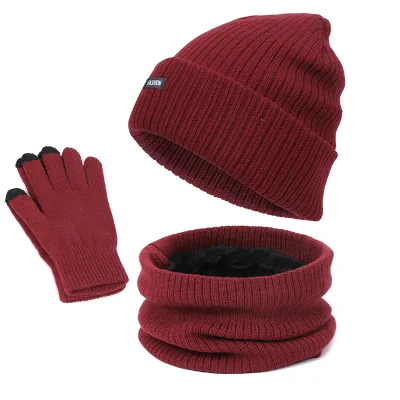
Wholesale Knitting Scarf Hat & Glove Sets Winter Cold Proof Warm Three Piece Suit
$5.50 - $5.80
MOQ: 200 Pieces


- Verified by SGS Group
- Manufacturer, Trading Company
- Lead time0 days
- Avg. response≤ 2h
Main productsScarf, Silk, Modal Hijab, Chiffon Hijab, Hats
Main marketsNorth America(35%), Domestic Market(30%), Africa(21%)
Hangzhou Bage Clothing Co., Ltd.
- Manufacturer, Trading Company
- Zhejiang, China
- Lead time0 days
- Avg. response≤ 5h
Main productsClothes,scarf,hat,blanket,Shawl
Main marketsNorth America(50.00%), South Asia(10.00%), Central America(10.00%), Mid East(10.00%), Southeast Asia(10.00%), South America(10.00%)
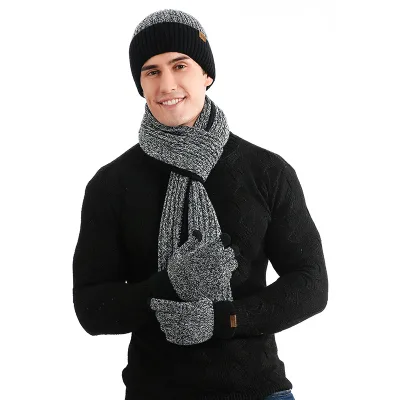
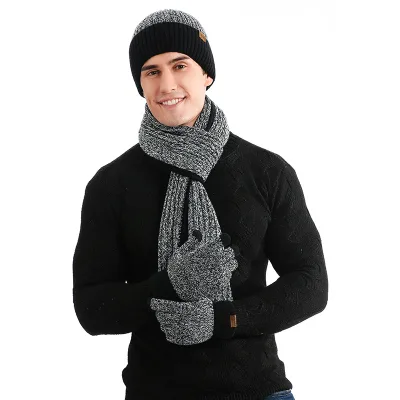
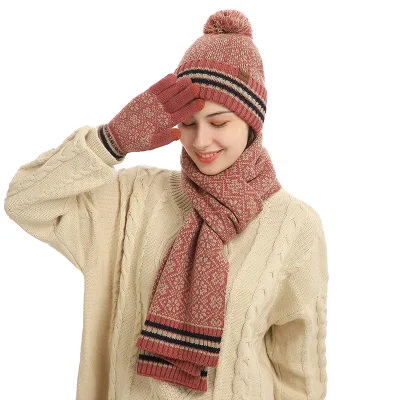
Unisex Long Woolen Hat Set Three-piece with Color-blocked Knitted Hat Thickened Scarf and Gloves
$9.35 - $9.65
MOQ: 2 sets
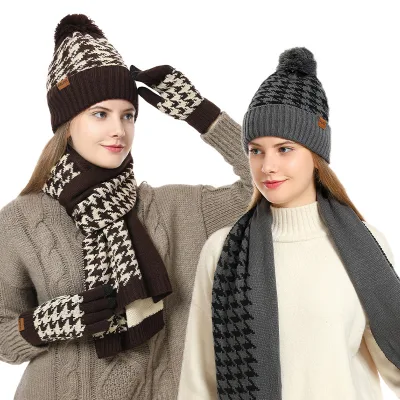
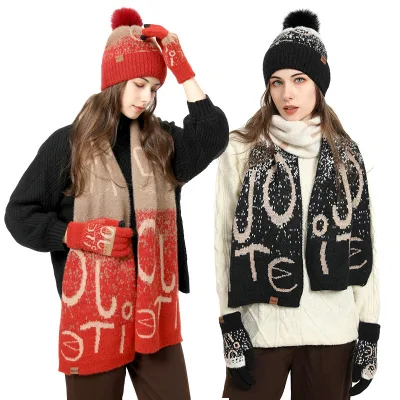
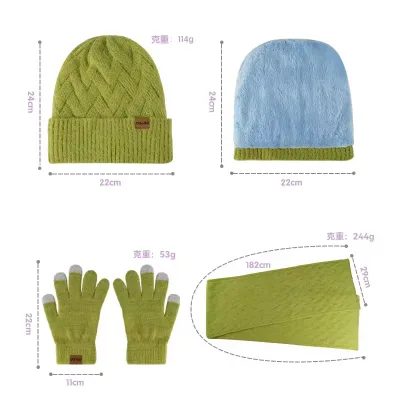

Dongguan Kangbao Garment Co., Ltd.
- Verified by BV
- Combined
- China Guangdong
- Lead time23 days
- Avg. response≤ 6h
Main productsBeanie, Winter Hat, Scarf and Neck Warmer, Gloves and Mittens, Knit Poncho and Blanket, Headband Sports Gear, Canvas Bag, Golf Cover
Main marketsAfrica,Europe,North America

Dongyang Huaiwei Hat Industry Co., Ltd.
- Verified by TUVRHEINLAND
- Trading Company,Manufacturer/Factory
- China Zhejiang
- Lead time30 days
- Avg. response≤ 6h
Main productsHats Baseball Caps Truck Driver Hats Fisherma
Main marketsSouth America,North America
Dongguan Meiguan Apparel Co., Ltd.
- Manufacturer, Trading Company
- Guangdong, China
- Lead time25 days
- Avg. response≤ 6h
Main productsSports caps,snapback cap,Winter hats,Bags,Garment Accessories
Main marketsNorth America(40.00%), Domestic Market(20.00%), Western Europe(20.00%), Eastern Asia(5.00%), Northern Europe(5.00%), Central America(5.00%), Oceania(5.00%)

Qingdao Art Fortune Imp/Exp Co., Ltd.
- Verified by TUVRHEINLAND
- Trading Company
- China Shandong
- Lead time30 days
- Avg. response≤ 5h
Main productsScented Candle, Reed Diffuser, Glass Jar Candle, Flameless LED Wax Candle, Candle and Home Fragrance, Tealight Candle, Candle Holder, Candle Gift Set, Handmade Pillar Candle, Tin Candle
Main marketsAfrica


Stylish Women's Winter Scarf and Hat Set with Rigid Box Packing for Ultimate Warmth
$1.50 - $3.00
MOQ: 500 Pieces
- Verified by TüVRheinland
- Manufacturer, Trading Company
- Lead time30 days
- Avg. response≤ 3h
Main productsBeret, Beaine, Bucket Hat, Baseball Cap, Straw Hat
Main marketsNorth America(42%), Western Europe(20%), Oceania(10%)

Yangzhou Morningbird Headwear Co., Ltd.
- Combined
- China Jiangsu
- Lead time23 days
- Avg. response≤ 14h
Main productsCap, Knit Gloves, Scar, Beanie, Hat, Canvas Bag, Wool Felt Hat, Bandana, Seamless Tube Bandana, Cycling Accessories
Main marketsSoutheast Asia/ Mideast,Domestic,Europe,Australia,North America

Promotional 100% Acrylic Knit Warm Comfortable Womens Winter Hats and Scarf Sets with Fringe
$1.60 - $2.00
MOQ: 500 Pieces

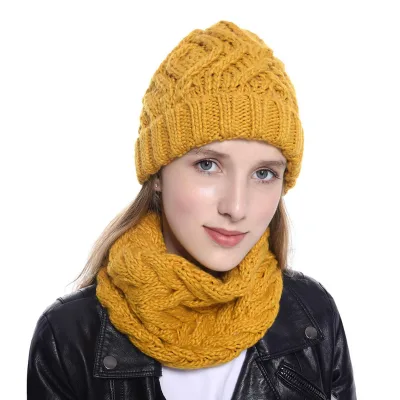
Women Soft Warm Thick Cable Knitted Winter 3 Pieces Knit Winter Scarf Hat & Glove for Women Sets
$1.60 - $2.00
MOQ: 500 Pieces

Wholesale Acrylic Good Quality Winter Warm Comfortable Beanie Knitted Skull Hat and Scarf Set
$1.60 - $2.00
MOQ: 500 Pieces

Manufactory Acrylic Winter Warm Comfortable Beanie Knitted Wholesale Hat and Scarf Sets
$1.60 - $2.00
MOQ: 500 Pieces

Custom High quality Polyester Cotton Knit Soft Winterwarm Comfortasble Beanie Hat Scarf Glove Set
$1.60 - $2.00
MOQ: 500 Pieces

Wholesale Custom Acrylic Embroidery Lovely Soft Warm Comfortable Knit Hat Glove Scarf Set
$1.60 - $2.00
MOQ: 500 Pieces








Comprehensive Sourcing Guide
Travel Knitted Hat and Scarf Set Supplier Concentration and Factory Types
Current data indicates a concentration of suppliers in China Jiangsu, with specific product origins noted in Zhenjiang and Hebei regions. These locations are associated with manufacturers producing knitted winter accessories, including sets with gloves, scarves, and beanies. The supplier base includes both trading companies and factories, where trading entities often aggregate products like handkerchiefs, bandanas, and towels alongside the core knitted items. Buyers should verify if a supplier is a direct manufacturer or a trading company, as this distinction impacts customization capabilities and direct factory communication. Some suppliers list main products such as baseball caps and slippers, suggesting a broader apparel focus rather than a specialized knitwear facility.
When evaluating the manufacturing cluster, buyers must confirm the specific origin of the goods, as some listings cite Jiangsu while others indicate Hebei. The presence of suppliers in Jiangsu suggests a mature textile ecosystem capable of handling weft knitting and acrylic production. However, without explicit confirmation of a factory's physical address, buyers should treat location claims as preliminary. It is essential to distinguish between suppliers who merely list a region and those who can provide proof of their facility's location. This verification ensures that the claimed production capacity aligns with the actual manufacturing environment, particularly for complex items like multi-piece sets requiring coordinated knitting and assembly.
How to Verify Travel Knitted Hat and Scarf Set Suppliers
Verification is critical when sourcing knitted sets, as several suppliers display third-party certifications such as TÜV Rheinland and SGS Group. These credentials indicate that the supplier has undergone external audits for quality management or product safety. Additionally, some listings reference compliance with standards like CE, REACH, and (EU) 2015/863, which are relevant for exporting to European markets. Buyers should request current certification documents to ensure they are valid and cover the specific product lines being ordered. Relying solely on a badge without verifying the scope of the audit can lead to compliance gaps, especially for items intended for children or specific age groups.
Beyond certifications, response time and verification status serve as indicators of supplier reliability. Data shows response times ranging from 3 to 3.73 hours, which suggests a generally active supplier base. However, a fast response does not guarantee product quality or delivery consistency. Buyers should also check for established verification statuses like "is_verified" to confirm the supplier's identity and business legitimacy. It is advisable to cross-reference the supplier's claimed capabilities, such as sample processing and graphic design, with their actual portfolio. Confirming that a supplier can handle custom designs and specific material requirements, such as 100% acrylic or wool blends, is essential before proceeding with a large order.
What to Compare Across Travel Knitted Hat and Scarf Set Suppliers
Comparing suppliers requires a detailed analysis of key operational metrics, including minimum order quantities (MOQ), lead times, and pricing structures. MOQs vary significantly, with some suppliers requiring 1000 sets per color while others offer flexible terms starting at just one piece. Lead times also differ, with observed ranges from 20 to 30 days, influencing inventory planning and cash flow. Buyers must align these constraints with their sales cycles and storage capabilities. Pricing data shows a wide spectrum, with some sets listed between $1.55 and $2.88, while others range from $4.95 to $6.50, reflecting differences in material quality, customization, and production complexity.
Material composition and product attributes are equally important comparison points. Listings indicate materials ranging from wool to 100% acrylic and polyester/cotton blends, each affecting the final product's warmth, durability, and cost. Buyers should compare weave types, such as weft knitting versus warp knitting, and check for specific features like brim styles, pattern types, and thickness levels. Some suppliers offer customization options for logos and packaging, while others provide standard designs. Evaluating the supply ability, such as 1000 pieces per day, helps determine if a supplier can scale production during peak seasons. A thorough comparison ensures the selected supplier meets both technical specifications and commercial requirements.
Common Travel Knitted Hat and Scarf Set Sourcing Risks
One significant risk involves the discrepancy between claimed product attributes and actual delivery. For instance, some listings specify "Medium Long" types or specific set configurations like gloves, hats, and scarves, while others may lack detailed specifications. Buyers must verify that the received goods match the agreed-upon model numbers and material compositions, such as the distinction between acrylic and wool. Inconsistent product standards, such as varying CE certifications or unclear origin details, can lead to customs delays or rejected shipments. Ensuring that the product standard matches the target market's regulatory requirements is crucial to avoid costly returns or legal issues.
Another risk relates to supply chain transparency and the ability to fulfill orders consistently. While some suppliers claim high supply abilities, others may face bottlenecks due to material shortages or production constraints. The variation in lead times, from 20 to 30 days, highlights the potential for delays if a supplier is overcommitted. Additionally, the reliance on trading companies can introduce communication barriers, as they may not have direct control over the manufacturing process. Buyers should assess the supplier's capacity for sample processing and customized on-demand production to ensure they can adapt to changing market demands. Failure to verify these capabilities can result in missed deadlines and dissatisfied customers.
Travel Knitted Hat and Scarf Set Regional Sourcing and Logistics
Regional sourcing impacts logistics costs and delivery speed, with major hubs identified in Jiangsu and Hebei. Suppliers in Jiangsu often utilize ports like Tianjin, Shanghai, and Ningbo for dispatch, facilitating efficient international shipping. Buyers should confirm the port of dispatch for each supplier to optimize freight routes and reduce transit times. The proximity of manufacturing clusters to major shipping ports can significantly lower logistics expenses and improve delivery reliability. However, buyers must verify the specific port details, as some listings may not explicitly state the dispatch location, leading to potential confusion in freight forwarding arrangements.
Logistics planning also involves understanding packaging and handling requirements. Product attributes indicate packaging methods such as 12 sets per bag or single polybag packaging, which affect container loading efficiency. Buyers should calculate the total volume and weight of the shipment based on these packaging details to ensure accurate freight cost estimates. Additionally, the single gross weight of items, such as 0.400 kg per unit, influences the overall shipping weight and potential surcharges. Coordinating with the supplier to optimize packaging can reduce shipping costs and minimize the risk of damage during transit. Clear communication regarding packaging standards is essential for maintaining product integrity throughout the supply chain.
Travel Knitted Hat and Scarf Set Commercial Terms and Order Planning
Commercial terms, including payment methods and escrow services, play a vital role in securing transactions. Buyers should prioritize suppliers who offer secure payment options and escrow services to protect their financial interests. While specific escrow details may vary, the presence of verified suppliers often correlates with more robust transaction protections. Understanding the payment terms, such as deposit requirements and balance due dates, is essential for effective cash flow management. Buyers must also clarify the terms for sample orders, as some suppliers offer samples within 3-5 working days, while others may have different timelines.
Order planning requires careful consideration of customization lead times and production capacity. Suppliers offering customization services, such as logo printing and specific color patterns, may require additional time for setup and approval. Buyers should factor in these lead times when planning their inventory replenishment cycles. Additionally, the ability to handle large orders, indicated by supply abilities like 1000 pieces per day, ensures that the supplier can meet demand spikes. Establishing a clear communication channel for order updates and quality checks is crucial for maintaining a smooth procurement process. By aligning commercial terms with operational capabilities, buyers can mitigate risks and ensure timely delivery of their travel knitted hat and scarf sets.
FAQs
What is the typical lead time for knitted hat and scarf sets?
Lead times vary by supplier, with observed ranges from 20 to 30 days. Some manufacturers offer faster processing for sample orders, while bulk production often requires the full 30-day window. Buyers should confirm specific timelines based on order volume and customization needs before placing an order.
What are the minimum order quantities for these winter sets?
Minimum order quantities differ significantly across suppliers. Some vendors require 1000 sets per color, while others accept orders as low as one piece. Buyers must verify the specific MOQ for their chosen supplier to ensure the order meets their production or retail requirements without unnecessary inventory costs.
Which materials are commonly used for these knitted sets?
Common materials include wool, 100% acrylic, and polyester cotton blends. Suppliers offer options ranging from medium to thick thicknesses suitable for winter wear. The material choice affects warmth and durability, so buyers should check product attributes to match their specific climate and quality expectations.
Are customization options available for branded knitted hat sets?
Yes, customization is available for many knitted hat and scarf sets. Suppliers offer services like logo printing, custom colors, and tailored designs. Buyers can request ODM or OEM services to create unique products, though this may impact lead times and minimum order quantities depending on the complexity of the request.
What certifications do these suppliers hold for safety standards?
Several suppliers hold certifications such as CE, REACH, and compliance with EU standards. Verification bodies like TÜV Rheinland and SGS Group also validate supplier credentials. Buyers should request specific certification documents to ensure products meet international safety and quality standards before finalizing any purchase agreement.
Where are the manufacturers of these sets located?
Manufacturers are primarily located in Jiangsu and Hebei provinces in China. Specific cities like Zhenjiang and general regions like Jiangsu are common origins. Buyers should verify the exact location to assess shipping logistics and potential tariffs associated with importing goods from these specific Chinese manufacturing hubs.
How quickly do suppliers typically respond to inquiries?
Response times vary, with some suppliers replying within 3 days and others taking up to 3.73 days. Faster response times often indicate higher availability or dedicated sales teams. Buyers should expect delays during peak seasons and consider this factor when planning their procurement schedules and order timelines.