Kids Firefighter Safety Helmet Suppliers and Manufacturers
Compare 22 verified suppliers offering kids firefighter safety helmets from China Shandong, Hebei, and Zhejiang. Review response times, lead times, certifications like ISO 9001, and product specs before contacting factories for quotes; review the available evidence before requesting comparable quotations from suitable candidates.
Suppliers List
Qingdao Signal Technology Co., Ltd
- Verified by TUVRHEINLAND
- Trading Company,Manufacturer/Factory,Group Corporation
- China Shandong
- Lead time15 days
- Avg. response≤ 3h
Main productsPersonal Protective Equipment Supplier, Safety Products Supplier, Safety Gloves Manufacturer, Construction Safety Equipment, Road Safety Products, OEM PPE Supplier, Industrial Protection Solutions, Foot Protection, Respiratory Protection, Safety Shoes
Main marketsSouth America,Eastern Europe,Mid East,North America,Southeast Asia,Eastern Asia,Oceania,Western Europe,Africa

Hebei Hongchi Bicycles Co., Ltd
- Verified by BV
- Manufacturer
- China Hebei
- Lead time15 days
- Avg. response≤ 8h
Main productsChainwheel&Crank, Bicycle Parts, Bicycle Accessories, Children Bike, Children Toy, Scooter, Stroller, Electric Car, Saddle, Basket

Yongkang Chochi Fitness Co., Ltd.
- Verified by BV
- Manufacturer/Factory
- China Zhejiang
- Lead time15 days
- Avg. response≤ 8h
Main productsGym Fitness Equipment, Treadmill, Exercise Bike, Helmet, Scooter, Skateboard, Roller Skateshoes, Camping Chair, Camping Trolley
Main marketsSouth America,Eastern Europe,Mid East,North America,Southeast Asia,Eastern Asia,Oceania,Western Europe,Africa


Safety Child Kids Sport Bicycle Bike Motorcycle Helmet for Outdoor Sports
$4.65 - $5.20
MOQ: 36 Pieces


Dongguan Changzhuo Outdoor Products Co., Ltd.
- Verified by TUVRHEINLAND
- Manufacturer/Factory
- China Guangdong
- Lead time45 days
- Avg. response≤ 16h
Main productsBicycle Helmet, Skateboard Helmet, Ski Helmet, Bike Helmet, Swim Goggle, Ski Goggle, Swim Cap, Cycling Helmet
Main marketsSouth America,Eastern Europe,North America,Eastern Asia,Oceania,Western Europe

Kids Bike Helmet Cycle Helmet Cycling Safety Helmet for Safety Protection
$6.45 - $7.75
MOQ: 300 Pieces

Breathable Kids Bicycle Helmet PVC+EPS Ultralight Children Cycling Helmet Safety Kids Bike Helmet
$6.45 - $7.75
MOQ: 300 Pieces

Best Sales Custom Children Kid Bike Helmet for Kids Child Outdoor Sports
$6.45 - $7.75
MOQ: 300 Pieces

Factory Children′ S Riding Helmets Outdoor Sports Bicycle Bike Cycling Kids Safety Helmet
$6.45 - $7.75
MOQ: 300 Pieces

Skating Skateboarding Scooter Riding Cycling Bicycle Kids Children's Helmet
$6.45 - $7.75
MOQ: 300 Pieces

Wholesale Custom Cute Children Kids Bike Helmet with CE/Cpsc Certificate
$6.45 - $7.75
MOQ: 300 Pieces
- Verified by TUVRHEINLAND
- Trading Company,Manufacturer/Factory
- China Guangdong
- Lead time45 days
- Avg. response≤ 4h
Main productsBicycle Helmet, Industrial Safety Helmet, Rock Climbing Helmet, Kids Helmet, Ski Helmet, Skate Helmet, Ice Skating Helmet, Horse Riding Helmet, Carbon Fiber Products
Main marketsSouth America,Eastern Europe,Mid East,Southeast Asia,Eastern Asia,Western Europe,Africa


OEM Children's Protective Helmets Affordable Kids Bike Helmets with Ventilation
$9.60 - $10.85
MOQ: 500 Pieces

OEM Kids Safety Gear Colorful Children's Bike Helmets for Youth Cycling
$9.60 - $10.85
MOQ: 500 Pieces

Durable Youth Bike Helmets Wholesale Kids High Safety Children's Bicycle Helmets
$9.60 - $10.85
MOQ: 500 Pieces

CE Certified Youth Bike Helmets Durable Kids Cycling Helmets Wholesale
$13.80 - $17.97
MOQ: 500 Pieces

Jiangsu Huibaicheng Group Co., Ltd.
- Verified by SGS
- Trading Company
- China Jiangsu
- Lead time23 days
- Avg. response≤ 5h
Main productsSafety Helmet, Safety Vest, Reflective Clothing, Hard Hat, Safety Gloves
Main marketsSouth America,Eastern Europe,Mid East,North America,Southeast Asia,Eastern Asia,Oceania,Western Europe,Africa


$210.00 - $252.00
MOQ: 5 pieces

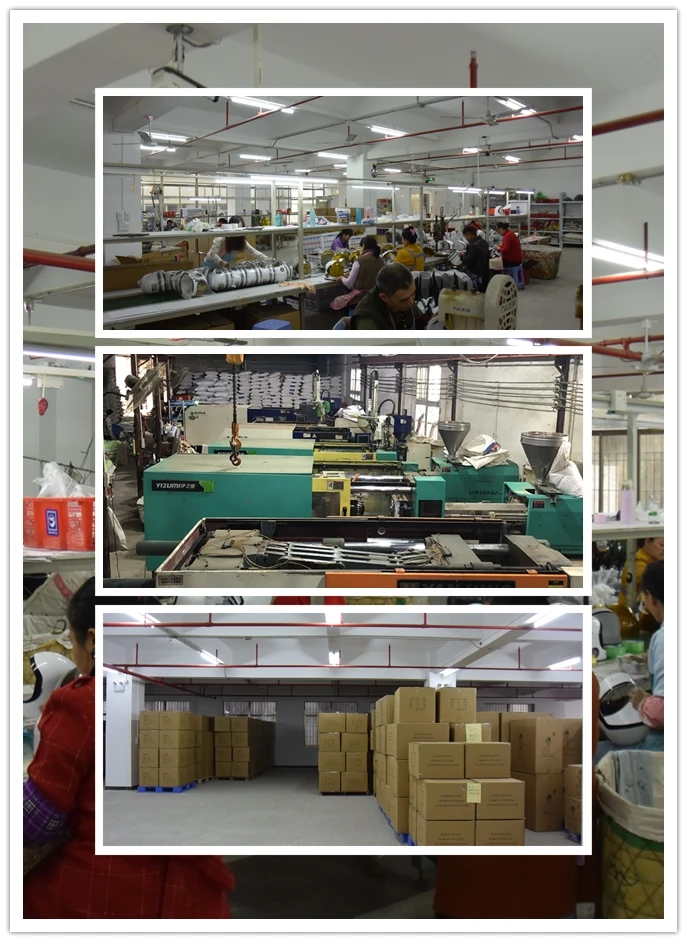
Shantou Chenghai Xingzhirun Plastic Products Factory
- Manufacturer, Trading Company
- Guangdong, China
- Lead time15 days
- Avg. response≤ 12h
Main productsPlastic Helmet (Viking Helmet,Drinking Helmet,Roman Helmet,Firemen Helmet,Construction Helmet)
Main marketsDomestic Market(31.80%), Central America(14.50%), North America(10.90%), Western Europe(9.40%), South America(8.10%), Southern Europe(8.10%), Eastern Europe(5.70%), Southeast Asia(5.10%), Northern Europe(2.20%), Mid East(1.40%), South Asia(1.00%), Eastern Asia(1.00%), Oceania(0.80%)

- Verified by SGS
- Combined
- China Zhejiang
- Lead time15 days
- Avg. response≤ 14h
Main productsAnti Riot Suit, Anti Riot Shield, Anti Riot Helmt, Gas Mask, Bullet Proof Vest, Stab Proof Vest, Handcuff, Knee Pad, Elbow Pad
Main marketsSouth America,Africa,Others(foreignTradeCapacity.exportBusinessCapacityMarketOther),Southeast Asia/ Mideast,Domestic,Europe,North America
Dongtai Chaowei Lifesaving Equipment Factory
- Verified by TüVRheinland
- Manufacturer, Trading Company
- Lead time20 days
- Avg. response≤ 2h
Main productsPositive Pressure Air Respirator, Gas Mask, Fireman Suit, Water Mist Fire Extinguishing System, Marine Lifesaving Products
Main marketsDomestic Market(35%), Western Europe(25%), North America(10%)

PIN INTERNATIONAL (NINGBO) LTD.
- Verified by TUVRHEINLAND
- Manufacturer/Factory
- China Zhejiang
- Lead time90 days
- Avg. response≤ 4h
Main productsWooden Toys Kids Toys Educational Toys, Arts and Crafts, Stem Toys, DIY Products, Subscription Box for Kids
Main marketsSouth America,Eastern Europe,North America,Eastern Asia,Western Europe
Yueqing Jindeli Motorcycle Parts Co.,Ltd.
- Verified by SGS
- Combined
- China Zhejiang
- Lead time15 days
- Avg. response≤ 3h
Main marketsSouth America

- Verified by SGS
- Combined
- China Zhejiang
- Lead time45 days
- Avg. response≤ 2h
Main productsFire Extinguisher, Hose Reels, Cabinet
Main marketsSouth America,Africa,Southeast Asia/ Mideast,East Asia(Japan/ South Korea),Domestic,Europe,Australia,North America

NINGBO SUNNYLUX IMPORT & EXPORT CO., LTD.
- Manufacturer/Factory
- China Zhejiang
- Lead time23 days
- Avg. response≤ 4h
Main productsRubber Tracks, LED Waterproof Light, LED Bulkhead Light, Food Waste Disposal, DC Motor, LED Triproof Lighting Fixture, Safety Helmet, LED Ceiling Light, LED Batten Light, LED Flood Light
Main marketsSouth America,Eastern Europe,Mid East,North America,Southeast Asia,Eastern Asia,Oceania,Western Europe,Africa


$30.00 - $80.00
MOQ: 10 Pieces

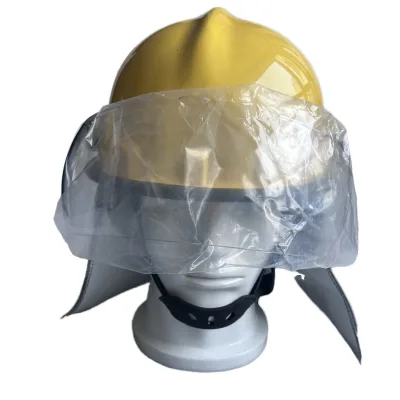
High Quality Protective Helmet for Firefighter Fireproof Fire Resistant Helmet for Fireman
$30.00 - $80.00
MOQ: 10 Pieces

High Quality Fireman Safety Helmet Firefighting Equipment Fire Rescue Helmet with CE En443
$30.00 - $80.00
MOQ: 10 Pieces

American Type Anti Impact Fire Helmet for Fire Fighting Fireman Firefighter
$30.00 - $80.00
MOQ: 10 Pieces

$29.99 - $79.99
MOQ: 10 Pieces

Linyi Yonglei Labor Protection Supplies Co., Ltd.
- Verified by TUVRHEINLAND
- Combined
- China Shandong
- Lead time30 days
- Avg. response≤ 9h
Main productsWelding Helmets, Welding Mask, Plastic Welding Mask, Safety Glasses, Safety Helmets, Auto-Darkening Welding Helmet, Welding Filter
Main marketsSouth America,Southeast Asia/ Mideast
Wuhan TACEAG Garment Co., Ltd.
- Verified by SGS
- Trading Company,Manufacturer/Factory
- China Hubei
- Lead time23 days
- Avg. response≤ 10h
Main productsUniform, Jacket, Shirt, Pants, Shorts, Boots, Gloves, Hat, Belt, Shoes
Main marketsSouth America,Eastern Europe,Mid East,North America,Southeast Asia,Eastern Asia,Oceania,Western Europe,Africa

Double Safe Red Rescue Lightweight Safety Adjustable Flame Retardant Firefighter Emergency Helmet
$120.00 - $130.00
MOQ: 100 Pieces

$150.00 - $158.00
MOQ: 1000 Pieces

Red Safety Helmet Custom Professional Protection Reflective Flame Retardant Safety Fire Firefighter
$150.00 - $158.00
MOQ: 1000 Pieces
Jiangshan Diyi Fire Equipment Co., Ltd.
- Verified by TüVRheinland
- Manufacturer, Trading Company
- Lead time15 days
- Avg. response≤ 2h
Main productsDry Powder Fire Extinguisher, CO2 Fire Extinguisher, Foam Fire Extinguisher, Automatic Fire Extinguisher, Fire Extinguisher Cylinder
Main marketsSoutheast Asia(30%), Africa(30%), Mid East(23%)

- Verified by BV
- Trading Company,Manufacturer/Factory
- China Jiangsu
- Lead time23 days
- Avg. response≤ 5h
Main productsPPE, Work Wear, PVC Boots, Nitrile Gloves, Uniform, Safety Glassess, Coveralls, Scrub, Lab Coat, Safety Harness
Main marketsSouth America,Eastern Europe,Mid East,North America,Southeast Asia,Eastern Asia,Oceania,Western Europe,Africa

Red Flame Retardant Fire Fighting Fireman Safety Protective Helmet En 443
$98.99 - $107.99
MOQ: 100 Pieces

Yellow Flame Retardant Fire Fighting Fireman Safety Protective Helmet En 443
$98.99 - $107.99
MOQ: 100 Pieces

Yellow Anti-Smash Flame Retardant Fire Fighting Fireman Protective Safety Work Helmet En 443
$11.99 - $14.99
MOQ: 100 Pieces

Top Quality Flame Retardant Fire Fighting Equipment Fireman Protective Safety Work Helmet
$50.99 - $60.99
MOQ: 100 Pieces

Firefighting Helmet Top Quality Flame Retardant Fire Fighting Equipment
$50.99 - $60.99
MOQ: 100 Pieces

Ningbo Yongheng Sports Leisure Co., Ltd.
- Trading Company,Manufacturer/Factory
- China Zhejiang
- Lead time45 days
- Avg. response≤ 12h
Main productsMotorcycle Helmet, Skateboard, Kids Gym Equipment, Sports Helmet, off Road Helmet, Kids Fitness Equipment, Half Helmet, Google, Helmet Visor, Full Face Helmet
Main marketsSouth America,Eastern Europe,North America,Western Europe
Zhangjiagang City Leabon Textile & Technology Co., Ltd.
- Manufacturer, Trading Company
- Jiangsu, China
- Lead time0 days
- Avg. response≤ 2h
Main productsfire extinguisher,valve,protective gloves,Safety harness
Main marketsSouthern Europe(24.00%), North America(14.00%), Eastern Europe(7.00%), Domestic Market(6.00%), South Asia(5.00%), South America(5.00%), Northern Europe(5.00%), Central America(5.00%), Southeast Asia(5.00%), Eastern Asia(5.00%), Mid East(5.00%), Oceania(5.00%), Africa(5.00%), Western Europe(4.00%)

Zhejiang Ganyu Police Equipment manufacturing Co., Ltd.
- Verified by SGS
- Combined
- China Zhejiang
- Lead time15 days
- Avg. response≤ 15h
Main productsAnti Riot Suit, Anti Riot Helmet, Anti Riot Shield, Tactical Vest, Safety Products, Anti Riot Gear
Main marketsSouth America

Beijing Synergy Technology Co., Ltd.
- Verified by TUVRHEINLAND
- Trading Company
- China Beijing
- Lead time15 days
- Avg. response≤ 10h
Main productsFire Extinguisher, Fire Hose, Fire Hose Reel and Cabinet, Fire Fighting Equipment, Fire Sprinkler System, Fire Pump Set, Fire Suits, Fire Hose Fitting
Main marketsSouth America,Africa,Southeast Asia/ Mideast,Europe


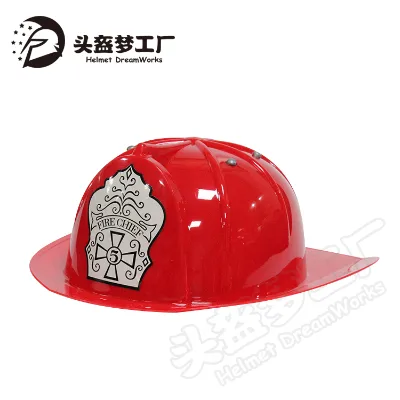
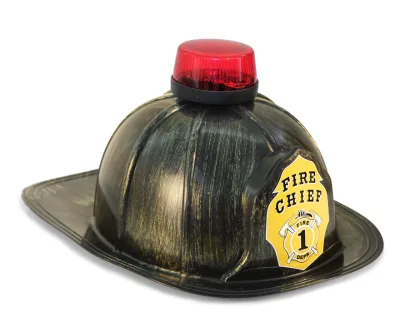
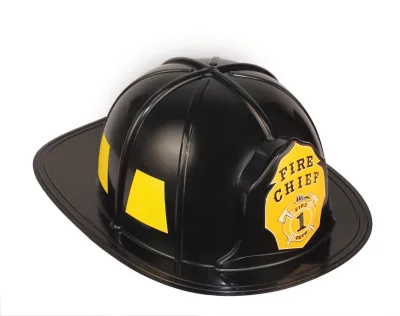
Impact Resistant Firefighter Helmet with Flip-Down Visor and Ratchet Suspension
$16.50 - $60.00
MOQ: 5 Pieces
No.one Safety (shanghai) Co., Ltd.
- Trading Company
- Shanghai, China
- Lead time0 days
- Avg. response≤ 4h
Main productsSCBA set for firefighting,SCBA set for industrial,SCBA set for Marine,SCBA spare parts,Safety Mask
Main marketsNorth America(50.00%)




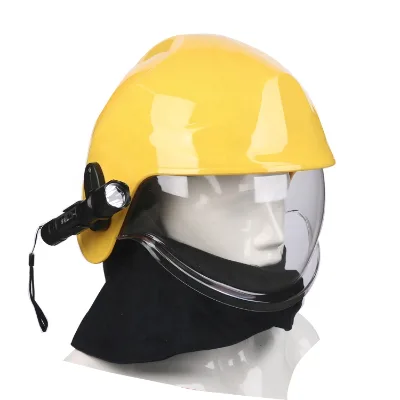
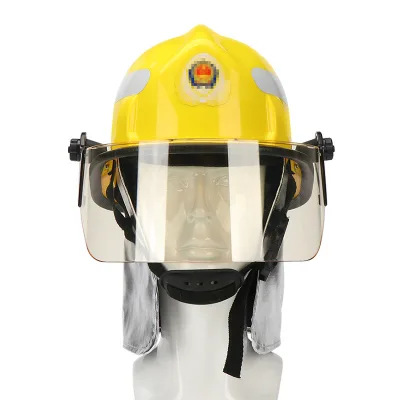
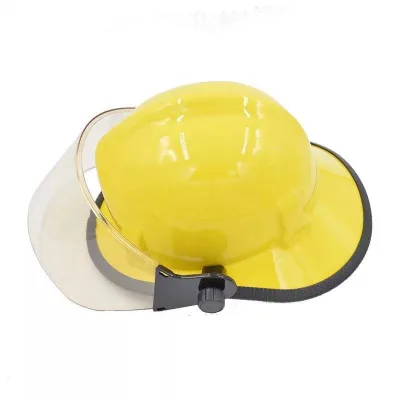
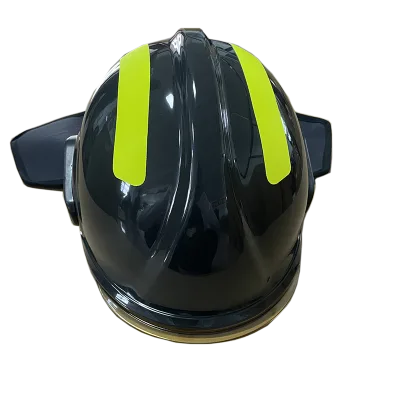






Comprehensive Sourcing Guide
Kids Firefighter Safety Helmet Supplier Concentration and Factory Types
Current data indicates that suppliers offering protective headgear for children are concentrated in specific Chinese provinces, with Shandong and Hebei emerging as notable manufacturing hubs. Factories in these regions often list main products including personal protective equipment, safety gloves, and construction safety gear, suggesting a broader industrial base capable of producing specialized helmets. Some entities operate as trading companies or group corporations, while others function strictly as manufacturers with their own factories. This mix allows buyers to access both direct production capabilities and consolidated sourcing options depending on their volume needs.
When evaluating the factory type, it is essential to distinguish between pure manufacturers and trading companies. Manufacturers typically offer OEM and ODM capabilities, allowing for custom branding and design modifications, whereas trading companies may aggregate products from multiple sources. The presence of ISO 9001 certification among some suppliers signals a commitment to quality management systems, which is critical for safety equipment. Buyers should verify if the supplier's primary business aligns with the specific product category, as some factories may produce helmets as a secondary line alongside bicycles or general sports gear.
How to Verify Kids Firefighter Safety Helmet Suppliers
Verification is a critical step when sourcing safety equipment, as the integrity of the product directly impacts child safety. Several suppliers in the current results have undergone third-party verification processes, such as those conducted by TÜV Rheinland or BV, which adds a layer of credibility to their operational claims. These verifications often confirm the authenticity of the company's registration and its ability to meet specific export standards. Buyers should prioritize suppliers with these external validations to ensure that the entity is legitimate and capable of fulfilling orders reliably.
Beyond basic verification, checking system certifications like ISO 9001 provides insight into the supplier's internal quality control processes. While some suppliers display these certifications, others may not list them explicitly, requiring direct inquiry. It is also important to assess the supplier's response time, as a faster response often correlates with better communication and problem-solving capabilities during the sourcing process. Buyers should request proof of these certifications and verification reports before proceeding, ensuring that the supplier's claims are backed by documented evidence rather than marketing assertions.
What to Compare Across Kids Firefighter Safety Helmet Suppliers
Comparing suppliers requires a focus on specific operational metrics that influence the final cost and delivery timeline. Key dimensions include lead time, minimum order quantity (MOQ), and response speed. For instance, some suppliers indicate a lead time of 15 days, while others may vary based on order complexity. MOQs can range significantly, with some suppliers requiring orders as low as 100 units, while others may demand 1000 units or more. Understanding these thresholds helps buyers align their procurement strategy with their inventory needs and budget constraints.
Price and customization options are also vital comparison points. Product listings show price ranges that can vary based on material, certification, and design complexity. Some suppliers offer customization services, allowing for tailored designs, while others provide standard models only. Additionally, the availability of certifications like ECE or DOT can impact the price and marketability of the helmets. Buyers should create a comparison matrix that includes these variables to identify the most suitable supplier for their specific requirements, ensuring that the selected partner can meet both quality and logistical expectations.
Common Kids Firefighter Safety Helmet Sourcing Risks
One significant risk in sourcing safety helmets is the potential mismatch between claimed certifications and actual product compliance. While some listings mention certifications like ECE or DOT, others may only reference generic standards or lack specific safety approvals entirely. This discrepancy can lead to regulatory issues in the destination market, potentially resulting in product recalls or legal liabilities. Buyers must rigorously verify that the helmets meet the specific safety standards required in their target region, rather than relying solely on the supplier's marketing materials.
Another risk involves the variability in production capacity and quality consistency across different suppliers. Some manufacturers may have limited R&D capacity or rely on generic molds, which can affect the fit and protection level of the helmets. Additionally, the use of different materials, such as ABS or EPS, can influence the durability and safety performance of the final product. Buyers should request samples and independent test reports to validate the quality claims, ensuring that the helmets provide adequate protection for children in various scenarios.
Kids Firefighter Safety Helmet Regional Sourcing and Logistics
Regional sourcing impacts both the cost structure and the logistics timeline for the final delivery. Suppliers located in Shandong and Hebei provinces often benefit from established supply chains and infrastructure, which can facilitate faster production and shipping. However, the distance from these manufacturing hubs to the buyer's location will influence freight costs and transit times. Buyers should consider the total landed cost, including shipping, duties, and insurance, when evaluating suppliers from different regions.
Logistics planning also involves understanding the packaging and handling requirements for safety helmets. Some suppliers specify packing details, such as carton dimensions and quantities per package, which can affect container loading efficiency. For example, certain products are packed in cartons with specific dimensions like 1063279CM, while others may use different configurations. Buyers should coordinate with their freight forwarders to optimize shipping routes and ensure that the helmets are transported safely, minimizing the risk of damage during transit.
Kids Firefighter Safety Helmet Commercial Terms and Order Planning
Commercial terms play a crucial role in defining the financial and operational framework of the sourcing agreement. Buyers should clarify payment terms, such as the use of escrow services, to protect their interests during the transaction. Escrow mechanisms can ensure that funds are only released once the goods are delivered and meet the agreed-upon specifications. Additionally, understanding the supplier's return policy and warranty terms is essential for managing potential issues that may arise after the order is fulfilled.
Order planning requires careful consideration of lead times and production schedules to avoid delays. Suppliers with shorter lead times, such as 15 days, can help buyers maintain lean inventory levels, while those with longer lead times may require earlier planning. Buyers should also account for potential fluctuations in raw material costs and production capacity, which can affect the final price and delivery date. By establishing clear communication channels and setting realistic expectations, buyers can mitigate risks and ensure a smooth procurement process for kids firefighter safety helmets.
FAQs
What is the price range for kids firefighter helmets?
Prices for children's protective helmets typically range from $1.00 to $36.00 per unit. Basic bicycle-style safety helmets start at the lower end, while specialized full-face ABS models with ECE or DOT certification command higher prices. Buyers should verify specific product models to confirm exact costs.
What certifications are available for children's safety helmets?
Manufacturers offer helmets certified to ECE, DOT, and ISO standards. Some products display ISOCE markings for general safety compliance. Full-face ABS helmets often carry ECE and DOT approvals for enhanced protection. Buyers must verify specific product listings to confirm which safety standards apply to their chosen model.
What is the minimum order quantity for these helmets?
Minimum order quantities vary significantly by supplier and product type. Some manufacturers require a minimum of 100 units for customizable options, while others set the threshold at 1000 pieces for standard stock items. Buyers should check individual product pages to determine the exact MOQ applicable to their order volume.
Where are these safety helmets manufactured?
These protective helmets are primarily manufactured in China, with production facilities located in Shandong, Hebei, and Zhejiang provinces. Suppliers in these regions offer various materials including ABS and EPS. Buyers can filter search results by specific Chinese provinces to locate manufacturers closest to their logistical preferences.
How quickly do suppliers respond to inquiries?
Supplier response times vary, with some companies responding within 2.51 hours and others taking up to 7.83 hours. Faster response rates are often associated with larger trading companies or established factories. Buyers seeking rapid communication should prioritize suppliers with documented quick response metrics in their profiles.
Can I customize the design of kids helmets?
Many manufacturers offer OEM and ODM customization services for children's helmets. Buyers can often select specific colors, shapes, and materials like ABS or EPS. Customization options include logo printing and packaging adjustments. Buyers should confirm customization availability and lead times directly with suppliers offering these specific services.
What is the typical lead time for orders?
Standard lead times for helmet production are approximately 15 days. This duration may vary based on order volume, customization requirements, and supplier capacity. Buyers should confirm exact production schedules with their chosen supplier to ensure timely delivery for their specific project deadlines and inventory needs.