Knitted Woolen Kids Ski Hat Suppliers and Manufacturers
Explore 16 verified suppliers offering knitted woolen kids ski hats with customizable materials and designs. Compare lead times, MOQs, certifications, and prices to find the right partner. Contact suppliers directly to request samples and finalize orders; review the available evidence before requesting comparable quotations from suitable candidates.
Suppliers List

NINGBO FANST IMP.&EXP. CO., LTD.
- Verified by BV
- Trading Company
- China Zhejiang
- Lead time30 days
Main productsPolyester Yarn, Acrylic Yarn, Knitting Yarn, Acrylic Knitting Yarn, LED Flash Torch, Headlamps, Bicycle Light, LED Work Light, Torches
Main marketsOthers(foreignTradeCapacity.exportBusinessCapacityMarketOther),Southeast Asia/ Mideast,Australia

Manke (Dongguan) Textile Co., Ltd.
- Verified by TUVRHEINLAND
- Trading Company,Manufacturer/Factory,Other
- China Guangdong
- Lead time90 days
Main productsBaseball Cap, Snapback Caps, Hoodies, Trucker Hat, Bucket Hat, Beanie Hat, Scarf, Golf Caps, Sports Caps, T-Shirts
Main marketsSouth America,Eastern Europe,Mid East,North America,Southeast Asia,Oceania,Western Europe,Africa


High Quality Outdoor Winter Warm Wool Knit Cap Beanie Warm Cap Knitted Hat
$0.95 - $2.86
MOQ: 100 Pieces


Shijiazhuang Wangjie Trade Co., Ltd
- Verified by SGS
- Manufacturer/Factory
- China Hebei
- Lead time23 days
Main productsCap, Hat, Baseball Cap, Sport Cap, Knitted Hat, Snapback Cap, Trucker Cap, Winter Hat, Apron, Shopping Bag
Main marketsSouth America,Eastern Europe,Mid East,North America,Southeast Asia,Eastern Asia,Oceania,Western Europe,Africa


Kids Winter Knit Hat Colorful Soft Warm 1-8years Children Knitting Hat Baby Knitted Hats
$0.80 - $3.90
MOQ: 50 Pieces


Jiangsu Jinzhifeng Knitting Co., Ltd.
- Verified by Intertek
- Manufacturer, Trading Company
- Lead time30 days
- Avg. response≤ 2h
Main productsHat, Scarf, Gloves
Main marketsNorth America(30%), Western Europe(30%), Eastern Europe(30%)

Nanjing New Climate Sport Ware Co., Ltd.
- Verified by CTI
- Trading Company
- China Jiangsu
- Lead time15 days
Main productsCap, Hat, Scarf, Glove, Sock, Bag, Blacket, T-Shirt, Bandana, Beanie
Main marketsSoutheast Asia/ Mideast,East Asia(Japan/ South Korea),Europe,Australia,North America


$1.60 - $2.70
MOQ: 100 Pieces


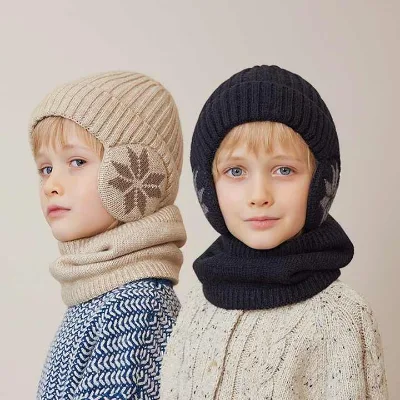
Custom Logo Ski Warm 100% Acrylic Fleece Liner Winter Earflap Knitted Hat
$1.65 - $3.50
MOQ: 200 Pieces

Zhenjiang Bossen International Co., Ltd.
- Verified by TUVRHEINLAND
- Trading Company
- China Jiangsu
- Lead time23 days
Main productsBandana, Beach Towel, Beanie, Multifunctional Bandana, Scarf, Baseball Cap, Baby Bibs, Headband, Gloves, Kitchen Towel
Main marketsEurope,Australia

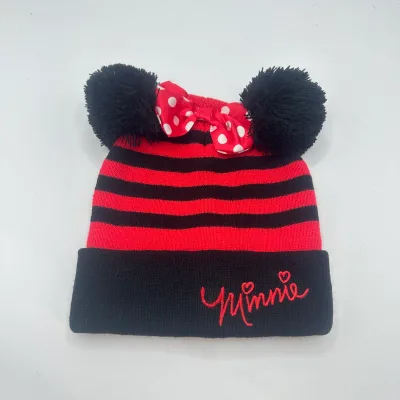
OEM Custom Logo Embroidered Kids Winter Knitted Warm Ski Beanie Hat with Ears
$0.60 - $1.00
MOQ: 500 Pieces

China Factory OEM Custom Design Jacquard Children Knit Winter Ski Beanie Hat with Ears
$0.65 - $1.00
MOQ: 500 Pieces

- Verified by SGS
- Combined
- China Sichuan
- Lead time15 days
Main productsCashmere Sweater, Baby Sweater, Wool Sweater, Cotton T Shirt, Organic Cotton Garments, Cashmere Pants, Cashmere Scarf, Baby Knitwear, Baby Blankets, Kids Sweaters
Main marketsEast Asia(Japan/ South Korea),Domestic,Europe,Australia,North America


Cute Soft Knit Hats Multi Color Winter Hat Custom Kids Baby Knitted Rib Beanie for Children.
$5.00 - $10.00
MOQ: 2 pieces

Shanghai Hexuan Baby Products Co., Ltd.
- Verified by SGS
- Trading Company
- China Shanghai
- Lead time15 days
Main productsBaby Wear Baby Cloth Diaper Bibs Baby Rompers
Main marketsSouth America,Africa,Southeast Asia/ Mideast,East Asia(Japan/ South Korea),Europe,Australia,North America

2025 Little Girl Wool Hats Winter Embroidered Kids Hat Knitted Hat with Rabbit Ear
$0.70 - $2.50
MOQ: 10 Pieces

Children Boys Girls Knitted Hat Winter Warm Crochet Beanie Baby Kids Thick POM POM Hats
$0.70 - $2.50
MOQ: 10 Pieces


Double Bowknot Lovely Kids Knitted Hat Autumn Winter New Add Cotton Warm Baby Hats
$0.70 - $2.50
MOQ: 10 Pieces


Ningbo Yinzhou Tianjie Industrial Co., Ltd.
- Combined
- China Zhejiang
- Lead time23 days
Main productsBeanie Hat, Bucket Hat, Baseball Hat, Festival Hat, Beret Hat, Sun Hat, Children Hat
Main marketsSouth America,Africa,Southeast Asia/ Mideast,East Asia(Japan/ South Korea),Domestic,Europe,Australia,North America

Cartoon Pattern Lightweight Elastic Black Beanie Knitted Wool Skullies Hat
$0.98 - $1.92
MOQ: 200 Pieces


Stretchy Knit Kids and Baby Beanies Jacquard Winter Hat Stylish Woolen Caps
$1.35 - $2.25
MOQ: 200 Pieces


Guangdong RongGuang Clothing Co.,Ltd
- Combined
- China Guangdong
- Lead time15 days
Main productsBaseball Cap, Bucket Hat, Golf Cap, Fisherman Hat, Empty Hat, Wash Cap, Kids Hat, Trucker Hat, Snapback Cap, Camo Hat
Main marketsSouth America,Domestic,Europe

Children Autumn Winter Warm Polyester Knitted Hat Plain Custom Knitted Beanie Hat
$1.50 - $4.00
MOQ: 500 Pieces

New Fashion Custom Baby White Winter Knitted Hat Soft Warm Knitted Kids Beanie Hat
$1.25 - $2.10
MOQ: 500 Pieces

$1.40 - $3.00
MOQ: 500 Pieces

$1.30 - $2.50
MOQ: 500 Pieces


Manufacturer Custom Grey High Quality Acrylic Knitted Hat Warm Knitted Beanie Hat for Children
$1.30 - $2.50
MOQ: 500 Pieces
- Verified by SGS
- Manufacturer
- China Shanghai
- Lead time23 days
Main productsScarf, Bag, Hat, Blanket, House Shoes, Indoor Slippers, Scarf & Warmth Set, Shawl, Hijab Headscarf, Cap
Main marketsEast Asia(Japan/ South Korea),Domestic,Europe,North America
Hangzhou Xingliao Accessories Co., Ltd.
- Verified by BV
- Trading Company
- China Zhejiang
- Lead time30 days
Main marketsSouth America,Africa,Europe,Australia

- Verified by TUVRHEINLAND
- Trading Company,Manufacturer/Factory
- China Chongqing
- Lead time38 days
Main productsBaseball Cap, Beanie Hat, Trucker Hat, Bucket Hat, Snapback Hat, Scarf, Gloves, Apron, Sock, T Shirt&Polo Shirt
Main marketsSouth America,Eastern Europe,Mid East,North America,Southeast Asia,Eastern Asia,Oceania,Western Europe,Africa


Fashion Winter Kids Warm Acrylic Cotton Baby Nylon Children Knitted Hat Beanie
$1.00 - $3.50
MOQ: 50 Pieces


- Verified by CTI
- Trading Company
- China Anhui
- Lead time23 days
Main productsFurniture, Home Furniture
Main marketsSoutheast Asia/ Mideast

Fuzhou Chongkang Gifts Trade Co., Ltd.
- Verified by SGS
- Manufacturer/Factory
- China Fujian
- Lead time23 days
Main productsPromotional Gifts, Baseball Cap, Beanies Hat, Gift Bags, Scarf, Microfiber Cleaning Cloth, Keychain, USB Charging Line, Luggage Tag, Mobile Phone Holder
Main marketsSouth America,Eastern Europe,Mid East,North America,Southeast Asia,Eastern Asia,Oceania,Western Europe,Africa


Autumn and Winter Unisex Thick Reflective Knitted Hat with Nighttime Safety Function
$2.00 - $3.60
MOQ: 50 Pieces
Dongyang Huaiwei Hat Industry Co., Ltd.
- Verified by TUVRHEINLAND
- Trading Company,Manufacturer/Factory
- China Zhejiang
- Lead time30 days
Main productsHats Baseball Caps Truck Driver Hats Fisherma
Main marketsSouth America,North America

Custom Lovely Children Knitted Hat Autumn Winter New Add Cotton Warm Baby
$1.76 - $2.44
MOQ: 300 pieces

Custom Solid Color Winter Hats Knitted Knitted Beanie Winter Hat Warm Winter H
$2.82 - $3.91
MOQ: 300 pieces




Comprehensive Sourcing Guide
Knitted Woolen Kids Ski Hat Supplier Concentration and Factory Types
Current data indicates supplier locations are concentrated in China, specifically within the Zhejiang and Guangdong provinces. These regions host a mix of trading companies and manufacturers that handle the production of knitted woolen kids ski hats. Some suppliers list their origin as Ningbo or Zhenjiang, while others simply state China as the point of origin. This geographic clustering suggests established textile infrastructure, yet buyers must verify the specific factory address for each vendor rather than assuming all listed entities are located in the same industrial zone. The presence of trading companies alongside manufacturers implies a layered supply chain where some entities may source from third-party factories before selling to international buyers.
The company types observed include trading companies, manufacturers, and factories, with some entities holding multiple designations. This variation affects the directness of communication and the control over production quality. A trading company might offer a broader range of products like LED flash torches or bicycle lights alongside apparel, whereas a manufacturer focuses on specific knitting capabilities. Buyers should examine the main product lists to distinguish between specialized knitters and general traders. Understanding whether a supplier is a direct factory or a middleman is critical for negotiating prices and ensuring that the specific requirements for woolen materials and knitting patterns are met without unnecessary markup or communication delays.
How to Verify Knitted Woolen Kids Ski Hat Suppliers
Verification status is a primary indicator of supplier reliability, with some entities displaying BV or TÜV Rheinland certifications. These third-party validations suggest that the supplier has undergone specific audits regarding their business operations or quality management systems. However, the presence of a verification badge does not guarantee product quality for every item listed, so buyers must cross-reference these credentials with the specific product details provided. For instance, a supplier verified by TÜV Rheinland may have ISO 9001 certification, which indicates a standardized quality management system, but this should be confirmed against the specific production capabilities for children's winter hats.
Beyond verification badges, buyers should scrutinize the product attributes and customization options listed in the supplier catalog. Evidence shows that some suppliers offer customization for material, pattern, and color, which is essential for creating unique knitted woolen kids ski hats. The availability of OEM services and the ability to produce custom designs are strong indicators of a capable manufacturer. Buyers must also check if the supplier explicitly states their production standards and if they can provide samples that match the described specifications, such as 100% wool or acrylic blends. Relying solely on a verification badge without confirming the specific product capabilities can lead to mismatches between expectations and the final delivered goods.
What to Compare Across Knitted Woolen Kids Ski Hat Suppliers
When evaluating potential partners, lead time is a critical metric that varies significantly across the supplier base. Data shows lead times ranging from 30 days to 90 days, which directly impacts inventory planning and market responsiveness. A shorter lead time of 30 days might be suitable for urgent orders, while a 90-day window could indicate a more complex production process or a lower priority status. Buyers must align their order timelines with these specific lead times to avoid stockouts or delayed shipments. Comparing these durations helps in selecting a supplier that matches the urgency of the buyer's specific market needs and seasonal demands for winter apparel.
Minimum Order Quantity (MOQ) and pricing structures are equally important factors in the comparison process. The observed MOQs range from 25 pieces to 200 pieces, with prices varying from approximately $0.86 to $10.00 per unit depending on the product specifications. Some suppliers offer low MOQs, which is beneficial for testing new designs or for smaller retailers, while others require higher volumes to achieve competitive pricing. Buyers should calculate the total cost of ownership, including shipping and potential customization fees, rather than focusing solely on the unit price. Comparing these commercial terms across different suppliers allows for a more accurate assessment of which vendor offers the best value proposition for the specific order volume and product complexity required.
Common Knitted Woolen Kids Ski Hat Sourcing Risks
One significant risk involves the discrepancy between the claimed material composition and the actual product received. While some product listings specify 100% wool, others indicate acrylic or blended materials, and the final product may not always match the description if quality control is lax. Buyers must verify the material composition through independent testing or by requesting detailed material certificates before finalizing large orders. The risk of receiving substandard materials is heightened when suppliers list multiple product categories, such as LED lights and hats, which may indicate a lack of specialized focus on textile quality. Ensuring that the material matches the "100% Wool" or specific blend claims is essential for meeting safety and comfort standards for children's winter wear.
Another risk pertains to the consistency of customization and the ability to meet specific design requirements. Although many suppliers list customization as available, the actual execution of custom patterns, colors, or sizes can vary. Some listings mention "Customized" for style and gender, but the practical implementation of these customizations depends on the supplier's technical capability. There is also a risk regarding the "Long Life" or durability claims, which may not be substantiated without physical testing. Buyers should be cautious of vague terms like "Eco-Friendly" or "Low Price" without concrete evidence of the manufacturing processes used. Mitigating these risks requires clear communication of specifications and potentially requesting pre-production samples to validate the customization capabilities before committing to a full order.
Knitted Woolen Kids Ski Hat Regional Sourcing and Logistics
The primary sourcing regions identified are China, with specific mentions of Zhejiang and Guangdong provinces. These areas are known for their robust textile industries, but the logistics from these locations can vary based on the specific port of origin, such as Ningbo or Zhenjiang. Buyers should account for the distance and shipping routes from these Chinese hubs to their destination markets, which may include North America, South America, Europe, Oceania, and Africa. Understanding the regional logistics is crucial for estimating transit times and calculating the total landed cost of the goods. The origin location also influences the availability of certain materials and the efficiency of the supply chain, making it a key factor in supplier selection.
Logistics planning must also consider the packaging standards and shipping methods recommended by the supplier. Evidence indicates that products are often packed in polybags or cartons, which affects the volume and weight of the shipment. Proper packaging is essential to protect the knitted hats from damage during transit, especially given their soft and flexible nature. Buyers should verify if the supplier uses carton packing for bulk orders to ensure better protection and easier handling. Additionally, the choice of shipping method, whether by sea or air, will impact the delivery speed and cost. Coordinating with the supplier on packaging and shipping details ensures that the goods arrive in good condition and on time, minimizing the risk of damage or loss during the logistics process.
Knitted Woolen Kids Ski Hat Commercial Terms and Order Planning
Commercial terms such as payment methods and escrow services play a vital role in securing the transaction. While specific escrow details are not always explicitly detailed in the product listings, the presence of verification badges often implies a level of transactional security. Buyers should confirm the availability of secure payment channels and understand the terms of payment, such as deposits and balance payments upon shipment. The use of escrow services can provide an additional layer of protection, ensuring that funds are only released once the goods meet the agreed-upon specifications. This is particularly important when dealing with international suppliers where trust and legal recourse may be limited.
Order planning requires a strategic approach to managing the production cycle and delivery schedule. With lead times ranging from 30 to 90 days, buyers must plan their orders well in advance to align with seasonal demand for winter hats. The MOQ requirements, which can be as low as 25 pieces or as high as 200, influence the initial order size and the frequency of reorders. Buyers should also consider the customization lead time, as custom designs may require additional time for sampling and approval. Effective order planning involves balancing the need for inventory with the financial constraints of the MOQ and the production capacity of the supplier. By carefully managing these commercial terms and timelines, buyers can ensure a smooth procurement process and maintain a steady supply of high-quality knitted woolen kids ski hats.
FAQs
What is the price range for knitted woolen kids ski hats?
Prices for knitted woolen kids ski hats typically range from $0.86 to $10.00 per unit. The final cost depends on material composition, customization options, and order volume. Buyers should verify specific pricing tiers with suppliers to ensure alignment with their budget and quality requirements.
What is the minimum order quantity for these hats?
Minimum order quantities vary significantly, ranging from 25 to 200 units. Some suppliers accept orders as low as 25 pieces, while others require 80 or 200 units. Buyers must check individual supplier listings to confirm the specific MOQ applicable to their desired product specifications.
How long does production take for these hats?
Production lead times generally range from 30 to 90 days. Suppliers in Zhejiang may offer faster turnaround times around 30 days, while those in Guangdong might require up to 90 days. Buyers should confirm exact timelines with suppliers before placing orders to manage inventory effectively.
Are these hats customizable for children?
Yes, customization is widely available for knitted woolen kids ski hats. Suppliers offer options for customized styles, genders, colors, and applicable users. Materials can include 100% wool or acrylic blends. Buyers should specify their design requirements to ensure the final product meets their branding and functional needs.
What certifications do these suppliers hold?
Suppliers may hold ISO 9001 system certification and verification from BV or TÜV Rheinland. These credentials indicate adherence to quality management standards and third-party verification. Buyers should request current certification documents to ensure compliance with their specific quality and safety requirements for children's apparel.
Where are these suppliers located?
Suppliers are primarily located in China, specifically in Zhejiang and Guangdong provinces. Zhejiang suppliers often focus on yarn and knitting products, while Guangdong suppliers may offer broader apparel ranges. Buyers can filter results by location to prioritize suppliers based on logistical preferences or regional expertise.