NFPA 2112 Fire Retardant Balaclava Suppliers and Manufacturers
Source 26 verified suppliers for NFPA 2112 Fire Retardant Balaclava. Compare locations in Shanghai and Zhejiang, certifications like CE and ISO, lead times, and MOQs. Filter results to identify suitable manufacturers and request quotes directly; review the available evidence before requesting comparable quotations from suitable candidates.
Suppliers List
- Verified by SGS Group
- Manufacturer, Trading Company
- Shanghai, China
- Lead time旺季: "1 - 300":35,"> 300":"To be negotiated", 淡季: "1 - 300":35,"> 300":"To be negotiated"
- Avg. response≤ 5h
Main productsArc Flash Clothing, Flight Suit, Flame Resistant Clothing, Fall Protection Series, Respiratory Protection Products
Main marketsSoutheast Asia(25%), Mid East(15%), Africa(15%)
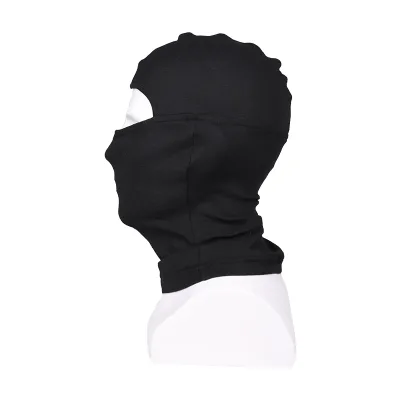
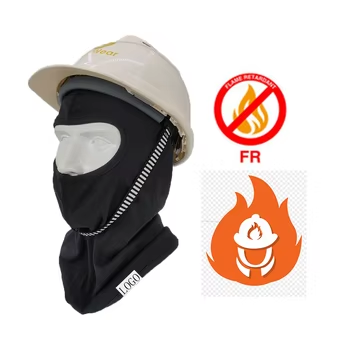
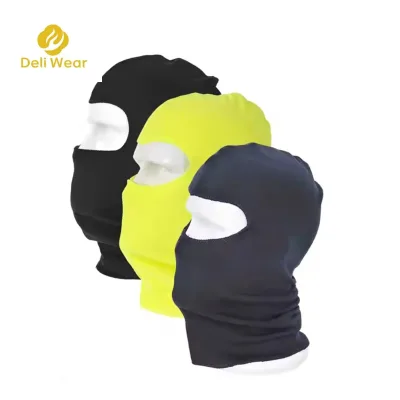
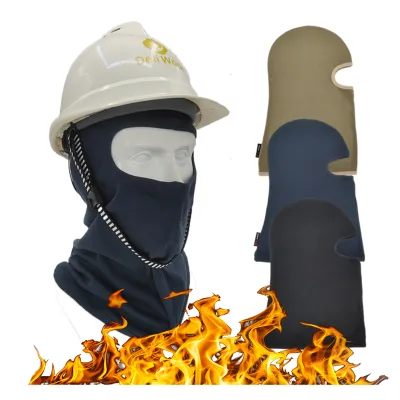
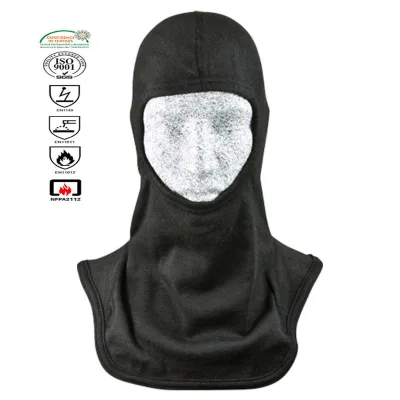
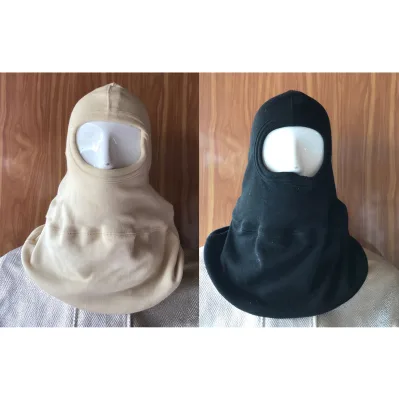
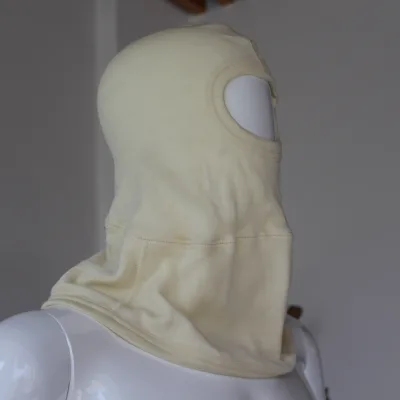
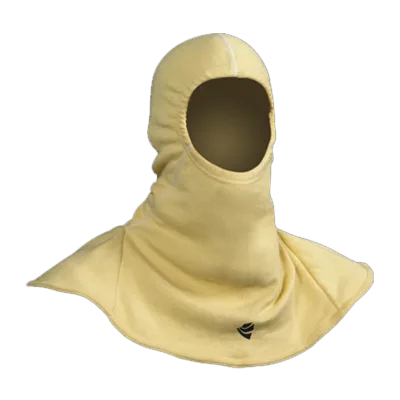
Nomex Fire Retardant Hood Fire Retardant Balaclava
$13.00 - $25.00
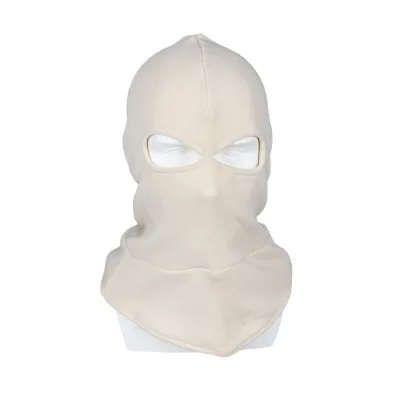
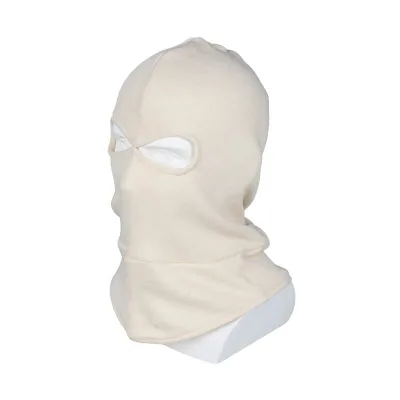
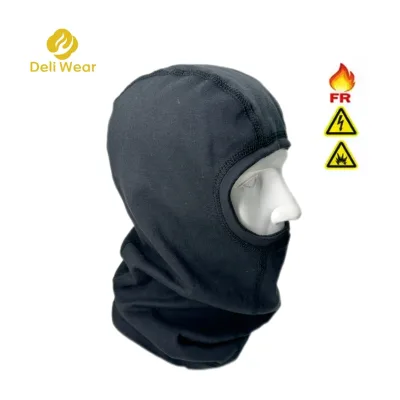
Nomex Hood Fire Resistant Knitted Balaclava
$13.00 - $25.00
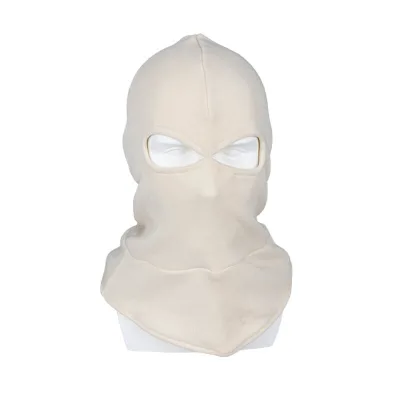
Fire Resistant Fireproof Balaclava Nomex Fire Retardant Hood
$13.00 - $18.00
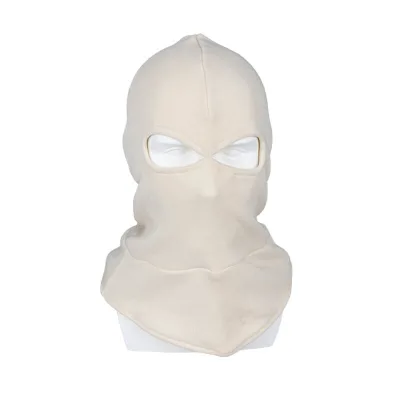
Fire Resistant Nomex Fabric Balaclava Hood
$13.00 - $25.00
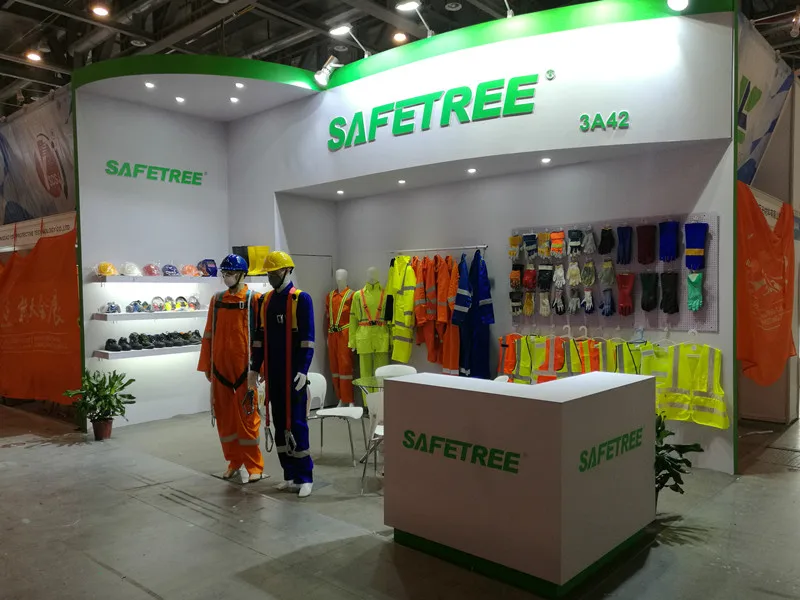
Zhejiang Safetree Industry Tech Co., Ltd.
- Trading Company
- Zhejiang, China
- Lead time35 days
- Avg. response≤ 8h
Main productsPPE & safety related products,safety helmet,safety glasses,safety gloves,safety shoes
Main marketsNorth America(20.00%), Western Europe(15.00%), Northern Europe(15.00%), Southern Europe(10.00%), Africa(10.00%), South America(10.00%), Oceania(5.00%), Eastern Europe(5.00%), Central America(2.50%), Mid East(2.50%), Eastern Asia(2.00%), South Asia(2.00%), Southeast Asia(1.00%)
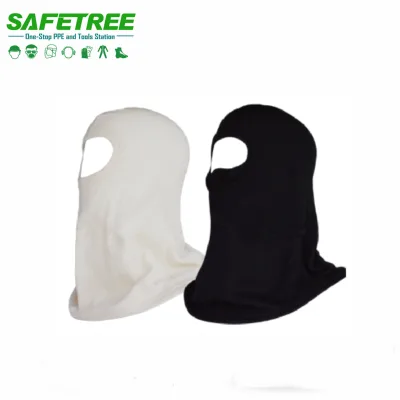
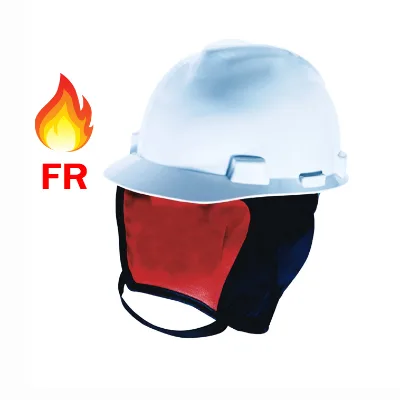
CE EN13911 & NFPA2112 Firefighting Balaclava Hood Fire Retardant Balaclava
$16.24 - $16.96
MOQ: 200 pieces
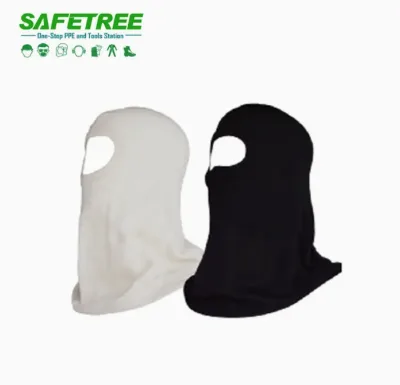
Safetree 200GSM Aramid Fiber Fire Retardant Balaclava Hood
$11.88 - $12.00

Xi'an Dunan Industry And Trade Co., Ltd.
- Manufacturer, Trading Company
- Shannxi, China
- Lead time30 days
- Avg. response≤ 2h
Main productsWorking Uniform/ Fire Resistant Coverall/ Fire Retardant Bib Overall/ FR Jeans/ FR Men Shirt,Lab Coat/ Multi Pockets Long Cargo Pants/ FR Winter Jacket/ FR Vest/ FR Short Cargo Pants/ FR Henly Shirt/ FR Coverall/ Fire Resistant Jacket/ Inherent FR Working Shirt/ Inherent FR Coverall,Personal Protective Equipment,Uniforms & Safety Clothing,Men's Clothing
Main marketsNorth America(30.00%), Domestic Market(20.00%), Mid East(11.00%), South America(10.00%), Southeast Asia(8.00%), Northern Europe(5.00%), Oceania(4.00%), Africa(3.00%), Eastern Europe(3.00%), Central America(2.00%), Western Europe(1.00%), South Asia(1.00%), Southern Europe(1.00%), Eastern Asia(1.00%)
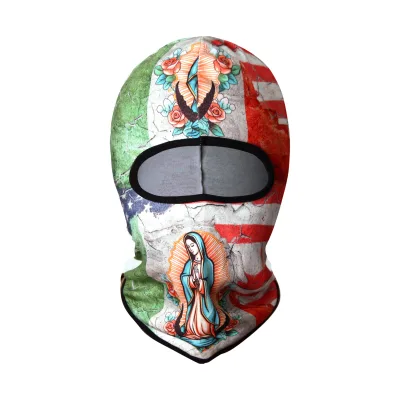
$4.35 - $4.76
MOQ: 500 pieces
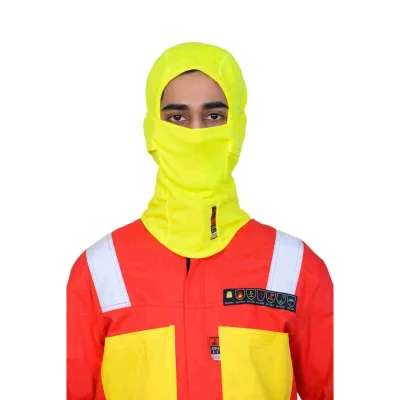
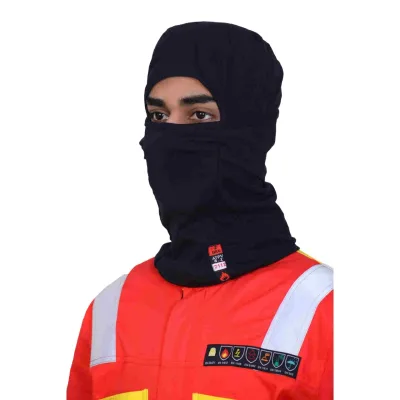
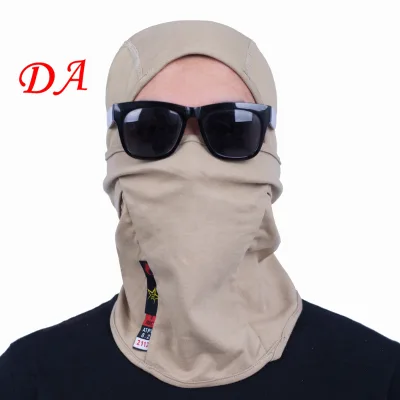
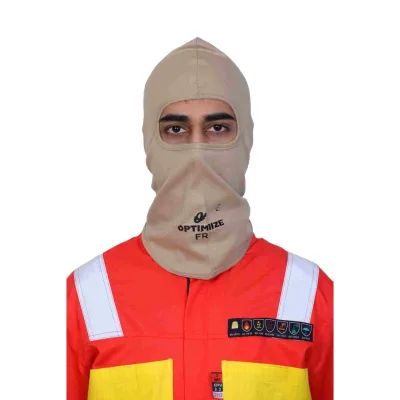
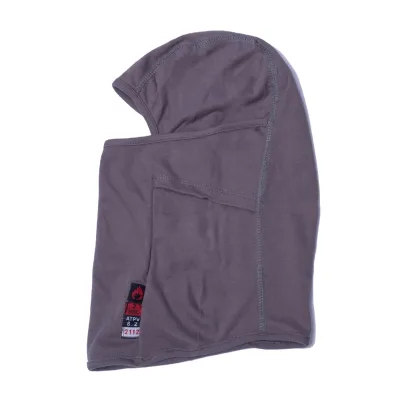

- Verified by CTI
- Trading Company
- China Anhui
- Lead time23 days
- Avg. response≤ 1h
Main productsFurniture, Home Furniture
Main marketsSoutheast Asia/ Mideast

- Verified by BV
- Trading Company,Manufacturer/Factory
- China Jiangsu
- Lead time23 days
- Avg. response≤ 6h
Main productsPPE, Work Wear, PVC Boots, Nitrile Gloves, Uniform, Safety Glassess, Coveralls, Scrub, Lab Coat, Safety Harness
Main marketsSouth America,Eastern Europe,Mid East,North America,Southeast Asia,Eastern Asia,Oceania,Western Europe,Africa

Top Quality Aramid Blend Knitted Fire Fighting Flame Retardant Balaclava
$11.99 - $14.99
MOQ: 100 Pieces


Fr Winter Cap Top Quality Aramid Blend Knitted Fire Fighting Flame Retardant Balaclava
$11.99 - $14.99
MOQ: 100 Pieces


Balaclava Outdoor Camouflage Polyester Hiking Camping Cycling Safety Face Mask
$0.99 - $1.20
MOQ: 100 Pieces

Yuemai Outdoor & Camping Co., Ltd.
- Manufacturer/Factory
- China Jiangsu
- Lead time90 days
- Avg. response≤ 6h
Main productsTactical Vest, Body Armor Vest, Military Backpack, Tactical Clothing, Police Equipment, Outdoor, Tactical Gears, Army Rainwears, Airsoft and Paintball Articles, Army Uniforms
Main marketsEastern Europe,Mid East,North America,Southeast Asia,Western Europe,Africa


Yuemai High Quality Winter Cold-Proof Knit Head Scarf Men's Outdoor Tactical Balaclava
$2.21 - $3.29
MOQ: 100 Pieces

Balaclava Outdoor Camouflage Polyester Hiking Camping Cycling Safety Tactical Hoods Face Mask
$1.98 - $4.58
MOQ: 2 Pieces

Henan Eastman Protection Technology Co., Ltd.
- Verified by TUVRHEINLAND
- Combined
- China Henan
- Lead time30 days
- Avg. response≤ 5h
Main productsFr Garments, Workwear, Anti Acid & Static, Scrubs, Trousers, Coverall, Working Clothes, Overall, Welding, Chaleco
Main marketsNorth America

Fr Flame Resistant Balaclava Face Mask Nfpa 2112 Cat 2 Hood for Welding
$4.20 - $4.50
MOQ: 1000 Pieces


Nfpa 2112 Certified Flame Resistant High Visibility Safety Vest Reflective Arc-Flash Protection
$14.80 - $18.80
MOQ: 1000 Pieces


Dongtai Chaowei Lifesaving Equipment Factory
- Verified by TüVRheinland
- Manufacturer, Trading Company
- Lead time20 days
- Avg. response≤ 2h
Main productsPositive Pressure Air Respirator, Gas Mask, Fireman Suit, Water Mist Fire Extinguishing System, Marine Lifesaving Products
Main marketsDomestic Market(35%), Western Europe(25%), North America(10%)
Henan Eastman Protection Technology Co., Ltd.
- Verified by Intertek
- Manufacturer, Trading Company
- Lead time30 days
- Avg. response≤ 4h
Main productsFR Coverall, FR Shirt, FR Jacket, FR Pants, FR Bib Pants
Main marketsNorth America(40%), South America(20%), Western Europe(20%)

Jiangsu Ankailong Fire Equipment Industrial Co., Ltd
- Verified by BV
- Combined
- China Jiangsu
- Lead time15 days
- Avg. response≤ 20h
Main productsFirefighting Clothing
Main marketsDomestic
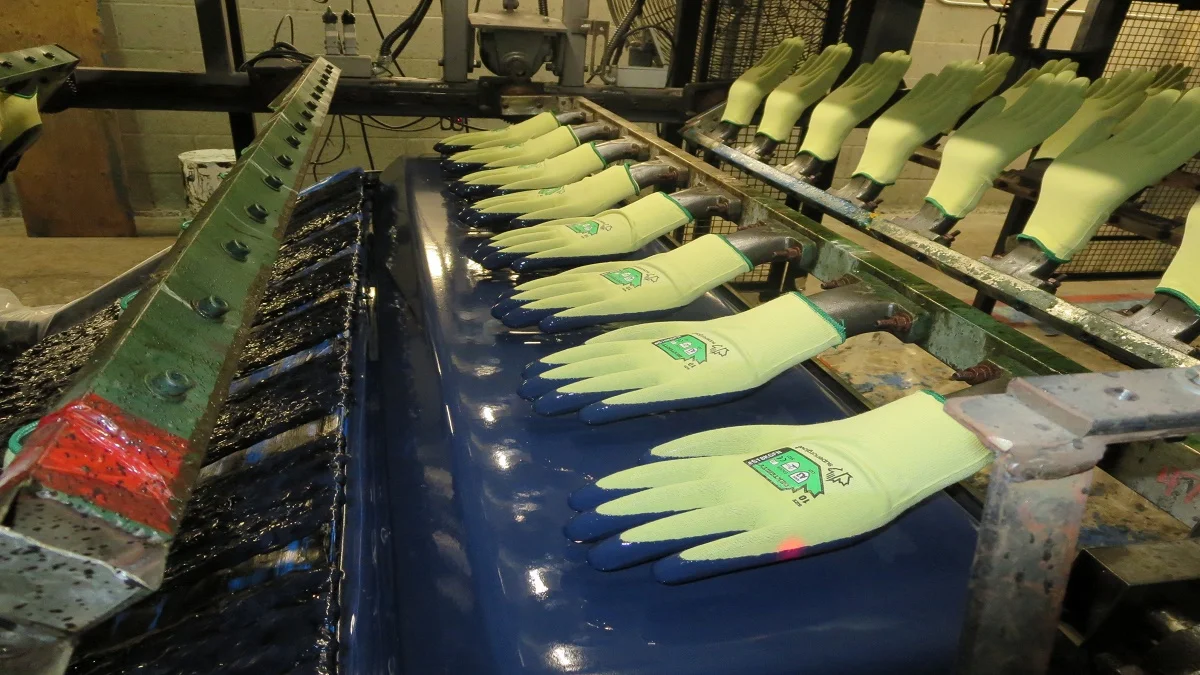
Hangzhou Weilin Enterprise Co., Ltd.
- Trading Company
- Zhejiang, China
- Lead time30 days
- Avg. response≤ 8h
Main productsSocks,Hat,Gloves,Scarf
Main marketsNorth America(30.00%), Southern Europe(10.00%), Northern Europe(10.00%), Western Europe(10.00%), Eastern Asia(10.00%), Mid East(10.00%), Eastern Europe(10.00%), South America(10.00%)
Wuhan Enze Textile Technology Co., Ltd
- Verified by TUVRHEINLAND
- Trading Company
- China Hubei
- Lead time15 days
- Avg. response≤ 8h
Main marketsOthers(foreignTradeCapacity.exportBusinessCapacityMarketOther)

Beijing Synergy Technology Co., Ltd.
- Verified by TUVRHEINLAND
- Trading Company
- China Beijing
- Lead time15 days
- Avg. response≤ 11h
Main productsFire Extinguisher, Fire Hose, Fire Hose Reel and Cabinet, Fire Fighting Equipment, Fire Sprinkler System, Fire Pump Set, Fire Suits, Fire Hose Fitting
Main marketsSouth America,Africa,Southeast Asia/ Mideast,Europe

Chibi Xiangyuan Special Fabric Co., Ltd.
- Verified by BV
- Trading Company,Manufacturer/Factory
- China Hubei
- Lead time23 days
- Avg. response≤ 10h
Main productsFlame Retardant Fabric, Antistatic Fabric, Acid & Alkali Resistant Fabric, Workwear Fabric, 100% Cotton Fabric, Fr Fabric, Textile, Function Fabric
Main marketsSouth America,Eastern Europe,Mid East,North America,Southeast Asia,Eastern Asia,Oceania,Western Europe,Africa
Qingdao Meikang Fireproof Technology Co., Ltd.
- Manufacturer, Trading Company
- Shandong, China
- Lead time15 days
- Avg. response≤ 3h
Main productsfire fighting suit,fireman gloves,Aluminum suit,Chemical protective suit,fireproof Fabric
Main marketsDomestic Market(68.00%), Eastern Asia(6.50%), South Asia(6.30%), Africa(3.30%), Western Europe(2.60%), Mid East(2.60%), Southeast Asia(2.50%), Eastern Europe(2.10%), South America(1.50%), North America(1.50%)

China Xinxing Shanghai Import and Export Co., Ltd.
- Verified by TUVRHEINLAND
- Trading Company
- China Shanghai
- Lead time15 days
- Avg. response≤ 3h
Main productsAnti-Riot Suit
Main marketsSouth America,Africa,Southeast Asia/ Mideast,Europe


Adjustable High Elastic Quick-Dry Polyester Camouflage Full Face Balaclava for Tactical Training
$1.50 - $1.88
MOQ: 1000 Pieces

Wuhan Corhunter Garment Co., Ltd.
- Verified by BV
- Combined
- China Hubei
- Lead time15 days
- Avg. response≤ 10h
Main productsUniform, Jacket, Shirt, Pants, Shorts, Boots, Gloves, Hat, Belt, Camouflage Uniform
Main marketsAfrica,Southeast Asia/ Mideast,North America
Ayon Safety (shanghai) Co., Ltd.
- Verified by SGS Group
- Manufacturer, Trading Company
- Lead time1 days
- Avg. response≤ 3h
Main productsSCBA SET, Gas Mask, PAPR SET, Firefighting Suit, Firefighting Helmet
Main marketsSouth America(30%), Southeast Asia(20%), Mid East(10%)
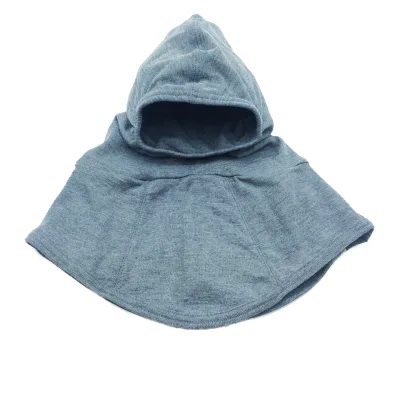
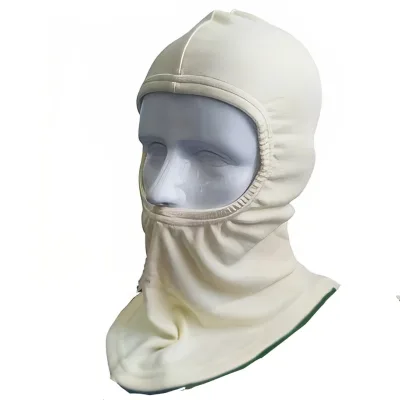
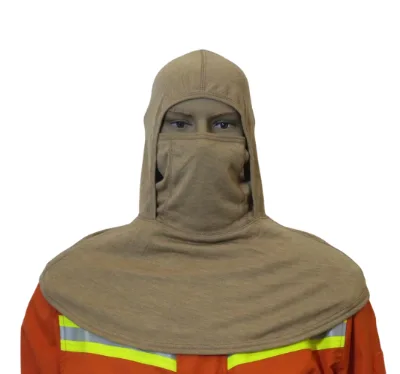
OEM Fire-Resistant Firefighter Balaclava with Extended Neck Guard for Comprehensive Head Protection
$23.46 - $25.50
MOQ: 2 units

NINGBO MERCE TECHNOLOGY CO., LTD.
- Verified by TUVRHEINLAND
- Trading Company,Manufacturer/Factory
- China Zhejiang
- Lead time23 days
- Avg. response≤ 4h
Main productsLifejacket, Floating Pontoon, Inflatable Fender, Lifebuoy, Pilot&Embarkation Ladder, Liferaft, Breathing Apparatus, Load Test Waterbag, Lifeline, Used Marine Appliance
Main marketsSouth America,Eastern Europe,Mid East,North America,Southeast Asia,Eastern Asia,Oceania,Western Europe,Africa

Nfpa 1971 Turnout Gear Fireman Flame Resistant Firefighting UL Fire Suit
$900.00 - $1200.00
MOQ: 1 Sets

Quzhou Anben Firefighting Equipment Co., Ltd.
- Verified by SGS Group
- Trading Company
- Lead time15 days
- Avg. response≤ 5h
Main productsFirefighter Suits, Firefighter Helmet, Firefighter Gloves, Fire Escape Mask, SCBA
Main marketsDomestic Market(30%), Mid East(20%), Southeast Asia(17%)

UNIQUE ROYAL INDUSTRIES LIMITED
- Trading Company
- China Jiangsu
- Lead time23 days
- Avg. response≤ 8h
Main productsPet Tennis Balls Pet Toys, Drink Ware Mugs Bottle Opener, Apparel and T Shirt Apron, Children Toys, Backpack Lunch Bag Tote Pouch, Lanyards Keychain Luggage Strap, Advertising Products, Caps Hats Sunglasses, Kitchen Ware Home Products, Promotional Products
Main marketsEurope,North America
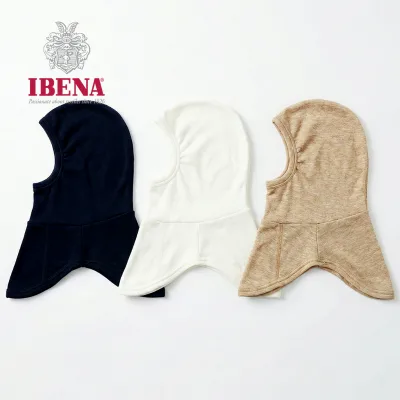
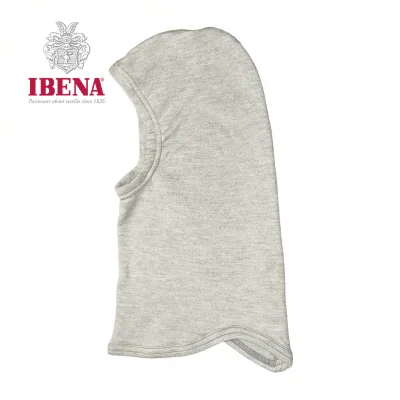
IBENA Shanghai Technical Textile Co., Ltd.
- Verified by TüVRheinland
- Manufacturer, Trading Company
- Shanghai, China
- Lead time60 days
- Avg. response≤ 4h
Main productsFlame Retardant And Protective Fabrics, Arc Resistant Fabric, Aramid Fabric, Functional Fabric, Modacrylic Fabric
Main marketsDomestic Market(60%), Western Europe(10%), Southeast Asia(6%)

- Verified by CTI
- Trading Company,Manufacturer/Factory
- China Henan
- Lead time30 days
- Avg. response≤ 7h
Main productsFr Fabric, Flame Retardant Fabric, Fire Retardant Fabric, Anti-Static Fabric, Water and Oil Repellent Fabric, Functional Fabric, Safety Garment, CVC Fabric, Fr Workwear, Flame Retardant Workwear
Main marketsSouth America,Eastern Europe,Mid East,North America,Southeast Asia,Eastern Asia,Oceania,Western Europe,Africa
No.one Safety (shanghai) Co., Ltd.
- Trading Company
- Shanghai, China
- Lead time0 days
- Avg. response≤ 3h
Main productsSCBA set for firefighting,SCBA set for industrial,SCBA set for Marine,SCBA spare parts,Safety Mask
Main marketsNorth America(50.00%)

- Verified by SGS
- Trading Company
- China Guangdong
- Lead time15 days
- Avg. response≤ 10h
Main productsConsumer Electronics, Car Accessories, Mini Thermal Printers, Garden Lights, Lawn Mower Accessories, Portable Speakers, Digital Camera, Mini Projectors
Main marketsOthers(foreignTradeCapacity.exportBusinessCapacityMarketOther),Europe

Qunature Winter Fleece Balaclava Ski Mask - Black / L (13230022 014-YPP101)
$3.72 - $4.11
MOQ: 2 Pieces

Qunature Winter Fleece Balaclava Ski Mask - Army Green / L (13230022 014-YPP101)
$3.72 - $4.11
MOQ: 2 Pieces

Xinxiang Xinke Protective Technology Co.,Ltd.
- Verified by BV
- Combined
- China Henan
- Lead time45 days
- Avg. response≤ 5h
Main productsWorkwear, Work Uniform, Work Clothes, Cargo Pants, Work Pants, Work Wear, Flame Resistant Coverall, Flame Resistant Clothes, Fire Retardant Fabric, Fr Shirt
Main marketsSouth America,Europe,North America

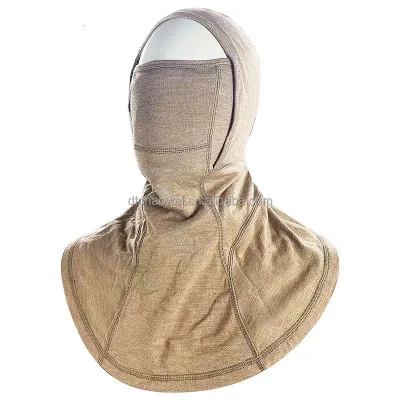
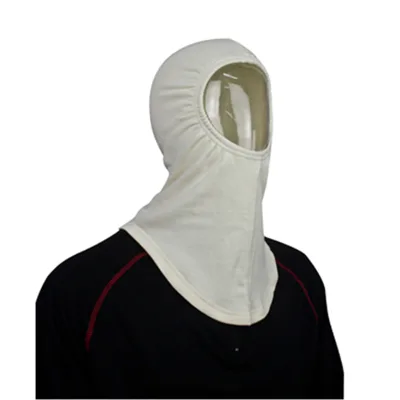
Fire Resistant Nfpa2112 Reflective Protective Workwear Industrial Coverall
$22.00 - $28.00
MOQ: 500 pieces

Industrial Breathable Fr Workwear Flame Resistant Frc Mechanic Welding Work Shirt
$14.50 - $16.80
MOQ: 500 pieces

Fire Resistant Anti Static Reflective Protective Workwear Industrial Maintenance Coverall
$22.00 - $28.00
MOQ: 500 pieces












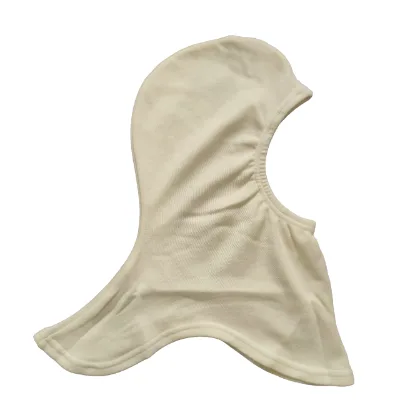
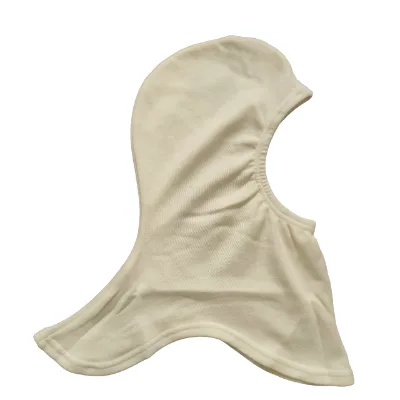
Comprehensive Sourcing Guide
NFPA 2112 Fire Retardant Balaclava Supplier Concentration and Factory Types
The current supplier landscape for NFPA 2112 Fire Retardant Balaclava shows a distinct concentration of manufacturing and trading entities within specific Chinese regions. Fact-based results indicate that a significant portion of verified suppliers operates out of Shanghai, China, while others are located in Zhejiang, China. These locations serve as primary hubs for the production of personal protective equipment, including flame-resistant clothing and fall protection series items. Buyers observing these results can identify that the supply chain is geographically clustered, which often implies established logistics networks and specialized labor pools for textile manufacturing. The presence of both manufacturers and trading companies in these regions suggests a diverse ecosystem where direct factory access and intermediary services coexist to meet varying order volumes.
Company types listed in the results include both direct manufacturers and trading companies, each offering different value propositions for procurement. Manufacturers in Shanghai and Zhejiang often highlight capabilities in customized on-demand processing, sample processing, and graphic processing, indicating flexibility in production. Trading companies, conversely, may aggregate products from multiple sources to offer a broader range of safety gear, such as safety helmets, glasses, and gloves alongside the core balaclava products. This distinction is critical for buyers who must decide between the direct control of a factory and the breadth of inventory provided by a trading firm. Understanding the specific company type helps in anticipating the depth of technical support and the potential for customization during the sourcing process.
How to Verify NFPA 2112 Fire Retardant Balaclava Suppliers
Verification of suppliers for NFPA 2112 Fire Retardant Balaclava requires a rigorous check of system certifications and third-party audit results to ensure compliance with international safety standards. The available data confirms that certain suppliers hold ISO45001, ISO14001, and ISO 9001 certifications, alongside CE and PPE Regulation (EU) 2016/425 compliance. These credentials are essential indicators of a supplier's commitment to occupational health, environmental management, and quality control systems. Buyers should prioritize suppliers who can provide valid documentation for these specific standards, as they directly correlate with the reliability of the fire-resistant materials used in the balaclavas. The presence of SGS Group verification on some profiles further adds a layer of credibility regarding the supplier's operational integrity and product consistency.
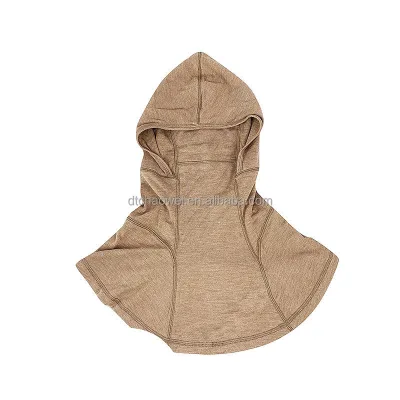
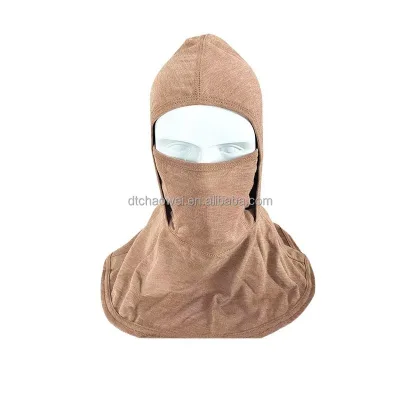
Beyond certifications, buyers must scrutinize the specific product attributes and material claims to verify the authenticity of the Nfpa 2112 designation. Product evidence shows materials such as Nomex Fabric and Aramid II, with specific technical details like 200g/m2 weight and knitted or non-slotted features. It is vital to confirm that the listed material composition matches the required fire resistance properties for the intended application, whether in oil and gas or firefighting scenarios. Buyers should request test reports that explicitly reference NFPA 2112 standards rather than relying solely on general product descriptions. Verifying the brand names and model numbers against the supplier's catalog ensures that the specific fire retardant technology, such as the Nomex fire retardant hood, is genuine and meets the necessary safety thresholds for industrial use.
What to Compare Across NFPA 2112 Fire Retardant Balaclava Suppliers
When evaluating multiple suppliers, buyers should systematically compare lead times, response speeds, and minimum order quantities to align with their operational needs. The observed data reveals that lead times can vary, with some suppliers indicating a standard window of 35 days for orders under 300 units, while larger volumes require negotiation. Response times are also a key metric, with some suppliers demonstrating a five-day response window and others taking up to eight days. These differences can significantly impact project timelines, especially for urgent procurement needs in safety-critical industries. Buyers must weigh the trade-off between faster response times and potentially higher costs or stricter minimum order requirements when selecting a partner.
Price structures and material specifications provide another critical dimension for comparison across the supplier base. Product listings show price ranges starting from 13.00 up to 25.00 per unit, depending on the specific model and material composition. Some suppliers offer products with specific attributes like Level D hazard protection or specific color options such as black and white, which may influence the final cost. Additionally, the minimum order quantity for certain items, such as 200 pieces for specific firefighting balaclavas, must be factored into the budget planning. Buyers should analyze these commercial terms alongside the technical specifications to determine the most cost-effective solution that meets their volume requirements without compromising on the essential fire-resistant properties of the gear.
Common NFPA 2112 Fire Retardant Balaclava Sourcing Risks
One significant risk in sourcing NFPA 2112 Fire Retardant Balaclava involves the potential mismatch between claimed certifications and actual product performance. While suppliers may list ISO and CE certifications, there is a risk that the specific batch of balaclavas does not undergo the rigorous testing required for NFPA 2112 compliance. Buyers must be cautious of generic claims and ensure that the product evidence, such as the specific model numbers and material tags, aligns with the certified standards. The absence of explicit test results for every batch can lead to the procurement of gear that fails to provide the necessary protection in high-risk environments like oil and gas or firefighting operations.
Another risk pertains to the variability in lead times and the potential for supply chain disruptions during peak seasons. The data indicates that lead times for orders exceeding 300 units are "To be negotiated," which introduces uncertainty into the procurement schedule. If a buyer relies on a supplier without a confirmed production slot, they may face delays that could leave their workforce unprotected. Furthermore, the reliance on trading companies rather than direct manufacturers might obscure the true source of the materials, making it harder to trace quality issues back to the production line. Buyers should mitigate these risks by establishing clear communication channels and requesting detailed production schedules before finalizing any purchase agreements.
NFPA 2112 Fire Retardant Balaclava Regional Sourcing and Logistics
Sourcing from the identified regions of Shanghai and Zhejiang offers logistical advantages due to their status as established manufacturing hubs for personal protective equipment. Suppliers in these locations often have access to specialized ports and freight networks that facilitate efficient export of safety gear. The concentration of manufacturers in these areas suggests a mature supply chain capable of handling both small sample orders and large-scale production runs. Buyers should consider the proximity of these factories to major shipping routes when calculating total landed costs, as regional logistics efficiency can significantly impact delivery speed and reliability. The presence of multiple suppliers in these clusters also provides options for competitive bidding and risk diversification.
However, buyers must also account for the specific shipping requirements associated with protective clothing, which may involve special packaging to prevent damage during transit. Product evidence indicates single package sizes of 50x40x5 cm and gross weights around 0.7 kg per unit, which are standard dimensions for individual balaclava shipments. When consolidating orders from multiple suppliers in Shanghai or Zhejiang, buyers should verify if the suppliers can coordinate packaging to optimize container space and reduce freight costs. Additionally, the origin of the goods, whether from Shanghai or Zhejiang, may influence customs clearance procedures depending on the destination country's regulations. Understanding these regional logistics nuances helps in planning a smoother import process and avoiding unexpected delays at the border.
NFPA 2112 Fire Retardant Balaclava Commercial Terms and Order Planning
Commercial terms for NFPA 2112 Fire Retardant Balaclava often include specific minimum order quantities and negotiated lead times for larger volumes. The data shows that some suppliers enforce a minimum order of 200 pieces for certain models, while others may offer more flexible terms for smaller quantities. Buyers must carefully review these thresholds to ensure their order volume aligns with the supplier's requirements, as failing to meet the MOQ can result in order rejection or higher per-unit costs. Additionally, the lead time for orders exceeding 300 units is subject to negotiation, meaning that buyers should initiate discussions early to secure a production slot that fits their project timeline.
Payment and delivery terms are also critical components of the order planning process that require detailed verification. While specific payment methods are not explicitly detailed in the provided facts, the presence of escrow services and verified supplier statuses suggests that secure transaction mechanisms are available. Buyers should confirm the availability of escrow protection to safeguard their funds until the goods are delivered and meet the specified quality standards. Furthermore, the single package size and weight data provided can help in estimating shipping costs and planning warehouse storage upon arrival. By integrating these commercial details into their procurement strategy, buyers can ensure a transparent and efficient ordering process that minimizes financial and operational risks.
FAQs
What certifications do these balaclavas hold?
Suppliers offer ISO45001, ISO14001, ISO 9001, CE, and PPE Regulation EU 2016/425 certifications. Some products specifically meet NFPA2112 and EN13912 standards for fire protection. Verify specific product certificates before ordering to ensure compliance with your regional safety regulations.
What is the typical lead time for orders?
Lead times generally range from 35 days for orders under 300 units during peak or off-peak seasons. For quantities exceeding 300 units, the delivery schedule is usually negotiated directly with the supplier. Confirm exact timelines based on your specific order volume and production schedule.
Where are these manufacturers located?
Manufacturers and trading companies are located in Shanghai and Zhejiang, China. Products originate from these regions with specific attributes like Nomex fabric or Aramid II materials. Buyers should verify the exact place of origin listed on product pages to ensure it matches their sourcing requirements.
What materials are used for fire resistance?
Common materials include 100% Nomex fabric, Aramid II, and FR fabric designed for anti-static and fire-proof functions. Some products specify a weight of 200g/m2 for enhanced protection. Check product attributes to confirm the specific material composition and technical specifications for your application.
What is the minimum order quantity required?
Some suppliers list a minimum order quantity of 200 pieces for specific fire retardant balaclava models. Other listings may not specify a strict MOQ in the general description. Always check the specific product page for the exact minimum order quantity before initiating a purchase request.
How quickly do suppliers respond to inquiries?
Response times vary, with some suppliers indicating a five-day response window and others showing eight days. Faster response times may depend on the specific supplier type, such as manufacturers versus trading companies. Contact suppliers directly to confirm their current availability and expected reply speed.
Are customized options available for these products?
Some suppliers offer customized on-demand services, sample processing, and graphic processing capabilities. However, specific product listings may indicate that customization is not available for certain models. Review the customizable attribute on each product page to determine if your specific design needs can be met.