Triple Ball Boxwood Topiary Tree Suppliers and Manufacturers
Source the Triple Ball Boxwood Topiary Tree from 26 verified manufacturers in Guangdong and Jiangsu, China. Compare grounded dimensions including ISO 9001 certification, response times, and pricing to identify suitable partners. Review product specifications and request quotes directly; review the available evidence before requesting comparable quotations from suitable candidates.
Suppliers List
- Manufacturer
- Guangdong, China
- Lead time15 days
- Avg. response≤ 3h
Main productsARTIFICIAL TREE,ARTIFICIAL PLANT,PLANTER,TOPIARY HEDGE,GREENERY WALL
Main marketsNorth America(28.000000000000004%), South America(25.0%), Oceania(15.0%), Eastern Europe(10.0%), Mid East(5.0%), South Asia(2.0%), Domestic Market(2.0%), Northern Europe(2.0%), Central America(2.0%), Western Europe(2.0%), Eastern Asia(2.0%), Africa(2.0%), Southeast Asia(2.0%), Southern Europe(1.0%)
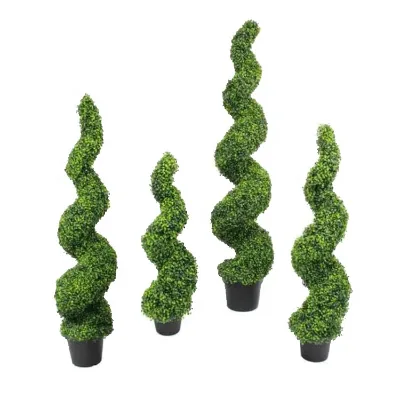
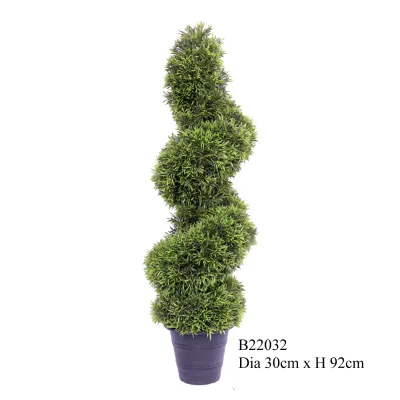
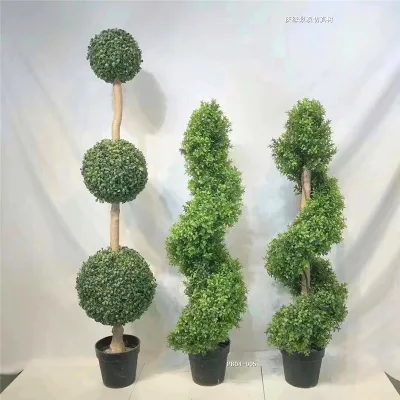
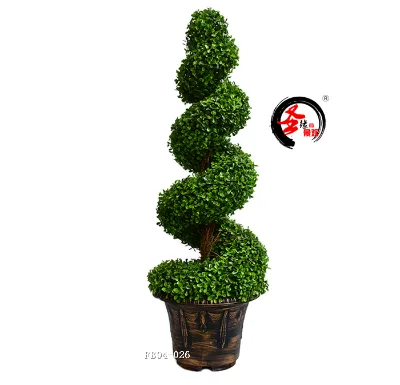
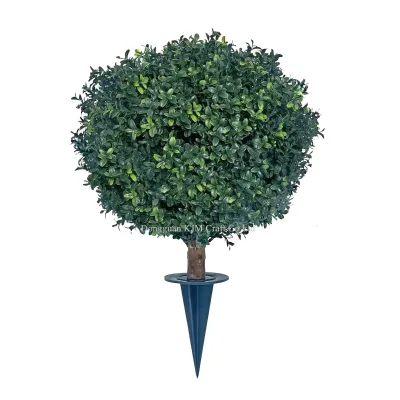
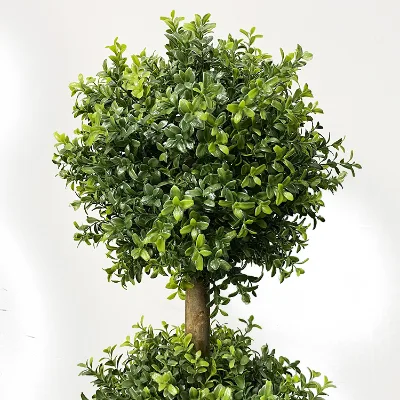
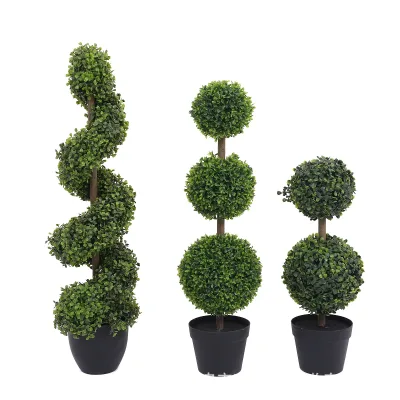
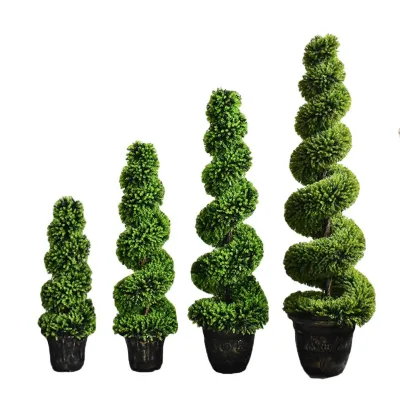
Simulation Tree Topiary Spiral Boxwood Bonsai Trees Artificial Outdoor Topiary Trees
$35.10 - $38.50
Moq: 10
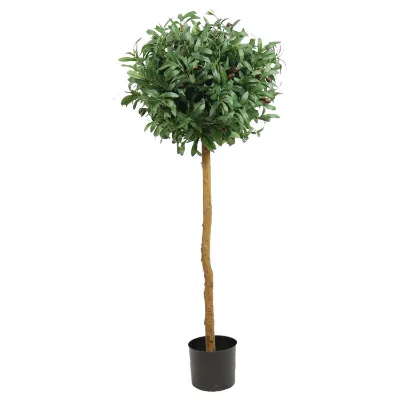
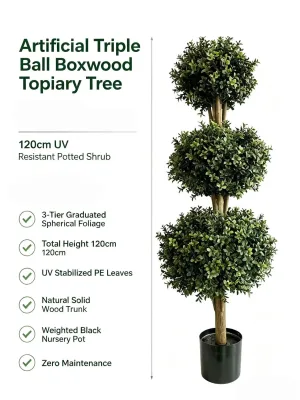
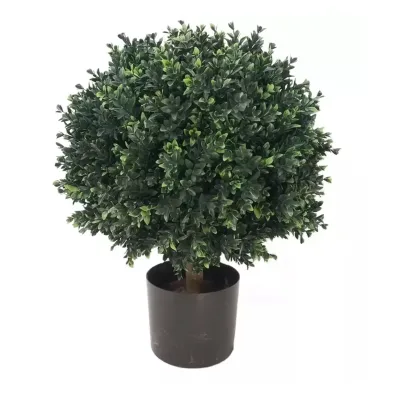
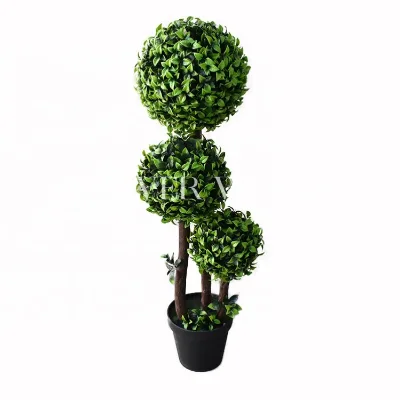
Boxwood Topiary Ball Potted Olive Tree High Simulation Plants Artificial Bonsai Tree
$47.80 - $55.60
Moq: 5
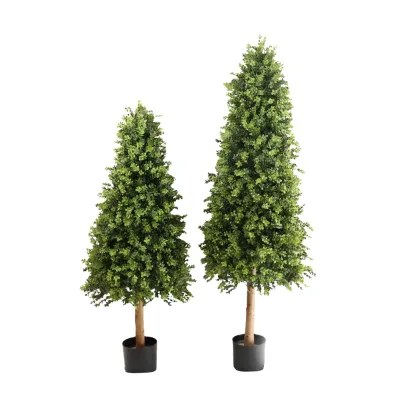
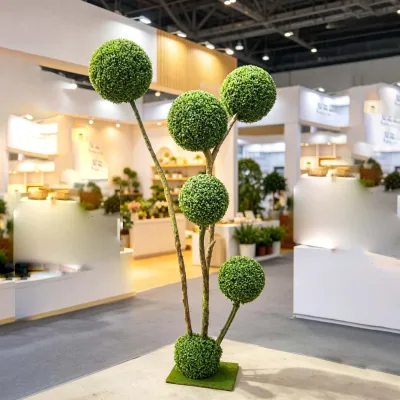
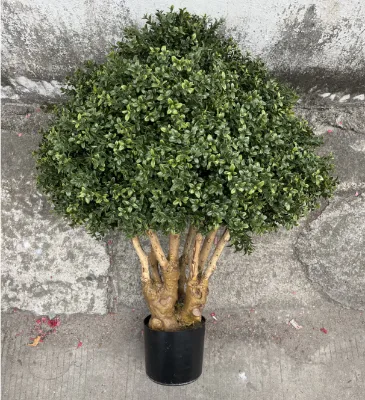
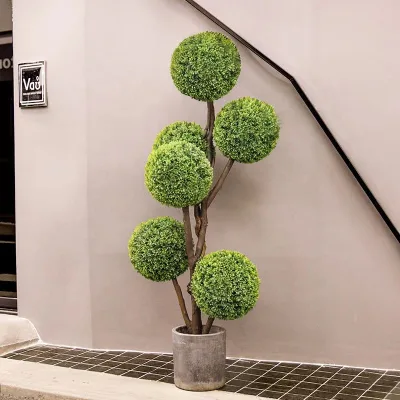
Home Garden Decoration Artificial Boxwood Tree Wholesale Outdoor Topiary Bonsai Tree
$155.00 - $182.00
Moq: 10

- Manufacturer/Factory
- China Jiangsu
- Lead time15 days
- Avg. response≤ 23h
Main productsArtificial Vertical Garden, Artificial Wall Garden, Green Hedge, Artificial Boxwood Hedge, Artificial Plant Wall, Artificial Grass, Artificial Plant Potted, Artificial Plant Framed, Preserved Product, Artificial Moss
Main marketsSouth America,Eastern Europe,Mid East,North America,Southeast Asia,Eastern Asia,Oceania,Western Europe,Africa

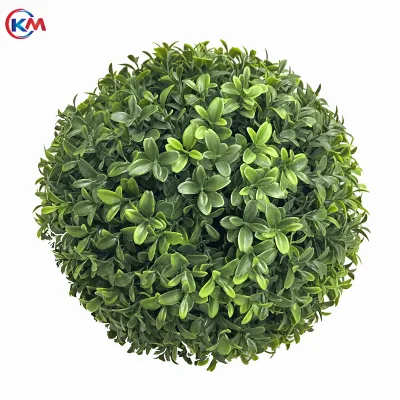
Artificial Topiary Grass Garden Synthetic Grass Ball Boxwood Trees for Decoration
$1.72 - $14.89
Moq: 50

New Design Artificial Decorative Boxwood Balls Artificial Topiary Ball Tree for Decoration
$20.27 - $21.28
Moq: 200

New Design Artificial Decorative Boxwood Balls Artificial Topiary Ball Tree with Pot
$12.09 - $13.75
Moq: 50


Ningbo Hugeleaf Gardening Products Co., Ltd.
- Verified by TüVRheinland
- Trading Company
- Lead time35 days
- Avg. response≤ 3h
Main productsGarden Tools, Plastic Products, Garden Decoration, Pet Product, Outdoor Products
Main marketsNorth America(30%), Western Europe(30%), South America(5%)
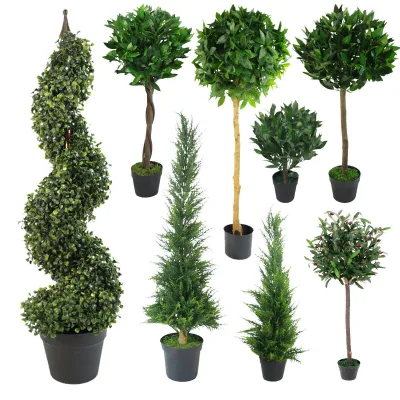
Outdoor Artificial Boxwood Ball Topiary UV Resistant Artificial Topiary Tree for Porch/Garden
$14.90 - $15.90
Moq: 1000
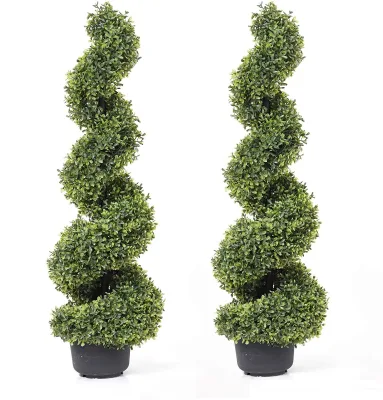
Hebei Ailan Artificial Plant Co., Ltd.
- Trading Company
- Hebei, China
- Lead time0 days
- Avg. response≤ 1h
Main productsartificial plants,artificial flowers
Main marketsNorth America(60.0%), Eastern Europe(20.0%), Eastern Asia(10.0%), South Asia(5.0%), Mid East(5.0%)
DG KANG HONG MEI CRAFTS CO., LTD.
- Verified by TüVRheinland
- Manufacturer, Trading Company
- Guangdong, China
- Lead time15 days
Main productsArtificial Tree, Artificial Flower, Faux Outdoor Greenery, Artificial Plant
Main marketsNorth America(20%), South America(15%), Southeast Asia(10%)
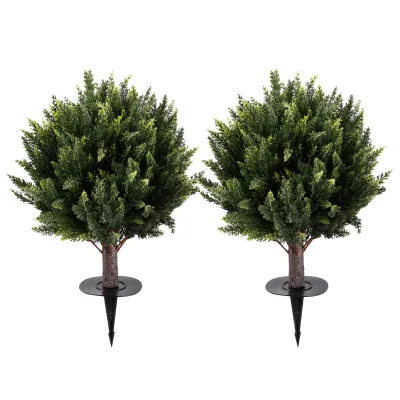
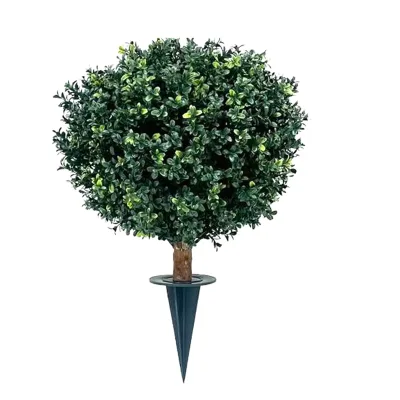
27 Inch Green Boxwood Artificial Plant Outdoor Bonsai Grass Topiary Ball Trees
$11.80 - $12.80
Moq: 100

Suzhou Lixiang Pai Technology Co., Ltd.
- Verified by SGS
- Trading Company
- China Jiangsu
- Lead time15 days
- Avg. response≤ 4h
Main productsArtificial Plants, Artificial Flowers, Home Decorations, Christmas Tree, Faux Flower, Artificial Green Plants, Plastic Flowers, Christmas Decorations, Wedding Decoration, Artificial Tree
Main marketsDomestic
Shaanxi Longstar New Material Technology Co., Ltd.
- Verified by Intertek
- Manufacturer, Trading Company
- Lead time10 days
- Avg. response≤ 9h
Main productsGrass Wall, Onion Grass, Artificial Plant, Pot , Succulent
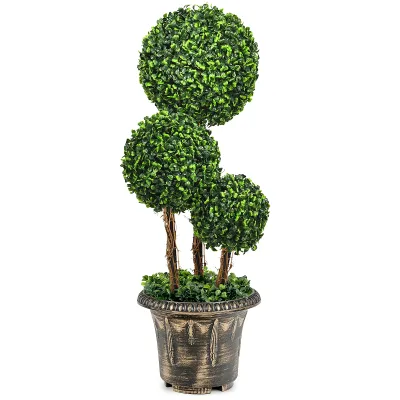
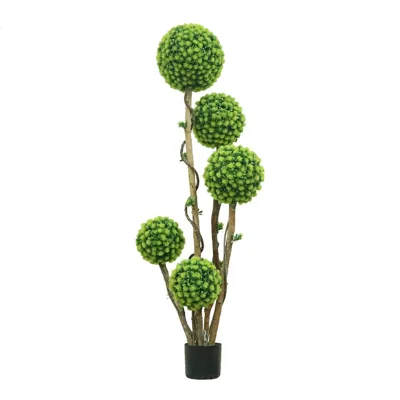
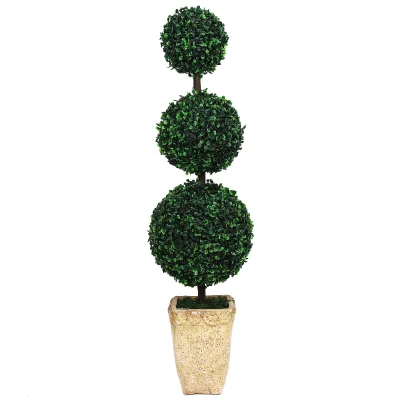
L Indoor Outdoor UV Resistant Artificial Green Boxwood Topiary Ball Plant Tree
$34.50 - $35.30
Moq: 10
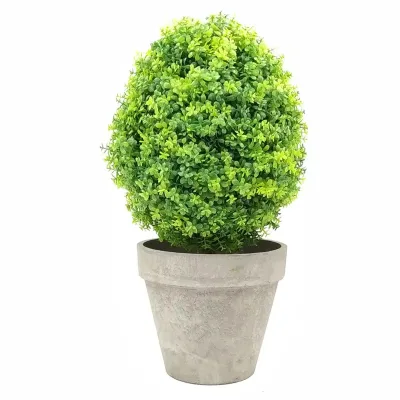
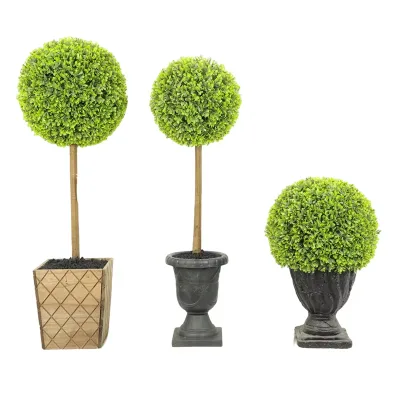
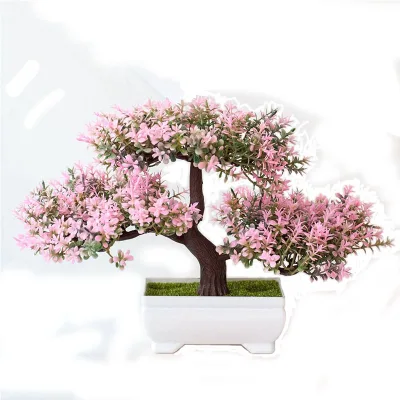
Guangzhou Qingyuan Landscape Garden Design Co., Ltd.
- Trading Company
- Guangdong, China
- Lead time15 days
- Avg. response≤ 4h
Main productsartificial trees,artificial palm tree,artificial cherry blossom tree,The artificial peach trees,Guangzhou Shengjie Artificial Plant
Main marketsMid East(20.0%), Eastern Europe(10.0%), Southeast Asia(8.0%), Southern Europe(2.0%)

Fuzhou Liandesheng Trading Co., Ltd
- Verified by TUVRHEINLAND
- Manufacturer/Factory
- China Fujian
- Lead time23 days
- Avg. response≤ 6h
Main productsHome Decor, Garden Decor, Metal Truck Decor, Metal Planter, Wall Drcoration, Artificial Flowers, Metal Bookends, Metal Candlestick Holder, Garden Ornament, Art Sculpture
Main marketsSouth America,Eastern Europe,Mid East,North America,Western Europe

Hebei Zhuochu Commerce Co., Ltd.
- Verified by TUVRHEINLAND
- Trading Company,Manufacturer/Factory
- China Hebei
- Lead time15 days
- Avg. response≤ 7h
Main productsArtigicial Grass, Artificial Plant Wall, Artificial Trees, Artificial Balls, Artificial Fence, Hanging Plants, Synthetic Grass, Artificial IVY Hedge, Artificial Turf, Artificial Vertical Garden
Main marketsSouth America,Eastern Europe,Mid East,North America,Southeast Asia,Eastern Asia,Oceania,Western Europe,Africa

Guangdong Senbo Arts & Crafts Co., Ltd
- Verified by BV
- Combined
- China Guangdong
- Lead time23 days
- Avg. response≤ 7h
Main productsArtifiical Plant, Faux Tree, Artificial Bonsai, Artificial Palm, Bonsai Tree, Artificial Trees, Artificial Olive Tree, Decorative Tree, Faux Plant, Fake Trees
Main marketsSouth America,Southeast Asia/ Mideast,East Asia(Japan/ South Korea),Europe

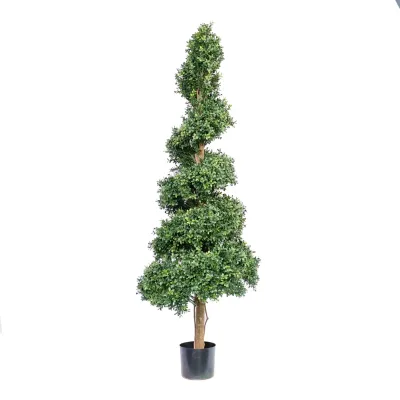
Wholesale Artificial Boxwood Three Ball Green Spiral Trees Potted Plants Topiary Trees
$24.54 - $33.50
Moq: 40

Wholesale Artificial Boxwood 1-3 Ball Green Spiral Trees Potted Plants Topiary Trees
$6.42 - $21.80
Moq: 40

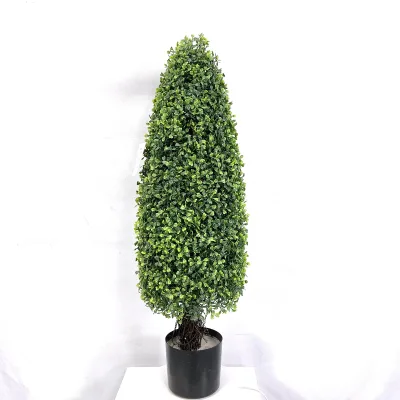
Factory Custom Boxwood Tower Topiary Boxwood Tree for Indoor Outdoor Decoration
$20.45 - $21.00
Moq: 40

Cangzhou Guangsu E-COMMERCE Co., Ltd.
- Trading Company,Manufacturer/Factory
- China Hebei
- Lead time23 days
- Avg. response≤ 5h
Main productsArtifical Lawn, Artificial Grass, Synthetic Grass, Artificial Turf, Synthetic Lawn, Football Grass, Garden Grass, Forged Coupler, Landscaping Artificial Grass, Synthetic Artificial Grass
Main marketsSouth America,Eastern Europe,Mid East,North America,Southeast Asia,Eastern Asia,Oceania,Western Europe,Africa

Guangzhou Junpeng Artificial Craft Company Limited
- Verified by SGS
- Trading Company
- China Guangdong
- Lead time15 days
- Avg. response≤ 2h
Main productsArtificial Flower Wall, Artificial Palm Trees, Artificial Banyan Trees, Artificial Grass Wall, Artificial Olive Tree, Artificial Olive Bonsai, Artificial Flowers, Artificial Potted Plant, Artificial Cherry Tree, Artificial Fruit Tree
Main marketsSoutheast Asia/ Mideast,Europe,Australia,North America

New Pot Plants Faux Topiary Artificial Outdoor Boxwood Topiary Potted Ball Plants
$22.00 - $68.00
Moq: 6


Guangzhou Haihong Arts & Crafts Factory
- Verified by Intertek
- Manufacturer, Trading Company
- Lead time15 days
- Avg. response≤ 5h
Main productsArtificial Plants, Artificial Trees, Artificial Foliage & Branch, Garden Landscaping, Luminous Plants And Animals
Main marketsMid East(40%), North America(15%), Eastern Europe(15%)

- Combined
- China Guangdong
- Lead time45 days
- Avg. response≤ 1h
Main productsResin Craft, Baby Doll, Christmas Tree, Christmas Wreath, Christmas Garland, Christmas Decoration, Artificial Flower, Artificial Plant, Artificial Tree, Christmas Ornaments
Main marketsSouth America,Europe,North America

Zhejiang Xingu New Material Technology Co., Ltd
- Verified by TUVRHEINLAND
- Combined
- China Zhejiang
- Lead time15 days
- Avg. response≤ 6h
Main productsArtificial Landscape Grass, Artificial Football Grass, Artificial Sport Grass, Premium Green Wall, Green Wall, Willow Trellis Fence, PVC Trellis Fence, Arificial Fence
Main marketsDomestic


Xingu Boxwood Topiary Plant Artificial Boxwood Ball Artificial Grass Ball Decoration
$15.00 - $20.00
Moq: 20

Premium UV Resistant Artificial Foliage Boxwood Topiary Plant Artificial Boxwood Ball
$15.00 - $20.00
Moq: 20


Customized Different Size Decoration Artificial Plants Artificial Boxwood Ball
$15.00 - $20.00
Moq: 20
- Manufacturer, Trading Company
- Guangdong, China
- Lead time45 days
- Avg. response≤ 4h
Main productsArtificial Trees,Artificial Plants,Artificial Foliage & Branch,Artificial Moss
Main marketsNorth America(45.0%), Northern Europe(10.0%), Western Europe(10.0%), Mid East(10.0%), South America(10.0%), Africa(5.0%), Southeast Asia(5.0%), Eastern Europe(5.0%)
Guangzhou Chicostar Technology Co., Ltd.
- Verified by Intertek
- Manufacturer, Trading Company
- Lead time30 days
- Avg. response≤ 4h
Main productsArtificial Tree, Artificial Plants, Artificial Green Wall, Artificial Flower Wall, Artificial Blossom Tree
Main marketsNorth America(50%), Mid East(10%), Western Europe(8%)
A-Life Arts & Crafts (Dongguan) Co., Ltd.
- Manufacturer, Trading Company
- Guangdong, China
- Lead time35 days
- Avg. response≤ 10h
Main productsArtificial Plants ( Artificial Bamboo Tree,Artificial Fiddle Tree,Artificial Ficus Tree,Artificial Palm Tree ),artificial banana
Main marketsNorth America(56.00000000000001%), Northern Europe(12.0%), Western Europe(12.0%), Eastern Europe(8.0%), Southern Europe(4.0%), Southeast Asia(4.0%), Mid East(4.0%)
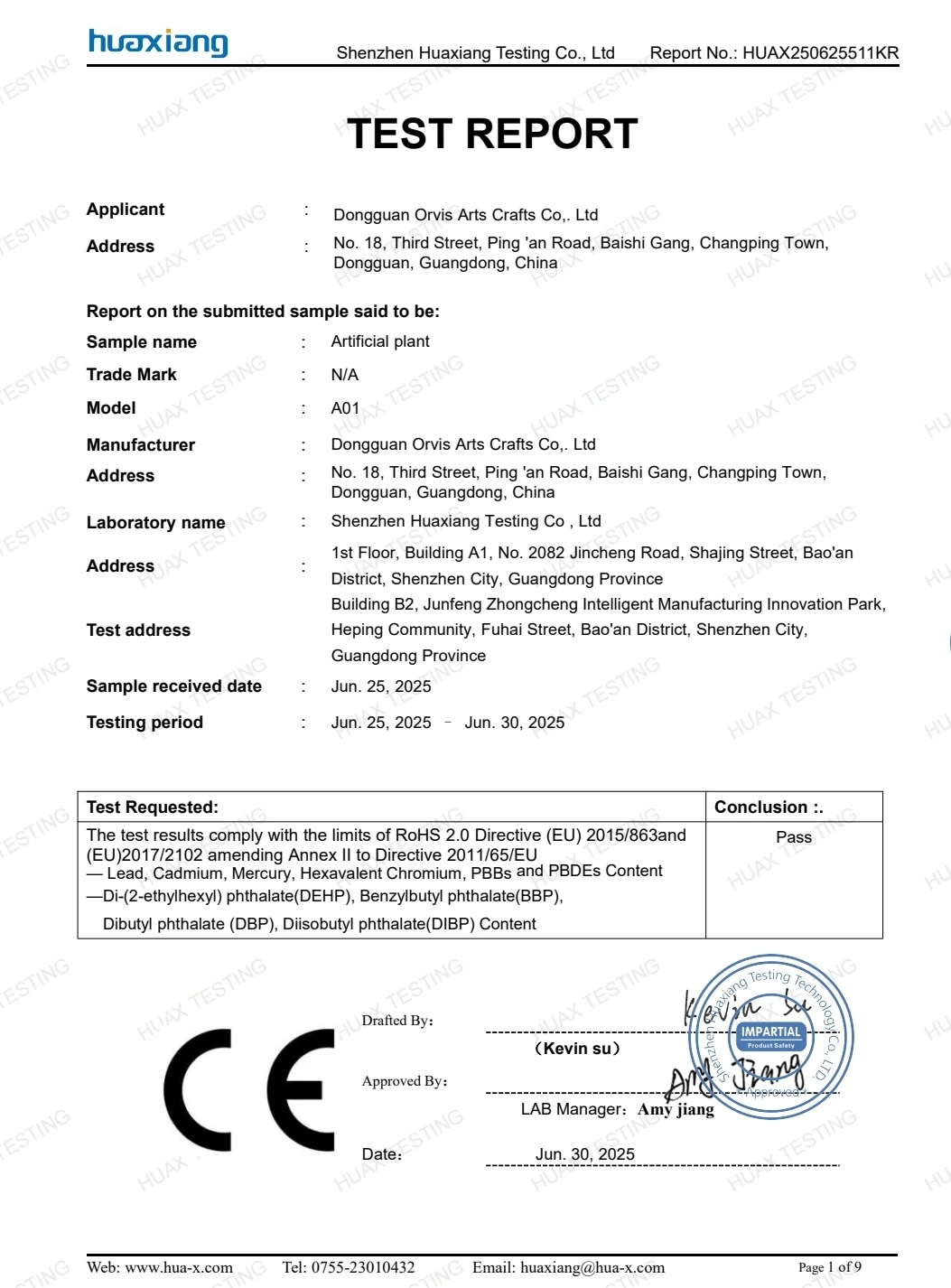
Dongguan Orvis Art Craft Co., Ltd.
- Manufacturer, Trading Company
- Guangdong, China
- Lead time15 days
- Avg. response≤ 2h
Main productsartificial plants,artificial trees,wedding decor,plastic plant,artificial flowers
Main marketsSouth Asia(20.0%), North America(10.0%), Northern Europe(10.0%), Central America(10.0%), Eastern Asia(10.0%), Mid East(10.0%), Africa(10.0%), Southeast Asia(10.0%), South America(10.0%)
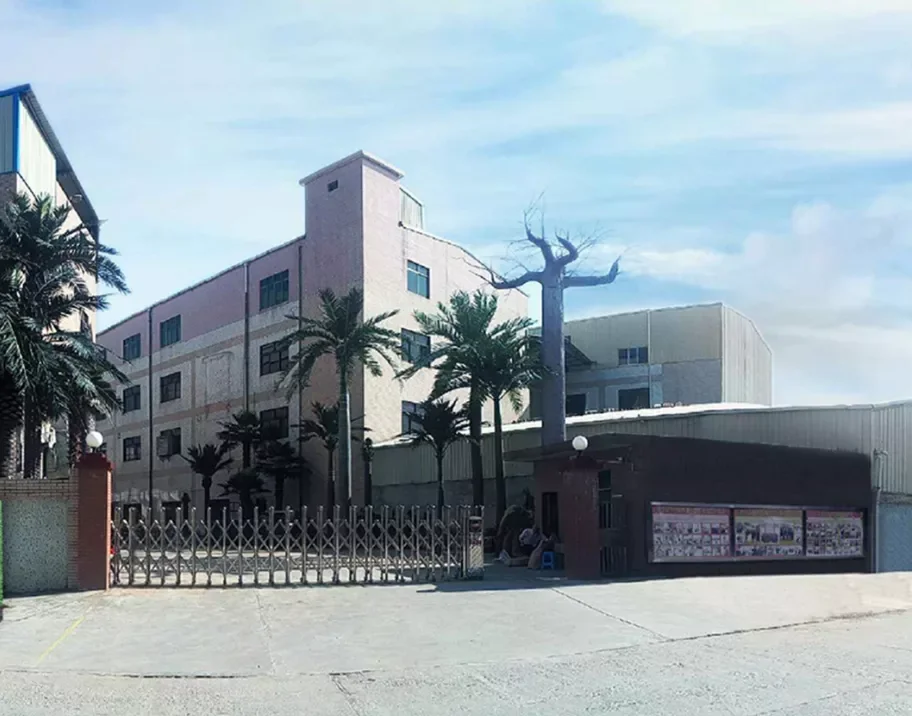
Dongguan Hongjing Artificial Plant Co., Ltd.
- Manufacturer, Trading Company
- Guangdong, China
- Lead time30 days
- Avg. response≤ 1h
Main productsartificial plants,artificial trees,artificial flowers,artificial leaves and branches,artificial grass
Main marketsWestern Europe(25.0%), North America(25.0%), Mid East(10.0%), South America(7.000000000000001%), Eastern Asia(6.0%), Africa(6.0%), Oceania(5.0%), Domestic Market(5.0%), Eastern Europe(3.0%), Southeast Asia(3.0%), Northern Europe(2.0%), Central America(1.0%), South Asia(1.0%), Southern Europe(1.0%)

Nanjing Dongyu Home Arts and Crafts Co., Ltd
- Trading Company
- China Jiangsu
- Lead time0 days
- Avg. response≤ 7h
Hebei LMD International Trade Co., Ltd.
- Trading Company
- Hebei, China
- Lead time0 days
- Avg. response≤ 2h
Main productsArtificial Grass,Artificial Flowers,Artificial Plants
Main marketsEastern Asia(100.0%), Domestic Market(100.0%), Southern Europe(100.0%), Africa(100.0%), South Asia(100.0%), Central America(100.0%), Northern Europe(100.0%), Western Europe(100.0%), North America(50.0%), Eastern Europe(20.0%), Oceania(10.0%), South America(10.0%), Mid East(5.0%), Southeast Asia(5.0%)

- Manufacturer/Factory
- China Zhejiang
- Lead time23 days
- Avg. response≤ 4h
Main productsSolar Garden Lights, Solar Security Lights, Solar Mosquito Lamp, Solar Grave Lights, Solar Fairy Lights, Mosquito Zapper, Solar Decorative Lanterns, Cemetery Lanterns, Solar Holiday Lights, Solar Street Lights
Main marketsSouth America,Eastern Europe,Mid East,North America,Southeast Asia,Eastern Asia,Oceania,Western Europe,Africa
Shenzhen Flower World Flower Gifts Co., Ltd.
- Verified by Intertek
- Trading Company
- Lead time15 days
- Avg. response≤ 3h
Main productsArtificial Trees, Artificial Flowers, Artificial Plant, Wedding Lights, Flower Foam
Main marketsNorth America(22%), North America(17%), Eastern Europe(8%)
Dongguan Guansee Artificial Landscape Co., Ltd.
- Verified by SGS Group
- Manufacturer, Trading Company
- Lead time10 days
- Avg. response≤ 4h
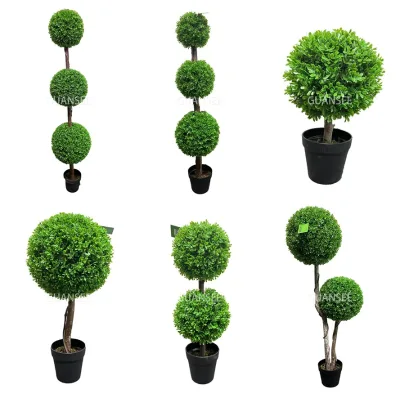
Main productsArtificial Trees, Artificial Leaves, Artificial Plant Wall, Artificial Bonsai Plants, Artificial Flower Wall
Main marketsEastern Asia(30%), Mid East(25%), North America(19%)










Comprehensive Sourcing Guide
Triple Ball Boxwood Topiary Tree Supplier Concentration and Factory Types
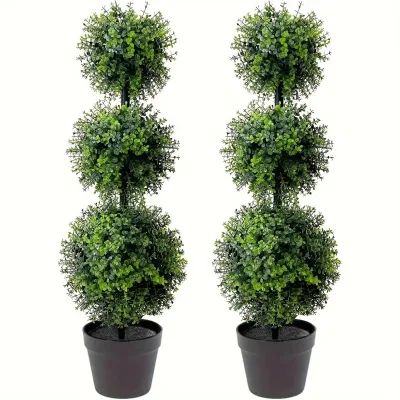
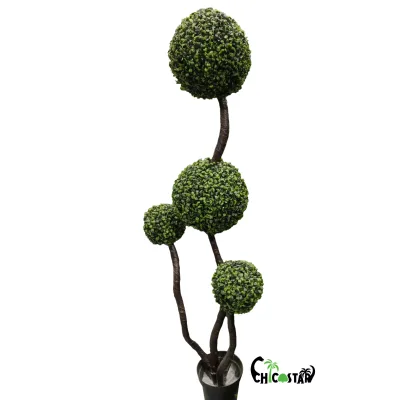
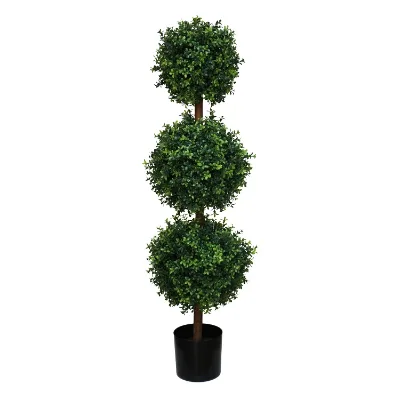
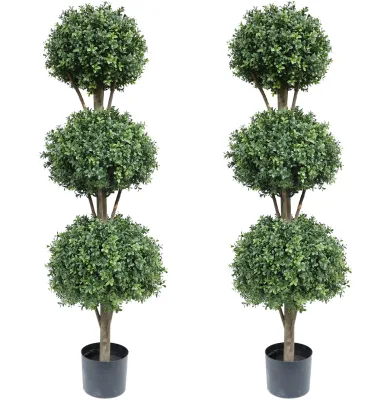
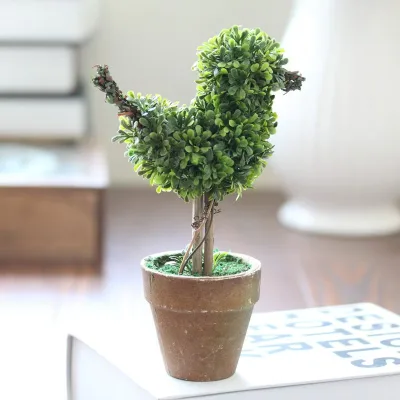
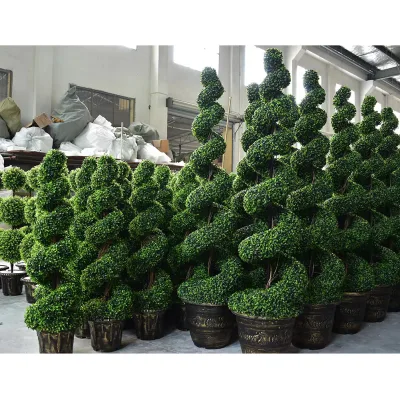
Manufacturers specializing in artificial greenery and topiary structures are predominantly located in Guangdong, China, where supply chains for plastic and polyethylene components are deeply established. This region hosts a significant concentration of factories producing items like spiral boxwood bonsai trees and decorative greenery walls, leveraging local access to raw materials such as PE and real wood for trunk construction. Buyers should prioritize verifying that a supplier's listed location matches this manufacturing cluster, as facilities in other provinces may lack the specific tooling for complex topiary shapes. The presence of a manufacturer type designation is a strong indicator of direct production capability, distinguishing these entities from trading companies that might source from multiple unverified workshops.
In addition to Guangdong, some suppliers operate from Jiangsu, China, offering a different industrial base focused on vertical gardens and artificial wall systems. These facilities often hold certifications like ISO 9000 and ISO 9001, suggesting a structured approach to quality management that is critical for consistent product replication. When evaluating factory types, buyers must confirm if the entity is a Manufacturer or a Manufacturer/Factory, as this distinction impacts the ability to customize dimensions and materials. Suppliers in these clusters typically list main products including artificial plants, planters, and topiary hedges, indicating a specialized focus rather than a generalist approach. Verifying the specific company type ensures the buyer is engaging with an entity capable of handling the technical requirements of triple ball designs.
How to Verify Triple Ball Boxwood Topiary Tree Suppliers
Verification begins with scrutinizing the response time metrics provided in supplier profiles, as faster reply rates often correlate with active production lines and dedicated sales teams. A response time of three days or less suggests a high level of operational readiness, whereas delays exceeding twenty days may indicate a trading intermediary or a less responsive facility. Buyers should also cross-reference the listed main products against the specific Triple Ball Boxwood Topiary Tree requirements to ensure the supplier has a history of manufacturing similar items. Checking for product evidence such as specific model numbers like Q001 or PT036 helps confirm that the supplier has actual inventory or production capacity for these distinct shapes rather than generic stock.
Certifications and system standards provide another layer of verification for supplier legitimacy and quality control processes. Facilities displaying ISO 9000, ISO 9001, or ISO 14000 certifications have undergone external audits regarding their management systems, which is a positive signal for large-scale orders. Buyers must also examine the product attributes listed, such as the use of PE material for leaves and real wood for trunks, to ensure the specifications match the desired quality standards. If a supplier claims to be a manufacturer but lacks detailed product attributes or certification data, it is advisable to request direct proof of these credentials before proceeding. This due diligence prevents engagement with entities that may not possess the necessary technical expertise for complex topiary manufacturing.
What to Compare Across Triple Ball Boxwood Topiary Tree Suppliers
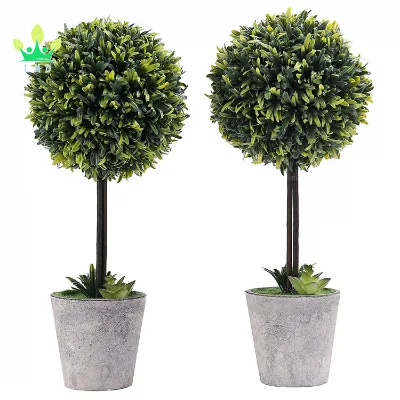
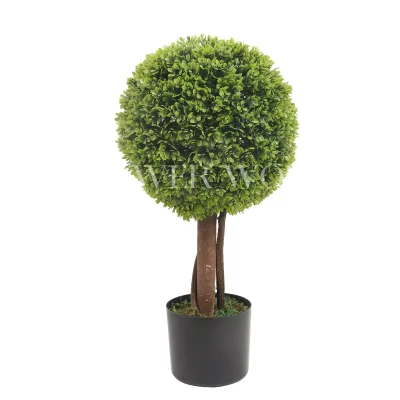
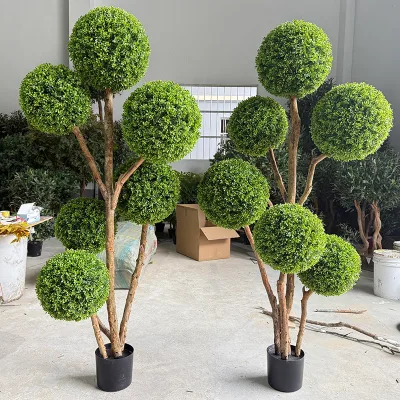
Comparing suppliers requires a detailed analysis of minimum order quantities (MOQ) and pricing structures, which vary significantly based on product complexity and customization options. For instance, some triple ball topiary trees have an MOQ of ten units with prices ranging from 35.10 to 38.50, while others may require a minimum of fifty units with lower per-unit costs. Buyers should also evaluate the price range for potted versions, which can extend from 47.80 to 55.60 depending on the inclusion of pots and specific dimensions like 60cm height. It is crucial to note that not every supplier will display all these attributes, so buyers must actively request quotes for specific configurations to make accurate cost comparisons.
Lead times and response speeds are equally critical factors when comparing potential partners for large-scale projects. A lead time of fifteen days is a common benchmark for standard orders, but customization requests may extend this duration significantly. Suppliers with a response time of twenty-two days or more may struggle to meet tight deadlines, making them less suitable for urgent procurement needs. Additionally, buyers should compare the packaging details, such as export cartons versus polybags, as this affects shipping costs and product protection during transit. Evaluating the selling units and single package sizes helps in calculating total logistics costs, ensuring that the chosen supplier offers the most efficient solution for the buyer's specific volume and timeline requirements.
Common Triple Ball Boxwood Topiary Tree Sourcing Risks
One significant risk involves the discrepancy between advertised product attributes and the actual delivered goods, particularly regarding material composition and dimensions. Some listings specify real wood trunks and PE leaves, while others may use entirely plastic components without clear disclosure, leading to potential quality mismatches. Buyers must verify the specific material details, such as the grass length of 70mm or the trunk width of 50cm, to ensure the final product meets the design specifications. Failure to confirm these details can result in receiving items that do not match the visual expectations set by the product images or descriptions provided during the inquiry phase.
Another risk is the variability in customization capabilities and the associated costs for non-standard orders. While some suppliers offer customization for triple ball designs, others may have rigid production lines that only support standard sizes like 18cm, 28cm, or 38cm diameters. Buyers should be cautious of suppliers claiming "Factory Direct Sale" without providing evidence of their OEM capacity or design flexibility. Additionally, the lack of clear information on packaging details, such as whether items are packed in export cartons or polybags, can lead to damage during shipping. Verifying the processing method, such as weaving techniques, and the specific application suitability for indoor or outdoor use is essential to mitigate these risks before finalizing any purchase agreement.
Triple Ball Boxwood Topiary Tree Regional Sourcing and Logistics
Sourcing from Guangdong, China, offers logistical advantages due to the region's extensive port infrastructure and established export channels for home and garden products. Factories in this area are accustomed to handling international shipments, often utilizing export cartons that are designed to withstand long-distance transit. Buyers should verify the single package size, such as 150x38x30 cm, to accurately estimate freight costs and container loading efficiency. The proximity of these manufacturers to major shipping hubs reduces the time required for goods to reach the port, potentially shortening the overall lead time for international orders.
In contrast, suppliers located in Jiangsu, China, may offer different logistical profiles, particularly for larger or heavier items like potted topiary trees. The weight of a single unit, such as 11.200 kg, must be factored into shipping calculations, as heavier items incur higher freight charges and may require specialized handling. Buyers should confirm the origin of the product, ensuring it is listed as China, to avoid unexpected customs issues or delays. Additionally, the availability of specific packaging solutions, such as polybags or cartons, impacts the ease of stacking and securing goods during transport. Understanding these regional logistics nuances helps buyers optimize their supply chain strategy and minimize unexpected costs associated with international shipping.
Triple Ball Boxwood Topiary Tree Commercial Terms and Order Planning
Commercial terms for triple ball boxwood topiary trees often include specific requirements for payment, delivery, and customization that must be clearly defined before order placement. Buyers should verify the selling units, which may be listed as single items or in bulk packs, to ensure the order quantity aligns with the supplier's production capabilities. The price range, which can vary from 1.72 to 182.00 depending on the product type, must be confirmed with the supplier to avoid misunderstandings regarding final costs. It is essential to clarify whether the quoted price includes packaging, shipping, or any additional fees for customization services like logo printing or specific color variations.
Order planning requires careful consideration of the lead time and the supplier's capacity to handle the requested volume within the specified timeframe. A lead time of fifteen days is a standard expectation, but buyers should confirm if this duration applies to all product variations or only standard models. For custom orders, the lead time may extend, and the supplier's response time becomes a critical factor in maintaining project schedules. Buyers should also check for any escrow services or trade assurance options that provide financial protection during the transaction. By thoroughly reviewing these commercial terms and planning for potential delays, buyers can ensure a smooth procurement process and successful delivery of their Triple Ball Boxwood Topiary Tree orders.
FAQs
What is the price range for artificial boxwood topiary trees?
Prices for artificial boxwood topiary trees typically range from $1.72 to $182.00 depending on size and complexity. Smaller decorative balls start around $1.72, while larger potted trees with realistic features cost significantly more. Buyers should check specific product listings for exact pricing based on their desired dimensions and customization needs.
What is the minimum order quantity for these products?
Minimum order quantities vary by supplier and product type. Some suppliers require a minimum of 5 units for specific potted designs, while others set the MOQ at 10 or 50 units. Higher volume orders may be required for certain customized items. Buyers should verify the specific MOQ for each product listing before placing an order.
Where are these artificial plants manufactured?
These artificial plants are primarily manufactured in Guangdong and Jiangsu, China. Suppliers in these regions specialize in producing high-simulation greenery, topiary hedges, and decorative plants. Buyers can expect products originating from these key manufacturing hubs in China, ensuring access to a wide variety of artificial plant designs and styles.
What materials are used for the trunks and leaves?
Trunks are often made from real wood, while leaves and foliage are typically constructed from PE plastic or other synthetic materials. Some products use plastic rods and handles for structural support. These materials ensure durability and a realistic appearance. Buyers should review product attributes to confirm specific material compositions for their intended indoor or outdoor application.
How long does production take?
Standard lead times for production are approximately 15 days. This timeframe allows for manufacturing and quality control before shipment. Buyers should confirm specific delivery schedules with suppliers, as lead times may vary based on order volume and customization requirements. Early communication ensures timely delivery for project deadlines.
Are these products suitable for outdoor use?
Yes, many artificial boxwood topiary trees are designed for both indoor and outdoor applications. Features like waterproofing and UV resistance make them suitable for gardens, lobbies, and shopping malls. Buyers should check product features to confirm outdoor suitability, ensuring the materials can withstand environmental conditions for long-term decorative use.