Truck Combination Switch Suppliers and Manufacturers
Explore 19 verified options for Truck Combination Switch suppliers and manufacturers in China. Compare locations, certifications like ISO 9001, response times, and lead times to find the right partner. Contact suppliers directly to request quotes and verify product specifications; review the available evidence before requesting comparable quotations from suitable candidates.
Suppliers List

Ningbo Tower Machinery Co., Ltd
- Verified by TUVRHEINLAND
- Manufacturer/Factory
- China Zhejiang
- Lead time30 days
- Avg. response≤ 7h
Main productsSheet Metal Fabrication, CNC Machining Parts, Laser Cutting Parts, Tube Bending Parts, Welding Parts, Stamping Parts, Bus Seat, Trailer Jack, Electric Winch, Wheel Spacer
Main marketsSouth America,Eastern Europe,Mid East,North America,Southeast Asia,Eastern Asia,Oceania,Western Europe,Africa

Qingdao Chary Machinery Co., Ltd.
- Verified by BV
- Trading Company
- China Shandong
- Lead time30 days
- Avg. response≤ 4h
Main productsTruck, Bulldozer, Motor Grader, Truck Crane, Concrete Pump Truck, Dump Truck, FAW Trucks, Tractor Truck, Trailer, Loader
Main marketsSouth America,Africa,Southeast Asia/ Mideast,North America

Ruian Ouri I/E Trade Co., Ltd.
- Verified by TUVRHEINLAND
- Trading Company,Manufacturer/Factory
- China Zhejiang
- Lead time45 days
- Avg. response≤ 4h
Main productsHeavy Duty Truck Tensioner & Pulley, Truck Sensor, Truck Combination Power Window Switch, Truck Coolant Expansion Tank, Heavy Duty Truck Gas Spring, Truck Cabin Door Handle, Heavy Duty Trucks Accessories, Truck Gear Shift Lever Cable, Truck Cable Wiring Harness, Truck Air Brake Valve
Main marketsSouth America,Eastern Europe,Mid East,North America,Southeast Asia,Eastern Asia,Oceania,Western Europe,Africa


Steering Column Switch 79100580346 Turn Signal Combination Switch for Man Truck Bus
$16.00 - $18.00
MOQ: 50 Pieces

Truck Spare Parts Combination Switch 81255090194 81.25509.0194 for Man Truck
$24.00 - $30.00
MOQ: 10 pieces

Steering Column Switch 79100580346 Turn Signal Combination Switch for Man Truck
$15.50 - $18.00
MOQ: 10 pieces


Changzhou Super Auto Parts Co., Ltd.
- Verified by CTI
- Combined
- China Jiangsu
- Lead time30 days
- Avg. response≤ 5h
Main productsAuto Lamp, Auto Mirror, Auto Parts, Bus Lamp, Bus Mirror, Bus Parts, Truck Light, Truck Mirror, Truck Parts, Bus Light
Main marketsSouth America,Southeast Asia/ Mideast,Europe,Australia

Anhui LiftTop Mechanical and Electrical Co., Ltd.
- Verified by SGS
- Trading Company
- China Anhui
- Lead time15 days
- Avg. response≤ 2h
Main productsController, Forklift Part, Connector, Handle, Contactor, Curtis Motor, Battery Connector, Zapi Controller, Ge Programmer, Accelerator Pedal
Main marketsSouth America,Southeast Asia/ Mideast,Domestic,Europe,Australia,North America

Forklift Switch Heli 4.5t Internal Combination Car Switch Combination Switch
$15.00 - $35.00
MOQ: 1 Pieces


Forklift Switch Combination Switch Noblelift Electrical Vehicle Direction Switch Jk811
$20.00 - $40.00
MOQ: 1 Pieces

Forklift Switch Combination Switch Goodsense Electrical Vehicle Switch Jk803jxx/1
$20.00 - $40.00
MOQ: 1 Pieces

Anhui Aljieao Auto Parts Co., Ltd
- Verified by CTI
- Trading Company
- China Anhui
- Lead time23 days
- Avg. response≤ 2h
Main productsUrea Pump, Nox Sensor, Truck Lamp
Main marketsSouth America,Africa,Southeast Asia/ Mideast,East Asia(Japan/ South Korea),Europe,Australia,North America


$20.66 - $24.88
MOQ: 20 Pieces
CHANGSHA EUCROWN AUTOMOBILE PARTS CO., LTD
- Manufacturer, Trading Company
- Huanan, China
- Lead time30 days
- Avg. response≤ 2h
Main productsSolenoid Valve,Electric Clutch Actuator,Shock Absorber,Sensor / Switch,Repair Kit
Main marketsSouth Asia(100.00%), Southern Europe(100.00%), Northern Europe(100.00%), Central America(100.00%), North America(100.00%), Eastern Asia(100.00%), Oceania(100.00%), Africa(100.00%), South America(100.00%), Western Europe(50.00%), Southeast Asia(20.00%), Domestic Market(10.00%), Mid East(10.00%), Eastern Europe(10.00%)
- Manufacturer, Trading Company
- Shandong, China
- Lead time3 days
- Avg. response≤ 2h
Main productsTruck Parts,Bus Parts,Trailer Parts,Engine Parts,Auto Parts
Main marketsAfrica(25.00%), Southeast Asia(20.00%), South America(15.00%), Eastern Asia(10.00%), Mid East(10.00%), South Asia(10.00%), Eastern Europe(5.00%), Central America(5.00%)

Hubei Huate Special Equipment Co., Ltd.
- Verified by SGS
- Combined
- China Hubei
- Lead time30 days
- Avg. response≤ 6h
Main productsTank Container, Chemical Tank Truck, Tank Semi-Trailer Truck, Road Suction Truck, Electric Water Cannon, Oil Tanker Discharge Valve, Fuel Hose Reel, Manhole Cover, Mobile Fueling Machine, Fuel Truck
Main marketsSouth America,Africa,Others(foreignTradeCapacity.exportBusinessCapacityMarketOther),Southeast Asia/ Mideast,East Asia(Japan/ South Korea),Europe,Australia,North America

Shanghai Junxiang Auto Parts Co., Ltd.
- Verified by SGS
- Trading Company
- China Shanghai
- Lead time38 days
- Avg. response≤ 1h
Main productsIgnition Starter Switch, Wire Harness/Clip, Connectors&Terminals, Head/Fog/Tail Light, Metal Parts, Fuse Box, Turn Signal Switch, Power Window Switch, Wiper Switch, Fog Light Switch
Main marketsSouth America,Domestic,North America


Durable Turn Signal Switch for RAM Trucks - Reliable Performance Guaranteed
$9.30 - $10.00
MOQ: 20 Pieces

Guangzhou Best Auto Parts Co., Ltd.
- Trading Company, Buying Office, Distributor/Wholesaler
- Guangdong, China
- Lead time15 days
- Avg. response≤ 4h
Main productscar headlight,car brake disc,automobile gearbox,automobile wheel hub,Automotive lighting
Main marketsOceania(10.00%), Southern Europe(10.00%), Central America(10.00%), Eastern Europe(10.00%), Western Europe(10.00%), North America(10.00%), Domestic Market(5.00%), South Asia(5.00%), Africa(5.00%), Northern Europe(5.00%), Southeast Asia(5.00%), South America(5.00%), Eastern Asia(5.00%), Mid East(5.00%)
Hangzhou Wellco Mechanical & Electrical Co., Ltd.
- Trading Company
- Zhejiang, China
- Lead time5 days
- Avg. response≤ 2h
Main productsDiesel Engine Parts,Construction machinery parts,Agriculture machinery parts,Auto parts,Aerial work platform parts
Main marketsNorthern Europe(15.00%), Western Europe(15.00%), North America(15.00%), Domestic Market(5.00%), South Asia(5.00%), Southern Europe(5.00%), Eastern Europe(5.00%), Central America(5.00%), South America(5.00%), Eastern Asia(5.00%), Mid East(5.00%), Oceania(5.00%), Africa(5.00%), Southeast Asia(5.00%)
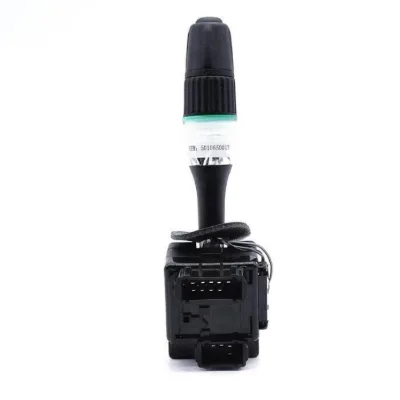
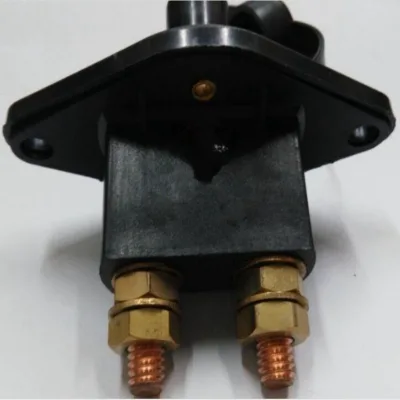
Suitable for Trucks Part Combination Switch Changeover Switch 5010650017
$20.00 - $40.00
MOQ: 10 pieces
Shandong SenHi Heavy Industry Ltd.
- Trading Company
- China Shandong
- Lead time0 days
- Avg. response≤ 4h
Main productsTruck, Trailer, Machinery, Excavator, Bulldozer, Grader, Roller, Forklift

Changsha Eucrown Automobile Parts Co., Ltd.
- Verified by CTI
- Combined
- China Hunan
- Lead time30 days
- Avg. response≤ 4h
Main productsAuto Parts, Truck Parts, Bus Parts
Main marketsDomestic,Europe

Shandong Syys Industrial &Commercial Co., Ltd.
- Verified by TUVRHEINLAND
- Trading Company
- China Shandong
- Lead time15 days
- Avg. response≤ 13h
Main productsAutoparts, Bus Spare Parts, Automotive, Bearing
Main marketsEurope


The Truck Brake Switch Is Compatible with The Truck Braking System and Is Stable and Durable
$4.80 - $7.00
MOQ: 50 Pieces

The Dedicated Brake Switch for Trucks Efficiently Transmits Braking Signals
$4.80 - $7.00
MOQ: 50 Pieces

Henan Meizhichen Trading Co., Ltd.
- Verified by SGS
- Trading Company,Manufacturer/Factory,Other
- China Henan
- Lead time15 days
- Avg. response≤ 3h
Main productsBus Parts Truck Parts, Truck Pump Valve, Bus Parts
Main marketsSouth America,Eastern Europe,Mid East,North America,Southeast Asia,Eastern Asia,Oceania,Western Europe,Africa

Radin Electric Technology Co., Ltd.
- Verified by TUVRHEINLAND
- Trading Company,Manufacturer/Factory
- China Zhejiang
- Lead time23 days
- Avg. response≤ 2h
Main productsAutomatic Transfer Switches, Changeover Switches, Load Break Switches, Control & Protective Switches, Varied Frequency Switchwes, Circuit Breakers, Transfer Switches, Timers and Control Relays, Power Meters, LED Indicators
Main marketsSouth America,Eastern Europe,Mid East,North America,Southeast Asia,Eastern Asia,Oceania,Western Europe,Africa

NINGBO FBELE ELECTRONICS CO., LTD.
- Trading Company
- China Zhejiang
- Lead time15 days
- Avg. response≤ 13h
Main productsSolar Cell, Buzzer, Fuse and Fuse Holder, Terminal Block, Switch, Speaker, Telephone Receiver, Siren, Rj, USB Connector
Main marketsSouth America,Southeast Asia/ Mideast,Europe

Hefei Huanxin Technology Development Co., Ltd.
- Verified by BV
- Combined
- China Anhui
- Lead time15 days
- Avg. response≤ 6h
Main productsCurtis Controller, Forklift Parts, Accelerator Pedal, Instrument Cluster, DC Contactor, DC Converter, Emergency Switch, Rear Axle, AC & DC Motor, Drive Wheel Unit
Main marketsSouth America,Africa,Southeast Asia/ Mideast,East Asia(Japan/ South Korea),Domestic,Europe,Australia,North America






Comprehensive Sourcing Guide
Truck Combination Switch Supplier Concentration and Factory Types
The current supplier landscape for truck combination switches reveals a distinct geographic and operational split. Evidence confirms active manufacturing and trading entities located in China, specifically within the Zhejiang and Shandong provinces. Suppliers in these regions offer a mix of direct factory capabilities and trading company models. Some entities list themselves as manufacturers or factories, indicating they possess in-house production lines for sheet metal fabrication, CNC machining, and laser cutting, which are essential for producing the metal housings and internal components of these switches. Other suppliers operate as trading companies, aggregating products from various factories to offer a broader catalog that includes heavy-duty truck parts, sensors, and cabin accessories alongside the combination switches.
When evaluating concentration, buyers should note that the primary production hubs identified are in Zhejiang and Shandong, known for their automotive component ecosystems. However, the specific distribution of factories versus traders varies by product line. Some suppliers specialize in general truck parts like bulldozers and concrete pump trucks, while others focus strictly on electrical systems and switches. The presence of OEM and ODM capabilities suggests that some factories can customize designs, whereas trading companies may primarily resell standard items. Buyers must verify if a supplier is a direct manufacturer or a middleman by checking their company type designation and main product lists. This distinction is critical for understanding who controls the production quality and lead times for the specific combination switch models required for utility trucks, buses, or heavy-duty vehicles.
How to Verify Truck Combination Switch Suppliers
Verification of suppliers requires a multi-layered approach focusing on third-party credentials and response metrics. Several suppliers in the current results hold ISO 9001 system certifications, which is a baseline requirement for quality management in automotive parts manufacturing. Some entities have undergone rigorous verification by recognized bodies such as TÜV Rheinland or Bureau Veritas (BV), providing an external layer of trust regarding their business legitimacy and operational stability. These certifications are not merely marketing claims but are documented attributes that buyers should request to confirm the supplier's adherence to international quality standards. Additionally, the presence of specific certifications like TS 16949 for certain manufacturers indicates a higher level of compliance with automotive industry-specific requirements, which is vital for parts that must function reliably under heavy-duty conditions.
Beyond certifications, response time and verification status serve as immediate indicators of supplier reliability. Data shows response times ranging from approximately 3.19 to 6.63 hours, suggesting varying levels of operational efficiency and customer service readiness. A faster response time often correlates with a more active sales team and better communication channels, which is essential when troubleshooting technical specifications or resolving order issues. Buyers should also examine the "is_verified" status to ensure the supplier has passed a background check. It is important to note that not all suppliers display the same verification badges; some may only have basic verification while others hold comprehensive audits. Therefore, buyers must actively check for these specific credentials rather than assuming all listed suppliers possess the same level of vetting or quality assurance protocols.
What to Compare Across Truck Combination Switch Suppliers
Comparing suppliers requires a detailed analysis of lead times, minimum order quantities (MOQ), and pricing structures. Lead times vary significantly, with some suppliers indicating a standard 30-day production window, while others offer faster delivery windows of 1 to 15 days for specific items. This variance often depends on whether the item is a standard stock product or requires custom manufacturing. MOQs also differ widely, ranging from as low as 10 units for certain trading company offerings to 500 units for factory-direct production runs. Buyers must align their order volume with these thresholds to avoid unnecessary costs or inventory bottlenecks. Pricing data shows a range from approximately $9.90 to $35.00 per unit, influenced by factors such as material quality, certification levels, and the complexity of the switch design.
In addition to logistics and cost, buyers should compare product attributes and customization options. Some suppliers offer switches with specific features like vibration dampening, temperature regulation, and chrome plating, while others provide standard configurations. The availability of customization is a key differentiator; some manufacturers explicitly state that customization is available, allowing for tailored solutions for specific vehicle models like utility trucks or buses. Conversely, trading companies may offer limited customization, focusing instead on reselling existing OE numbers such as 3774010-C0100 or 41221035. Buyers should also evaluate the warranty terms, which range from 3 months to 12 months, and the after-sales service quality. A supplier offering a valid warranty and quick after-sales support provides better long-term value than one offering a lower price with minimal support.
Common Truck Combination Switch Sourcing Risks
One of the primary risks in sourcing truck combination switches is the potential mismatch between product specifications and actual vehicle compatibility. While many suppliers list compatibility with utility trucks, buses, and cars, the specific OE numbers and mounting types must be verified against the buyer's fleet requirements. For instance, a switch designed for a Daf truck with a steering column type may not fit a Man truck or an Iveco model without modification. Relying solely on general keywords like "truck switch" without confirming the exact part number, such as 1615081 or 79100580346, can lead to procurement errors. Buyers must cross-reference the product attributes, including the number of poles, current rating, and mounting type, to ensure the component integrates seamlessly with the existing electrical systems of the target vehicle.
Another significant risk involves the variability in quality and warranty coverage across different supplier types. While some manufacturers provide high-quality products with ISO 9001 and TS 16949 certifications, others may offer lower-grade items with shorter warranty periods, such as 3 months compared to the standard 12 months. The distinction between a trading company and a manufacturer can also impact the consistency of quality control. Trading companies might source from multiple factories, leading to inconsistencies in batch quality, whereas manufacturers typically maintain tighter control over their production lines. Buyers should be wary of suppliers who do not clearly state their quality standards or who offer vague warranty terms. Ensuring that the product meets the required performance standards, such as heavy-duty usage and specific finish requirements like chrome plating, is essential to avoid premature failures and costly replacements in the field.
Truck Combination Switch Regional Sourcing and Logistics
Sourcing from China, specifically the Zhejiang and Shandong provinces, offers access to a robust supply chain for automotive electrical components. These regions are established hubs for sheet metal fabrication, CNC machining, and assembly, which are critical for producing durable truck combination switches. The proximity of raw material suppliers and specialized manufacturing facilities in these areas often results in competitive pricing and efficient production cycles. However, buyers must consider the logistical implications of shipping from these specific locations. While some suppliers offer delivery times as short as 1 to 15 days, this often refers to production time rather than international shipping duration. The actual transit time will depend on the shipping method chosen, whether by sea or air, and the destination country's customs regulations.
Logistics planning should also account for packaging standards, which vary by supplier. Some manufacturers use neutral packing, while others utilize carton and pallet configurations designed to protect the switches during transit. The choice of packaging can impact the condition of the goods upon arrival, especially for delicate electrical components. Buyers should verify the packing details, such as whether the switches are packed in cartons with pallets or in neutral boxes, to ensure they meet their storage and handling requirements. Additionally, the origin of the product, confirmed as China in the provided data, means that buyers must be prepared for potential delays due to international shipping schedules. Understanding the specific logistics capabilities of each supplier, including their experience with export documentation and freight forwarding, is crucial for maintaining a smooth supply chain and minimizing disruptions.
Truck Combination Switch Commercial Terms and Order Planning
Commercial terms for truck combination switches often include specific warranty periods and after-sales service commitments that vary by supplier. Evidence indicates warranty options ranging from 3 months to 12 months, with some suppliers explicitly offering valid warranty coverage for their products. These terms are critical for managing risk and ensuring long-term reliability. Buyers should carefully review the warranty conditions, including what is covered and the process for claiming service, to avoid unexpected costs. Additionally, the availability of after-sales support, described as "very quick" by some suppliers, can significantly impact the overall value proposition. A supplier with robust support can resolve issues faster, reducing downtime for the buyer's fleet operations.
Order planning must also consider the minimum order quantities and pricing tiers to optimize budget and inventory levels. With MOQs ranging from 10 to 500 units, buyers need to balance their immediate needs with the cost benefits of larger orders. For smaller orders, trading companies may be more suitable due to their lower MOQs, while larger volume requirements might be better served by manufacturers offering OEM/ODM services. Pricing data shows a range from $9.90 to $35.00, suggesting that buyers should negotiate based on volume and specific product requirements. It is also important to verify the payment terms and any escrow services offered to protect the transaction. By aligning order quantities with supplier capabilities and understanding the commercial terms, buyers can effectively manage their procurement strategy and ensure a successful sourcing outcome for truck combination switches.
FAQs
What is the typical lead time for truck combination switches?
Lead times vary by supplier, with some offering 30 days and others 45 days. Specific delivery windows like 1 to 15 days are also available for certain trading companies. Buyers should confirm exact timelines based on their chosen manufacturer and order volume requirements.
What are the minimum order quantities for these switches?
Minimum order quantities differ significantly across suppliers. Some manufacturers require 500 units per order, while trading companies may accept orders as low as 10 units. Buyers must check specific product listings to determine the exact MOQ applicable to their purchase needs.
Which certifications do these suppliers typically hold?
Many suppliers hold ISO 9001 certification, and some also possess TS 16949 standards. Verification bodies like TÜV Rheinland and BV may also validate supplier credentials. Buyers should verify specific certification documents for each product listing to ensure compliance with their quality standards.
Where are the manufacturers of these switches located?
Manufacturers are primarily located in China, specifically in Zhejiang and Shandong provinces. These regions host both factories and trading companies specializing in heavy-duty truck parts. Buyers should filter results by location to find suppliers closest to their logistics preferences.
How quickly do suppliers typically respond to inquiries?
Response times vary, with some suppliers replying within 3 to 7 hours. Specific data points show response times around 3.19 to 6.63 hours for active listings. Buyers can expect faster engagement from suppliers with lower response time metrics listed on their profiles.
What warranty periods are offered for these switches?
Warranty periods range from 3 months to 12 months depending on the supplier and product model. Some listings explicitly state a 12-month valid warranty, while others offer shorter coverage. Buyers should review the specific warranty terms attached to each product before placing an order.
Can these switches be customized for specific truck models?
Customization is available for many combination switches, allowing for specific vehicle compatibility. Products support utility trucks, buses, and various heavy-duty models with options for different mounting types and finishes. Buyers should confirm customization availability directly with the supplier for their specific application.