Unisex 925 Sterling Silver Necklace Suppliers and Manufacturers
Discover 13 verified suppliers offering unisex 925 sterling silver necklaces with customizable options and varying lead times. Compare response times, MOQs, and production capacities to select the right partner for your needs. Contact suppliers directly to request samples and confirm pricing details.
Suppliers List

Shenzhen Hanwei Gangtai Jewelry Machine Co., Ltd.
- Combined
- China Guangdong
- Lead time30 days
- Avg. response≤ 18h
Main products925 Silver Necklace, Jewelry Machine, Chain Making Machine, Stainless Steel Necklace, Jewelry Equipment, Silver Chain, Steel Chain, Silver Jewelry, Stainless Steel Jewelry, Chain Machine
Main marketsSoutheast Asia/ Mideast,Europe

GUANGZHOU ARTS JEWELLERY CO., LTD.
- Verified by SGS
- Combined
- China Guangdong
- Lead time30 days
- Avg. response≤ 7h
Main productsSilver Jewelry, Gold Jewelry, Diamond Jewelry, Silver Ring, Silver Earring, Silver Pendant, Silver Bracelet, Silver Necklace
Main marketsSoutheast Asia/ Mideast
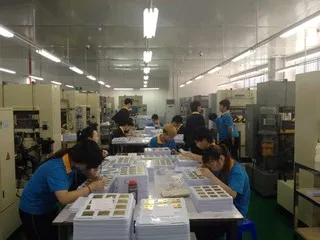
Shenzhen Jingzhanyi Jewelry Company Limited
- Manufacturer, Trading Company, Distributor/Wholesaler
- Guangdong, China
- Lead time15 days
- Avg. response≤ 1h
Main productsJewelry mold design and manufacture,24k/22k/18k/14k gold set diamond jewelry design and manufacture,925 sterling silver jewelry design and manufacture,Filling glue/enamel/baking paint/drop glue jewelry manufacturing,Precious metal and hardware material CNC products carving
Main marketsEastern Europe(12.0%), Eastern Asia(10.0%), Domestic Market(10.0%), Central America(10.0%), Southeast Asia(10.0%), North America(10.0%), South America(10.0%), Northern Europe(6.0%), Western Europe(6.0%), Mid East(5.0%), Oceania(5.0%), Southern Europe(4.0%), South Asia(2.0%)
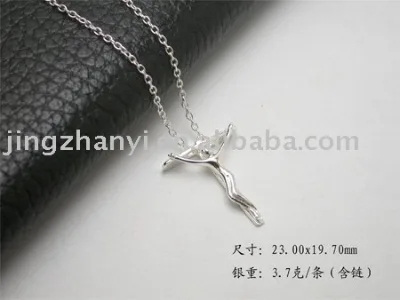

Top Quality Silver Jewlry Pendant Necklace
Contact supplier

- Verified by SGS
- Combined
- China Guangdong
- Lead time23 days
- Avg. response≤ 7h
Main marketsOthers(foreignTradeCapacity.exportBusinessCapacityMarketOther),Southeast Asia/ Mideast,East Asia(Japan/ South Korea),Domestic,Europe,Australia,North America

Qingdao Gemopia Jewelry Co., Ltd.
- Combined
- China Shandong
- Lead time30 days
- Avg. response≤ 3h
Main productsGold Jewelry, Silver Ring
Main marketsSouth America,Africa,Southeast Asia/ Mideast,East Asia(Japan/ South Korea),Domestic,Europe,Australia,North America

GOODLINESS JEWELLERY CO., LIMITED
- Verified by SGS
- Manufacturer
- China Guangdong
- Lead time23 days
- Avg. response≤ 6h
Main products925 Silver Ring, Brass Jewelry, 925 Silver Earring, 925 Silver Necklace, 925 Silver Set, 925 Silver Bangle, Customer's Design, 925 Silver Bracelet, Silver Accessory, Brass Accessory
Main marketsSoutheast Asia/ Mideast,Europe,North America

Zhuhai Kirin Jewelry Co., Ltd.
- Combined
- China Guangdong
- Lead time15 days
- Avg. response≤ 9h
Main productsFashion Jewelry
Main marketsSoutheast Asia/ Mideast,Europe,North America
Yiwu Ningzhi Jewelry Co., Ltd.
- Trading Company
- Zhejiang, China
- Lead time30 days
- Avg. response≤ 15h
Main products925 silver ring,925 silver necklace,925 silver charm,925 silver earring,s925 bracelet
Main marketsNorth America(30.0%), South America(20.0%), Southern Europe(10.0%), Western Europe(10.0%), Eastern Europe(10.0%)

Guangzhou Anfook & Dakerden Jewelry Co., Ltd
- Trading Company
- China Guangdong
- Lead time0 days
- Avg. response≤ 11h

Longyuan (Guangzhou) Industrial Development Co., Ltd.
- Verified by TUVRHEINLAND
- Manufacturer/Factory
- China Guangdong
- Lead time23 days
- Avg. response≤ 6h
Main productsJewelry, Fashion Watch, Hair Accessories, Men Jewelry, Women Jewelry, Pendants, Brooches, Bracelets, Crowns, Necklaces
Main marketsSouth America,Eastern Europe,Mid East,North America,Western Europe

Guangzhou Mimier Jewelry, Co, Ltd.
- Manufacturer/Factory
- China Guangdong
- Lead time120 days
- Avg. response≤ 8h
Main productsFashion Jewelry, Fashion Earrings, Fashion Bracelets, Fashion Rings, Fashion Necklace, Stainless Steel Jewelry, Jewellery Accessories, Jewellery Set
Main marketsEastern Europe,North America,Western Europe,Africa

Guangzhou Angel jewellery co.,ltd
- Combined
- China Guangdong
- Lead time30 days
- Avg. response≤ 5h
Main products925 Silverjewellery, K Gold Jewellery, Brass Jewellery
Main marketsEurope

- Verified by BV
- Trading Company,Manufacturer/Factory
- China Guangdong
- Lead time0 days
- Avg. response≤ 8h
Main productsSilver Jewelry, Brass Jewelry, Fashion Jewelry, Semi-Precious
Main marketsSouth America,Eastern Europe,Mid East,Southeast Asia,Eastern Asia,Oceania,Western Europe,Africa


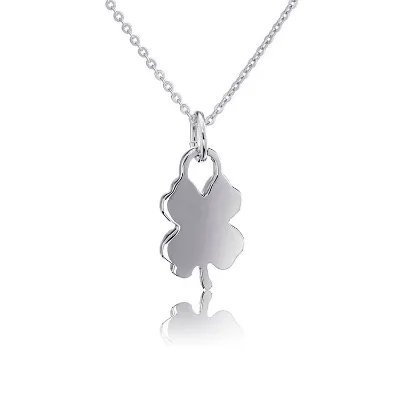
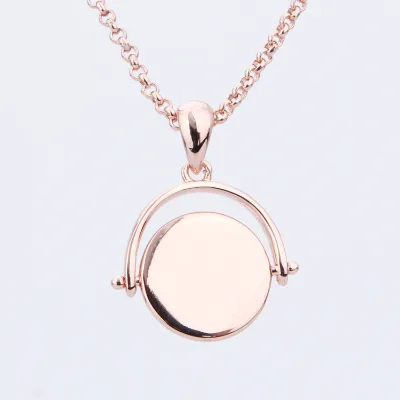
925 Sterling Silver plated with yellow zircon Retro necklace simple Vintage pendant
$11.93 - $13.72
Moq: 15

925 sterling sliver light luxury designs necklace with green crystal zircon jewelry
$11.20 - $12.70
Moq: 15




Comprehensive Sourcing Guide
Unisex 925 Sterling Silver Necklace Supplier Concentration and Factory Types
Current data indicates a specific manufacturing cluster located in China Guangdong, which serves as a primary hub for the production of 925 silver necklaces and related jewelry equipment. This region hosts combined supplier types that integrate both manufacturing and trading capabilities, offering a streamlined approach for buyers seeking direct factory access alongside trading flexibility. The presence of machinery for chain making and jewelry equipment within these facilities suggests a high degree of vertical integration, allowing for the production of items ranging from simple silver chains to complex plated necklaces. Buyers should prioritize verifying if a supplier operates within this specific geographic cluster, as the concentration of specialized machinery and raw material access often correlates with competitive pricing and faster turnaround times for silver jewelry.
When evaluating factory types, it is essential to distinguish between pure manufacturers and combined entities that may also function as trading companies. The observed supplier profiles include those with their own brands alongside ODM and OEM capabilities, indicating a capacity for custom design and private labeling. Some suppliers list main products that encompass a broad range of silver items, including rings, earrings, and pendants, which can be advantageous for buyers seeking a single source for a complete collection. However, the absence of specific establishment years in the provided data means buyers must directly inquire about the company's operational history to gauge stability. Understanding whether a supplier is a dedicated factory or a combined entity helps in assessing their ability to handle large volume orders and their expertise in specific silver finishing techniques like rhodium or platinum plating.
How to Verify Unisex 925 Sterling Silver Necklace Suppliers
Verification of supplier credentials requires a careful examination of available badges and third-party audit reports rather than relying on self-reported claims. In the current dataset, one supplier displays an SGS verification status, which serves as a tangible indicator of quality control and business legitimacy. Buyers should actively seek similar third-party verification marks, such as ISO certifications or specific audit reports, to confirm that the supplier's claims about their manufacturing processes and material sourcing are accurate. The absence of a system certification in some profiles does not necessarily disqualify a supplier, but it necessitates a more rigorous request for documentation regarding their quality assurance protocols and material purity guarantees for 925 sterling silver.
Response time is another critical metric for verifying supplier reliability and operational efficiency. The observed data shows response times varying significantly, with some suppliers responding within approximately 6.76 hours while others take up to 18 hours. A faster response time often correlates with a more active sales team and better communication channels, which are vital for resolving issues during the sourcing process. Buyers should test the responsiveness of potential suppliers by sending specific inquiries about customization options and material specifications before committing to an order. Additionally, verifying the supplier's ability to provide detailed product attributes, such as specific plating types and chain standards, confirms their technical competence and attention to detail in handling delicate silver jewelry items.
What to Compare Across Unisex 925 Sterling Silver Necklace Suppliers
Comparing suppliers requires a systematic analysis of key commercial and operational dimensions, including lead times, minimum order quantities, and pricing structures. The data reveals a lead time of 30 days for production, which serves as a baseline for planning inventory and delivery schedules. Buyers must compare this against the specific MOQs observed, which range from 30 pieces for certain fashion designs to 200 pieces for standard chain products. Understanding these thresholds is crucial for determining whether a supplier can accommodate small batch testing or if they require larger commitments that might impact cash flow. Pricing also varies, with some items listed at as low as 1.10 dollars and others reaching over 10 dollars, depending on the complexity of the design and the type of plating applied.
Beyond basic metrics, buyers should compare the specific product attributes and customization capabilities offered by each supplier. The available data highlights variations in accessory materials, such as the use of cubic zirconia versus pure 925 sterling silver, and differences in plating options like gold, rhodium, or silver. Some suppliers offer universal customization, while others may have specific limitations based on their equipment or design templates. It is also important to compare the packaging standards, as some suppliers use simple OPP bags while others offer customized packaging solutions. By creating a comparison matrix that includes these detailed product specifications, buyers can identify which suppliers align best with their specific brand requirements and quality expectations for unisex silver jewelry.
Common Unisex 925 Sterling Silver Necklace Sourcing Risks
One significant risk in sourcing silver jewelry involves the potential discrepancy between advertised material purity and actual product composition. While many suppliers list 925 sterling silver as the primary material, the lack of specific certification details in some profiles necessitates a proactive approach to quality assurance. Buyers should request independent assay reports or third-party testing results to verify that the silver content meets the 92.5% standard, especially for high-value items. The absence of detailed certification data in the current supplier results highlights the need for buyers to explicitly ask for proof of material authenticity before finalizing any purchase agreement to avoid receiving substandard goods.
Another critical risk is the variability in lead times and the potential for delays in production or shipping. The observed lead time of 30 days is a general figure, but actual delivery schedules can be affected by factors such as raw material availability, production bottlenecks, or logistical challenges. Buyers must account for these potential delays by building buffer time into their inventory planning and by maintaining clear communication with the supplier regarding production milestones. Additionally, the variation in response times suggests that some suppliers may be less responsive to urgent requests or changes in order specifications. Establishing a clear communication protocol and setting realistic expectations for turnaround times can help mitigate these risks and ensure a smoother sourcing experience.
Unisex 925 Sterling Silver Necklace Regional Sourcing and Logistics
Sourcing from the identified cluster in China Guangdong offers distinct logistical advantages due to the region's established infrastructure for jewelry manufacturing and export. The concentration of suppliers in this area facilitates efficient supply chain management, as raw materials, machinery, and finished goods are often sourced and shipped from the same geographic region. Buyers should leverage this proximity to negotiate better shipping rates and faster transit times, as many suppliers in this cluster have extensive experience with international logistics and customs clearance procedures. However, buyers must also consider the specific shipping requirements for silver jewelry, which may include special packaging to prevent damage and insurance to protect against loss during transit.
When planning logistics, it is essential to evaluate the supplier's experience with international shipping and their ability to handle complex customs documentation. The data indicates that products originate from China, which means buyers need to be aware of import duties and regulations in their target markets. Some suppliers may offer assistance with shipping arrangements, while others may require the buyer to arrange their own freight forwarding. Buyers should clarify these responsibilities early in the negotiation process to avoid unexpected costs or delays. Additionally, considering the seasonal nature of jewelry demand, buyers should plan their orders well in advance to account for potential peak season congestion in shipping ports and to ensure timely delivery to meet market demands.
Unisex 925 Sterling Silver Necklace Commercial Terms and Order Planning
Commercial terms for unisex 925 sterling silver necklaces often include specific requirements regarding payment methods, escrow services, and order cancellation policies. While the current data does not explicitly detail escrow availability, buyers should prioritize suppliers who offer secure payment options to protect their financial interests. Understanding the payment structure, such as deposit percentages and balance due dates, is crucial for managing cash flow and ensuring that the supplier has the necessary funds to procure materials and begin production. Buyers should also clarify the terms for order modifications or cancellations, as these can vary significantly between suppliers and may impact the overall cost of the order.
Order planning for silver jewelry requires careful consideration of the minimum order quantities and the lead times associated with different product types. The observed MOQs range from 30 to 200 pieces, which means buyers must align their order volumes with their sales forecasts and storage capabilities. For suppliers with longer lead times, such as the 30-day production window, buyers should place orders well in advance to avoid stockouts. Additionally, buyers should plan for the customization process, as some suppliers may require additional time for design approvals and sample production. By developing a comprehensive order plan that accounts for these variables, buyers can optimize their inventory levels and ensure a steady supply of high-quality silver jewelry for their customers.
FAQs
What is the price range for 925 sterling silver necklaces?
Prices for 925 sterling silver necklaces range from $1.10 to $10.12 per unit. Simple chain styles start at $1.10 with a minimum order of 200 pieces. Fashion pendant designs cost between $4.43 and $10.12, requiring a lower minimum order of 30 units. These prices reflect basic customization and standard packaging options available from suppliers.
What is the minimum order quantity for silver jewelry?
Minimum order quantities vary by product type. Simple silver chains require a minimum of 200 pieces. Fashion necklaces with pendants have a lower threshold of 30 units. Some basic necklace styles start at 100 pieces. Buyers should check specific product listings to confirm the exact MOQ, as it depends on the design complexity and customization level.
How long does production take for silver necklaces?
Standard lead times for silver necklace production are approximately 30 days. This duration applies to most bulk orders involving simple chains or basic pendant designs. Buyers requiring faster turnaround should contact suppliers directly to inquire about expedited options. Production schedules may vary based on order volume and specific customization requirements requested by the purchaser.
Do suppliers offer customization for silver necklaces?
Yes, customization is available for most 925 sterling silver necklaces. Suppliers offer OEM and ODM services to create unique designs. Buyers can request specific plating options like gold, rhodium, or silver. Custom packaging is also available, including OPP bags or branded boxes. This flexibility allows businesses to tailor products to their specific market needs and branding guidelines.
Where are these silver necklace suppliers located?
The primary suppliers for these items are located in Guangdong, China. This region is a major hub for jewelry manufacturing and equipment production. Buyers sourcing from this location benefit from established supply chains and competitive pricing. All listed products originate from this specific geographic area, ensuring consistent material quality and manufacturing standards for international orders.
What materials are used in these necklaces?
The necklaces are primarily made from 925 sterling silver. Some designs incorporate cubic zirconia as accessory materials for pendant styles. Plating options include platinum, rhodium, gold, and silver finishes. The core material ensures durability and hypoallergenic properties. Buyers can select from various styles, including simple chains, box chains, and pendant necklaces, all featuring high-quality silver components.