Vegan Professional Makeup Brush Suppliers and Manufacturers
Compare 26 verified suppliers offering Vegan Professional Makeup Brush sets with synthetic or nylon bristles and plastic or wood handles. Review response times, lead times, and MOQs to source from Guangdong or Zhejiang factories; review the available evidence before requesting comparable quotations from suitable candidates.
Updated
Suppliers List

Guangzhou WIN-E International Co.,Ltd.
- Manufacturer
- Guangdong, China
- Lead time7 days
- Avg. response≤ 2h
Main productsNail clipper,Makeup brush,Manicure Set,Eyebrow tools,Manicure Tools
Main marketsNorth America(40.00%), Eastern Europe(20.00%), South America(15.00%), Southeast Asia(10.00%), Africa(8.00%), Oceania(2.00%)

NINGBO AOVEA IMPORT & EXPORT CO., LTD.
- Verified by TUVRHEINLAND
- Trading Company
- China Zhejiang
- Lead time30 days
- Avg. response≤ 6h
Main productsMakeup Brush, Cosmetic Brush, Make up Brush, Cosmetic Bag Case, Makeup Tools, Jade Roller and Gua Sha, Hair Brush, Body Brush, Hair Accessories, Makeup Sponge
Main marketsSouth America,Africa,Southeast Asia/ Mideast,Europe,Australia,North America

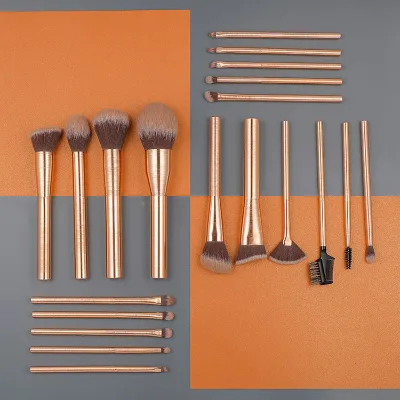
New Design Professional Makeup Brushes Private Label Custom Logo Vegan Makeup Brush Set
$6.85 - $7.45
MOQ: 1000 Sets

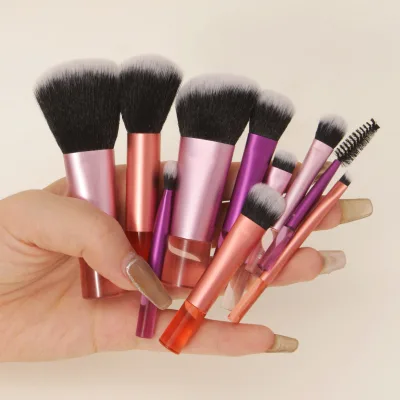
14 PCS Professional Makeup Brush Private Label Vegan Blue Champagne Makeup Brush Set
$5.68 - $7.28
MOQ: 500 Sets


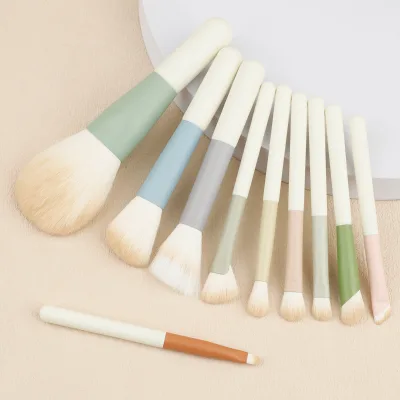
No Label Makeup Brush Green Blue Handle Professional Wholesale Brushes Pink Makeup Brush Set
$2.90 - $3.30
MOQ: 50 Sets


Jinjiang Jiaxing Supply Management Co., Ltd.
- Verified by TUVRHEINLAND
- Trading Company
- China Fujian
- Lead time30 days
- Avg. response≤ 1h
Main productsEVA Clogs, Flip Flop, Shoe Charms, Shopping Bags, Wristbands, Gifts, Promotional Gifts, Slipper, Sport Cap, Ball
Main marketsNorth America
Anhui Beili Makeup Technology Co., Ltd.
- Manufacturer, Trading Company
- Lead time旺季: "1 - 500":31,"> 500":"To be negotiated", 淡季: "1 - 500":31,"> 500":"To be negotiated"
- Avg. response≤ 3h
Main productsMakeup Brushes, Single Makeup Brush, Makeup Sponge, Makeup Bag, Powder Puff
Jiangxi Meichi Cosmetics Co., Ltd.
- Verified by TüVRheinland
- Trading Company
- Lead time7 days
- Avg. response≤ 2h
Main productsEyes Makeup, Brow Makeup, Makeup Brush, Face Makeup, Lash Makeup
Main marketsNorth America(30%), South America(20%), Eastern Europe(10%)
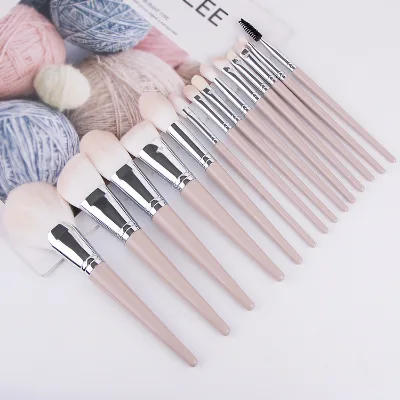
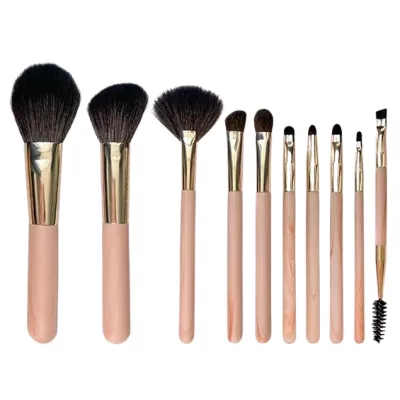
2020 New Vegan Brush Makeup Brushes Professional Pink Handle Make up Brushes
$8.9895 - $9.4027
MOQ: 3 sets
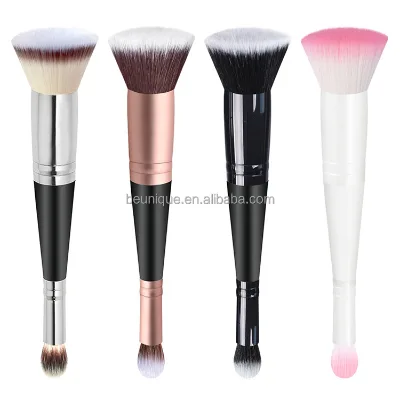
$1.0135 - $1.1572
MOQ: 100 sets

Jiangxi Orange Trading Co., Ltd.
- Trading Company
- Jiangxi Province, China
- Lead time15 days
- Avg. response≤ 1h
Main productsNail Art Brush,Makeup Brush,Paint Artist Brush
Main marketsNorth America(35.00%), South America(20.00%), Western Europe(13.00%), Central America(10.00%), Northern Europe(5.00%), Africa(3.00%), South Asia(2.00%), Southern Europe(2.00%), Oceania(2.00%), Southeast Asia(2.00%), Eastern Europe(2.00%), Eastern Asia(2.00%), Mid East(2.00%)
$0.9476 - $1.0299
MOQ: 2 pieces
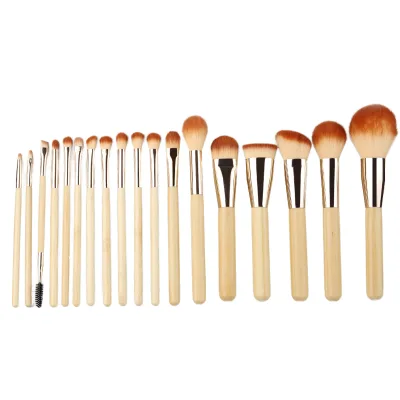
- Verified by SGS Group
- Trading Company
- Lead time30 days
- Avg. response≤ 2h
Main productsCosmetic Brush, Powder Puff, Nail Brush
Main marketsEastern Europe(30%), South America(20%), Southeast Asia(20%)
Already Di Ielts Cosmetic Appliance Co., Ltd.
- Verified by SGS Group
- Manufacturer, Trading Company
- Lead time30 days
- Avg. response≤ 3h
Main productsMakeup Brushes, Makeup Sponge
Main marketsNorth America(40%), Western Europe(37%), Southeast Asia(7%)
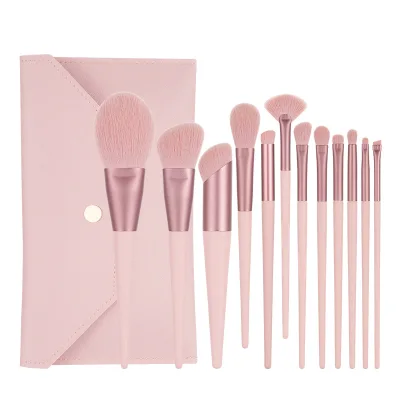
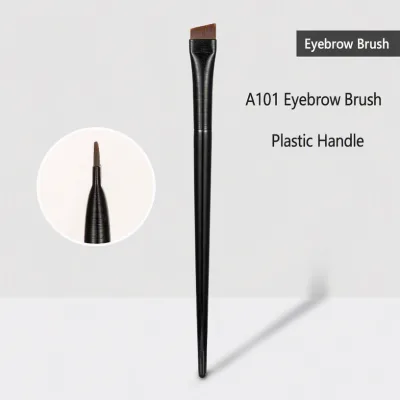
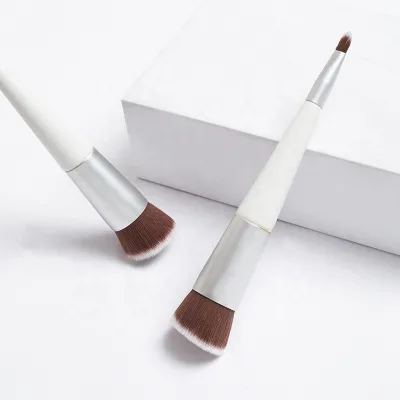
$1.2934 - $2.2665
MOQ: 2000 pieces

Shijiazhuang Dongmei Brush Co., Ltd.
- Manufacturer, Trading Company
- Hebei, China
- Lead time45 days
- Avg. response≤ 3h
Main productsMake Up Brush,Shaving Brush,Shaving Soap,Shaving Bowl,Razor
Main marketsNorth America(35.00%), Western Europe(10.00%), Eastern Europe(10.00%), South America(10.00%), South Asia(5.00%), Southern Europe(5.00%), Northern Europe(5.00%), Central America(5.00%), Southeast Asia(5.00%), Africa(5.00%)
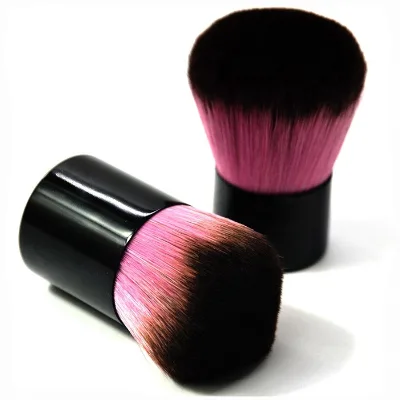
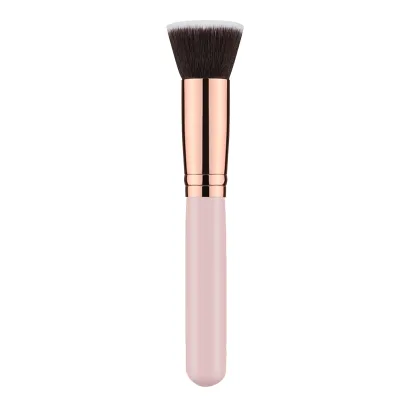
Single Makeup Brush Round pink Vegan Make up Brushes Private Label Kabuki Brush Free Sample
$3.8009 - $18.7903
MOQ: 1000 pieces
Baoding Belleza Commercial Co., Ltd.
- Verified by TüVRheinland
- Trading Company
- Lead time5 days
- Avg. response≤ 3h
Main productsMakeup Brush, Makeup Brush Set, Makeup Sponge, Hair Comb, Mirror
Main marketsNorth America(50%), Western Europe(35%), Oceania(10%)
Changsha Yuanmei Beauty Products Co., Ltd.
- Verified by SGS Group
- Manufacturer, Trading Company
- Lead time35 days
- Avg. response≤ 7h
Main productsMakeup Brush, Professional Brush, Cosmetic Brush, Makeup Brushes Set
Main marketsMid East(86%), Domestic Market(4%), North America(3%)
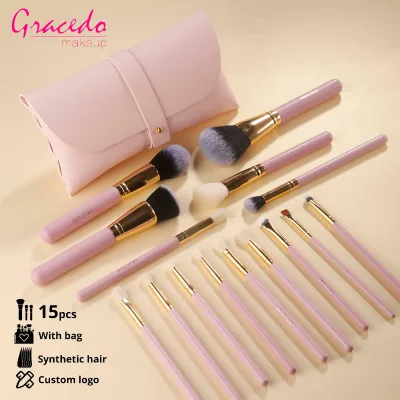
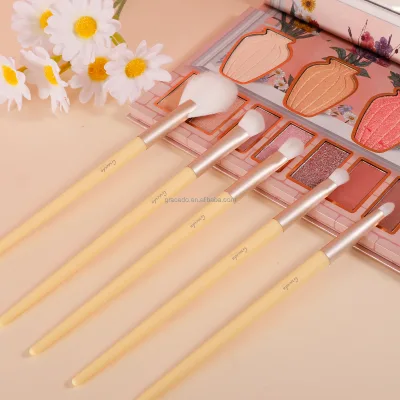
Vegan Makeup Brush 5pcs Set with Portable Bag for Blush Eyeshadow, Lip & Highlighting
$1.756 - $1.9835
MOQ: 500 sets

Jiangmen Xinwei Cosmetics Co., Ltd.
- Manufacturer/Factory
- China Guangdong
- Lead time45 days
- Avg. response≤ 4h
Main productsParaffin Wax, Depilatory Wax, Hard Wax, Wet Wipes, Neck Paper, Waxing Paper Roll, Cosmetics Products
Main marketsEastern Europe,Mid East,North America,Southeast Asia,Eastern Asia,Africa
Qingdao Gambur Trade Company Co.,Ltd
- Verified by SGS Group
- Trading Company
- Lead time7 days
- Avg. response≤ 2h
Main productsMakeup Sponge Puff, Makeup Brushes, Makeup Mirrors, Makeup Headband, Makeup Cleaning Tools
Main marketsNorth America(60%), Western Europe(15%), Oceania(10%)
Shenzhen Cormay New Materials Technology Co., Ltd.
- Verified by SGS Group
- Manufacturer, Trading Company
- Lead time30 days
- Avg. response≤ 2h
Main productsMake Up Brush, Microcrystal Fiber, Painting Brush Filament, Toothbrush Filament, Beauty Tools
Main marketsNorth America(40%), Eastern Asia(20%), Southeast Asia(10%)
Henan Hexue Industry Co., Ltd.
- Verified by TüVRheinland
- Trading Company
- Lead time0 days
- Avg. response≤ 2h
Main productsLip Gloss Tubes, Cosmetic Packaging, Glass Bottle, Makeup Brush, Makeup Sponge
Main marketsNorth America(39%), South America(15%), Southeast Asia(11%)
$7.1167 - $8.8892
MOQ: 3 sets
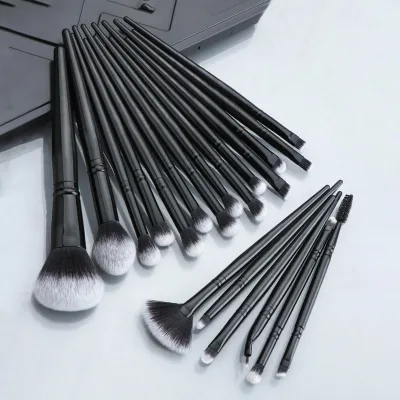

Hangzhou Ditong Biotechnology Co.,Ltd.
- Verified by BV
- Trading Company
- China Zhejiang
- Lead time15 days
- Avg. response≤ 10h
Main productsCosmetics, Skin Care Product, Makeup, Perfume, Cosmetics OEM, Makeup OEM, Cosmetic Packaging Design, Beauty Supplies Wholesale, Beauty Instrument, Cosmetic Design Packaging
Main marketsDomestic


$3.13 - $3.33
MOQ: 100 Pieces


Concealer Brush Makeup Brush Foundation Brush Portable Makeup Brush Tool Hot Sale Makeup Brush Set
$0.45 - $0.55
MOQ: 20 Pieces


Ningbo Isseven Import and Export Co Ltd
- Verified by TUVRHEINLAND
- Trading Company,Manufacturer/Factory
- China Zhejiang
- Lead time0 days
- Avg. response≤ 5h
Main productsWooden Brush
Main marketsSouth America,Eastern Europe,Mid East,North America,Southeast Asia,Eastern Asia,Oceania,Western Europe,Africa

21PCS Makeup Brush Set Lip Liner Foundation Concealer Produce Vegan Professional
$1.50 - $2.50
MOQ: 1200 Pieces

11pcs Natural Hair makeup brush set Lip Liner Concealer Eyeshadow Dark Green Vegan
$3.16 - $3.88
MOQ: 1200 Pieces


7pcs makeup brush set Lip Liner Concealer Face Low MOQ Artist Vegan Black
$59.99 - $80.99
MOQ: 1200 Pieces

Eye Makeup Brush Eyebrow Face Eyeshadow Beauty Tool Customizable Cosmetic Tools Vegan
$1.00 - $1.25
MOQ: 1200 Pieces

Makeup Brush Set Foundation Face Black Wood Handle Synthetic Cross Border Spot Storage
$1.50 - $2.50
MOQ: 1200 Pieces
Yiwu Liangying Trading Co., Ltd.
- Trading Company
- Zhejiang, China
- Lead time15 days
- Avg. response≤ 4h
Main productsEyelashes Extension; Beauty Tools; Eyelash Extension Kit
Main marketsSouth America(50.00%), Southeast Asia(30.00%), Eastern Asia(10.00%), Northern Europe(5.00%), Eastern Europe(5.00%)

- Verified by SGS
- Trading Company
- China Zhejiang
- Lead time15 days
- Avg. response≤ 17h
Main productsEyelashes, Makeup Brush, Cosmetic Brush, Eyelash Extension, Lipstick, Eyeshadow, Mascara, Nail Sticker, Nail Lamp, Mask
Main marketsEurope,Australia

Luxuriously Soft Flawless Application Plastic Handle Professional Beauty Makeup Brush with CE
$9.18 - $9.99
MOQ: 100 Pieces


Portable Vegan Make up Brush Set Powder Foundation Kit with Bag Makeup Brush
$1.50 - $3.50
MOQ: 1000 Pieces


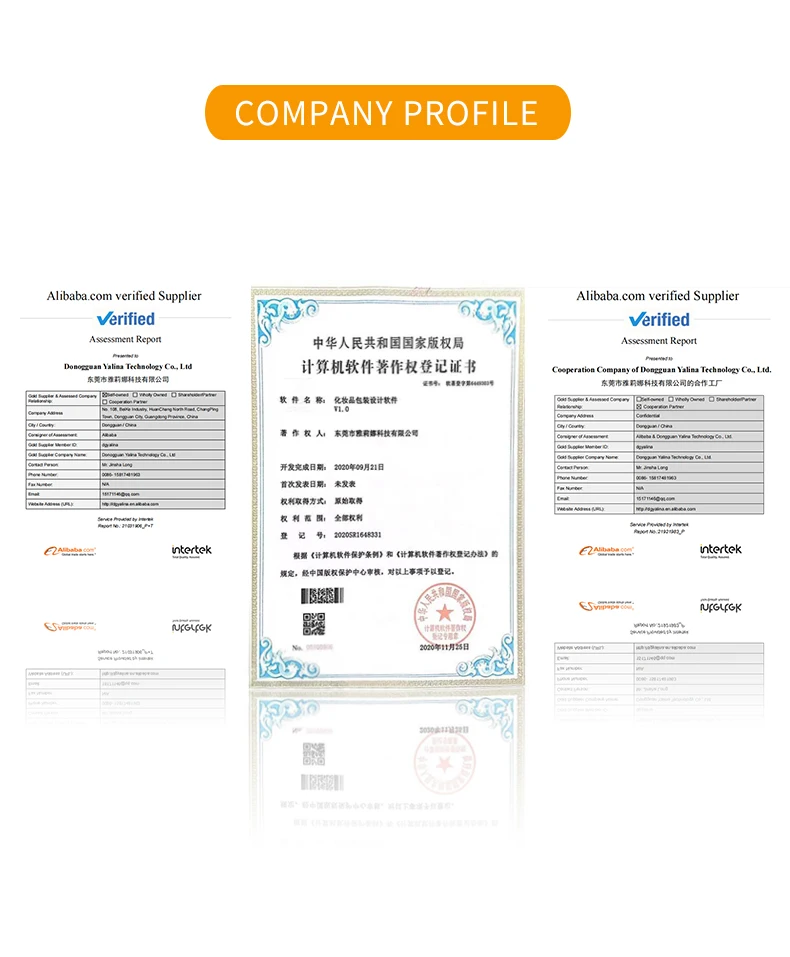
DONGGUAN YALINA TECHNOLOGY CO., LTD.
- Manufacturer
- Guangdong, China
- Lead time7 days
- Avg. response≤ 4h
Main productsSunless Tanning mitt,Back applicator,Exfoliating Glove,Tan Brush,Tan Tools
Main marketsNorth America(67.00%), Northern Europe(33.00%)
Anhui E-Layli Cosmetic Co., Ltd.
- Trading Company
- Anhui, China
- Lead time0 days
- Avg. response≤ 1h
Main productsMakeup,makeup brush set,Makeup brush single,Makeup tools
Main marketsNorth America(50.00%), Mid East(40.00%), South Asia(10.00%)
Zhengzhou Buyagain Trading Co., Ltd.
- Trading Company
- Henan, China
- Lead time2 days
- Avg. response≤ 4h
Main productsArabic perfumes,Cosmetics & Makeup,Beauty Tools,Makeup Brushes,Cosmetic Bag
Main marketsSouth America(20.00%), North America(20.00%), Western Europe(15.00%), Eastern Asia(10.00%), South Asia(8.00%), Oceania(5.00%), Northern Europe(5.00%), Eastern Europe(5.00%), Southeast Asia(5.00%)
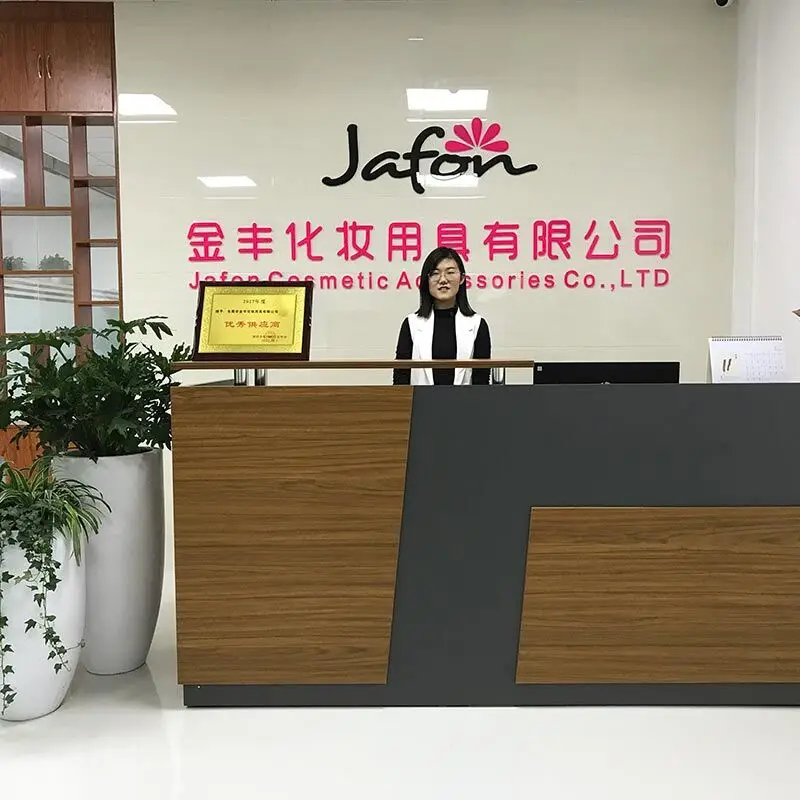
Shenzhen Jafon Beauty Co., Ltd.
- Manufacturer, Trading Company
- Guangdong, China
- Lead time15 days
- Avg. response≤ 2h
Main productsMakeup Brushes/Nail Brush,Nail brush,Makeup Tools,nail art brush,Makeup Sponge
Main marketsWestern Europe(40.00%), North America(40.00%), Southern Europe(10.00%), Northern Europe(10.00%)

Shenzhen Enjesda Technology Co., Ltd.
- Verified by SGS
- Trading Company
- China Guangdong
- Lead time15 days
- Avg. response≤ 5h
Main productsPerfume, Perfume for Women, Perfume for Man, Makeup Tools, Beauty Product, Beauty Tools, Floral Perfume, Woody Perfume, Citrus Perfume
Main marketsNorth America

- Verified by TUVRHEINLAND
- Trading Company
- China Anhui
- Lead time15 days
- Avg. response≤ 6h
Main productsIndustrial Brush, Roller Brush Sweeper Brush, Polishing Brush, Electric Scrubber Brush, Cleaning Brush, Strip Brush, Tube Brush, Paint Brush, Steel Brush, Wheel Brush
Main marketsSouth America,Africa,Southeast Asia/ Mideast,East Asia(Japan/ South Korea),Europe,Australia,North America
Shenzhen Dw Cosmetics Co., Ltd.
- Manufacturer, Trading Company
- Guangdong, China
- Lead time10 days
- Avg. response≤ 3h
Main productsFace Cleaning Brush; Single Makeup Brush; Makeup Brush Set; Makeup Brush Wire
Main marketsDomestic Market(30.00%), North America(20.00%), Southern Europe(9.00%), Western Europe(8.00%), Northern Europe(6.00%), Eastern Europe(6.00%), Eastern Asia(5.00%), South America(5.00%), Central America(3.00%), South Asia(2.00%), Oceania(2.00%), Mid East(2.00%), Southeast Asia(2.00%)




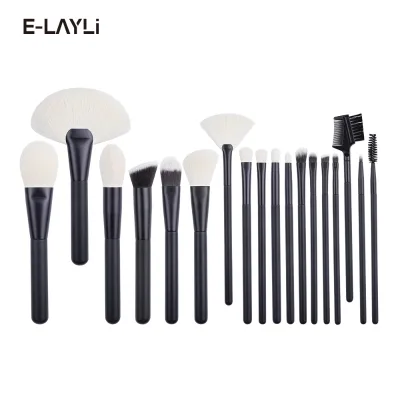
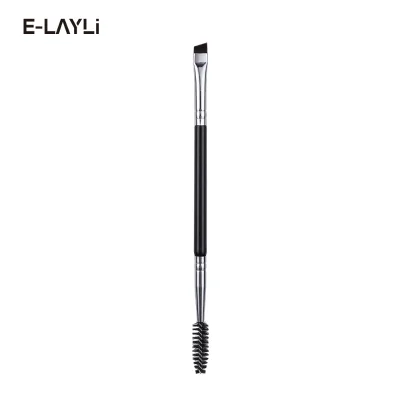
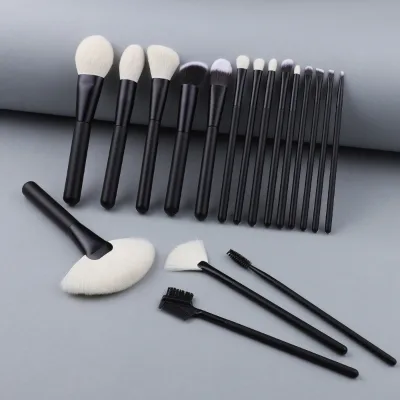
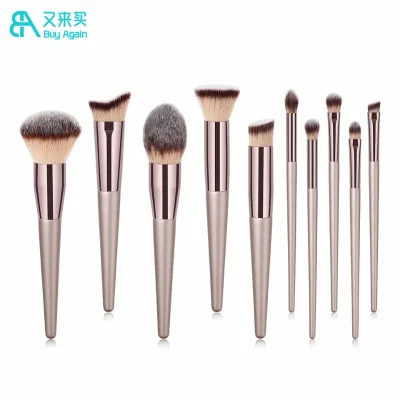


Comprehensive Sourcing Guide
Vegan Professional Makeup Brush Supplier Concentration and Factory Types
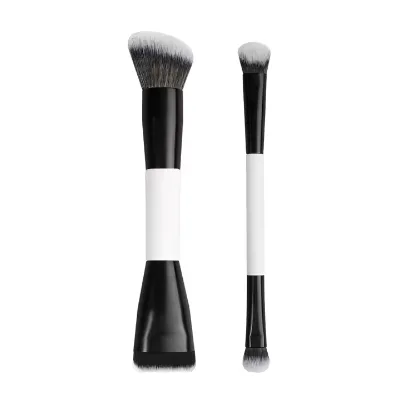
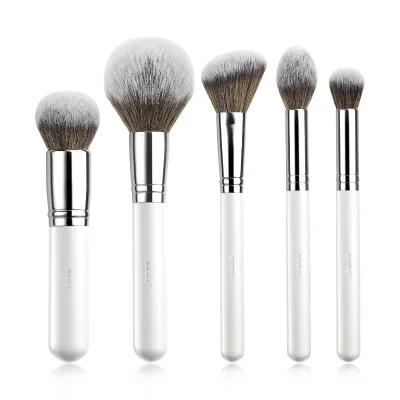
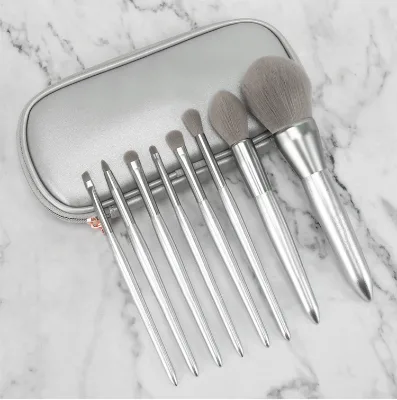
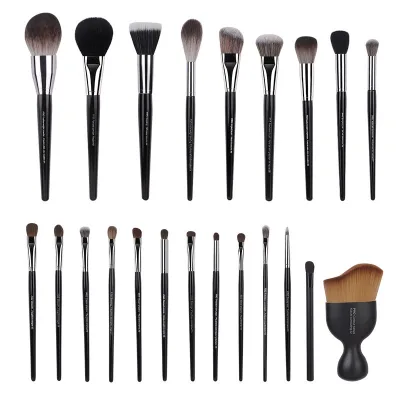
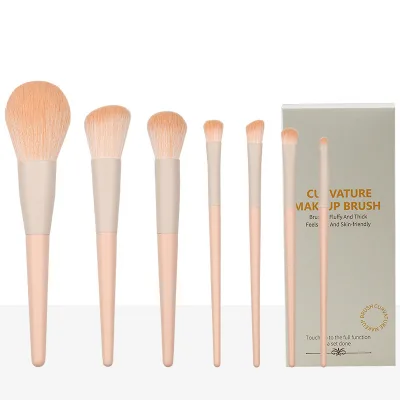
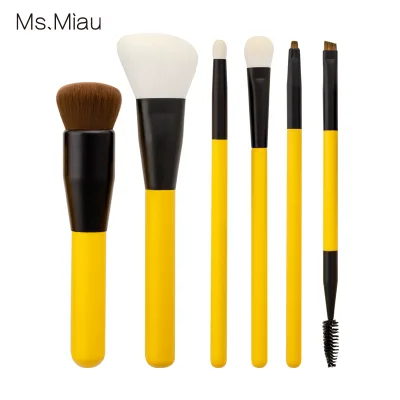
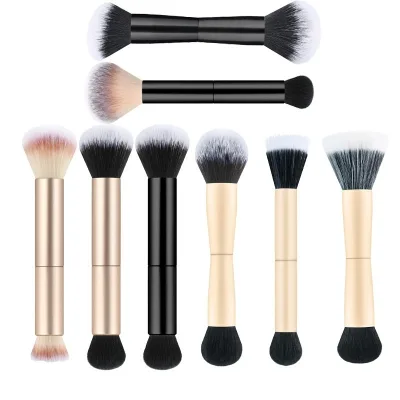
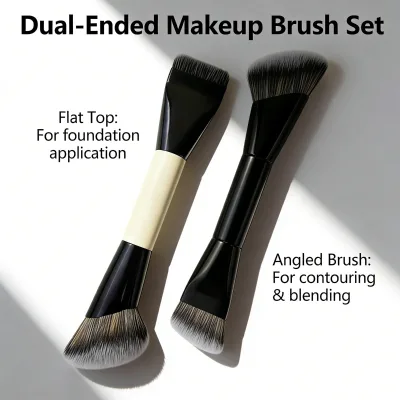
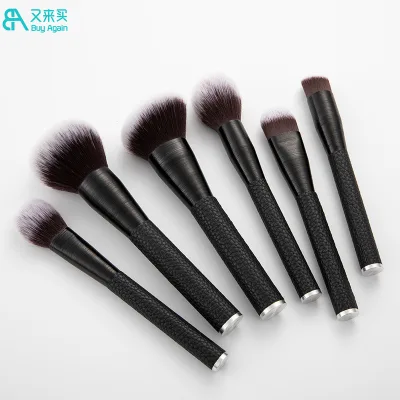
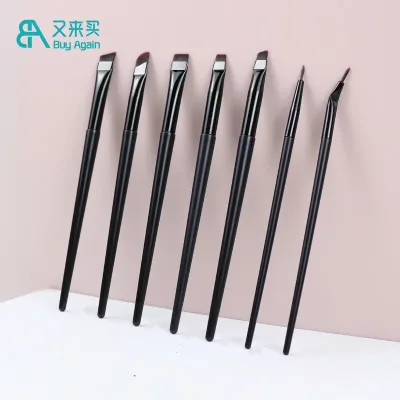
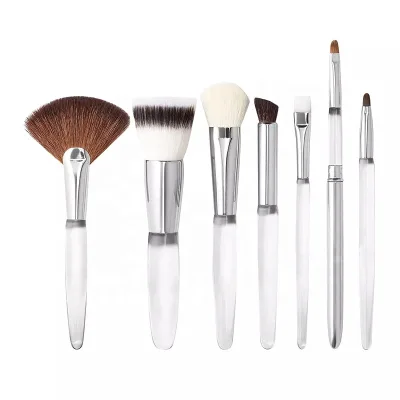
Listings for the Vegan Professional Makeup Brush category on major B2B platforms show a strong China concentration, and the evidence on this page points to two provinces. One profile is a manufacturer based in Guangdong whose main products cover nail clippers, makeup brushes, manicure sets, eyebrow tools and manicure tools, listing single vegan blush and flat-top foundation brushes made from synthetic fibre or nylon. Another profile is a trading company in Zhejiang whose main products span makeup brushes, cosmetic bag cases, jade rollers, gua sha tools, hair brushes, body brushes and makeup sponges. That mix signals how trading companies bundle brushes with adjacent beauty accessories, which matters when you want one consolidated shipment.
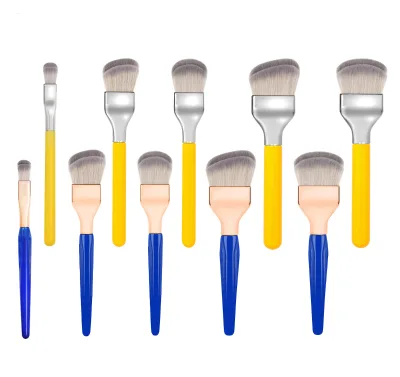
Understand the structural difference before shortlisting. A manufacturer listing single brushes in the USD 0.32–0.35 range typically suits buyers who need components or small private-label runs, and it advertises sample, OEM and ODM service with customized logos. A trading company listing full sets — 8, 10, 11, 12 and 14 pieces with wood or plastic handles in PU, OPP or cylinder bags — suits branded kit programs. Trading companies add a coordination layer and margin but widen material sourcing; manufacturers control production directly but may limit set assembly and packaging variety. When clusters are not labeled in results, identify them yourself by recording the province of origin for every plausible listing, then weighting your sample toward provinces that recur across both manufacturers and trading companies rather than trusting a single high-ranking profile.
How to Verify Vegan Professional Makeup Brush Suppliers
Verification should start with the platform-supplied trust signals and end with your own checks. In the current results, one Zhejiang trading company carries a TUV Rheinland verification badge, while the Guangdong manufacturer profile does not display a comparable credential — an absence, not a red flag, but a gap you must close through direct questioning. Ask every candidate for business license numbers, factory address and photos, and whether the "manufacturer" claim covers brush hair dyeing, handle molding and ferrule assembly in-house or is partly outsourced. A trading company should be asked which underlying factories it works with and whether you may audit them.
For a vegan claim specifically, documentation is the core verification task. Request written confirmation that bristles are synthetic fibre or nylon with no animal hair, and ask about dye and glue inputs, since some small factories cannot confirm these without checking upstream. Ask whether third-party material test reports exist for the specific brush models you are buying, and treat any vague "eco-friendly" language as unverified until a report is supplied. Cross-check self-declared details against neutral evidence: consistency of the company name across license, invoice and bank account; whether the listed main products plausibly match a brush factory's equipment; and whether response behavior is professional. One supplier here answers in about two hours while another averages roughly six — neither figure proves quality, but slow, evasive replies during quotation usually worsen after payment. Order a paid sample set before committing, and inspect bristle softness, shedding and handle finish against your specification.
What to Compare Across Vegan Professional Makeup Brush Suppliers
Build a comparison sheet from the attributes actually displayed, since profiles differ. Useful dimensions in this category include supplier type (manufacturer versus trading company), location, main products, verification badges, response time, lead time, MOQ, price range, brush material and customization options. The contrast in current results is instructive: the Guangdong manufacturer lists a seven-day lead time and roughly two-hour response, while the Zhejiang trading company shows a thirty-day lead time and slower response — but that gap partly reflects product type, since a single brush ships faster than a fourteen-piece boxed set. Compare like with like before concluding one supplier is operationally superior.
Price and MOQ comparisons should also respect product differences. Single vegan brushes here quote around USD 0.32–0.35, while sets range widely — an eleven-piece plastic-handle set near USD 3.56–4.36 with a fifty-piece MOQ, a ten-piece wood-handle set near USD 6.85–7.45 with a one-thousand-piece MOQ, and a fourteen-piece nylon set near USD 5.68–7.28 with a five-hundred-piece MOQ. Lower MOQs usually mean standard, unbranded configurations; private-label logo work (silk screen printing is the method named in one listing) typically requires higher volumes. Also compare customization scope: some suppliers accept customer logos and OEM/ODM work, others offer "no label" stock. Finally, compare what is not displayed — establishment year, escrow or trade-assurance status, and certification evidence — and flag those fields as "verify" in your sheet rather than assuming every supplier holds them. Rank suppliers on total fit, not a single metric.
Common Vegan Professional Makeup Brush Sourcing Risks
The most category-specific risk is vegan integrity failing silently. A supplier may quote a synthetic-fibre brush, then substitute or blend animal hair on a re-run when synthetic filament costs rise, especially on large orders where material changes are hard to detect in photos. Mitigate by requiring the material specification in writing on the proforma invoice, keeping golden samples, and scheduling pre-shipment inspection that includes bristle burn or solvent tests only if you understand their limits — otherwise use third-party inspection with a clear vegan clause in the checklist.
Other risks cluster around packaging and branding. Sets packed in PU, OPP or cylinder bags add layers of outsourced work, so delays often come from the bag or printed insert, not the brush. Private-label programs carry artwork risks: silk screen printing on plastic or wood handles can chip, and low-contrast logo colors often fail on first proof, so approve a printed handle sample, not just a digital mockup. Commercial risks include MOQ mismatch — a one-thousand-piece minimum can be unsuitable for market testing when a fifty-piece minimum exists elsewhere — and lead-time drift, since quoted lead times may exclude production queue during peak season. Watch for attribute inflation in listings: phrases like "100% checked" or "skin-friendly" are self-declared claims, not certifications. Finally, avoid paying large deposits to unverified accounts; use platform escrow or staged payments where available, and never rely on a supplier's word alone for compliance documents you intend to show regulators or retailers.
Vegan Professional Makeup Brush Regional Sourcing and Logistics
Region shapes what you can buy and how it ships. Guangdong appears in these results as a manufacturing base whose supplier also handles nail care and eyebrow tools, reflecting the province's dense beauty-tool supply chain; Zhejiang appears through a trading company combining brushes with rollers, sponges, bags and hair accessories. When results do not identify a region, build your own cluster map: extract the place of origin from every listing's attributes (one listing here names Guangdong explicitly), tally them, and prioritize outreach to provinces appearing repeatedly across both factory and trading profiles, since density usually means more competitive material pricing and faster component substitution.
Logistically, brush sets are bulky relative to value, so freight choice matters more than for compact cosmetics. Full sets in PU or cylinder bags ship as volumetric cargo; air freight suits samples and launch quantities, while sea freight or rail suits replenishment. Confirm carton dimensions, gross weight and whether sets ship assembled or flat-packed — packaging format changes container utilization significantly. Lead times in the current evidence range from seven days for single brushes to thirty days for sets, but treat these as order-confirmation-to-shipment windows and ask separately about production queue time before peak season and Chinese public holidays. Clarify incoterms early: ex-works, FOB and DDP produce very different landed costs for a low-unit-price item. If you source from both a manufacturer and a trading company, consider consolidating at one forwarder, since brush sets, sponges and accessories from the same province can share a container rather than moving as separate small shipments.
Vegan Professional Makeup Brush Commercial Terms and Order Planning
Plan orders around the price–volume–customization trade-off visible in this category. Single synthetic or nylon brushes quote near USD 0.32–0.35, suitable for component purchases or entry-level singles. Sets show a clear structure: an eight-piece wood-handle set near USD 2.90–3.30, an eleven-piece plastic-handle set near USD 3.56–4.36 with a fifty-piece MOQ, and wood-handle ten- and fourteen-piece sets near USD 5.68–7.45 with five-hundred to one-thousand-piece MOQs. Higher piece counts, PU bags and custom logos push both price and minimum upward, so match the set configuration to your distribution stage: small MOQs for testing, higher volumes once sell-through is proven.
Negotiate terms explicitly and in writing. Confirm unit price validity period, sample cost and whether sample fees are credited against bulk orders, tooling or printing-plate charges for private-label work, deposit percentage, balance payment trigger, and accepted payment channels including escrow where offered. Specify inspection standards, defect-rate tolerance, packaging artwork approval steps and consequences for late delivery. For lead-time planning, reconcile quoted windows — seven versus thirty days in current listings — with your own calendar, adding buffer for packaging procurement and holiday shutdowns. For repeat business, consider splitting annual volume between a manufacturer for standard singles and a trading company for complex boxed sets, which diversifies risk while matching each order type to the supplier best structured for it. Finally, archive all vegan-material commitments in the contract itself, not just email, so the claim survives personnel changes at the supplier and supports your own compliance documentation downstream.
FAQs
What brush materials are used in vegan professional makeup brushes?
Vegan professional makeup brushes on this page use synthetic fibre or nylon bristles, which contain no animal hair. Both materials work for powder, blush, foundation, concealer, and eye products. Handles are typically wood or plastic, and listings specify the bristle material in the product attributes, so buyers can confirm vegan suitability directly from each specification before requesting samples.
What is the typical MOQ for vegan makeup brush sets?
The minimum order quantity varies by product: one listed makeup brush set has an MOQ of 1,000 pieces, another 14-piece set starts at 500 pieces, and a private-label pink 11-piece set allows orders from just 50 pieces. Lower MOQs usually apply to smaller sets, so start with a small trial order before committing to larger volumes.
How much do vegan makeup brush sets cost per unit?
Single synthetic-fibre blush and foundation brushes are listed between roughly 0.32 and 0.35 USD per piece, while multi-piece sets are priced higher. A 10-piece set with a PU roll bag lists at about 6.85 to 7.45 USD, and an 11-piece pink set lists around 3.56 to 4.36 USD. Prices depend on piece count, packaging, and customization.
Can suppliers provide private label and custom logo brushes?
Yes, customization is widely supported. Listings show private logo acceptance on both single brushes and sets, with options such as silk screen printing for logo application and customized branding on single units. Suppliers commonly offer OEM and ODM services, and some list sample support alongside production. Confirm artwork requirements, logo placement, and any setup costs with the supplier before ordering.
What are typical lead times and response times for these suppliers?
Observed lead times range from 7 to 30 days depending on the supplier and order complexity, and listed average response times range from about 2 hours to roughly 6 hours. Manufacturers with a 7-day lead time often suit urgent replenishment, while trading companies listing 30 days may handle larger customized orders. Always confirm current production schedules before placing an order.
Where are these vegan makeup brush suppliers located?
Suppliers in the current results are based in Guangdong and Zhejiang, China, both established regions for beauty tools manufacturing. Guangdong listings include manufacturers focused on manicure and makeup tools, while Zhejiang suppliers cover broader cosmetic tool categories including brushes, jade rollers, and cosmetic bags. Supplier type varies between manufacturer and trading company, which affects pricing and production control.
Are suppliers verified and how can buyers check quality?
At least one listed supplier carries TUV Rheinland verification, and some listings state 100% quality checking. Verification badges indicate third-party review of company credentials, but buyers should still request vegan material declarations, product samples, and inspection reports before mass production. Ask whether certifications cover the specific synthetic bristle materials used in your chosen brush models.