Taiwan Cosmetic Mirror Suppliers and Manufacturers
Explore 24 verified options for Taiwan Cosmetic Mirror from Zhejiang and Guangdong factories. Compare response times, lead times, certifications, and product specifications to find the right partner. Contact suppliers directly to request quotes; review the available evidence before requesting comparable quotations from suitable candidates.
Suppliers List
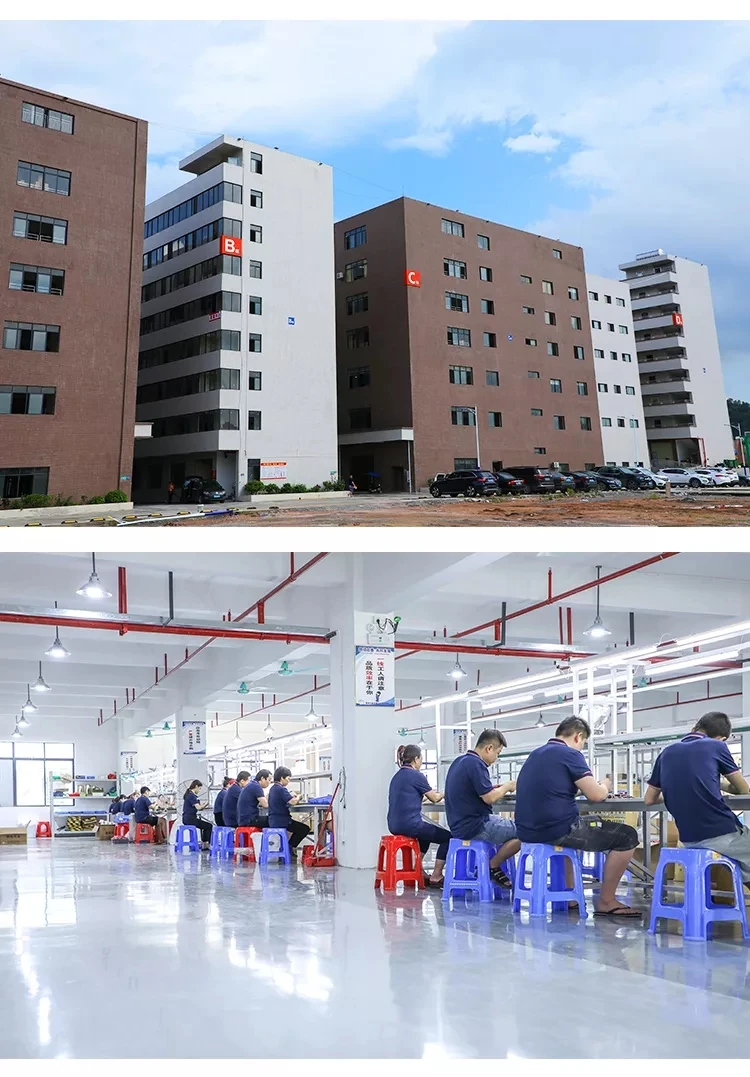
Hangzhou Yaochi Import& Export Co., Ltd.
- Trading Company
- Zhejiang, China
- Lead time7 days
- Avg. response≤ 2h
Main productsBath Brush,Body Cleaning,Facial sponge,Pumice Stone,Bath Sponge
Main marketsDomestic Market(30.00%), North America(10.00%), South Asia(10.00%), Northern Europe(10.00%), Mid East(10.00%), Oceania(10.00%), Africa(10.00%), South America(10.00%)

Guangzhou Goodsense Decorative Building Materials Co., Ltd.
- Combined
- China Guangdong
- Lead time23 days
- Avg. response≤ 11h
Main productsAluminum Composite Panel, ACP Tiles, Aluminum Core Composite Panel, Cep Board, PVC Wall Panel
Main marketsSouth America,Africa,Domestic,Europe,North America

Wenzhou Won-Try Electric Appliance Co., Ltd.
- Manufacturer
- China Zhejiang
- Lead time0 days
- Avg. response≤ 10h
Main productsHair Dryer, Hand Dryer, Cosmetic Mirror, Absorption Minibar, Electronic Safe, Hotel Hair Dryer, Electronic Kettle

Wenzhou Fyeer Sanitary Ware Co., Ltd.
- Combined
- China Zhejiang
- Lead time23 days
- Avg. response≤ 3h
Main productsFaucet, Tap, Thermostatic Faucet, Automatic Faucet, Mirror, Sensor Tap, Shower Head, Bathroom Accessories, Waterfall Faucet, Glass Faucet
Main marketsSouth America,Africa,Southeast Asia/ Mideast,Domestic,Europe,Australia,North America
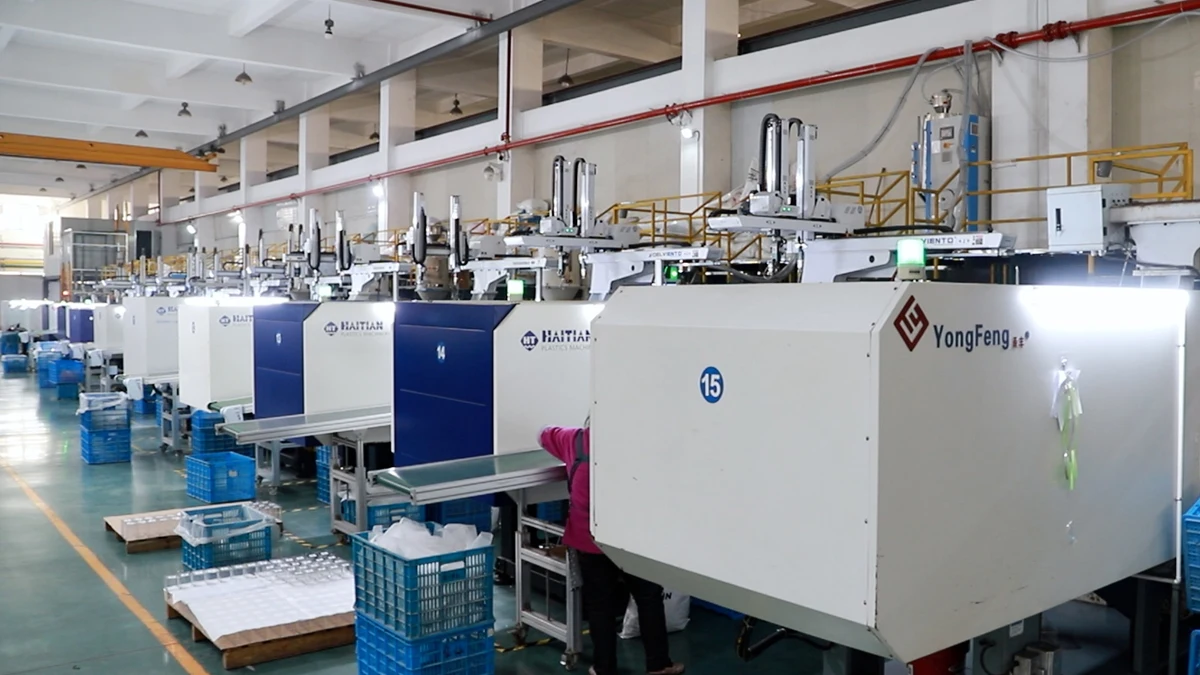
Ningbo Fedee Commodity Co., Ltd.
- Trading Company
- Zhejiang, China
- Lead time30 days
- Avg. response≤ 1h
Main productsBath Accessories,Beauty Accessories,Hair Accessories,Manicure & Pedicure Accessories,Personal Care Product
Main marketsWestern Europe(30.00%), North America(30.00%), Southern Europe(15.00%), Eastern Europe(10.00%), Southeast Asia(5.00%), Northern Europe(5.00%), South America(5.00%)

Quanzhou Changyi Crafts Gifts Limited
- Verified by TUVRHEINLAND
- Manufacturer/Factory
- China Fujian
- Lead time23 days
- Avg. response≤ 7h
Main productsBallpoint Pen, Silicone Bracelet, Name Card Holder, Luggage Tag, Gift Set, Mobile Phone Accessory, Passport Cover, Ceramic Coaster, Gift Bag, Gift Box
Main marketsSouth America,Mid East,North America,Southeast Asia,Eastern Asia,Oceania,Western Europe,Africa

TAIZHOU HARSOUL IMP. & EXP. CO., LTD.
- Trading Company
- China Zhejiang
- Lead time30 days
- Avg. response≤ 14h
Main productsPromotion Gifts, Promotional Bag, Promotional Jewelry, Promotional Toys, Promotional Stationery, Promotional Plastic Goods
Main marketsOthers(foreignTradeCapacity.exportBusinessCapacityMarketOther),Europe,North America

Jinjiang Jiaxing Supply Management Co., Ltd.
- Verified by TUVRHEINLAND
- Trading Company
- China Fujian
- Lead time30 days
- Avg. response≤ 1h
Main productsEVA Clogs, Flip Flop, Shoe Charms, Shopping Bags, Wristbands, Gifts, Promotional Gifts, Slipper, Sport Cap, Ball
Main marketsNorth America

- Trading Company,Manufacturer/Factory
- China Guangdong
- Lead time23 days
- Avg. response≤ 13h
Main productsHotel Amenity, Hotel Supplies, Hair Dryer, Ironing Board, Safe Box, Ice Bucket, Magnifying Mirror, Luggage Rack, Waste Bin, Electric Kettle
Main marketsSouth America,Eastern Europe,Mid East,North America,Southeast Asia,Eastern Asia,Oceania,Western Europe,Africa

Wenzhou Liyang Beauty Trade Co., Ltd.
- Verified by BV
- Trading Company
- China Zhejiang
- Lead time23 days
- Avg. response≤ 5h
Main productsHair Brush, Bath Items, Beauty Instruments, Makeup Brushes, Makeup Sponge, Jade Craft, Makeup Mirror, Cotton Pads, Silicone Accessories, False Nails
Main marketsSouth America,Eastern Europe,Mid East,North America,Western Europe


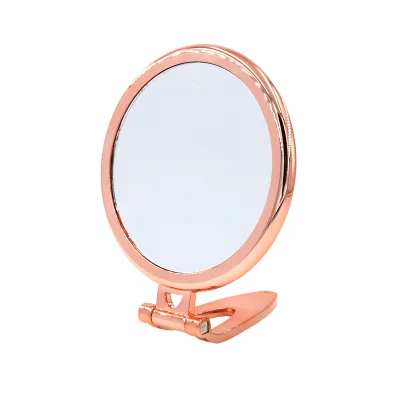
Cosmetic Hand Folding Mirror Double Sides Magmifying Makeup Desktop Plastic Mirror
$0.80 - $0.82
MOQ: 1000 Pieces

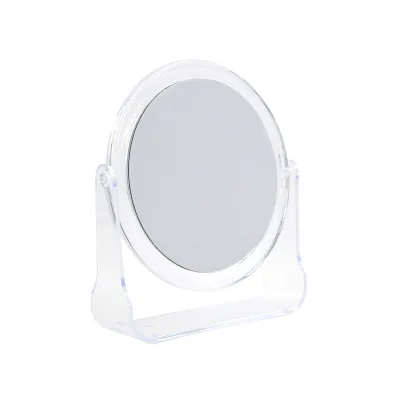
Double Side Magnify Square Small Makeup Cosmetic Mirror Used on Holiday Gift
$0.58 - $0.60
MOQ: 1000 Pieces

Ninghai Haohao E-Commerce Firm
- Manufacturer, Trading Company
- Zhejiang, China
- Lead time7 days
- Avg. response≤ 6h
Main productsmakeup mirror,makeup tools,makeup brushes,LED Mirror
Main marketsNorth America(40.00%), Southern Europe(10.00%), Northern Europe(10.00%), Western Europe(10.00%), Mid East(10.00%), Eastern Europe(10.00%), South America(10.00%)

- Verified by SGS
- Trading Company
- China Zhejiang
- Lead time15 days
- Avg. response≤ 17h
Main productsEyelashes, Makeup Brush, Cosmetic Brush, Eyelash Extension, Lipstick, Eyeshadow, Mascara, Nail Sticker, Nail Lamp, Mask
Main marketsEurope,Australia


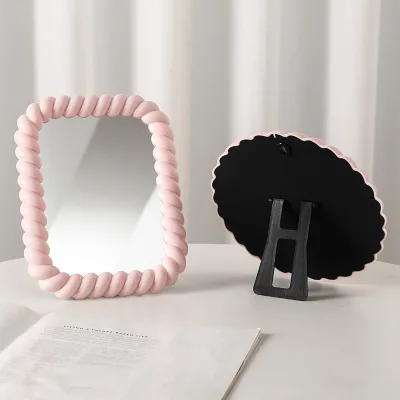
Hot Selling High Fashion Ins Style Personalized Square Cosmetic Portable Handheld Mirror
$0.54 - $0.74
MOQ: 500 Pieces
Baoding Belleza Commercial Co., Ltd.
- Verified by TüVRheinland
- Trading Company
- Lead time5 days
- Avg. response≤ 3h
Main productsMakeup Brush, Makeup Brush Set, Makeup Sponge, Hair Comb, Mirror
Main marketsNorth America(50%), Western Europe(35%), Oceania(10%)

Ningbo Peaceport Imp. & Exp. Co., Ltd.
- Trading Company,Manufacturer/Factory
- China Zhejiang
- Lead time45 days
- Avg. response≤ 21h
Main productsWater Through Car Brush, Mop, Window Squeegee, Snow Brush, Push Broom, Telescopic Pole, Car Brush, Dustpan, Broom, Floor Squeegee
Main marketsSouth America,Eastern Europe,North America,Southeast Asia,Eastern Asia,Oceania,Western Europe,Africa

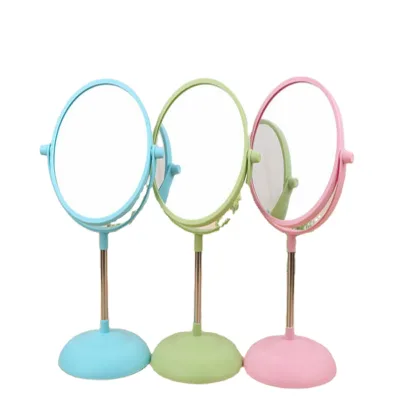
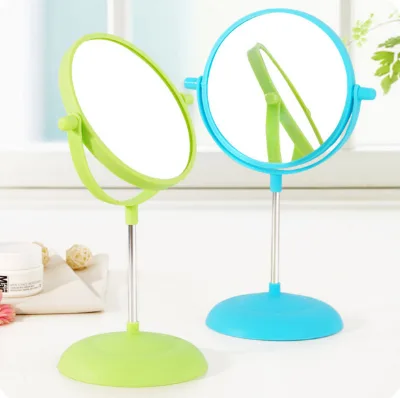
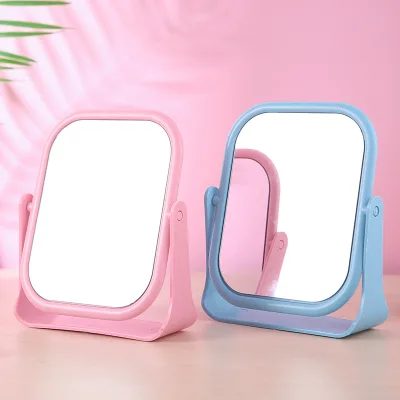
Desktop Makeup Mirror with Stand Table Mirror Cosmetic Glass Mirror Dressing Mirror
$1.10 - $1.88
MOQ: 3000 Pieces


Table Mirror Make up Mirror Desktop Mirror Stand Mirror Hand Mirror Cosmetic Glass Mirror
$1.10 - $1.88
MOQ: 3000 Pieces


Guangzhou Congmei Biotechnology Co., Ltd.
- Verified by TüVRheinland
- Trading Company
- Lead time15 days
- Avg. response≤ 4h
Main productsEye Shadow, Lipgloss, Foundation, Eyelashes, Concealer
Main marketsNorth America(45%), South America(10%), Southeast Asia(10%)
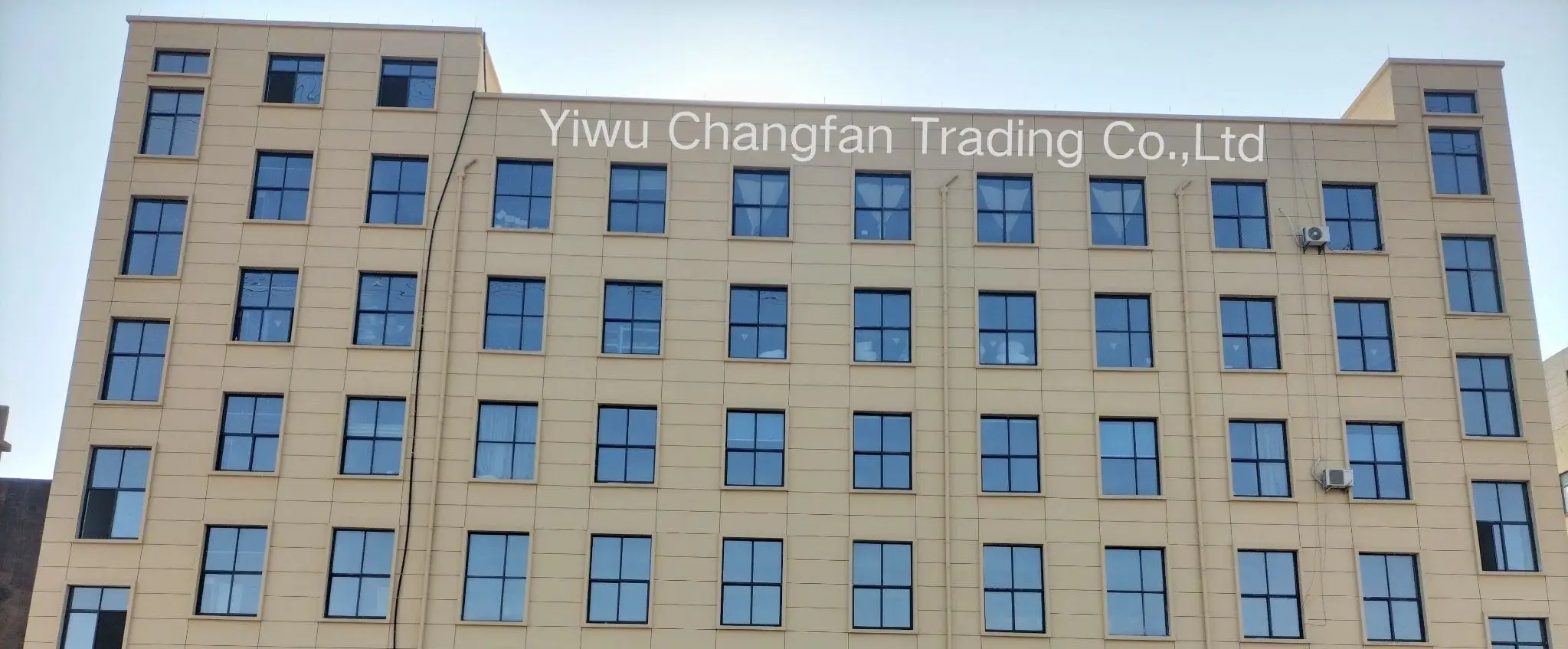
Yiwu Changfan Trading Co., Ltd.
- Trading Company
- Zhejiang, China
- Lead time15 days
- Avg. response≤ 2h
Main productsWall Mirror,Floor Mirror,Makeup Mirror,Crafts,Mirror
Main marketsDomestic Market(60.00%), North America(20.00%), Mid East(20.00%)
Jiangmen Yuexian Industrial Technology Co., Ltd.
- Manufacturer, Trading Company
- Guangdong, China
- Lead time45 days
- Avg. response≤ 2h
Main productsLED Makeup Mirror, LED Bathroom Mirror, Hollywood Mirror, Bathroom Mirror Cabinet, Full-Length Mirror
Main marketsNorth America(40.00%), Northern Europe(20.00%), Mid East(10.00%), South Asia(5.00%), Southern Europe(5.00%), South America(5.00%), Western Europe(5.00%), Eastern Asia(5.00%), Eastern Europe(5.00%)

Zhongshan Chaolang Lighting Co., Ltd.
- Verified by SGS
- Combined
- China Guangdong
- Lead time30 days
- Avg. response≤ 1h
Main marketsEurope

Convenient Portable Magnifying Cosmetic Mirror with LED for Cross Country Travel Trips
$10.00 - $15.00
MOQ: 10 Pieces

High Quality Clear Definition Cosmetic Mirror Illuminated for Cosmetic Store Counter
$10.00 - $15.00
MOQ: 10 Pieces


NINGBO FTZ WINLY TRADING SERVICE CO., LTD.
- Verified by BV
- Trading Company
- China Zhejiang
- Lead time30 days
- Avg. response≤ 2h
Main productsHair Brushes, Personal Care Items, Beauty Cosmetic Items, Wet Wipes, Car Wheel Brushes, Disposable Protective Products, Compact Mirrors, Cotton Buds/Pads, Cleaning Brushes, Hair Beauty Tools
Main marketsSoutheast Asia/ Mideast,Europe

Zhongshan Leon crafts and gifts Co., Ltd.
- Verified by SGS
- Trading Company,Manufacturer/Factory
- China Guangdong
- Lead time23 days
- Avg. response≤ 7h
Main productsMetal Pin Badge, Wallet Badge, Sports Medal, Honor Medal, Belt & Buckle, Challenge Coins, Fridge Magnet, Different Kind of Security Products, Keychain, Embroidery Patch
Main marketsSouth America,Eastern Europe,Mid East,North America,Southeast Asia,Eastern Asia,Oceania,Western Europe,Africa
Shenzhen Imanson Technology Co., Ltd.
- Verified by TüVRheinland
- Trading Company
- Lead time3 days
- Avg. response≤ 4h
Main productsEyeshadow, Blush, Lipstick, Lipgloss, Makeup Tools
Main marketsNorth America(50%), Eastern Europe(10%), Western Europe(10%)

Xiamen Ebei Import & Export Co., Ltd.
- Verified by CTI
- Trading Company,Manufacturer/Factory
- China Fujian
- Lead time45 days
- Avg. response≤ 2h
Main productsEco-Friendly Products, Bamboo Tableware, Bamboo Furniture, Bamboo Kitchenware, Bamboo Office Supply, Bamboo Fibre Products, Biodegradable Products, Bamboo Towel, Solar Energy Products, Bamboo Garden Products
Main marketsSouth America,Eastern Europe,Mid East,North America,Southeast Asia,Eastern Asia,Oceania,Western Europe,Africa
Foshan Coolnice Silicone Rubber Products Co., Ltd.
- Verified by TüVRheinland
- Manufacturer, Trading Company
- Lead time7 days
- Avg. response≤ 3h
Main productsKitchen Supplies, Household Products, Beauty Tools, Outdoor Supplies, Outdoor Sport Accessories
Main marketsNorthern Europe(11%), South Asia(11%), Central America(10%)
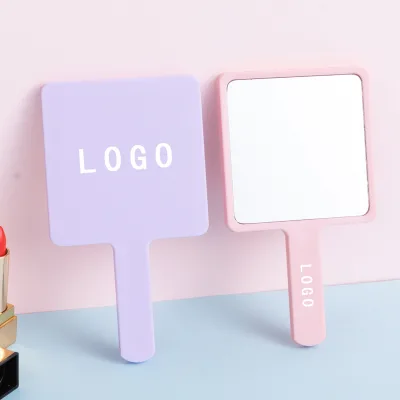
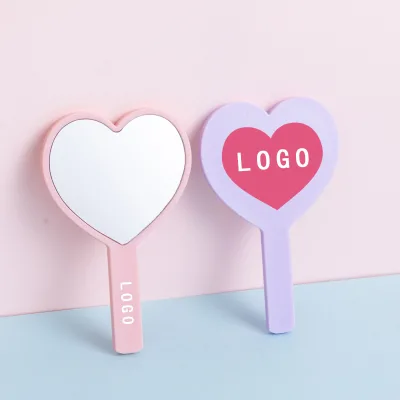
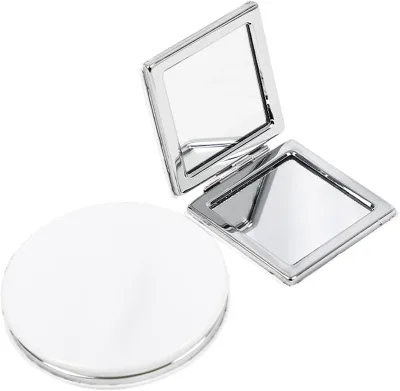
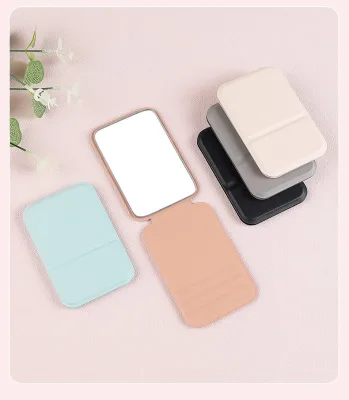
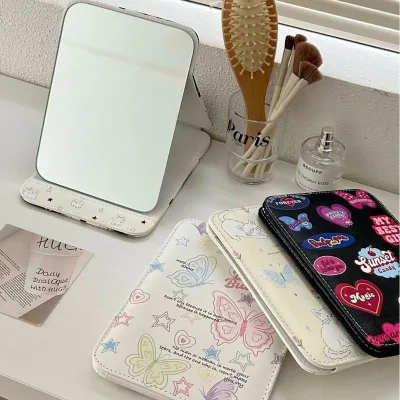
Rectangle Wholesale Mirrors Cosmetic Pocket Mirror Hd Glass Mirror +pu Leather for Makeup
$0.93 - $0.99
MOQ: 200 pieces

Shijiazhuang Jiaoyan Technology Co., Ltd
- Verified by SGS
- Trading Company
- China Hebei
- Lead time15 days
- Avg. response≤ 7h
Main productsHyaluronic Acid
Main marketsNorth America
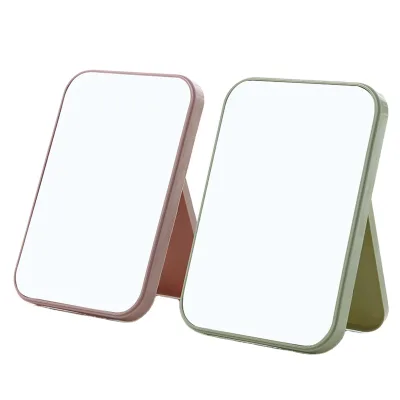




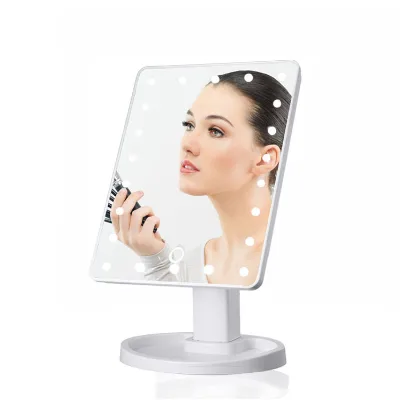
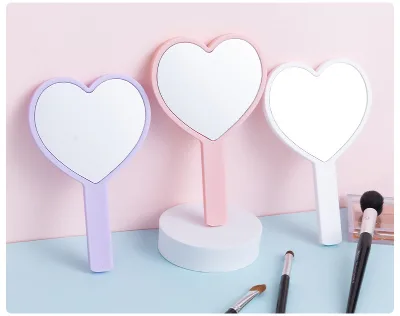
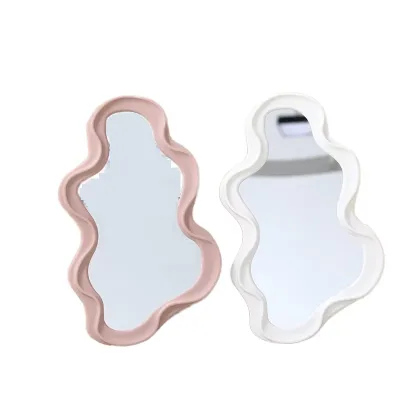
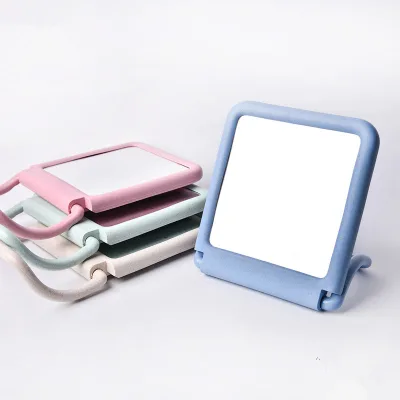
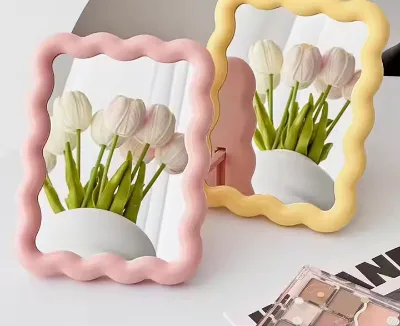
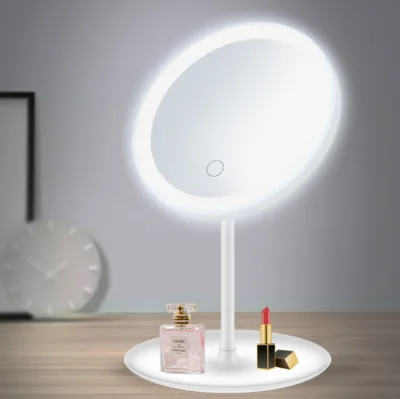
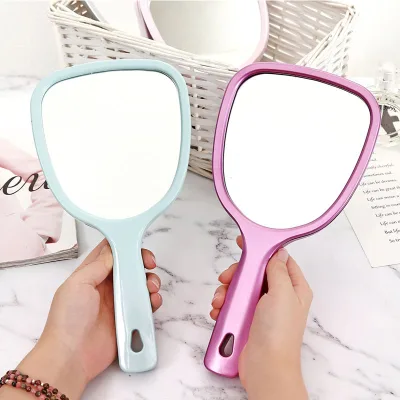




Comprehensive Sourcing Guide
Taiwan Cosmetic Mirror Supplier Concentration and Factory Types
The current search results indicate a supplier landscape primarily anchored in mainland China, specifically within Zhejiang and Guangdong provinces, rather than a concentrated cluster in Taiwan. Several observed entities list their location as Zhejiang, China, while others are situated in Guangdong, China, suggesting that the primary manufacturing hubs for these items are located on the mainland. This geographic distribution implies that buyers seeking "Taiwan Cosmetic Mirror" products may need to broaden their search criteria to include these specific mainland regions where the actual production facilities are confirmed. The absence of a verified Taiwan-based location in the provided data means that any assumption of a Taiwanese manufacturing cluster would be an inference not supported by the available facts.
Regarding company structures, the observed suppliers represent a mix of trading companies, manufacturers, and combined entities. Some listings explicitly identify as a Trading Company, acting as intermediaries between factories and buyers, while others are classified as Manufacturers or Combined types capable of offering both production and trading services. This variation in supplier type affects the directness of the supply chain and the potential for customization. A manufacturer might offer more direct control over production parameters like material thickness or frame finish, whereas a trading company might provide a broader range of finished goods from different factories. Buyers must distinguish between these types to understand who holds the actual production capacity and who manages the logistics and sales interface.
How to Verify Taiwan Cosmetic Mirror Suppliers
Verification begins with scrutinizing the specific location data provided in supplier profiles, as the current results show origins in Zhejiang and Guangdong rather than Taiwan. Buyers should confirm the physical address and operational base of any supplier claiming to be from Taiwan, as the available evidence points to mainland Chinese locations for the listed cosmetic mirrors. It is essential to request proof of business registration and factory audits that explicitly validate the claimed origin. If a supplier lists a location in Zhejiang or Guangdong, the buyer must determine if this is a direct factory or a trading office, as the distinction impacts quality control and communication efficiency. Relying on the keyword alone without verifying the actual geographic data can lead to sourcing from unintended regions.
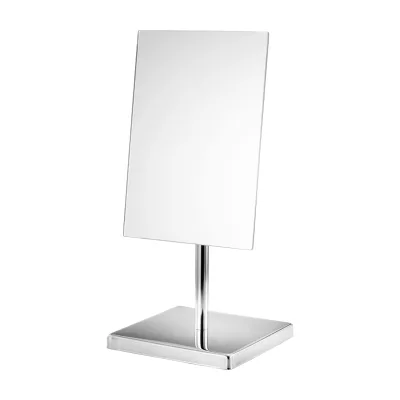
Certification and product attribute verification are critical next steps in the assessment process. The observed data includes specific certifications like ISO9001:2015 and ISO14001:2015 for some suppliers, while others list their system certification as NIL. Buyers must request valid certificates for the specific products they intend to purchase, ensuring that the standards match the requirements of their target market. Additionally, product attributes such as material composition, dimensions, and finish should be cross-referenced with the supplier's provided specifications. For instance, if a product is described as having a metal frame with a chrome finish, the buyer should verify these details through sample requests or third-party inspection reports before committing to a large order.
What to Compare Across Taiwan Cosmetic Mirror Suppliers
When evaluating potential partners, lead time and response time are key operational metrics that vary significantly across the supplier pool. The observed data shows response times ranging from 2 hours to over 10 hours, with lead times spanning from 0 days to 23 days. A supplier with a 2-hour response time and a 7-day lead time offers a distinct advantage for urgent orders compared to one with a 10-hour response and a 23-day lead time. Buyers should prioritize suppliers whose response speeds align with their communication needs and whose lead times fit within their inventory planning cycles. Comparing these figures helps identify which suppliers can support fast-turnaround projects versus those better suited for planned, long-term procurement strategies.
Minimum Order Quantity (MOQ) and pricing structures also require careful comparison to ensure alignment with budget and volume requirements. The available evidence indicates price ranges from $0.30 to $12.50 per unit, with MOQs varying from 100 units to 300 units depending on the specific product and supplier. A supplier offering a price of $0.30 with a 300-unit MOQ presents a different cost structure than one charging $8.00 with a 100-unit MOQ. Buyers must calculate the total landed cost, including shipping and duties, to determine the true value proposition. Additionally, comparing the main products offered by each supplier reveals whether they specialize in specific types of mirrors, such as acrylic, metal-framed, or lighted models, ensuring the supplier can meet the specific design requirements of the buyer's project.
Common Taiwan Cosmetic Mirror Sourcing Risks
One significant risk involves the discrepancy between the search keyword and the actual supplier location data. Since the provided facts list locations in Zhejiang and Guangdong rather than Taiwan, there is a risk of miscommunication regarding origin, which can affect shipping costs, tariffs, and compliance with country-of-origin labeling laws. Buyers must explicitly clarify the country of origin with the supplier to avoid receiving goods that do not match the expected sourcing profile. This mismatch can lead to unexpected delays at customs or additional costs if the goods are mislabeled or if the buyer intended to source specifically from Taiwan for branding or trade agreement reasons.
Another risk pertains to the variability in product specifications and certification status. The observed data shows some suppliers with detailed product attributes like tensile strength and water absorption, while others lack specific certification details, listing them as NIL. This inconsistency can lead to quality issues if the buyer assumes a standard level of quality or compliance that is not actually present. For example, a supplier without ISO certification might produce mirrors that do not meet safety standards required in certain markets. Buyers must verify that the specific product attributes, such as material thickness and frame finish, are consistent with their quality expectations and that any necessary certifications are valid and applicable to the specific batch of goods being ordered.
Taiwan Cosmetic Mirror Regional Sourcing and Logistics
Logistics planning must account for the actual geographic locations of the suppliers, which are currently identified as Zhejiang and Guangdong in China. These regions have well-established port infrastructure, but the specific port of departure will depend on the supplier's location within these provinces. Buyers should confirm the nearest port to the factory to estimate transit times and shipping costs accurately. If the supplier is in Zhejiang, the goods might ship from Ningbo or Shanghai, while a supplier in Guangdong could ship from Shenzhen or Guangzhou. Understanding these logistics nuances is crucial for calculating the total delivery timeline and ensuring that the goods arrive on schedule for the buyer's market launch or restocking needs.
Shipping terms and Incoterms play a vital role in managing the risk and cost of transporting these cosmetic mirrors from the identified regions. Buyers should clarify whether the supplier offers EXW, FOB, or CIF terms, as this determines who is responsible for freight, insurance, and customs clearance. Given the varying lead times observed, from 0 to 23 days, the shipping method must be coordinated with the production schedule to avoid bottlenecks. For instance, a supplier with a 23-day lead time requires earlier booking of shipping space compared to one with a 7-day lead time. Buyers must also consider the packaging standards, such as bulk or wooden box packing, to ensure the mirrors arrive without damage during transit.
Taiwan Cosmetic Mirror Commercial Terms and Order Planning
Commercial terms regarding payment and customization availability are essential for finalizing the order structure. The observed data indicates that customization is available for certain products, allowing buyers to request specific colors, sizes, or branding. However, the extent of customization and the associated costs must be agreed upon before production begins. Buyers should negotiate clear terms for custom orders, including any additional fees for tooling or design changes. Additionally, understanding the payment terms, such as deposit percentages and balance due dates, is critical for cash flow management. Suppliers may require a deposit before starting production, and the balance might be due upon completion or before shipment.
Order planning must integrate the specific product attributes and capacity constraints observed in the supplier data. With lead times ranging from 0 to 23 days and MOQs from 100 to 300 units, buyers need to plan their inventory levels carefully to avoid stockouts or overstocking. For products with a 23-day lead time, the order should be placed well in advance of the expected demand peak. Conversely, suppliers with shorter lead times offer more flexibility for last-minute adjustments. Buyers should also consider the supplier's capacity for scaling production, as some may have limits on how quickly they can ramp up output. Planning for potential delays or capacity constraints ensures a smoother procurement process and minimizes the risk of supply chain disruptions.
FAQs
Where are cosmetic mirror suppliers located?
Suppliers are located in Zhejiang and Guangdong, China. Some manufacturers operate in Wenzhou, while trading companies are based in Zhejiang. Buyers should verify specific factory addresses to ensure proximity to ports for efficient shipping logistics.
What is the typical response time for suppliers?
Response times vary between 2 and 10.34 hours depending on the supplier type. Trading companies often respond faster than manufacturers. Buyers should check individual profiles to confirm current availability before initiating a detailed inquiry for urgent orders.
How long does production take for cosmetic mirrors?
Lead times range from 0 to 23 days based on the product and supplier capacity. Some manufacturers offer immediate availability, while others require up to three weeks. Verify specific timelines with the supplier to align with your project schedule effectively.
What certifications do cosmetic mirror suppliers hold?
Some suppliers hold ISO9001:2015 and ISO14001:2015 certificates for quality and environmental management. Others may have CE and RoHS certifications for specific products. Verify the exact certification status for your required product category before placing a large order.
What are the minimum order quantities for mirrors?
Minimum order quantities vary by product, with some items requiring 100 units and others needing 300 units. Customization options may affect these thresholds. Always confirm the specific MOQ with the supplier to ensure it fits your budget and volume needs.
What materials are used for cosmetic mirrors?
Mirrors are made from acrylic, metal, plastic, and ABS materials. Acrylic options offer safety features with specific tensile strength values. Metal frames often feature chrome finishes. Select materials based on durability requirements and intended usage environments like hotels or bathrooms.
What is the price range for cosmetic mirrors?
Prices range from 0.30 to 12.50 USD depending on material and features. Basic plastic mirrors are cheaper, while lighted or metal-framed options cost more. Bulk orders often reduce unit costs. Request a detailed quote to confirm final pricing for your specific requirements.