Vegan Non-GMO Mushroom Chitosan Suppliers and Manufacturers
Source 19 verified suppliers for Vegan Non-GMO Mushroom Chitosan. Compare key dimensions including ISO 9001 and FSSC22000 certifications, Shandong China locations, and lead times as low as 5 days. Review product specifications and request quotes directly; review the available evidence before requesting comparable quotations from suitable candidates.
Suppliers List
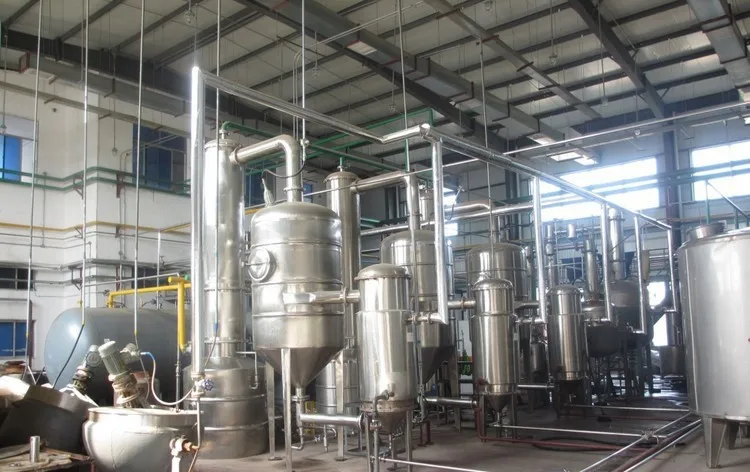
Qingdao Chibio Biotech Co., Ltd.
- Trading Company
- Shandong, China
- Lead time15 days
- Avg. response≤ 11h
Main productsAspergillus Chitosan,Mushroom Chitosan,Hyaluronic Acid,Theacrine,Beta-Glucan
Main marketsNorth America(20.00%), Southern Europe(10.00%), Northern Europe(10.00%), Western Europe(10.00%), South America(10.00%), South Asia(5.00%), Africa(5.00%), Southeast Asia(5.00%), Central America(5.00%), Eastern Europe(5.00%), Eastern Asia(5.00%), Mid East(5.00%), Oceania(5.00%)
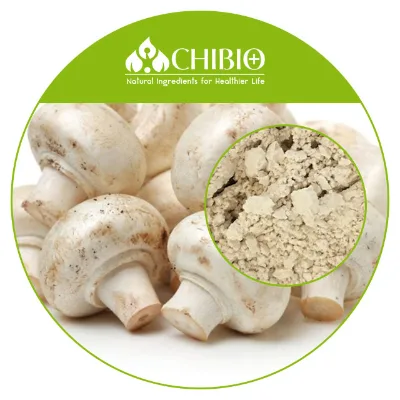
$50.00 - $110.00
MOQ: 1 Minimum
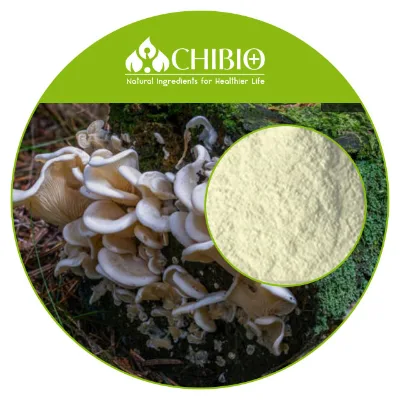
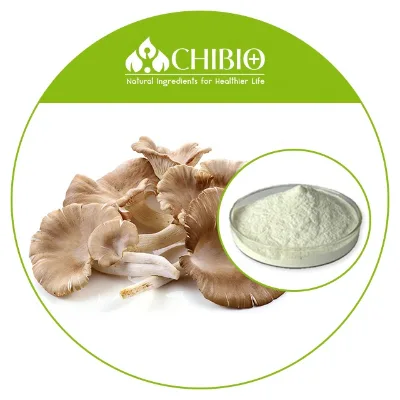
100% Vegan Mushroom Chitosan Around 200cps for Plant-based Textiles Leather
$49.40 - $267.56
MOQ: 1 Minimum
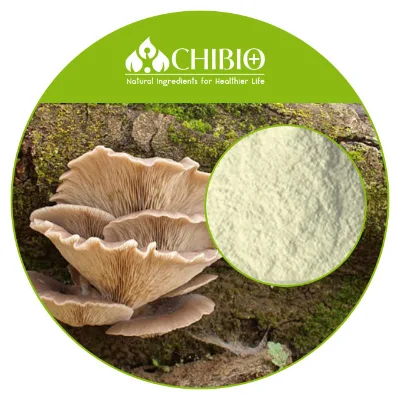
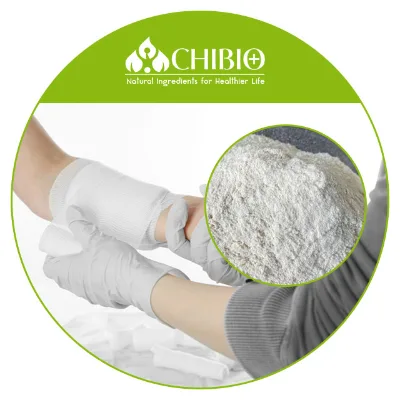
100% Vegetal Source Plant-based Mushroom Chitosan Around 200cps for Textiles Dying Agent
$48.00 - $260.00
MOQ: 1 Minimum
Wuhan Healthdream Biological Technology Co., Ltd.
- Verified by SGS Group
- Trading Company
- Lead time5 days
- Avg. response≤ 2h
Main productsProbiotic Raw Material Powder, Probiotic Premix / Blends, Enzyme Raw Material Powder, Organic Plant Extracts, Mineral Raw Materials
Main marketsNorth America(40%), Southeast Asia(20%), Eastern Europe(10%)
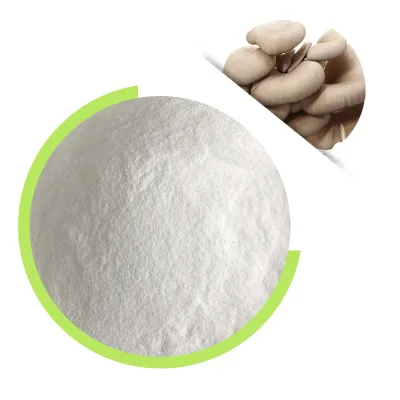
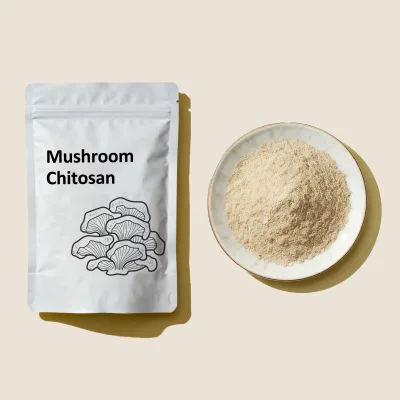
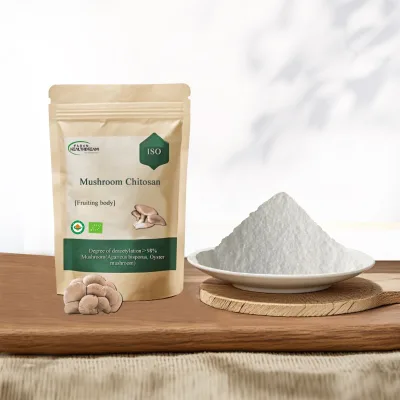
Vegan Non-GMO Food Grade Natural Mushroom Chitosan Powder for Weight Loss Supplement
$14.00 - $20.00
MOQ: 200

Jinan Fusen Bio-Chemicals Co., Ltd.
- Manufacturer/Factory
- China Shandong
- Lead time23 days
Main productsSpinosad, Biological Pesticides, Biological Fungicides, Bacillus Thuringiensis, Bacillus Subtilis, Polyoxin, Kasugamycin, Gibberellic Acid, Bti, Streptomycin Sulfate
Main marketsSouth America,Mid East,Southeast Asia

Xi'an Sheerherb Biological Technology Co., Ltd.
- Verified by BV
- Manufacturer/Factory
- China Shaanxi
- Lead time15 days
Main productsNmn, Collagen, Nicotinamide Ribose, Liposomes, Plant Extract, Chemicals Product, Pharmaceutical Intermediates
Main marketsSouth America,Eastern Europe,Mid East,North America,Southeast Asia,Eastern Asia,Oceania,Western Europe,Africa


Wholesale Chitosan Tablet Vegan Chitosan Chitosan for Food Grade Best Chitosan Price
$1.00 - $2.00
MOQ: 200 kg


Tianjin Dongfang Import and Export Co., Ltd.
- Trading Company
- China Tianjin
- Lead time15 days
Main productsFood Additive, Medical Intermediate, Nutritional Supplement, Vitamin, Natural Plant Extracts, Amino Acid
Main marketsSoutheast Asia/ Mideast,Europe

Chitosan Oligosaccharide/Water Soluble Chitosan/Carboxymnethyl /Hydroxypropy Chitosan
$3.25 - $5.25
MOQ: 1000 kg

Chitosan Oligosaccharide 148411-57-8 Water Soluble Chitosan Oligosaccharide
$5.50 - $12.50
MOQ: 1000 kg

Agricultural / Food Grade Chitosan Oligosaccharide Shrimp Extract Chitooligosaccharide 95%
$2.50 - $6.50
MOQ: 1000 kg
- Verified by BV
- Manufacturer/Factory
- China Shandong
- Lead time15 days
Main productsSurfactants, Organofunctional Silanes, Chemical Solvents, Chemical Additives
Main marketsSouth America,Eastern Europe,North America,Southeast Asia,Eastern Asia,Oceania,Western Europe,Africa

Qingdao Haidelong Biotechnology Co., Ltd.
- Manufacturer
- China Shandong
- Lead time15 days
Main productsSeaweed Extract, Water Soluble Fertilizer, Microbial Fertilizer, Chelate Trace Fertilizer, Amino Acid
Main marketsSouth America,Africa,Southeast Asia/ Mideast

Tianjin Zhuofeng Biotechnology Co., Ltd.
- Verified by BV
- Trading Company
- China Tianjin
- Lead time15 days
Main productsFood Additives, Plant Extract, Amino Acid, Nutrient Supplements, Feed Additives, Vitamin, Water Treatment, Coffee Bean/Cacao Beans, Cocoa Butter Cocoa Powder, Plastic Particle
Main marketsSoutheast Asia/ Mideast

$11.90 - $13.80
MOQ: 1000 kg


Fujian Herbal Treasure Bioengineering Co., Ltd.
- Verified by SGS
- Combined
- China Fujian
- Lead time30 days
Main productsMushroom Coffee, Instant Coffee, Health Supplement Coffee, Gummy, Hericium Ericium
Main marketsNorth America

Qingdao Seawin Biotech Group Co., Ltd.
- Combined
- China Shandong
- Lead time23 days
Main productsOrganic Fertilizer, Seaweed Fertilizer, Fertilizer, Fertilizer Equipment, NPK Fertilizer, NPK Fertilizer Equipment, Organic Fertilizer Equipment, Compound Fertilizer Production Line
Main marketsSouth America,Europe,North America

Qingdao LC Commercial & Trade Co., Ltd.
- Trading Company
- China Shandong
- Lead time15 days
Main productsOnion, Frozen Food
Main marketsSouth America,Africa,Europe

Zhejiang Fangge Pharmaceutical Industry Co., Ltd.
- Manufacturer/Factory
- China Zhejiang
- Lead time23 days
Main productsPlant Extract, Cordyceps Extract, Agaricus Blazei Extract, Hericium Erinaceus Extract, Ganoderma Lucidum Extract, Grifola Frondosa Extract, Coriolus Versicolor Extract, Chaga Extract, Meshima Extract, Lentinus Edodes Extract
Main marketsSouth America,Eastern Europe,Mid East,North America,Southeast Asia,Eastern Asia,Oceania,Western Europe,Africa

Zhangzhou Greencan Food Co., Ltd.
- Verified by SGS
- Trading Company,Manufacturer/Factory
- China Fujian
- Lead time23 days
Main productsCanned Mushrooms, Canned Champignons, Canned Fruits, Canned Vegetables, Canned Beans, Canned Fishes, Canned Tomato, Canned Tomato Paste, Condiments, Dry Fungus
Main marketsSouth America,Eastern Europe,Mid East,North America,Southeast Asia,Eastern Asia,Africa
DB Tomato (Xiamen) Industry Co., Ltd.
- Verified by SGS
- Manufacturer/Factory
- China Fujian
- Lead time23 days
Main productsTomato Paste Products&Canned Food, Drum/ Canned /Sachet Tomato Paste, Plastic Bottle Tomato Ketchup, Canned Fish& Canned Fruits&Vegetables, Canned Sardine/Mackerel/Tuna, Canned Sweet Corn/Baby Corn/Corn Cream, Canned Mushroom Whole/Slice, Canned Peach/Pineapple/Fruits
Main marketsSouth America,Eastern Europe,Mid East,North America,Southeast Asia,Eastern Asia,Oceania,Western Europe,Africa

XIAMEN ENLIGHTEN TRADING CO., LTD.
- Verified by TUVRHEINLAND
- Trading Company
- China Fujian
- Lead time30 days
Main productsCanned Food, Canned Mushroom, Canned Fish, Canned Corn, Canned Fruit, Vermicelli, Noddle, Abalone, Dry Goods
Main marketsSouth America,Eastern Europe,Mid East,North America,Southeast Asia,Eastern Asia,Oceania,Western Europe,Africa

- Trading Company,Manufacturer/Factory
- China Shandong
- Lead time15 days
Main productsFrozen Vegetable, Dried Mushroom, Freeze Dried Fruits, Freeze Dried Vegetables, Dried Shiitake Mushroom, Freeze Dried Raspberry, Freeze Dried Strawberry, Dried Lions Mane Mushroom
Main marketsSouth America,Eastern Europe,Mid East,North America,Southeast Asia,Oceania,Western Europe

Qingdao TPJ Foodstuff Co., Ltd.
- Trading Company,Manufacturer/Factory
- China Shandong
- Lead time23 days
Main productsFrozen Vegetable, Frozen French Fries, Frozen Mushroom, Frozen Mix Vegetable, Frozen Spinach, Frozen Sweet Corn, Frozen Green Peas, Frozen Spring Onion, Frozen Strawberry, Frozen Apple
Main marketsSouth America,Eastern Europe,Mid East,North America,Southeast Asia,Eastern Asia,Oceania,Western Europe,Africa

Zhongshan Ally Import and Export Company Limited
- Verified by BV
- Trading Company
- China Guangdong
- Lead time30 days
Main productsSoy Sauce, Oyster Sauce, Egg Noodle, Noodles, Sweet Chilli Sauce, Sesame Oil, Canned Food, Peanut Butter, Chicken Powder, Vinegar
Main marketsSouth America,Africa,Europe,Australia
Fuzhou Yankang Industrial Co., Ltd.
- Verified by SGS
- Trading Company
- China Fujian
- Lead time15 days
Main productsSparassis Crispa Beta-Glucan, Tremella Polysaccharide
Main marketsDomestic


Comprehensive Sourcing Guide
Vegan Non-GMO Mushroom Chitosan Supplier Concentration and Factory Types
Current data indicates a specific concentration of suppliers operating from Shandong, China, which serves as a primary hub for this category. Within this region, the supplier landscape is dominated by Trading Companies rather than direct manufacturing facilities. This structural distinction is critical for buyers, as trading companies often aggregate products from multiple sources to fulfill orders. The observed main products in this cluster include Aspergillus Chitosan, Mushroom Chitosan, Hyaluronic Acid, Theacrine, and Beta-Glucan, suggesting a specialized focus on fungal and plant-based extracts. Buyers should verify whether a listed trading company has direct access to the specific fungal strains required for their application or if they are reselling goods from third-party factories. The presence of a trading company does not inherently negate quality, but it adds a layer of supply chain complexity that requires careful management.
When evaluating the factory types within this concentration, buyers must look for evidence of production capabilities beyond simple reselling. Some suppliers in the results list capabilities such as sample processing, customized on-demand production, and graphic processing, which indicates a higher level of operational engagement. However, the primary classification remains as a Trading Company, meaning the physical manufacturing might occur elsewhere or be managed through a network of partners. To confirm the actual source of the vegan non-GMO mushroom chitosan, buyers should request documentation that traces the raw material from the specific mushroom source, such as Agaricus bisporus or Oyster mushroom, to the final powder. This verification step ensures that the "vegan" and "non-GMO" claims are not merely marketing terms but are backed by a transparent supply chain originating from the identified manufacturing clusters in Shandong.
How to Verify Vegan Non-GMO Mushroom Chitosan Suppliers
Verification of supplier credentials requires a rigorous examination of the provided certification data and third-party validation results. Several suppliers in the current dataset display a robust certification portfolio, including ISO 9001, FSSC22000, EU Organic, NOP, and USDA standards. These certifications are essential for validating the non-GMO status and organic claims associated with vegan mushroom chitosan. Additionally, the presence of an SGS Group verification status provides an external layer of trust regarding the supplier's operational integrity. Buyers should not assume these credentials apply to every product listing; instead, they must request specific certificates for the exact batch or product line being considered. The absence of these specific labels in a product description should trigger a direct inquiry to the supplier before proceeding with any transaction.
Beyond certifications, buyers must scrutinize the product attributes and test methods listed in the supplier data to ensure technical compliance. Evidence shows that some listings specify a Test Method of HPLC Test, which is a standard analytical technique for verifying purity and active content. Specific attributes such as an active content of 99%, a degree of deacetylation greater than 98%, and a viscosity range of 20 to 1000cps provide concrete benchmarks for quality assessment. Buyers should verify that the supplier can provide recent test reports matching these specifications, particularly for the "vegan" and "non-GMO" assertions. The source of the mushroom, whether Agaricus bisporus or Oyster mushroom, must also be confirmed against the product description to ensure the material is truly fungal-based and free from animal-derived processing aids.
What to Compare Across Vegan Non-GMO Mushroom Chitosan Suppliers
Comparing suppliers requires a systematic analysis of key operational metrics such as lead time, minimum order quantity, and response speed. The data reveals significant variation in these areas; for instance, response times range from 2 to 11 units, while lead times vary between 5 and 15 days. These differences can impact production schedules and inventory planning, making it essential to align supplier capabilities with project timelines. Buyers should prioritize suppliers with shorter lead times if their production cycles are tight, but they must also weigh this against other factors like price and quality assurance. The minimum order quantity (MOQ) is another critical variable, with some listings offering an MOQ of just 1 unit, while others require 200 kg or 1 kg. This disparity allows buyers to select partners that match their scale, whether they are testing a new formulation or placing a large industrial order.
Price and product specifications form the second pillar of comparison, with observed price ranges spanning from approximately 14.00 to 267.55 per unit depending on the specific product variant. Some listings offer prices as low as 48.00, while others reach up to 260.00, reflecting differences in purity, viscosity, and packaging. Buyers must compare these figures against the detailed product attributes, such as the "Off-white to light powder" appearance or the specific molecular weight of 250-300Kda. It is also vital to compare the main products offered by each supplier to ensure they can provide a comprehensive range of related materials like Probiotic Raw Material Powder or Enzyme Raw Material Powder. This holistic view helps in selecting a supplier who can serve as a long-term partner rather than a one-time vendor, ensuring consistency in the supply of vegan non-GMO mushroom chitosan and related extracts.
Common Vegan Non-GMO Mushroom Chitosan Sourcing Risks
One of the primary risks in sourcing this category involves the ambiguity of the "vegan" and "non-GMO" claims without supporting documentation. While some suppliers list keywords like "GMO-free Allergen-free Chitin," others may not provide explicit proof of their sourcing methods. The risk is compounded if the supplier is a trading company that sources from multiple factories, potentially mixing batches with different origins. Buyers must be vigilant about the "Place of Origin" and "Address" fields, ensuring they match the claimed manufacturing location. If a supplier claims a product is from China but the documentation is vague, it increases the risk of receiving material that does not meet the strict vegan or non-GMO standards required for specific applications like food preservatives or cosmetics.
Another significant risk relates to the consistency of product specifications, particularly regarding viscosity and active content. The data shows a wide range of viscosity values, from 20 to 1000cps, and active content claims of 99%. If a buyer orders based on a specific viscosity for a textile dyeing application but receives a batch with different properties, the entire production run could be compromised. Furthermore, the shelf life of 24 months and storage requirements, such as keeping the product in a cool and dry place, must be strictly adhered to during transit. Failure to verify the storage conditions and packaging integrity, such as the single package size of 38x38x50 cm, can lead to degradation of the powder before it reaches the buyer. These risks highlight the need for detailed pre-shipment inspections and clear contractual terms regarding quality standards.
Vegan Non-GMO Mushroom Chitosan Regional Sourcing and Logistics
The regional sourcing landscape is heavily centered in Shandong, China, which influences logistics planning and shipping costs. Suppliers in this region typically offer a lead time of 5 to 15 days, which includes both production and initial processing time. Buyers must account for the time required to ship goods from this specific location to their destination, as the distance and customs procedures can vary significantly. The packaging details, such as the single gross weight of 3.000 kg or 2.000 kg and the drum packaging type, are crucial for calculating freight costs and determining the number of pallets required for shipment. Understanding the logistics from Shandong allows buyers to better estimate the total landed cost and delivery timeline for their orders.
Logistics planning also involves verifying the specific storage and handling requirements during transit to maintain product integrity. The product attributes indicate that the mushroom chitosan powder must be stored in a cool and dry place, kept away from strong light and heat. This requirement necessitates the use of appropriate shipping containers and potentially climate-controlled transport, especially for long-haul shipments. Buyers should confirm with the supplier that the packaging is robust enough to protect the powder from moisture and physical damage during transit. The model number and specification details, such as "Degree of deacetylation>98%," should be clearly marked on the packaging to ensure that the correct product is received and handled according to the manufacturer's guidelines. Proper logistics management ensures that the quality of the vegan non-GMO mushroom chitosan is preserved from the factory gate to the final destination.
Vegan Non-GMO Mushroom Chitosan Commercial Terms and Order Planning
Commercial terms for this category vary significantly based on the supplier's structure and the specific product requirements. The data shows a wide range of price points, from 14.00 to 267.55, which suggests that pricing is highly dependent on the volume, purity, and specific application of the chitosan. Buyers should negotiate terms that reflect the MOQ, which can be as low as 1 unit or as high as 200 kg. Understanding the pricing structure is essential for budgeting, especially when considering the additional costs of certifications like ISO 9001 or FSSC22000, which may be factored into the final price. Buyers must also clarify whether the quoted price includes shipping, insurance, and any applicable taxes to avoid unexpected expenses.
Order planning must align with the supplier's response time and lead time to ensure timely delivery. With response times ranging from 2 to 11 units and lead times between 5 and 15 days, buyers should initiate orders well in advance of their production needs. The availability of samples, as indicated in some product attributes, allows buyers to test the product quality before committing to a large order. This step is crucial for verifying that the product meets the specific requirements for food, cosmetic, or health supplement applications. Additionally, buyers should confirm the OEM/ODM capabilities if they require custom formulations or packaging. By carefully planning the order timeline and commercial terms, buyers can mitigate risks and ensure a smooth procurement process for their vegan non-GMO mushroom chitosan needs.
FAQs
What is the typical lead time for mushroom chitosan orders?
Lead times vary by supplier, with observed ranges from 5 to 15 days. Some vendors offer faster 5-day shipping for standard items, while others require up to 15 days for customized batches. Buyers should confirm specific timelines before placing orders to ensure timely delivery.
What are the minimum order quantities for vegan chitosan?
Minimum order quantities differ significantly across listings, ranging from 1 kilogram to 200 kilograms. Some suppliers accept small samples starting at 1 kg, while bulk food-grade options often require a 200 kg minimum. Always verify the specific MOQ for your desired product grade.
Which certifications do mushroom chitosan suppliers typically hold?
Many suppliers hold ISO 9001, FSSC22000, EU Organic, NOP, and USDA certifications. Additional product-specific certificates like Halal, Kosher, and SGS verification are also common. These credentials ensure the fungal chitosan meets international safety and quality standards for food and cosmetic applications.
Where are the primary manufacturing locations for this product?
The majority of suppliers are located in Shandong, China. All listed products indicate a place of origin within China. This regional concentration often influences shipping costs and lead times, so buyers should factor in logistics when selecting a vendor for their specific needs.
What is the price range for food-grade mushroom chitosan?
Prices vary widely based on purity and quantity, ranging from approximately 14 to 267 dollars per unit. Lower-priced options often start around 14 dollars, while specialized grades for textiles or high-purity extracts can reach over 260 dollars. Final costs depend heavily on the specific application and volume ordered.
How quickly do suppliers typically respond to inquiries?
Response times vary, with some suppliers replying within 2 hours and others taking up to 11 hours. Faster response times often indicate higher availability or dedicated sales teams. Buyers seeking urgent quotes should prioritize vendors with the quickest documented response metrics to streamline their sourcing process.
Is the mushroom chitosan suitable for vegan and allergen-free diets?
Yes, the product is explicitly described as vegan, non-GMO, and allergen-free. It is derived from fungal sources like oyster mushrooms rather than animal shells. This makes it a safe alternative for those avoiding gluten, shellfish allergens, or animal-derived ingredients in their food and cosmetic formulations.