Water Circulation Shampoo Bowl Suppliers and Manufacturers
Compare 20 verified suppliers offering water circulation shampoo bowls with varying lead times, MOQs, and certifications. Review response times and product specifications to select the right vendor for your salon needs; review the available evidence before requesting comparable quotations from suitable candidates.
Updated
Suppliers List
Beijing Flagship Beauty Technology Co., Ltd.
- Trading Company
- Beijing, China
- Lead time0 days
- Avg. response≤ 3h
Main productsDerma roller,Derma pen,Beauty &Personal Care Device,Hydra beauty machine,Laser beauty machine
Main marketsSouthern Europe(10.00%), Northern Europe(10.00%), Central America(10.00%), Western Europe(10.00%), Mid East(10.00%), Oceania(10.00%), Africa(10.00%), Eastern Europe(10.00%), South America(10.00%), North America(10.00%)

Shenzhen Junyou Industry Co., Ltd.
- Manufacturer, Trading Company, Buying Office
- Guangdong, China
- Lead time20 days
- Avg. response≤ 3h
Main productshealthy care product,Shampoo bed,Salon furniture,LED mirror,Beauty machine
Main marketsDomestic Market(37.00%), North America(10.00%), Southern Europe(10.00%), Western Europe(10.00%), South America(10.00%), South Asia(5.00%), Africa(5.00%), Northern Europe(5.00%), Eastern Europe(5.00%), Mid East(3.00%)
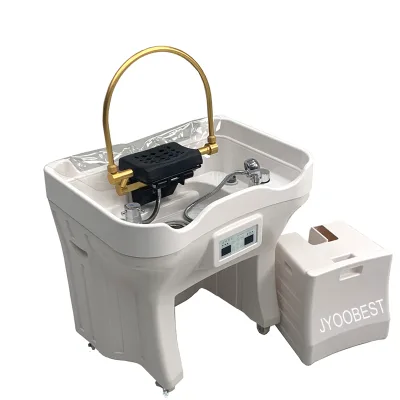
Vintage Salon Shampoo Bowl Rainfall Attatchment' Headspa Shampoo Bowls
$410.699 - $564.7118
MOQ: 2 pieces
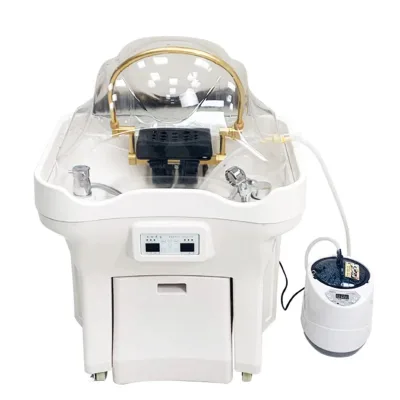
Pedestal-shampoo-bowl Dorados Y Negrl Portable Bowl With Water Pump Headspa Shampoo Bowls
$400.00 - $550.00
MOQ: 2 pieces
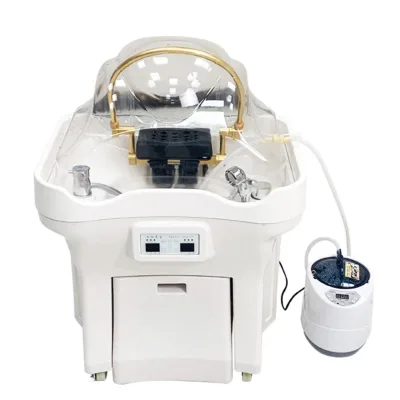
$400.00 - $550.00
MOQ: 2 pieces
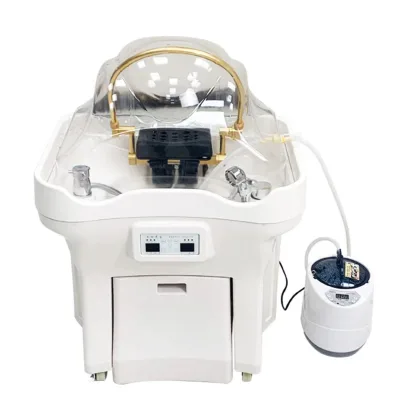
Unique Ceramic-shampoo-bowl Ceramic Porcelain Bowl With Vacuum Breaker Headspa Shampoo Bowls
$400.00 - $550.00
MOQ: 2 pieces
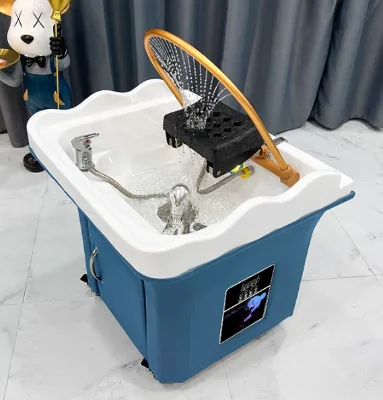
Factory Hot Sale Hose Holder Neck Support Sink Shampoo Bowl For Beauty Living Room
$80.00 - $240.00
MOQ: 2 pieces

Henan Eminent Medical Devices Co., Ltd.
- Verified by TUVRHEINLAND
- Manufacturer/Factory
- China Henan
- Lead time23 days
- Avg. response≤ 3h
Main productsBarber Chair, Shampoo Chair/Bed, Massage Table, Nursing Bed/Hospital Bed, Medical Brace, Mirror Salon Station, Commder Chair, Bath Chair, Nail Table Desk, Wheelchair
Main marketsSouth America,Eastern Europe,Mid East,North America,Southeast Asia,Eastern Asia,Oceania,Western Europe,Africa


Portable Shampoo Bowl with Water Tank No Plumbing for Hair and Home Use
$55.00 - $65.00
MOQ: 10 Pieces

Professional Head SPA Backwash Shampoo Bowl Sink Portable Shampoo Bowl with Water Tank No Plumbing
$330.00 - $380.00
MOQ: 1 Pieces

- Verified by SGS Group
- Trading Company
- Lead time0 days
- Avg. response≤ 8h
Main productsFacial Bed, Barber Chair, Salon Mirror, Salon Trolley, Manicure Table
Main marketsNorth America(30%), Africa(30%), South Asia(20%)
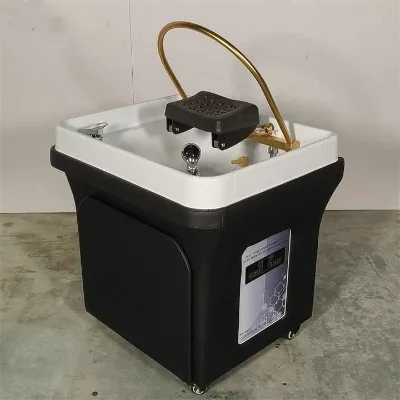
$260.00 - $300.00
MOQ: 1 pieces
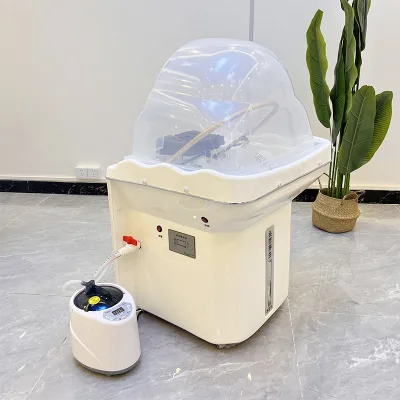
Portable Luxury Mobile Water Circulation Head Therapy Basin Ceramic Hair Wash Shampoo Bowl
$298.00 - $338.00
MOQ: 1 sets
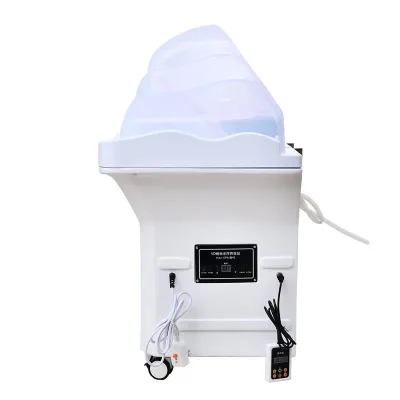
New Design Mobile Shampoo Bowl Adjustable Height Back Washing Hair Bowl Shampoo Basin Hair Sink
$196.2088 - $309.367
MOQ: 1 sets
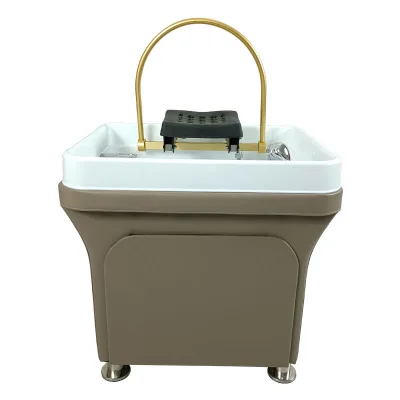
Maoming Beaty Trading Co., LTD
- Trading Company
- Guangdong, China
- Lead time3 days
- Avg. response≤ 1h
Main productsShampoo Bed,Beauty Bed,Pedicure Chair,Dental Chair,Nail Tables
Main marketsNorth America(80.00%), Western Europe(10.00%), Eastern Europe(5.00%), Africa(5.00%)
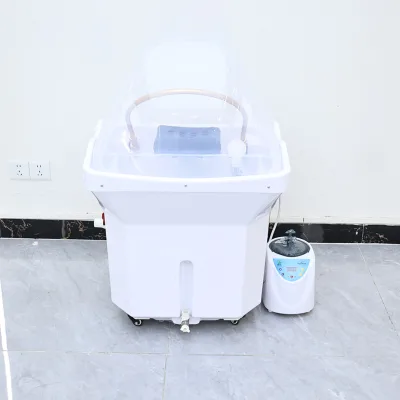
$285.00 - $340.00
MOQ: 2 pieces
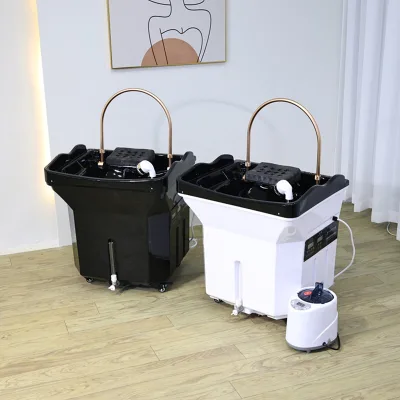
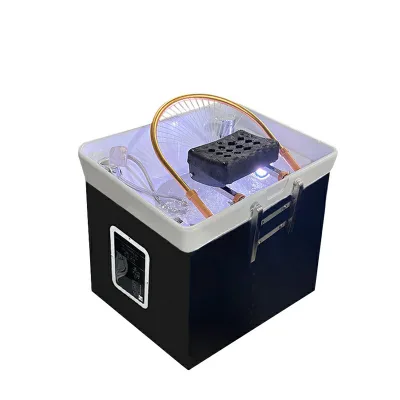
$229.41 - $388.24
MOQ: 1 Minimum
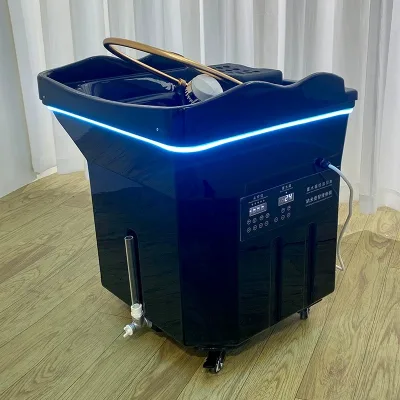
$95.59 - $229.41
MOQ: 2 Minimum

Foshan Yimeihui Furniture Manufacturing Co., Ltd.
- Verified by SGS
- Combined
- China Guangdong
- Lead time15 days
- Avg. response≤ 4h
Main productsShampoo Bed, Shampoo Chair, Pedicure Chair, Manicure Chair, Salon Chair, Barber Chair, Shampoo Basin, Facial Bed, Massage Bed, Beauty Bed
Main marketsDomestic

Ymh Head SPA No Plumbing Shampoo Basin Bac Sink Hair Washing 60L Water Storage Shampoo Basin
$275.00 - $310.00
MOQ: 2 pieces

$305.00 - $330.00
MOQ: 2 pieces

$280.00 - $350.00
MOQ: 2 Pieces

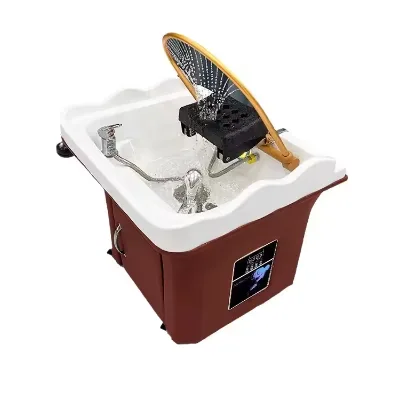
Acrylic Square Mobile Shampoo Bowl with Water Heater Water Circulation System Fumigation Machine
$280.00 - $305.00
MOQ: 2 pieces

Mobile White Shampoo Bowl Constant Temperature Circulating Water Head SPA Basin with Wheels
$235.00 - $315.00
MOQ: 2 pieces
Foshan Aimeigao Hairdressing Equipment Co., Ltd.
- Manufacturer, Trading Company, Distributor/Wholesaler
- Guangdong, China
- Lead time0 days
- Avg. response≤ 8h
Main productsbarber chair,barber pole,salon trolley,shampoo chair,salon mirror
Main marketsNorth America(30.00%), Eastern Europe(15.00%), Eastern Asia(10.00%), South Asia(5.00%), Southern Europe(5.00%), Northern Europe(5.00%), Central America(5.00%), Western Europe(5.00%), South America(5.00%), Mid East(5.00%), Africa(5.00%), Southeast Asia(5.00%)
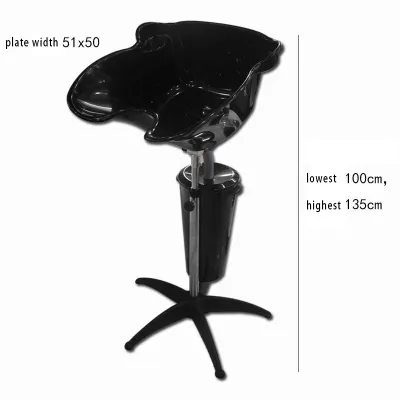
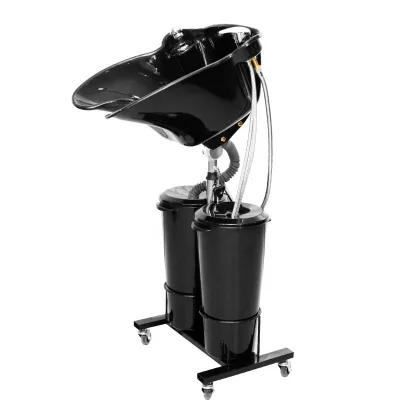
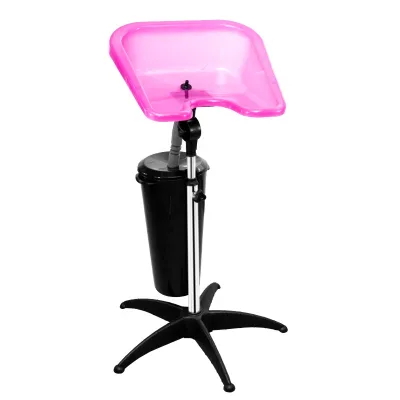
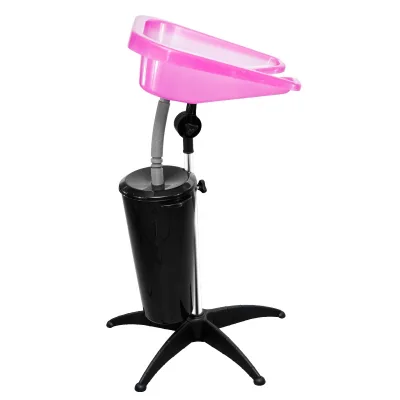
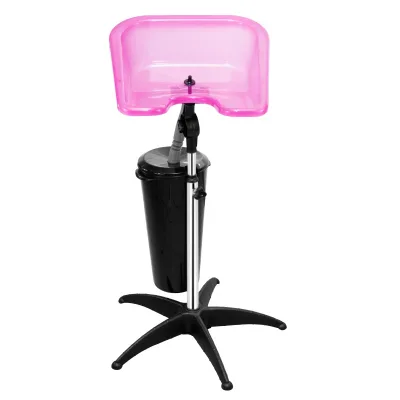
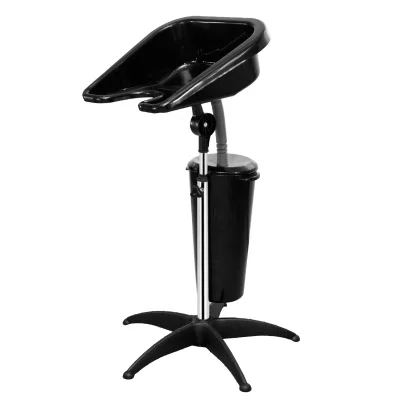
Adjustable Height Shampoo Basin Bowl pink Water tank Salon Barbers Hair Washing
$14.28 - $18.00
MOQ: 1

Foshan St. Burton Furniture Co., Ltd.
- Verified by TUVRHEINLAND
- Trading Company
- China Guangdong
- Lead time15 days
- Avg. response≤ 1h
Main productsShampoo Bed, Massage Bed, Beauty Bed, Electric Massage Bed, Barber Chair, Shampoo Chair, Pedicure Chair, Mobile Shampoo Basin, Beauty Tools, Sofa Set
Main marketsEurope


Beauty SPA Salon Furniture Hair Washing Basin Massage Portable Shampoo Basin Bowl with Head Therapy
$310.00 - $330.00
MOQ: 1 Sets

New Design Modern Salon Hair Washing Bowl with Plumbing Head SPA Equipment Mobile Shampoo Basin
$310.00 - $320.00
MOQ: 1 Sets


Guangzhou Fenghe Industry Co., Ltd.
- Verified by SGS
- Combined
- China Guangdong
- Lead time15 days
- Avg. response≤ 5h
Main productsSalon Trolley, Portable Shampoo Basin, Hair Extension Trolley, Hairdryer Stand.
Main marketsSouth America,Africa,Southeast Asia/ Mideast,East Asia(Japan/ South Korea),Domestic,Europe,Australia,North America


Salon Shampoo Basin with Foot-Activated Water Drainage and 2 Tank System
$55.80 - $61.70
MOQ: 20 Pieces
Beijing Cypselurus Technology Co., Ltd.
- Trading Company
- Beijing, China
- Lead time0 days
- Avg. response≤ 2h
Main productsHair removal machine,Nd yag laser machine,OPT/PDT/LASER machine,slimming machine,beauty machine
Main marketsCentral America(70.00%), Northern Europe(60.00%), Eastern Europe(60.00%), South Asia(60.00%), Southern Europe(40.00%), Southeast Asia(30.00%), North America(30.00%), Mid East(20.00%), Western Europe(18.00%), Oceania(16.00%), Eastern Asia(15.00%), South America(10.00%), Domestic Market(10.00%), Africa(6.00%)
Henan Corona Technology Co., Ltd.
- Verified by Intertek
- Trading Company
- Lead time7 days
- Avg. response≤ 2h
Main productsPedicure Chair, Beauty Bed, Shampoo Bed, Nail Table, Nail Lamp
Main marketsNorth America(50%), Eastern Europe(11%), South America(5%)
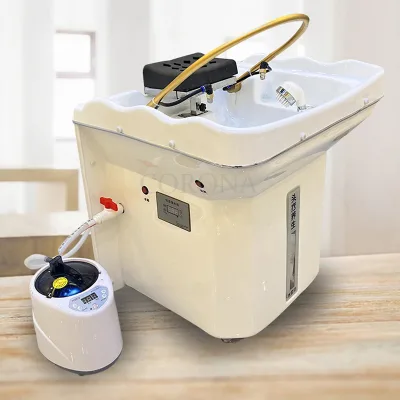
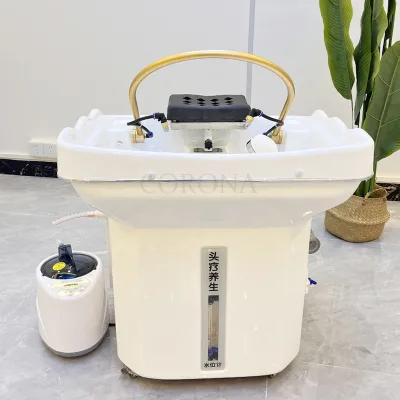
Salon Removable Headspa Shampoo Basin Portable Shampoo Bowl Sink With Water Tank
$401.2619 - $473.2825
MOQ: 2 pieces
Jiangmen Tiger Inflatable Toys Co., Ltd.
- Manufacturer
- Lead time旺季: "1 - 1000":30,"> 1000":"To be negotiated", 淡季: "1 - 1000":30,"> 1000":"To be negotiated"
- Avg. response≤ 3h
Main productsinflatable lounger air sofa,air bed,inflatable punching bag,inflatable pool float,inflatable toys for kids
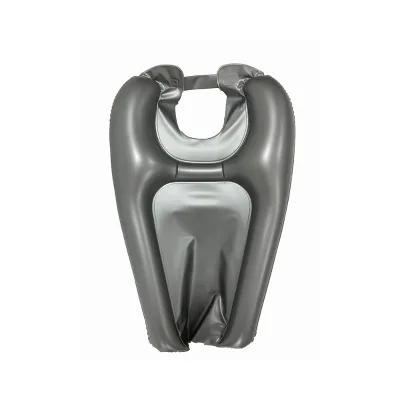
Hot Sale PVC Inflatable Shampoo Bowl for Sink at Home Portable Inflatable Shampoo Basin
$1.80 - $2.50
MOQ: 1000
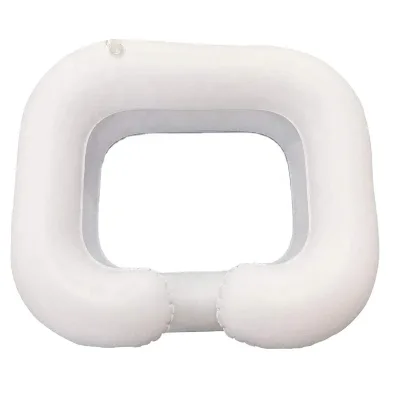
$4.6078 - $5.6317
MOQ: 1000 pieces
Shijiazhuang Daimi Technology Co., Ltd.
- Trading Company
- Hebei, China
- Lead time15 days
- Avg. response≤ 3h
Main productsShampoo Bed, Beauty Bed, Pedicure Chair, Salon Furniture, Barber Chair
Main marketsNorth America(30.00%), Western Europe(30.00%), Eastern Asia(5.00%), South America(5.00%), Oceania(5.00%), Southern Europe(5.00%), Northern Europe(5.00%), Mid East(5.00%), Southeast Asia(5.00%), South Asia(1.00%), Central America(1.00%), Africa(1.00%), Eastern Europe(1.00%), Domestic Market(1.00%)

- Verified by BV
- Combined
- China Guangdong
- Lead time30 days
- Avg. response≤ 9h
Main productsMedical Air Mattress, Nebulizer, Air Compression Leg Massager, Humidifier, Oxygen Concentrators, Air Mattress, Blood Pressure Monitor, Suction Machine, Therometer, Face Mask
Main marketsSouth America,Africa,Southeast Asia/ Mideast,East Asia(Japan/ South Korea),Europe,Australia,North America


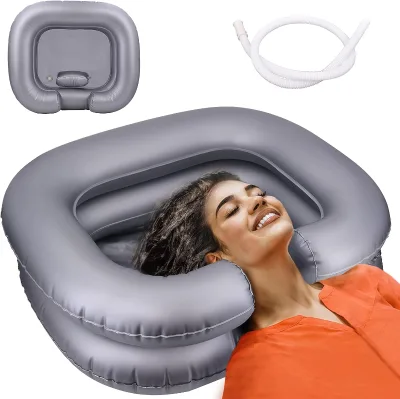
Inflatable Hair Washing Basin Portable Inflatable Shampoo Bowl for Bedside
$3.98 - $7.50
MOQ: 1000 Sets


Guangzhou Danao Trading Co., Ltd.
- Manufacturer, Trading Company
- Guangdong, China
- Lead time0 days
- Avg. response≤ 2h
Main productssalon tray cart,hair wash basin,hair extension holder,nail tables
Main marketsNorth America(50.00%), Oceania(10.00%), Africa(10.00%), Southeast Asia(10.00%), Eastern Europe(10.00%), South America(10.00%)
Guangzhou Kuren Hairdressing Products Company Limited
- Verified by SGS Group
- Manufacturer, Trading Company
- Lead time25 days
- Avg. response≤ 2h
Main productsShampoo Basin, Salon Trolley, Salon Barber Chair, Coloring Trolley, Child Booster Seat Cushion
Main marketsSouth America(30%), Western Europe(20%), Southern Europe(20%)

XINDRAY MEDICAL INTERNATIONAL CO., LIMITED
- Trading Company,Manufacturer/Factory
- China Jiangsu
- Lead time60 days
- Avg. response≤ 3h
Main productsMedical Equipment, X-ray Machine, Hospital Equipment, Surgical Medical Product, Operation Light, Operation Table, Hospital Bed, Medical Instrument, Medical Disposable Product, Extracorporeal Shock Wave Lithotripter
Main marketsSouth America,Eastern Europe,Mid East,North America,Southeast Asia,Eastern Asia,Oceania,Western Europe,Africa

Shampoo Adjustable Height Back Washing Hair Bowl Shampoo Basin Hair Sink
$300.00 - $400.00
MOQ: 1 Pieces

$300.00 - $400.00
MOQ: 1 Pieces


Adjustable Height Back Washing Hair Bowl Shampoo Basin with High Quality
$300.00 - $400.00
MOQ: 1 Pieces
Foshan Antlu Furniture Co., Ltd.
- Verified by SGS Group
- Trading Company
- Lead time20 days
- Avg. response≤ 9h
Main productsBarber Chair Frame, Salon Chair Parts, Shampoo Chair Parts, Hydraulic Pump, Barber Chair Base
Main marketsSouth America(50%), Southeast Asia(30%), Western Europe(20%)
- Verified by Intertek
- Manufacturer
- Guangdong, China
- Lead time30 days
- Avg. response≤ 19h
Main productsShampoo Basin, Faucet, Shampoo Chair, Shower, Shampoo SPA Faucet
Main marketsNorth America(42.00%), Domestic Market(30.00%), South America(6.00%), Southeast Asia(4.00%), Western Europe(3.00%), Southern Europe(3.00%), Northern Europe(3.00%), Eastern Europe(3.00%), South Asia(1.00%), Eastern Asia(1.00%), Oceania(1.00%), Central America(1.00%), Africa(1.00%), Mid East(1.00%)
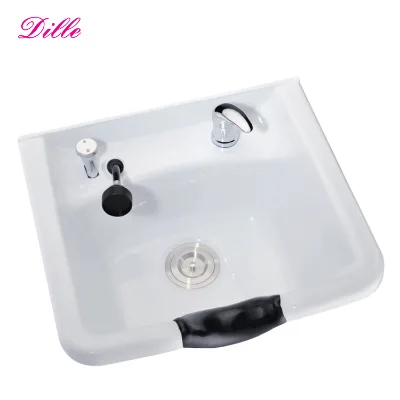
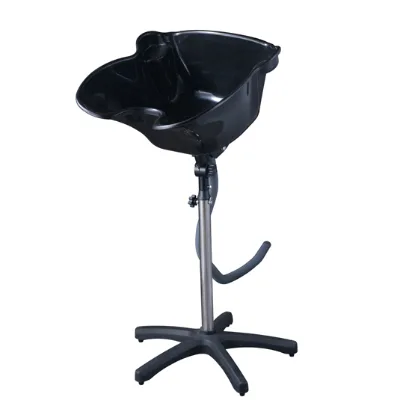
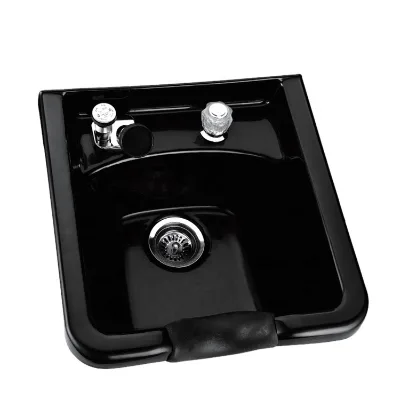
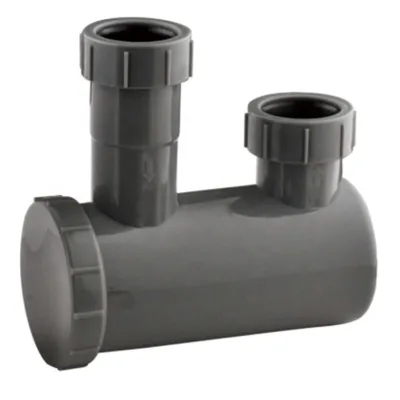
Hairdressing Plastic Bowl Shampoo Wash Basin Sink XC-B11 SET
$50.00 - $58.00
Ningbo Ags Imp. & Exp. Co., Ltd.
- Verified by TüVRheinland
- Manufacturer, Trading Company
- Lead time50 days
- Avg. response≤ 4h
Main productsInflatable Pool Float, Pool Loungers, Inflatable Swimming Pool, Inflatable furniture, Airbeds
Main marketsWestern Europe(30%), North America(17%), South America(16%)
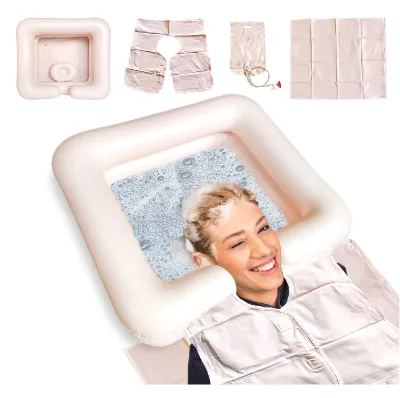
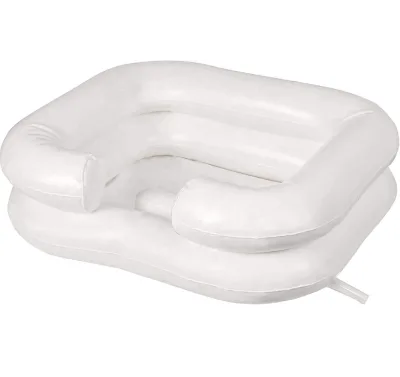
Portable Shampoo Bowl Hair Cuts and Wash Basin Hair Coloring for the Elderly
$2.88 - $3.00
MOQ: 2000 pieces
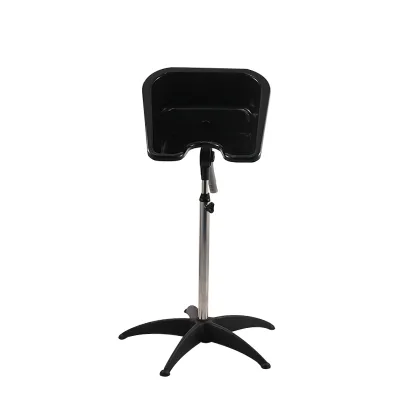
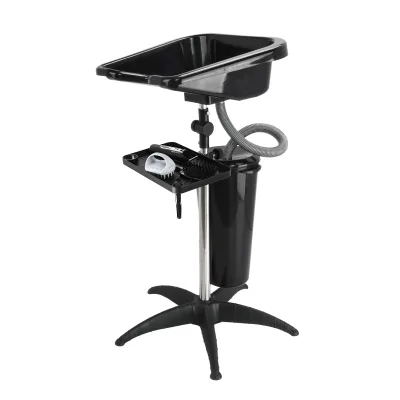
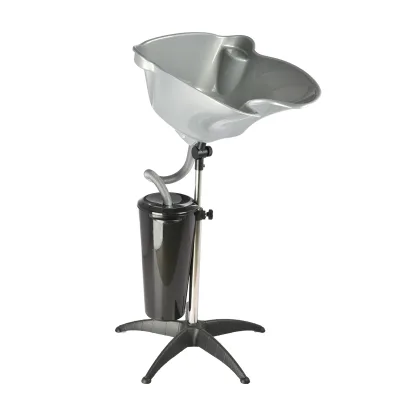
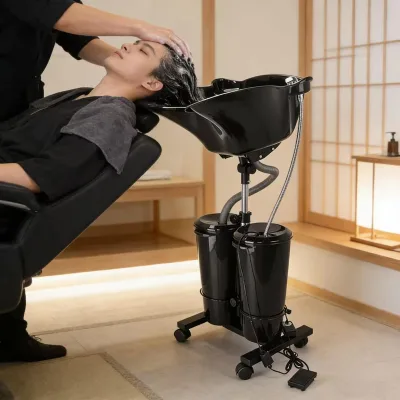
Comprehensive Sourcing Guide
Water Circulation Shampoo Bowl Supplier Concentration and Factory Types
Current data indicates a concentration of suppliers in Beijing and Guangdong, China, with additional manufacturing presence noted in Henan. These regions host a mix of company types, including Trading Companies, Manufacturers, and Buying Offices. Some entities operate as pure manufacturers, while others function as trading companies that source from various factories. A specific supplier in Henan is identified as a Manufacturer/Factory with significant capacity for OEM, ODM, and own-brand production. This diversity in company structure means buyers must distinguish between direct factory sources and intermediaries when evaluating the supply chain for water circulation shampoo bowls.
The product evidence reveals a wide range of main products offered by these suppliers, extending beyond shampoo bowls to include derma rollers, beauty machines, and salon furniture. One supplier lists healthy care products and LED mirrors alongside shampoo beds, while another focuses on barber chairs and medical beds. This suggests that many suppliers operate as general salon furniture providers rather than specialized manufacturers of water circulation systems. Buyers should verify if a supplier's primary focus aligns with their specific needs for water circulation technology, as general trading companies may offer broader catalogs but less specialized technical expertise compared to dedicated manufacturers.
How to Verify Water Circulation Shampoo Bowl Suppliers
Verification of supplier credentials requires checking for specific system certifications and third-party verification status. One observed supplier holds a TUVRHEINLAND verification status and possesses a comprehensive list of certifications including BSCI, ISO 9000, ISO 13485, and GMP. These credentials indicate adherence to international quality and safety standards, which is critical for products involving water systems and electrical components. Buyers should request proof of these specific certifications rather than accepting general claims, as the presence of ISO 13485 suggests compliance with medical device quality management systems, which may be relevant for high-end salon equipment.
Response time and lead time are also key indicators of supplier reliability and operational efficiency. The data shows response times ranging from 2.52 to 3 hours, suggesting a generally responsive market, though buyers should confirm current availability. Lead times vary significantly, with some suppliers indicating a lead time of 0 days, while others report 20 to 23 days. A lead time of 0 may imply ready stock, whereas longer lead times suggest custom manufacturing. Buyers must clarify whether the quoted lead time includes production, packaging, and shipping, and verify if the supplier can meet urgent deadlines without compromising quality or incurring hidden rush fees.
What to Compare Across Water Circulation Shampoo Bowl Suppliers
When comparing suppliers, buyers should analyze the minimum order quantity (MOQ) and price ranges to determine cost efficiency. Available data shows MOQs as low as 2 pieces for certain models, which is favorable for small businesses or testing new product lines. Price points vary widely, with some products listed between $310 and $330, while others range from $400 to $564, and a specific ceramic model is priced between $80 and $240. These discrepancies highlight the importance of comparing specifications, such as material composition and basin type, to ensure the price reflects the actual value and durability of the water circulation system.
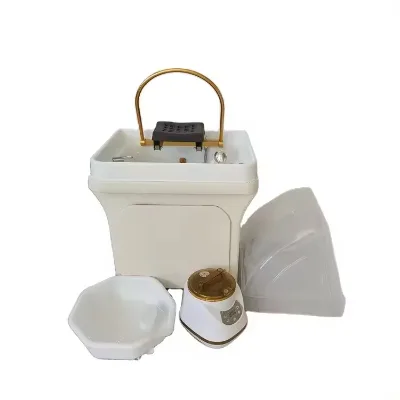
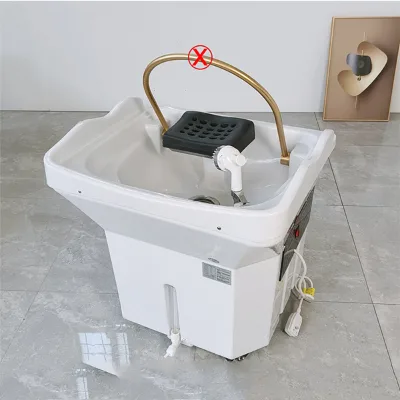
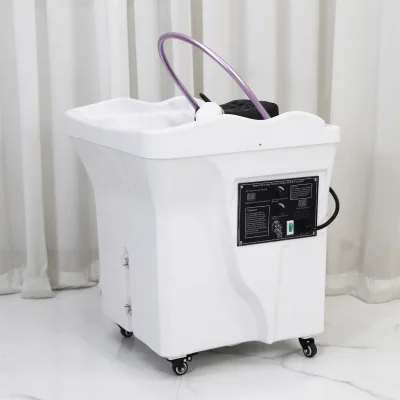
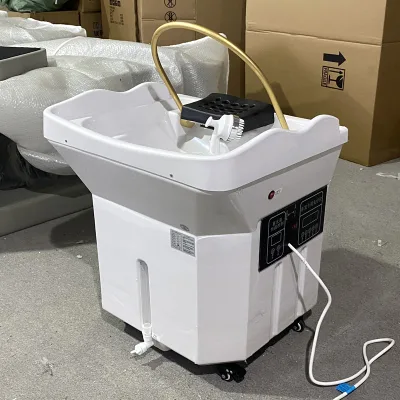
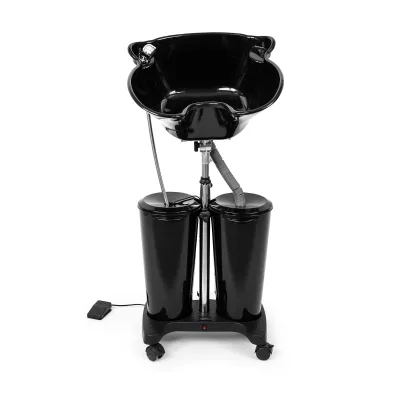
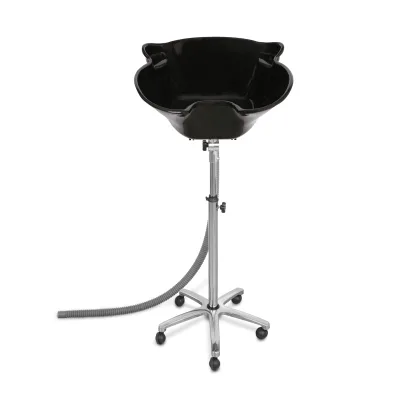
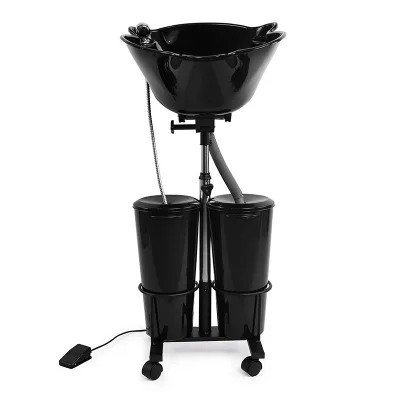
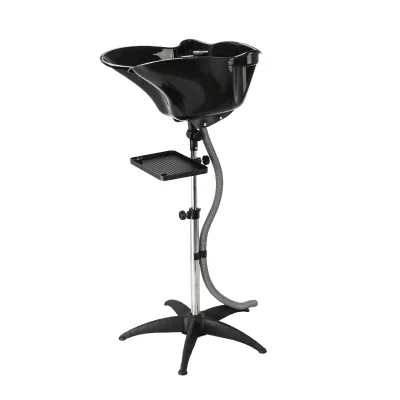
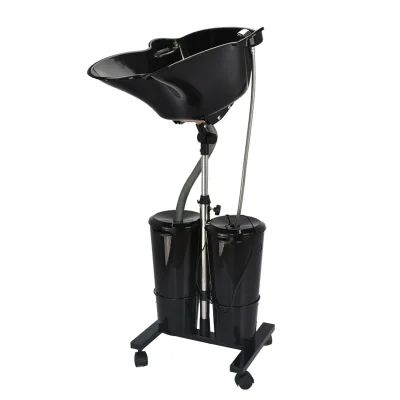
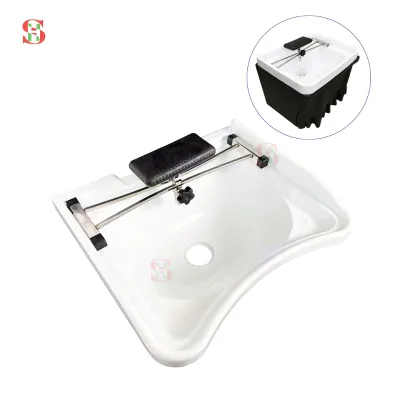
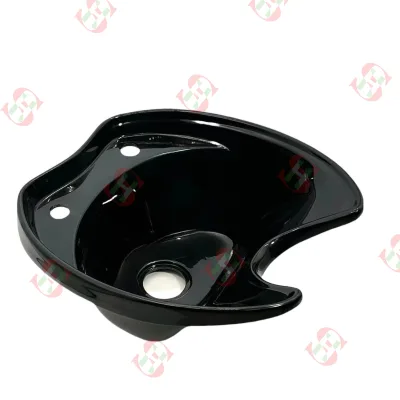
Product attributes and features provide another critical layer for comparison. Suppliers offer variations in frame materials, including plastic, wood, and ABS, as well as basin materials like acrylic and ceramic. Features such as "Head Therapy Fumigation," "Water Circulation," and "Vacuum Breaker" are explicitly mentioned in product descriptions. Buyers should compare these functional attributes against their specific salon requirements, noting that some models include additional features like massage capabilities or customizable logos. Ensuring that the selected model matches the intended application, whether for a commercial salon or a specialized spa, is essential for long-term satisfaction and operational efficiency.
Common Water Circulation Shampoo Bowl Sourcing Risks
One significant risk involves the discrepancy between product descriptions and actual manufacturing capabilities. While some suppliers list "Water Circulation" as a key feature, the product evidence also includes items described as "Portable" or "Plastic" without explicit details on the water pump mechanism. There is a risk that a supplier may list a standard basin as a water circulation model without the necessary internal plumbing or pump integration. Buyers must request detailed technical diagrams or videos demonstrating the water flow system to confirm that the product functions as advertised before placing an order.
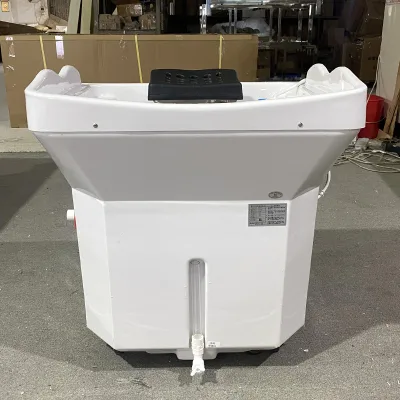
Another risk relates to the variability in packaging and shipping specifications, which can impact the final cost and condition of the goods. Product data shows single package sizes ranging from 60x70x95 cm to 117x80x64 cm, with gross weights varying from 40 kg to 70 kg. Some listings indicate "mail packing" as "N" (No) or "Y" (Yes), suggesting inconsistent packaging standards. Inadequate packaging for heavy ceramic or acrylic basins can lead to breakage during transit. Buyers should verify the packaging method and insurance coverage to mitigate the risk of receiving damaged goods, especially when sourcing from regions with complex logistics chains.
Water Circulation Shampoo Bowl Regional Sourcing and Logistics
Geographic location plays a crucial role in determining shipping costs and delivery timelines. Suppliers are located in Beijing, Guangdong, and Henan, China, each presenting different logistical advantages. Guangdong is a major manufacturing hub known for efficient export infrastructure, while Beijing and Henan may offer different cost structures or production capabilities. Buyers should consider the proximity of the supplier to major ports to minimize inland transportation costs. Additionally, the specific location of the factory can influence the lead time, as suppliers in different provinces may have varying access to raw materials and labor.
Logistics planning must account for the substantial weight and dimensions of the products. With single gross weights reaching up to 70 kg and package sizes exceeding one cubic meter, standard shipping methods may be insufficient or cost-prohibitive. Buyers need to calculate freight costs based on the specific dimensions and weight of the selected model, as these factors significantly impact the total landed cost. It is advisable to engage a freight forwarder experienced in handling heavy salon furniture to ensure proper loading and secure transport. Understanding the logistics requirements early in the sourcing process helps avoid unexpected delays and additional expenses upon delivery.
Water Circulation Shampoo Bowl Commercial Terms and Order Planning
Commercial terms regarding payment and warranty are essential for protecting the buyer's investment. One observed supplier offers a one-year warranty, which provides a baseline for after-sales support. Buyers should negotiate warranty terms that cover specific components like water pumps and electrical systems, as these are prone to failure. Additionally, the presence of customizable logo options suggests that suppliers are open to branding agreements, which can be a valuable term for establishing a unique market identity. Clear agreements on warranty coverage and customization rights should be documented in the purchase contract to prevent future disputes.
Order planning must align with the supplier's production capacity and lead time expectations. With lead times ranging from zero to 23 days, buyers should plan their inventory replenishment cycles accordingly to avoid stockouts. The availability of OEM and ODM services indicates that suppliers can accommodate custom orders, but this may extend the lead time. Buyers should confirm the production schedule and any potential bottlenecks before finalizing the order quantity. Establishing a clear timeline for production, quality checks, and shipping ensures that the supply chain remains smooth and that the business can meet customer demand without interruption.
FAQs
What is the price range for water circulation shampoo bowls?
Prices for these units typically range from $80 to $565 per piece. The cost varies based on material, such as plastic or ceramic, and features like water pumps or rainfall attachments. Buyers should expect higher prices for multifunctional models with durable materials and specific commercial furniture applications.
What is the minimum order quantity for these bowls?
The minimum order quantity is generally two pieces for many suppliers. This low MOQ allows buyers to test product quality before committing to larger orders. It is advisable to confirm the specific MOQ with the supplier, as some may have different requirements for customized logos or specific model numbers.
How long does production take for these items?
Lead times vary significantly, ranging from zero days for some ready stock to twenty-three days for manufacturing. Buyers should verify the current production schedule with the supplier. Faster lead times may apply to standard models, while customized orders or specific material requirements could extend the delivery period.
Where are these shampoo bowls manufactured?
Manufacturing locations include Beijing, Guangdong, and Henan in China. Suppliers in these regions offer various company types, including manufacturers, trading companies, and buying offices. The place of origin is consistently listed as China, ensuring buyers know the source of the commercial furniture and beauty equipment.
What certifications do the suppliers hold?
Some suppliers hold extensive certifications including ISO 9001, ISO 14001, BSCI, and ISO 13485. Verification services like TÜV Rheinland are also available for certain manufacturers. Buyers should request specific certification documents to ensure compliance with international standards for commercial furniture and beauty equipment manufacturing.
What materials are used for the basin?
Basins are commonly made from acrylic, plastic, or ceramic porcelain. Frame materials may include plastic or wood, depending on the model. Features like durability, waterproofing, and easy cleaning are standard. Buyers should check the specific product attributes to confirm the material composition for their desired aesthetic and functional requirements.