Velvet Fabric Bar Stool Suppliers and Manufacturers
Compare 20 verified Velvet Fabric Bar Stool suppliers in China based on location, lead times, and response rates. Review product specifications like material and customization options before contacting factories for quotes; review the available evidence before requesting comparable quotations from suitable candidates.
Suppliers List

- Verified by TUVRHEINLAND
- Combined
- China Guangdong
- Lead time30 days
- Avg. response≤ 2h
Main productsDesigner Replica Chairs, Designer Tables, Fiberglass Chairs, Lounge Chairs, Leisure Chairs, Metal Wire Chairs, Office Sofas, Living Room Sofas, Commercial Furniture, Furniture
Main marketsEurope

Modern Restaurant Club Velvet Fabric Leather Counter Height Stool Bar Chair Barstool
$90.00 - $100.00
MOQ: 10 Pieces

Modern Lobby Restaurant Club Fabric Leather Counter Height Stool Bar Chair Barstool
$125.00 - $140.00
MOQ: 10 Pieces


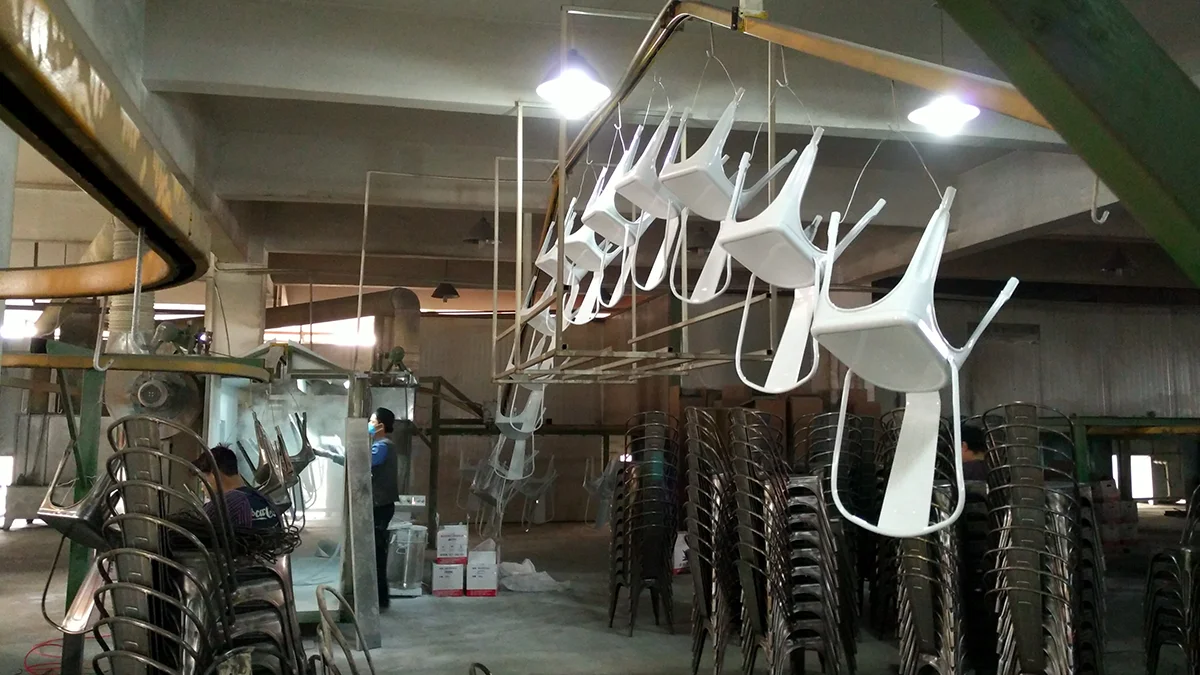
Anji Chunyue Furniture Co., Ltd.
- Manufacturer
- Zhejiang, China
- Lead time25 days
- Avg. response≤ 5h
Main productsDining Chairs, Office Chairs, Plastic Chairs, Design Chairs, Metal Chairs
Main marketsWestern Europe(30.00%), North America(20.00%), South America(20.00%), Domestic Market(10.00%), Southeast Asia(10.00%), Southern Europe(5.00%), Northern Europe(5.00%)

- Verified by BV
- Trading Company,Manufacturer/Factory
- China Hebei
- Lead time23 days
- Avg. response≤ 5h
Main productsOffice Chair, Mesh Chair, Gaming Chair, Visitor Chair, Banquet Chair, Dining Chair, Bar Stool
Main marketsSouth America,Eastern Europe,Mid East,Eastern Asia,Oceania,Western Europe,Africa

Foshan Hanse Industrial Co., Ltd.
- Verified by CTI
- Manufacturer/Factory
- China Guangdong
- Lead time38 days
- Avg. response≤ 10h
Main productsHotel Furniture, Bedroom Bed, Restaurant Furniture, Resort Hotel Furniture, Interior Furniture, Walk in Clothes, Bedroom Wardrobe, Bedroom Furniture, Kitchen Cabinet, Living Room Sofa/Outdoor Sofa
Main marketsSouth America,Eastern Europe,Mid East,North America,Southeast Asia,Eastern Asia,Oceania,Western Europe,Africa

Luxury Hotel Furniture Modern Solid Wood Bar Chair Velvet Fabric Cushion Bar Stool
$50.00 - $100.00
MOQ: 1 Pieces

$50.00 - $150.00
MOQ: 1 Pieces

Light Luxury Style Lamb's Wool Cushion Bar Stool High Bar Chair for Restaurant
$50.00 - $150.00
MOQ: 1 Pieces

Modern Simple Metal Frame Bar Stools with Comfortable Fabric Soft Seat High Chairs
$50.00 - $150.00
MOQ: 1 Pieces

Foshan Yunqi Furniture Co., Ltd.
- Verified by TUVRHEINLAND
- Trading Company,Manufacturer/Factory,Group Corporation
- China Guangdong
- Lead time23 days
- Avg. response≤ 2h
Main productsLiving Room Furniture, Dining Room Furniture, Bedroom Furniture, Children Furniture, Home Office Furniture, Outdoor Furniture
Main marketsNorth America,Oceania,Western Europe

Guangdong Hongye Furniture Group Co., Ltd.
- Combined
- China Guangdong
- Lead time30 days
- Avg. response≤ 7h
Main productsOffice Furniture, Office Table, Office Chair, Meeting Table, Meeting Chair, Executive Table, Executive Chair, File Cabinet, Executive Desk, Staff Chair
Main marketsDomestic,Europe,Australia,North America


Bar Stool Bar Chair with Fabric
MOQ: 30 Pieces

Zhongshan Uptop Furnishings Co., Ltd.
- Verified by BV
- Combined
- China Guangdong
- Lead time15 days
- Avg. response≤ 1h
Main productsRestaurant Furniture, Restaurant Table and Chair, Hotel Table and Chair, Cafeteria Table and Chair, Bar Table and Chair, Canteen Furniture, Plastic Chair, Cafe Furniture, Contract Furniture, Commercial Furniture
Main marketsSouth America,Africa,Southeast Asia/ Mideast,East Asia(Japan/ South Korea),Europe,Australia,North America

Tianjin Kingnod Furniture Co., Ltd.
- Verified by BV
- Manufacturer/Factory
- China Tianjin
- Lead time23 days
- Avg. response≤ 5h
Main productsDining Chair, Restaurant Chair, Office Chair, Bar Stool, Game Chair, Plastic Chair, Metal Chair, Dining Table, Gaming Table, Barstool
Main marketsSouth America,Eastern Europe,Mid East,North America,Southeast Asia,Eastern Asia,Oceania,Western Europe,Africa

Nordic Black Velvet with Chromed Base Bar Chair Adjustable Fabric Bar Stools
$24.28 - $27.10
MOQ: 200 Pieces


Contemporary Wine Bar Fabric with Chromed Base Counter Adjustable Height Bar Stool
$16.91 - $18.90
MOQ: 400 Pieces


Ultimate Popular Custom Soft Velvet Bar Chair Stylish Bar Stool High Chair
$22.21 - $25.23
MOQ: 200 Pieces
Foshan Yulin Furniture Co., Ltd.
- Trading Company, Buying Office, Distributor/Wholesaler
- Guangdong, China
- Lead time0 days
- Avg. response≤ 6h
Main productsoutdoor tables,outdoor chairs,sofas,daybed,swing
Main marketsNorth America(20.00%), Western Europe(20.00%), Mid East(15.00%), Oceania(10.00%), Central America(10.00%), Northern Europe(10.00%), Eastern Europe(5.00%), Southern Europe(5.00%), Domestic Market(3.00%), South Asia(2.00%)

TIANJIN CHRCASE FURNITURE TECHNOLOGY DEVELOPMENT CO., LTD.
- Verified by SGS
- Trading Company
- China Tianjin
- Lead time15 days
- Avg. response≤ 6h
Main productsOffice Chair, Gaming Chairs, Chair Accessories, Dining Chair, Coffee Chair, Plastic Chair, Bar Chair, Hardware Products, Furniture Spare Parts
Main marketsAfrica,Europe

Modern Bar Furniture Velvet Adjustable Bar Stool with Back Counter Height Swivel
$16.60
MOQ: 100 pieces


TIANJIN OKAY INTERNATIONAL TRADING CO., LTD.
- Verified by BV
- Combined
- China Tianjin
- Lead time30 days
- Avg. response≤ 6h
Main productsDining Table
Main marketsSoutheast Asia/ Mideast,East Asia(Japan/ South Korea),Europe,North America


$22.99 - $24.99
MOQ: 100 Pieces


Classical Design Bar Chair in Velvet Fabric Living Leisure Chairs Sales
$22.99 - $26.99
MOQ: 100 Pieces

Hebei ChangXin Import and Export Trade Co., Ltd.
- Verified by SGS
- Trading Company
- China Hebei
- Lead time15 days
- Avg. response≤ 17h
Main productsTV Stand, Dining Chair, Office Chair, Dining Table, Bar Chair, Coffee Table
Main marketsEurope


High Quality New Modern Design Popular ABS Bar Stool
MOQ: 20 Pieces

Langfang Ruiyi Furniture Co., Ltd.
- Verified by TUVRHEINLAND
- Trading Company,Manufacturer/Factory
- China Hebei
- Lead time60 days
- Avg. response≤ 4h
Main productsDining Chair, Dining Table, Accent Chair, Sofa Chair, Coffee Table, Lounge Chair, Cabinet, Glass TV Stand, Side Table, Tea Table
Main marketsSouth America,Eastern Europe,Mid East,North America,Southeast Asia,Eastern Asia,Oceania,Western Europe,Africa

Langfang Ruiyi Furniture Co., Ltd.
- Verified by TUVRHEINLAND
- Trading Company
- China Tianjin
- Lead time30 days
- Avg. response≤ 5h
Main productsDining Chair, Coffee Table, Dining Set, Wooden Chair, Plastic Chair, Dining Table, Metal Chair, Living Room Coffee Table
Main marketsOthers(foreignTradeCapacity.exportBusinessCapacityMarketOther),Europe

Wholesale Factory Direct Supply Bar Stool Velvet Covered Seat and Back Fashion Beautiful Bar Stool
$30.80 - $32.80
MOQ: 100 Pieces

$30.90 - $31.90
MOQ: 100 Pieces

$22.80 - $23.80
MOQ: 100 Pieces

Simple Style Velvet Counter Height Bar Chair Metal High Dining Chair Bar Stools Chair
$29.90 - $30.90
MOQ: 100 Pieces

Wholesale Furniture Gold Finish Black Velvet Fabric Cushion Bar Stool Modern
$28.50 - $30.50
MOQ: 100 Pieces

- Verified by SGS
- Trading Company
- China Guangdong
- Lead time60 days
- Avg. response≤ 15h
Main productsSofa Dining Table Bed Chair Coffee Table, Living Room Furniture, Dining Room Furniture, Bedroom Furniture, Hotel Furniture, Office Furniture, Outdoor Furniture, Mattress
Main marketsSouth America,Eastern Europe,Mid East,North America,Southeast Asia,Eastern Asia,Oceania,Western Europe,Africa


High-Fabric Bar Stool with Backrest and Sturdy Metal Legs - Modern Comfort for Your Bar Area
$500.00 - $1500.00
MOQ: 1 Pieces

Modern Padded Bar Stool Comfortable Design with Elegant Armrests and Metal Legs
$300.00 - $1000.00
MOQ: 1 Pieces

Langfang Airun Imp. & Exp. Co., Ltd.
- Verified by BV
- Trading Company
- China Hebei
- Lead time15 days
- Avg. response≤ 10h
Main productsDining Table, Coffee Table, Dining Chair, Hotel Chair, Leisure Chair, Plastic Chair, Metal Chair, Fabric Covered Chair, TV Stand, Sideboard
Main marketsSouth America,Africa,Southeast Asia/ Mideast,Europe,North America


$21.50 - $35.00
MOQ: 100 Pieces

Foshan Beaute Furniture Co., Ltd.
- Trading Company,Manufacturer/Factory,Group Corporation
- China Guangdong
- Lead time15 days
- Avg. response≤ 12h
Main productsHotel Furniture, Hotel Bedroom Furniture, Apartment Furniture, Villa Furniture, Restaurant Furniture, Dining Furniture, Sofa Bed, Chair, Restaurant Furniture for Hotel, Dining Sets for Hotel
Main marketsSouth America,Eastern Europe,Mid East,North America,Southeast Asia,Eastern Asia,Oceania,Western Europe,Africa

Guangzhou Mega Import and Export Co., Ltd.
- Verified by TUVRHEINLAND
- Trading Company
- China Guangdong
- Lead time30 days
- Avg. response≤ 10h
Main productsOffice Chair, Office Table, Office Cubicle, Restaurant Furniture, Conference Table, Office Sofa, Executive Desk, Restaurant Sofa, Hotel Furniture, Executive Furniture
Main marketsEurope,North America

Foshan Orient Industry Co., Ltd.
- Verified by BV
- Combined
- China Guangdong
- Lead time30 days
- Avg. response≤ 7h
Main productsStairs, Railing, Cabinets, Windows and Doors, Wooden Door, Furniture
Main marketsDomestic

Comfortable Bar Stool Featuring Lacquer Finish Moisture Resistance Furniture
$50.00 - $300.00
MOQ: 1 Sets

Orient Bar Stool with Metal Seat and Backrest Vintage Look Interior Furniture
$50.00 - $300.00
MOQ: 1 Sets


Orient Modern Adjustable Bar Stool Stylish Velvet Upholstered with Gold Frame Interior Furniture
$50.00 - $300.00
MOQ: 1 Sets
Tianjin Bchair Import and Export Trade Co., Ltd.
- Verified by SGS
- Trading Company
- China Tianjin
- Lead time23 days
- Avg. response≤ 2h
Main productsDining Chairs, Dining Table, Benches, Ottomans, Tolix Chairs, Bar Table, Restaurant Chair, Lounge Chair
Main marketsSouth America,Eastern Europe,Mid East,North America,Western Europe


Modern Breakfast Bar Chair 30inch Bar Stools Ergonomic Backs and Armrests
$10.00 - $20.00
MOQ: 100 Pieces




Comprehensive Sourcing Guide
Velvet Fabric Bar Stool Supplier Concentration and Factory Types
Current data indicates a concentration of suppliers in China Guangdong, specifically Foshan, which is a recognized hub for commercial furniture manufacturing. These entities often operate as combined companies offering both OEM and ODM services alongside their own brands. The primary product lines in this region include designer replica chairs, lounge chairs, and commercial furniture, with specific listings for velvet fabric bar stools and counter-height stools. Buyers should note that while some suppliers list metal or wood as the primary frame material, the upholstery often features high-density foam covered in velvet fabric or PU faux leather. This clustering suggests a mature supply chain for modern restaurant and hotel furniture, where customization is frequently available for color and material specifications.
In contrast, other regions like Zhejiang and Hebei also host manufacturers specializing in dining and office chairs, though their specific focus on velvet bar stools varies. Zhejiang suppliers may offer mixed material constructions involving metal, wood, and fabric, often targeting home bar applications with specific model numbers like CY1758. Hebei-based entities appear to focus heavily on office and gaming chairs but also list bar stools within their broader commercial furniture catalogs. When evaluating factory types, buyers must distinguish between pure manufacturers and combined trading entities. The presence of TUVRHEINLAND verification on some profiles indicates a higher level of quality assurance, but this is not universal across all listed suppliers. Identifying the correct factory type is essential for determining whether a supplier can handle complex customizations or if they are limited to standard catalog items.
How to Verify Velvet Fabric Bar Stool Suppliers
Verification of suppliers requires checking specific credentials and response metrics rather than relying on general reputation. Some suppliers in the current results display TUVRHEINLAND verification, which serves as a concrete indicator of third-party assessment, though many others show no system certification listed. Buyers should prioritize suppliers with a response time under two days, as the data shows some entities responding in approximately 1.33 days while others take up to five days. A faster response time often correlates with better communication channels and more active sales teams capable of handling urgent inquiries regarding velvet fabric specifications. Additionally, checking the "is_verified" status helps filter out unvetted entities, ensuring that the supplier has undergone a baseline level of scrutiny before engagement.
Beyond verification badges, buyers must scrutinize the product evidence provided to ensure the supplier can deliver the exact Velvet Fabric Bar Stool required. The product attributes list specific details such as material composition, which may include metal, wood, or fabric blends, and padding types like high-density foam. It is critical to confirm that the listed "Customization" attribute is marked as available if the buyer requires specific colors or dimensions, as some suppliers only offer standard options. The origin location, such as Foshan or Zhejiang, should match the supplier's claimed capabilities, and the packing standards must be verified as export-ready to prevent damage during transit. Buyers should request samples to validate the actual fabric quality against the "Velvet Fabric PU Faux Leather" descriptions found in the product attributes, ensuring the visual and tactile properties meet the project requirements before committing to a larger order.
What to Compare Across Velvet Fabric Bar Stool Suppliers
When comparing suppliers, the lead time is a primary differentiator, with current data showing ranges from 25 to 30 days after deposit for some models, while others list a standard 30-day window. This variation impacts project scheduling significantly, especially for commercial projects requiring tight installation deadlines. Buyers should also compare the Minimum Order Quantity (MOQ), which varies widely from 10 units for certain metal frame models to 100 units for specific fabric bar stools. A lower MOQ allows for smaller initial orders to test the market, whereas a higher MOQ may be necessary to achieve a lower unit price. The price range is another critical factor, with listings showing minimums as low as 17.54 and maximums reaching 155.00, depending on the material complexity and customization level.
Response time and service capabilities also play a vital role in the comparison process. Suppliers with a response time of 1.33 days may offer more immediate support for technical questions regarding the velvet fabric or structural integrity compared to those taking five days. The service attributes, such as OEM and ODM availability, indicate whether a supplier can produce a unique design or simply rebrand existing models. Buyers should also examine the main products list to ensure the supplier specializes in the specific category of bar furniture rather than offering it as a minor add-on to office chairs. Finally, the application scope, ranging from home kitchens to hotels and events, helps determine if the supplier has experience with the specific environment where the velvet fabric bar stools will be installed, ensuring durability and style alignment.
Common Velvet Fabric Bar Stool Sourcing Risks
One significant risk involves the discrepancy between the advertised material and the actual product received, particularly regarding the velvet fabric and padding. While product attributes list "High-density Foam" and "Velvet Fabric," the actual quality can vary between suppliers, and some may use lower-grade materials that do not match the visual representation. The "Customized" attribute suggests flexibility, but without a clear sample approval process, buyers risk receiving stools with incorrect colors or fabric textures. Additionally, the "Rotary" attribute is listed as "Fixed" for most models, meaning buyers seeking swivel options must verify this explicitly, as the standard offering may not include rotation. Misalignment in these specifications can lead to costly returns or project delays.
Another risk is the inconsistency in lead times and delivery conditions. While some suppliers state a delivery time of 25-30 days after deposit, others list a flat 30-day lead time without specifying the deposit requirement. This ambiguity can disrupt supply chain planning, especially if the supplier faces production bottlenecks. The "Export Standard Package" or "Export Carton Package" mentioned in product attributes may not be sufficient for fragile velvet upholstery if not reinforced properly. Furthermore, the lack of universal system certification means that quality control processes vary, and buyers cannot assume all suppliers adhere to the same safety or durability standards. Without a verified escrow service or clear contract terms, financial risks increase if the supplier fails to deliver the agreed-upon velvet fabric bar stools within the specified timeframe.
Velvet Fabric Bar Stool Regional Sourcing and Logistics
Sourcing from China Guangdong, particularly Foshan, offers access to a dense network of furniture manufacturers specializing in commercial and lounge seating. The proximity of these factories to major ports facilitates efficient logistics for exporting velvet fabric bar stools, though buyers must account for the specific dimensions listed, such as 52x52x93cm or 53x53x107cm, which affect container loading efficiency. The "prod_origin" field confirms Foshan as a key hub, and suppliers here often have established relationships with freight forwarders experienced in handling large furniture shipments. However, buyers should verify if the supplier handles the export documentation or if this falls to the buyer, as this impacts the overall logistics cost and complexity.
In contrast, sourcing from Zhejiang or Hebei introduces different logistical considerations. Zhejiang suppliers may offer products with mixed materials like metal and wood, which require careful handling to prevent damage during transit. The "Single package size" and "mail packing" details provided in some listings are crucial for calculating shipping costs, as oversized or irregularly shaped bar stools can incur higher freight charges. Buyers should also consider the response time differences between regions, as suppliers in Zhejiang may have a five-day response window compared to the faster 1.33-day response seen in Guangdong. This delay can impact the speed of resolving logistics issues or clarifying packaging requirements. Ultimately, the choice of region should balance the cost of goods against the reliability of the supply chain and the ease of managing international shipping for velvet fabric bar stools.
Velvet Fabric Bar Stool Commercial Terms and Order Planning
Commercial terms for velvet fabric bar stools often hinge on the deposit structure and the specific delivery timeline agreed upon. Some suppliers explicitly state a delivery time of 25-30 days after deposit, while others list a general 30-day lead time without detailing the payment trigger. Buyers must clarify the deposit percentage and the conditions under which the production clock starts to avoid misunderstandings. The price range, which can span from 17.54 to 155.00 per unit, is heavily influenced by the MOQ and customization level. Higher customization, such as specific velvet colors or unique dimensions, typically commands a premium price and may extend the lead time beyond the standard window.
Order planning requires careful attention to the MOQ, which ranges from 10 units for standard metal models to 100 units for specific fabric bar stools. This variation dictates the initial investment and inventory strategy for the buyer. For those planning to stock velvet fabric bar stools for resale, a lower MOQ allows for a diversified product mix, while a higher MOQ is necessary to secure volume discounts. The "Customization" attribute being available on most listings offers flexibility, but buyers should confirm the lead time impact of custom orders. Additionally, the "Application" field, covering home, hotel, and restaurant use, helps in selecting the right product for the target market. Buyers should ensure that the commercial terms align with their cash flow and that the supplier's capacity to handle the order volume is confirmed before finalizing the purchase agreement.
FAQs
What is the price range for velvet fabric bar stools?
Prices for velvet fabric bar stools typically range from $17.38 to $140 per unit depending on material and design. Metal and fabric models often start around $90, while higher-end leather or wood options can exceed $100. Buyers should verify specific pricing tiers with suppliers based on order volume and customization requirements.
What is the minimum order quantity for these stools?
Minimum order quantities vary significantly by supplier and product model. Some manufacturers require as few as 10 units, while others set the MOQ at 30, 50, or even 100 pieces. Buyers must check the specific listing details to confirm the exact MOQ applicable to their desired Velvet Fabric Bar Stool model.
How long does production take for custom orders?
Standard lead times for velvet fabric bar stools generally range from 25 to 30 days after deposit confirmation. Some suppliers offer faster turnaround times, while others may require longer periods for complex customizations. Buyers should confirm the exact delivery schedule with the supplier before placing an order to ensure timely arrival.
Are these bar stools available with OEM or ODM services?
Yes, many suppliers offer both OEM and ODM services for velvet fabric bar stools. Buyers can customize materials, colors, and dimensions to meet specific brand requirements. This flexibility allows businesses to create unique products that align with their design vision while leveraging the manufacturer's production capabilities and expertise.
Where are these bar stools manufactured?
These bar stools are primarily manufactured in China, with key production hubs located in Guangdong and Zhejiang provinces. Foshan in Guangdong is a notable origin for modern furniture. Buyers can verify the specific place of origin for each product listing to ensure alignment with their sourcing preferences and logistics planning.
What materials are used in velvet fabric bar stools?
Velvet fabric bar stools typically feature metal, wood, or fabric frames with high-density foam padding. The cover material is often velvet, PU, or faux leather. Buyers should review product specifications to confirm the exact material composition, as options vary between metal wire, wooden legs, and upholstered seats for different aesthetic preferences.