Watch Storage Case Suppliers and Manufacturers in China
Explore 32 verified Watch Storage Case suppliers and manufacturers in China Zhejiang and Guangdong. Compare response times, lead times, certifications, and product specifications like material and slots before contacting factories for quotes; review the available evidence before requesting comparable quotations from suitable candidates.
Suppliers List

- Verified by BV
- Trading Company,Manufacturer/Factory
- China Zhejiang
- Lead time23 days
- Avg. response≤ 6h
Main productsGift Box, Watch Box, Paper Box, Packing Box, Gift Packing, Packing Bag, Cosmetic Box, Pen Box, Jewelry Box
Main marketsSouth America,Eastern Europe,Mid East,North America,Southeast Asia,Eastern Asia,Oceania,Western Europe,Africa


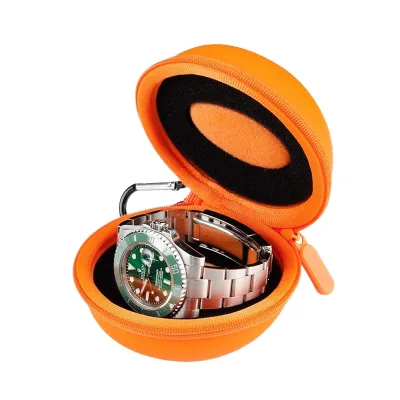
EVA Watch Storage Box Anti-Collision Waterproof and Shockproof Watch Case
$0.79 - $1.79
MOQ: 1000 Pieces

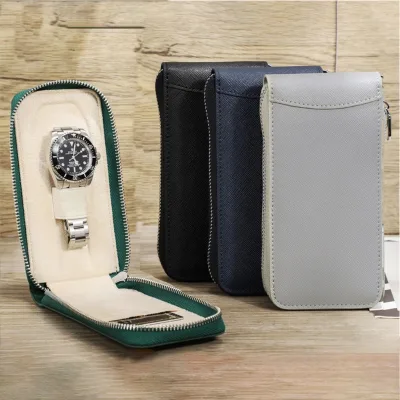
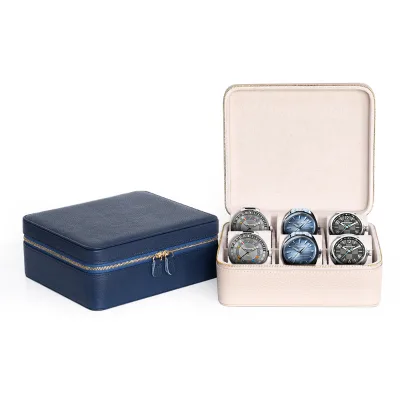
Luxury 2 and 4 Watch Storage Case Handmade Watch Leather Case Portable Watch Case Travel Watch Case
$3.56 - $23.80
MOQ: 200 Pieces

$0.57 - $2.98
MOQ: 20 Pieces

PU Storage Gift Watch Packaging Box Universal Premium Watch Gift Box Large Capacity Watch Case
$2.71 - $3.21
MOQ: 20 Pieces

Foshan Qisi Case And Bag Co., Ltd.
- Manufacturer, Trading Company, Buying Office
- Guangdong, China
- Lead time0 days
- Avg. response≤ 4h
Main productsaluminum case,makeup case,cosmetic bag,storage case,custom case
Main marketsWestern Europe(15.00%), Mid East(15.00%), North America(15.00%), Southeast Asia(10.00%), Southern Europe(8.00%), Domestic Market(5.00%), Eastern Europe(5.00%), Eastern Asia(5.00%), Northern Europe(5.00%), Oceania(5.00%), Central America(3.00%), South Asia(3.00%), Africa(3.00%), South America(3.00%)

- Verified by BV
- Trading Company
- China Zhejiang
- Lead time30 days
- Avg. response≤ 5h
Main productsOEM/ODM Hard Plastic Tool Cases, OEM/ODM Aluminum Cases, OEM/ODM Bags
Main marketsSouth America,Southeast Asia/ Mideast,Europe,North America


$7.50 - $15.00
MOQ: 100 Pieces

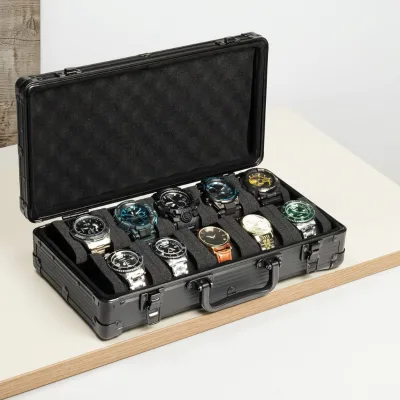
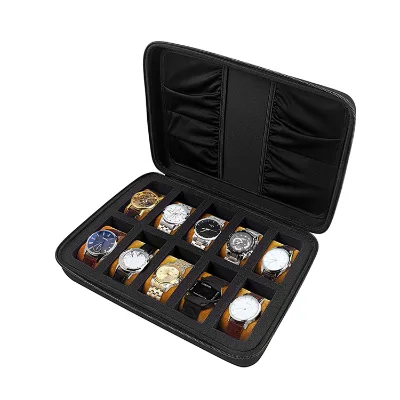
10slots Waterproof Watch Box Tool Case Hard Plastic Case for Watch Hard Case
$18.50 - $20.15
MOQ: 50 Pieces

Vintage Mini Plastic Box Case for Tools Storage with Handle Carrying Case for Watch and Tool
$6.50 - $7.50
MOQ: 50 Pieces

High Quality Watch Case Jewelry Protective Lightweight Plastic Hard Case
$9.00 - $18.00
MOQ: 20 Pieces

Xinhongtu Packaging(Dongguan)C0., Ltd.
- Verified by SGS
- Trading Company
- China Guangdong
- Lead time15 days
- Avg. response≤ 1h
Main productsGift Box Jewelry Box Humidor Box Wooden Box, Tube Box Plastic Box Printing&Packaging, Magnetic Closure Gift Box Custom Luxury Gift Box, Personalized Wooden Gift Box, Custom Multi-Functional Aluminum Case, Custom Aluminum Storage Case with Foam
Main marketsDomestic,Australia

- Verified by TUVRHEINLAND
- Trading Company,Manufacturer/Factory
- China Shandong
- Lead time30 days
- Avg. response≤ 1h
Main productsCNC Machining, Machining Parts, Brass Forging Parts, Aluminum Forging Parts, Precision Parts, Forging and Machining Parts, Die Casting Parts, CNC Machining Parts, Turn Parts
Main marketsEastern Europe,Mid East,North America,Oceania,Western Europe
- Verified by TüVRheinland
- Manufacturer, Trading Company
- Lead time20 days
- Avg. response≤ 6h
Main productsAluminum Case, Flight Case, Display Case, Makeup Case And Bag, Aluminum Hardware
Main marketsNorth America(15%), Western Europe(15%), Southern Europe(15%)
Guangzhou Huiding Leather Co., Ltd.
- Verified by TüVRheinland
- Trading Company
- Lead time25 days
- Avg. response≤ 2h
Main productsLeather Watch Boxes, Leather Jewelry Boxes, Jewelry Tray, Leather Storage Boxes, Leather Box Packaging
Main marketsNorth America(20%), Mid East(15%), Oceania(10%)
FOSHAN BESTLIFT NEW MATERIAL CO., LIMITED
- Verified by TUVRHEINLAND
- Trading Company,Manufacturer/Factory
- China Guangdong
- Lead time23 days
- Avg. response≤ 10h
Main productsFraming & Hanging Accessories, Magnetic Photo Frames, Removable Photo Tiles, Frameless Photo Panels, PS Picture Frames, ABS Photo Frames, Solid Wood Picture Frames, Stickable Photo Frames, Mixtiles Photo Tiles, Foam Board for Printing&Mounting
Main marketsSouth America,Eastern Europe,Mid East,North America,Southeast Asia,Eastern Asia,Oceania,Western Europe,Africa
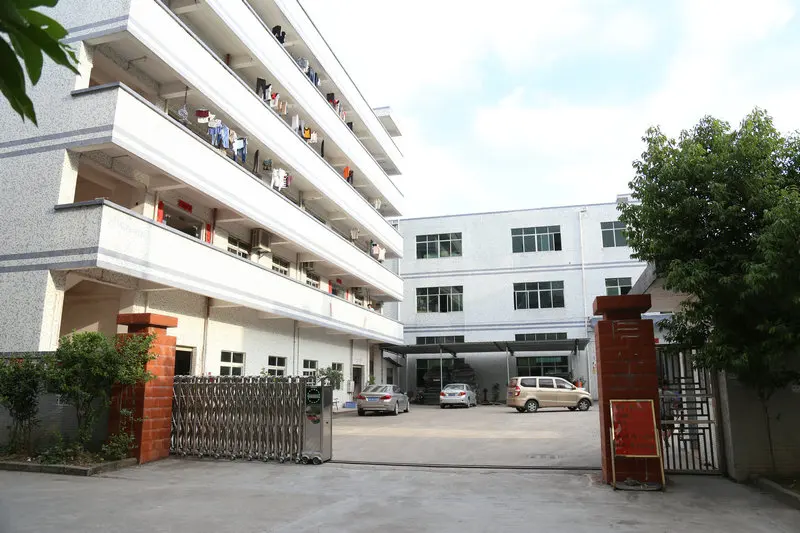
- Trading Company
- Guangdong, China
- Lead time10 days
- Avg. response≤ 2h
Main productsEVA Packaging Cases,EVA Mats,EVA Cosmetic Container,EVA Instrument Box,EVA Wine Box
Main marketsEastern Asia(24.00%), Southern Europe(22.00%), North America(22.00%), Domestic Market(22.00%), Western Europe(7.00%), Northern Europe(3.00%)
Dongguan Brilliant Packaging Co., Ltd.
- Manufacturer, Trading Company
- Lead time旺季: "1 - 1000":31,"1001 - 3000":33,"3001 - 6000":35,"> 6000":"To be negotiated", 淡季: "1 - 1000":31,"1001 - 3000":33,"3001 - 6000":35,"> 6000":"To be negotiated"
- Avg. response≤ 4h
Main productsEVA Case, ABS Case
Shantou Kaicheng Craft Co., Ltd.
- Verified by BV
- Combined
- China Guangdong
- Lead time15 days
- Avg. response≤ 5h
Main productsJewelry Box, Jewelry Organizer, Cosmetic Bags, Watch Box, Jewelry Packaging Box, Jewelry Storage Pouch, Wooden Jewelry Box, Velvet Jewelry Box, Musical Jewelry Box, Make up Bags
Main marketsSouth America,Africa,Southeast Asia/ Mideast,East Asia(Japan/ South Korea),Europe,Australia,North America
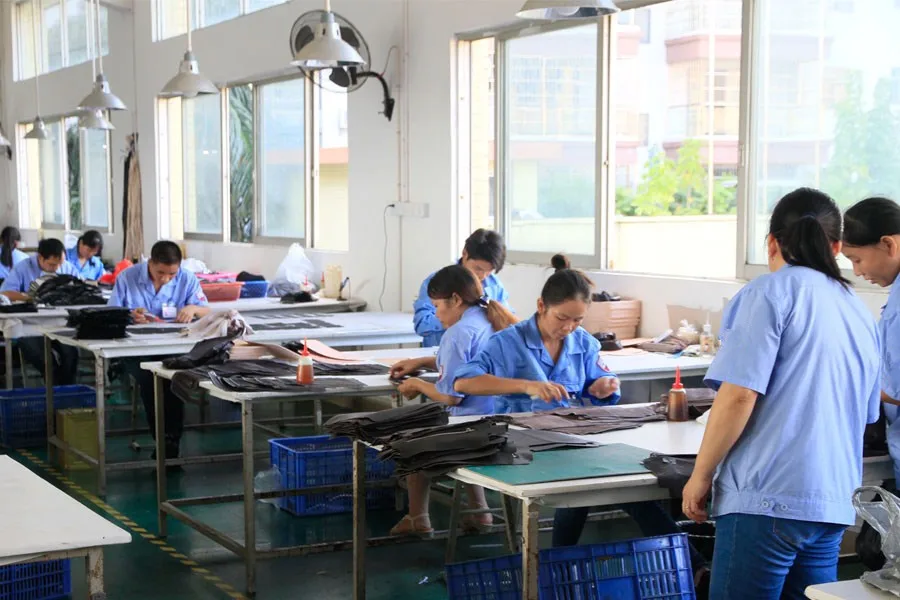
Shenzhen Green Owner Leather Co., Ltd.
- Manufacturer, Trading Company, Distributor/Wholesaler
- Guangdong, China
- Lead time25 days
- Avg. response≤ 3h
Main productsleather watch case,leather jewelry case,leather keychain,leather pouch,leather sunglasses case
Main marketsNorthern Europe(30.00%), North America(20.00%), Western Europe(15.00%), Southern Europe(10.00%), South America(10.00%), South Asia(5.00%), Southeast Asia(5.00%), Africa(5.00%)
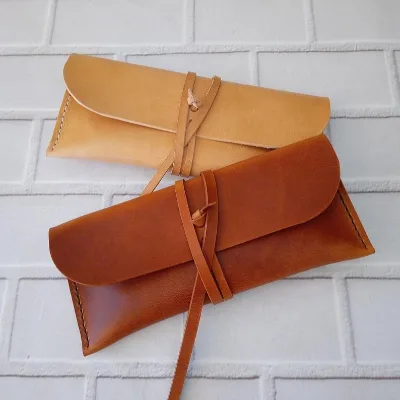
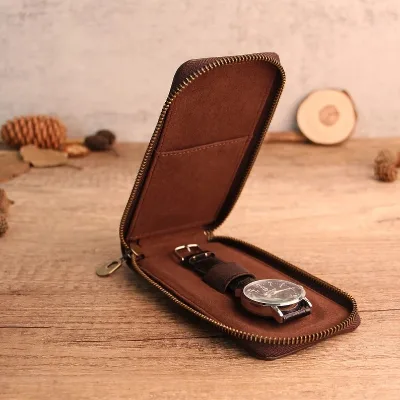
Watch case Luxury Rectangle Custom Watch Strap Case, Watch Strap Organizer
$6.10 - $8.14
MOQ: 300 pieces
Shenzhen Dongtai Sponge Product Co., Ltd.
- Verified by Intertek
- Manufacturer, Trading Company
- Lead time20 days
- Avg. response≤ 2h
Main productsPackaging Foam, EVA Foam, Foam Mat, Kneeling Foam, Foam Toys
Main marketsNorth America(43%), Western Europe(22%), Eastern Asia(20%)
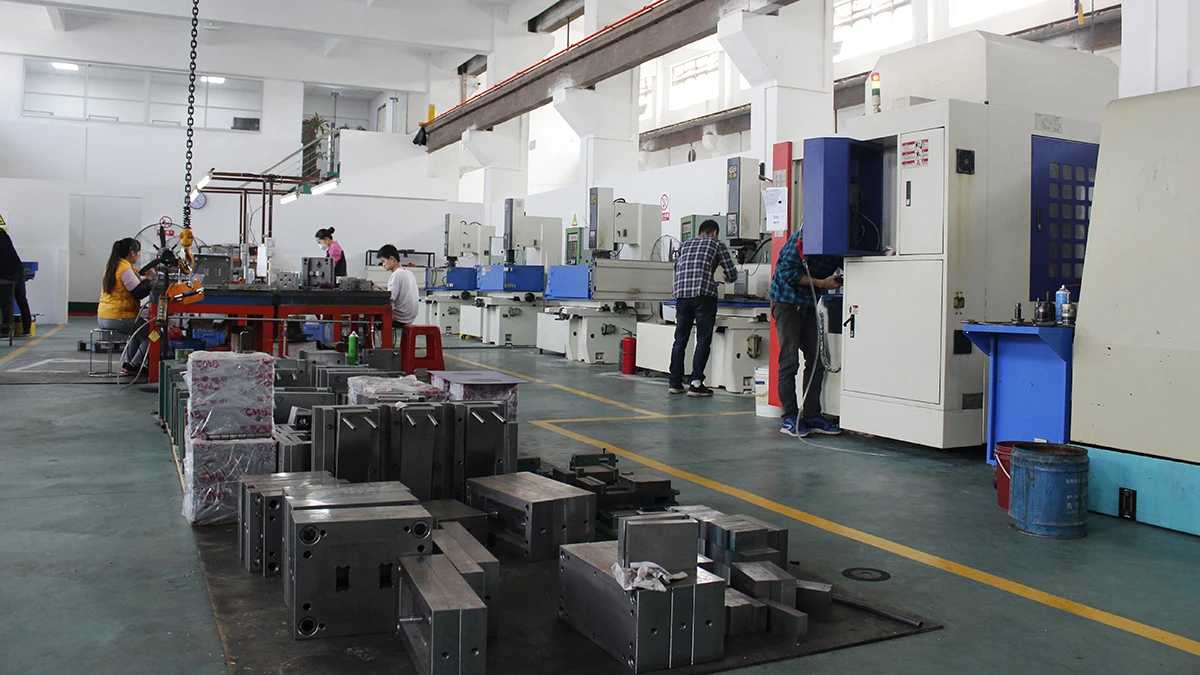
Shenzhen Futian District Kingphone Apple Communication Firm
- Manufacturer, Trading Company, Distributor/Wholesaler
- Guangdong, China
- Lead time7 days
- Avg. response≤ 4h
Main productsGift packaging box,luxury phone custom housing,Modified watch case,Customized wooden eco-friendly products,Daily necessities
Main marketsNorth America(20.00%), Southeast Asia(10.00%), Eastern Europe(10.00%), Central America(10.00%), Northern Europe(9.00%), South Asia(5.00%), Southern Europe(5.00%), Africa(5.00%), South America(5.00%), Western Europe(5.00%), Eastern Asia(5.00%), Mid East(5.00%), Oceania(5.00%), Domestic Market(1.00%)
- Verified by SGS
- Manufacturer/Factory,Group Corporation
- China Guangdong
- Lead time45 days
- Avg. response≤ 4h
Main productsGift Box, Watch Box, Perfume Box, Cosmetic Box, Whisky Box, Jewelry Box, Wine Box, Spirits Box, Coin Box


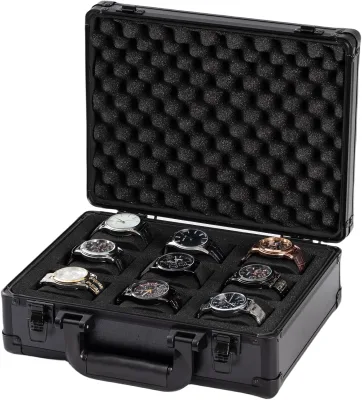
Premium Leather Watch Display Case for 8 Timepieces and Jewelry Storage
$55.00 - $68.50
MOQ: 200 Pieces


Shenzhen Konstun Precision Technology Co., Ltd.
- Trading Company
- China Guangdong
- Lead time0 days
- Avg. response≤ 10h
Main productsCNC Machined, Metal Machining Part, CNC Machining Part, Metal Processing Machinery Part, Machined Part, Precision Machining Part, Precision Component
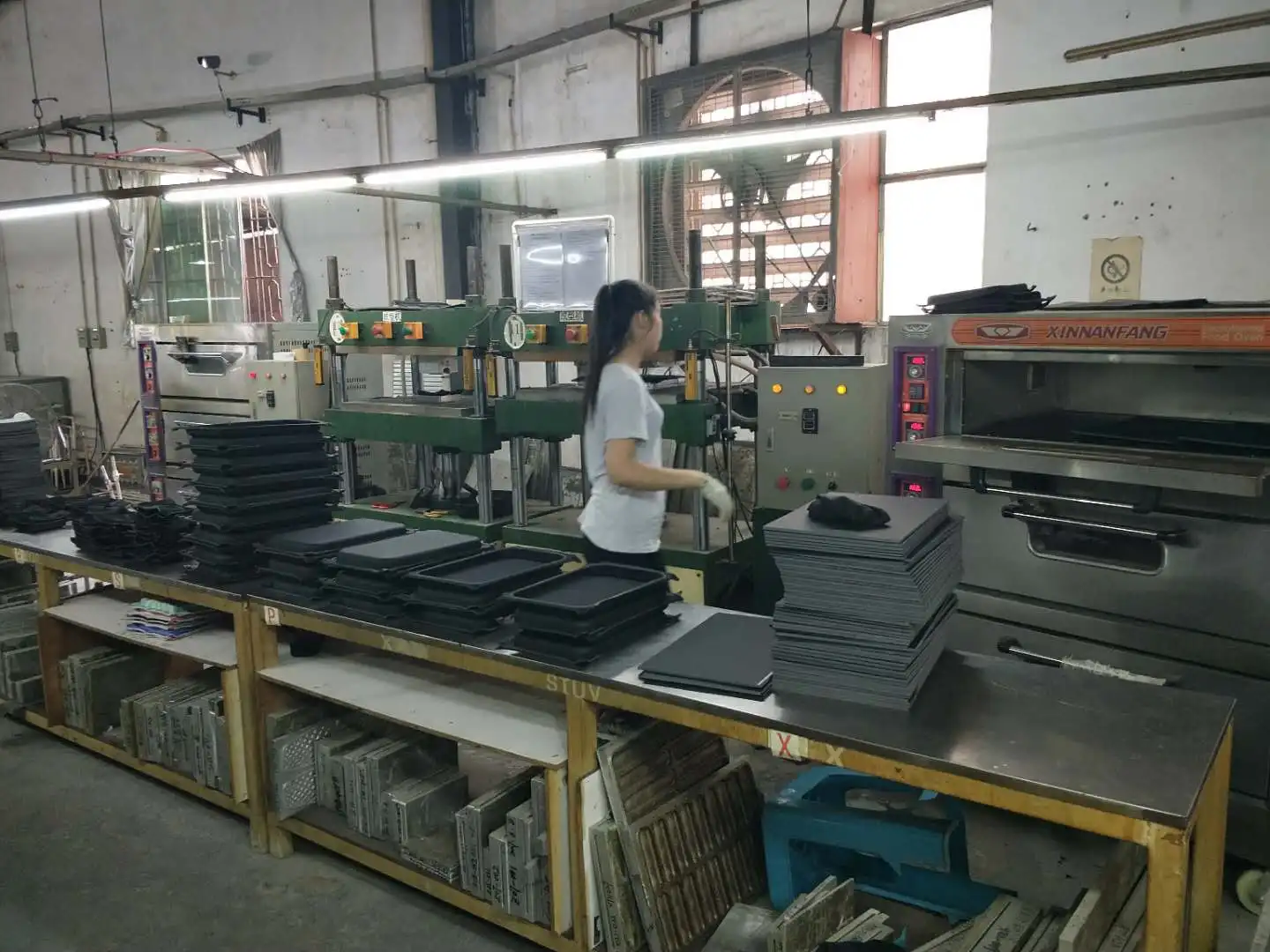
Shenzhen Xinda Package Technology Co., Ltd.
- Manufacturer
- Guangdong, China
- Lead time30 days
- Avg. response≤ 5h
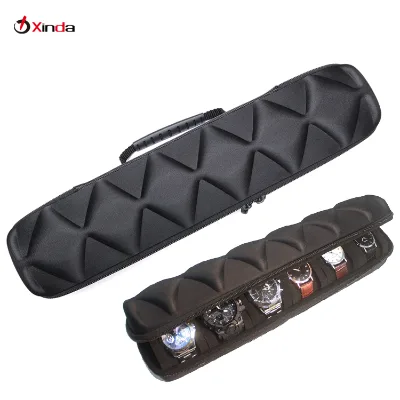
Main productsClear Top Canvas Bag,Tailgate Bag,Car Detailing Tool Bag,Lineman Tool Apron,Hard EVA Case
Main marketsNorth America(40.00%), Oceania(20.00%), Northern Europe(20.00%), Mid East(10.00%), Africa(5.00%), Eastern Asia(5.00%)

Huizhou Weisheng an Hardware Products Co., Ltd.
- Verified by SGS
- Combined
- China Guangdong
- Lead time30 days
- Avg. response≤ 4h
Main productsWatch Case, Watch Bracelet
Main marketsDomestic

$20.00 - $35.00
MOQ: 50 Pieces

$20.00 - $35.00
MOQ: 50 Pieces


$20.00 - $35.00
MOQ: 50 Pieces

$20.00 - $35.00
MOQ: 50 Pieces

Henan Dongying Workshop Crafts Co., Ltd.
- Verified by SGS Group
- Manufacturer, Trading Company
- Lead time0 days
- Avg. response≤ 3h
Main productsJewelry Display, Jewelry Boxes, Jewelry Tray, Jewelry Rack
Main marketsWestern Europe(30%), South America(22%), North America(21%)

- Verified by TUVRHEINLAND
- Combined
- China Jiangsu
- Lead time30 days
- Avg. response≤ 3h
Main productsAluminum Case, Tool Bag, Tool Case, Flight Case, Cosmetic Case, Briefcase, Poker Chip Case, Road Case, Tool Kit, Equipment Case
Main marketsSoutheast Asia/ Mideast,Europe,North America

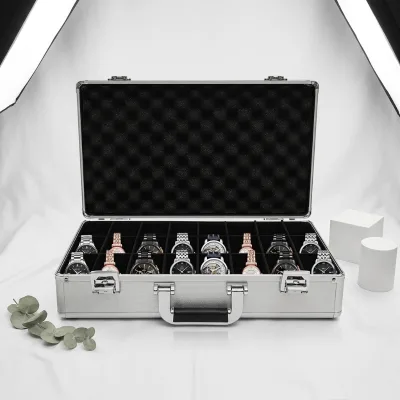
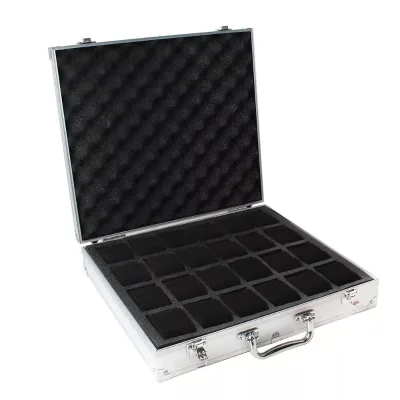
Custom Aluminum Watch Storage Case Aluminum Metal Briefcase for Large Watches
$18.00 - $19.00
MOQ: 50 Pieces

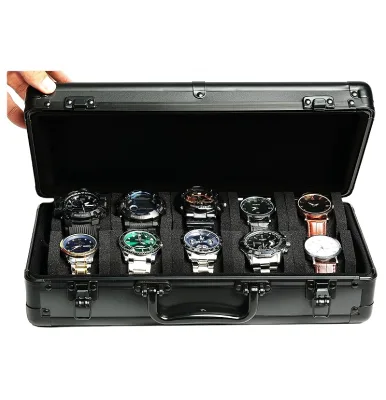
Custom Design Waterproof Shockproof Aluminum Watch Storage Case with Foam Insert
$6.80 - $8.00
MOQ: 50 Pieces

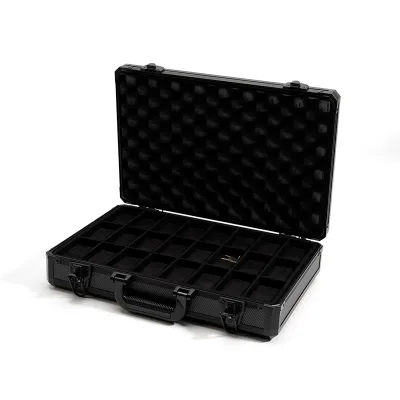
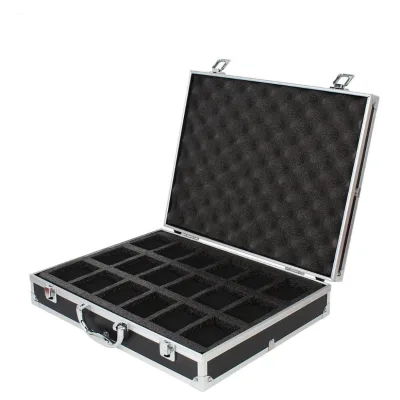
Safe Pure Black Brief Storing Potable Custom Aluminum Watch Case for Collectors
$8.00 - $10.00
MOQ: 50 Pieces

DONGGUAN ZHIHE WOOD PACKAGING LIMITED
- Verified by SGS
- Combined
- China Guangdong
- Lead time60 days
- Avg. response≤ 8h
Main productsWooden Box, Wine Box, Jewelry Box, Pet House, Hotel Furniture, Smart Pet Furniture, Watch Box, Pet Urn, Precious Metals Display Box, The Wooden
Main marketsSouth America,Africa,Southeast Asia/ Mideast,East Asia(Japan/ South Korea),Domestic,Europe,Australia,North America

$13.89 - $16.06
MOQ: 300 Pieces


Newest Best Selling OEM Custom Logo PU Leather Watch Organizer Case for Store Watches
$6.13 - $6.46
MOQ: 300 Pieces

Tianjin Longde Precision Engineering Co., Ltd.
- Verified by SGS
- Combined
- China Tianjin
- Lead time15 days
- Avg. response≤ 25h
Main productsParts Processing, Precision Parts, CNC Machining Parts, Stainless Steel CNC Machining Metal Parts, Precision Customized Aluminum Parts, OEM Precision Stainless Steel Machining Parts, Stainless Steel CNC Machining Precision Parts, Customized High Precision Auto Parts, Stainless Steel Parts Processing, Parts Replacement Machining
Main marketsSoutheast Asia/ Mideast,Domestic,Europe,North America

Xiamen Le Young Imp. & Exp. Co., Ltd
- Verified by BV
- Trading Company,Manufacturer/Factory
- China Fujian
- Lead time23 days
- Avg. response≤ 4h
Main productsLeather Folder, Trave Wallet, Leather Notebook, Leather Compendium, Leather Portfolio, Leather Diary, Leather Journal, Hotel Supply, Leather Card Holder, Leather Wallet
Main marketsSouth America,Eastern Europe,Mid East,North America,Southeast Asia,Eastern Asia,Oceania,Western Europe,Africa


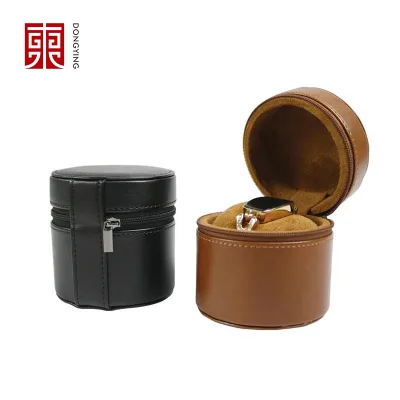
New Arrival Round Shape Watch Box Watch Carrying Case 2 Slots Watch Holder Leather Watch Box for Men
$2.25 - $3.25
MOQ: 300 Pieces

Custom Leather Organizer High Quality Watches Box Premium Black Watch Case
$5.00 - $11.25
MOQ: 300 Pieces

Custom Logo Luxury Watch Box Watch Display Cases 4 Slots Watch Organizer for Travel
$3.02 - $4.02
MOQ: 300 Pieces

Luxury Custom Logo Men's Waterproof Watch Case Leather Watch Roll Box for Travel
$7.50 - $8.70
MOQ: 300 Pieces
Foshan Junming Luggage Products Co., Ltd.
- Verified by TüVRheinland
- Manufacturer, Trading Company
- Lead time30 days
- Avg. response≤ 4h
Main productsMakeup Case, Tool Case, Makeup Chair, Makeup Lighting Case, Flight Case
Main marketsNorth America(40%), South America(5%), Eastern Europe(5%)
Dongguan Changrong Handbag Co., Ltd.
- Verified by SGS
- Trading Company,Manufacturer/Factory
- China Guangdong
- Lead time30 days
- Avg. response≤ 3h
Main productsCanvas Bag, Leather Bag, Golf Bag, Custom Canvas Bag, Sports Golf Bag, Canvas Suit Bag, Canvas Tote Bag, Canvas Travel Bag, Canvas Backpack, Canvas Shoulder Bag
Main marketsSouth America,Eastern Europe,Mid East,North America,Southeast Asia,Eastern Asia,Oceania,Western Europe,Africa

Guangzhou Evergreen Leather Goods Co., Ltd.
- Verified by TUVRHEINLAND
- Manufacturer/Factory
- China Guangdong
- Lead time23 days
- Avg. response≤ 13h
Main productsHandbag, Designer Handbag, Wallet, Luxury Handbag, Leather Bag, Purse, Backpack, Travel Bag, Cosmetic Bag, Luggage
Main marketsSouth America,Eastern Europe,Mid East,North America,Southeast Asia,Eastern Asia,Oceania,Western Europe
Wing Chun Packaging Product(Shenzhen)Co., Ltd
- Verified by BV
- Manufacturer/Factory
- China Guangdong
- Lead time23 days
- Avg. response≤ 4h
Main productsPrinting Gift Packaging, Bag, Paper Gift Box, Rigid Box, Paper Gift Bag, Shopping Bog, Www. Wing-Chun. COM. HK
Main marketsSouth America,Eastern Europe,Mid East,North America,Southeast Asia,Eastern Asia,Oceania,Africa
Foshan Nanhai Bingo Case Factory
- Manufacturer, Trading Company
- Lead time旺季: "1 - 100":31,"101 - 500":35,"> 500":"To be negotiated", 淡季: "1 - 100":31,"101 - 500":35,"> 500":"To be negotiated"
- Avg. response≤ 7h
Main productsAluminum Case, Makeup Case, Flight Case, Tool Case, Foam Case

- Verified by BV
- Manufacturer/Factory
- China Guangdong
- Lead time23 days
- Avg. response≤ 19h
Main productsCNC Machining Part, CNC Milling Part, CNC Turning Part, Screw, Prototype, Gear, Shaft, Washer, Nozzle, Pin
Main marketsSouth America,Eastern Europe,Mid East,North America,Southeast Asia,Eastern Asia,Oceania,Western Europe,Africa
Dongguan Sengtor Plastics Products Co., Ltd.
- Manufacturer, Trading Company
- Lead time旺季: "1 - 10000":10,"> 10000":"To be negotiated", 淡季: "1 - 10000":10,"> 10000":"To be negotiated"
- Avg. response≤ 5h
Main productsLeather Card Case, Card Sleeves, Leather Album Binder, Plastic Album Binder, Plastic Card Case

Shenzhen Daohua Industrial Co., Ltd.
- Verified by TUVRHEINLAND
- Manufacturer/Factory
- China Guangdong
- Lead time15 days
- Avg. response≤ 4h
Main productsPackaging Material, Gift Box, Paper Box, Wooden Box, Watch Box, Jewelry Box, Carton, Packing Box
Main marketsEastern Europe,North America,Southeast Asia,Eastern Asia,Oceania,Western Europe
Jinhua Charming Packing Co., Ltd.
- Manufacturer
- Zhejiang, China
- Lead time15 days
- Avg. response≤ 1h
Main productsJewelry Box,Watch Box,Paper Box,Gift Box,Jewelry DIsplay
Main marketsEastern Europe(30.00%), Western Europe(25.00%), North America(25.00%), Mid East(20.00%)




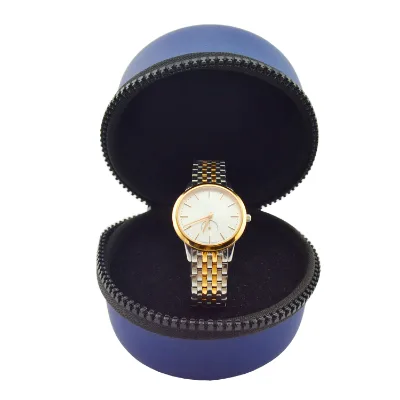


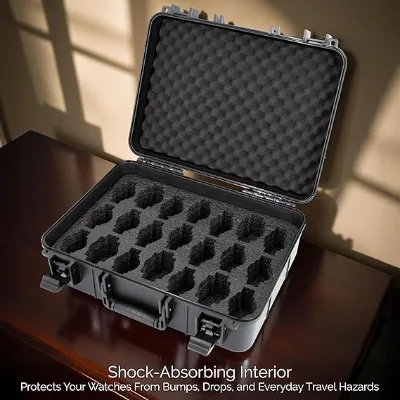
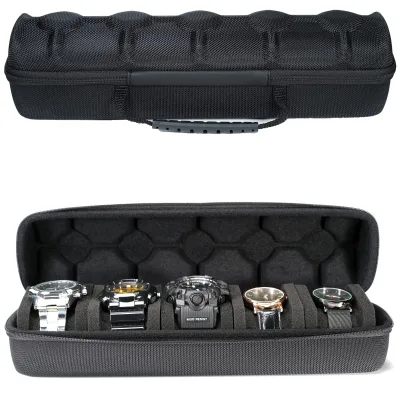
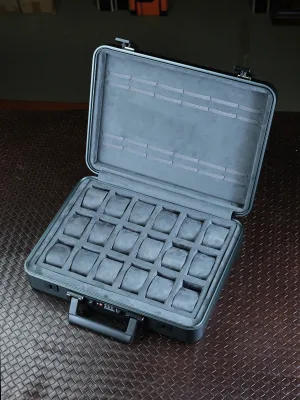








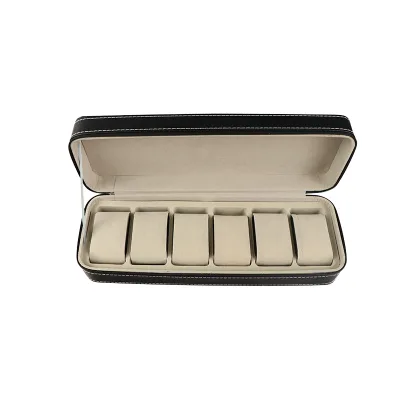
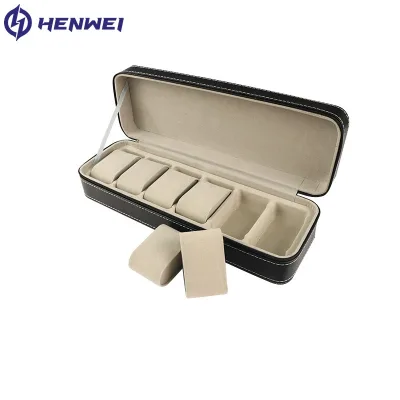


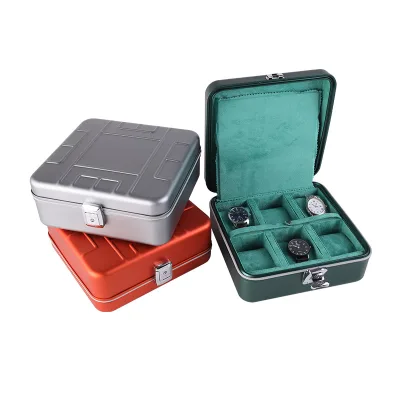
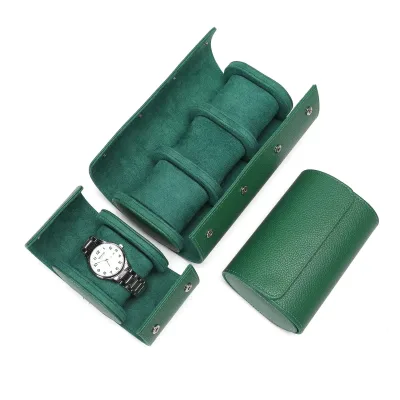
Comprehensive Sourcing Guide
Watch Storage Case Supplier Concentration and Factory Types
The current supplier landscape for watch storage cases reveals a distinct concentration of manufacturing and trading entities within specific Chinese provinces. Data indicates a significant cluster in Zhejiang, where suppliers list locations explicitly as China Zhejiang, alongside a notable presence in Guangdong. These regions serve as primary hubs for the production of diverse packaging solutions, including leather, PU, and aluminum cases. Buyers should recognize that suppliers in these areas often operate as a hybrid of Trading Companies and Manufacturers, offering a blend of direct factory capabilities and broader sourcing networks. This dual structure allows for flexibility in handling both custom orders and standard inventory, though the specific balance varies by entity.
When evaluating the factory types, it is crucial to distinguish between pure manufacturers and trading companies based on the provided company_type data. Some suppliers identify as Manufacturer/Factory, while others list themselves as Trading Company or Buying Office. This distinction impacts the supply chain dynamics, as manufacturers typically control the production process directly, whereas trading companies may aggregate products from multiple sources. The presence of both types in the same geographic clusters suggests a competitive environment where buyers can find options ranging from direct factory pricing to the logistical support of established trading firms. Verification of these operational models is essential before committing to a partnership.
How to Verify Watch Storage Case Suppliers
Verification of Watch Storage Case suppliers requires a rigorous examination of their certification status and third-party validation records. The available data highlights several key certifications held by suppliers, including BSCI, ISO 9000, ISO 14001, ISO 9001, ISO 14000, and HSE. These credentials indicate adherence to international management standards for quality, environmental impact, and social responsibility. Buyers must confirm that these certifications are current and applicable to the specific products being sourced, as the presence of a certificate does not guarantee compliance for every item in a catalog. Additionally, the verification status marked as BV (Bureau Veritas) serves as a critical indicator of a supplier's legitimacy and operational stability.
Beyond certifications, the response time and verification status provide immediate insights into supplier reliability. The observed response time of 5.27 hours suggests a moderate level of engagement, while other suppliers may demonstrate faster or slower reaction rates. Buyers should prioritize suppliers with verified badges and documented response metrics to ensure timely communication throughout the procurement process. It is also necessary to cross-reference the listed main products, such as Gift Box, Watch Box, and Cosmetic Box, with the specific Watch Storage Case requirements. A supplier claiming to specialize in watch cases but listing unrelated primary products may indicate a lack of focused expertise. Confirming these details through direct inquiry is the only way to validate the supplier's actual capabilities.
What to Compare Across Watch Storage Case Suppliers
Comparing suppliers requires a systematic analysis of lead times, minimum order quantities, and pricing structures to determine the best fit for specific project needs. The data shows a wide variance in lead times, with some suppliers indicating a 23-day production window while others report zero days, likely reflecting stock availability or different production models. Minimum order quantities (MOQ) also fluctuate significantly, ranging from as low as 20 units for certain plastic cases to 1000 units for EVA storage boxes. Buyers must align these constraints with their inventory strategy, as high MOQs may be prohibitive for small businesses, while low MOQs might come with higher per-unit costs.
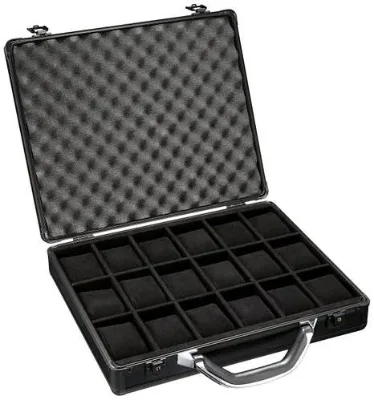
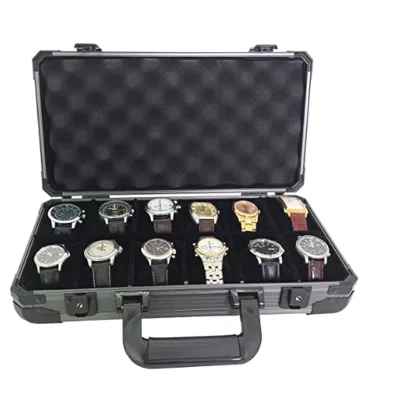
Pricing and product specifications offer another critical dimension for comparison. Unit prices for watch storage cases vary from approximately $0.57 to $23.80, depending on materials like leather, PU, aluminum, or plastic, and features such as slot capacity and waterproofing. For instance, a 36-position leather case commands a higher price point than a simple 3-position plastic pouch. Buyers should evaluate the trade-off between cost and attributes like hardness, inside material, and logo printing availability. A supplier offering a lower price might lack customization options or use inferior materials, so a holistic view of the product attributes is necessary. Comparing these factors side-by-side ensures the selection of a supplier that balances cost efficiency with quality requirements.
Common Watch Storage Case Sourcing Risks
One significant risk in sourcing watch storage cases involves the discrepancy between advertised product attributes and actual delivery. While suppliers list features such as waterproofing, specific slot counts, and material grades like "High" or "Soft," these claims must be validated against physical samples. For example, a product described as having "Waterproof" properties and "Flannelette" inside material may not meet the rigorous standards required for luxury watch protection if the manufacturing process is inconsistent. Relying solely on the provided product evidence without physical verification can lead to receiving goods that fail to protect the inventory, resulting in financial loss and reputational damage.
Another risk pertains to the reliability of lead times and the potential for supply chain disruptions. Although some suppliers list a lead time of zero, indicating immediate availability, others specify a 23-day production cycle. This variance can create planning uncertainties, especially for time-sensitive orders. Furthermore, the complexity of customization, such as logo printing or specific dimensions, can extend lead times beyond the initial estimates. Buyers must account for these variables when planning their inventory replenishment. Failure to anticipate delays or quality inconsistencies can disrupt downstream sales and customer satisfaction, making it imperative to establish clear communication channels and contingency plans with the chosen supplier.
Watch Storage Case Regional Sourcing and Logistics
Regional sourcing strategies should focus on the identified manufacturing clusters in Zhejiang and Guangdong, China, where the majority of Watch Storage Case suppliers are concentrated. These regions offer a mature ecosystem for packaging production, with established logistics networks that facilitate efficient shipping. Buyers should leverage the geographic proximity of these hubs to reduce transit times and shipping costs. However, it is essential to verify the specific location of each supplier, as some may operate from different cities within these provinces, affecting local logistics capabilities. Understanding the specific regional strengths allows buyers to optimize their supply chain for speed and cost-effectiveness.
Logistics planning must also consider the packaging standards and shipping requirements associated with different product types. The data indicates that products are often packed in Standard Export Cartons or Standard Export Packaging, which are designed to protect items during transit. Buyers should confirm that the packaging meets the necessary standards for their destination markets, particularly for fragile items like watch cases. Additionally, the gross weight of the products, ranging from less than 0.5 kg to over 1 kg, influences shipping costs and handling requirements. Coordinating with suppliers to ensure proper packaging and labeling can prevent damage and ensure smooth customs clearance, ultimately reducing the risk of delays and additional expenses.
Watch Storage Case Commercial Terms and Order Planning
Commercial terms for watch storage cases vary significantly based on the supplier's capacity and the specific product configuration. Buyers must carefully review the Minimum Order Quantity (MOQ) and pricing tiers, as these terms directly impact the financial viability of the order. For instance, some suppliers require an MOQ of 50 units, while others demand 1000 units, which can dictate the scale of the initial purchase. Understanding these thresholds is crucial for budgeting and inventory management. Additionally, the availability of customization options, such as logo printing and specific material choices, may incur additional costs or require longer lead times, which must be factored into the overall order planning.
Order planning should also account for the response times and communication protocols of the suppliers. With response times ranging from 4 to 5.27 hours, buyers can expect a reasonable level of engagement, but delays can still occur during peak periods. Establishing clear communication channels and setting expectations for order confirmation, production updates, and shipping notifications is essential for maintaining control over the procurement process. Buyers should also verify the payment terms and escrow options to ensure financial security. By aligning commercial terms with operational capabilities, buyers can mitigate risks and ensure a smooth transaction from order placement to final delivery.
FAQs
What is the price range for watch storage cases?
Watch storage cases typically range from $0.57 to $23.80 per unit depending on material and capacity. Basic EVA or plastic options start near $0.57, while premium leather or aluminum models can reach $23.80. Prices vary based on customization needs, slot count, and specific material grades selected for your order.
What are the minimum order quantities for these cases?
Minimum order quantities vary significantly by product type. Some plastic or simple leather cases require as few as 20 units, while others demand 200 or 500 units. Higher capacity or specialized aluminum cases may require 300 units. Buyers should check specific product listings to confirm the exact MOQ for their desired model.
How long does production take for these orders?
Production lead times generally average around 23 days for standard orders. Some suppliers may list zero days for specific ready-stock items, but this is rare. Buyers should confirm exact timelines with suppliers, as lead times can extend based on customization requirements, order volume, and current factory capacity constraints.
Are these watch cases customizable with logos?
Customization is widely available for many watch storage cases. Some products explicitly offer logo printing services, allowing for brand integration. However, certain models, particularly basic EVA or specific plastic cases, may not support logo printing. Buyers must verify customization options directly with suppliers to ensure their branding requirements are met.
What materials are commonly used for watch cases?
Common materials include leather, PU leather, EVA, plastic, and aluminum. Leather and PU options often feature soft interiors like flannelette for protection. EVA cases provide shockproof and waterproof benefits, while aluminum cases offer durable, rigid storage. The choice depends on whether you prioritize luxury aesthetics, portability, or maximum protection.
Where are these watch case suppliers located?
Suppliers for these watch storage cases are primarily located in China, specifically in Zhejiang and Guangdong provinces. These regions are known for manufacturing packaging and accessories. Buyers can expect a concentration of both trading companies and manufacturers in these areas, offering diverse options for sourcing and negotiation.
What certifications do these suppliers hold?
Many suppliers hold certifications such as ISO 9001, ISO 14001, BSCI, and HSE. These indicate adherence to quality management, environmental standards, and social compliance. Verification services like BV may also be available. Buyers should request specific certification documents to ensure the supplier meets their corporate social responsibility and quality standards.