Watercolor Fabric Paint Suppliers and Manufacturers
Compare 18 verified suppliers offering Watercolor Fabric Paint with varying lead times, certifications, and MOQs. Review response times and product attributes like non-toxic materials and custom options before contacting vendors directly; review the available evidence before requesting comparable quotations from suitable candidates.
Suppliers List

Shanghai Haobin Stationery & Art Material Co., Ltd.
- Verified by SGS
- Trading Company
- China Shanghai
- Lead time30 days
- Avg. response≤ 5h
Main productsColor Pencil, Sketch Set, Paint Set, Mark Pen Set, Painting Tool Set, Palette, Art Brush Set, Paper&Painting Pad
Main marketsDomestic,North America

Ningbo Colorswoo Art Supply Co., Ltd.
- Trading Company
- China Zhejiang
- Lead time30 days
- Avg. response≤ 9h
Main productsPigment Acrylic Paint Oil Paint Gouache Paint, Water Color Paint Fabric Paint Poster Paint, Finger Paint Tempera Paint Face Paint Eye Paint, Ceramic Paint Window&Glass Pait Water Color Cake, White Glue Glitter Glue Glue Stick Glitter Shake, Crayon Oil Pastels Chalk Soft Pastel, Plasticine Modeling Clay, Water Color Pen Color Pencil Paint Set, Brush Palette Canvas Cleaning Pot, Eraser
Main marketsSouth America,Africa,Southeast Asia/ Mideast,East Asia(Japan/ South Korea),Domestic,Europe,North America


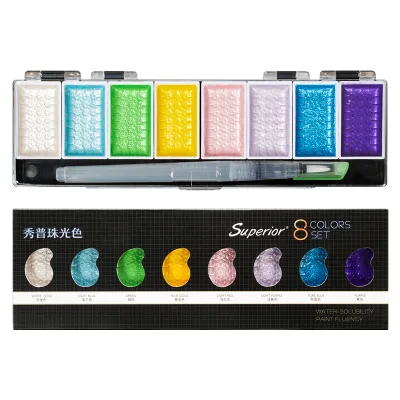
16 Colors 2.3 Cm Semi-Dry Watercolor Paint Set Watercolor Palette Water Color Set
$0.30 - $0.50
Moq: 3000


Qingyuan County Hongyun Penindustry Co., Ltd.
- Combined
- China Zhejiang
- Lead time30 days
- Avg. response≤ 3h
Main productsWood Pencil Wood Color Pencil, Plastic Pencil Plastic Color Pencil, Wood-Free Pencil Wood-Free Color Pencil, Art Set Stationery Set, Wooden Easel Wooden Case, Brush Canvas Wooden Mannequin Wooden Manikins, Acrylic Paint Oil Paint Gouache Paint, Solid Tempera Paint Paint Stick, Gel Pen Marker Pen Watercolor Pen, Crayon Oil Pastel
Main marketsEast Asia(Japan/ South Korea),Europe,Australia

- Combined
- China Zhejiang
- Lead time30 days
- Avg. response≤ 17h
Main productsInkjet Canvas, Stretcher Bar, Art Materials, Stretched Canvas, Artist Brush, Palette, Drawing, Easel, Rules, Pencil
Main marketsSouth America,Africa,Southeast Asia/ Mideast,East Asia(Japan/ South Korea),Domestic,Europe,Australia,North America
Wenzhou Bonvan Stationery & Gifts Co., Ltd.
- Verified by TüVRheinland
- Trading Company
- Lead time25 days
- Avg. response≤ 3h
Main productsMarkers, Pens, School Stationery, Office Stationery, Art Material
Main marketsNorth America(20%), Domestic Market(20%), Western Europe(15%)

Suzhou Teide Inkjet Material Ltd.
- Manufacturer
- China Jiangsu
- Lead time15 days
- Avg. response≤ 8h
Main productsVinyl Wallcovering, Wallpaper, Contract Vinyl, Exclusive Wallcovering, Non Woven Wallpaper, Vinyl Wallpaper, Wall Cloth, PVC Wallpaper, Decor Paper
Main marketsSouth America,Africa,Southeast Asia/ Mideast,Domestic,Europe,Australia,North America

Amoy Art Distribution Co., Ltd.
- Verified by TUVRHEINLAND
- Manufacturer/Factory
- China Fujian
- Lead time38 days
- Avg. response≤ 16h
Main productsHandmade Oil Paintings, Reproduction of Masterpieces, Modern Wall Art, Decorative Oil Paintings, Flower Oil Paintings, Original Canvas Art, Abstract Oil Paintings, People and Pet Portrait Paintings, Palette Knife Oil Paintings, Home Furniture Accessories
Main marketsSouth America,Eastern Europe,Mid East,North America,Southeast Asia,Eastern Asia,Oceania,Western Europe,Africa

Ningbo Taiyu Stationery Co., Ltd.
- Combined
- China Zhejiang
- Lead time30 days
- Avg. response≤ 15h
Main productsShaking Pencil, Mechanical Pencil, Automa Pencil, Office Use Pencil, Student Pencil, Ball Pen, Gel Ink Pen, Pencil Case, Marker Pen, Highlighter Pen
Main marketsSouth America,Africa,Southeast Asia/ Mideast,East Asia(Japan/ South Korea),Domestic,Europe,Australia,North America

Durable and Resistant to Impact Comfortable Grip Fashionable Watercolor Painting
$0.07 - $0.09
Moq: 10000

Durable and Long-Lasting The Pen Body Is Sturdy New-Style Watercolor Art Painting
$0.07 - $0.09
Moq: 10000

Ningbo Brt Imp. &Exp. Co., Ltd.
- Verified by TUVRHEINLAND
- Trading Company
- China Zhejiang
- Lead time23 days
- Avg. response≤ 4h
Main productsSchool Stationery, Water Bottle, Office Stationery, School Bag, Promotional Pen, Marker, Promotional Gift, Notebook
Main marketsAfrica,East Asia(Japan/ South Korea),North America
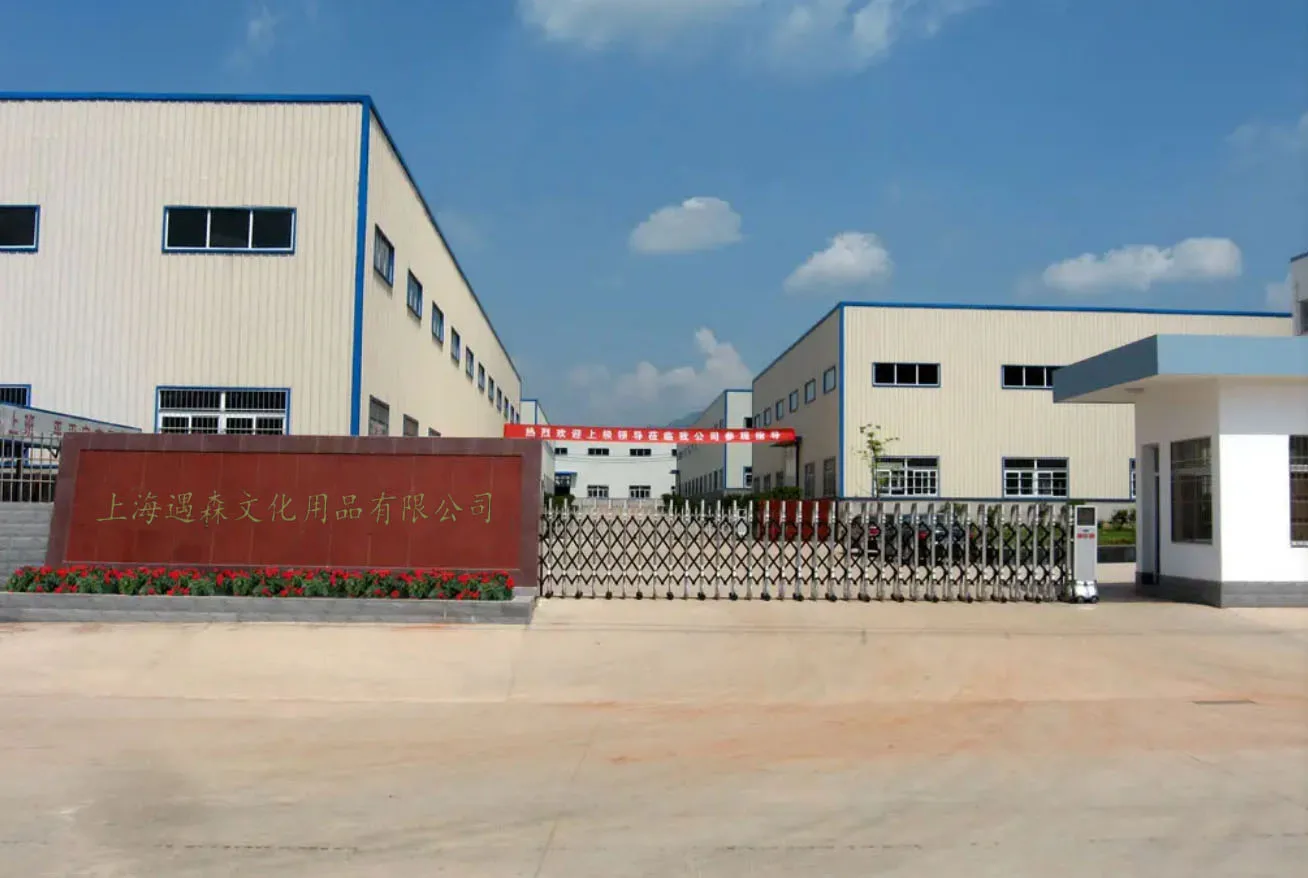
Shanghai Colorworld Stationery & Art Supplies Co., Ltd.
- Trading Company
- Shanghai, China
- Lead time40 days
- Avg. response≤ 2h
Main productsstationery,art supplies,office supplies,school supplies,culture product
Main marketsNorth America(40.0%), Southeast Asia(20.0%), Western Europe(15.0%), Northern Europe(15.0%), Southern Europe(5.0%), Africa(5.0%)

Dongguan Joyart Stationery And Craft Co., Ltd.
- Manufacturer
- Guangdong, China
- Lead time30 days
- Avg. response≤ 10h
Main productsTie Dye Kit/Fabric Paint/Poster Paint/Glitter Glue/Acrylic Paint
Main marketsWestern Europe(40.0%), North America(35.0%), Domestic Market(15.0%), Southern Europe(4.0%), Northern Europe(3.0%), Mid East(2.0%), Eastern Asia(1.0%)

Ningbo Yinzhou Wenhui Paper Co., Ltd.
- Verified by TUVRHEINLAND
- Manufacturer/Factory
- China Zhejiang
- Lead time45 days
- Avg. response≤ 9h
Main productsStationery Gifts Promotional Homeware, Pen, Pet Products, Board Game, Paper Tube, Notebook, Wooden Toys, DIY Toy, Puzzle, Gift Bag
Main marketsSouth America,Eastern Europe,Mid East,North America,Southeast Asia,Eastern Asia,Oceania,Western Europe,Africa
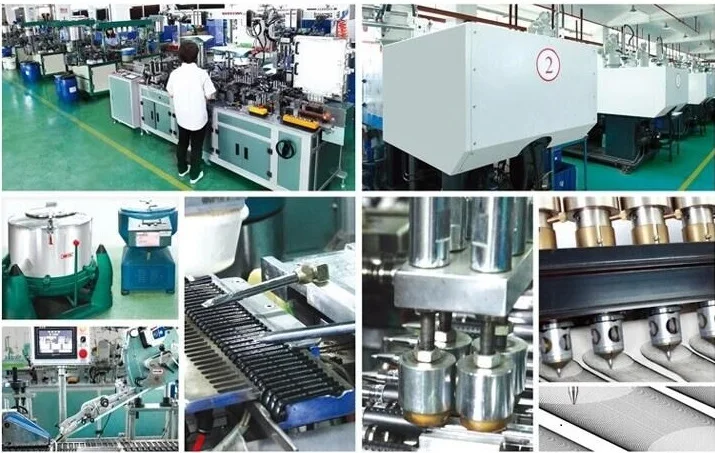
Guangzhou Nasheng Stationery Co., Ltd.
- Manufacturer, Trading Company
- Guangdong, China
- Lead time7 days
- Avg. response≤ 6h
Main productsPaint Marker,Metallic Pen,Gel Ink Pen,Ball Point Pen,Highlighter
Main marketsDomestic Market(12.0%), Africa(12.0%), Northern Europe(10.0%), Eastern Europe(9.0%), Mid East(8.0%), Oceania(8.0%), South America(8.0%), Central America(6.0%), North America(5.0%), Southeast Asia(5.0%), Eastern Asia(5.0%), Western Europe(5.0%), South Asia(4.0%), Southern Europe(3.0%)
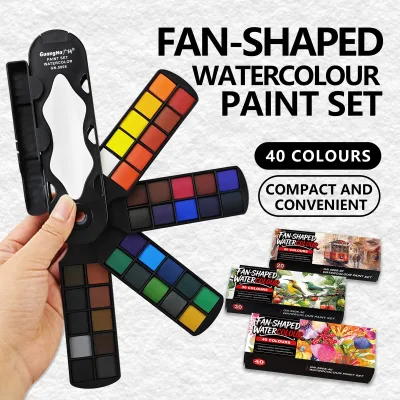
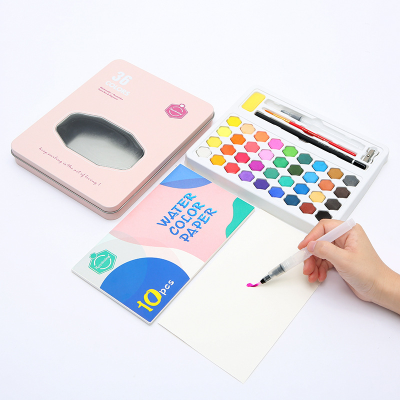
Fan Shaped Foldable Watercolor Paint Solid Watercolor 20 30 40 Colors Pocket Watercolor Kit
Contact supplier
Moq: 20
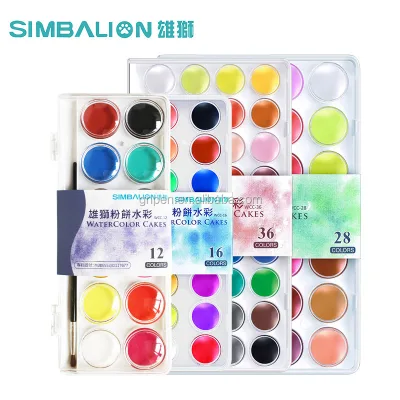
Cheap Non-toxic 36 Color Kids Solid Water Color Paint Set
Contact supplier

Suqian Litai Miqi Technology Co., Ltd.
- Verified by CTI
- Combined
- China Jiangsu
- Lead time23 days
- Avg. response≤ 2h
Main productsCanvas
Main marketsDomestic,Europe,North America
Ningbo Colorswoo Art Supply Co., Ltd.
- Verified by TüVRheinland
- Trading Company
- Lead time45 days
Main productsPaint, Brush, Art Set, Canvas, Crayon
Main marketsWestern Europe(18%), Southern Europe(18%), Eastern Europe(17%)
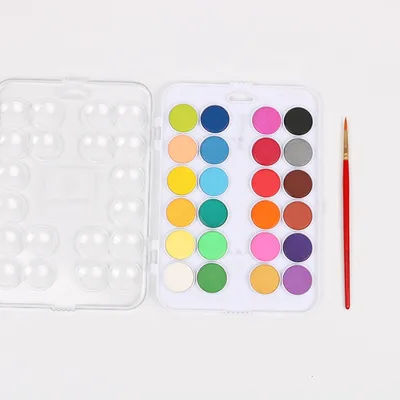
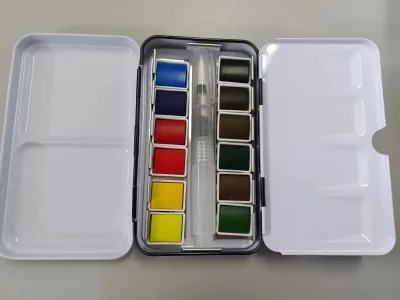
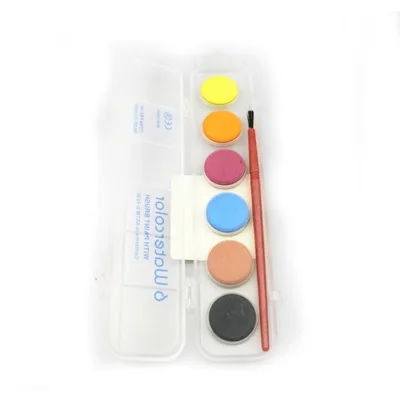
Professional Artist Painting Non-toxic Watercolour Paint Solid Powder Watercolor Paint Set
Contact supplier
Moq: 5000

- Verified by TUVRHEINLAND
- Trading Company
- China Zhejiang
- Lead time15 days
- Avg. response≤ 16h
Main productsStationery Set, Calendar, Promotion Pen, Bottle, Car Products, Fidget Toy, DIY Toy, Education Toy, Art Set, Pencil Case
Main marketsSouth America,Europe,North America

- Trading Company,Manufacturer/Factory
- China Guangdong
- Lead time30 days
- Avg. response≤ 18h
Main productsOil Paintings, Abstract Paintings, Hand-Painted Artworks, Watercolour Paintings, Mixed Medium Art & Decor, Mixed-Media 3D Wall Arts, Drawings, Custom Sculptures, Bronze Sculpture, Large Metal Sculpture
Main marketsSouth America,Eastern Europe,Mid East,North America,Southeast Asia,Eastern Asia,Oceania,Western Europe,Africa

HANGZHOU JULIES INTERNATIONAL TRADE CO., LTD.
- Verified by BV
- Trading Company
- China Zhejiang
- Lead time30 days
- Avg. response≤ 25h
Main productsBrush, Easel, Painting Tools, Plastic Box, Art Materials
Main marketsSouth America,Southeast Asia/ Mideast,East Asia(Japan/ South Korea),Europe,North America






Comprehensive Sourcing Guide
Watercolor Fabric Paint Supplier Concentration and Factory Types
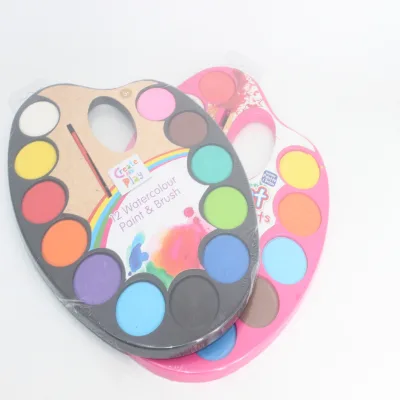
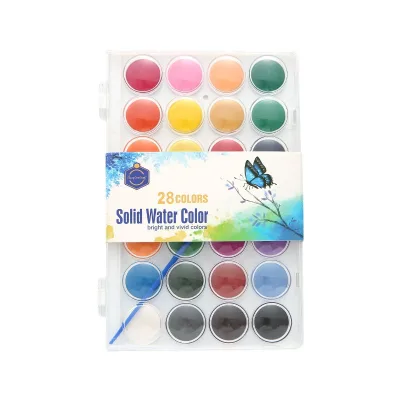
Current data indicates a concentration of suppliers in China, specifically within Shanghai and Zhejiang provinces, with Ningbo also appearing as a specific origin point for certain product listings. These regions host a mix of trading companies and manufacturers capable of producing Watercolor Fabric Paint and related art supplies. The observed supplier types are predominantly trading companies, which often aggregate products from various factories to offer a broader catalog including sketch sets, paint sets, and specialized tools. This structure allows buyers to access diverse product lines such as metallic solid watercolors, semi-dry paints, and acrylic options from a single source, though it requires careful verification of the actual manufacturing origin.
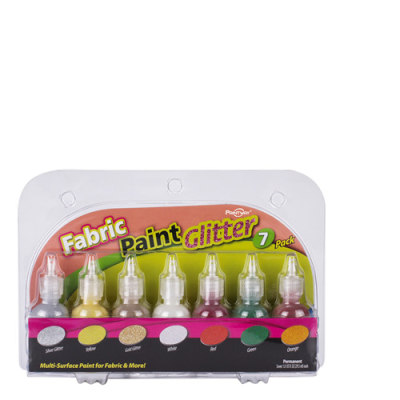
When evaluating these clusters, buyers should note that while some listings specify Shanghai or Zhejiang as the origin, others may only list "China" generally. The presence of trading companies suggests that the actual production facilities might be located in different industrial zones within these provinces. Buyers must distinguish between a supplier that manufactures the paint directly and one that sources it from third-party factories. The main products listed often include a wide range of art supplies beyond just fabric paint, such as oil paints, gouache, and modeling clay, indicating that these suppliers operate as general art supply distributors rather than specialized fabric paint manufacturers.
How to Verify Watercolor Fabric Paint Suppliers
Verification of supplier credibility relies heavily on third-party audit reports and specific platform verification badges rather than self-declared claims. In the current dataset, one supplier is explicitly marked as verified by SGS, which serves as a concrete indicator of a completed on-site audit or quality assessment. Buyers should prioritize suppliers with such external verification status, as it provides a higher degree of confidence regarding the company's operational legitimacy. However, the absence of a specific verification badge does not automatically disqualify a supplier, but it necessitates a more rigorous due diligence process to confirm their business license and physical presence.
Beyond verification badges, buyers must scrutinize the specific certifications listed for the products themselves, as these often reflect the supplier's adherence to safety and quality standards. Several product listings in the current results display certifications such as CE, ISO, RoHS, CCC, and EN71, which are critical for art supplies intended for children or commercial use. The presence of these certifications on product attributes suggests the supplier has undergone testing for non-toxic materials and safety compliance. Buyers should request copies of these certificates and verify their validity with the issuing bodies, ensuring that the certifications apply specifically to the Watercolor Fabric Paint being sourced and not just to other items in the supplier's catalog.
What to Compare Across Watercolor Fabric Paint Suppliers
Comparing suppliers requires a detailed analysis of key operational metrics such as minimum order quantities, lead times, and response speeds to determine fit for specific project needs. The data shows significant variation in these areas; for instance, some listings indicate a minimum order quantity of 10 sets, while others require 5,000 sets, reflecting different target markets ranging from small retailers to large distributors. Lead times also vary, with one supplier citing a 30-day production window, which is a critical factor for inventory planning. Response times, measured in hours, range from approximately 4.68 to 8.72, indicating differences in customer service efficiency and communication availability that can impact the speed of order resolution.
Price and customization capabilities are equally vital dimensions for comparison, as they directly affect the total cost of ownership and product differentiation. Price ranges observed in the results span from as low as $0.10 to over $10.50 per unit, depending on the number of colors, packaging, and included accessories like brushes or palettes. Customization options, such as logo printing and OEM/ODM services, are widely available, with many suppliers explicitly stating that customized packaging and branding are welcome. Buyers should compare the cost implications of these customizations against the base price to understand the true value proposition. Additionally, the capacity for own-brand production suggests that some suppliers can support private label strategies, which is essential for buyers looking to build a distinct brand identity in the market.
Common Watercolor Fabric Paint Sourcing Risks
One significant risk in sourcing Watercolor Fabric Paint involves the discrepancy between the stated product attributes and the actual material composition, particularly regarding non-toxic claims and safety standards. While many listings advertise products as non-toxic and eco-friendly, the specific certification details vary, with some products listing CE and ISO while others include RoHS or CCC. Without a unified standard across all suppliers, there is a risk of receiving products that do not meet the specific safety regulations of the buyer's target market. Buyers must ensure that the certifications listed on the product page match the regulatory requirements of their destination country, as a lack of specific certification for fabric paint could lead to customs delays or product recalls.
Another critical risk is the inconsistency in minimum order quantities and lead times, which can disrupt supply chain planning and cash flow. The wide range of MOQs, from 10 sets to 5,000 sets, creates a challenge for buyers who need to balance inventory costs with order flexibility. A supplier with a high MOQ might offer a lower unit price but ties up capital in stock, whereas a low-MOQ supplier might have higher per-unit costs and longer lead times. Furthermore, the reliance on trading companies introduces a layer of complexity where the buyer may not have direct control over the production schedule or quality control processes. This indirect relationship can lead to delays or quality issues that are difficult to resolve quickly, especially if the trading company acts as a middleman without direct oversight of the manufacturing facility.
Watercolor Fabric Paint Regional Sourcing and Logistics
The primary sourcing regions identified in the current data are Shanghai, Zhejiang, and Ningbo, all located in the eastern coastal region of China. These areas are well-established hubs for the manufacturing and export of art supplies, offering robust logistics infrastructure that facilitates efficient shipping to international markets. The concentration of suppliers in these specific cities suggests a mature supply chain ecosystem with access to raw materials, packaging, and transportation networks. Buyers sourcing from these regions can generally expect reliable shipping options, though the specific port of origin may vary depending on the supplier's location within the province, such as Ningbo being a major port city.
Logistics planning must account for the specific packaging standards and dimensions provided in the product listings, as these directly impact shipping costs and container utilization. For example, some products are packed in cartons with specific dimensions like 432250cm, while others use shrink wrap or paper boxes. Understanding these packaging details is essential for calculating the number of units that can fit into a standard shipping container, which affects the overall freight cost per unit. Buyers should also consider the lead time of 30 days mentioned in some listings, which includes both production and potential transit time. Coordinating with suppliers to optimize packaging and shipping schedules can help mitigate delays and ensure that goods arrive in time for market launches or seasonal demand.
Watercolor Fabric Paint Commercial Terms and Order Planning
Commercial terms for Watercolor Fabric Paint orders are heavily influenced by the minimum order quantities and pricing structures observed in the supplier listings. The data reveals a wide spectrum of pricing, from $0.10 to $10.50, which necessitates careful budgeting and volume planning to achieve cost-effective results. Buyers must align their order volumes with the supplier's MOQ requirements, as ordering below the threshold may result in higher unit costs or order rejection. Additionally, the availability of customization services, such as logo printing and custom packaging, often comes with its own set of terms and potential additional costs that must be factored into the total order value.
Order planning should also incorporate the response times and lead times provided by suppliers to ensure timely delivery and inventory management. With response times ranging from 4.68 to 8.72 hours and lead times up to 30 days, buyers need to initiate orders well in advance of their sales cycles. It is crucial to confirm the production capacity and ability to meet deadlines, especially for large orders that may require extended manufacturing periods. Buyers should also verify the payment terms and escrow options available to protect their financial interests, ensuring that funds are only released upon satisfactory delivery of the goods. Clear communication regarding these commercial terms is essential to avoid misunderstandings and ensure a smooth transaction process.
FAQs
What is the typical lead time for watercolor paint orders?
The standard lead time for these orders is 30 days. This duration allows for production scheduling and quality checks before shipment. Buyers should confirm specific timelines with suppliers to ensure delivery aligns with project deadlines and inventory needs.
What certifications are available for watercolor paint sets?
Common certifications include CE, ISO, RoHS, CCC, and EN71. These standards ensure the paints meet safety and quality requirements for various markets. Some products also feature ASTM compliance. Buyers should verify specific certificates for their target regions to ensure regulatory adherence.
What is the minimum order quantity for these products?
Minimum order quantities vary significantly by product type. Some sets require as few as 10 sets, while others demand 5,000 units. Bulk orders often benefit from lower unit prices. Buyers should check specific product listings to determine the exact MOQ applicable to their purchase volume.
Where are these watercolor paint suppliers located?
Suppliers are primarily located in China, specifically in Shanghai and Zhejiang provinces. Ningbo is also a key manufacturing hub for these art supplies. This concentration allows for efficient logistics and competitive pricing due to established supply chains in these industrial regions.
What is the price range for watercolor paint sets?
Prices range from approximately $0.10 to $10.50 per unit depending on complexity. Basic sets are cheaper, while professional-grade kits cost more. Volume discounts often apply. Buyers should compare specific product attributes to find the best value for their budget and quality requirements.
Can suppliers customize watercolor paint packaging and branding?
Yes, most suppliers offer customization for packaging and branding. Options include custom logos, specific box designs, and tailored packing methods. OEM and ODM services are widely available. Buyers should discuss their specific branding needs directly with suppliers to ensure alignment with their market strategy.