Portable CE EMS Massage Machine Suppliers and Manufacturers
Explore 28 verified options for Portable CE EMS Massage Machine suppliers in China. Compare locations, response times, lead times, certifications, and product specifications to find the right factory. Review detailed product attributes and pricing to make an informed sourcing decision.
Suppliers List
Shandong Moonlight Electronics Tech Co., Ltd.
- Verified by SGS
- Combined
- China Shandong
- Lead time15 days
- Avg. response≤ 3h
Main productsDiode Laser Hair Removal Hifu Endosphere, Hifu Machine, Laser Hair Rewoval, Beauty Equipment, Hair Removal, IPL Machine, Skin Machine
Main marketsEurope,North America
Shenzhen Pentasmart Technology Co., Ltd
- Verified by TUVRHEINLAND
- Combined
- China Guangdong
- Lead time30 days
- Avg. response≤ 2h
Main productsNeck Massager, Knee Massager, Massage Gun, Lumbar Massager, Head Massager, Massage Cushion, Mini Massager, Foot Massager, Eye Massager, Back Massager
Main marketsSoutheast Asia/ Mideast,East Asia(Japan/ South Korea),Domestic,Europe,North America


$12.00 - $20.33
MOQ: 2 Pieces


Guangzhou Everplus Beauty Appliance Ltd.
- Verified by BV
- Combined
- China Guangdong
- Lead time30 days
- Avg. response≤ 8h
Main productsBeauty Equipment, Beauty Instrument, Slimming Machine, Body Slimming, Facial Care, Beauty Machine, Skin Care, RF Machine, Salon Equipment, Peeling Machine
Main marketsEurope
Puyang Degren Medical Instrument Co., Ltd.
- Manufacturer, Trading Company
- Henan, China
- Lead time25 days
- Avg. response≤ 7h
Main productsPhysical Therapy Equipment,Rehab Therapy Supplies,Dental Apparatus,Dental Consumables,Medical Surgical Supplies
Main marketsEastern Europe(30.00%), North America(30.00%), Domestic Market(10.00%), Mid East(10.00%), South America(10.00%), Southern Europe(3.00%), Western Europe(3.00%), Oceania(1.00%), Eastern Asia(1.00%), Northern Europe(1.00%), Africa(1.00%)
- Verified by SGS
- Trading Company,Manufacturer/Factory
- China Guangdong
- Lead time23 days
- Avg. response≤ 3h
Main productsBeauty Devices, Skin Care Instrument, LED Face Masks, Makeup Tools, Beauty Instrument (OEM/ODM), OEM / ODM Electronics, Beauty Device, Home Air Care Appliances, Furniture, Electric Bakhoor Burners
Main marketsSouth America,Eastern Europe,Mid East,North America,Southeast Asia,Eastern Asia,Oceania,Western Europe,Africa


Handheld Model Vibration and Microcurrent EMS Device for Soothing The Skin
$35.89 - $42.20
MOQ: 50 Pieces

Hot Compress Finger Massager Machine Hand Massage Tools Hand Massage with Heat
$26.00 - $32.00
MOQ: 20 Pieces
Monica Technology (Shenzhen) Co., Ltd.
- Verified by SGS
- Trading Company
- China Guangdong
- Lead time30 days
- Avg. response≤ 22h
Main productsPet Product, Pet Water Dispenser, Sports Repair Products, Beauty Equipment, Pet Daily Necessities, Tens Products, Outdoor Sports Products, Phototherapy Beauty Products, Work out Repair Products, Phototherapy Sports Rehabilitation Products
Main marketsEast Asia(Japan/ South Korea)
- Trading Company
- Lead time旺季: "1 - 2":15,"> 2":"To be negotiated", 淡季: "1 - 2":15,"> 2":"To be negotiated"
- Avg. response≤ 2h
Main productsPilates Reformers, Treadmill, Exercise Bike, Dumbbell, Massage Guns
Ganzhou Pengzhan Trading Co.,LTD
- Verified by BV
- Trading Company
- China Jiangxi
- Lead time15 days
- Avg. response≤ 1h
Main productsLaser Hair Removal Device, Beauty Massager, Facial Roller, Ice Cube Roller, Massage Roller, Ice Globe, Ice Roller, Beauty Device, Skin Care, Beauty Personal
Main marketsOthers(foreignTradeCapacity.exportBusinessCapacityMarketOther),Europe,Australia,North America
Nanjing Longcare Medical Equipment Co., Ltd.
- Verified by TUVRHEINLAND
- Trading Company
- China Jiangsu
- Lead time0 days
- Avg. response≤ 6h
Main productsImaging Equipment, Lab Devices, ICU Equipment, or Equipment, Ivd Product, Homecare Product, Medical Consumables, Medical Equipment, Hospital Equipment
Fujian Forwell Health Tech. Co., Ltd.
- Verified by CTI
- Trading Company
- China Fujian
- Lead time0 days
- Avg. response≤ 4h
Main productsMassage Chair, Massage Pillow, Massage Cuhion, Foot Massager, Neck & Shoulder Massager, Massage Bed, Hand Massager, Massage Mattress


Blissful Relief Electric Back Massager with Soothing Kneading and Adjustable Heating
$35.00 - $55.00
MOQ: 500 Pieces
- Verified by SGS
- Manufacturer
- China Guangdong
- Lead time15 days
- Avg. response≤ 11h
Main productsMassage Gun, Electronics Guitar and Bass Tuner, Ar Game Gun
Main marketsNorth America


$25.59 - $26.18
MOQ: 1000 Sets

Ningde Crius Electronic Co., Ltd.
- Verified by TUVRHEINLAND
- Combined
- China Fujian
- Lead time30 days
- Avg. response≤ 5h
Main productsMassage Chair, Jade Massage Bed, Massage Pillow, Tourmaline Bracelet, Foot Massager, Jade Mattress, Massage Cushion, Massage Belt, Eye Massager, Neck and Shoulder Massager
Main marketsAustralia

- Verified by TUVRHEINLAND
- Trading Company,Manufacturer/Factory
- China Jiangsu
- Lead time23 days
- Avg. response≤ 4h
Main productsMedal, Coin, Lapel Pin, PVC Patch, Embroidery Patch, Keychain, Button Badge, Silicone Wristband, Lanyards, Gift
Main marketsSouth America,Eastern Europe,Mid East,North America,Oceania,Western Europe
Guangzhou Huang Kai Electronic Technology Company Limited
- Verified by TüVRheinland
- Trading Company
- Lead time3 days
- Avg. response≤ 2h
Main products9 In 1 Hot And Cold Plasma Machine, Pressotherapy Cavitation RF Lipo Laser Cryotherapy Machine, EMS Tecar Shockwave Therapy Machine, EMS Muscle Building Slimming Machine, 3 Wave 755/808/1064 Nm Diode Laser Hair Removal Machine
Main marketsNorth America(31%), Western Europe(24%), Eastern Europe(13%)
Fu'an Yuecom Electronics Co., Ltd.
- Verified by TUVRHEINLAND
- Trading Company
- China Fujian
- Lead time23 days
- Avg. response≤ 9h
Main productsMassage Chair, Massage, Massage Gun, Massage Pillow
Main marketsDomestic

Yongkang Zhengqi Fitness Equipment Co., Ltd.
- Verified by TUVRHEINLAND
- Combined
- China Zhejiang
- Lead time15 days
- Avg. response≤ 10h
Main productsMassager, Foot Massage, Foot Massager, Health Product, Air Foot Massage, SPA Foot Massage, Body Massage, Massage Belt, Leg Massage
Main marketsSoutheast Asia/ Mideast
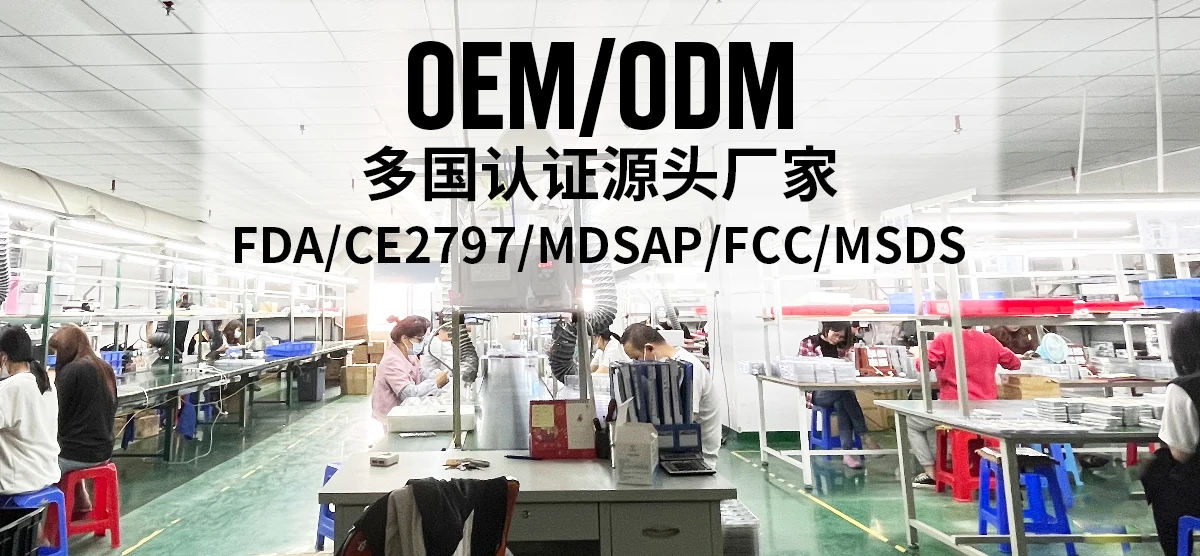
Shenzhen As-Tec Technology Co., Ltd.
- Manufacturer, Trading Company
- Guangdong, China
- Lead time30 days
- Avg. response≤ 3h
Main productsTENS,TENS Unit,muscle stimualtor Massage Gun,Tens Massager,massage gun
Main marketsNorth America(50.00%), Eastern Europe(10.00%), Western Europe(10.00%), Domestic Market(5.00%), Africa(5.00%), Southern Europe(5.00%), Mid East(3.00%), Oceania(2.00%), South Asia(2.00%), Southeast Asia(2.00%), Central America(2.00%), South America(2.00%), Eastern Asia(2.00%)
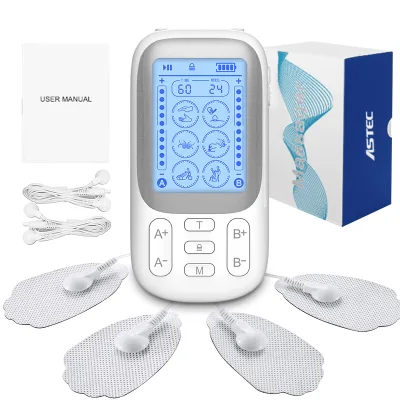
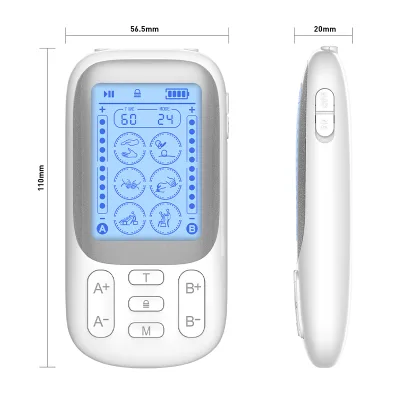
Combo 3 in 1 Mini Portable Massager Low Frequency Therapy TENS EMS Muscle Stimulate Unit
$9.00 - $10.00
MOQ: 1000 sets

Ningbo E-Fitness Import & Export Co., Ltd.
- Manufacturer/Factory
- China Zhejiang
- Lead time15 days
- Avg. response≤ 5h
Main productsWheelchair, Prp Tube, Denture Box, Capsules, Water Distiller, Walker, Commode Chair, Quantum Analyzer, Shower Chair, Dental Headlight
Main marketsSouth America,Eastern Europe,Mid East,North America,Southeast Asia,Eastern Asia,Oceania,Western Europe,Africa

GUANGZHOU KONMISON TECHNOLOGY CO., LIMITED
- Verified by BV
- Trading Company
- China Guangdong
- Lead time30 days
- Avg. response≤ 13h
Main productsBeauty Machine, Beauty Equipment, Slimming Machine, Cavitation Weight Loss Beauty Machine, Skin Care Machine, RF Skin Lifting Rejuvenation Machine, IPL Hair Removal Machine, Laser Hair Removal Machine, LED Facial Mask Beauty Device
Main marketsEurope,Australia

Qingdao Aost Medical Manufacture Co., Ltd.
- Verified by TUVRHEINLAND
- Manufacturer/Factory
- China Shandong
- Lead time23 days
- Avg. response≤ 10h
Main productsBlood Lancet, Crepe Bandage, Alcohol Swab, Urine Bag, Gauze Swab, Endotracheal Tube, Oxygen Mask, Spinal Needle, Surgical Face Mask, Syringe
Main marketsSouth America,Eastern Europe,Mid East,North America,Southeast Asia,Eastern Asia,Oceania,Western Europe,Africa

- Verified by BV
- Combined
- China Guangdong
- Lead time30 days
- Avg. response≤ 9h
Main productsMedical Air Mattress, Nebulizer, Air Compression Leg Massager, Humidifier, Oxygen Concentrators, Air Mattress, Blood Pressure Monitor, Suction Machine, Therometer, Face Mask
Main marketsSouth America,Africa,Southeast Asia/ Mideast,East Asia(Japan/ South Korea),Europe,Australia,North America

Foshan City DaiNi Electronic Technology Co., Ltd.
- Verified by SGS
- Combined
- China Guangdong
- Lead time15 days
- Avg. response≤ 12h
Main productsBeauty Machine, Beauty Equipment, Dermabrasion Machine, Breast &Butt Enlargement, Oxygen Machine, Haire &Tattoo Removal, Skin Care, Slimming Machine, PDT & LED, Hifu
Main marketsSoutheast Asia/ Mideast


Electrostimulation Machine/ Russian Waves EMS Electric Muscle Stimulator
$60.00 - $90.00
MOQ: 1 Pieces
Beijing OM Beauty Technology Co., Ltd
- Verified by TUVRHEINLAND
- Trading Company
- China Beijing
- Lead time15 days
- Avg. response≤ 16h
Main productsfractional co2 laser
Main marketsEast Asia(Japan/ South Korea)


Multifunctional Physiotherapy Equipment for Pain Management and Muscle Rehabilitation
$1000.00 - $3500.00
MOQ: 1 set
Hong Qiangxing (Shenzhen) Electronics Limited
- Verified by SGS Group
- Manufacturer, Trading Company
- Lead time25 days
- Avg. response≤ 2h
Main productsTENS & EMS Products, Fitness Belt, Beauty Products, Vibration Massager, Infrared Massager
Main marketsNorth America(63%), South America(14%), Oceania(5%)
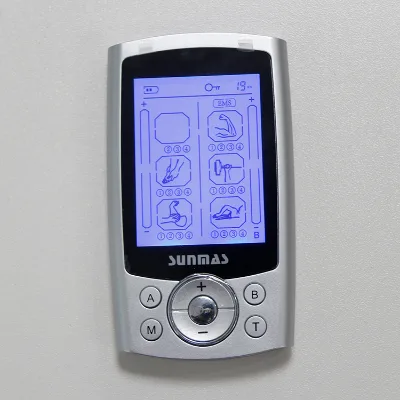
$9.40 - $10.44
MOQ: 1000 pieces
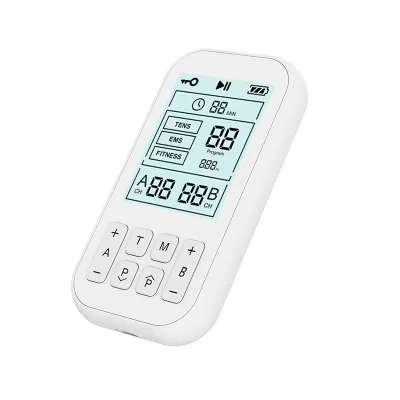
$15.00 - $35.00
MOQ: 1000 Minimum
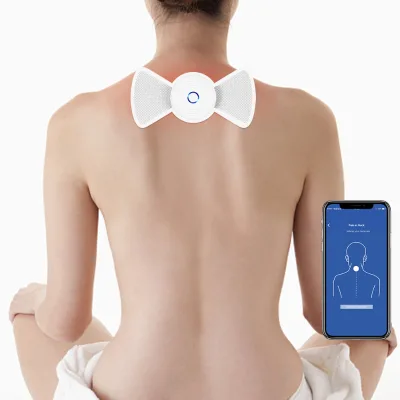
Digital Therapy Machine Phone App Electroestimulador Physiotherapy Tens and Ems Devices
$10.50 - $12.00
MOQ: 1000 sets
Xiamen Comfortlife Electronics Co., Ltd.
- Verified by SGS
- Manufacturer
- China Fujian
- Lead time30 days
- Avg. response≤ 8h
Main productsAnti Snore Device, Foot Massage, Personal Care Products
Main marketsSouth America,Australia,North America

Hubei YJT Intelligent Technology Group Co., Ltd.
- Verified by SGS
- Combined
- China Hubei
- Lead time15 days
- Avg. response≤ 1h
Main productsLaser Treatment Instrument, Physiotherapy Rehabilitation, Medical Laser Physical Therapy, Rehabilitation Therapy Equipment, Low Level Laser Therapy, Home Healthcare, Laser Acupuncture, Cold Laser Treatment Instrument, Health Care, Health Care Cold Laser Therapeutic
Main marketsSoutheast Asia/ Mideast,East Asia(Japan/ South Korea),Domestic,Europe,Australia,North America
Guangzhou Siweite Electronic Technology Co., Ltd.
- Manufacturer, Trading Company
- Guangdong, China
- Lead time0 days
- Avg. response≤ 1h
Main productsEMS fitness machine,shock wave machine,Vacuum Roller Machine,Body Analyzer,Antifreeze menbrane
Main marketsSouth America(30.00%), North America(30.00%), Western Europe(20.00%), Eastern Europe(20.00%)
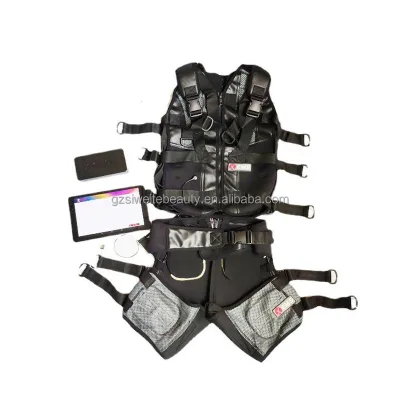
Professional Tens and Ems Massager Pad
$1150.00 - $1200.00
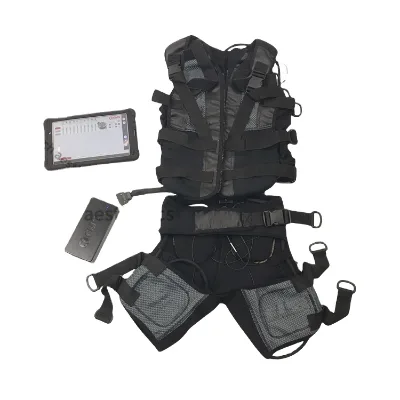
$1150.00 - $1200.00

Beijing ADSS Development Co., Ltd.
- Verified by TUVRHEINLAND
- Combined
- China Beijing
- Lead time15 days
- Avg. response≤ 4h
Main productsHifu, Laser Vaginal Tightening, Digital Syringe Injector, 808nm Diode Laser Hair Remvoal, Fractional RF & Thermal RF, Vacuum Shape, 20MHz RF Thermal, Cryolipolysis Slimming Machine, Cavitation Slimming Machine, Fractional CO2 Laser
Main marketsSouth America,East Asia(Japan/ South Korea),Europe,Australia,North America








Comprehensive Sourcing Guide
Portable CE EMS Massage Machine Supplier Concentration and Factory Types
Current data indicates that manufacturers of portable CE EMS massage machines are concentrated in specific Chinese provinces, with Shandong and Guangdong emerging as primary hubs for this equipment. Factories in Shandong, such as those in Weifang, often produce larger, stationary beauty devices like RF EMS sculpting machines, while also offering portable variants. In contrast, suppliers in Guangdong, particularly Shenzhen, specialize in smaller, battery-operated consumer electronics like portable neck massagers and mini massage guns. This geographic split suggests that buyers seeking heavy-duty salon equipment may find different capabilities than those looking for compact, personal-use devices. The distinction between these regions is critical because the manufacturing ecosystem in each area supports different product scales and technical requirements.
When evaluating factory types, buyers should look for combined entities that offer both OEM and ODM services alongside their own branded products. Many suppliers in the current results list capabilities for customizing voltage, handles, and screen sizes, indicating a flexible manufacturing base. However, not all suppliers possess the same depth of research and development capacity. Some may focus strictly on trading or assembly, while others maintain in-house engineering teams for product innovation. It is essential to verify whether a supplier is a direct manufacturer or a trading company by checking their stated company type and product evidence. This verification helps ensure that the buyer is dealing with an entity capable of managing the specific technical nuances of EMS technology, such as pulse frequency and battery integration, without relying on third-party intermediaries.
How to Verify Portable CE EMS Massage Machine Suppliers
Verification of supplier credentials is a critical step when sourcing portable CE EMS massage machines, as the market contains a mix of verified and unverified entities. Current results show that some suppliers hold verification badges from recognized agencies like SGS, TÜV Rheinland, and BV, which serve as external validations of their business legitimacy. These badges indicate that the supplier has undergone specific checks regarding their operational status and product claims. However, the absence of a verification badge does not automatically disqualify a supplier, but it does require the buyer to conduct more rigorous due diligence. Buyers should request copies of these verification reports to confirm that the checks were recent and relevant to the specific product category being sourced.
Beyond general business verification, buyers must scrutinize product-specific certifications and compliance standards. While some product listings explicitly mention CE certification, others may lack this critical safety mark, which is mandatory for selling in many international markets. The presence of ISO9001:2015 and ISO14001:2015 certificates in supplier profiles indicates a commitment to quality management and environmental standards, which often correlates with better product consistency. Buyers should ask suppliers to provide the actual certificate documents rather than relying solely on profile claims. Additionally, checking the response time of the supplier can serve as a proxy for their operational efficiency; a supplier with a response time under two hours may be more reliable in addressing technical queries or resolving post-sales issues compared to those with slower communication channels.
What to Compare Across Portable CE EMS Massage Machine Suppliers
When comparing suppliers, buyers should prioritize lead times and minimum order quantities (MOQ) as these factors directly impact inventory planning and cash flow. The data shows significant variation in lead times, ranging from 15 days to 30 days depending on the supplier and product complexity. Similarly, MOQs can differ widely, with some suppliers accepting orders as low as one unit, while others require a minimum of two or more. These differences are often tied to the product type; portable personal devices may have lower MOQs compared to larger, multi-function beauty machines. Buyers must align these constraints with their own business model, ensuring that the supplier's production capacity matches their order volume expectations without causing unnecessary delays or overstocking.
Response times and customization capabilities are also vital comparison metrics that distinguish high-performing suppliers from the rest. A supplier with a response time of 1.35 hours is likely more responsive to urgent inquiries than one taking 7.60 hours, which can be crucial during the negotiation and specification phases. Furthermore, the ability to customize products, such as adjusting voltage, handle configurations, or branding, varies across the supplier base. Some suppliers explicitly state that customization is available, while others may offer only standard models. Buyers should evaluate whether the supplier can accommodate specific technical requirements, such as battery capacity or screen size, without incurring excessive costs or extending lead times. This comparison ensures that the selected partner can deliver a product that meets precise market demands.
Common Portable CE EMS Massage Machine Sourcing Risks
One of the primary risks in sourcing portable CE EMS massage machines is the potential mismatch between claimed specifications and actual product performance. While product listings often highlight features like "Build Muscle," "Fat Burning," and "EMS Body Sculpting," these claims require technical validation to ensure they are accurate and safe. Buyers must be wary of suppliers who provide vague product attributes or lack detailed technical specifications regarding power output, pulse frequency, and treatment areas. The absence of clear evidence for these functions can lead to receiving products that do not meet regulatory standards or consumer expectations. It is essential to request detailed product data sheets and, if possible, third-party test results to verify the efficacy and safety of the EMS technology before placing a large order.
Another significant risk involves the reliability of warranty terms and after-sales support. While some suppliers offer warranties ranging from one year to three years, the enforceability of these terms can vary depending on the supplier's location and business structure. A supplier based in a different region may face logistical challenges in handling returns or repairs, potentially leaving the buyer with non-functional inventory. Additionally, the lack of standardized certifications, such as the absence of system certifications in some profiles, increases the risk of non-compliance with local safety regulations. Buyers should carefully review warranty clauses and ensure that the supplier has a clear process for handling defects. Without robust after-sales support, the initial cost savings from a lower-priced supplier may be offset by the costs of replacing defective units or managing customer complaints.
Portable CE EMS Massage Machine Regional Sourcing and Logistics
Regional sourcing decisions should be guided by the specific manufacturing clusters identified in the supplier data, particularly the distinction between Shandong and Guangdong. Suppliers in Shandong often focus on larger, more complex beauty equipment, which may involve different logistics requirements compared to the smaller, battery-operated devices produced in Guangdong. The origin of the product, such as Weifang in Shandong or Shenzhen in Guangdong, can influence shipping costs and transit times. Buyers should consider the packaging standards listed in the product evidence, such as aluminum boxes with foam or color boxes, as these affect the volume and weight of the shipment. Understanding these regional nuances helps in selecting a supplier that aligns with the buyer's logistical capabilities and delivery timelines.
Logistics planning must also account for the variability in delivery times and packaging standards across different suppliers. Some suppliers indicate delivery within one week, while others may have longer lead times due to production schedules or material availability. The packaging dimensions and gross weight provided in the product evidence are critical for calculating freight costs and determining the most efficient shipping method. Buyers should verify whether the supplier offers door-to-door delivery or if they require the buyer to arrange freight forwarding. Additionally, the voltage specifications, such as AC110V/220V, must match the target market's electrical standards to avoid the need for additional adapters or transformers. Proper logistics planning ensures that the product arrives safely and is ready for immediate use in the target market.
Portable CE EMS Massage Machine Commercial Terms and Order Planning
Commercial terms, including pricing and payment structures, vary significantly across the supplier base and must be carefully evaluated to ensure cost-effectiveness. The price range for portable CE EMS massage machines can span from as low as $12 to over $1,500, depending on the product complexity and features. Buyers should analyze the price per unit in relation to the MOQ and the specific features offered, such as the number of handles, screen size, or battery capacity. It is important to note that lower prices may not always indicate better value if the product lacks essential certifications or has a shorter warranty period. Buyers should request detailed quotations that break down the costs of the product, packaging, and shipping to avoid hidden fees that could inflate the total cost of ownership.
Order planning should also consider the supplier's capacity for scaling production and handling custom orders. Suppliers with ODM and OEM capabilities can accommodate larger orders and custom specifications, but this may require longer lead times and higher initial costs. Buyers should assess whether the supplier can meet their projected demand without compromising quality or delivery schedules. Additionally, the availability of escrow services or other payment protection mechanisms can mitigate financial risks associated with large orders. Buyers should negotiate clear terms regarding payment milestones, delivery schedules, and quality assurance protocols to ensure a smooth transaction. By aligning commercial terms with their strategic goals, buyers can secure a reliable supply chain that supports their business growth and market expansion.
FAQs
What is the price range for portable EMS massage machines?
Portable EMS massage machines are available with prices ranging from 12 to 1499 dollars depending on the specific model and features. Some compact neck massagers start at 12 dollars, while larger body sculpting units with RF technology can reach up to 1499 dollars. Buyers should check specific product listings for exact pricing details.
What are the typical lead times for these portable devices?
Lead times for portable EMS massage machines vary between 15 and 30 days based on the supplier and product type. Some manufacturers in Shandong offer a 15-day turnaround, while others in Guangdong may require up to 30 days. Buyers should confirm the specific delivery schedule with the supplier before placing an order.
Are these machines suitable for both salon and home use?
Yes, many portable EMS massage machines are designed for dual use in both professional salons and home environments. Product specifications often list applications as Salon and Home, ensuring versatility for different settings. These devices typically feature portable designs and adjustable settings to meet the needs of various users effectively.
What certifications do these suppliers hold for their products?
Some suppliers provide ISO9001:2015 and ISO14001:2015 certificates for their manufacturing processes, while others may have CE certification for specific products. Verification services like SGS, TÜV Rheinland, and BV are also used to validate supplier credibility. Buyers should request specific certification documents to ensure compliance with safety standards.
What is the minimum order quantity for these portable machines?
The minimum order quantity for portable EMS massage machines can be as low as one unit for some models, while others require a minimum of two units. This flexibility allows buyers to test products with small orders before committing to larger quantities. Always verify the MOQ for the specific product model you intend to purchase.
How quickly do suppliers typically respond to inquiries?
Supplier response times for inquiries vary, with some responding within 1.35 hours and others taking up to 7.60 hours. Faster response times are often associated with suppliers in Guangdong, while those in Shandong may have slightly longer intervals. Buyers should expect a response within a few hours for most active suppliers.
Can these machines be customized with a buyer's brand?
Yes, many suppliers offer customization options including OEM and ODM services for branding and design modifications. Customization is explicitly listed as available for various portable EMS devices, allowing buyers to create unique products. Buyers should discuss specific branding requirements and customization capabilities directly with the supplier to ensure their needs are met.