Water Soluble Silk Lace Fabric Suppliers and Manufacturers
Source Water Soluble Silk Lace Fabric from 10 verified suppliers in China. Compare key dimensions including location, response time, lead time, and MOQ. Review product specifications and pricing to identify the right partner for your needs; review the available evidence before requesting comparable quotations from suitable candidates.
Suppliers List

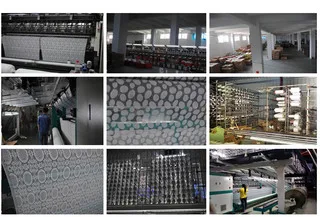
Shantou Liyang Embroidery and Lace Factory
- Verified by CTI
- Combined
- China Guangdong
- Lead time15 days
- Avg. response≤ 1h
Main productsLace, Water-Soluble Embroidered Lace


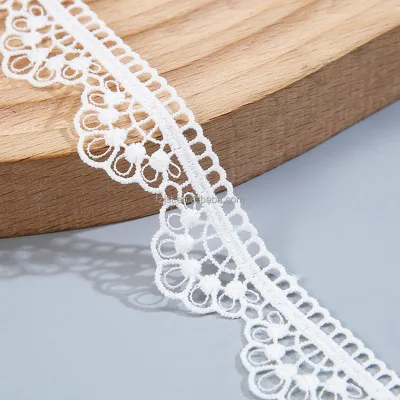
31cm Mesh Water Soluble Embroidery Milk Silk Lace Fabric for Garment Accessories
$0.26 - $0.29
Moq: 10
Fuzhou Jingshengtong Trade Co., Ltd.
- Trading Company
- Fujian, China
- Lead time30 days
- Avg. response≤ 10h
Main productsLace,Lace materials,Fabric,Lace Trim,Eyelash Lace
Main marketsNorth America(30.0%), Northern Europe(20.0%), Domestic Market(10.0%), Southern Europe(10.0%), South America(10.0%), Central America(10.0%), Africa(10.0%)

Ningbo Yuena Import & Export Co., Ltd.
- Verified by TUVRHEINLAND
- Trading Company
- China Zhejiang
- Lead time23 days
- Avg. response≤ 3h
Main productsLace, Thread, Button, Ribbon, Zipper, Tailors Materials, Fabric, Reflective Materials, Sewing Machine Part, Bra Parts
Main marketsSouth America,Africa,Southeast Asia/ Mideast,Europe,North America


Garment Lace Wholesale Hot Sale Chemical Lace Fabric Water Soluble Lace Water Soluble
$0.16 - $0.20
Moq: 4500


Suzhou Gilka Trading Co., Ltd.
- Trading Company
- China Jiangsu
- Lead time23 days
- Avg. response≤ 4h
Main productsClothing and Apparel Wholesale, Wedding Dresses, Embroidery Lace Fabrics, Glliter Tulle Fabrics, Wedding Gowns, Party Dresses, Trimming Lace, Factory OEM Fabrics, Western Fabrics, Vestidos Fabrica
Main marketsSouth America,North America

- Verified by TUVRHEINLAND
- Combined
- China Zhejiang
- Lead time30 days
- Avg. response≤ 7h
Main productsThread, Zipper, Lace, Button, Webbing & Tape, Ribbon, Interlining, Fabric, Tailoring Materials, Hook & Loop
Main marketsSouth America,Africa,Europe,Australia

NINGBO NCJN IMPORT AND EXPORT CO., LTD.
- Verified by TUVRHEINLAND
- Trading Company
- China Zhejiang
- Lead time15 days
- Avg. response≤ 13h
Main productsGarment Accessories, Zipper, Button, Lace, Tape, Velcro Tape, Hook and Eye Tape, Ring and Slider, Bra Cup
Main marketsSouth America,Africa,Southeast Asia/ Mideast,East Asia(Japan/ South Korea),Europe,Australia,North America

- Verified by TUVRHEINLAND
- Trading Company,Manufacturer/Factory
- China Zhejiang
- Lead time23 days
- Avg. response≤ 7h
Main productsGarment Accessories, Zipper, Button, Lace Trim, Metal Zipper, Nylon Zipper, Plastic Zipper, Metal Button, Snap Button, Cotton Lace
Main marketsNorth America,Africa

HangZhou Aspiring Textile and Accessories Co., Ltd.
- Verified by BV
- Trading Company,Manufacturer/Factory
- China Zhejiang
- Lead time23 days
- Avg. response≤ 6h
Main productsT/C Fabric, Denim Fabric, Non-Woven Fabric, Cotton Fabric, Accessories, Polyester Fabric, Printing Fabric, Flannel Fabric, Home Textile, Grey Fabric
Main marketsSouth America,Eastern Europe,Mid East,North America,Southeast Asia,Eastern Asia,Oceania,Western Europe,Africa

Guangzhou Govolon Trade Co., Ltd.
- Trading Company,Manufacturer/Factory
- China Guangdong
- Lead time15 days
- Avg. response≤ 25h
Main productsGarment Accessories, Lace, Button, Zipper, Fringe and Tassels, Belt Ribbon, Garment Trimming, Patch Badge, Buckle, Hotfix
Main marketsSouth America,Mid East,North America,Southeast Asia,Western Europe,Africa

Wuxi Glolinker Technology Co., Ltd.
- Verified by CTI
- Trading Company
- China Jiangsu
- Lead time15 days
- Avg. response≤ 11h
Main productsClothing Fabrics, Pillows, Blankets, Duvet Cover, Fabric, Bed Sheets, Satin Fabric, Pillowcase, Embroidery Fabric, Sequin Fabric
Main marketsDomestic
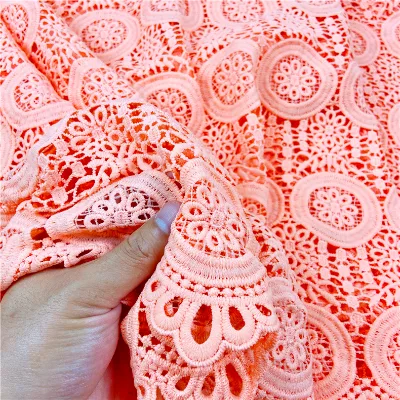
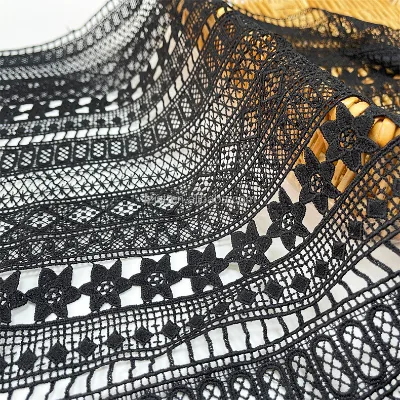
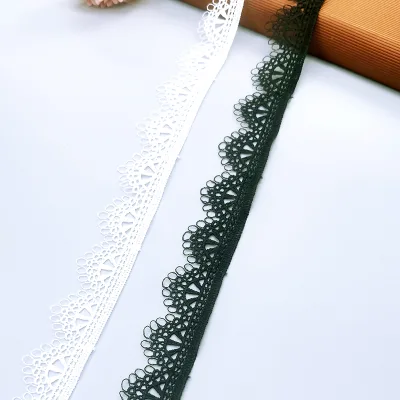


Comprehensive Sourcing Guide
Water Soluble Silk Lace Fabric Supplier Concentration and Factory Types
Current data indicates that verified suppliers for Water Soluble Silk Lace Fabric are concentrated in specific manufacturing hubs within China, with Guangdong and Fujian provinces appearing as primary locations for production. These regions host a mix of combined entities and trading companies that specialize in lace, water-soluble embroidered lace, and related fabric materials. The presence of these clusters suggests a mature supply chain where raw material sourcing, dyeing, and embroidery processes are geographically proximate, potentially reducing logistical friction for bulk orders. Buyers should prioritize verifying the specific city or district within these provinces, as production capabilities can vary significantly even within the same region.
The supplier landscape includes both combined manufacturers and trading companies, each offering distinct advantages for different procurement strategies. Combined entities often provide direct access to ODM and OEM capabilities, allowing for custom designs and rapid prototyping of Water Soluble Silk Lace Fabric. In contrast, trading companies may offer a broader portfolio of lace materials and accessories, acting as a single point of contact for diverse sourcing needs. When evaluating potential partners, buyers must distinguish between these company types to ensure the selected supplier aligns with their specific requirements for customization, volume, and direct factory communication.
How to Verify Water Soluble Silk Lace Fabric Suppliers
Verification of suppliers for Water Soluble Silk Lace Fabric requires a rigorous check of third-party credentials and response metrics to ensure reliability. Some suppliers in the current results display CTI verification status, which serves as a concrete indicator of a factory's operational legitimacy and adherence to specific quality standards. Buyers should prioritize suppliers with this verification badge, as it confirms that an independent inspection agency has validated the company's business license and production capacity. Relying solely on self-reported claims without third-party validation increases the risk of engaging with unverified entities that may not meet quality expectations.
Response time and lead time data provide additional layers of verification regarding a supplier's operational efficiency and readiness to fulfill orders. A response time of 0.02 hours suggests a highly responsive team capable of addressing inquiries and technical specifications immediately, which is critical for custom lace projects requiring quick turnaround. Conversely, a response time of 10 hours or a lead time of 30 days indicates a different operational scale, potentially suitable for larger, less urgent orders. Buyers must cross-reference these metrics with the supplier's stated main products to ensure they are dealing with a specialist rather than a generalist who may lack the specific expertise required for water soluble embroidery techniques.
What to Compare Across Water Soluble Silk Lace Fabric Suppliers
Comparing suppliers involves analyzing key performance dimensions such as minimum order quantity, pricing structures, and production lead times to find the best fit for specific project needs. Available data shows that minimum order quantities can range from as low as 1 unit to 200 yards, depending on the supplier and the specific product model. Pricing also varies significantly, with some listings showing minimum prices around 0.09 per unit while others start at 0.21 or higher. Buyers should create a comparison matrix that weighs these cost factors against the required customization levels and the urgency of the delivery schedule to make an informed selection.
Product attributes and customization capabilities are equally critical when comparing potential partners for Water Soluble Silk Lace Fabric. Suppliers offer varying features such as wrinkle resistance, waterproofing, and elasticity, alongside specific embroidery types like machine embroidery or water soluble embroidery. The scope of application also differs, with some fabrics designed for clothing trim and others suitable for window decorations or headwear. Buyers must verify that the supplier's specific product attributes, such as width, material composition, and style, align precisely with the end-use requirements of their final garments or accessories to avoid costly mismatches in the production phase.
Common Water Soluble Silk Lace Fabric Sourcing Risks
One significant risk in sourcing Water Soluble Silk Lace Fabric involves the discrepancy between sample quality and bulk production consistency. While suppliers may provide samples that appear perfect, the actual bulk order might differ in terms of thread density, color fastness, or the dissolution rate of the water-soluble backing. Buyers should explicitly request bulk production samples before finalizing large orders to ensure that the manufacturer can replicate the sample quality at scale. Relying solely on initial sample approval without a bulk verification step can lead to defects that compromise the integrity of the final apparel or accessory.
Another risk pertains to the reliability of delivery timelines and the potential for supply chain disruptions. Lead times listed as 15 days or 30 days are estimates that can be affected by raw material shortages, factory capacity constraints, or logistical delays. If a supplier does not have a clear track record of meeting these deadlines, the buyer faces the risk of delayed product launches or inventory shortages. It is essential to verify the supplier's history of on-time delivery and to include clear penalty clauses in the contract regarding delays, ensuring that the supplier remains accountable for meeting the agreed-upon schedule.
Water Soluble Silk Lace Fabric Regional Sourcing and Logistics
Sourcing from regions like Guangdong and Fujian offers logistical advantages due to established port infrastructure and specialized logistics networks for textile exports. These provinces are home to major manufacturing clusters where Water Soluble Silk Lace Fabric is produced, facilitating efficient shipping to international markets. Buyers should consider the proximity of the supplier to major shipping ports, as this can reduce transit times and lower freight costs. Additionally, understanding the local logistics capabilities helps in planning for potential customs clearance issues or delays that might arise during the export process.
Logistics planning must also account for the specific packaging requirements of Water Soluble Silk Lace Fabric to prevent damage during transit. Products are often packed in bubble bags, rolls, or cartons, and the choice of packaging can impact the fabric's condition upon arrival. Buyers should verify that the supplier uses appropriate packaging standards, such as moisture-resistant materials, to protect the lace from humidity and physical stress. Coordinating with the supplier on packaging details ensures that the fabric arrives in pristine condition, ready for immediate use in the manufacturing process without the need for additional handling or repairs.
Water Soluble Silk Lace Fabric Commercial Terms and Order Planning
Commercial terms for Water Soluble Silk Lace Fabric orders often include specific conditions regarding payment, shipping, and customization fees. Some suppliers offer free samples, while others may charge for shipping or require a deposit before production begins. Buyers must clarify these terms early in the negotiation process to avoid unexpected costs that could impact the overall budget. Understanding the payment structure, such as whether it requires a deposit followed by a balance payment upon shipment, is crucial for managing cash flow and ensuring financial security throughout the transaction.
Order planning should also consider the customization options available, such as custom colors, patterns, and widths, which can affect the production timeline and cost. Suppliers may require a customized sample before proceeding with bulk production, which adds time to the overall lead time. Buyers should factor in the time needed for sample approval and any necessary revisions before placing a final order. By planning for these customization steps and communicating clearly with the supplier about specific requirements, buyers can streamline the ordering process and ensure that the final product meets their exact specifications.
FAQs
What is the price range for Water Soluble Silk Lace Fabric?
Prices typically range from $0.09 to $0.33 per unit depending on the specific product model and width. For example, 31cm wide mesh lace costs between $0.26 and $0.29, while 4cm wide options range from $0.23 to $0.27. Buyers should check the exact model number for precise pricing.
What is the minimum order quantity for these lace fabrics?
Minimum order quantities vary by supplier and product type. Some suppliers accept orders as low as one piece for specific items, while others require a minimum of ten units. For bulk fabric rolls, the MOQ may be set at 200 yards. Buyers must verify the specific MOQ for their chosen product model.
How long does it take to produce and ship orders?
Lead times generally range from 15 to 30 days after receiving the deposit. Some suppliers offer faster turnaround times of 15 days, while others may require up to 30 days for production. Delivery methods include sea, air, or express shipping, which can further impact the total time to receive the goods.
Where are these lace fabrics manufactured?
Manufacturing locations are primarily in China, specifically in the Guangdong and Fujian provinces. Guangdong is noted for producing various milk silk and mesh lace styles, while Fujian suppliers also offer water-soluble embroidery lace. Buyers can filter results by these specific regions to ensure origin preferences are met.
What customization options are available for lace fabrics?
Customization is available according to samples, allowing buyers to specify colors, patterns, and styles. Options include machine embroidery, water soluble craft techniques, and various styles such as sweet, Chinese, or commuter styles. Features like elasticity, breathability, and waterproofing can also be tailored to meet specific garment or accessory requirements.
What materials are used in water soluble silk lace fabrics?
Common materials include 100% polyester and milk silk blends. The fabrics often feature water soluble embroidery techniques and may be made from mesh or warp suede types. Yarn counts like 100D are used, and the materials are designed to be lightweight, soft, and suitable for lingerie, wedding dresses, and home decor applications.