Waterface Whitening Spray Suppliers and Manufacturers
Source 26 verified suppliers for Waterface Whitening Spray. Compare OEM/ODM capabilities, certifications like GMP and FDA, lead times, and MOQs. Contact suppliers directly to request samples and negotiate pricing; review the available evidence before requesting comparable quotations from suitable candidates.
Suppliers List
Guangzhou Chingo Cosmetic Co., Ltd.
- Verified by TUVRHEINLAND
- Combined
- China Guangdong
- Lead time15 days
- Avg. response≤ 8h
Main productsHair Regrowth Oil, Hair Regrowth Shampoo, Hair Regrowth Spray, Hair Regrowth Powder, Face Mask, Face Cream, Face Serum, Hand Lotion, Body Lotion, Face Cleanser
Main marketsDomestic,North America

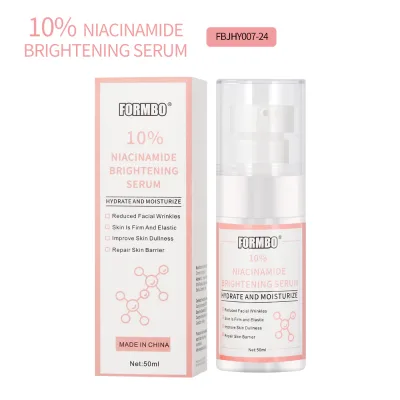
Niacinamide Facial Anti Inflammatory Skin Whitening Moisturizing Face Water Toner Spray
$1.65 - $2.25
Moq: 1000

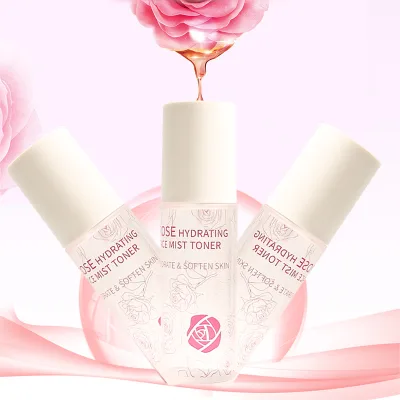
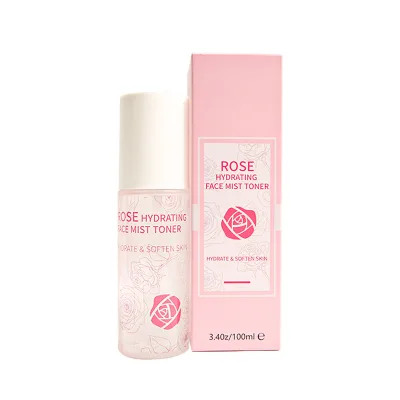
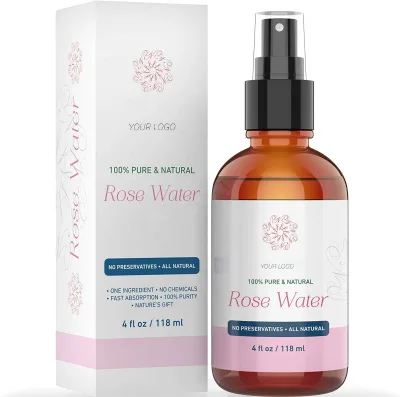
Bulk Hydrating Whitening Moisturizing Rose Water Skin Facial Toner Liquid Spray
$1.65 - $2.25
Moq: 1000

Hangzhou Yimai Biotech Co., Ltd.
- Verified by TUVRHEINLAND
- Trading Company
- China Zhejiang
- Lead time0 days
- Avg. response≤ 14h
Main productsGluthatione Injection, Cosmetic Vitamin C Injection, Thioctic Acid Injection, Vitamin B12 Injection, Vitamin B Complex Injection, Vitamin B Complex Powder, Cannula, Gluthatione Capsule, Syringe, Multi Vitamin Injection
Main marketsSouth America,Eastern Europe,Mid East,North America,Southeast Asia,Eastern Asia,Oceania,Western Europe,Africa
Guangzhou Kanglixin Medical Biotechnology Co, Ltd.
- Verified by TUVRHEINLAND
- Manufacturer/Factory
- China Guangdong
- Lead time23 days
- Avg. response≤ 10h
Main productsSkin Care Products, Body Care, Hair Care Products, Makeup, Men's Care Products, Ferminine Care Products, Serum, Facial Mask, Face Cream, Scrub
Main marketsSouth America,Eastern Europe,Mid East,North America,Southeast Asia,Eastern Asia,Oceania,Western Europe,Africa


Rose Water Moisturizing Whitening Face Mist Anti-Aging Organic Facial Toner Spray
$0.70 - $1.00
Moq: 5000


NANTONG TIANLAN COSMETICS CO., LTD.
- Combined
- China Jiangsu
- Lead time30 days
- Avg. response≤ 14h
Main productsSkin Whitening Cream, Toothpaste, Shampoo, Essential Balm, Balm, Cosmetics, Cream, Baby Powder, Inhaler, Hair Relaxer
Main marketsSouth America,Africa,Southeast Asia/ Mideast
Guangzhou A&b Bio-Technology Co., Ltd
- Manufacturer
- Guangdong, China
- Lead time25 days
- Avg. response≤ 9h
Main productslipstick,foundation,skin care,cream,toner
Main marketsSoutheast Asia(25.0%), Domestic Market(25.0%), South America(15.0%), North America(15.0%), Eastern Europe(10.0%), Northern Europe(10.0%), Western Europe(10.0%)

Guangzhou Aifujia Biotechnology Co., Ltd.
- Trading Company
- China Guangdong
- Lead time15 days
- Avg. response≤ 6h
Main productsFace Cream, Face Serum, 24K Serum, Rose Spray, Vitamin C Serum, Skin Care Set, Essential Oil, Facial Mask, Face Lotion, Anti Aging Whitening Face Cream
Main marketsSoutheast Asia/ Mideast,Europe,North America


Organic Hydrating Face Cooling Mist Spray Rose Water Facial Moisturizer Toner Spray
$1.09 - $1.99
Moq: 100


Reina Cosmetics (Guangzhou) Co., Ltd.
- Manufacturer/Factory
- China Guangdong
- Lead time30 days
- Avg. response≤ 23h
Main productsSkin Care Products, Hair Care Products, Personal Care Products, Hair Color and Perm Products, Sunscreen Products, Minoxidil, Suncare Products, Body Care Products, OTC Personal Care, Aerosol Personal Care
Main marketsSouth America,Eastern Europe,Mid East,North America,Southeast Asia,Eastern Asia,Oceania,Western Europe


Moisturizing Spray, Natural Skin Care Products Moisturizing Shrinking Pore Rose Water Spray
$1.35 - $1.45
Moq: 30000


Guangzhou Zaomi Cosmetic Technology Co., Ltd.
- Verified by CTI
- Trading Company
- China Guangdong
- Lead time15 days
- Avg. response≤ 4h
Main productsHair Spray, Mist Toner Spray, Sunscreen Spray, White Shoes Cleaner, Men Shaving Foam, Hair Conditioner, Body Lotion, Kitchen Cleaner, Facial Spray, Air Freshener
Main marketsSouth America,Southeast Asia/ Mideast,Europe
Ausmetics Daily Chemicals (Guangzhou) Co., Ltd.
- Verified by TüVRheinland
- Manufacturer, Trading Company
- Lead time40 days
- Avg. response≤ 6h
Main productsSkin Care, Bath & Body Care, Hair Care, Mom & Baby Care, Disinfectant
Main marketsDomestic Market(40%), Eastern Europe(10%), Western Europe(8%)
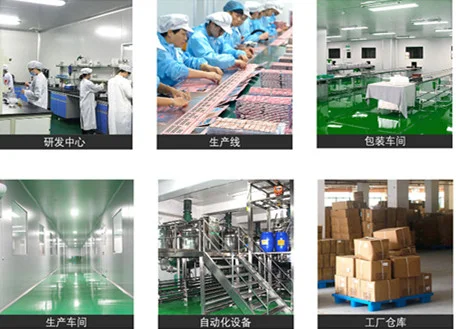
Xi'an Canal Fashion Bio-Tech Co., Ltd.
- Trading Company
- Shaanxi, China
- Lead time1 days
- Avg. response≤ 3h
Main productsPet clothing,Pet shoes and socks,Pet bowls and feeders,Pet toys,Pet beds and kennels
Main marketsNorth America(40.0%), Northern Europe(30.0%), South Asia(5.0%), South America(5.0%), Eastern Asia(5.0%), Mid East(5.0%), Africa(5.0%), Southeast Asia(5.0%)

Guangzhou Mebamy Cosmetics Co., Ltd.
- Verified by TUVRHEINLAND
- Manufacturer/Factory
- China Guangdong
- Lead time15 days
- Avg. response≤ 5h
Main productsFace Serum, Soap, Face Cream, Sunscreen, Eyelash Growth Serum, Teeth Whitening, Face Mask, Facial Cleanser, Essential Oil, Hair Care Series
Main marketsNorth America,Western Europe
Goodly Cosmetics (Yiwu) Co., LTD
- Verified by TüVRheinland
- Trading Company
- Lead time40 days
- Avg. response≤ 6h
Main productsLipstick, Foundation, BLush, Mascara, Eyeshadow
Main marketsNorth America(50%), Mid East(30%), Southeast Asia(20%)
Shandong Vianor Pharma Co., Ltd.
- Verified by BV
- Combined
- China Shandong
- Lead time30 days
- Avg. response≤ 3h
Main productsNasal Inhaler Vaporub Stick Aromatherapy Refesh, Pet Care Shampoo Paw Balm Oral Care, Personal Care Household Toothpaste Mouth Wash, Cosmetic Factory Body Care Lotion Hair, Sport Care Pain Relief Muscle Care Spray, Healthy Care Natural Essential Oil Embrocation, Aromatic Stick Medicated Essential Oil Vapo Pad, Healthy Nutrition and Dietary Supplements, Daily Beauty Care Skin Care Body Oil Lube Oil, Patches Pain Relief Blister Plaster Bandage
Main marketsSoutheast Asia/ Mideast,North America


Sunscreen Spray Private Label Natural Organic Body and Face Sunblock Sunscreen Spray CE
$0.80 - $2.50
Moq: 30000
Shenzhen Meili Technology Co., Ltd.
- Manufacturer, Trading Company, Distributor/Wholesaler
- Guangdong, China
- Lead time0 days
- Avg. response≤ 5h
Main productsface care,eye care,hair care,lip care,body care
Main marketsSouthern Europe(15.0%), Western Europe(15.0%), Eastern Europe(15.0%), South America(15.0%), North America(15.0%), Oceania(10.0%), Eastern Asia(5.0%), Central America(5.0%), Africa(5.0%)

Shantou Bosuya Cosmetic Co., Ltd.
- Trading Company
- Guangdong, China
- Lead time10 days
- Avg. response≤ 7h
Main productsPersonal Care,Perfume Body Mist,Skincare,Makeup,Body Care
Main marketsSouth America(20.0%), Mid East(20.0%), Africa(10.0%), Southeast Asia(10.0%), North America(10.0%), Northern Europe(5.0%), Southern Europe(5.0%), Western Europe(5.0%), Eastern Asia(5.0%), South Asia(5.0%), Central America(3.0%), Domestic Market(1.0%), Eastern Europe(1.0%)

Guangzhou Aixin Cosmetic Co., Ltd.
- Verified by TUVRHEINLAND
- Trading Company
- China Guangdong
- Lead time15 days
- Avg. response≤ 5h
Main productsSkin Care, Cosmetic, Face Mask, Beauty, Body Scrub, Face Care, Body Care, Skin Care Product, Mask, Cream
Main marketsDomestic

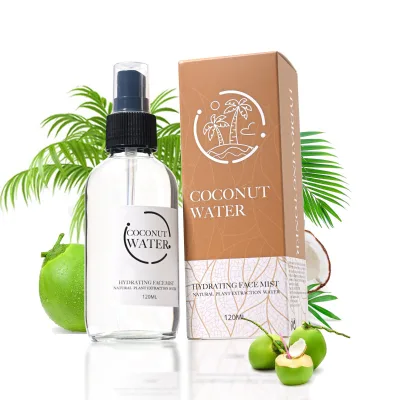
Beauty Cosmetics Skin Care Brightening Coconut Water Face Mist Spray Face Toner
$2.50 - $3.25
Moq: 100

Beauty Cosmetics Skin Care Moisturizing Coconut Water Face Mist Spray Face Toner
$2.50 - $3.25
Moq: 100


Beauty Cosmetics Skin Care Face Moisturizing Toner Spray Watermelon Toner Cleansing
$1.85 - $3.50
Moq: 100

Beauty Cosmetics Skin Care Vitamin E Soothing Face Toner Spray Watermelon Toner
$1.85 - $3.50
Moq: 100

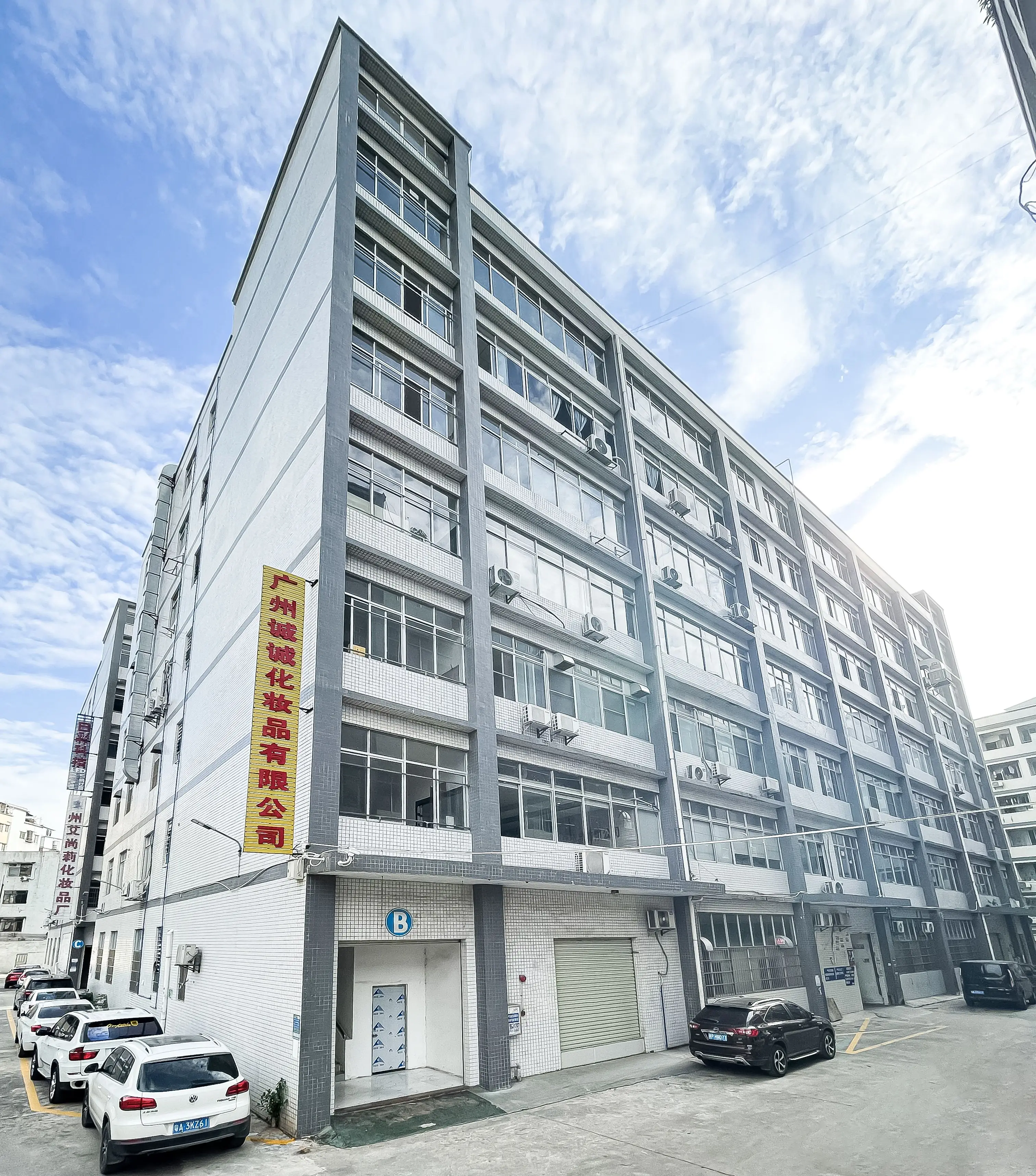
Guangzhou Chengcheng Cosmetics Co., Ltd.
- Manufacturer
- Guangdong, China
- Lead time15 days
- Avg. response≤ 4h
Main productsface care products,eye care products,lip care products,body care products,hair care products
Main marketsNorth America(57.99999999999999%), Western Europe(15.0%), Northern Europe(5.0%), South America(5.0%), Eastern Europe(5.0%), Southern Europe(3.0%), Oceania(2.0%), Domestic Market(1.0%), South Asia(1.0%), Africa(1.0%), Mid East(1.0%), Central America(1.0%), Southeast Asia(1.0%), Eastern Asia(1.0%)
Guangzhou Pallas Cosmetics Co., Ltd.
- Trading Company
- Lead time旺季: "1 - 5000":31,"> 5000":"To be negotiated", 淡季: "1 - 5000":31,"> 5000":"To be negotiated"
Main productsFacial Mask, Face Cream, Shampoo, Sunscreen, Serum
Guangzhou Fantesy Biotechnology Co., Ltd.
- Verified by Intertek
- Manufacturer, Trading Company
- Lead time0 days
- Avg. response≤ 3h
Main productsSoap, Serum, Body Care Product, Hair Care Product, Bath Product
Main marketsNorth America(30%), Eastern Europe(18%), Oceania(10%)
Guangzhou Meikou Biotechnology Co., Ltd.
- Verified by SGS
- Combined
- China Guangdong
- Lead time15 days
- Avg. response≤ 25h
Main productsSkin Care, Cosmetic, Facial Mask, Face Care, Body Care, Lyophilized Powder, Umbilical Extract
Main marketsDomestic

Guangzhou Guocui Biological Technology Co., Ltd.
- Verified by TUVRHEINLAND
- Combined
- China Guangdong
- Lead time15 days
- Avg. response≤ 4h
Main productsSkin Care, Face Care, Body Care, Hair Care, Makeup, Essential Oil, Beard Care, Lipstick, Neck Care, Facial Essence
Main marketsDomestic

Anti-Aging Acne Reduce Face Redness Smoothing Skin Hydrating Facial Toner Spray
$1.25 - $1.78
Moq: 500

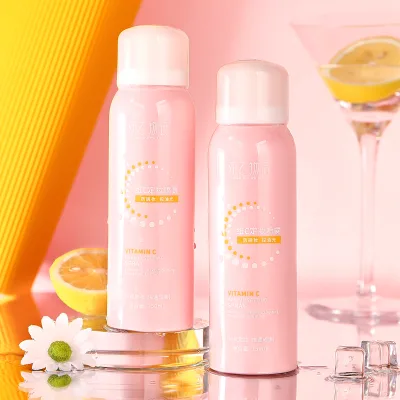
Vitamin C Anti-Aging Repairing Brightening Best Smooth Natural Face Toner Spray
$2.68 - $3.21
Moq: 500

Guangzhou Kunnisi Cosmetics Co., Ltd.
- Manufacturer
- Guangdong, China
- Lead time7 days
- Avg. response≤ 7h
Main productsHair Care Products,Beard Care Products,Lace Wig Products,Hair Styling Products,Make-Up Products
Main marketsNorth America(38.0%), Southeast Asia(10.0%), Northern Europe(10.0%), Western Europe(10.0%), Southern Europe(5.0%), Eastern Europe(5.0%), South America(5.0%), Mid East(5.0%), South Asia(5.0%), Africa(5.0%), Oceania(2.0%)

Guangzhou EmbAroma Cosmetics Co., Ltd.
- Verified by BV
- Trading Company
- China Guangdong
- Lead time30 days
- Avg. response≤ 2h
Main productsSkincare, Cleanser, Moisturizer, Sunscreen, Toner, Serum, Exfoliant, Body Lotion, Hand Cream, Essential Oil
Main marketsDomestic

Huizhou Best Festivel Articles Co., Ltd.
- Manufacturer
- China Guangdong
- Lead time30 days
- Avg. response≤ 18h
Main productsParty String, Snow Spray, Coloured Hair Spray, Air Horn, Deodorizing Body Spray, Areosol Insecticide, Paint Spray, Dashbroad Polish, Car Care Product
Main marketsSoutheast Asia/ Mideast,Europe,North America

Factory Hot Sell Face Glitter Spray Dry Quick Hair Body Glitter Spray for Face
$0.30 - $0.37
Moq: 9000


Guangzhou Shiruoni Cosmetics Co., Ltd.
- Trading Company,Manufacturer/Factory,Group Corporation
- China Guangdong
- Lead time15 days
- Avg. response≤ 6h
Main productsSkin Care, Jelly Mask, Face Serum, Face Toner, Face Cream, Facial Mask, Sunscreen, Face Cleanser, Soap, Skin Care Set
Main marketsSouth America,Eastern Europe,Mid East,North America,Southeast Asia,Eastern Asia,Oceania,Western Europe,Africa

Guangdong Renhe Guozhuang Biotechnology Co., Ltd.
- Manufacturer, Trading Company, Distributor/Wholesaler
- Guangdong, China
- Lead time0 days
- Avg. response≤ 5h
Main productsDark Spot Cream,Whitening facial serum,Anti-acne gel,Hair Growth Products,Normal saline solution
Main marketsDomestic Market(50.0%), Southeast Asia(20.0%), Mid East(10.0%), Eastern Europe(10.0%), North America(1.0%), South Asia(1.0%), Southern Europe(1.0%), Northern Europe(1.0%), Central America(1.0%), Western Europe(1.0%), Eastern Asia(1.0%), South America(1.0%), Oceania(1.0%), Africa(1.0%)


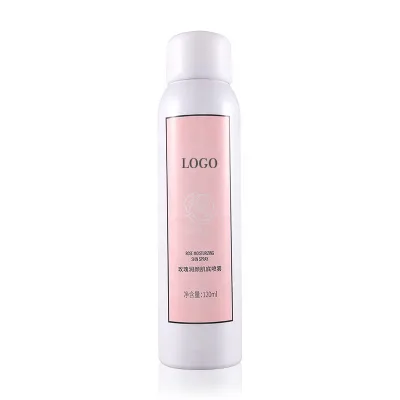
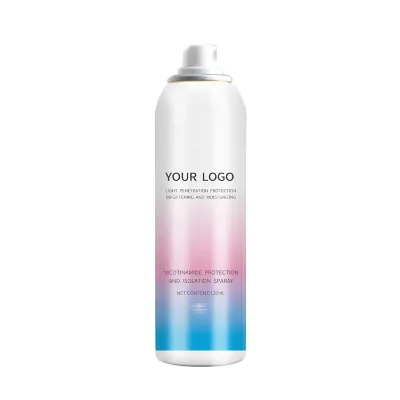








Comprehensive Sourcing Guide
Waterface Whitening Spray Supplier Concentration and Factory Types
Current data indicates a concentration of suppliers in China Guangdong, where manufacturers and trading companies offer a diverse range of beauty products including hair regrowth oils, face masks, and various skin care items. Some entities in this region operate as combined companies capable of providing both manufacturing and trading services, while others specialize strictly as trading companies or manufacturers. The Guangdong cluster appears to host suppliers with significant ODM and OEM capabilities, allowing for custom formula design, packaging, and shooting services for private label products. This geographic concentration suggests a robust supply chain infrastructure for beauty and personal care goods, though buyers must verify specific factory locations rather than assuming all suppliers are physically present in the same industrial zone.
In contrast, other regions such as China Zhejiang also appear in the results, hosting suppliers who may focus on different product lines like injections or specific cosmetic formulations. These suppliers often operate as trading companies with OEM capacities, distinct from the combined or manufacturer models found in Guangdong. When evaluating factory types, buyers should look for explicit company type labels such as Manufacturer/Factory, Trading Company, or Combined to understand the supply chain structure. A manufacturer typically offers direct control over production and quality, whereas a trading company may provide broader product variety but less direct oversight. Verifying the actual operational model is essential before committing to a partnership, as the distinction impacts lead times, customization flexibility, and communication efficiency.
How to Verify Waterface Whitening Spray Suppliers
Verification processes should prioritize checking for recognized third-party certifications and verification statuses provided in supplier profiles. Some suppliers display TUVRHEINLAND verification, while others list system certifications such as BSCI, ISO 9001, GMP, SEDEX, CE, FDA, or MSDS. These credentials indicate adherence to specific quality management systems and safety standards, which are critical for cosmetic products intended for skin application. Buyers must confirm that the listed certifications are current and relevant to the specific product category, as a lack of system certification or a generic "NIL" status requires further inquiry. Relying solely on self-declared claims without third-party validation increases the risk of sourcing non-compliant goods.
Response time and verification status serve as additional indicators of supplier reliability and operational readiness. Data shows response times varying significantly, with some suppliers responding within approximately 7 hours while others take over 13 hours. A faster response time often correlates with better communication channels and a more active sales team, which is vital for resolving issues during the sourcing process. Buyers should also examine the "is_verified" status to ensure the supplier has undergone a background check by the platform. If a supplier lacks a clear verification badge or has a slow response time, it is advisable to request additional documentation or conduct a video audit before proceeding. These steps help mitigate the risk of engaging with unverified or unresponsive entities.
What to Compare Across Waterface Whitening Spray Suppliers
When comparing suppliers, key dimensions include lead time, minimum order quantity (MOQ), and pricing structures, which vary widely across the market. Lead times can range from as little as 7 to 10 days for some products to over 20 days for others, depending on the complexity of customization and current production capacity. MOQs also differ significantly, with some suppliers accepting orders as low as 1 piece or 500 units, while others require minimums of 1000 or even 5000 units. Buyers must align these constraints with their inventory strategy and budget, ensuring that the chosen supplier can meet their specific volume requirements without incurring excessive costs or delays.
Pricing and customization options are equally critical factors in the comparison process. Product prices can range from approximately $0.70 to $5.90 per unit, influenced by ingredients, packaging, and order volume. Suppliers offering private label services, custom formulas, and design support provide greater flexibility for branding, but these services often come with higher MOQs or longer lead times. Buyers should evaluate the trade-off between price and service level, considering whether the added value of customization justifies the potential increase in cost or time. Additionally, payment terms such as T/T, West Union, or Money Gram should be reviewed to ensure they align with the buyer's financial policies and risk tolerance.
Common Waterface Whitening Spray Sourcing Risks
One significant risk involves the discrepancy between advertised product attributes and actual delivery, particularly regarding certifications and ingredient safety. While some suppliers list certifications like CE, FDA, and GMP, others may have "NIL" system certifications or lack specific product evidence for safety standards. Buyers must verify that the ingredients listed, such as Niacinamide or Vitamin C, match the product specifications and that the product is free from harmful substances like parabens or sulfates. Relying on unverified claims about product purity or safety can lead to regulatory non-compliance in the destination market, resulting in rejected shipments or legal penalties.
Another risk is the inconsistency in lead times and production capacity, which can disrupt supply chain planning. Some suppliers report lead times of zero or very short durations, while others indicate times of 15 to 23 days. These variations may stem from differences in order volume, customization requirements, or production bottlenecks. If a supplier promises a short lead time but fails to deliver, it can cause stockouts and lost sales opportunities. Buyers should request a detailed production schedule and confirm the supplier's ability to meet deadlines before placing an order. Establishing clear communication channels and setting realistic expectations can help mitigate these risks and ensure a smoother sourcing experience.
Waterface Whitening Spray Regional Sourcing and Logistics
Regional sourcing strategies should focus on identifying clusters where suppliers are concentrated, such as Guangdong, which appears to host a significant number of manufacturers and trading companies. Buyers should verify the specific location of each supplier to understand the logistics implications, including shipping times and costs. Suppliers in Guangdong may benefit from proximity to major ports, potentially reducing transit times and freight costs. However, buyers must confirm the exact origin of the product, as some listings may indicate "P. R. C" or "China" without specifying the province, making it difficult to assess logistical efficiency.
Logistics planning also involves understanding the trade terms offered by suppliers, such as EXW, FOB, CIF, CFR, DAP, or DDP. These terms dictate who is responsible for shipping, insurance, and customs clearance, directly impacting the total cost and risk profile of the order. Buyers should select terms that align with their logistics capabilities and risk appetite. For instance, EXW terms place the burden of transportation on the buyer, while DDP terms offer a more hands-off approach but may come at a higher price. Evaluating the supplier's location and the available trade terms allows buyers to optimize their supply chain and minimize unexpected costs or delays during the shipping process.
Waterface Whitening Spray Commercial Terms and Order Planning
Commercial terms and order planning require careful attention to payment methods, sample availability, and contract details. Suppliers often accept various payment terms including T/T, West Union, Money Gram, and others, each with different implications for security and cash flow. Buyers should negotiate terms that protect their interests, such as using escrow services or requiring partial payments upon shipment. Additionally, the availability of samples is a crucial factor in order planning, as it allows buyers to verify product quality before committing to a large order. Some suppliers offer samples, while others may require payment for them, so this should be clarified early in the negotiation process.
Order planning must also account for the specific requirements of the product, such as packaging, labeling, and customization. Suppliers may offer custom packaging, private labeling, and design services, but these often come with specific MOQs and lead times. Buyers should ensure that their order specifications are clearly communicated and agreed upon in writing to avoid misunderstandings. It is also important to consider the shelf life and storage requirements of the product, as some items may have a validity period of three years or less. By thoroughly planning the order and understanding the commercial terms, buyers can ensure a successful transaction and maintain a strong relationship with their supplier.
FAQs
What is the minimum order quantity for facial toners?
Minimum order quantities vary by product, with some items requiring 500 units while others start at 1000. Specific listings show thresholds like 500 pieces for Niacinamide toners and 1000 pieces for bulk hydrating sprays. Buyers should check individual product pages for exact MOQs before placing orders.
How long does production take for custom facial sprays?
Production lead times typically range from 7 to 10 days for custom formula toners. Some suppliers list a general lead time of 15 days, while others indicate 23 days for specific manufacturing runs. Buyers must confirm the exact timeline with the supplier based on their customization needs.
Which certifications do these facial care products hold?
Products often carry CE, FDA, GMP, and MSDS certifications. Some listings also include EEC certification for specific items. System certifications for suppliers may include BSCI, ISO 9001, or SEDEX. Buyers should verify the specific certification list for each product batch before purchasing.
Where are these facial care manufacturers located?
Manufacturers are primarily located in Guangdong and Zhejiang provinces in China. Specific product origins are listed as Guangdong China or P. R. C. Buyers can filter results by these regions to find suppliers with specific logistical advantages or regional expertise in facial care manufacturing.
What is the price range for bulk facial toners?
Prices for facial toners range from 0.70 to 5.90 per unit depending on the product type. Specific listings show ranges like 1.65 to 2.25 for Niacinamide toners and 2.00 to 2.50 for organic rose water sprays. Bulk pricing depends on the order quantity and specific customization requirements.
Do suppliers offer private labeling services?
Yes, private labeling is available for most facial toner and spray products. Suppliers offer custom formula, design, packing, and shooting services. Buyers can request custom branding on products like rose water toners or whitening sprays, subject to meeting the minimum order quantity requirements set by the manufacturer.
What is the typical response time for suppliers?
Supplier response times vary, with some averaging around 7.32 hours and others taking up to 13.73 hours. Specific response metrics depend on the supplier's current workload and location. Buyers should expect a response within a day for most inquiries regarding facial care product specifications and pricing.