Waterproof Moisturizing Mineral Foundation Suppliers and Manufacturers
Explore 26 verified options for Waterproof Moisturizing Mineral Foundation from trading companies and manufacturers in China. Compare lead times, response times, certifications like MSDS and GMP, and MOQs to find the right partner. Contact suppliers directly to request samples and confirm customization details.
Updated
Suppliers List
Goodly Cosmetics (Yiwu) Co., LTD
- Verified by TüVRheinland
- Trading Company
- Lead time40 days
- Avg. response≤ 4h
Main productsLipstick, Foundation, BLush, Mascara, Eyeshadow
Main marketsNorth America(50%), Mid East(30%), Southeast Asia(20%)
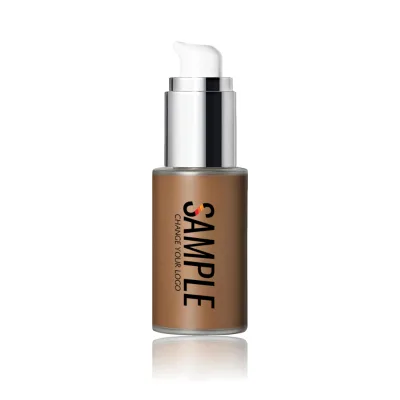
$1.30 - $1.40
MOQ: 6000 pieces
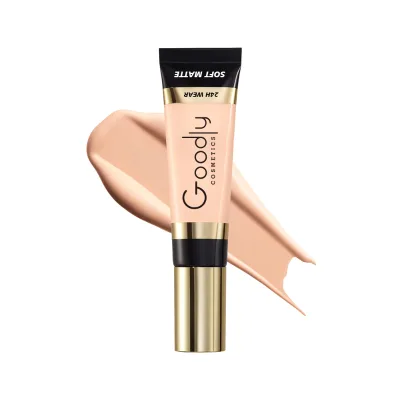
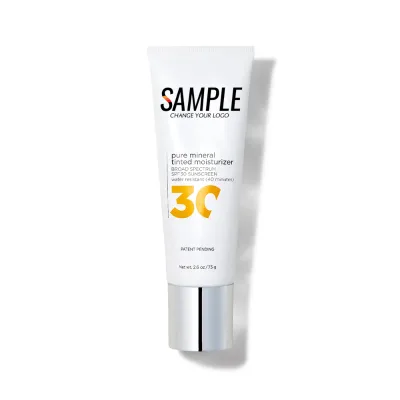
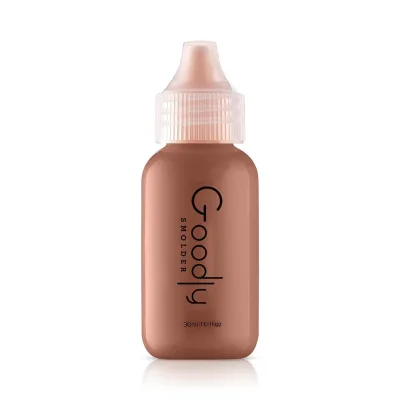
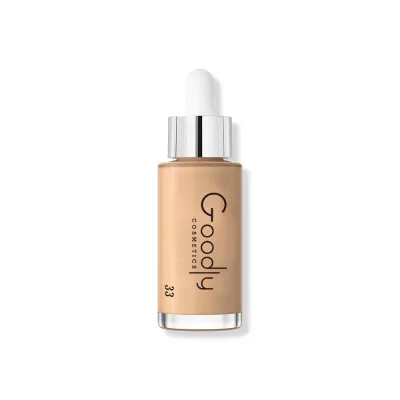
$1.3443 - $1.4476
MOQ: 6000 pieces

Shenzhen Huazhong Sun May Technology Co., Ltd
- Verified by SGS
- Trading Company,Manufacturer/Factory
- China Guangdong
- Lead time15 days
- Avg. response≤ 5h
Main productsLipstick, Lip Gloss, Cosmetics, Eyeshadow, Blusher, Makeup, Skin Care, Makeup Brush, Perfume, Parfum
Main marketsSouth America,Eastern Europe,Mid East,North America,Southeast Asia,Eastern Asia,Oceania,Western Europe,Africa

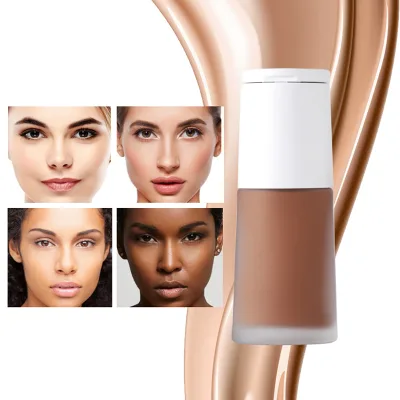
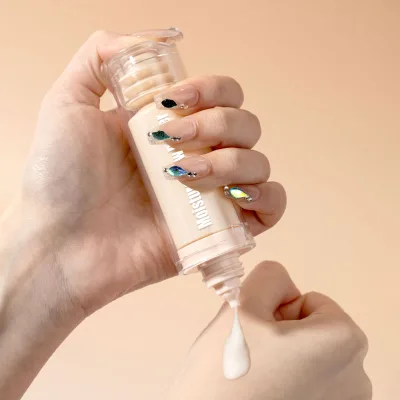
30ml White Bottle Packaging Vegan Waterproof Natural Makeup Moisturizer Liquid Cream Foundation
$1.50 - $2.20
MOQ: 50 Pieces

$2.20 - $2.70
MOQ: 50 Pieces

Waterproof Organic Mineral Makeup Base Concealer Private Label Matte Liquid Foundation
$2.00 - $2.50
MOQ: 50 Pieces

No Logo Makeup Full Coverage Waterproof Liquid Foundation HD Makeup Foundation
$2.00 - $2.60
MOQ: 50 Pieces

Private Label Natural Full Coverage Beauty Makeup Waterproof Concealer Liquid Foundation
$2.00 - $2.80
MOQ: 50 Pieces

Waterproof Long Lasting Face Liquid Foundation Makeup Base Bb Cream Concealer Foundation
$1.70 - $2.35
MOQ: 50 Pieces

Guangzhou Rangecolor Cosmetics Co., Ltd.
- Trading Company,Manufacturer/Factory
- China Guangdong
- Lead time38 days
- Avg. response≤ 19h
Main productsEyeshadow, Blush, Lipgloss, Face Powder, Lipstick, Lip Balm, Facial Mask, Lotion, Makeup Remover, Liquid Foundation
Main marketsSouth America,Eastern Europe,Mid East,North America,Eastern Asia,Western Europe,Africa


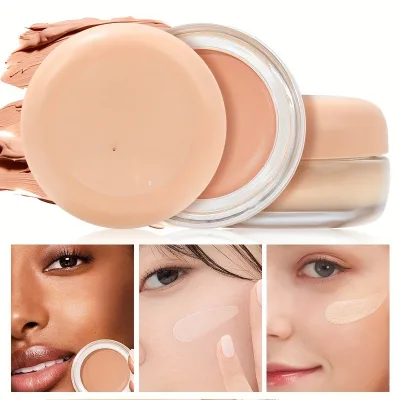
Professional Full Coverage Corrective Concealer Makeup Foundation Cream
$1.00 - $1.50
MOQ: 12000 Pieces

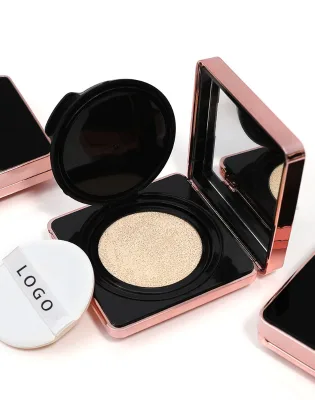
Long Lasting and Waterproof Air Cushion Foundation Bb Cream Full Coverage with Light Weight
$1.98 - $2.96
MOQ: 12000 Pieces


Best Seller Beauty Makeup Liquid Foundation Quick Brightening Skin Tone Foundation
$1.90 - $2.50
MOQ: 12000 Pieces
Shenzhen Jermay Technology Co., Ltd.
- Verified by TüVRheinland
- Trading Company
- Lead time15 days
- Avg. response≤ 4h
Main productsEyeshadow, Lipgloss, Blush, Foundation, Highlighter
Main marketsNorth America(45%), Western Europe(18%), South Asia(18%)

Shenzhen Vili Cosmetics Co., Ltd
- Verified by CTI
- Combined
- China Guangdong
- Lead time15 days
- Avg. response≤ 4h
Main productsLip Gloss, Lipstick, Nail Polish, Mascara, Lip Balm, Lip Oil, Makeup Base, Eye Shadow, Pressed Powder, Eyeliner
Main marketsSoutheast Asia/ Mideast,Domestic,Europe,North America


Moisturizing Matte Long Lasting Foundation Oil Control Sunscreen Full Coverage Foundation
$1.04 - $2.30
MOQ: 2 Pieces


Shantou Una Cosmetics Co., Ltd
- Verified by BV
- Trading Company
- China Guangdong
- Lead time45 days
- Avg. response≤ 16h
Main productsLipsticks, Lip Gloss, Cosmetics, Nail Polish, Makeup, Foundation, Mascara, Eye Shadow, Lip Balm
Main marketsEurope,North America


Wholesale Custom Logo Full Coverage Concealer Moisturizing Face Base Makeup Liquid Foundation
$2.80 - $3.20
MOQ: 12 Pieces


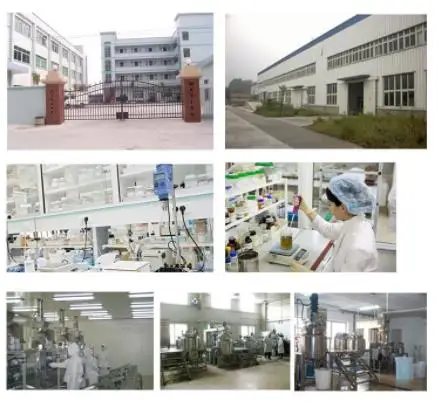
Changsha Beauty Cosmetics Co., Ltd.
- Trading Company
- Hunan, China
- Lead time15 days
- Avg. response≤ 1h
Main productscosmetics,Home beauty,Health care appliances,general merchandise,cleaning supplies
Main marketsNorth America(30.00%), South America(25.00%), Northern Europe(10.00%), Western Europe(8.00%), Eastern Europe(8.00%), Africa(5.00%), South Asia(5.00%), Mid East(2.00%), Southern Europe(2.00%), Domestic Market(1.00%), Oceania(1.00%), Eastern Asia(1.00%), Southeast Asia(1.00%), Central America(1.00%)
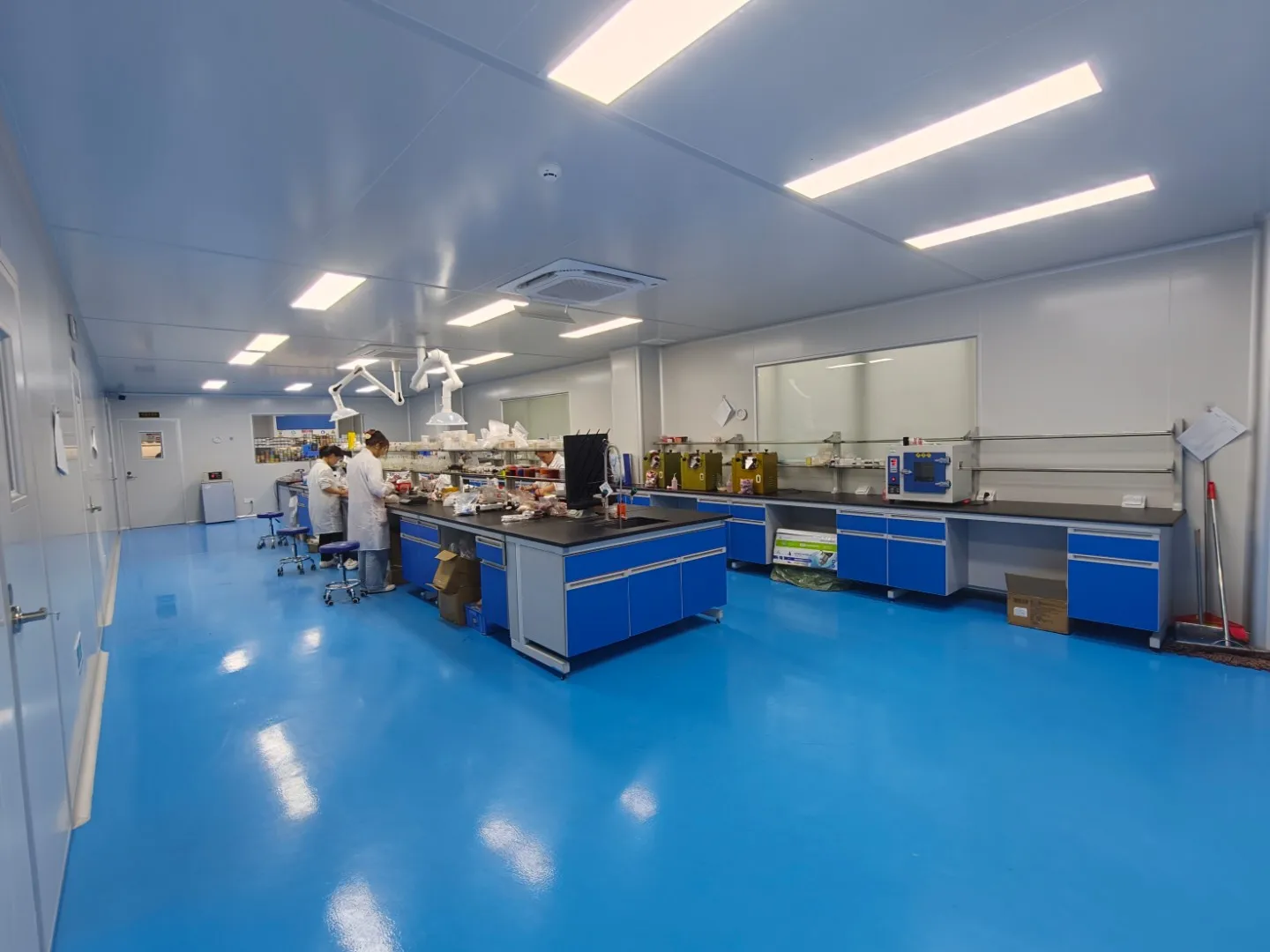
Guangzhou Choice Biotechnology Co., Ltd
- Manufacturer, Distributor/Wholesaler
- Guangdong, China
- Lead time30 days
- Avg. response≤ 6h
Main productsCosmetics products,Skin care products
Main marketsSouth Asia(15.00%), North America(15.00%), South America(12.00%), Eastern Europe(10.00%), Mid East(10.00%), Southeast Asia(10.00%), Southern Europe(5.00%), Northern Europe(5.00%), Western Europe(5.00%), Eastern Asia(5.00%), Africa(5.00%), Oceania(3.00%)
Guangzhou Congmei Biotechnology Co., Ltd.
- Verified by TüVRheinland
- Trading Company
- Lead time15 days
- Avg. response≤ 5h
Main productsEye Shadow, Lipgloss, Foundation, Eyelashes, Concealer
Main marketsNorth America(45%), South America(10%), Southeast Asia(10%)

Shenzhen Fundy Cosmetics Co., Ltd.
- Verified by TUVRHEINLAND
- Manufacturer/Factory
- China Guangdong
- Lead time30 days
- Avg. response≤ 4h
Main productsEyeshadow, Lipgloss, Foundation, Lipstick, Blusher, Highlighter, Makeup, Makeup Tool, OEM/ODM
Main marketsSouth America,Eastern Europe,Mid East,North America,Southeast Asia,Eastern Asia,Oceania,Western Europe,Africa

Wholesale Waterproof Concealer Private Label Custom Logo Vegan Full Coverage Liquid Foundation
$2.00 - $3.00
MOQ: 50 pieces


Guangdong Dingte Biotechnology Co., Ltd.
- Verified by SGS Group
- Manufacturer, Trading Company
- Lead time30 days
- Avg. response≤ 3h
Main productsLip Gloss, Foundation, Loose Powder, Air Cushion, Eye Shadow
Main marketsDomestic Market(50%), Southeast Asia(13%), Mid East(7%)

Guangzhou Kanglixin Medical Biotechnology Co, Ltd.
- Verified by BV
- Manufacturer/Factory
- China Guangdong
- Lead time23 days
- Avg. response≤ 9h
Main productsSkin Care Products, Body Care, Hair Care Products, Makeup, Men's Care Products, Ferminine Care Products, Serum, Facial Mask, Face Cream, Scrub
Main marketsSouth America,Eastern Europe,Mid East,North America,Southeast Asia,Eastern Asia,Oceania,Western Europe,Africa

Liquid Foundation Full Coverage Waterproof Customized Vegan Matte Concealer Moisturizing Foundation
$1.50 - $2.00
MOQ: 5000 pieces

$1.50 - $2.00
MOQ: 100 pieces

Natural Face Makeup Liquid Private Label Foundation Matte Waterproof Liquid Foundation
$0.40 - $0.60
MOQ: 1000 pieces

Private Label Full Coverage Vegan Waterproof Long Lasting Concealer and Liquid Foundation
$1.25 - $1.35
MOQ: 5000 pieces

Natural Face Makeup Liquid Private Label Foundation Matte Waterproof Liquid Foundation for Oily Skin
$2.00 - $3.00
MOQ: 100 pieces

$1.50 - $2.00
MOQ: 5000 pieces
Shenzhen KZ Beauty Business International Trading Co,. Ltd.
- Verified by SGS Group
- Trading Company
- Lead time5 days
- Avg. response≤ 7h
Main productsLipstick, Lip Balm, Lipgloss, Foundation, Blush
Main marketsNorth America(90%), Western Europe(10%)
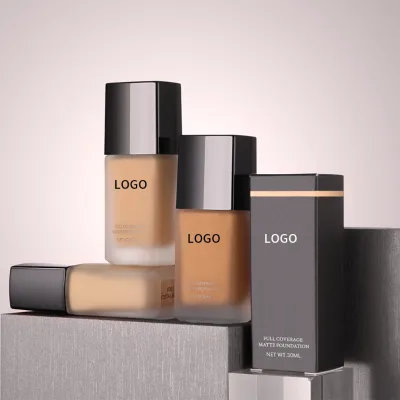
$2.1766 - $3.2126
MOQ: 50 pieces
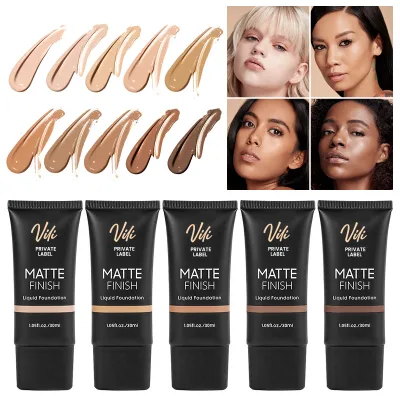
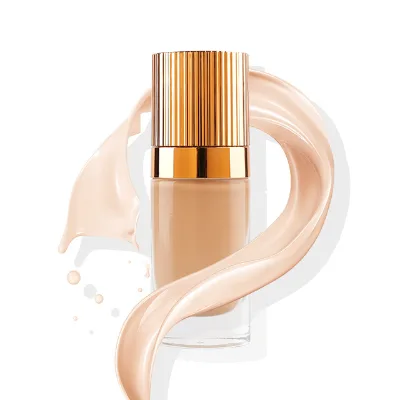
$2.4596 - $2.9715
MOQ: 50 pieces
Guangzhou Cong Mei Biotechnology Co., Ltd.
- Trading Company
- Guangdong, China
- Lead time15 days
- Avg. response≤ 6h
Main productsEye Shadow, Lipgloss, Foundation, Eyelashes, Concealer
Main marketsNorth America(45.00%), South America(10.00%), Oceania(10.00%), Northern Europe(10.00%), Mid East(10.00%), Southeast Asia(10.00%), Africa(5.00%)
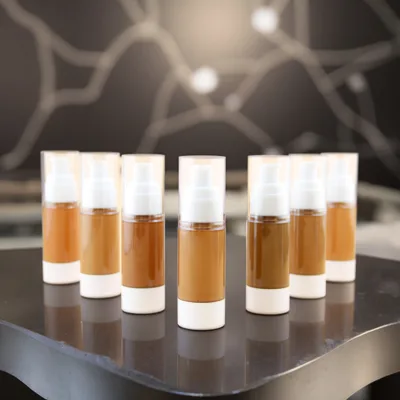
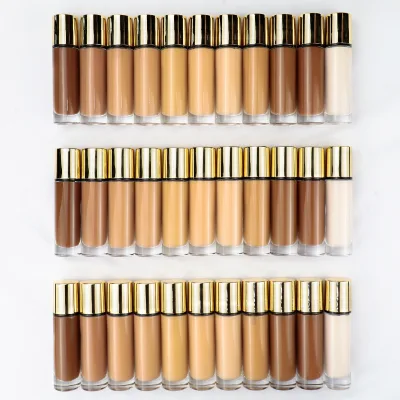
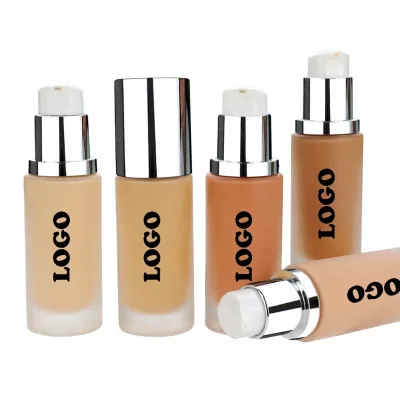
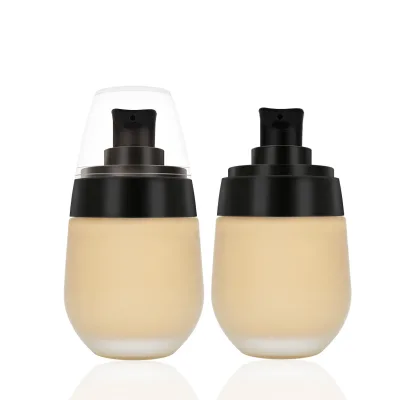
Best Selling Full Coverage Foundation Low Moq Dewy Double Wear 24 hr Soft Matte Foundation
$1.8578 - $2.5793
MOQ: 12 pieces
- Verified by Intertek
- Trading Company
- Lead time0 days
- Avg. response≤ 4h
Main productsLipstick, Lip Gloss, Mascara, Liquid Eyeliner, Cream Foundation
Main marketsMid East(47%), South America(17%), Domestic Market(15%)

Guangzhou Yunya Cosmetics Co., Ltd.
- Manufacturer, Trading Company, Distributor/Wholesaler
- Guangdong, China
- Lead time25 days
- Avg. response≤ 6h
Main productsLip makeup,Eye makeup,Face makeup,Makeup Tools,Facial Care
Main marketsNorth America(35.00%), Mid East(15.00%), Eastern Europe(15.00%), Western Europe(15.00%), Southern Europe(10.00%), South America(5.00%), Northern Europe(5.00%)
Hangzhou Forever Beauty Cosmetics Co., Ltd.
- Trading Company
- Lead time旺季: "1 - 1000":32,"> 1000":"To be negotiated", 淡季: "1 - 1000":32,"> 1000":"To be negotiated"
- Avg. response≤ 6h
Main productsLip Gloss, Lipstick, Lip Plumper Gloss, Makeup for Face, Makeup for Eye

Guangzhou Olehana Biotechnology Co., Ltd
- Verified by BV
- Manufacturer/Factory
- China Guangdong
- Lead time45 days
- Avg. response≤ 9h
Main productsFace Serum, Face Cream, Skin Care Set, Hair Growth, Beauty Device, Lip Gloss, Lip Stick, Lip Balm, Beard Care, Body Care
Main marketsEastern Europe,North America,Western Europe


All Skin Foundat Makeup Foundation Matte Natural Waterproof Private Label Foundation for Black Women
$1.85 - $3.00
MOQ: 1 Pieces


No Logo Liquid Foundation Private Label Face Makeup Waterproof Matte Beauty Bulk Foundation Makeup
$1.85 - $3.00
MOQ: 1 Pieces

Rhine International Biotechnology (Guangdong) Co., Ltd.
- Verified by CTI
- Manufacturer/Factory
- China Guangdong
- Lead time23 days
- Avg. response≤ 7h
Main productsSkin Care, Face Serum, Face Cream, Eye Cream, Body Lotion, Cosmetics, Makeup, Lipstick, Lip Gloss, Lip Balm
Main marketsSouth America,Eastern Europe,Mid East,North America,Southeast Asia,Eastern Asia,Oceania,Western Europe,Africa
Shanghai Foyou Cosmetics Co., Ltd.
- Verified by SGS Group
- Manufacturer, Trading Company
- Lead time45 days
- Avg. response≤ 3h
Main productsLip Gloss, Foundation, Concealer, Lipstick, Eye shadow
Main marketsNorth America(40%), Western Europe(40%), Domestic Market(14%)
Zhejiang Congrats Beauty Cosmetics Co.,Ltd
- Verified by SGS Group
- Manufacturer, Trading Company
- Lead time15 days
- Avg. response≤ 3h
Main productsLipgloss, Eyeshadow, Blusher, Foundation, Highlighter
Main marketsNorth America(45%), Western Europe(30%), South America(5%)
Guangzhou Misige International Trade Co., Ltd.
- Manufacturer, Trading Company
- Guangdong, China
- Lead time15 days
- Avg. response≤ 5h
Main productsLip oil,Lip gloss,Lip balm,Lip tint,Lip scrub
Main marketsSouth America(50.00%)
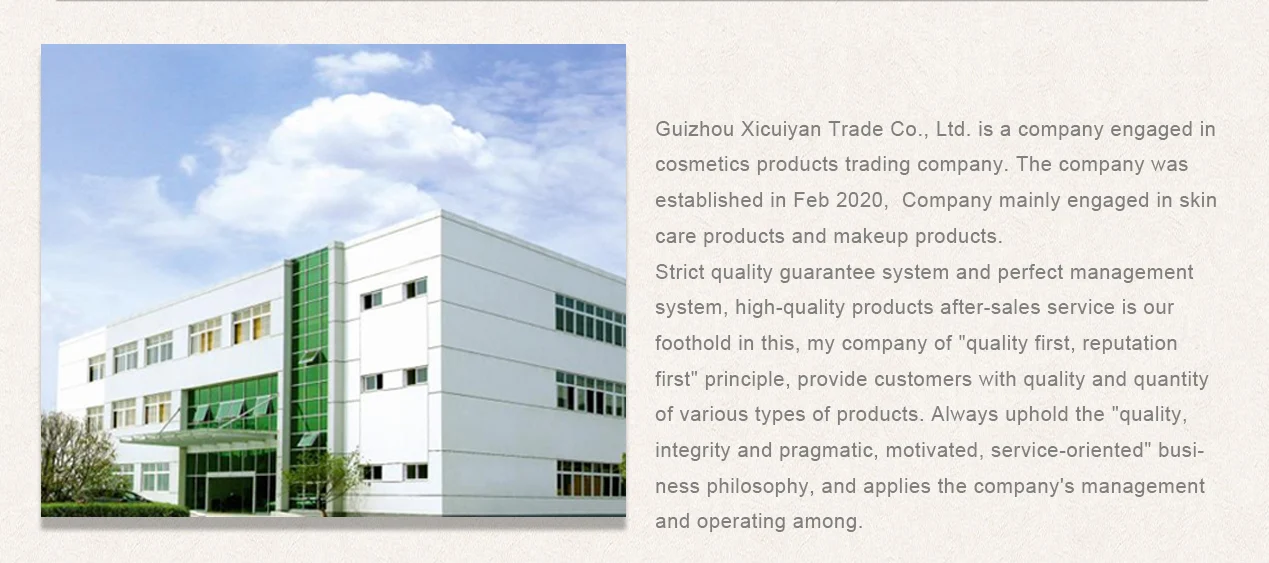
Guizhou Xicuiyan Trade Co., Ltd.
- Trading Company
- Guizhou, China
- Lead time0 days
- Avg. response≤ 2h
Main productsskin care products,makeup product,beauty tools,sex products,daily product
Main marketsAfrica(28.00%), North America(23.00%), Mid East(8.00%), Central America(6.00%), Northern Europe(5.00%), Southeast Asia(5.00%), South Asia(5.00%), Oceania(4.00%), Southern Europe(3.00%), Eastern Europe(3.00%), Domestic Market(3.00%), South America(3.00%), Eastern Asia(2.00%), Western Europe(2.00%)
Guangzhou YINGCAI COSMETICS CO., LTD
- Manufacturer, Trading Company
- GUANGDONG, China
- Lead time0 days
- Avg. response≤ 1h
Main productsCosmetics,Plastic Packaging,Paper Packaging
Main marketsMid East(30.00%), North America(30.00%), Southeast Asia(15.00%), Western Europe(15.00%), South Asia(5.00%), Africa(5.00%)

Zhejiang Yafu Cosmetics Co., Ltd
- Verified by SGS
- Combined
- China Zhejiang
- Lead time30 days
- Avg. response≤ 3h
Main productslipstick
Main marketsEast Asia(Japan/ South Korea),Europe,North America
Guangzhou Weimeixiu Cosmetics Co., Ltd.
- Verified by TüVRheinland
- Manufacturer, Trading Company
- Lead time28 days
- Avg. response≤ 5h
Main productsFace Makeup, Foundation, Lip Makeup, Eye Makeup, Skin Care
Main marketsNorth America(30%), Western Europe(20%), Oceania(10%)
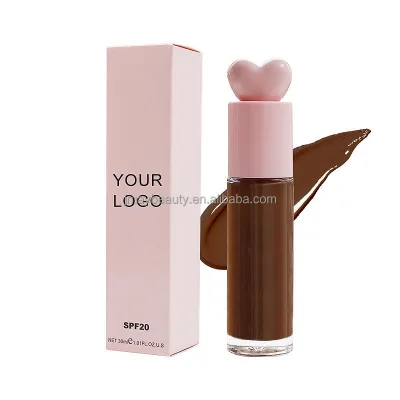
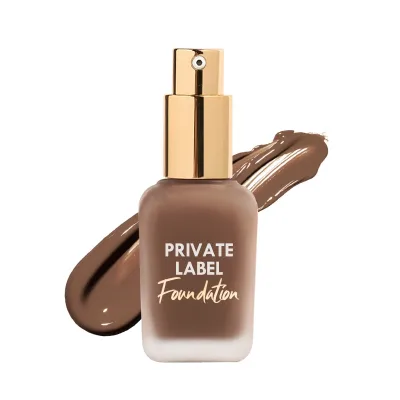
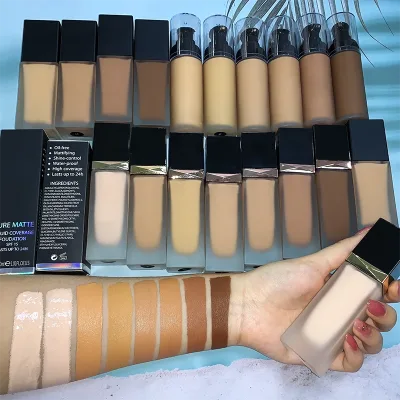


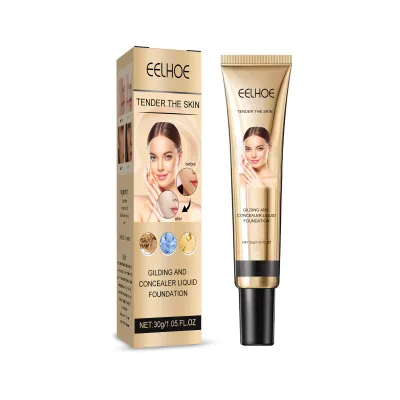
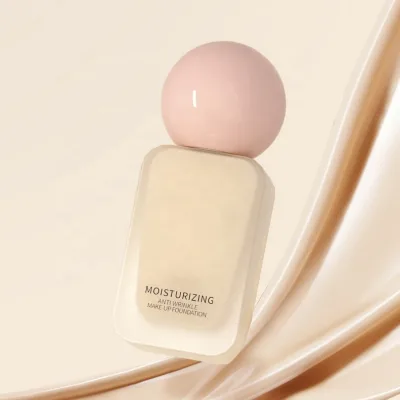
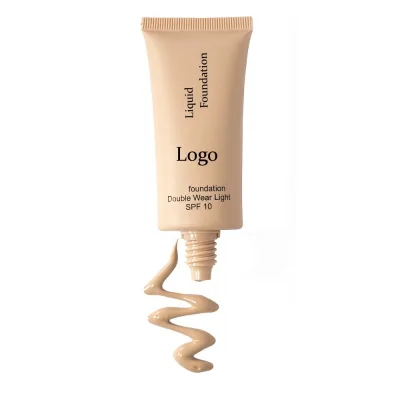
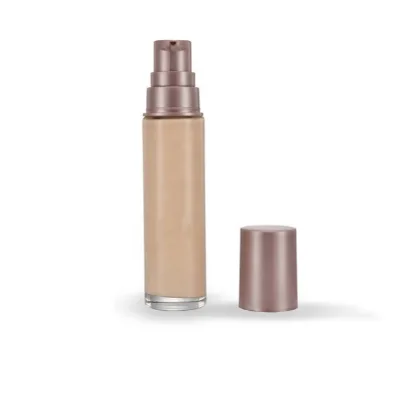


Comprehensive Sourcing Guide
Waterproof Moisturizing Mineral Foundation Supplier Concentration and Factory Types
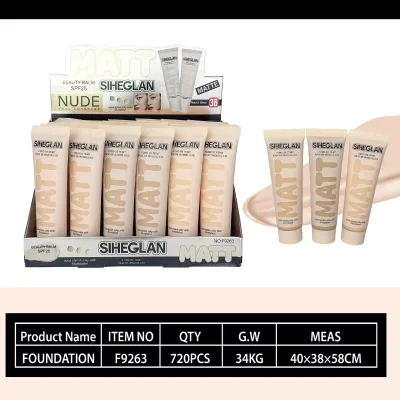
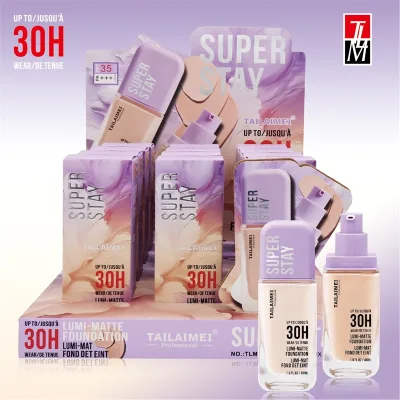
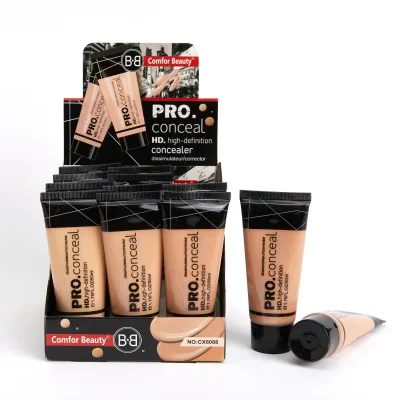
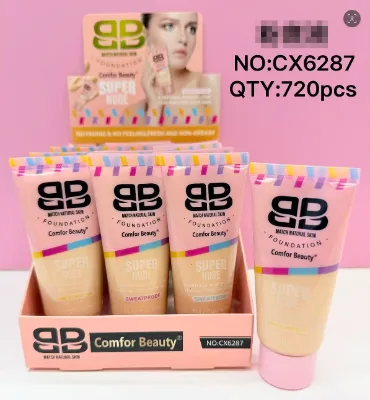
Current data indicates a mix of trading companies and manufacturers operating within the beauty supply chain, with specific facility locations identified in Shanghai and Guangdong regions of China. Some suppliers list their primary output as liquid foundations, while others expand their catalog to include lipsticks, blushes, and skincare items, suggesting a broader manufacturing capability. The presence of both trading entities and factories implies that buyers may encounter different operational models, where some act as intermediaries while others manage direct production lines. This variation requires careful assessment of the specific entity's role in the supply chain to ensure alignment with procurement goals.
When evaluating the concentration of these suppliers, it is essential to note that specific facility locations are confirmed only where explicit data exists, such as Shanghai or Guangdong. Buyers should not assume a universal cluster without verifying the current location data for each potential partner. The available information highlights that some facilities offer customized on-demand processing and graphic design services, which points to a flexible manufacturing environment. Understanding whether a supplier is a pure trading company or a manufacturer with in-house capabilities is critical for determining the level of control a buyer can exert over the production process and product specifications.
How to Verify Waterproof Moisturizing Mineral Foundation Suppliers
Verification processes for these suppliers often involve checking for third-party certifications and company status, as some results explicitly list TüVRheinland or SGS as verification bodies. These credentials serve as a baseline for assessing the legitimacy and operational standards of the supplier, though the specific scope of these certifications should be confirmed directly. Buyers must distinguish between general company verification and product-specific compliance, ensuring that the supplier's claims align with the actual documentation provided for the mineral foundation products. Relying solely on a verification badge without cross-referencing the specific product details can lead to gaps in quality assurance.
In addition to external verification, buyers should examine the supplier's response time and communication efficiency as indicators of reliability. Data shows response times ranging from four to nearly five units, which may reflect the speed of initial engagement. A faster response time often correlates with better project management and a higher likelihood of timely issue resolution. However, this metric should be viewed in conjunction with other factors, such as the supplier's ability to provide detailed product attributes like waterproof features and mineral ingredients. Buyers should prioritize suppliers who demonstrate consistent communication and provide clear, verifiable information regarding their manufacturing capabilities and product standards.
What to Compare Across Waterproof Moisturizing Mineral Foundation Suppliers
Comparing suppliers requires a detailed analysis of key operational metrics, including lead times, minimum order quantities, and pricing structures. Available data reveals lead times varying significantly, with some suppliers offering a 15-day turnaround while others indicate a 40-day period. Similarly, minimum order quantities range from as low as 50 units to 6,000 units, presenting a wide spectrum of options for different business scales. Buyers must align these figures with their inventory needs and cash flow constraints, ensuring that the selected supplier can accommodate their specific volume requirements without imposing undue financial pressure.
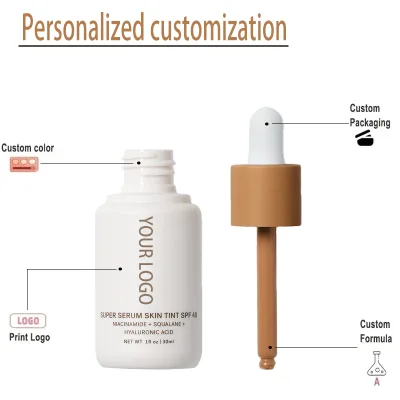
Beyond logistical metrics, product specifications and customization options are critical differentiators among suppliers. Some listings highlight features such as SPF protection, oil control, and various finishes like matte or natural, while others emphasize private labeling capabilities with silk screen printing or transfer stickers. The availability of OEM and ODM services allows for tailored branding, but the extent of customization varies by supplier. Buyers should compare the specific product attributes, such as ingredient lists and packaging sizes, to ensure the final product meets their brand standards. Additionally, the presence of certifications like MSDS across multiple listings suggests a baseline safety standard, but the depth of compliance should be verified for each specific product batch.
Common Waterproof Moisturizing Mineral Foundation Sourcing Risks
One significant risk in sourcing these products involves the potential mismatch between claimed product features and actual performance, particularly regarding waterproof and moisturizing claims. While many listings advertise features like "waterproof," "long-lasting," and "hydrating," the actual formulation and testing results may vary between suppliers. Buyers must ensure that the product evidence provided, such as ingredient lists and functional descriptions, aligns with the specific performance requirements of their target market. Relying on marketing terms without verifying the underlying product data can lead to customer dissatisfaction and potential returns.
Another risk pertains to the variability in supply chain stability and the ability to meet demand during peak periods. Lead times and production capacities differ widely, with some suppliers offering sample processing and graphic design capabilities while others may have limited capacity. The presence of trading companies alongside manufacturers adds a layer of complexity, as the trading entity may not have direct control over production schedules. Buyers should assess the supplier's capacity to handle order fluctuations and ensure that their production timeline can accommodate urgent requests. Failure to account for these logistical variables can result in delays that disrupt the overall supply chain and impact market availability.
Waterproof Moisturizing Mineral Foundation Regional Sourcing and Logistics
Regional sourcing strategies should focus on the specific locations identified in the supplier data, such as Shanghai and Guangdong, which are confirmed as production hubs for these cosmetic products. These regions offer established infrastructure for manufacturing and logistics, but buyers must verify the exact location of each supplier to understand the associated shipping costs and transit times. The concentration of suppliers in these areas suggests a mature ecosystem for beauty product manufacturing, yet the specific facility location can influence the efficiency of the supply chain and the cost of importing goods.
Logistics planning must account for the varying product attributes and packaging requirements that affect shipping and handling. Some products are listed with specific package dimensions and weights, such as 14x4x4 cm and 0.200 kg, which are critical for calculating freight costs and storage needs. Buyers should consider how these physical specifications impact the overall logistics strategy, including the choice of shipping method and the potential for consolidation. Additionally, the origin of the product, whether from Shanghai or Guangdong, may influence the availability of local logistics partners and the ease of customs clearance, making it essential to factor these regional nuances into the procurement plan.
Waterproof Moisturizing Mineral Foundation Commercial Terms and Order Planning
Commercial terms for these products often include specific pricing structures and minimum order quantities that vary significantly between suppliers. Price ranges observed in the data span from approximately $1.30 to $2.20 per unit, with minimum order quantities ranging from 50 to 6,000 units. Buyers must carefully evaluate these terms to ensure they align with their budget and sales projections, as the cost per unit can fluctuate based on order volume and customization requirements. Understanding the pricing model is crucial for accurate financial planning and maintaining healthy profit margins in the competitive beauty market.
Order planning should also consider the customization options and branding capabilities offered by suppliers, such as private labeling and logo printing. Many suppliers provide options for silk screen printing, labeling, and transfer stickers, allowing for tailored branding that meets specific market demands. However, the extent of these services and the associated costs should be clearly defined in the commercial agreement. Buyers should plan their orders to maximize the benefits of customization while managing the lead times and production capacities of the selected supplier. Effective order planning ensures that the final product meets brand standards and is delivered within the required timeframe, supporting a successful market launch.
FAQs
What certifications do waterproof mineral foundations have?
Most listed products carry MSDS certification to ensure safety and compliance for international trade. This documentation verifies that the mineral ingredients and waterproof formulas meet standard cosmetic regulations. Buyers should request these certificates during the inquiry phase to confirm that the supplier adheres to quality and safety protocols for face beauty applications.
What is the typical lead time for orders?
Lead times vary significantly among suppliers, ranging from 15 days to 40 days depending on the manufacturer. Faster turnaround options are available from specific factories, while trading companies may require longer processing periods. Buyers should confirm the exact production schedule with their chosen supplier before placing bulk orders to ensure timely delivery.
What is the minimum order quantity for private label?
Minimum order quantities differ by supplier, with some requiring as few as 50 units while others demand 6000 pieces. Lower MOQs are often available from manufacturers offering standard packaging, whereas higher volumes may be needed for custom graphic processing or silk screen printing. Always verify the specific MOQ requirements for your desired customization level.
Are OEM and ODM services available?
Yes, many suppliers offer both OEM and ODM services for private label mineral foundations. You can customize logos using silk screen printing, labeling, or transfer stickers. Some manufacturers also provide graphic processing and sample processing capabilities. This allows brands to create unique packaging and formulas tailored to specific market needs and skin types.
What is the price range for these foundations?
Prices typically range from approximately $1.30 to $2.20 per unit depending on the supplier and specifications. Factors influencing cost include the volume, certification requirements, and customization options like private logos. Buyers should request detailed quotes based on their specific order quantity and feature requirements to get the most accurate pricing for their budget.
Where are these suppliers located?
Suppliers are primarily located in Shanghai, China, and Guangdong, China. These regions are known for their robust cosmetic manufacturing infrastructure and supply chains. Buyers can source products from these locations to benefit from established logistics networks and specialized expertise in producing waterproof and mineral-based makeup products for global distribution.