Waterproof Mountain Bike Rear Rack Suppliers and Manufacturers
Source 27 verified suppliers for Waterproof Mountain Bike Rear Rack components. Compare key dimensions including lead times, MOQs, response speeds, and certifications to identify suitable partners. Contact suppliers directly to request quotes and verify production capabilities; review the available evidence before requesting comparable quotations from suitable candidates.
Suppliers List
Nanning Bernee Machinery Technology Co., Ltd.
- Trading Company
- Guangxi, China
- Lead time0 days
- Avg. response≤ 2h
Main productsbicycle forks manufacturer,bicycle parts supply,ebike parts supply,bicycle assembly,electric bicycle assembly
Main marketsDomestic Market(50.00%), Eastern Europe(20.00%), Southeast Asia(20.00%), Northern Europe(15.00%), Western Europe(15.00%), Eastern Asia(15.00%), Mid East(15.00%), Africa(15.00%), North America(15.00%), South America(10.00%), Southern Europe(10.00%)
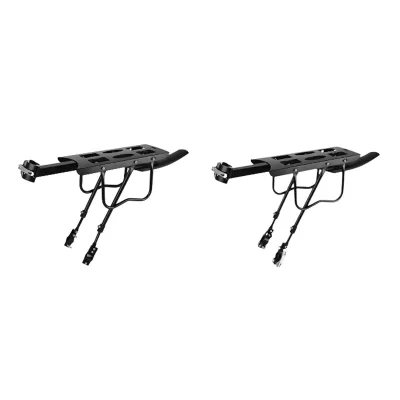
$3.50 - $4.20
MOQ: 20 pieces
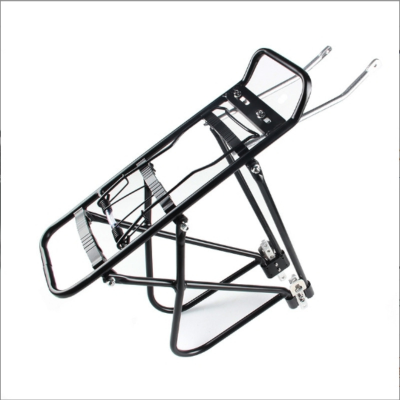
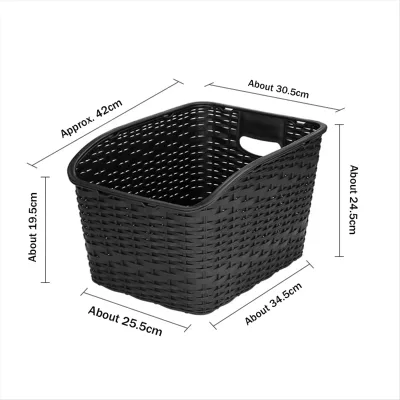
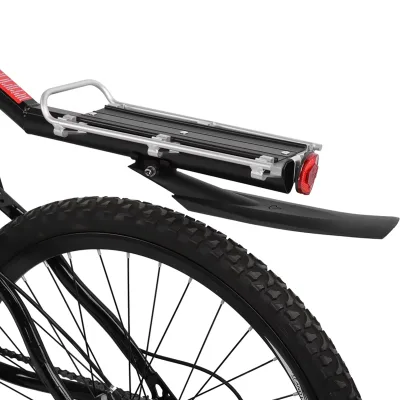

Anhui Liteduro Technology Co., Ltd.
- Trading Company,Manufacturer/Factory
- China Anhui
- Lead time45 days
- Avg. response≤ 12h
Main productsBicycle Frame, Electric Bike Frame, Bike Shock, Bicycle Fork, Full Suspesion MTB Frame, Bicycle Assembly, Kids Bicycles, Mountain Bike, Wheelset, Electric Bicycle
Main marketsSouth America,Eastern Europe,Mid East,North America,Southeast Asia,Eastern Asia,Oceania,Western Europe,Africa
Guangzhou Xiongxing Trading Co.,Ltd
- Manufacturer, Trading Company, Buying Office
- Guangdong, China
- Lead time35 days
- Avg. response≤ 4h
Main productsCompressor,Storage Bag,Automotive Parts,bike acceaaories,Auto Parts
Main marketsNorth America(35.00%), Western Europe(15.00%), Northern Europe(15.00%), Central America(10.00%), Southern Europe(10.00%), Eastern Europe(8.00%), Africa(5.00%), South Asia(2.00%)
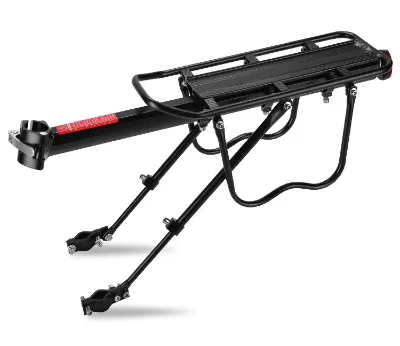
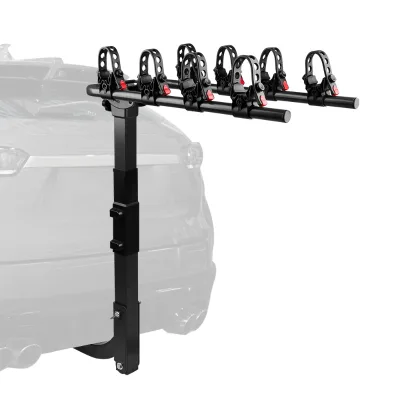
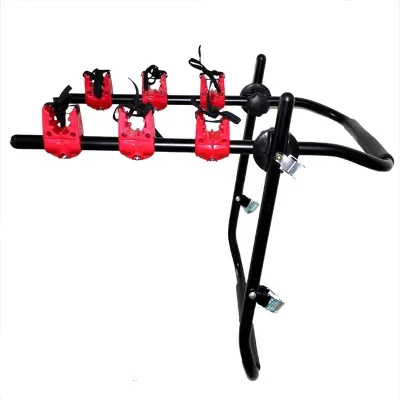
Adjustable Bicycle Rack with Aluminum Alloy Frame for Quick Release Mountain Bike Rear Rack
$11.00 - $12.00
MOQ: 100 pieces

Xingtai Tianjiu Bicycle Parts Co., Ltd
- Verified by SGS
- Combined
- China Hebei
- Lead time30 days
- Avg. response≤ 4h
Main productsBicycle Parts, Bicycle, Bicycle Crank&Chainwheel, Bicycle Brake Sets, Saddle, Pedal, Bicycle Accessories, Bicycle Tire, Children Toy Vehicle, Bike Parts
Main marketsAfrica,Domestic,Europe


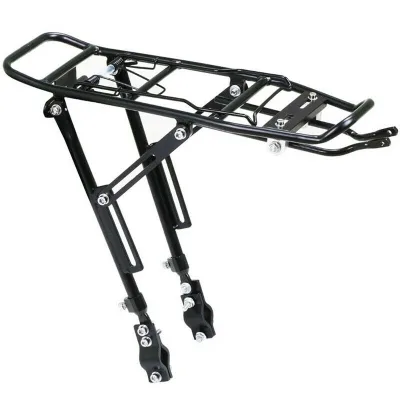
Durable Bicycle Rear Rack for Bikes – Lightweight, Easy Installation, Heavy Duty
$1.85 - $3.24
MOQ: 500 Pieces
Huizhou Lecheng E-Commercial Co., Ltd.
- Trading Company
- Guangdong, China
- Lead time30 days
- Avg. response≤ 4h
Main productsCycle,Golf,Baseball
Main marketsNorth America(25.00%), Northern Europe(15.00%), Western Europe(10.00%), South America(10.00%), South Asia(10.00%), Africa(5.00%), Eastern Asia(5.00%), Southeast Asia(5.00%), Central America(5.00%), Mid East(3.00%), Southern Europe(3.00%), Eastern Europe(2.00%), Oceania(2.00%)
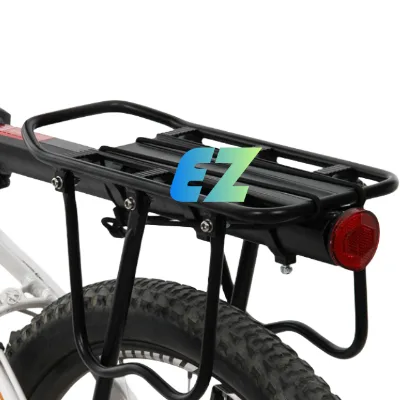
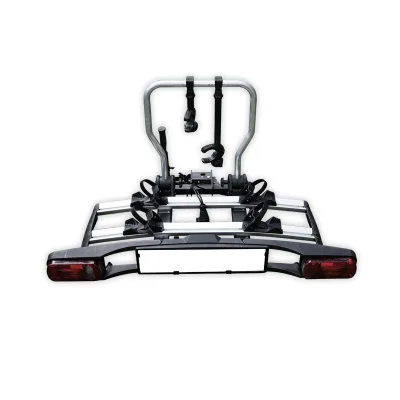
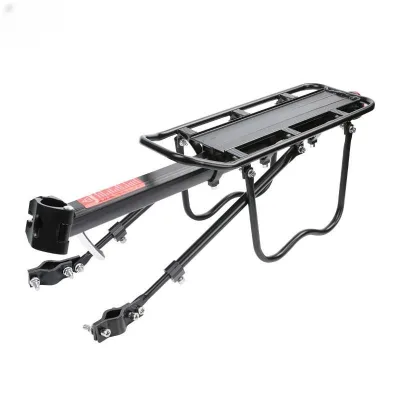
$6.06 - $7.27
MOQ: 2 pieces

Guangzong Shuanglong Bicycle Industry Co., Ltd.
- Manufacturer
- China Hebei
- Lead time30 days
- Avg. response≤ 14h
Main productsMountain Bike, Children Bicycle, Bicycle, Bicycle Parts
Main marketsSouth America,Africa,Southeast Asia/ Mideast

Bike Rear Rack Aluminum Cycling Carrier Rack Mountain Bike Luggage Cargo Rack
$0.80 - $1.50
MOQ: 300 Pieces

Mountain Bike Rear Steel Shelf Luggage Rack Bicycle Accessories Bicycle Rear Carrier
$0.80 - $1.50
MOQ: 300 Pieces

Mountain Bike Rear Rack 16 Inch 20 Inch Aluminum Alloy Cycling Carrier Rack Bicycle Luggage Mounted
$1.50 - $2.50
MOQ: 300 Pieces


Nanjing Hiking Star Sports Products Co., Ltd.
- Verified by SGS Group
- Manufacturer, Trading Company
- Lead time7 days
- Avg. response≤ 2h
Main productsBicycle Saddle, Bicycle Frame, Electric Bicycle, Bicycle Accessory
Main marketsNorthern Europe(40%), Southern Europe(30%), North America(20%)
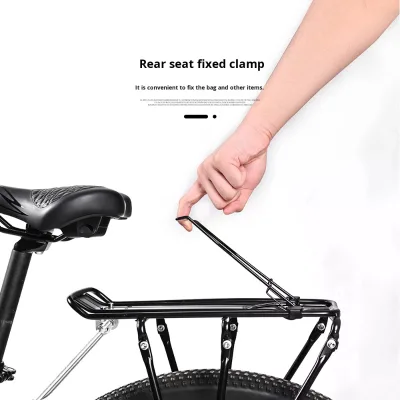
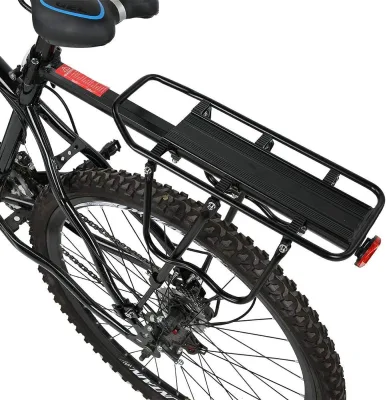
Aluminum Alloy Bicycle Rear Rack for Long-distance Cycling Mountain Bike Disc Brake Cargo Rack
$8.25 - $8.47
MOQ: 10 pieces
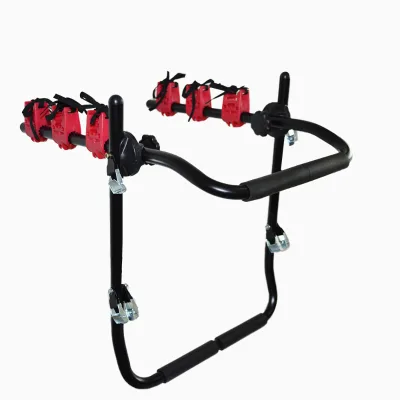
$17.17 - $17.91
MOQ: 50 pieces
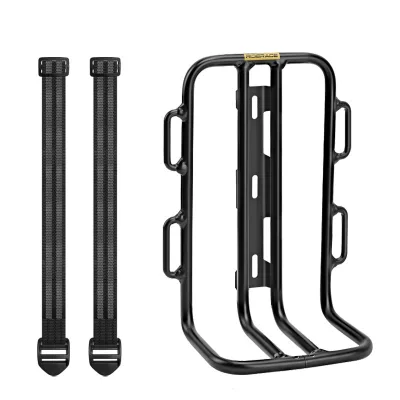
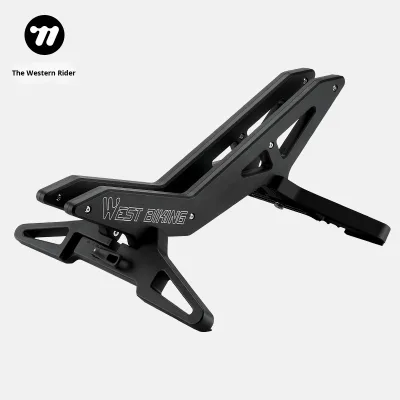
Durable and Easy to Use Universal Quick Release Bike Rack for Mountain and Road Bicycles
$8.50 - $10.70
MOQ: 10 pieces
Yiwu Lutuo Network Technology Co., Ltd.
- Verified by TüVRheinland
- Trading Company
- Lead time0 days
- Avg. response≤ 5h
Main productsBicycle Pump, Bicycle Light, Bicycle Lock, Bicycle Pedal, Bicycle Mirror
Main marketsNorth America(35%), Southeast Asia(17%), Domestic Market(16%)

Hebei Hongchi Bicycles Co., Ltd
- Verified by BV
- Manufacturer
- China Hebei
- Lead time15 days
- Avg. response≤ 8h
Main productsChainwheel&Crank, Bicycle Parts, Bicycle Accessories, Children Bike, Children Toy, Scooter, Stroller, Electric Car, Saddle, Basket


$1.20 - $1.80
MOQ: 1000 Pieces


XINGTAI WINWAY IMPORT & EXPORT TRADING CO., LTD.
- Trading Company
- China Hebei
- Lead time23 days
- Avg. response≤ 21h
Main productsMotorcycle Shock Absorber, Motorcycle Brake Shoe, Motorcycle Cable, Motorcycle Sprocket, Motorcycle Mirror, Motorcycle Speedometer, Motorcycle Headlight, Motorcycle Oil Seal, Motorcycle Spark Plug, Motorcycle Kick Staerter
Main marketsSouth America,Africa,Southeast Asia/ Mideast

Quanzhou Lingyuan Bags Co., Ltd.
- Verified by SGS
- Combined
- China Fujian
- Lead time45 days
- Avg. response≤ 3h
Main productsSchool Bag, Sports Bag, Trolley Bag, Promotional Bag, Ladies Bag, Backpack, Hiking Backpack, Ski Bag, Hockey Bag, Bike Bag
Main marketsEurope,North America

Bike Hanging Basket Bag Bike Rear Rack Bike Side Bag Bike Bag Waterproof
$9.90 - $14.90
MOQ: 500 Pieces

$4.00 - $10.00
MOQ: 500 Pieces


Ningbo Chicon Technology Co., Ltd.
- Trading Company
- Zhejiang, China
- Lead time45 days
- Avg. response≤ 2h
Main productsOffice Desks,Mounts & Stands,Monitor ARM & TV Bracket,Ergonomic Products,Storage Racks & Shelving Units
Main marketsNorth America(50.00%), Northern Europe(30.00%), Domestic Market(10.00%), Western Europe(5.00%), South America(5.00%)

Ningbo Beilun Loveyoung Auto Accessories Co., Ltd.
- Verified by BV
- Trading Company,Manufacturer/Factory,Group Corporation
- China Zhejiang
- Lead time23 days
- Avg. response≤ 6h
Main productsCar Roof Racks, Bike Racks, Cargo Carrier, Steering Wheel Lock, Kayak Racks, Motorcycle Carrier, Trailer Parts, Air Compressor, Steel Bumper, off-Road Parts
Main marketsSouth America,Eastern Europe,Mid East,North America,Southeast Asia,Eastern Asia,Oceania,Western Europe,Africa

Good Quality Universal Durable Outdoor Bicycle Rack Bike Rear Rack For1-4 Bikes
$68.00 - $70.00
MOQ: 100 sets

Car Bicycle Rack Outdoor Camping Rear Travel Bike Carrier 2 Bikes Accessories
$43.00 - $48.00
MOQ: 100 pieces

Hitch Cycling Bike Rack Tie Down Strap Vertical Bike Rack Rear Bike Rack for SUV
$40.00 - $45.00
MOQ: 100 pieces

Chongqing Arlau Civic Equipment Manufacturing Co., Ltd.
- Verified by BV
- Combined
- China Chongqing
- Lead time23 days
- Avg. response≤ 4h
Main productsPicnic Table, Park Bench, Trash Bin, Dog Park Equipment, Bollard, Bike Rack, Tree Grate, Planters, Parasol, School Desk and Chair
Main marketsSoutheast Asia/ Mideast,Europe,North America

Outdoor Street Metal Electric Bicycle Stand Steel Mountain Bike Storage Bracket Rack
$19.00 - $69.00
MOQ: 10 pieces

Outdoor Metal Bicycle Double Stand Steel or Aluminium Bike Storage Rack
$69.00 - $139.00
MOQ: 10 pieces

Outdoor Metal Bicycle Stand Bike Storage Rack Multiple Bicycle Display Rack
$69.00 - $139.00
MOQ: 10 pieces

Outdoor Metal Bicycle Rack Portable Bike Parking Stand Storage Rack for Garage
$69.00 - $139.00
MOQ: 10 pieces

Wholesale Outdoor Metal Bicycle Rack Steel Bike Parking Stand Cycle Storage Rack
$19.00 - $69.00
MOQ: 10 pieces

Outdoor Bike Rack Metal Bicycle Stand Garage Bicycle Storage Holder Rack
$69.00 - $139.00
MOQ: 10 pieces

- Verified by SGS
- Trading Company
- China Zhejiang
- Lead time15 days
- Avg. response≤ 14h
Main productsTents, BBQ Grill, Folding Table and Chair, Cooler Bag, Outdoor Lamp, Beach Mat, Picnic Blanket, Sleeping Bag, Water Bottle, Hammock
Main marketsEurope,Australia


Bike Parking Rack Display Stand Mountain Bike Adjustable Parking Rack
$80.00 - $85.00
MOQ: 1000 Pieces

Bicycle Folding Parking Rack Maintenance Bracket MTB Portable Display Stand Bike Frame
$9.00 - $9.50
MOQ: 1000 Pieces

- Verified by TUVRHEINLAND
- Combined
- China Jiangsu
- Lead time30 days
- Avg. response≤ 3h
Main productsBike Rack, Bike Stand, Rack, Bicycle Bike Rack, Bicycle Bike Stand, Metal Processing, Metal Stamping, Filter Mesh, Tube Bending, Shopping Cart
Main marketsDomestic


High Low Galvanized Multi-Capacity Outdoor Bike Storage Ideas Mountain Bike Rack
$28.99 - $31.65
MOQ: 10 Pieces

Urban Bicycle Storage Outdoor Lean Horizontal Ground Mounted Circular Bike Rack
$21.99 - $25.99
MOQ: 30 Pieces


High Low Outdoor Mountain Sliver Bike Parking Rack Floor Stand 2 Bike Rack Garage
$15.99 - $20.99
MOQ: 10 Pieces

Hebei Huansen Automotive Industry Co., Ltd.
- Verified by TüVRheinland
- Manufacturer, Trading Company
- Lead time0 days
- Avg. response≤ 3h
Main productsBicycle Luggage Rack, Bicycle Wall Hanger, Bicycle Parking Rack, Bicycle Foot Brace, Bicycle Mobile Phone Bracket
Main marketsDomestic Market(50%), Eastern Europe(10%), Southern Europe(10%)

- Verified by SGS
- Trading Company
- China Zhejiang
- Lead time15 days
- Avg. response≤ 15h
Main productsBike, Bicycle
Main marketsEurope,Australia

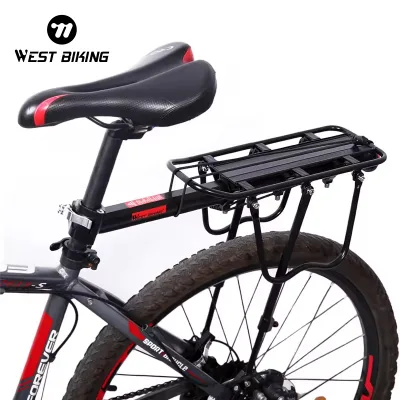
Multi-Function West Rider Bicycle Rear Seat Rack Mountain Carry Bike Carriers
$9.64 - $10.71
MOQ: 100 Pieces


- Manufacturer/Factory
- China Fujian
- Lead time30 days
- Avg. response≤ 23h
Main productsBag, Polyester Bag, Promotion Gift, School Bag, Outdoor Backpack, Backpack, Rucksack, Laptop Bag, Yoga Bag, Sport Bag
Main marketsSouth America,Eastern Europe,Mid East,North America,Southeast Asia,Eastern Asia,Oceania,Western Europe,Africa

Bicycle Mountain Bike Rear Shelf Pack Large Capacity Waterproof Cycling Bicycle Bag
$5.32
MOQ: 1000 Pieces

Bicycle Rack Rear Carrier Bag Bike Carrier Bag Rear Saddle, Cycling Storage Bag for Outdoor Mountain
$4.99 - $8.99
MOQ: 500 Pieces

Bike Handlebar Bag, Cycling Handlebar Storage Basket Bag Mountain Bicycle Front Frame Bag
$2.99 - $5.99
MOQ: 500 Pieces


Qingdao Merid Machinery Co., Ltd
- Verified by CTI
- Combined
- China Shandong
- Lead time15 days
- Avg. response≤ 4h
Main productsMachining Part, Sheet Metal Fabrication, Mounting Bracket, Precast Lifting Parts, Metal Hardware, CNC Maching Part, Stamping Parts, Welding Parts, CNC Maching Parts
Main marketsDomestic,Europe,Australia,North America

Outdoor Metal Bicycle Rack Portable Bike Parking Stand Storage Rack for Garage
$10.00 - $30.00
MOQ: 50 Pieces


QUANZHOU DANKIN IMP AND EXP CO., LTD.
- Manufacturer/Factory
- China Fujian
- Lead time45 days
- Avg. response≤ 2h
Main productsBackpack, Cooler Bag, Tool Bag, Laptop Bag, Gun Bag, Travel Bag, Hiking Bag, Tennis Bag, Running Bag, Diaper Bag
Main marketsSouth America,Eastern Europe,Mid East,North America,Southeast Asia,Eastern Asia,Oceania,Western Europe,Africa


10L Bicycle Rack Rear Carrier Bag Bike Trunk Bag Water Resistant Bike Rear Seat Cargo Bag
$10.99 - $15.99
MOQ: 500 Pieces
Data Biotechnology (Hangzhou) Co., Ltd
- Manufacturer, Trading Company
- Zhejiang, China
- Lead time0 days
- Avg. response≤ 2h
Main productsBicycle,Electric bicycle,Bicycle accessories,Customized bicycle,electrocar
Main marketsNorth America(40.00%), Mid East(10.00%), Western Europe(10.00%), Eastern Europe(10.00%), South America(10.00%), Southern Europe(5.00%), Northern Europe(5.00%), Southeast Asia(5.00%), Eastern Asia(5.00%)

Changzhou Hao Lan Import & Export Trading Co., LTD.
- Verified by TUVRHEINLAND
- Manufacturer/Factory
- China Jiangsu
- Lead time15 days
- Avg. response≤ 4h
Main productsTonneau Cover, Side Step, Fender Flare, Mudflap, Head Light, Bumper, Bedmat, Grille
Main marketsSouth America,Eastern Europe,Mid East,North America,Southeast Asia,Africa

Jinhua Dason Engine & Electrical Co., Ltd.
- Manufacturer/Factory
- China Zhejiang
- Lead time30 days
- Avg. response≤ 12h
Main productsBollard, Parki Lot, Speed Bump, Expandable Barrier, Bike Rack, Icf Brace, Automatic Bollards, Automatic Parking Lock, Stair Tread, Road Stud
Main marketsSouth America,Eastern Europe,Mid East,North America,Southeast Asia,Eastern Asia,Oceania,Western Europe,Africa
Hebei Gefeida Trading Co., Ltd.
- Verified by SGS Group
- Trading Company
- Lead time20 days
- Avg. response≤ 7h
Main productsBicycle, Bicycle Accessories, Kids Toy
Main marketsNorth America(12%), Eastern Europe(12%), Oceania(10%)
Qingdao Ruiliangte International Trade Co., Ltd
- Verified by SGS
- Manufacturer/Factory
- China Shandong
- Lead time90 days
- Avg. response≤ 3h
Main productsTractor, Agricultural Machinery, Mower, Electric Bicycle, Harvester, Loader, Motorcycle, Steel Products Pipe Fittings, ATV, Self Loading Concrete Mixer
Main marketsSouth America,Eastern Europe,Mid East,North America,Southeast Asia,Eastern Asia,Oceania,Western Europe,Africa

Qingdao Skotte Metal Products Co., Ltd
- Verified by CTI
- Combined
- China Shandong
- Lead time15 days
- Avg. response≤ 5h
Main productsGarden Products, Kitchen Solutions, Metal Products, Bike Stands, Beer Barrels
Main marketsEast Asia(Japan/ South Korea),Europe,Australia,North America




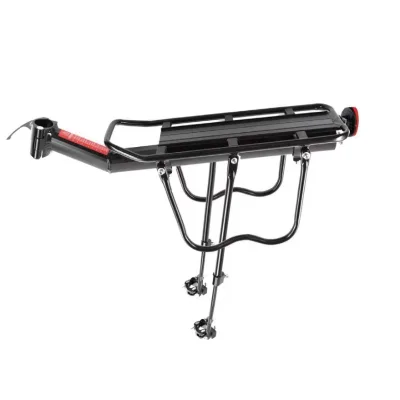
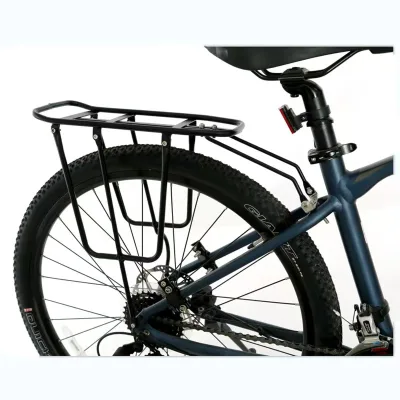
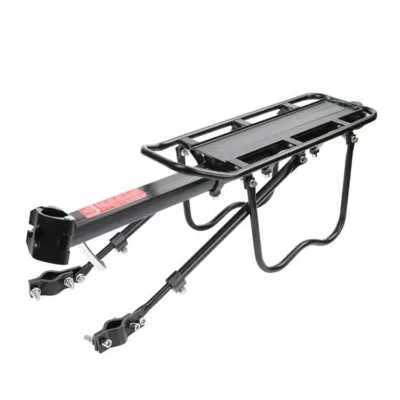
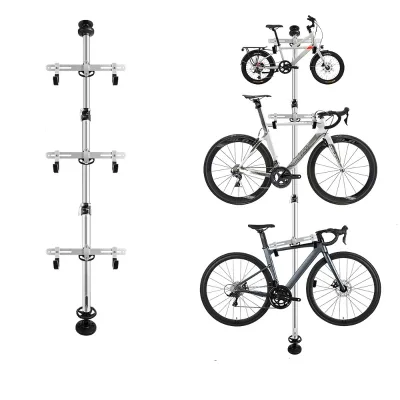
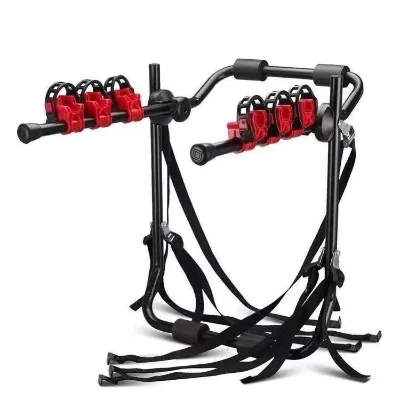
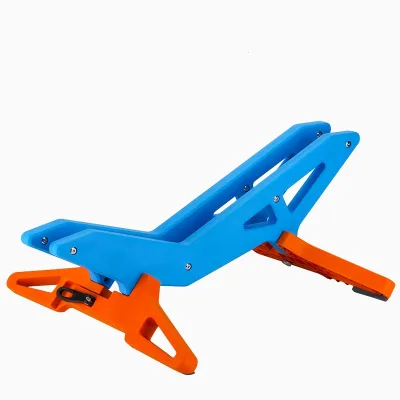


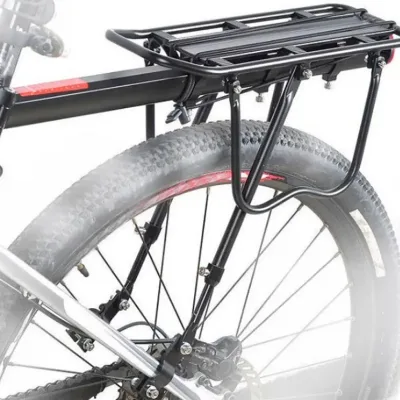
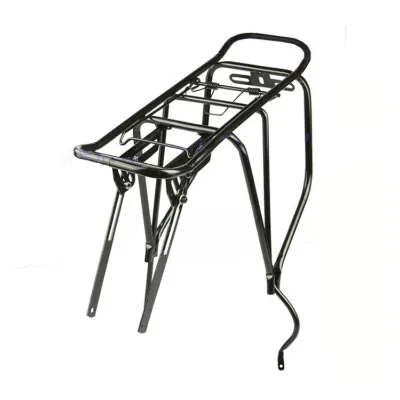


Comprehensive Sourcing Guide
Waterproof Mountain Bike Rear Rack Supplier Concentration and Factory Types
Listings for Waterproof Mountain Bike Rear Rack products in this supplier pool cluster among Chinese bicycle-parts exporters, with supplied location data pointing to Guangxi and Anhui. The Guangxi entry is a pure trading company whose main products cover bicycle forks, bicycle parts, e-bike parts, and both conventional and electric bicycle assembly, suggesting access to assembly-side channels rather than in-house rack fabrication. The Anhui entry combines trading company and manufacturer/factory labels, with a main-product list spanning frames, shocks, forks, wheelsets, kids' bicycles, mountain bikes, and complete electric bicycles. Buyers should treat rack supply from such firms as an accessory line alongside larger bike programs, not necessarily a dedicated rack factory.
Because this page's evidence shows only these two located entries out of a larger result set, do not assume the whole pool is concentrated in one province. The practical way to identify the true cluster is to filter displayed location fields, then check whether suppliers list racks as a main product or as a side category. Note also the supplier-type split: a trading company can aggregate output from several factories, while a factory-type listing offers direct production control. Your verification burden differs accordingly—traders require factory disclosure and audit evidence, whereas factory-type suppliers require capacity and machinery proof. Use the company-type label as the first sorting criterion before comparing any other attribute.
How to Verify Waterproof Mountain Bike Rear Rack Suppliers
Start with credentials actually displayed in the results rather than assumed. One supplier here carries only a Declaration of Conformity as its system certification, which is a self-declared compliance statement, not a third-party quality management audit. Another carries ISO 9001, ISO 14001, ISO 14000, and ISO 14064. Ask every shortlisted supplier to state which of these they genuinely hold, request certificate numbers, and confirm scope—ISO 9001 covering "bicycle accessories" is a different claim from a company-wide registration. Never treat a certification label on a listing page as proof; verify through the issuing body or an independent audit report.
Second, verify the manufacturing reality behind the listing. A supplier whose catalog is dominated by assembly services or complete bicycles may be reselling racks from an upstream metal shop. Request the actual fabrication method for waterproofing claims—welded seams, sealed fasteners, or coated steel—plus photos of the production floor. Third, test responsiveness under load: the observed response times in this pool differ sharply, with one supplier answering in about two hours and another averaging nearly twelve, and that gap will widen during production season. Finally, confirm the "waterproof" attribute itself against product evidence. The supplied listings describe materials such as aluminum, aluminum alloy, and steel with PP components, but none display an independent water-resistance test result, so demand the test report behind the claim before committing.
What to Compare Across Waterproof Mountain Bike Rear Rack Suppliers
Build a comparison grid from attributes the listings actually display, and mark gaps rather than guessing. Useful dimensions include lead time, minimum order quantity, response speed, location, company type, main products, and research-and-development capability labels. In this pool, one supplier shows a 45-day lead time and offers its own brand, OEM, and ODM; the other's lead-time field is effectively empty, which means you must ask rather than infer. MOQ evidence is likewise uneven—one listing shows a MOQ of 20 units while another shows 100—so normalize every quote to a per-unit price at your target volume before ranking suppliers.
Compare product-level data too, because the listings reveal real engineering differences. Load capacities on displayed rack products range from roughly 25 kg on an aluminum alloy tail rack up to claims of 100–150 kg on a quick-release aluminum rack, and materials span aluminum, aluminum alloy, and steel with PP. One product is listed for electric bike, city bike, and mountain bike applications; another lists bike and outdoor use. Also weigh ancillary signals: whether customization is marked available, whether packaging details (carton quantity, single-package dimensions, gross weight) are published, and whether warranty terms appear. A supplier that publishes 50×20×50 cm carton standards and 20-pieces-per-carton quantities is easier to plan freight for than one that omits all packaging data—treat missing data as a question, never as a favorable default.
Common Waterproof Mountain Bike Rear Rack Sourcing Risks
The most frequent risk is an unverifiable waterproof claim. As noted, the listings here describe aluminum, aluminum alloy, and steel-with-PP constructions, but none publishes an independent corrosion or water-ingress test. Buyers who accept the keyword at face value risk receiving racks that rust at weld points or trap water inside tubular members. Mitigate by requiring the substrate specification, surface treatment (for example, anodizing or powder coating), and any salt-spray test documentation before sampling, and by inspecting weld seams and hardware on first-article units yourself.
A second risk cluster involves mismatched specifications and logistics surprises. Displayed load ratings vary from about 25 kg to claims of 100–150 kg; shipping a touring-grade expectation against a 25 kg-rated rack produces warranty exposure, so pin the rating to a written test method. Weight discrepancies matter as well—listed single gross weights on comparable racks range from 0.5 kg to 14 kg in this pool, which signals either packaging differences or inconsistent data entry; confirm net versus gross on the proforma invoice. Finally, watch lead-time and MOQ asymmetry: a supplier quoting 45 days for production may not include transit or mold time for customized colors, and low advertised MOQs (as low as 20 units on one listing) sometimes apply only to existing black colorways, not to your specification. Get the MOQ restated in writing for your exact configuration.
Waterproof Mountain Bike Rear Rack Regional Sourcing and Logistics
The location evidence on this page names Guangxi and Anhui as supplier bases, and each carries different logistics implications. A Guangxi trading company sits in a southwest coastal-adjacent region with port access for consolidated container shipments, while an Anhui factory-trader sits within inland China's central manufacturing belt, typically routing through eastern seaboard ports. Do not generalize these two points into a national cluster map; instead, use displayed location fields across your full result set to see where rack production actually concentrates before planning factory visits. Buyers with no location data from a listing should ask for the registered address and the shipping port, which often differ.
Plan logistics around the packaging facts the listings do provide. Single-package sizes range from roughly 45×26×28 cm up to 60×50×38 cm, and carton standards of 50×20×50 cm with 20 pieces per carton appear on one product line—these figures let you compute container fill rates precisely. Also check whether racks ship flat, detachable, or assembled, since one listing markets a detachable, portable design; flat-pack racks cube out containers far more efficiently and cut damage claims. Confirm Incoterms, whether the supplier books freight or you do, and the weight per carton (values from 0.5 kg to 14 kg gross appear in this pool), because dimensional weight, not unit price, often decides the landed cost of bulky, low-density cargo like rear racks.
Waterproof Mountain Bike Rear Rack Commercial Terms and Order Planning
Anchor negotiations on the displayed price and MOQ evidence, then pressure-test it. Listing prices in this pool run from about USD 2.50–3.78 for a steel-and-PP basket-style rack, USD 3.30–4.15 for an aluminum alloy tail rack with mudguard, USD 3.50–4.20 for a quick-release aluminum rack at a MOQ of 20, USD 5.80–6.00 for a multi-application aluminum rack, and USD 10.00 flat at a MOQ of 100 for a customizable carrier. Treat these as listing-level anchors, not contract prices: confirm what finish, hardware, and reflector configuration each price includes, since accessories materially change cost.
Structure payment and milestones around verification risk. With one supplier's lead time shown as 45 days and the other's unspecified, ask for a production calendar with sample approval, mass production, and inspection dates, and consider escrow or platform-protected payment where offered so funds release against inspection evidence. Note which suppliers display customization capability—one Anhui entry marks customization available with own-brand, OEM, and ODM options—which affects tooling deposits and minimums. For warranty exposure, one listing states a one-year warranty while others are silent; demand warranty terms in the contract for every unit, not just where pre-printed. Finally, sequence orders: start with a pilot lot at the lowest confirmed MOQ, inspect waterproofing and load claims against written specs, then scale volumes with a re-quoted price tied to your verified specification.
FAQs
What is the price range for aluminum bike rear racks?
Prices for aluminum bike rear racks typically range from $2.50 to $10.00 per unit. The cost varies based on material thickness, load capacity, and customization options. Buyers can find budget-friendly steel options starting at $2.50 or premium aluminum models around $10.00. Always verify the final price with the supplier for bulk orders.
What is the minimum order quantity for these racks?
The minimum order quantity (MOQ) varies by supplier, with common thresholds of 20 units or 100 units. Some suppliers offer lower MOQs for standard items, while others require larger volumes for customization. Check the specific product listing to confirm the exact MOQ required for your order size and shipping needs.
How long does production take for these racks?
Production lead times depend on the supplier and order volume. Some manufacturers report lead times of 45 days for standard production runs. Others may have faster turnaround times for smaller quantities. Confirm the exact lead time with the supplier before placing an order to ensure timely delivery for your project.
What certifications do these suppliers hold?
Suppliers may hold various certifications such as ISO 9001, ISO 14001, or a Declaration of Conformity. These certifications indicate quality management and environmental standards. Verify the specific certifications required for your market and request valid documentation from the supplier to ensure compliance with local regulations and safety standards.
Where are these bicycle racks manufactured?
These racks are primarily manufactured in China, with production facilities located in regions like Guangxi, Chongqing, Guangdong, and Anhui. The specific location may affect shipping costs and lead times. Buyers should confirm the exact place of origin on the product listing to understand logistics and potential import duties.
What is the load capacity of these rear racks?
Load capacities vary, with many aluminum racks supporting 25kg to 100kg. Some models are rated for 150kg, while others may have lower limits. Always check the specific product specifications for the exact load capacity. Ensure the rack meets your needs for carrying gear, panniers, or cargo safely.