Waterproof Padded Self-Adhesive Bubble Mailer Suppliers and Manufacturers
Source 14 verified suppliers for Waterproof Padded Self-Adhesive Bubble Mailer. Compare ISO certifications, lead times, and MOQs from factories in China. Request samples to verify quality and pricing; review the available evidence before requesting comparable quotations from suitable candidates.
Suppliers List

Shenzhen Xunlan Technology Co., Ltd.
- Manufacturer/Factory
- China Guangdong
- Lead time15 days
- Avg. response≤ 2h
Main productsBubble Malier, Corrugated Padded Envelope, Padded Shipping Envelope, Honeycomb Paper Envelope, ESD Bag, Aluminum Foil Bags, Thermal & Insulation, Carton Box, Vacuum Pouch Bag, Conductive Bag
Main marketsSouth America,North America,Southeast Asia,Eastern Asia


Strong Self Adhesive Green Bubble Mailing Envelopes, Green Padded Poly Mailers Waterproof
$0.05 - $0.10
MOQ: 500 Pieces


8.5X12 Poly Bubble Mailers White Self Sealing Shipping Padded Envelopes
$0.04 - $0.60
MOQ: 5000 Pieces

6.5X10 Poly Bubble Mailers White Self Sealing Shipping Padded Envelopes
$0.07 - $0.60
MOQ: 5000 Pieces

Custom Printing Bubble Padded White Kraft Bubble Mailer for Postal Express
$0.04 - $0.60
MOQ: 5000 Pieces

JIANGMEN MST PACKAGING GROUP LIMITED
- Verified by TUVRHEINLAND
- Trading Company
- China Guangdong
- Lead time30 days
- Avg. response≤ 2h
Main productsPackaging Bag, Box Pouch, Kraft Paper Bag, Paper Bag, Coffee Bag, Plastic Bag, Compostable Bags, Recyclable Bags, Biodegradable Bags, Spout Pouch
Main marketsSouth America,Southeast Asia/ Mideast,Europe,Australia,North America


Waterproof Yellow Self Adhesive Shock Resistance Padded Envelop Bubble Mailer with Logo Printing
$0.03 - $0.12
MOQ: 10000 Pieces

Eco Friendly Bubble Mailer Custom Printed Envelope Air Padded Bubble Mailers
$0.05 - $0.08
MOQ: 10000 Pieces

Changzhou Kent Plastic Packaging Co., Ltd.
- Verified by BV
- Combined
- China Jiangsu
- Lead time23 days
- Avg. response≤ 5h
Main productsBubble Mailer, PE Packaging, PE Film, Paper Packaging, Vci Packaging, Thermal Insulated Packaging, PP Film, Pet Film, PVC Film, Air Column Bag/Film
Main marketsDomestic


Custom Logo Printed Air Padded Waterproof Shipping Envelope Bubble Mailers
$0.01 - $0.20
MOQ: 100 Pieces

Color Self Seal Postage Packaging Strong Adhesive Poly Mailer Bag Custom Bubble Mailer with Logo
$0.01 - $0.20
MOQ: 100 Pieces

Kraft Bubble Mailers Shipping Envelopes Bubble Mailers Self Sealing Padded Envelope
$0.01 - $0.20
MOQ: 100 Pieces


Suzhou Jinfeixin New Material Technology Co., Ltd.
- Verified by SGS
- Combined
- China Jiangsu
- Lead time15 days
- Avg. response≤ 1h
Main productsThermal Insulation Bag, Poly Bubble Mailer, Kraft Paper Bag, Air Cushion Bag
Main marketsEast Asia(Japan/ South Korea)

Custom Self-Adhesive Padded Shipping Poly Bubble Packaging Envelope For Secure Mailing
$0.05 - $0.20
MOQ: 5000 Pieces


Qingzhou Glory Packaging Material Co., Ltd.
- Verified by BV
- Trading Company
- China Shandong
- Lead time30 days
- Avg. response≤ 9h
Main productsAluminium Foil Paper, PE Coated Paper/Printing Paper, Food Packaging Bag, Paper Shopping Bag, Non Woven Bag, Plastic Shopping Bag, Other Packaging Bags
Main marketsAustralia
Chongqing Hongli Packaging Technology Co., Ltd.
- Verified by SGS Group
- Manufacturer, Trading Company
- Lead time25 days
Main productsTrash Bag, Biodegradable Plastic Bags, Shopping Bag, Courier Bag, kraft Paper Bags
Main marketsDomestic Market(59%), Southeast Asia(10%), North America(8%)

WEIFANG DEFU NEW MATERIAL COMPANY LIMITED
- Verified by TUVRHEINLAND
- Combined
- China Shandong
- Lead time15 days
- Avg. response≤ 10h
Main productsPlastic Bags
Main marketsSouth America

Yellow Self Adhesive Shock Resistance Padded Envelop Bubble Mailer with Logo Printing
$0.20 - $0.30
MOQ: 50000 Pieces


Jiangsu Boduo New Material Technology Co., Ltd.
- Verified by SGS Group
- Manufacturer, Trading Company
- Lead time10 days
Main productsKraft Paper Bag/Paper Box/Kraft Paper Bowl/Paper Board/Printing Services, Paperboard
Main marketsDomestic Market(60%), Western Europe(15%), Southeast Asia(10%)

Hangzhou Essente Import and Export Trading Co., Ltd.
- Verified by SGS
- Trading Company
- China Zhejiang
- Lead time15 days
- Avg. response≤ 10h
Main productsPacking Tape, Super Clear Tape, BOPP Stationery Tape, Tape Dispenser, Double-Sided Adhesive Tape, Kraft Paper Tape, Masking Tape, Sided Foam Tape, Waterproof Tape, Customizable Tape
Main marketsSoutheast Asia/ Mideast


Factory Direct Multi-Color Pearl Bubble Mailers Thickened Waterproof Shockproof Wholesale
$0.01 - $0.25
MOQ: 100 Pieces

The Ultimate Bubble Mailer Companion - Clear Perforated Bubble Cushioning Roll for Moving
$0.00 - $0.52
MOQ: 500 Pieces

Lightweight Bubble Mailers - Reduce Shipping Costs with Padded Protection
$0.01 - $0.25
MOQ: 100 Pieces

Factory Wholesale Bubble Mailers Thickened Waterproof Shockproof Multi-Color Clothing Packaging
$0.01 - $0.25
MOQ: 100 Pieces
Henan Zhongzheng Trade Co., Ltd.
- Trading Company
- Henan, China
- Lead time10 days
- Avg. response≤ 3h
Main productspu conductive film,pe conductive film,ESD film,plastic bag,plastic film
Main marketsNorth America(10.00%), Northern Europe(5.00%), Central America(5.00%), Western Europe(5.00%), Eastern Europe(5.00%), South America(5.00%)
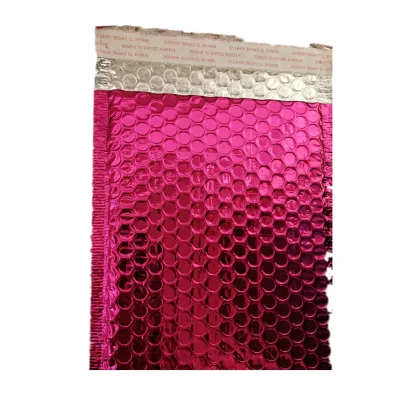
High Quality Printed Bubble Mailers Waterproof Durable Self-Sealing for Safe Deliveries
$0.03 - $0.20
MOQ: 100 Minimum
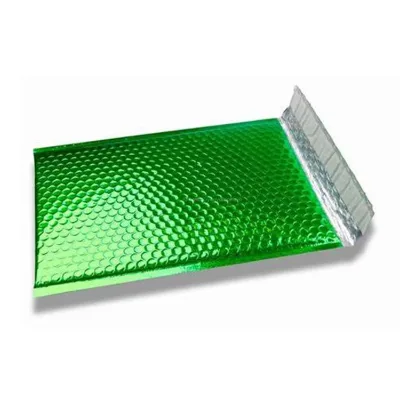
bubble mailer large envelope or package,mailers bubble red big bubble mailer
$0.03 - $0.20
MOQ: 100 Minimum

reusable waterproof delivery mailer colorful metallic aluminum foil air bubble bag mailer
$0.03 - $0.20
MOQ: 100 Minimum
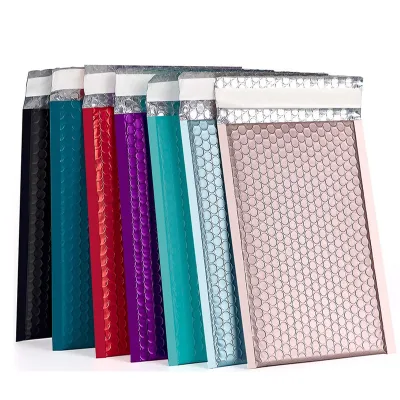
Black Bubble Mailers Black Padded Envelopes Shiny Metallic Bubble Mialer
$0.03 - $0.20
MOQ: 100 Minimum


Qingdao Xinqier Industry And Trade Co., Ltd
- Manufacturer, Trading Company
- Shandong, China
- Lead time10 days
- Avg. response≤ 6h
Main productsBUBBLE CUSHION WRAP,EPE FOAM,BUBBLE MAILER,BUBBLE BAG,EPE BAG
Main marketsDomestic Market(30.00%), North America(20.00%), South America(10.00%), Southern Europe(10.00%), Eastern Europe(10.00%), Africa(5.00%), Western Europe(5.00%), Oceania(5.00%), Southeast Asia(5.00%)

Qingdao Kunpeng Plastic Products Co., Ltd.
- Verified by BV
- Combined
- China Shandong
- Lead time23 days
- Avg. response≤ 4h
Main productsBiodegradable T-Shirt Bag, Biodegradable Bags on Rolls, BOPP Bag, PVC Bag, Plastic Bag, String Bag, Kraft Paper Stand-up Bag, Composite Color Printed Bags, Aluminized Bag, Express Bag
Main marketsEast Asia(Japan/ South Korea),Domestic

Eco-Friendly Waterproof Poly Bubble Mailers for Sustainable Shipping Solutions
$0.01 - $0.50
MOQ: 10000 Pieces


Huizhou Honglida New Material Co., Ltd.
- Manufacturer
- Guangdong, China
- Lead time7 days
- Avg. response≤ 2h
Main productsMetallic Bubble Mailer,Kraft Bubble Mailer,Bubble Wrap Roll,Poly Bubble Mailer,Metalic foil Bubble Envelope
Main marketsDomestic Market(25.00%), South America(18.00%), North America(17.00%), Eastern Europe(15.00%), Southern Europe(10.00%), Southeast Asia(5.00%), Oceania(5.00%), Western Europe(5.00%)

Quanzhou Hotly Supply Chain Management Co., Ltd.
- Verified by SGS
- Combined
- China Fujian
- Lead time30 days
- Avg. response≤ 2h
Main productsNonwoven Shopping Bags, Eco Bags, Non Woven Bags, Woven Bags, Nonwoven Tete Bag, Nonwoven Tote Bags, Mailer Box, Mailing Bags, T-Shirt Bags, Carry Bags
Main marketsSoutheast Asia/ Mideast,North America

$0.05 - $0.15
MOQ: 10000 Pieces

$0.05 - $0.15
MOQ: 10000 Pieces



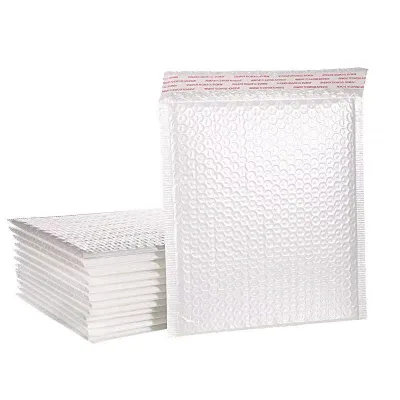


Comprehensive Sourcing Guide
Waterproof Padded Self-Adhesive Bubble Mailer Supplier Concentration and Factory Types
The sourcing landscape for Waterproof Padded Self-Adhesive Bubble Mailer reveals a distinct concentration of manufacturing capabilities within specific industrial regions, most notably in China’s Guangdong province. This area hosts a significant density of manufacturers and factories that specialize in producing these logistics packaging solutions, leveraging established supply chains for raw materials like polyethylene and low-density polyethylene. Buyers evaluating this market will find that the majority of verified entities in this cluster operate as direct manufacturers or factories, which often allows for greater control over production quality and customization options compared to trading entities. The presence of these factories is not random; it is driven by the proximity to plastic resin suppliers and the mature infrastructure for converting films into padded envelopes. When assessing potential partners, it is crucial to distinguish between pure manufacturing facilities and trading companies that may aggregate products from multiple sources. While trading companies can offer a broader variety of packaging types, such as compostable bags or spout pouches, the core competency for high-volume, custom-printed bubble mailers often resides with the factories that own the extrusion and lamination machinery. Understanding this distinction helps buyers align their procurement strategy with their need for either specialized manufacturing expertise or diversified product portfolios.
Beyond the Guangdong cluster, other regions such as Jiangsu also contribute to the supply of these items, though the supplier types may vary. In these areas, you might encounter combined entities that blend manufacturing with trading functions, offering a hybrid approach to sourcing. These combined suppliers often hold certifications like ISO9001:2015 and undergo third-party verifications from bodies such as Bureau Veritas, which adds a layer of trust regarding their operational standards. However, the specific focus of these suppliers can differ; some may prioritize general PE packaging and films, while others specialize in thermal insulated or VCI packaging alongside bubble mailers. For buyers seeking Waterproof Padded Self-Adhesive Bubble Mailer, it is essential to verify the actual production capacity and equipment of the supplier, regardless of their stated company type. A trading company might claim to source these items, but without direct factory access, lead times and quality consistency can be harder to guarantee. Therefore, when reviewing supplier profiles, look for explicit mentions of OEM and ODM capabilities, as these indicate a direct involvement in the design and production process. This verification step ensures that you are engaging with entities that have the technical know-how to handle custom sizes, colors, and printing requirements effectively, rather than simply reselling standard off-the-shelf products.
How to Verify Waterproof Padded Self-Adhesive Bubble Mailer Suppliers
Verifying the legitimacy and capability of suppliers for Waterproof Padded Self-Adhesive Bubble Mailer requires a multi-layered approach that goes beyond simple profile reviews. One of the most critical steps is to check for third-party verification badges, such as those from TÜV Rheinland or Bureau Veritas, which indicate that an independent auditor has inspected the supplier’s business license and operational premises. These verifications provide a baseline of trust, confirming that the entity exists and operates as claimed. However, verification alone does not guarantee product quality or production reliability. Buyers must also scrutinize the supplier’s system certifications, such as ISO 9001 for quality management or ISO 14001 for environmental management. While some suppliers may list certifications like RoHS or SGS for specific products, it is important to distinguish between product-level test reports and overarching system certifications. A supplier claiming ISO 9001 should be able to provide a valid certificate number and expiry date, which can be cross-referenced with the issuing body. Additionally, look for evidence of specific product certifications, such as BRC or FSC, which may be relevant depending on your end-market requirements, particularly if you are sourcing eco-friendly or food-safe packaging variants. These certifications serve as tangible proof of the supplier’s commitment to maintaining consistent quality standards and regulatory compliance.
Another vital aspect of verification is assessing the supplier’s responsiveness and transparency in communication. The response time metric, often displayed as an average in hours, can serve as an indicator of the supplier’s operational efficiency and customer service dedication. A response time of around 1.5 hours suggests a highly active sales team, which is beneficial for resolving queries quickly and negotiating terms. However, speed should not be the only metric; the quality of the response is equally important. Buyers should initiate contact with specific questions about customization options, material composition, and testing procedures to gauge the depth of the supplier’s knowledge. For instance, ask about the specific layers of the bubble mailer, the type of adhesive used for the self-sealing feature, and the waterproof rating of the material. Suppliers who provide detailed, technical answers are more likely to be genuine manufacturers or experienced traders with strong factory relationships. Furthermore, request samples before placing any bulk order. Most reputable suppliers offer samples, sometimes even free existing samples, to allow buyers to evaluate the product’s physical attributes, such as the thickness of the bubble layer, the strength of the self-adhesive strip, and the clarity of any custom printing. This hands-on verification is the most reliable way to ensure that the supplier can meet your specific quality expectations before committing to a larger purchase.
What to Compare Across Waterproof Padded Self-Adhesive Bubble Mailer Suppliers
When evaluating multiple suppliers for Waterproof Padded Self-Adhesive Bubble Mailer, it is essential to establish a comprehensive comparison matrix that covers key operational and commercial dimensions. One of the primary factors to compare is the minimum order quantity (MOQ), which can vary significantly across different suppliers. Some manufacturers may require an MOQ of 5,000 pieces, which is typical for custom printing jobs to justify the setup costs of gravure printing plates. In contrast, other suppliers might offer lower MOQs, such as 500 or 1,000 pieces, which can be advantageous for testing the market or fulfilling smaller, urgent orders. Understanding these MOQ differences helps buyers align their procurement volumes with their inventory needs and cash flow constraints. Additionally, compare the lead times for production, which can range from 5 to 25 days depending on the order size and customization complexity. Suppliers with shorter lead times, such as 7-20 days, may be better suited for businesses with tight delivery schedules, while those with longer lead times might offer more competitive pricing for bulk orders. It is also crucial to compare the available customization options, including the number of colors allowed for printing, the range of available sizes, and the ability to incorporate specific features like anti-static properties or biodegradable materials.
Price is another critical dimension for comparison, but it should be analyzed in the context of the total cost of ownership rather than just the unit price. The price range for these mailers can vary from as low as $0.03 to over $0.60 per piece, depending on the material quality, thickness, and printing complexity. Buyers should request detailed quotations that break down the costs for the base material, printing, and any additional features. It is also important to compare the payment terms and price terms, such as FOB or CIF, which affect the final landed cost. Suppliers offering FOB Jiangmen, for example, may have different logistical implications compared to those offering other Incoterms. Furthermore, compare the supplier’s main product focus to ensure alignment with your broader packaging needs. Some suppliers specialize exclusively in bubble mailers and related logistics packaging, while others offer a wider range of products, including kraft paper bags, compostable bags, and spout pouches. If you have diverse packaging requirements, a supplier with a broader product portfolio might offer convenience and potential volume discounts. However, if your primary need is high-quality, specialized bubble mailers, a supplier with a focused product line may provide better expertise and consistency. By systematically comparing these factors, buyers can identify the supplier that offers the best balance of cost, quality, and service for their specific business needs.
Common Waterproof Padded Self-Adhesive Bubble Mailer Sourcing Risks
Sourcing Waterproof Padded Self-Adhesive Bubble Mailer from international suppliers introduces several risks that buyers must proactively manage to ensure a smooth procurement process. One of the most significant risks is the discrepancy between the quoted lead time and the actual delivery date. Suppliers may advertise lead times of 5-25 days, but this can be extended due to raw material shortages, production bottlenecks, or unexpected delays in quality control. If your business relies on just-in-time inventory or has strict delivery deadlines to end customers, failing to account for potential delays can result in stockouts and lost sales. To mitigate this risk, buyers should establish clear communication channels and request regular production updates. It is also advisable to include penalty clauses in the contract for late deliveries, although this may be difficult to enforce across different legal jurisdictions. Another common risk is the inconsistency in product quality, particularly when dealing with custom printing. Variations in color matching, adhesive strength, or bubble density can occur between production batches, especially if the supplier lacks robust quality control processes. Buyers should specify detailed technical specifications in the purchase order and request pre-shipment inspections to verify that the products meet these standards.
A further risk involves the authenticity of certifications and compliance with international standards. While suppliers may claim to have ISO 9001 or RoHS certifications, these documents can be forged or outdated. Buyers must verify these certifications through the issuing bodies or request recent test reports from accredited laboratories. This is particularly important if you are selling your products in regulated markets that require specific environmental or safety standards. Additionally, there is a risk associated with intellectual property infringement, especially when custom printing logos or designs. Ensure that the supplier has the necessary rights to use any provided artwork and that they do not share your designs with competitors. Finally, logistical risks, such as damage during transit or customs delays, can impact the availability of the products. Using reliable freight forwarders and ensuring proper packaging, such as cartons and pallets, can help minimize these risks. By identifying and addressing these potential pitfalls early in the sourcing process, buyers can protect their business interests and maintain a reliable supply chain for their Waterproof Padded Self-Adhesive Bubble Mailer needs.
Waterproof Padded Self-Adhesive Bubble Mailer Regional Sourcing and Logistics
The regional location of suppliers plays a crucial role in determining the logistics strategy and overall cost structure for sourcing Waterproof Padded Self-Adhesive Bubble Mailer. Most manufacturers are concentrated in China’s Guangdong province, a major hub for packaging and printing industries. This concentration offers buyers access to a dense network of suppliers, raw material providers, and logistics services, which can streamline the sourcing process. However, it also means that competition for factory slots and shipping space can be high, particularly during peak seasons. Buyers sourcing from Guangdong should consider the proximity to major ports like Shenzhen or Guangzhou, which can facilitate faster and more cost-effective shipping options. Additionally, the local infrastructure for handling large volumes of goods is well-developed, reducing the risk of logistical bottlenecks. For buyers located in Europe or North America, shipping from Guangdong typically involves ocean freight, which is cost-effective for bulk orders but requires careful planning to manage lead times. It is advisable to book shipping space well in advance and to work with freight forwarders who have experience in handling packaging materials to ensure proper stowage and protection during transit.
Alternatively, some suppliers are located in other regions, such as Jiangsu, which may offer different logistical advantages depending on the buyer’s location. Suppliers in Jiangsu might be closer to certain international shipping routes or have partnerships with different logistics providers, potentially offering alternative shipping options. When evaluating regional sourcing, buyers should also consider the impact of tariffs and trade policies on the final cost of the products. Different regions may have varying trade agreements that affect import duties, which can significantly impact the landed cost. Furthermore, the environmental regulations in the supplier’s region can influence the production methods and materials used,
FAQs
What is the typical lead time for custom bubble mailers?
Manufacturers generally require 7 to 25 days to produce custom orders. This range depends on the specific quantity ordered and the complexity of the customization. Some suppliers offer faster turnaround times for standard sizes, while others may need up to 30 days for larger production runs or complex printing requirements.
What is the minimum order quantity for these mailers?
The minimum order quantity typically starts at 500 pieces for certain standard items. However, most custom printed options require a minimum of 5,000 units. Some suppliers may accept orders as low as 1,000 pieces, but higher volumes usually secure better pricing and production priority.
Are samples available before placing a bulk order?
Yes, samples are generally available for quality verification. Some suppliers provide existing samples for free, while others may charge a fee. Buyers should confirm sample availability and costs with the supplier directly to ensure the material and print quality meet their specific shipping requirements.
What certifications do these packaging suppliers hold?
Many suppliers hold ISO 9001 and ISO 14001 certifications for quality and environmental management. Product-specific certifications often include RoHS and SGS. Some manufacturers also possess BRC certification. Buyers should verify specific certificates relevant to their market regulations before finalizing the procurement agreement.
What materials are used for waterproof padded mailers?
Common materials include Polyethylene and Low-Density Polyethylene for waterproof protection. Kraft paper variants combine paper with LDPE for durability. Some eco-friendly options use biodegradable or compostable materials. The inner padding usually consists of bubble wrap for shock resistance during transit.
What is the price range for these mailers?
Prices typically range from $0.03 to $0.60 per unit. The cost varies based on size, material thickness, and customization options like printing. Higher minimum order quantities generally result in lower per-unit prices. Buyers should request quotes based on their specific volume and design requirements.