Double Braided Dock Line Suppliers and Manufacturers
Source 17 verified Double Braided Dock Line suppliers in China Shandong. Compare ISO certifications, lead times, MOQs, and response rates to identify suitable partners. Request quotes directly to evaluate pricing and customization options; review the available evidence before requesting comparable quotations from suitable candidates.
Suppliers List

Shandong Rope Technology Co., Ltd.
- Combined
- China Shandong
- Lead time30 days
- Avg. response≤ 10h
Main productsRope
Main marketsSoutheast Asia/ Mideast,Europe,North America

- Verified by SGS
- Manufacturer
- China Shandong
- Lead time15 days
- Avg. response≤ 3h


Double Braided Rope Nylon Polyester Double Braided Dock Line for Boat Marine Rope
$0.09 - $0.59
MOQ: 10000 Yards

Double Braided Nylon Rope Polyester Rope Dock Line for Boat Marine Rope
$0.09 - $0.59
MOQ: 10000 Yards


Nylon Rope Polyester Rope Construction Double Braided Rope Mooring Rope Dock Line
$0.09 - $0.59
MOQ: 10000 Yards

PE Braided Rope Hollow Rope Yacht Ropes Ski Rope Anchor Line Marine/Boating Hollow-Braided Dock Line
$0.01 - $0.05
MOQ: 1000 Yards
Shandong Hitech New Material Co., Ltd.
- Verified by Intertek
- Manufacturer, Trading Company
- Lead time30 days
Main productsBraided Rope, Twisted Rope, Twine
Main marketsNorth America(15%), Western Europe(14%), Northern Europe(12%)

Shandong Yunbian Import and Export Co., Ltd.
- Verified by TUVRHEINLAND
- Combined
- China Shandong
- Lead time15 days
- Avg. response≤ 5h
Main productsClimbing Rope, Pet Safety Rope, Water Rescue Safety Rope, Nylon Rope, Braided Rope, Traction Rope, Fall Protection Safety Belt, Climbing Safety Belt, Industrial Safety Belt, Packing Rope
Main marketsSouth America

Qingdao Able Cordage Co., Ltd.
- Verified by BV
- Manufacturer/Factory
- China Shandong
- Lead time23 days
- Avg. response≤ 10h
Main productsRope and Net, Anti-Bird Net, Nylon Rope, UHMWPE Rope, 8 Strand Rope, Shade Net, Double Braid Rope, Polyester Rope, Polysteel Rope, Polydac Rope
Main marketsSouth America,Eastern Europe,Mid East,North America,Southeast Asia,Oceania,Africa


Sailing Yacht Rope Nylon Braided Dock Line Halyard Rope Double Braided Mooring Lines
$2.10 - $2.40
MOQ: 100 kg

Shandong Santong Rope Co., Ltd.
- Manufacturer, Trading Company
- Lead time旺季: "1 - 100":3,"101 - 1000":8,"1001 - 5000":15,"> 5000":"To be negotiated", 淡季: "1 - 100":3,"101 - 1000":8,"1001 - 5000":15,"> 5000":"To be negotiated"
- Avg. response≤ 5h
Main productsDock Line, Sailing Rope, Twist Rope, Braided Rope, Tow Rope

ZHEJIANG HAILUN ROPE AND NET CO., LTD.
- Combined
- China Zhejiang
- Lead time30 days
- Avg. response≤ 4h
Main productsMooring Rope, Hmpe Rope, Polyester Rope, Nylon Rope, Twisted Rope, PP Rope, Mixed Rope, Fishing Rope, Braided Rope, PE Rope
Main marketsSoutheast Asia/ Mideast,North America


Red Made 3/4 Inch 25 FT Double Braid Nylon Dockline Dock Line Mooring Rope Double Braided Dock Line
$1.40 - $1.70
MOQ: 1 Rolls


Baoying Yiliyuan Rope and Net Co., Ltd.
- Verified by SGS
- Combined
- China Jiangsu
- Lead time15 days
- Avg. response≤ 23h
Main productsRope, Mooring Rope, PP Rope, Nylon Rope, Climbing Rope, Battle Rope, Cotton Rope, Net, Safety Net, Cargo Net
Main marketsSouth America,Africa,Southeast Asia/ Mideast,East Asia(Japan/ South Korea),Domestic,Europe,Australia,North America

Yangzhou Shenlong Rope Co., Ltd.
- Verified by SGS
- Combined
- China Jiangsu
- Lead time15 days
- Avg. response≤ 4h
Main marketsDomestic


$0.50 - $10.00
MOQ: 100 Meters


- Verified by SGS
- Trading Company
- China Zhejiang
- Lead time15 days
- Avg. response≤ 13h
Main productsTents, BBQ Grill, Folding Table and Chair, Cooler Bag, Outdoor Lamp, Beach Mat, Picnic Blanket, Sleeping Bag, Water Bottle, Hammock
Main marketsEurope,Australia


4 Pack Dock Lines Marine-Grade Double-Braided Nylon Dock Performance Boat Rope
$0.50 - $0.70
MOQ: 1500 Pieces

Double Braided Nylon Dock Line Professional Hi-Performance Marine Mooring Boat Rope
$2.83 - $2.85
MOQ: 350 Pieces
Zhejiang Hailun Rope And Net Co., Ltd.
- Manufacturer
- Zhejiang, China
- Lead time45 days
- Avg. response≤ 4h
Main productsPP rope,PE rope,nylon rope,PP&polyester mixed rope,braided steel rope
Main marketsDomestic Market(30.0%), Western Europe(25.0%), Southeast Asia(15.0%), Africa(12.0%), South America(8.0%), North America(5.0%), Oceania(5.0%)
Sichuan AIDIAO Industry and Trade Limited Company
- Verified by Intertek
- Manufacturer, Trading Company
- Lead time15 days
- Avg. response≤ 3h
Main productsWater Ski Rope, Off Road Rope, 3 Strands Rope, Nylon Rope, Inflatable Products
Main marketsNorth America(40%), South America(10%), Eastern Europe(10%)
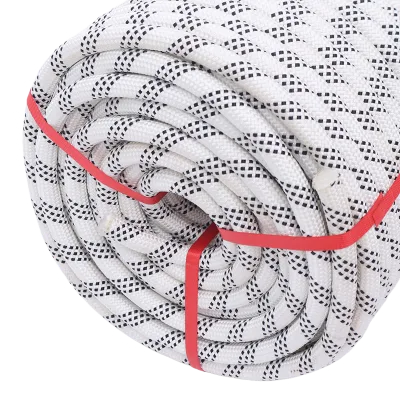
$1.25 - $1.33
MOQ: 1000 kilograms
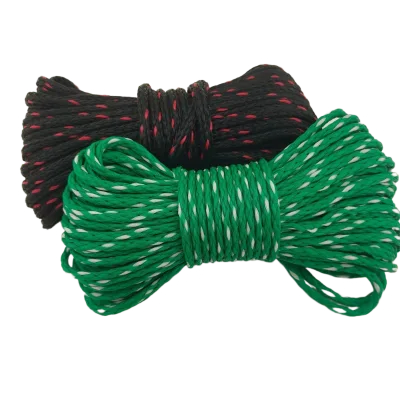
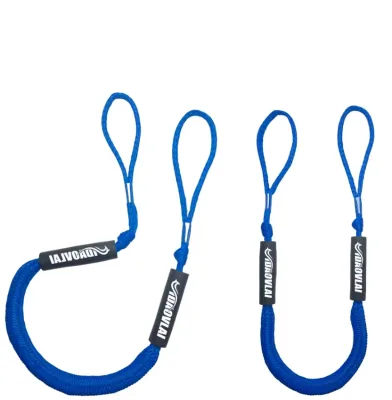

Zhenjiang Matchau Marine Equipment Co., Ltd.
- Verified by TUVRHEINLAND
- Trading Company,Manufacturer/Factory,Group Corporation
- China Jiangsu
- Lead time23 days
- Avg. response≤ 4h
Main productsWater Weight Bag, Life Boat, Life Raft, Life Jacket, Rescue Boat, Single Arm Davit, Davit, Crane, Rubber Fender, Anchor Chain
Main marketsSouth America,Eastern Europe,Mid East,North America,Southeast Asia,Eastern Asia,Oceania,Western Europe,Africa
- Verified by SGS Group
- Trading Company
- Lead time7 days
- Avg. response≤ 1h
Main productsShip Ropes, Packaging Ropes, Towing Ropes, Playground Ropes
Main marketsNorth America(30%), South America(25%), Oceania(22%)

Jiangsu Xiangchuan Rope Technology Co., Ltd.
- Verified by TUVRHEINLAND
- Combined
- China Jiangsu
- Lead time15 days
- Avg. response≤ 12h
Main productsMooring Rope, Nylon Rope, Polypropylene Rope, Polyester Rope, Polyethylene Rope, Marine Rope, Hawser, UHMWPE Rope, PP Rope, PE Rope
Main marketsSoutheast Asia/ Mideast

Qingdao Huakai Ocean Science and Technology Co., Ltd.
- Verified by TUVRHEINLAND
- Manufacturer/Factory
- China Shandong
- Lead time23 days
- Avg. response≤ 4h
Main productsStatic Rope, Dynamic Rope, Climbing Rope, Recovery Rope, Winch Rope, UHMWPE Rope, Sailing Rope, Fast Rope, Rescue Paracord, Hunting Rope
Main marketsSouth America,Eastern Europe,Mid East,North America,Southeast Asia,Eastern Asia,Oceania,Western Europe


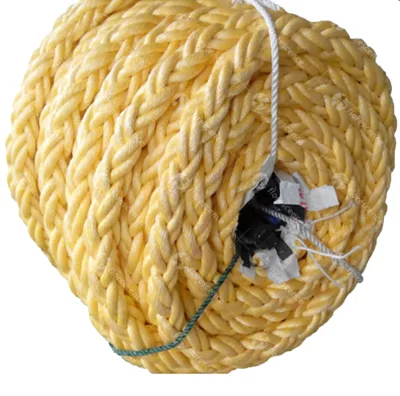
8 Strand Polyester Mooring Line, Marine Dock Mooring Rope for Ship, Boat, Offshore Platform
$38.00 - $45.00
MOQ: 5 Pieces

Jiangsu Yasheng Rope Co., Ltd.
- Verified by BV
- Combined
- China Jiangsu
- Lead time15 days
- Avg. response≤ 2h
Main productsMooring Rope, Hawser, Marine Rope, PP Rope, UHMWPE Rope, PP&Pet Mixed Rope, Polyester Rope, Nylon Rope, Sisal Rope
Main marketsSouth America,Southeast Asia/ Mideast,East Asia(Japan/ South Korea),Domestic,Europe

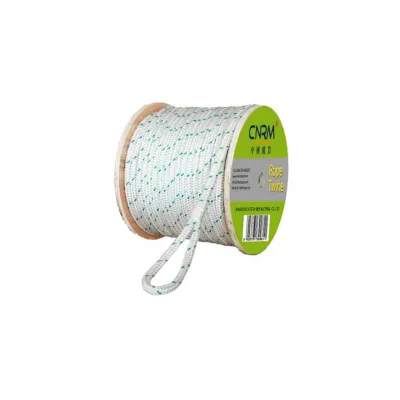
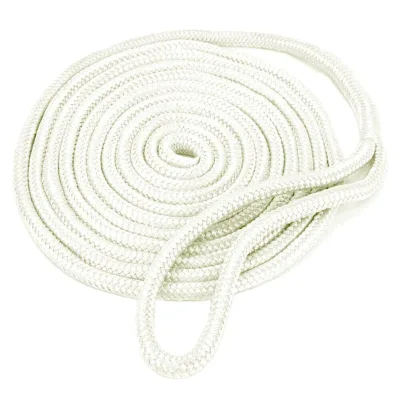
Splicing Braided Dock Lines with Eye Splicing Used of Mooring/Marine China Wholesale Buy
$0.45 - $3.00
MOQ: 50 Meters


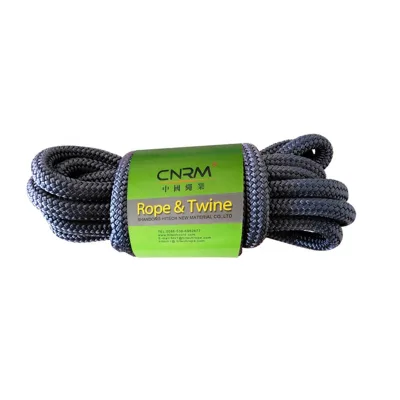
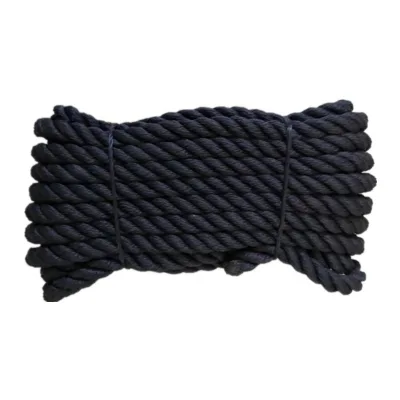
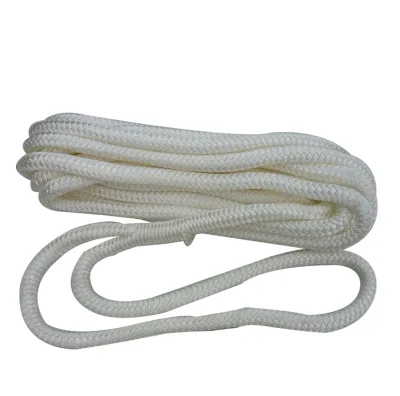
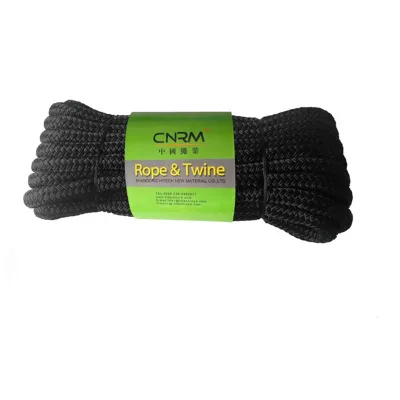
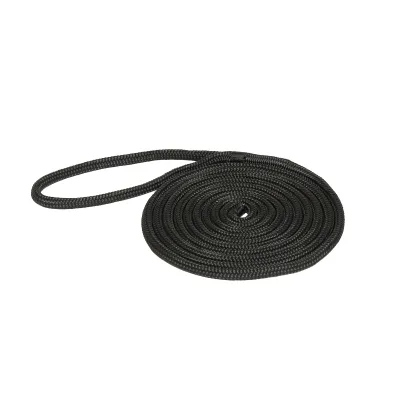


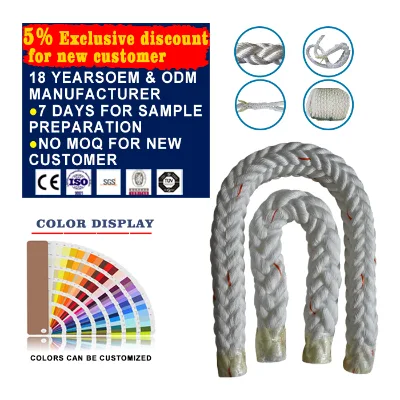
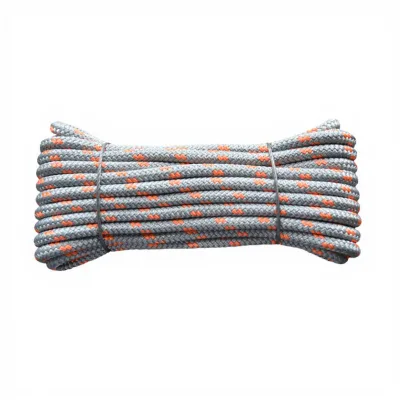
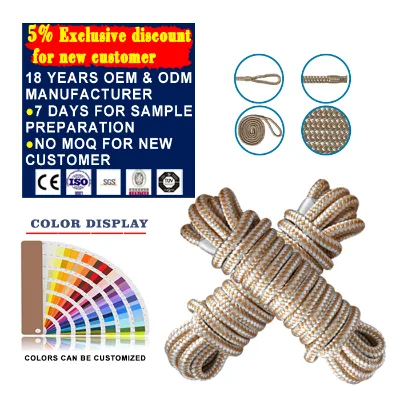






Comprehensive Sourcing Guide
Double Braided Dock Line Supplier Concentration and Factory Types
Current data indicates a concentration of manufacturing activity in China, specifically within the Shandong province, where suppliers offer combined operational models alongside dedicated factory types. This regional clustering suggests a specialized ecosystem for rope production, though buyers must verify if specific facilities are manufacturers or trading entities before committing to large orders. The available evidence shows a mix of company types, including combined entities that may handle both production and sales, as well as pure manufacturers capable of offering direct factory pricing. Understanding this distinction is critical because combined suppliers might have different capacity constraints compared to those with dedicated production lines.
Buyers should investigate the specific operational structure of each potential partner to ensure alignment with their volume and customization needs. Some suppliers in this region list capabilities such as OEM and ODM services, indicating flexibility for branded orders, while others may focus strictly on standard inventory. The presence of an own brand alongside contract manufacturing suggests a mature supply chain capable of handling diverse client requirements. However, without explicit confirmation of a supplier's primary function, buyers should not assume a facility is a direct manufacturer simply because it lists production capabilities. Verifying the actual factory type remains a necessary step to confirm lead times and quality control protocols specific to the production environment.
How to Verify Double Braided Dock Line Suppliers
Verification processes for Double Braided Dock Line suppliers should prioritize checking for recognized system certifications and third-party audit results. Evidence shows that some suppliers hold ISO9001:2015, ISO14001:2015, and ISO45001:2016 certificates, which indicate a commitment to quality, environmental, and safety management standards. Additionally, product-specific certifications such as CCS, ABS, GL, DNV, LR, GS, and CE are listed for certain nylon and polyester rope models, suggesting compliance with maritime and industrial safety requirements. Buyers must request current copies of these documents to confirm validity, as the presence of a certificate name does not guarantee active status or scope coverage for the specific product being sourced.
Beyond documentation, buyers should assess the supplier's verification status and response metrics to gauge reliability. Some suppliers display verification badges from agencies like SGS, which adds a layer of trust regarding their business legitimacy. Response times vary significantly across the market, with some suppliers showing a response time of 2.20 hours while others take nearly 10 hours, indicating differences in customer service capacity. A faster response time often correlates with better communication channels and more active account management. Buyers should also check if the supplier offers escrow services to protect payments, ensuring that funds are only released upon satisfactory delivery of the dock lines.
What to Compare Across Double Braided Dock Line Suppliers
When evaluating suppliers, buyers must compare key operational metrics such as lead times, minimum order quantities, and pricing structures to find the best fit for their project. Lead times in the current market range from 15 days to 30 days, with some suppliers offering expedited production capabilities. Minimum order quantities also vary widely, with some suppliers requiring as few as 200 units while others demand 10,000 units or more. This variation allows buyers to select partners based on their inventory strategy, whether they need small batch testing or large-scale stocking. Pricing per unit can differ substantially, with ranges observed from $0.09 to $5.85 depending on material, size, and certification requirements.
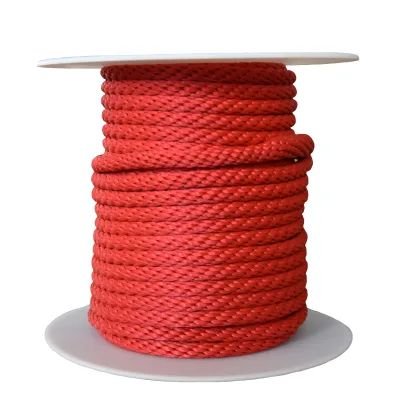
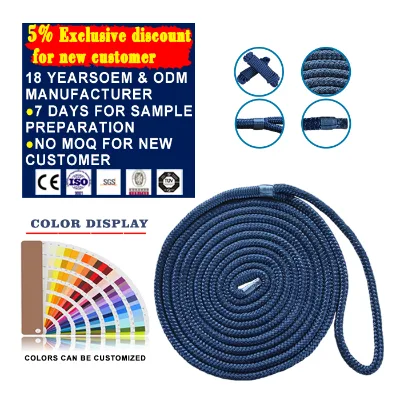
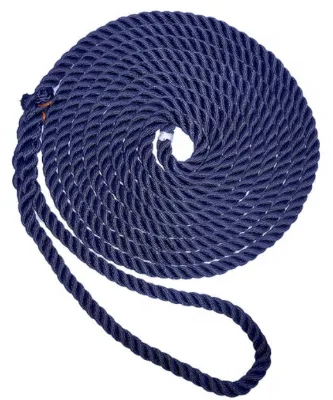
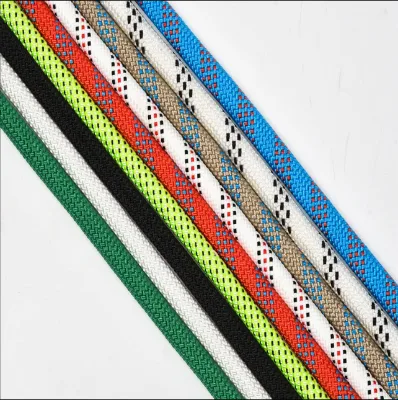
Buyers should also compare product specifications and customization options to ensure the dock lines meet technical requirements. Available materials include nylon and polyester, with options for double braided, twisted, or braided rope constructions. Customization is frequently available for color, length, and packaging, with options ranging from export cartons to coils, reels, or hanks. Some suppliers offer specific model numbers and standard sizes like 3/8" to 5/8" or 10mm to 18mm, while others allow fully custom dimensions. Comparing these attributes helps buyers identify suppliers who can deliver the exact performance characteristics needed for marine, outdoor, or security applications without requiring extensive re-engineering or compromise.
Common Double Braided Dock Line Sourcing Risks
One significant risk in sourcing double braided dock lines involves the discrepancy between claimed certifications and actual product compliance. While some listings mention extensive certifications like CCS, ABS, and DNV, buyers must verify that these apply to the specific model and material being ordered, as certifications can be generic or outdated. Relying solely on product descriptions without requesting test reports or third-party verification can lead to receiving non-compliant goods that fail maritime safety inspections. This risk is particularly acute when dealing with suppliers who list multiple certifications but lack a clear link between the certificate and the specific product batch.
Another risk relates to capacity constraints and the ability to fulfill large orders within the promised timeframe. Suppliers with high minimum order quantities, such as 10,000 units, may have longer lead times or limited production slots, potentially delaying project timelines. Conversely, suppliers with low MOQs might lack the infrastructure to handle sudden volume spikes or complex customization requests. Buyers should also be wary of inconsistent response times, as a slow initial reply can indicate poor communication channels that may worsen during production issues. Ensuring that the supplier has the necessary capacity and a proven track record of meeting deadlines is essential to mitigate these operational risks.
Double Braided Dock Line Regional Sourcing and Logistics
Sourcing from the identified region in China, specifically Shandong, offers logistical advantages due to established manufacturing clusters and port access. However, buyers must confirm the specific origin of the goods, as some listings may indicate China generally without specifying the province, which can impact shipping costs and transit times. The concentration of suppliers in this area suggests a mature logistics network, but buyers should verify if the supplier handles export packaging and documentation efficiently to avoid delays at customs. Understanding the specific location helps in calculating accurate freight costs and estimating delivery windows for international shipments.
Logistics planning should also account for the packaging methods used by different suppliers, as this affects shipping volume and product protection. Options include export cartons, spools, bundles, coils, or reels, each with different implications for container loading and handling. Some suppliers offer customized packaging, which can optimize space but may require additional coordination. Buyers should ensure that the packaging meets the requirements for long-distance transport, especially for marine applications where exposure to saltwater and humidity is a concern. Verifying the packing standard and origin details before finalizing the order helps prevent damage during transit and ensures the dock lines arrive in optimal condition for immediate use.
Double Braided Dock Line Commercial Terms and Order Planning
Commercial terms for Double Braided Dock Line orders vary significantly based on the supplier's capacity and the buyer's volume requirements. Pricing structures often depend on the material type, with nylon and polyester options showing different price points, and customization adding further cost variables. Buyers should clarify whether the quoted price includes all certifications, packaging, and shipping costs, as these can vary between suppliers. Some listings show prices as low as $0.09 per unit, while others reach $5.85, highlighting the importance of comparing total landed costs rather than just the unit price. Understanding the full cost structure is essential for accurate budgeting and financial planning.
Order planning must also consider the minimum order quantities and lead times to align with inventory needs and project schedules. Suppliers with high MOQs, such as 10,000 units, may require longer lead times of up to 30 days, while those with lower thresholds might offer faster turnaround. Buyers should plan for potential delays by confirming the production schedule and verifying the supplier's ability to meet deadlines. Additionally, buyers should discuss payment terms and escrow options to secure their investment, ensuring that funds are protected until the goods are delivered as specified. Careful planning of these commercial terms helps avoid unexpected costs and ensures a smooth procurement process from order placement to final delivery.
FAQs
What certifications do double braided dock lines have?
Products often carry ISO9001, ISO14001, and ISO45001 certificates alongside marine approvals like CCS, ABS, GL, DNV, LR, GS, and CE. Material composition varies between nylon and polyester, with specific certifications listed per item to ensure compliance for shipping and outdoor gear applications.
What is the typical lead time for these dock lines?
Lead times vary significantly among suppliers, ranging from fifteen days to thirty days depending on order volume and customization needs. Buyers should verify specific delivery schedules before placing orders to ensure timely arrival for shipping or outdoor gear projects requiring precise scheduling.
What are the minimum order quantities for nylon dock lines?
Minimum order quantities differ by product type, with some items requiring five hundred units while others demand five thousand or ten thousand. Polyester options may start at two hundred units, so buyers must check specific product pages to confirm the exact MOQ for their selected model.
Where are these double braided dock lines manufactured?
All observed products originate from China, specifically from the Shandong region. This location is consistent across the supplier results, indicating a concentrated manufacturing hub for nylon and polyester marine ropes used in shipping and outdoor gear applications.
How quickly do suppliers typically respond to inquiries?
Response times vary, with some suppliers replying within two hours while others take nearly ten hours. Buyers should expect different communication speeds depending on the specific vendor, so checking individual supplier profiles is necessary to gauge expected response times for urgent sourcing needs.
What price range applies to nylon double braided dock lines?
Prices fluctuate based on material and specifications, ranging from approximately one point two dollars to five point eight five dollars per unit. Nylon options often fall between one point five and three point five dollars, while polyester variants may start as low as twenty-five cents.
Are customization options available for these marine ropes?
Customization is widely available for color, length, and packaging, allowing buyers to specify white, black, navy blue, or gold finishes. Many suppliers offer ODM and OEM services, enabling tailored solutions for specific shipping or outdoor gear requirements with flexible packing options like coils or reels.