eco-friendly shockproof bubble mailers Suppliers and Manufacturers
Compare 26 verified suppliers of eco-friendly shockproof bubble mailers across locations in China Zhejiang and Guangdong. Review response times, lead times, certifications like ISO9001 and RoHS, and MOQs ranging from 50 to 10000 units before requesting quotes; review the available evidence before requesting comparable quotations from suitable candidates.
Updated
Suppliers List

Hangzhou Essente Import and Export Trading Co., Ltd.
- Verified by SGS
- Trading Company
- China Zhejiang
- Lead time15 days
- Avg. response≤ 14h
Main productsPacking Tape, Super Clear Tape, BOPP Stationery Tape, Tape Dispenser, Double-Sided Adhesive Tape, Kraft Paper Tape, Masking Tape, Sided Foam Tape, Waterproof Tape, Customizable Tape
Main marketsSoutheast Asia/ Mideast

JIANGMEN MST PACKAGING GROUP LIMITED
- Verified by BV
- Trading Company
- China Guangdong
- Lead time30 days
- Avg. response≤ 2h
Main productsPackaging Bag, Box Pouch, Kraft Paper Bag, Paper Bag, Coffee Bag, Plastic Bag, Compostable Bags, Recyclable Bags, Biodegradable Bags, Spout Pouch
Main marketsEurope,Australia,North America

Eco Friendly Bubble Mailer Custom Printed Envelope Air Padded Bubble Mailers
$0.05 - $0.08
MOQ: 10000 Pieces

Waterproof Yellow Self Adhesive Shock Resistance Padded Envelop Bubble Mailer with Logo Printing
$0.03 - $0.12
MOQ: 10000 Pieces

Factory Direct Sale Custom Logo Biodegradable Poly Mailer Bubble Mailer
$0.05 - $0.08
MOQ: 10000 Pieces
Shantou Jilong Industry Co., Ltd.
- Manufacturer
- Guangdong, China
- Lead time30 days
- Avg. response≤ 5h
Main productscd sleeve,frost zipper bag,bubble mailer,mylar zipper bag,compostable poly mailer
Main marketsEastern Asia(11.11%), Mid East(11.11%), Oceania(11.11%), Western Europe(11.11%), Southeast Asia(11.11%), Eastern Europe(11.11%), South America(11.11%), North America(11.11%), Africa(5.00%), Domestic Market(2.00%)
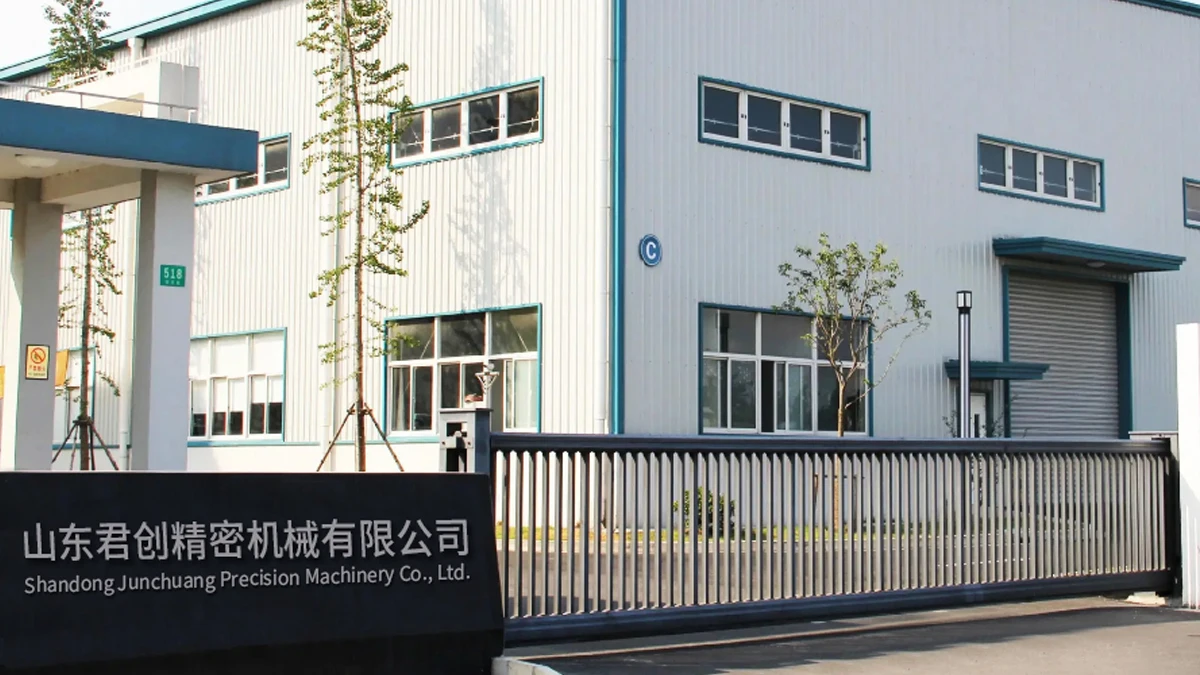
Shandong Junchuang Precision Machinery Co., Ltd.
- Manufacturer, Trading Company
- Shandong, China
- Lead time30 days
- Avg. response≤ 1h
Main productsMould,Packing Tape,Packaging Consumables,Injection Tooling,Security Seal
Main marketsDomestic Market(65.00%), Mid East(7.00%), North America(6.00%), South America(5.00%), Oceania(3.00%), Southeast Asia(3.00%), Central America(2.00%), Northern Europe(2.00%), Eastern Asia(2.00%), Africa(2.00%), Eastern Europe(1.00%), South Asia(1.00%), Western Europe(1.00%)

Zhangzhou Taki Industry and Trade Co., Ltd
- Verified by BV
- Manufacturer/Factory
- China Fujian
- Lead time23 days
- Avg. response≤ 6h
Main productsPackaging Paper Bag, Packaging Paper Box, Products Box, Fold Boutique Gift Box, Shopping Paper Bag, Fruit Packaging Cartons Box, Kraft Paper Bags Food Bag, Plastic Box Pet PVC Boxes, Paper Sleeves with Brand Design, One-Stop Packaging Supplier
Main marketsSouth America,Eastern Europe,Mid East,North America,Southeast Asia,Eastern Asia,Oceania,Western Europe,Africa


Wholesale Price Custom Envelopes Bubble Bag Waterproof Packaging Poly Bubble Mailers
$0.25 - $0.45
MOQ: 1000 Pieces

Changzhou Kent Plastic Packaging Co., Ltd.
- Verified by BV
- Combined
- China Jiangsu
- Lead time23 days
- Avg. response≤ 4h
Main productsBubble Mailer, PE Packaging, PE Film, Paper Packaging, Vci Packaging, Thermal Insulated Packaging, PP Film, Pet Film, PVC Film, Air Column Bag/Film
Main marketsDomestic


Custom Logo Printed Air Padded Waterproof Shipping Envelope Bubble Mailers
$0.01 - $0.20
MOQ: 100 Pieces


Custom Padded Logo Printed Mailers Eco Friendly Mailing Bags Bubble Mailer
$0.01 - $0.20
MOQ: 100 Pieces


Henan Zhongzheng Trade Co., Ltd.
- Trading Company
- Henan, China
- Lead time10 days
- Avg. response≤ 3h
Main productspu conductive film,pe conductive film,ESD film,plastic bag,plastic film
Main marketsNorth America(10.00%), Northern Europe(5.00%), Central America(5.00%), Western Europe(5.00%), Eastern Europe(5.00%), South America(5.00%)
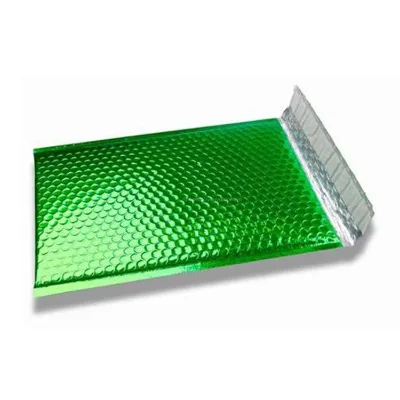
bubble mailer large envelope or package,mailers bubble red big bubble mailer
$0.03 - $0.20
MOQ: 100 Minimum
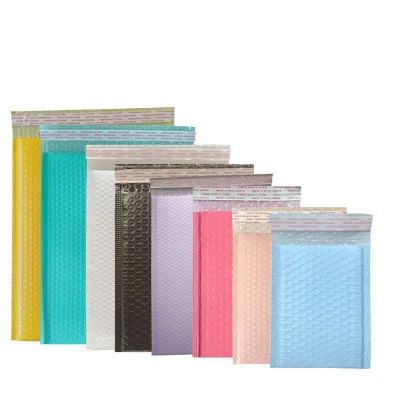
Promotional Bubble Envelopes Self Adhesive Matte Red Color Printed Bubble EnvelopPadded Mailers
$0.0307 - $0.2051
MOQ: 100 Minimum
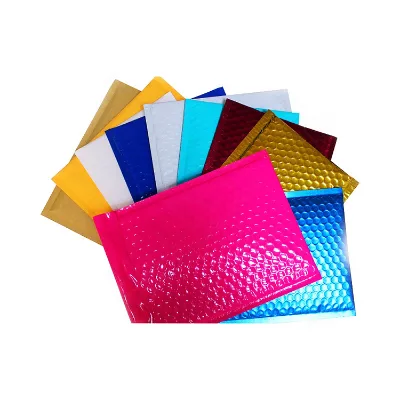
Popular Design Water-proof Strong Adhesive Hot Pink Poly Bubble Mailers for Wholesale
$0.0306 - $0.2051
MOQ: 100 Minimum
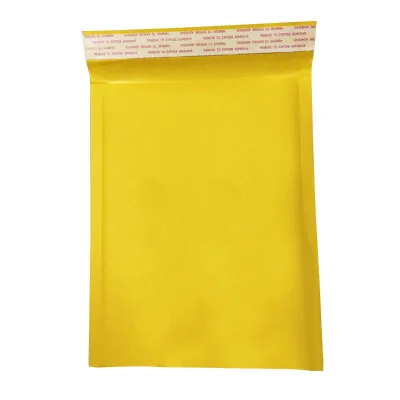
holiday bubble mailers envelope christmas,custom printed personalized patterned red bubble mailer
$0.03 - $0.20
MOQ: 100 Minimum
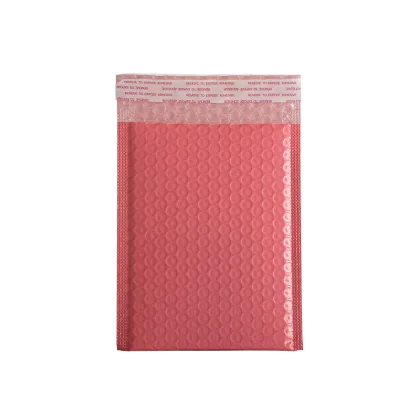
Hot Sale White Compostable Bubble Mailer Bubble Padded Mailer for Courier Delivery
$0.0308 - $0.2051
MOQ: 100 Minimum
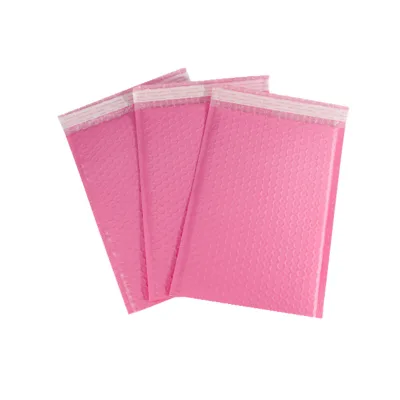
Guangdong Chuangxin New Material Technology Co., Ltd.
- Verified by TüVRheinland
- Manufacturer, Trading Company
- Lead time10 days
- Avg. response≤ 1h
Main productsPaper Bag, Bubble Mailer, Kraft Paper Bag, Poly Mailer, Air Column Bag
Main marketsNorth America(25%), Domestic Market(15%), Eastern Europe(12%)

Shantou City Chaoyang District Heping Yusion Packaging Factory
- Manufacturer, Trading Company
- Guangdong, China
- Lead time7 days
- Avg. response≤ 11h
Main productsbubble mailer,poly mailer,ziplock bag,PLA compostable mailer bag,printing service
Main marketsSouth America(20.00%), Southeast Asia(15.00%), North America(15.00%), Eastern Asia(10.00%), Northern Europe(10.00%), Africa(10.00%), Eastern Europe(10.00%), South Asia(5.00%), Mid East(5.00%)

Huizhou Green Foil Insulation Co., Ltd.
- Verified by BV
- Combined
- China Guangdong
- Lead time15 days
- Avg. response≤ 2h
Main productsCooler Bag, Gift Bag, Gift Box, Insulated Bag, Color Printed Box, Jewelry Box, Paper Bag, Paper Box, Packaging Box, Insulated Mailer
Main marketsEast Asia(Japan/ South Korea),Europe,North America

Eco-Friendly Biodegradable Poly Bubble Adhesive Foil Bubble Mailer for Mailing
$0.08
MOQ: 30000 Pieces


Poly Bubble Mailer Self Seal Durable Biodegradable Eco-Friendly Mailing Envelope
$0.08
MOQ: 30000 Pieces


Eco-Friendly Strong Adhesive Disposable Custom Size Poly Bubble Mailer for E-Commerce
$0.08
MOQ: 30000 Pieces

Hangzhou Yuanzi Technology Co., Ltd.
- Trading Company
- Zhejiang, China
- Lead time0 days
- Avg. response≤ 1h
Main productsCustom Labels,Thermal Labels,Adhesive Jumbo Rolls,Bubbler Mailer,Packing Boxes
Main marketsNorth America(45.00%), Mid East(10.00%), Northern Europe(8.00%), Western Europe(8.00%), South Asia(8.00%), Southeast Asia(6.00%), Eastern Europe(6.00%), Eastern Asia(5.00%), South America(2.00%), Africa(1.00%), Southern Europe(0.60%), Central America(0.40%)
Qingdao Xinqier Industry And Trade Co., Ltd
- Manufacturer, Trading Company
- Shandong, China
- Lead time10 days
- Avg. response≤ 5h
Main productsBUBBLE CUSHION WRAP,EPE FOAM,BUBBLE MAILER,BUBBLE BAG,EPE BAG
Main marketsDomestic Market(30.00%), North America(20.00%), South America(10.00%), Southern Europe(10.00%), Eastern Europe(10.00%), Africa(5.00%), Western Europe(5.00%), Oceania(5.00%), Southeast Asia(5.00%)
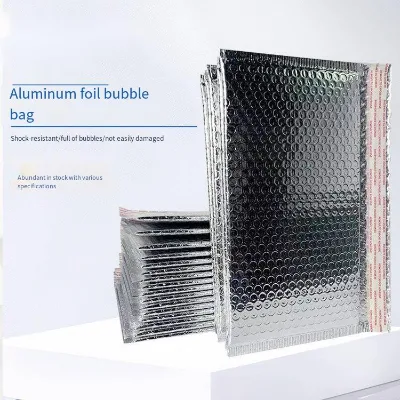
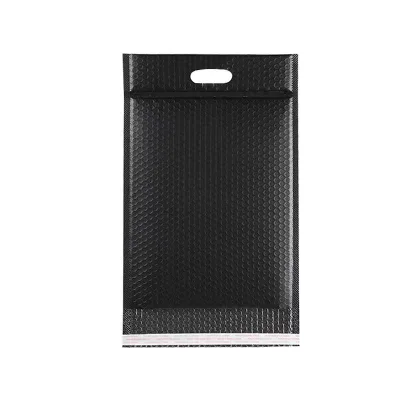
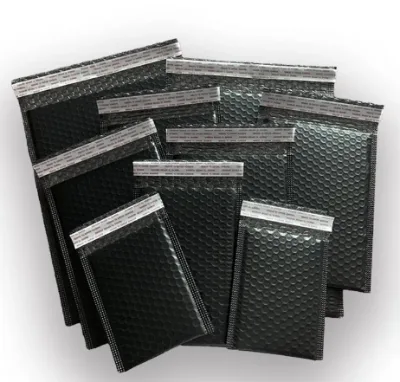
Custom Printed Bubble Mailers in Pink, Orange and Black - EPE Padded Envelopes for Courier Shipping
$2.0314 - $3.7739
MOQ: 100 packs

Dongguan Baicheng Package Products Co., Ltd.
- Verified by TüVRheinland
- Manufacturer, Trading Company
- Lead time15 days
- Avg. response≤ 3h
Main productsMailing Envelopes, Bubble Mailers, Honeycomb Paper Mailers, Plastic Bags, Thermal Heat Insulation Materials
Main marketsDomestic Market(35%), Eastern Asia(30%), North America(15%)

Suzhou Jinfeixin New Material Technology Co., Ltd.
- Verified by SGS
- Combined
- China Jiangsu
- Lead time15 days
- Avg. response≤ 1h
Main productsThermal Insulation Bag, Poly Bubble Mailer, Kraft Paper Bag, Air Cushion Bag
Main marketsEast Asia(Japan/ South Korea)


Dirty-proof Gifts Express Packaging Cushioned Popular Poly Bubble Mailer
$0.05 - $0.20
MOQ: 5000 Pieces


Custom Logo Eco Friendly Color Shipping Packaging Bag Poly Bubble Mailer
$0.05 - $0.20
MOQ: 5000 Pieces
Qingdao Haiyibo Packaging Technology Co., Ltd.
- Manufacturer, Trading Company
- Shandong, China
- Lead time0 days
- Avg. response≤ 5h
Main productsBubble mailer,bubble wrap roll,Stand up cooler bags,aluminium foil bubble roll,stretch film
Main marketsNorth America(40.00%), South America(20.00%), Mid East(10.00%), Oceania(10.00%), Central America(10.00%), Southeast Asia(10.00%), Eastern Europe(10.00%), Domestic Market(5.00%), Southern Europe(5.00%), Western Europe(5.00%)
Huizhou Honglida New Material Co., Ltd.
- Manufacturer
- Guangdong, China
- Lead time7 days
- Avg. response≤ 3h
Main productsMetallic Bubble Mailer,Kraft Bubble Mailer,Bubble Wrap Roll,Poly Bubble Mailer,Metalic foil Bubble Envelope
Main marketsDomestic Market(25.00%), South America(18.00%), North America(17.00%), Eastern Europe(15.00%), Southern Europe(10.00%), Southeast Asia(5.00%), Oceania(5.00%), Western Europe(5.00%)

Guangzhou Anzu Trading Co., Ltd.
- Manufacturer, Trading Company
- Guangdong, China
- Lead time15 days
- Avg. response≤ 3h
Main productstissue paper,custom package,Hang Tag,Wash Label,Garment Accessories
Main marketsEastern Europe(15.00%), North America(15.00%), Central America(12.00%), Northern Europe(10.00%), South America(10.00%), Southern Europe(10.00%), Mid East(10.00%), Oceania(10.00%), Western Europe(8.00%)
Guangdong Tengen Industrial Group Co., Ltd.
- Manufacturer, Trading Company
- Lead time旺季: "1 - 20000":7,"20001 - 500000":15,"> 500000":"To be negotiated", 淡季: "1 - 20000":7,"20001 - 500000":15,"> 500000":"To be negotiated"
- Avg. response≤ 3h
Main productsShipping Mailing Bag, Cardboard Mailer, Shipping Label, Packing List Envelope, Thermal Paper

Shenzhen Xunlan Technology Co., Ltd.
- Manufacturer/Factory
- China Guangdong
- Lead time15 days
- Avg. response≤ 2h
Main productsBubble Malier, Corrugated Padded Envelope, Padded Shipping Envelope, Honeycomb Paper Envelope, ESD Bag, Aluminum Foil Bags, Thermal & Insulation, Carton Box, Vacuum Pouch Bag, Conductive Bag
Main marketsSouth America,North America,Southeast Asia,Oceania,Western Europe


Customized High Strength Self-Adhesive PE Bubble Mailer for Courier Packaging
$0.007 - $0.60
MOQ: 5000 Pieces
Yantai Bagmart Packaging Co., Ltd.
- Verified by SGS Group
- Manufacturer, Trading Company
- Lead time0 days
- Avg. response≤ 8h
Main productsPlastic Packaging Bag, Injection molded products
Main marketsNorth America(27%), Eastern Asia(15%), Western Europe(15%)
Chongqing Hongli Packaging Technology Co., Ltd.
- Verified by SGS Group
- Manufacturer, Trading Company
- Lead time25 days
- Avg. response≤ 3h
Main productsTrash Bag, Biodegradable Plastic Bags, Shopping Bag, Courier Bag, kraft Paper Bags
Main marketsDomestic Market(59%), Southeast Asia(10%), North America(8%)
Zhangjiagang Billion Packaging Materials Co., Ltd.
- Verified by Intertek
- Manufacturer, Trading Company
- Lead time0 days
- Avg. response≤ 2h
Main productsAluminum Foil Bag, PE Bag, Plastic Bucket, Paper Bucket
Main marketsDomestic Market(70%), North America(10%), Southeast Asia(5%)
Shenzhen Denis Foam Products Co., Ltd.
- Verified by Intertek
- Trading Company
- Lead time10 days
- Avg. response≤ 2h
Main productsFoam Packaging Material, Foam Packaging Insert, Foam Knee Pads, Foam And Silicone Feet Pads, Foam Tape
Huizhou Green Foil Insulation Co., Ltd.
- Verified by Intertek
- Manufacturer, Trading Company
- Lead time7 days
- Avg. response≤ 2h
Main productsInsulated Mailer, Bubble Mailer, Thermal Insulation Material, Thermal Tote Bag, Insulated Box Liner
Main marketsDomestic Market(45%), North America(18%), Western Europe(12%)
Guangdong Star New Material Co., Ltd.
- Manufacturer, Trading Company
- Lead time旺季: "1 - 20000":20,"> 20000":"To be negotiated", 淡季: "1 - 20000":20,"> 20000":"To be negotiated"
- Avg. response≤ 2h
Main productsPaper Packaging Products,Biodegradable Packaging Products,Express & Gift Packaging Products,Cosmetic Packaging Products,Thermal Insulation Packaging Products
Zhuhai Chunyang Gift & Packaging Co., Ltd.
- Manufacturer, Trading Company
- Guangdong, China
- Lead time0 days
- Avg. response≤ 6h
Main productsshipping package,paper boxes,paper bags,bubble mailer,jewelry
Main marketsNorth America(30.00%), Southern Europe(20.00%), Western Europe(20.00%), Domestic Market(20.00%), Mid East(10.00%)


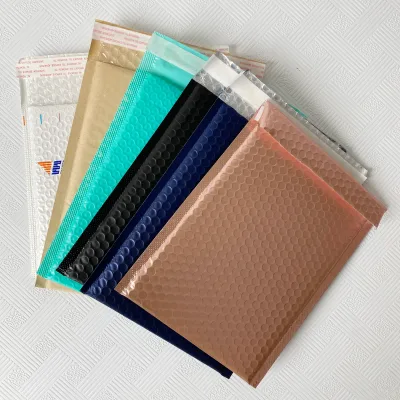
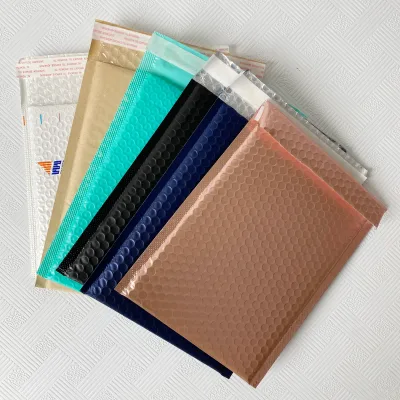
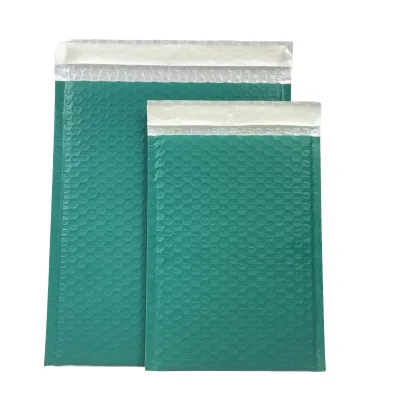
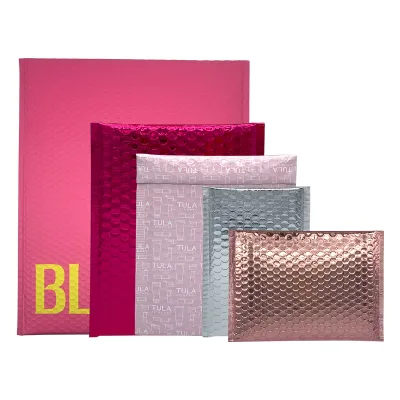
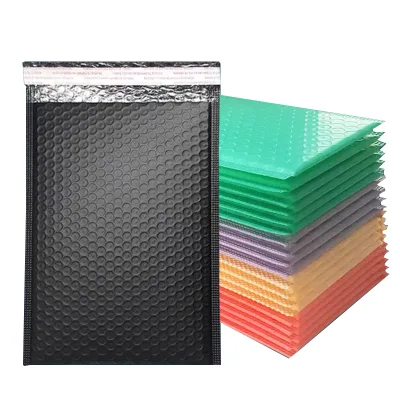
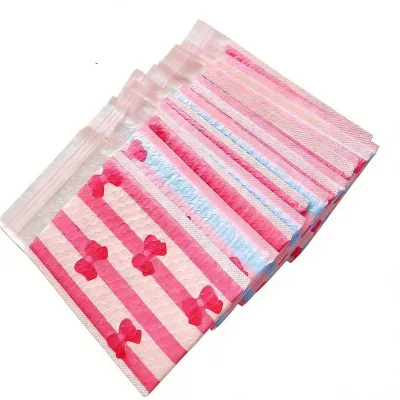


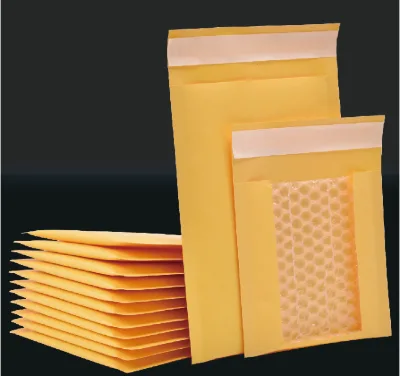
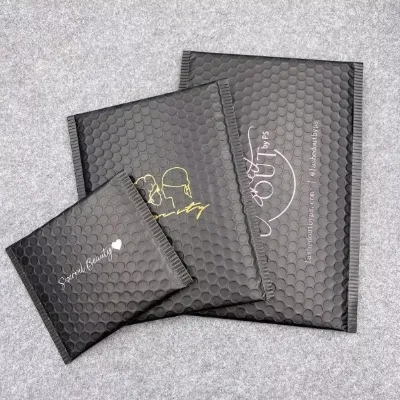
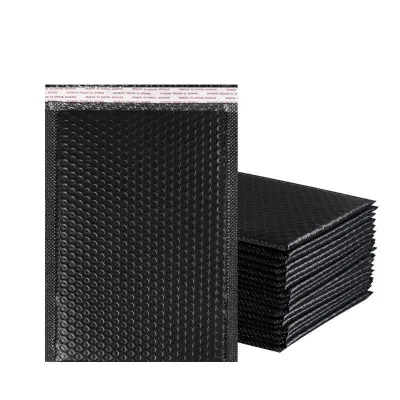
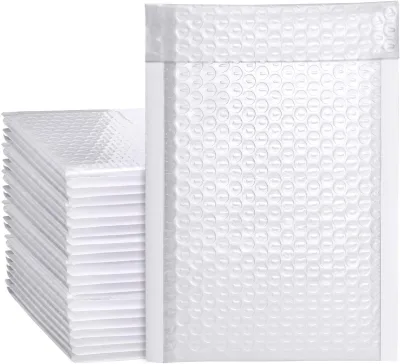
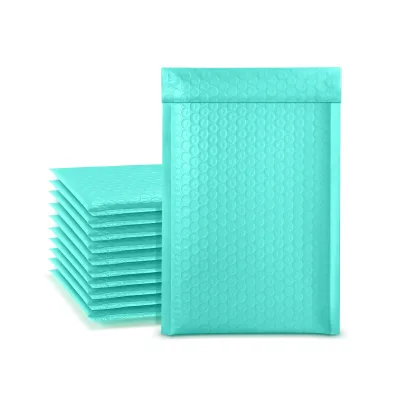
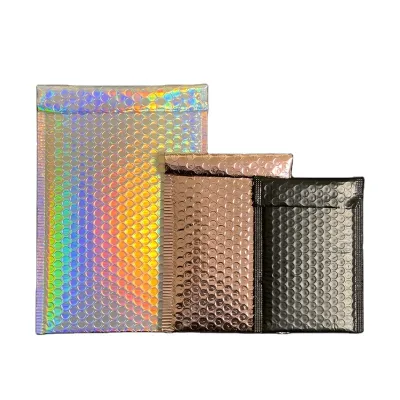

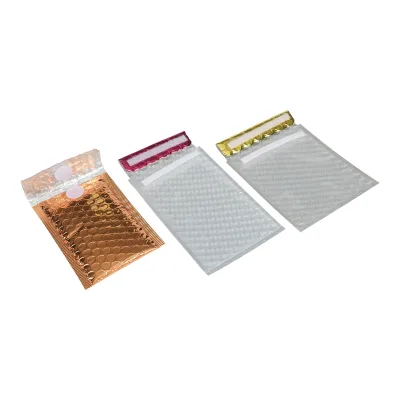
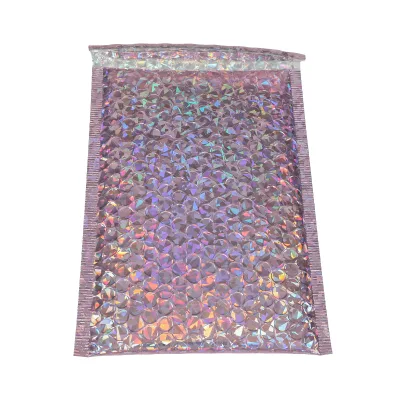
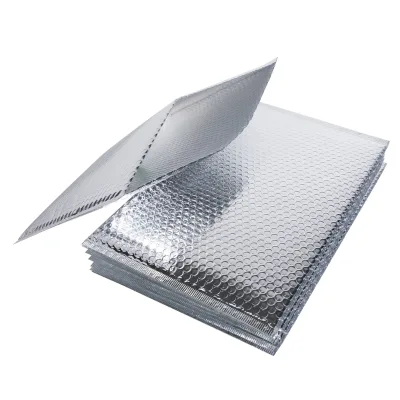
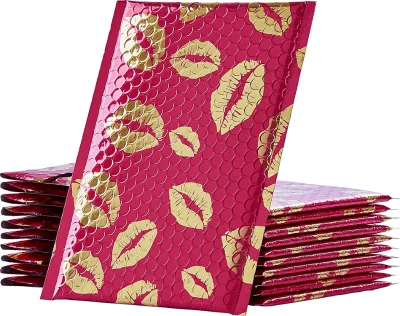
Comprehensive Sourcing Guide
Eco-Friendly Shockproof Bubble Mailers Supplier Concentration and Factory Types
The sourcing landscape for eco-friendly shockproof bubble mailers reveals distinct manufacturing clusters primarily located in China, with significant activity concentrated in Zhejiang and Guangdong provinces. Suppliers in Zhejiang, such as those identified in Wenzhou, often operate as trading companies that facilitate access to a broad range of packaging solutions, including packing tape, double-sided adhesive tape, and various custom tapes. These entities typically bridge the gap between raw material suppliers and international buyers, offering a diverse portfolio that extends beyond simple mailers to include kraft paper tape and waterproof tape options. In contrast, suppliers based in Guangdong, particularly in areas like Jiangmen, frequently present themselves as direct manufacturers specializing in specific niche products like compostable poly mailers, mylar zipper bags, and frost zipper bags. This regional distinction is critical for buyers, as trading companies may offer greater variety and flexibility in mixed orders, while manufacturers often provide deeper expertise in specific production processes, such as the composite packaging techniques used for upright bags or the specific lamination processes required for bio-degradable materials. Understanding whether a supplier is a trading company or a manufacturer helps buyers anticipate the depth of technical support and the flexibility of their product lines, as trading companies might aggregate products from multiple factories, whereas manufacturers control the entire production chain from raw material selection to final packing.
Factory types also vary significantly in their operational focus and capacity, influencing the type of partnership a buyer can establish. Some suppliers emphasize high-volume production capabilities, with daily supply abilities reaching up to 200,000 pieces per day for standard envelope bubble shipping mailer bags, indicating a robust infrastructure for large-scale e-commerce fulfillment needs. These manufacturers often utilize advanced machinery for gravure printing and self-sealing applications, ensuring consistent quality for high-speed packaging lines. Other suppliers, particularly those focusing on eco-friendly and biodegradable options, may have smaller but more specialized production lines dedicated to compostable bags and recyclable bubble mailers. These facilities often prioritize sustainability certifications and material innovation, such as the use of PE or plastic materials with specific barrier properties. The choice between a high-volume manufacturer and a specialized eco-friendly producer depends on the buyer’s volume requirements and sustainability goals. Buyers seeking rapid turnaround for standard products may prefer suppliers with established mass-production lines, while those prioritizing green credentials may need to work with suppliers who have dedicated facilities for biodegradable and compostable materials, even if it means dealing with slightly lower daily output capacities.
How to Verify Eco-Friendly Shockproof Bubble Mailers Suppliers
Verifying the legitimacy and capability of suppliers requires a multi-layered approach that goes beyond basic company profiles. Buyers should prioritize suppliers who hold recognized third-party verifications, such as SGS or BV, which provide an additional layer of trust regarding the company’s operational standards and financial stability. For instance, some suppliers in the Guangdong region are verified by BV, while others in Zhejiang may carry SGS certifications. These verifications are crucial for ensuring that the supplier is a legitimate entity capable of fulfilling international contracts. Beyond basic verification, buyers must scrutinize the specific certifications related to the product’s eco-friendly claims. Suppliers offering biodegradable or compostable mailers should provide documentation for relevant standards, such as ISO9001 for quality management, RoHS for restricted substances, and potentially BRC for food contact safety if the mailers are used for food packaging. The presence of these certifications indicates that the supplier adheres to international quality and safety standards, reducing the risk of non-compliance in the buyer’s destination market. Buyers should request copies of these certificates and verify their validity through the issuing bodies, ensuring that the eco-friendly claims are backed by credible, up-to-date documentation rather than mere marketing assertions.
Response time and communication efficiency are also key indicators of a supplier’s reliability and professionalism. Suppliers with faster response times, such as those reporting response times under two hours or around five hours, often demonstrate a more agile and customer-centric approach. This responsiveness is particularly important during the initial stages of sourcing, where quick clarification of specifications, pricing, and sample requests can accelerate the procurement process. Buyers should also assess the supplier’s willingness to provide samples, as many suppliers indicate that samples are available for quality assessment. The ability to obtain physical samples allows buyers to test the shockproof properties, waterproof performance, and overall durability of the bubble mailers before committing to a large order. Additionally, buyers should verify the supplier’s production capabilities by requesting detailed information about their manufacturing process, including the raw materials used, such as laminated materials or polypropylene plastic bags, and the specific sealing methods employed, such as self-sealing mechanisms. This due diligence helps ensure that the supplier can meet the specific technical requirements of the eco-friendly shockproof bubble mailers, such as high barrier water proof features or antistatic properties, which are critical for protecting sensitive goods during transit.
What to Compare Across Eco-Friendly Shockproof Bubble Mailers Suppliers
When evaluating multiple suppliers, buyers must compare key operational metrics such as lead time, minimum order quantity (MOQ), and pricing structures to determine the best fit for their supply chain. Lead times can vary significantly, with some suppliers offering a standard lead time of 15 days, while others may require up to 30 days for production. For urgent orders, some suppliers provide estimated delivery windows of 18-25 days, depending on the quantity and customization requirements. Buyers should align these lead times with their inventory planning to avoid stockouts or excess inventory. MOQs are another critical factor, ranging from as low as 50 pieces for small businesses or testing purposes to 10,000 pieces for large-scale industrial buyers. Suppliers with lower MOQs, such as those offering 50 pieces or 500 pieces, provide flexibility for startups or companies testing new product lines, while higher MOQs may offer better unit economics for established brands. Pricing also varies, with some suppliers offering prices as low as $0.001 per piece for basic options, while others charge up to $0.52 per piece for customized or premium eco-friendly materials. Buyers should request detailed quotes that include all costs, such as printing, customization, and shipping, to ensure accurate cost comparisons.
In addition to operational metrics, buyers should compare the range of customization options and product features offered by each supplier. Some suppliers provide extensive customization services, including logo printing, custom sizes, and specific color options, with some offering up to 10 colors for printed designs. The availability of OEM and ODM services is also important for brands looking to create unique packaging solutions. Buyers should assess the supplier’s ability to handle complex artwork formats, such as PDF, AI, EPS, or high-resolution JPG files, which indicates their technical proficiency in printing and design. Furthermore, the material composition and application suitability should be compared, as some mailers are designed for food, cosmetics, and electronics, while others are suitable for stationery, medical, or gift packaging. Features such as shock resistance, moisture proofing, and bio-degradability are critical for eco-friendly mailers, and buyers should verify that the supplier’s products meet these specific performance criteria. By comparing these factors, buyers can identify suppliers that not only offer competitive pricing and favorable terms but also provide the quality and customization necessary to meet their brand’s standards and customer expectations.
Common Eco-Friendly Shockproof Bubble Mailers Sourcing Risks
One of the primary risks in sourcing eco-friendly shockproof bubble mailers is the potential discrepancy between claimed sustainability features and actual product performance. Buyers must be cautious of suppliers who make vague or unsubstantiated claims about biodegradability or compostability without providing verifiable certifications. The term "eco-friendly" can be misleading if the materials used do not meet specific environmental standards, such as those required for industrial composting or home composting. Buyers should insist on clear documentation that specifies the type of biodegradable material used, such as PLA or PBAT blends, and verify that these materials are certified by recognized bodies. Additionally, the shockproof properties of the mailers are critical for protecting goods during transit, and buyers should ensure that the bubble structure and material thickness are sufficient to provide adequate cushioning. Suppliers may use different bubble densities or layer constructions, which can significantly impact the protective performance. Buyers should request samples to test the mailers under realistic shipping conditions, including drops and compression tests, to verify that they meet the required shock resistance standards. Failure to do so can result in damaged goods, customer complaints, and increased return rates, which can severely impact the buyer’s brand reputation and profitability.
Another significant risk is the inconsistency in quality control and production standards, particularly when dealing with suppliers who have high volume capacities or complex customization requirements. Suppliers with daily supply abilities of 200,000 pieces per day may face challenges in maintaining consistent quality across large batches, especially when incorporating custom logos or specific color requirements. Buyers should assess the supplier’s quality control processes, including in-line inspections and final random inspections, to ensure that every batch meets the specified standards. The use of different raw materials, such as laminated materials or polypropylene plastic bags, can also introduce variability in product performance if not strictly controlled. Buyers should verify that the supplier uses consistent raw material sources and has robust procedures for managing material variations. Additionally, the printing quality, particularly for gravure printing, can vary based on the supplier’s equipment and expertise. Buyers should review sample prints for color accuracy, registration, and durability to ensure that the branding elements are reproduced correctly. By identifying and mitigating these quality control risks, buyers can ensure that their eco-friendly shockproof bubble mailers perform reliably and maintain the high standards expected by their customers.
Eco-Friendly Shockproof Bubble Mailers Regional Sourcing and Logistics
Sourcing from specific regions in China, such as Zhejiang and Guangdong, offers distinct logistical advantages and challenges that buyers must consider. Suppliers in Zhejiang, particularly in Wenzhou, are often part of a well-established packaging industry cluster, which can facilitate efficient raw material sourcing and production. However, buyers should verify the specific location of the factory, as some trading companies may operate in one city while the actual manufacturing takes place in another. This distinction is important for calculating accurate shipping costs and lead times. Suppliers in Guangdong, such as those in Jiangmen, benefit from proximity to major ports and logistics hubs, which can streamline export processes and reduce transit times. Buyers should confirm the supplier’s preferred shipping terms, such as CIF or FOB Jiangmen, to understand their responsibility for freight and insurance costs. The availability of various shipping methods, including DHL, FedEx, EMS, and UPS, provides flexibility for different delivery speeds and budget constraints. Buyers should compare shipping options and costs for each supplier to determine the most cost-effective and timely solution for their needs. Additionally, the supplier’s packing methods, such as carton boxes, corrugated cartons, or PE bags with pallets, can impact the efficiency of loading and unloading at the destination, so buyers should consider these details when planning their logistics.
Logistics planning also involves considering the environmental impact of transportation, which aligns with the eco-friendly nature of the product. Buyers should explore options for consolidating shipments to reduce the carbon footprint associated with frequent, smaller deliveries. Working with suppliers who offer flexible MOQs can facilitate this consolidation, allowing buyers to combine orders from multiple suppliers or increase order sizes to fill containers more efficiently. Buyers should also inquire about the supplier’s packaging practices, such as the use of recyclable or biodegradable packing materials for the mailers themselves, to ensure that the entire supply chain adheres to sustainability principles. The origin of the products, such as Wenzhou (Zhejiang) or Guangdong China (Mainland), should be clearly documented
FAQs
What is the minimum order quantity for bubble mailers?
Minimum order quantities vary by supplier and product specifications. Some manufacturers accept orders as low as 50 pieces for standard items, while others require 500 units or more. Bulk pricing tiers often apply for larger volumes, so buyers should confirm specific MOQs with their chosen supplier before placing an order.
How long does production take for custom bubble mailers?
Production lead times typically range from 15 to 30 days depending on the supplier and order volume. Some manufacturers offer faster turnaround times of 18 to 25 days for specific quantities. Buyers should verify exact delivery schedules with suppliers to ensure alignment with their shipping deadlines and inventory needs.
Are eco-friendly bubble mailers available with custom printing?
Yes, many suppliers offer customization options including logo printing and custom sizes. Buyers can choose from various materials such as PE or biodegradable plastics. Customization is widely available, allowing for branded packaging solutions that meet specific aesthetic and functional requirements for e-commerce and logistics applications.
What certifications do bubble mailer suppliers hold?
Suppliers often hold certifications such as ISO9001, RoHS, BV, BRC, and SGS. These credentials verify quality management systems and product safety standards. Buyers should request valid certification documents to ensure compliance with international regulations and industry-specific requirements for packaging materials used in sensitive sectors like food or electronics.
What is the price range for bubble mailers?
Prices for bubble mailers generally range from $0.001 to $0.52 per unit depending on material, size, and customization. Bulk orders typically secure lower unit costs. Buyers should compare quotes from multiple suppliers to find competitive pricing that fits their budget while maintaining desired quality and delivery standards.
How quickly do suppliers respond to inquiries?
Response times vary, with some suppliers replying within two hours and others taking up to 14 hours. Faster response rates indicate active sales teams and efficient communication channels. Buyers should prioritize suppliers with quick response times to ensure smooth negotiation processes and timely resolution of any pre-order questions or concerns.