Waterproof Sunscreen Body Whitening Cream Suppliers and Manufacturers
Find 12 verified suppliers offering Waterproof Sunscreen Body Whitening Cream with OEM and ODM capabilities. Compare locations in China, response times, lead times, and certifications like ISO 9001 or GMPC. Contact suppliers directly to request samples and verify pricing details.
Updated
Suppliers List

Shandong Vianor Pharma Co., Ltd.
- Verified by BV
- Combined
- China Shandong
- Lead time30 days
- Avg. response≤ 3h
Main productsNasal Inhaler Vaporub Stick Aromatherapy Refesh, Pet Care Shampoo Paw Balm Oral Care, Personal Care Household Toothpaste Mouth Wash, Cosmetic Factory Body Care Lotion Hair, Sport Care Pain Relief Muscle Care Spray, Healthy Care Natural Essential Oil Embrocation, Aromatic Stick Medicated Essential Oil Vapo Pad, Healthy Nutrition and Dietary Supplements, Daily Beauty Care Skin Care Body Oil Lube Oil, Patches Pain Relief Blister Plaster Bandage
Main marketsSoutheast Asia/ Mideast,North America


Sun UV Sunblock Organic Sunscreen Spray Cream Face Body Whitening Lotion Sun Cream
$0.80 - $2.50
MOQ: 30000 Pieces

Factory UV Protection Body Face Summer Non-Greasy Waterproof Sunscreen Cream
$0.80 - $2.50
MOQ: 1000 Pieces

Natural Private Label Face Skin Care Whitening Sunblock Sun Screen Lotion Sunscreen Cream
$0.80 - $2.50
MOQ: 1000 Pieces

Reina Cosmetics (Guangzhou) Co., Ltd.
- Manufacturer/Factory
- China Guangdong
- Lead time30 days
- Avg. response≤ 25h
Main productsSkin Care Products, Hair Care Products, Personal Care Products, Hair Color and Perm Products, Sunscreen Products, Minoxidil, Suncare Products, Body Care Products, OTC Personal Care, Aerosol Personal Care
Main marketsSouth America,Eastern Europe,Mid East,North America,Southeast Asia,Eastern Asia,Oceania,Western Europe

Vitamin C Whitening Body Sweatproof Anti-Aging Moisturizing Sunscreen Cream SPF 50 PA+++
$0.90 - $1.00
MOQ: 10000 Pieces

Custom Private Label SPF 50 Mineral Sunscreen Cream Whitening Moisturizing
$0.90 - $1.00
MOQ: 10000 Pieces

Private Label Face Whitening Sun Protection Moisturizing Sunscreen Cream SPF 50 PA+++
$0.90 - $1.00
MOQ: 10000 Pieces


Skincare Sun Protection Whitening Face Sunscreen Cream Moisturizing Cream SPF 50 PA+++
$0.90 - $1.00
MOQ: 10000 Pieces
Shenzhen Haiyi Cosmetics Co., Ltd.
- Verified by Intertek
- Manufacturer, Trading Company
- Guangdong, China
- Lead time15 days
- Avg. response≤ 4h
Main productsPersonal care, Face Mask, Face serum, Sunscreen, Eye Cream
Main marketsNorth America(60%), Western Europe(20%), Southeast Asia(10%)
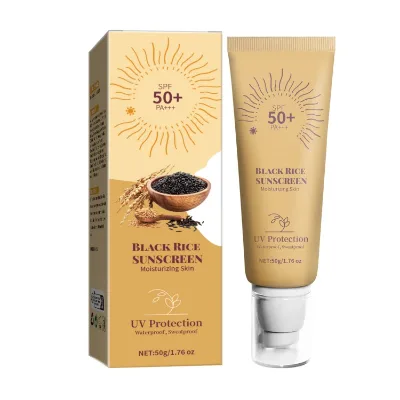
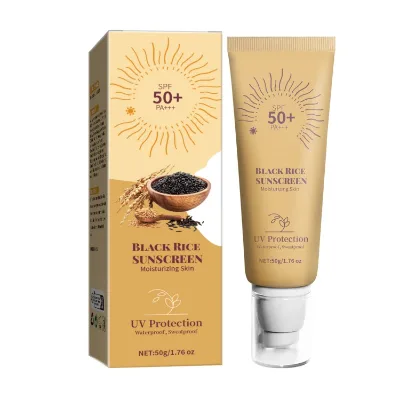
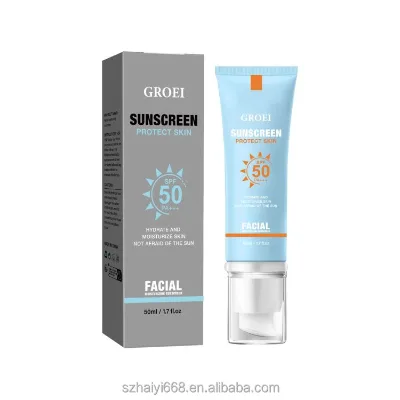
Custom Logo Brightening Sunscreen Oil Control Long Lasting Waterproof Moisturizing Sunscreen Cream
$0.8724 - $1.6009
MOQ: 50 pieces

Guangzhou Aifujia Biotechnology Co., Ltd.
- Trading Company
- China Guangdong
- Lead time15 days
- Avg. response≤ 4h
Main productsFace Cream, Face Serum, 24K Serum, Rose Spray, Vitamin C Serum, Skin Care Set, Essential Oil, Facial Mask, Face Lotion, Anti Aging Whitening Face Cream
Main marketsSoutheast Asia/ Mideast,Europe,North America


Wholesale Private Label Face Whitening Sun Protection Sunblock Moisturizing Sunscreen Cream
$1.25 - $3.99
MOQ: 100 Pieces

SPF 50 Sunblock Sun Protection Screen Moisturizer Whitening Organic Sunscreen Cream
$1.99 - $2.60
MOQ: 1000 Pieces

Factory Price Sunscreen Waterproof Anti-Ultraviolet SPF 50 Sunscreen Cream Private Label
$1.60 - $2.30
MOQ: 500 Pieces

Guangzhou EmbAroma Cosmetics Co., Ltd.
- Verified by BV
- Trading Company
- China Guangdong
- Lead time30 days
- Avg. response≤ 3h
Main productsSkincare, Cleanser, Moisturizer, Sunscreen, Toner, Serum, Exfoliant, Body Lotion, Hand Cream, Essential Oil
Main marketsDomestic


Wholesale Mineral Effective SPF60 Sunscreen Face Body UV Protection Whitening Sun Cream
$0.69 - $0.79
MOQ: 216 Pieces

OEM Available High SPF Anti-UV Facial and Body Sun Protection Cream Whitening Sunscreen
$0.65 - $0.76
MOQ: 288 Pieces

Private Label Mineral SPF 100 Waterproof Moisturizing Face Sunscreen Cream for Beach
$0.69 - $0.79
MOQ: 216 Pieces

Guangzhou Zhongyi Cosmetics Co., Ltd.
- Manufacturer, Trading Company
- Guangdong, China
- Lead time0 days
- Avg. response≤ 3h
Main productsHair Dye Shampoo,Hair Color Cream,Hair Styling Products,Hair Care Products,Skin care
Main marketsMid East(20.00%), Southeast Asia(20.00%), North America(20.00%), Domestic Market(15.00%), Eastern Europe(5.00%), South Asia(5.00%), Southern Europe(5.00%), Western Europe(3.00%), Eastern Asia(2.00%), South America(1.00%), Oceania(1.00%), Africa(1.00%), Northern Europe(1.00%), Central America(1.00%)
GUANGZHOU LOVE CROWN COSMETICS CO., LTD.
- Manufacturer, Distributor/Wholesaler
- Guangdong, China
- Lead time15 days
- Avg. response≤ 2h
Main productsSkin care products,Face mask,Essential oil,Body care produts,Effective cosmetics
Main marketsSouth America(16.60%), Mid East(15.50%), North America(15.50%), Eastern Europe(12.00%), Southern Europe(10.00%), Africa(10.00%), Western Europe(9.00%), Northern Europe(6.00%), Southeast Asia(3.00%), Eastern Asia(2.40%)
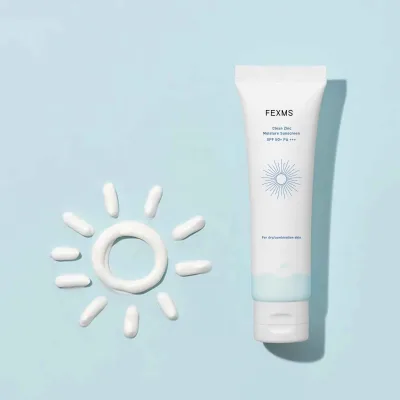
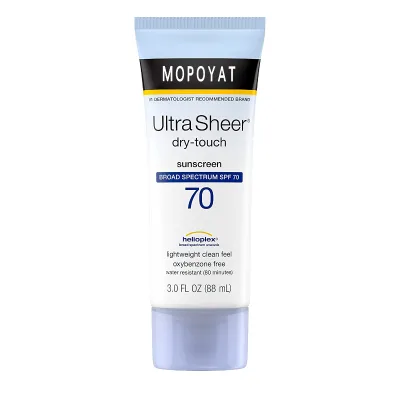
Private Label Sun Cream Ultra Sheer Dry-Touch Water Resistant and Non-Greasy Sunscreen Lotion SPF 70
$2.0222 - $2.4943
MOQ: 1 pieces

Guangzhou Lanyuan Cosmetics Co., Ltd.
- Manufacturer
- Guangdong, China
- Lead time15 days
- Avg. response≤ 2h
Main productsColor Cream,Rebonding,Hair Care,Shampoo,Hair Styling
Main marketsDomestic Market(60.00%), Southeast Asia(16.50%), Mid East(8.00%), South Asia(5.00%), Africa(3.00%), Eastern Asia(2.50%), Western Europe(1.50%), South America(1.00%), Southern Europe(1.00%), North America(1.00%), Northern Europe(0.50%)
Guangzhou Mebamy Cosmetics Co., Ltd.
- Verified by SGS Group
- Trading Company
- Lead time20 days
- Avg. response≤ 9h
Main productsSkin Care
Main marketsNorth America(30%), Western Europe(27%), Eastern Europe(7%)
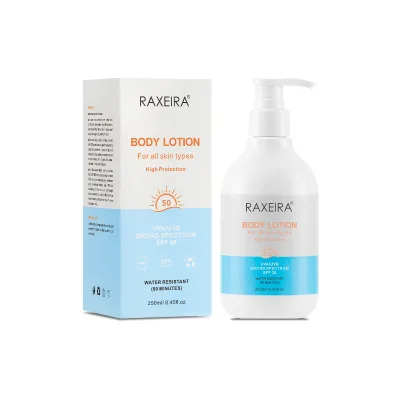
$2.0536 - $2.6697
MOQ: 1000 pieces
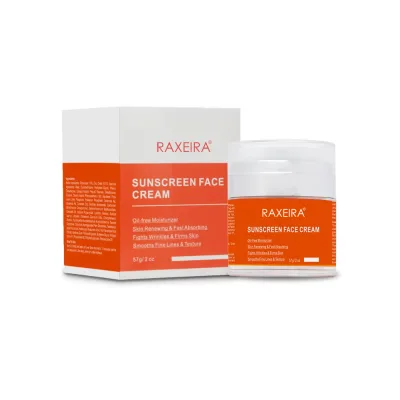
$2.0791 - $2.9111
MOQ: 1000 pieces

Shantou S. E. Z. Baojie Industry Co., Ltd.
- Verified by CTI
- Combined
- China Guangdong
- Lead time15 days
- Avg. response≤ 4h
Main productsFacial Serum, Shampoo, Body Lotion, Hair Care, Skin Care, Body Care, Shower Gel, Body Cream, Soap, Private Label Cosmetics
Main marketsSouth America,Africa,Europe,North America

Private Label Body Cream Physical Sunscreen Sun Protection Waterproof for Home Use
$0.57 - $0.71
MOQ: 72 pieces


Hangzhou Yimai Biotech Co., Ltd.
- Verified by SGS
- Trading Company
- China Zhejiang
- Lead time0 days
- Avg. response≤ 7h
Main productsGluthatione Injection, Cosmetic Vitamin C Injection, Thioctic Acid Injection, Vitamin B12 Injection, Vitamin B Complex Injection, Vitamin B Complex Powder, Cannula, Gluthatione Capsule, Syringe, Multi Vitamin Injection
Main marketsSouth America,Eastern Europe,Mid East,North America,Southeast Asia,Eastern Asia,Oceania,Western Europe,Africa
Guangzhou Babaili Cosmetics Co., Ltd.
- Trading Company
- Guangdong, China
- Lead time7 days
- Avg. response≤ 2h
Main productsHand Cream, Body Lotion, Massage, Lipstick, Liquid Foundation
Main marketsDomestic Market(50.00%), Southeast Asia(30.00%), Mid East(10.00%), Eastern Asia(5.00%), Eastern Europe(5.00%)


Comprehensive Sourcing Guide
Waterproof Sunscreen Body Whitening Cream Supplier Concentration and Factory Types
The manufacturing landscape for Waterproof Sunscreen Body Whitening Cream is primarily concentrated in specific Chinese provinces, with Shandong and Guangdong emerging as key industrial hubs. Suppliers in Shandong often operate as combined entities, blending manufacturing capabilities with trading functions, which can streamline communication for international buyers seeking a single point of contact. These facilities frequently highlight their ability to handle OEM and ODM projects, allowing brands to customize formulations while leveraging established production lines. In contrast, suppliers located in Guangdong tend to present themselves more distinctly as manufacturers or factories, sometimes alongside trading company operations. This regional distinction is crucial for buyers who prioritize direct factory access versus flexible sourcing arrangements. The concentration of these facilities in coastal provinces facilitates efficient logistics and access to raw materials, creating a dense ecosystem of cosmetic production expertise. Buyers should recognize that while the geographic proximity suggests similar supply chain efficiencies, the operational models vary significantly between these regions. Understanding whether a supplier is a pure manufacturer, a trading company, or a hybrid entity helps in predicting their flexibility regarding small batch orders versus large-scale production runs. The presence of these clusters indicates a mature supply chain for personal care products, particularly those involving complex formulations like sun protection and skin brightening agents.
Factory types within these regions also vary in their specific focus areas, ranging from general personal care to specialized sun care products. Some facilities specialize in aerosol personal care and OTC products, while others focus heavily on skin care tools and facial treatments. This specialization often dictates the quality control standards and the range of certifications a supplier can offer. For instance, some Guangdong-based manufacturers hold ISO 9001 and GMP certifications, indicating a structured approach to quality management and good manufacturing practices. These certifications are vital for ensuring that the Waterproof Sunscreen Body Whitening Cream meets international safety and efficacy standards. Other suppliers may rely on third-party verifications like BV or Intertek to demonstrate their operational reliability. The diversity in factory types means that buyers must carefully assess the specific capabilities of each potential partner. A supplier focusing on private label whitening lotions may have different equipment and expertise compared to one producing mineral-based sunscreens. Therefore, evaluating the main products listed by each supplier provides insight into their core competencies. Buyers should look for facilities that explicitly mention experience with waterproof and long-lasting formulations, as these require specialized emulsification and stabilization techniques. The combination of regional concentration and varied factory types offers a broad selection of partners, but it requires diligent screening to match specific product requirements with the right manufacturing expertise.
How to Verify Waterproof Sunscreen Body Whitening Cream Suppliers
Verifying the legitimacy and capability of suppliers requires a multi-layered approach that goes beyond basic company profiles. Buyers should prioritize suppliers who have undergone third-party verification processes, such as BV or Intertek, as these provide an independent assessment of the factory’s existence and operational standards. These verifications often include on-site inspections that confirm the physical presence of manufacturing facilities and the authenticity of claimed capabilities. In addition to verification badges, buyers should scrutinize the system certifications listed by the supplier. Certifications like ISO 9001 and GMP are strong indicators of a supplier’s commitment to quality management and regulatory compliance. For sunscreen products, which are classified as cosmetics or over-the-counter drugs in many markets, these certifications are not just optional but often mandatory for market entry. Buyers should request copies of these certificates and verify their validity through the issuing bodies. Furthermore, the response time of a supplier can serve as an initial indicator of their professionalism and operational efficiency. A quick and detailed response to inquiries often reflects a well-organized sales and technical support team. However, buyers should not rely solely on response speed; they must also evaluate the quality and specificity of the information provided. Suppliers who can promptly provide detailed product specifications, ingredient lists, and compliance documents are generally more reliable.
In addition to certifications and response times, buyers should assess the supplier’s capacity for customization and innovation. The ability to offer OEM and ODM services is a critical factor for brands looking to differentiate their Waterproof Sunscreen Body Whitening Cream in a competitive market. Buyers should inquire about the supplier’s research and development capabilities, including their experience with new formulations and packaging technologies. Suppliers that highlight their ability to create custom logos, adjust SPF levels, or modify whitening ingredients demonstrate a higher level of technical expertise. It is also important to verify the supplier’s production capacity and lead times. While some suppliers may claim rapid turnaround times, buyers should cross-reference these claims with historical data or customer reviews if available. Additionally, buyers should check if the supplier offers sample processing services, which allow for thorough evaluation of product quality before committing to large orders. The presence of specific product attributes, such as waterproof claims or specific SPF ratings, should be backed by test reports or compliance documentation. Buyers should be cautious of suppliers who cannot provide clear evidence of their claims. By combining verification of credentials, assessment of technical capabilities, and evaluation of operational efficiency, buyers can significantly reduce the risk of partnering with unreliable suppliers. This thorough due diligence ensures that the chosen supplier can consistently deliver high-quality Waterproof Sunscreen Body Whitening Cream that meets all regulatory and brand requirements.
What to Compare Across Waterproof Sunscreen Body Whitening Cream Suppliers
When evaluating multiple suppliers, buyers must compare several key dimensions to identify the best fit for their specific needs. One of the most critical factors is the minimum order quantity (MOQ), which can vary significantly across different suppliers. Some suppliers may offer low MOQs, such as 50 units, which are ideal for testing the market or launching new brands. In contrast, other suppliers may require MOQs of 10,000 or even 30,000 units, which are better suited for established brands with high volume demands. Buyers should align their order volumes with the supplier’s MOQ requirements to avoid excessive inventory costs or production delays. Another important factor is the price range, which can fluctuate based on the complexity of the formulation, the quality of ingredients, and the order volume. Buyers should request detailed quotations that break down costs for materials, labor, and packaging. Comparing prices across suppliers helps in identifying fair market rates and avoiding overpayment. However, buyers should not choose the lowest price option without considering the quality and reliability of the supplier. A slightly higher price from a verified supplier with strong certifications may offer better long-term value through consistent quality and fewer compliance issues.
Lead time and response speed are also crucial comparison points that impact supply chain efficiency. Suppliers with shorter lead times, such as 15 days, can help buyers respond quickly to market trends and reduce stockouts. In contrast, suppliers with longer lead times, such as 30 days, may require more advanced planning and larger safety stocks. Buyers should assess whether the supplier’s lead times are realistic and consistent with their production capacity. Response speed is another indicator of supplier reliability; a quick response to inquiries suggests a responsive and organized team. Buyers should also compare the main products offered by each supplier to ensure they align with their brand’s focus. Some suppliers may specialize in sunscreen products, while others offer a broader range of personal care items. Specialized suppliers often have deeper expertise and better quality control for their specific product lines. Additionally, buyers should compare the customization options available, such as private labeling, custom packaging, and formulation adjustments. Suppliers that offer flexible customization services can help brands create unique products that stand out in the market. By systematically comparing these dimensions, buyers can make informed decisions that balance cost, quality, and operational efficiency. This comparative analysis ensures that the selected supplier can meet the buyer’s specific requirements for Waterproof Sunscreen Body Whitening Cream production.
Common Waterproof Sunscreen Body Whitening Cream Sourcing Risks
Sourcing Waterproof Sunscreen Body Whitening Cream from international suppliers involves several risks that buyers must proactively manage. One significant risk is the potential for non-compliance with local regulatory standards in the buyer’s target market. Sunscreen products are heavily regulated in many countries, requiring specific ingredients, labeling, and testing protocols. Buyers must ensure that their suppliers are familiar with these regulations and can provide the necessary documentation, such as COA, MSDS, and FDA or EU compliance certificates. Failure to verify compliance can result in product seizures, fines, or damage to the brand’s reputation. Another risk is the inconsistency in product quality, which can arise from poor manufacturing practices or substandard raw materials. Buyers should request samples and conduct independent testing to verify the product’s efficacy, stability, and safety. Suppliers who do not provide transparent information about their ingredients or manufacturing processes should be avoided. Additionally, there is a risk of intellectual property theft, especially when working with suppliers who offer extensive OEM services. Buyers should protect their formulations and branding by using non-disclosure agreements and registering their trademarks in relevant markets.
Logistical risks are also prevalent in international sourcing, including delays in shipping, damage to goods, and customs clearance issues. Buyers should work with suppliers who have experience in exporting to their target markets and can provide reliable logistics solutions. It is important to clarify the terms of trade, such as FOB or CIF, to determine who is responsible for shipping and insurance costs. Another risk is the potential for miscommunication regarding product specifications, which can lead to incorrect orders. Buyers should provide detailed technical specifications and confirm them in writing before production begins. Suppliers who fail to respond promptly to inquiries or provide vague answers may indicate underlying operational issues. Buyers should also be cautious of suppliers who offer prices that seem too good to be true, as this may indicate compromised quality or hidden costs. By identifying and mitigating these risks through thorough due diligence, clear communication, and robust contractual agreements, buyers can ensure a smoother sourcing process. This proactive approach helps in building a reliable supply chain for Waterproof Sunscreen Body Whitening Cream, minimizing disruptions and ensuring consistent product quality.
Waterproof Sunscreen Body Whitening Cream Regional Sourcing and Logistics
The regional concentration of suppliers in China, particularly in Shandong and Guangdong, offers distinct logistical advantages for international buyers. Shandong, located in the northern part of China, provides access to major ports like Qingdao, which facilitates efficient export to North America and Europe. Suppliers in this region often benefit from lower labor costs and a strong industrial base for chemical and cosmetic manufacturing. Guangdong, situated in the south, is home to major hubs like Guangzhou and Shenzhen, which are well-connected to global shipping routes. This region is known for its advanced manufacturing capabilities and rapid prototyping services, making it ideal for buyers seeking quick turnaround times and innovative product designs. The proximity of these regions to major ports reduces transportation costs and lead times, enhancing the overall efficiency of the supply chain. Buyers should consider the specific logistics requirements of their target markets when choosing between suppliers in these regions. For instance, buyers targeting the European market may prefer suppliers in Shandong due to shorter shipping distances, while those targeting Asia or Australia may benefit from Guangdong’s southern location.
Logistics planning also involves selecting the appropriate shipping method and incoterms to balance cost and speed. Air freight is suitable for small, high-value orders or urgent replenishments, while sea freight is more cost-effective for large bulk shipments. Buyers should work with suppliers who can provide accurate estimates of shipping times and costs based on the chosen incoterms. FOB (Free on Board) is a common term that places the responsibility of shipping on the buyer once the goods are loaded onto the vessel, while CIF (Cost, Insurance, and Freight) includes the cost of shipping and insurance up to the destination port. Understanding these terms helps buyers manage their logistics budget and risk exposure. Additionally, buyers should consider the packaging of the Waterproof Sunscreen Body Whitening Cream to ensure it is suitable for long-distance transport. Proper packaging protects the product from damage and contamination during transit. Suppliers who offer robust packaging solutions, such as carton boxing with internal padding, can help minimize logistics risks
FAQs
What is the price range for Waterproof Sunscreen Body Whitening Cream?
The price range for Waterproof Sunscreen Body Whitening Cream typically falls between 0.80 and 2.50 USD per unit. Some specific products may have a narrower range, such as 0.90 to 1.00 USD. Buyers should verify exact pricing based on order quantity and customization needs.
What are the minimum order quantities for these sunscreen products?
Minimum order quantities vary significantly by supplier and product type. Some listings require as few as 50 units, while others demand 1,000 or even 30,000 units. Buyers must check specific product details to confirm the exact MOQ before placing an order.
How long does it take to receive orders for sunscreen creams?
Lead times for receiving orders generally range from 15 to 30 days depending on the supplier. Some manufacturers offer faster turnaround times, while others may require a full month for production and shipping. Buyers should confirm the specific lead time with their chosen supplier.
Which certifications are available for these sunscreen products?
Available certifications for these sunscreen products include GMPC, ISO, FDA, MSDS, and COA. Some suppliers also hold ISO 9001 and GMP certifications. Buyers should verify specific certification documents to ensure compliance with their target market regulations.
Where are the manufacturers of these sunscreen creams located?
Manufacturers of these sunscreen creams are primarily located in China, specifically in Shandong and Guangdong provinces. Buyers can find suppliers in these regions offering various customization options and product types. Location details should be confirmed during the supplier selection process.
Can these sunscreen creams be customized with private labels?
Yes, most suppliers offer customization with private labels for these sunscreen creams. Options include OEM and ODM services, allowing buyers to create their own brand. Customization availability should be confirmed with the specific supplier to ensure it meets your branding requirements.
What is the response time for supplier inquiries?
Supplier response times vary, with some responding within 2.80 hours and others taking up to 24.26 hours. Faster response times are often associated with verified suppliers. Buyers should check individual supplier profiles to understand their typical response speed.