Source Organic Coconut Oil Lip Balm for lips, skin, and travel
Compare 30 listings for Organic Coconut Oil Lip Balm from Chinese manufacturers. Buyers can evaluate customization options, certifications like GMPC and ISO, and pricing for moisturizing lip care products; compare the available evidence and request quotations based on your requirements.
Updated
Key considerations
Products List


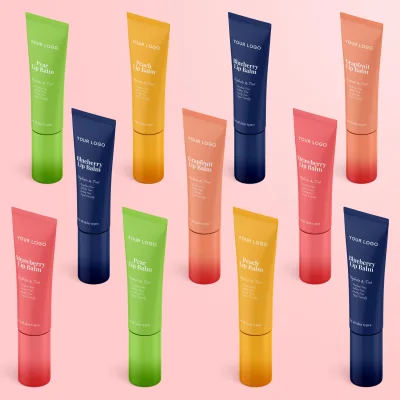


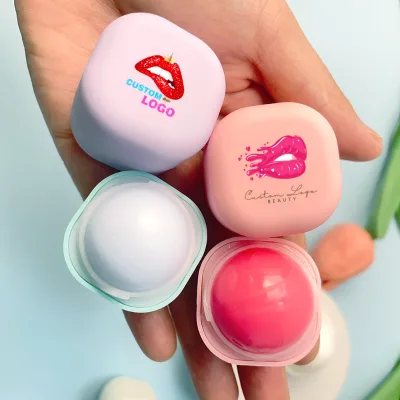
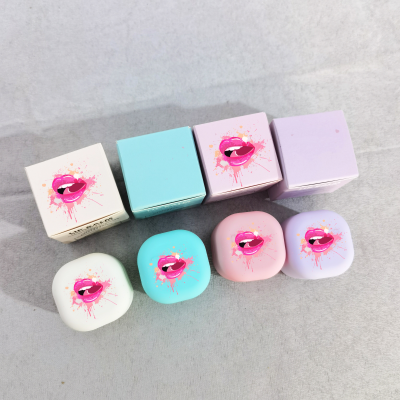
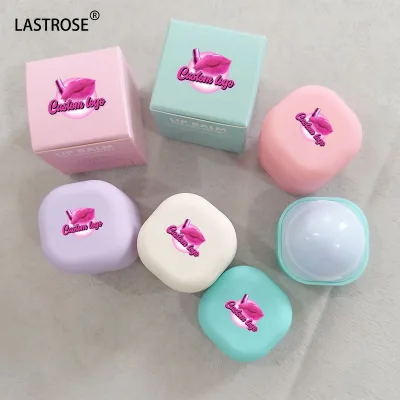


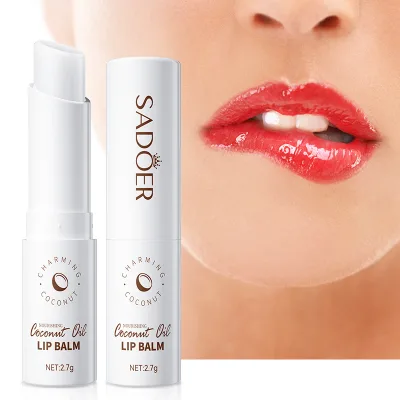
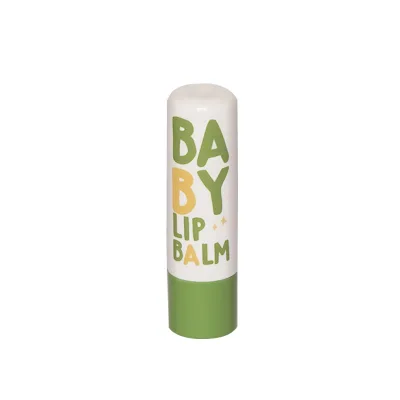


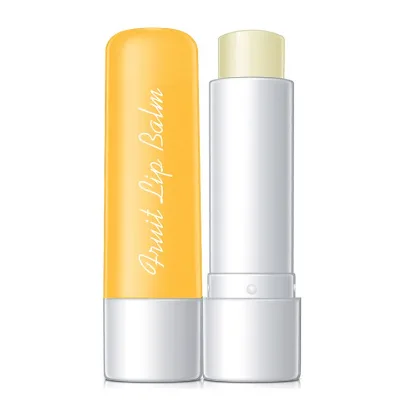
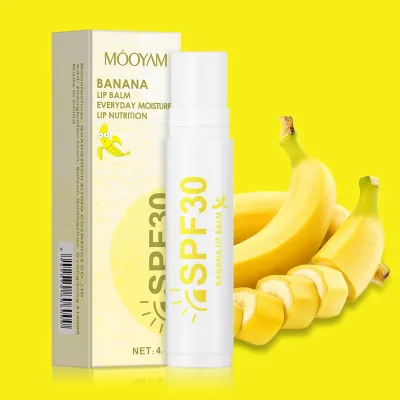

Comprehensive Sourcing Guide
Organic Coconut Oil Lip Balm Sourcing Guide
Sourcing Organic Coconut Oil Lip Balm requires careful alignment with observed market signals and specific product attributes. The current landscape features a diverse range of models, including HS-071, LB-001, and specialized variants like the Avocado Lip Mask and Macaron Lip Balm Set. Buyers must distinguish between standard stick formats and cream or liquid forms, as these dictate different manufacturing processes and packaging requirements. The primary ingredients observed include mineral, herbal, and chemical components, indicating that "organic" claims need rigorous verification against actual formulation data.
Procurement teams should focus on customization capabilities, as most suppliers offer OEM services and private label support. The observed product range highlights significant flexibility in packaging, from single-color jars to multi-colored gift box packing. This variability allows brands to tailor their market positioning effectively. However, buyers must ensure that the customization options do not compromise the integrity of the coconut oil base or the moisturizing function, which is a key feature for consumer appeal in this category.
Product Scope and Observed Listing Signals
The observed product scope spans various lip care formats, primarily focusing on moisturizing lip balms with specific model numbers like HS-071 and LB-001. These products are designed for female consumers and emphasize waterproof and lip moisturizing functions. The color options range from single-color to multi-colored finishes, allowing for broad aesthetic customization. Buyers should note that the form factor varies significantly, with options including sticks, creams, and liquids, each requiring distinct handling and storage considerations during logistics.
Listing signals indicate a strong emphasis on customization, with NET WT and packing standards being highly adaptable. The observed models include specific weights such as 4ml, 72G, 43G, and 10g, providing clear benchmarks for volume planning. The presence of an Avocado Lip Mask and Macaron Lip Balm Set suggests that suppliers are expanding beyond traditional balms into hybrid treatments. Procurement teams must verify if these specialized products maintain the core coconut oil benefits while integrating additional herbal or mineral ingredients for enhanced performance.
Technical Specifications to Verify
Technical verification must begin with the physical form and packaging integrity of the lip balm. Buyers should confirm whether the product is delivered in a stick, cream, or liquid format, as this impacts application and shelf stability. The observed single package size of 0.8X0.8X0.8 cm for certain models highlights the need for precise dimensional planning in retail displays. Additionally, the single gross weight of 0.5 kg for bulk shipments requires accurate freight cost calculations and palletization strategies to prevent damage during transit.
Capacity and standard weights are critical for inventory management and pricing accuracy. The observed capacities range from 4ml to 72G, with specific models like GP1 Lip mask at 43G and Macaron sets at 10g. Buyers must verify if the "customized" NET WT allows for exact alignment with their brand’s standard sizes. Furthermore, the origin locations in Guangzhou and Shenzhen, Guangdong, China, suggest established manufacturing hubs, but buyers should confirm the specific factory capabilities for handling coconut oil’s melting point and consistency requirements.
Compliance and Safety Documentation
Compliance verification is paramount when sourcing lip care products, especially those claiming organic or herbal ingredients. The observed certifications include GMPC, ISO, MSDS, FDA, GMP, CPSR, ISO22716, and ITS, indicating a high level of regulatory adherence in the supply chain. Buyers must request current certificates for each production batch to ensure ongoing compliance. The presence of MSDS is particularly important for understanding the chemical composition and handling safety of the coconut oil and other ingredients used in the formulation.
Safety documentation should also cover the specific standards applied to the final product. The observed prod_standard values, such as 4ml and 72G, must be cross-referenced with local regulatory requirements in the destination market. Buyers should verify if the CPSR and ISO22716 certifications are applicable to their specific product type, as these are often required for European and international markets. Ensuring that the supplier maintains these certifications consistently will mitigate risks associated with product recalls or customs delays due to non-compliance.
Cost Drivers and Commercial Terms
Cost drivers in the lip balm market are heavily influenced by customization levels, ingredient quality, and order volume. The observed MOQ range of 2 to 12,000 units provides flexibility for both small startups and large enterprises. Buyers should negotiate based on the desired customization, as private labeling and unique packaging can increase per-unit costs. The price range of 0.38 to 200 USD reflects this variability, with higher prices likely associated with premium organic ingredients or complex multi-component packaging like gift boxes.
Commercial terms should include clear definitions of sample policies and lead times. The observed "Free Sample" attribute is a valuable tool for quality assessment before committing to large orders. Buyers must clarify if the free sample includes shipping costs and if it is refundable upon placing a bulk order. Additionally, the "OEM price depends on ingredient, package, quantity, volume" note indicates that transparency in pricing breakdowns is essential for accurate budgeting and margin analysis throughout the procurement process.
Supplier Qualification and Quality Control
Supplier qualification requires a thorough assessment of manufacturing capabilities and quality control systems. Buyers should verify the supplier’s experience with coconut oil-based formulations, ensuring they can maintain product stability and consistency. The observed customization options, including formula adjustments and packing variations, indicate a flexible production line. However, buyers must ensure that these customizations do not introduce variability that affects the product’s moisturizing efficacy or waterproof performance.
Quality control processes should be explicitly defined in the purchase agreement. Buyers should request information on in-process inspections and final product testing protocols. The observed certifications suggest a robust quality management system, but buyers must confirm that these systems are actively enforced during production. Additionally, the eco-friendly feature noted in some listings should be verified through specific material certifications to ensure that the packaging and ingredients align with sustainability claims, which are increasingly important to modern consumers.
Long-Term Procurement Checks
Long-term procurement success depends on establishing a reliable supply chain with consistent quality and compliance. Buyers should conduct periodic audits of the supplier’s facilities to ensure ongoing adherence to GMPC, ISO, and other observed certifications. Regular review of ingredient sourcing is crucial, especially for organic coconut oil, to verify that supply chain transparency meets brand values. Maintaining open communication with the supplier regarding formula updates or packaging changes will help adapt to market trends and regulatory shifts.
Continuous monitoring of commercial terms and performance metrics is essential for sustained partnership. Buyers should track lead times, defect rates, and customer feedback to identify areas for improvement. The ability to scale production from low MOQs to high volumes should be evaluated to support business growth. Additionally, staying informed about new product developments, such as the observed avocado lip mask or macaron sets, can provide opportunities for product line expansion and differentiation in a competitive market.
FAQs
Can I customize the formula for Organic Coconut Oil Lip Balm?
Yes, formula customization is available for this product line. Buyers can request specific ingredient profiles, including herbal or mineral additions, to meet unique brand requirements. The supplier supports private labeling and offers OEM services. This allows for tailored moisturizing effects and scent profiles. Customization options extend to packaging and net weight, ensuring the final product aligns with your specific market positioning and quality standards.
What certifications do the lip balm manufacturers hold?
Manufacturers typically hold GMPC, ISO, MSDS, and GMP certifications. Some facilities also provide CPSR, ISO22716, and ITS documentation for compliance. These credentials ensure adherence to international safety and quality standards for cosmetic production. Buyers can verify these documents to meet regulatory requirements in target markets. The presence of these certifications indicates a reliable supply chain for organic and herbal cosmetic ingredients.
What is the minimum order quantity for lip balm products?
The minimum order quantity ranges from 2 to 12,000 units depending on the specific product model. Standard items may have lower MOQs, while customized or private label orders often require higher volumes. Buyers should confirm the exact MOQ with the supplier based on their chosen packaging and formula. This flexibility allows small businesses to test markets while supporting large-scale commercial distribution needs effectively.
How is the lip balm packaged for shipping and retail?
Packaging options include jar packs, gift box packing, and standard carton packaging. The product is available in various sizes, such as 15g, 43g, or 72g containers. Custom packaging designs are supported for private label clients. The supplier ensures secure packing to maintain product integrity during transit. Buyers can select packaging that best fits their retail strategy and brand identity requirements.
Where are the organic lip balm products manufactured?
Products are manufactured in China, specifically in regions like Guangzhou and Shenzhen. These locations are known for their robust cosmetic manufacturing infrastructure. Buyers can source directly from these factories to ensure quality control and efficient logistics. The origin information is provided to help buyers assess supply chain reliability and potential shipping times for international orders.
What are the main ingredients in the moisturizing lip balm?
Main ingredients include mineral, herbal, and chemical components tailored for moisturizing. The formulation focuses on lip hydration and waterproof performance. Buyers can request specific herbal extracts or mineral bases depending on their product positioning. The ingredients are selected to ensure safety and efficacy, complying with relevant cosmetic standards. Custom formulas allow for unique ingredient profiles to differentiate your brand in the market.