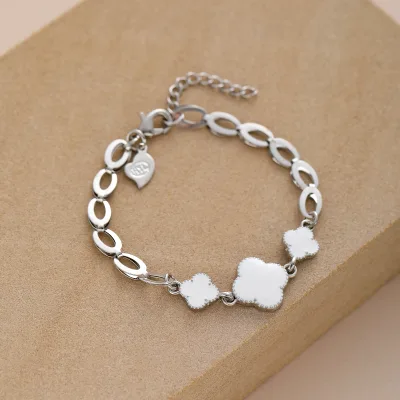
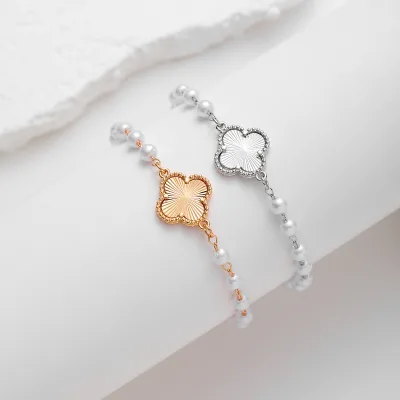
Waterproof Tin Alloy Clover Bracelet Suppliers and Manufacturers
Source 26 verified suppliers for Waterproof Tin Alloy Clover Bracelet products. Compare key dimensions including ISO 9001 certification, response times, and lead times to identify suitable manufacturers. Review product specifications and pricing details to streamline your sourcing process effectively; review the available evidence before requesting comparable quotations from suitable candidates.
Suppliers List

Shenzhen Jinshengrun Technology Co., Ltd.
- Manufacturer/Factory
- China Guangdong
- Lead time0 days
- Avg. response≤ 2h
Main productsStainless Steel Bracelets and Necklaces, Tungsten Steel Ring, Tungsten Ring, Smartwatch(Activity Tracker), Smart Ring, Titanium Steel Necklace, Necklace Pendant, Smart Glasses

GOODLINESS JEWELLERY CO., LIMITED
- Verified by SGS
- Manufacturer
- China Guangdong
- Lead time23 days
- Avg. response≤ 8h
Main products925 Silver Ring, Brass Jewelry, 925 Silver Earring, 925 Silver Necklace, 925 Silver Set, 925 Silver Bangle, Customer's Design, 925 Silver Bracelet, Silver Accessory, Brass Accessory
Main marketsSoutheast Asia/ Mideast,Europe,North America

YIWU JINYE IMPORT AND EXPORT CO., LTD
- Verified by SGS
- Trading Company
- China Zhejiang
- Lead time15 days
- Avg. response≤ 24h
Main productsBangle, Wrist Band, Bracelet, Fashion Jewelry
Main marketsNorth America


Wholesale Elegant Natural Stone Simple Colorful Fluorite Four Leaf Clover Bracelet
$1.23 - $5.50
MOQ: 200 Pieces


Shenzhen Fendi Jewelry Co., Ltd.
- Manufacturer, Trading Company, Distributor/Wholesaler
- Guangdong, China
- Lead time10 days
- Avg. response≤ 3h
Main productsFashion Jewelry,Body Jewelry,Silicone Gift,Bags,Clothes
Main marketsSouth America(20.00%), North America(20.00%), Central America(10.00%), Mid East(10.00%), Northern Europe(5.00%), Southeast Asia(5.00%), Western Europe(5.00%), Southern Europe(5.00%), Eastern Europe(5.00%), Domestic Market(5.00%), South Asia(5.00%), Eastern Asia(3.00%), Oceania(1.00%), Africa(1.00%)
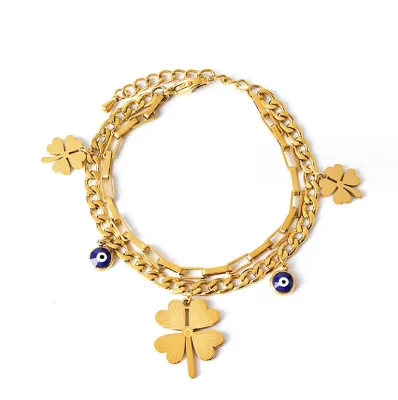
Good Luck Titanium Steel Luxury Four-leaf Clover Bracelet 4 Leaf Clover Bracelet 18k Gold
$3.22 - $6.29
MOQ: 30 Minimum

Putian Licheng Blannina Jewelry Co., Ltd.
- Verified by SGS
- Trading Company
- China Fujian
- Lead time15 days
- Avg. response≤ 3h
Main productsJewelry Accessories, Shoes, Bag, Watch, Clothes
Main marketsEurope

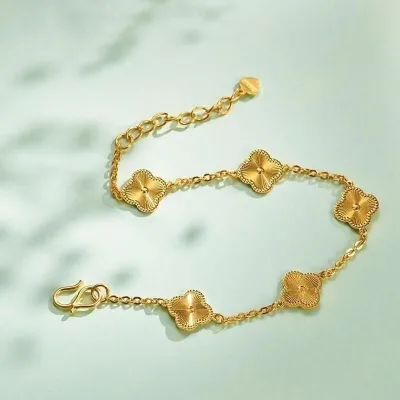
Brand Four Leaf Bracelet Ladies Luxury Adjustable Chain Gold Non Tarnish Waterproof Clover Bracelet
$1.15 - $2.55
MOQ: 5 Pieces

$1.59 - $3.49
MOQ: 5 Pieces

- Verified by BV
- Trading Company,Manufacturer/Factory
- China Guangdong
- Lead time0 days
- Avg. response≤ 11h
Main productsSilver Jewelry, Brass Jewelry, Fashion Jewelry, Semi-Precious
Main marketsSouth America,Eastern Europe,Mid East,Southeast Asia,Eastern Asia,Oceania,Western Europe,Africa


Love style bracelet handing flower clover accessory 14k &18K gold plated Bangle
$80.19 - $98.83
MOQ: 1 Pieces
- Verified by SGS
- Combined
- China Guangdong
- Lead time23 days
- Avg. response≤ 8h
Main marketsOthers(foreignTradeCapacity.exportBusinessCapacityMarketOther),Southeast Asia/ Mideast,East Asia(Japan/ South Korea),Domestic,Europe,Australia,North America


Style Simple Beaded Bracelet Elastic Stacked Bracelet Adjustable Bracelets
$1.25 - $2.15
MOQ: 60 Pieces

$1.86 - $3.59
MOQ: 100 Pieces

Shenzhen Hengda Xin Jewelry Co., Ltd.
- Verified by BV
- Combined
- China Guangdong
- Lead time15 days
- Avg. response≤ 3h
Main productsJewelry, Stainless Steel Fittings, Stainless Steel Jewelry, Necklace, Bracelet, Stud Earrings, Ring, Pendant, Fashion Jewelry, Fashion Accessories
Main marketsSoutheast Asia/ Mideast,East Asia(Japan/ South Korea),Domestic,Europe,Australia,North America

Guangzhou Mimier Jewelry, Co, Ltd.
- Manufacturer/Factory
- China Guangdong
- Lead time120 days
- Avg. response≤ 10h
Main productsFashion Jewelry, Fashion Earrings, Fashion Bracelets, Fashion Rings, Fashion Necklace, Stainless Steel Jewelry, Jewellery Accessories, Jewellery Set
Main marketsEastern Europe,North America,Western Europe,Africa
Dongguan Innuocheng Technology Co., Ltd.
- Trading Company
- Guangdong, China
- Lead time10 days
- Avg. response≤ 1h
Main productsbracelet,necklace,earrings,anklet,rings
Main marketsNorth America(40.00%), Western Europe(30.00%), South America(10.00%), Northern Europe(10.00%), Domestic Market(5.00%), Eastern Europe(5.00%)

- Verified by CTI
- Trading Company
- China Zhejiang
- Lead time15 days
- Avg. response≤ 8h
Main productsJewelry, Brooch, Belt, Necklace, Agent, Bracelet, China Trim, China Ring, China Hair Accessory, China Earring
Main marketsSouth America
Guangzhou Hengxuan Trading Co., Ltd.
- Manufacturer, Trading Company
- Guangdong, China
- Lead time0 days
- Avg. response≤ 1h
Main productsjewelry
Main marketsMid East(25.00%), Africa(25.00%), South America(25.00%), North America(25.00%)

- Trading Company,Manufacturer/Factory
- China Zhejiang
- Lead time23 days
- Avg. response≤ 8h
Main productsKeychain, Patch, Paper Air Freshener, Car Perfume Bottle, Stickers, Badge, Packaging Box, Air Freshener Bottle
Main marketsSouth America,Eastern Europe,Mid East,North America,Southeast Asia,Eastern Asia,Western Europe
- Trading Company
- Zhejiang, China
- Lead time10 days
- Avg. response≤ 2h
Main productsEarrings,stainless steel Necklace,stainless steel Bracelet,zircon ring,necklace bracelet earrings jewelry sets
Main marketsEastern Europe(20.00%), South America(20.00%), North America(20.00%), Africa(10.00%), Southeast Asia(10.00%), Eastern Asia(5.00%), Mid East(5.00%), Oceania(5.00%), Domestic Market(1.00%), South Asia(1.00%), Northern Europe(1.00%), Central America(1.00%), Western Europe(1.00%)

Jinjiang Jiayi Supply Chain Management Co., Ltd.
- Verified by BV
- Trading Company
- China Fujian
- Lead time30 days
- Avg. response≤ 1h
Main productsGift, Shoe, Garment, Machine
Main marketsDomestic

Longyuan (Guangzhou) Industrial Development Co., Ltd.
- Verified by TUVRHEINLAND
- Manufacturer/Factory
- China Guangdong
- Lead time23 days
- Avg. response≤ 9h
Main productsJewelry, Fashion Watch, Hair Accessories, Men Jewelry, Women Jewelry, Pendants, Brooches, Bracelets, Crowns, Necklaces
Main marketsSouth America,Eastern Europe,Mid East,North America,Western Europe

Jiuya Huitong (Qingdao) International Trade Co., Ltd.
- Verified by SGS
- Trading Company,Manufacturer/Factory
- China Shandong
- Lead time90 days
- Avg. response≤ 5h
Main productsClothes, Abaya, Camping Tent, Camping Furniture, Solar Light
Main marketsSouth America,Eastern Europe,Mid East,North America,Southeast Asia,Eastern Asia,Oceania,Western Europe,Africa


Wave Intersect Irregular Twisted Open Bangle Vintage Titanium Steel Jewelry
$5.00 - $10.00
MOQ: 500 Pieces

Guangzhou Huifu Jewelry Co., Ltd.
- Verified by BV
- Manufacturer/Factory
- China Guangdong
- Lead time90 days
- Avg. response≤ 4h
Main productsJewelry, Stainless Steel Jewelry, Stainless Steel Ring, Stainless Steel Pendant, Stainless Steel Earring, Fashion Jewelry, Ring, Necklace, Pendant, Bracelet
Main marketsEastern Europe,Mid East,North America,Western Europe,Africa

Guangzhou IO Jewelry Co., Ltd.
- Combined
- China Guangdong
- Lead time30 days
- Avg. response≤ 8h
Main productsJewelry, Fashion Jewelry, Stainless Steel Jewelry, Custom Jewelry, Stainless Steel Beads, Stainless Steel Charms, Stainless Steel Rings, Stainless Steel Pendants, Beads, Charms
Main marketsSouth America,Domestic,Europe,Australia,North America

- Verified by SGS
- Trading Company
- China Zhejiang
- Lead time15 days
- Avg. response≤ 15h
Main productsChristmas Decoration, Christmas Tree, Christmas Gift, Party Decoration, Promotional Product, Festival Items, Gift, Valentine, Party Items, Halloween Decorations
Main marketsEurope,Australia

Hot Selling Simple Love Gold Bean Double-Layer Titanium Steel Fashionable Bracelet
$1.25 - $1.41
MOQ: 700 Pieces

Cross-Border New Fashion Moon Gift Creative Retro Multi-Color Bracelet Set
$0.48 - $0.55
MOQ: 1800 Pieces


Shenzhen Right Grand Jewelry Co., Ltd.
- Verified by SGS
- Manufacturer
- China Guangdong
- Lead time15 days
- Avg. response≤ 7h
Main productsNecklace, Bracelet, Earring, Ring, Nose Ring, Ear Piercing, Belly Ring, Nipple Ring
Main marketsSouth America,Europe,North America

Stainless Steel Jewelry Magnetic Clasp Custom Bar Braided Leather Bracelet
$1.83 - $2.26
MOQ: 2 Pieces


Stainless Steel Jewelry Magnetic Clasp Custom Braided Cross Leather Bracelet
$3.82 - $4.69
MOQ: 2 Pieces

Guangzhou Saijing Glass Products Co., Ltd.
- Verified by TüVRheinland
- Trading Company
- Lead time15 days
- Avg. response≤ 3h
Main productsGlass Beads, Seed Beads, Shells Flower, Seven Chakras, Stone Beads
Main marketsWestern Europe(44%), North America(30%), Southeast Asia(8%)
- Verified by SGS
- Manufacturer/Factory
- China Zhejiang
- Lead time30 days
- Avg. response≤ 1h
Main productsNecklace, Bracelets, Earring, Ring, Brooch, Phone Lanyard, Key Chain, Body Jewelry, Hair Clip, Hair Band
Main marketsSouth America,Eastern Europe,Mid East,North America,Southeast Asia,Eastern Asia,Oceania,Western Europe,Africa

Dongguan Bosin Hardware Co., Ltd.
- Trading Company
- China Guangdong
- Lead time15 days
- Avg. response≤ 3h
Main productsKey Ring, Snap Hooks, Ball Chain, Carabiner, Metal Clips, Metal Rings, Metal Buckle, Stainless Steel Chains, Key Chain, Bottle Opener
Main marketsEurope,North America

BestSub Technologies Co Limited
- Verified by TUVRHEINLAND
- Trading Company
- China Guangdong
- Lead time23 days
- Avg. response≤ 9h
Main productsSublimation Blanks, Photo Mugs, Heat Press Machines, Photo Slates, Dtf Printers, Photo Frames, Ceramic Mugs, Water Bottles, Travel Tumblers, UV Printing & Engraving Blanks
Main marketsSouth America,Africa,Others(foreignTradeCapacity.exportBusinessCapacityMarketOther),Southeast Asia/ Mideast,East Asia(Japan/ South Korea),Domestic,Europe,Australia,North America
Taiyuan Jinshenghe Trading Co., Ltd.
- Verified by SGS
- Trading Company
- China Shanxi
- Lead time30 days
- Avg. response≤ 4h
Main marketsAfrica










Comprehensive Sourcing Guide
Waterproof Tin Alloy Clover Bracelet Supplier Concentration and Factory Types
The current supplier landscape for waterproof tin alloy clover bracelets reveals a concentration of manufacturing capabilities primarily within China, specifically in the Guangdong region. This area hosts a significant number of factories that specialize in fashion jewelry, including stainless steel, titanium, and copper-based accessories. While the specific keyword focuses on tin alloy, the observed data indicates that many manufacturers in this cluster produce a diverse range of materials, such as titanium steel, tungsten, and 925 silver, often under the same corporate umbrella. Buyers should recognize that a single factory listing may offer multiple material options, requiring careful filtering to isolate tin alloy production lines. The presence of ISO 9001 and ISO 20000 certifications among some entities suggests a baseline of quality management systems, though not all suppliers in the cluster hold these specific credentials.
Factory types in this sector vary between pure manufacturers and trading companies, though the majority of the observed results list themselves as manufacturers or factories. These entities often possess in-house capabilities for processes like drip oil, electroplating, and casting, which are critical for finishing clover designs. Some suppliers explicitly state ODM and OEM capacities, indicating they can adapt designs for specific client needs rather than just selling stock inventory. However, the absence of specific establishment years in the provided data means buyers cannot verify the longevity of these operations based on current facts alone. It is essential to distinguish between a factory that owns the production line and one that merely sources from third parties, as this distinction impacts quality control and lead time reliability.
How to Verify Waterproof Tin Alloy Clover Bracelet Suppliers
Verification of suppliers for waterproof tin alloy clover bracelets requires a rigorous check of system certifications and third-party validation records. The available data shows that some suppliers hold ISO 9001 and ISO 20000 certifications, while others list no system certifications at all. Buyers must request current, valid certificates for any supplier claiming compliance, as the absence of a listed certification in a search result does not confirm a lack of quality standards, but rather a lack of displayed proof. Additionally, verification badges such as SGS are present for certain entities, serving as a tangible indicator of third-party inspection. However, relying solely on a single badge is insufficient; buyers should cross-reference these claims with independent audit reports to ensure the supplier's actual production environment matches their stated credentials.
Response time and delivery reliability are also critical verification metrics that buyers should assess before committing to an order. The observed response times vary significantly, with some suppliers showing a response time of 1.62 hours while others take up to 7.30 hours. A faster response time often correlates with better communication channels and more active account management, which is vital for resolving issues related to custom tin alloy specifications. Furthermore, buyers should verify the supplier's capacity for customization, as some listings indicate available services for engraving or size adjustments, while others may only offer standard stock items. Confirming the supplier's ability to meet specific material purity requirements, such as the 90% stainless steel purity noted in some records, is essential to ensure the final product meets the waterproof and durability expectations of the tin alloy clover bracelet category.
What to Compare Across Waterproof Tin Alloy Clover Bracelet Suppliers
When comparing suppliers, buyers must evaluate the minimum order quantities (MOQ) and pricing structures to determine financial feasibility. The data indicates a wide range of MOQs, with some suppliers requiring as few as 10 pieces, while others mandate orders of 50, 100, or even 20 pieces depending on the specific product model. Pricing also fluctuates based on material and processing; for instance, titanium steel bracelets may be priced differently than copper or stainless steel alternatives, though direct tin alloy pricing is not explicitly detailed in the current facts. Buyers should calculate the total cost of ownership, including shipping and potential customs duties, rather than focusing solely on the unit price. It is crucial to note that price points observed, such as $2.80 or $3.50, are specific to certain models and may not apply to all tin alloy variations, requiring direct inquiry for accurate quotes.
Lead times and production capacity are equally important factors when comparing potential partners for waterproof tin alloy clover bracelets. Some suppliers list a lead time of zero, which may indicate immediate stock availability, while others specify a delivery window of 30 to 40 days or a fixed 23-day production period. This variance suggests that some factories operate on a make-to-stock basis, whereas others function on a make-to-order model. Buyers should align their inventory planning with these timelines to avoid stockouts or overstocking. Additionally, the main products listed by suppliers often include a mix of jewelry types, from rings to necklaces, so buyers must confirm that the specific factory has dedicated capacity for bracelet production. Ensuring the supplier can handle the specific volume and timeline required is key to maintaining a smooth supply chain.
Common Waterproof Tin Alloy Clover Bracelet Sourcing Risks
One significant risk in sourcing waterproof tin alloy clover bracelets is the potential discrepancy between advertised materials and actual product composition. While some product attributes explicitly state materials like titanium, copper, or stainless steel, the specific claim of "tin alloy" requires careful verification against the supplier's material certificates. There is a risk that a supplier may substitute materials or use lower-grade alloys that do not meet the waterproof or hypoallergenic standards expected by the market. Buyers must request material test reports to confirm the alloy composition, especially since some listings mention features like "Nickel-Free" or "Hypoallergenic" which are critical for sensitive skin but require rigorous testing to validate. Without these documents, the risk of receiving non-compliant goods increases substantially.
Another prevalent risk involves the reliability of delivery times and the consistency of quality control processes. The observed data shows varying lead times, and some suppliers do not provide clear establishment years, making it difficult to assess their operational stability. A supplier with a short response time might still face production bottlenecks that delay shipments, particularly if they are managing multiple product lines simultaneously. Furthermore, the absence of specific escrow or guarantee terms in some listings leaves buyers vulnerable to disputes over product defects or non-delivery. Buyers should insist on clear terms regarding quality guarantees, such as the 13-month guarantee mentioned in some records, and ensure that these terms are legally binding in the purchase agreement. Failing to secure these protections can lead to financial loss and reputational damage if the products fail to perform as expected.
Waterproof Tin Alloy Clover Bracelet Regional Sourcing and Logistics
Sourcing from the Guangdong region in China offers logistical advantages due to the established infrastructure for exporting fashion jewelry. This cluster is known for its efficiency in handling small to medium-sized orders, which aligns well with the varying MOQs observed in the supplier data. The proximity of manufacturers to major ports facilitates faster shipping times, which is beneficial for buyers looking to minimize lead times. However, buyers must be aware that while the location is a hub, not all suppliers in the region may have the same level of export experience or logistics partnerships. It is advisable to verify the supplier's experience with international shipping and their ability to handle customs documentation correctly to avoid delays at the destination port.
Logistics planning should also account for the specific packaging requirements of waterproof tin alloy clover bracelets to prevent damage during transit. The data indicates that products are often packed in PP bags or OPP bags, which are standard but may require additional protection for bulk shipments. Buyers should confirm if the supplier offers customized packaging solutions, as some listings mention strong cartons or customer-specific requirements. Additionally, the origin of the product is consistently listed as China, which impacts tariff classifications and import duties in various markets. Buyers need to factor these costs into their overall budget and ensure that the supplier provides accurate HS codes and origin certificates. Proper logistics planning ensures that the product arrives in pristine condition and on schedule, maintaining the integrity of the brand and customer satisfaction.
Waterproof Tin Alloy Clover Bracelet Commercial Terms and Order Planning
Commercial terms for waterproof tin alloy clover bracelets often include specific customization services and payment conditions that buyers must negotiate carefully. The observed data shows that some suppliers offer customization options such as engraving, size adjustments, and plating variations like rhodium or rose gold. These services can add value but may also extend lead times and increase costs. Buyers should clarify the timeline for custom orders and ensure that the supplier has the capacity to handle these requests without compromising quality. Additionally, the availability of OEM and ODM services suggests that suppliers are willing to work closely with buyers to develop unique products, but this requires clear communication of design specifications and approval processes.
Order planning must also consider the warranty and guarantee terms provided by the supplier to mitigate post-sale risks. Some listings mention a 13-month guarantee, which provides a safety net for buyers against manufacturing defects. However, the specifics of this guarantee, such as what constitutes a defect and the process for claims, need to be explicitly defined in the contract. Buyers should also verify the return policy and the handling of defective units to ensure a smooth resolution process. Furthermore, understanding the payment terms, including any escrow options, is crucial for protecting financial interests. By carefully structuring the commercial agreement and planning for potential contingencies, buyers can secure a reliable supply chain for their Waterproof Tin Alloy Clover Bracelet inventory.
FAQs
What materials are used for clover bracelets in these listings?
Suppliers offer bracelets made from titanium, stainless steel, copper, and 925 silver. Some products feature cubic zirconia accessories or gold-inlaid details. Buyers should verify specific material purity and plating options like rhodium or rose gold before ordering to ensure durability and skin compatibility.
What are the minimum order quantities for these clover bracelets?
Minimum order quantities vary significantly by product and material. Listings show MOQs ranging from 10 pieces for stainless steel rings to 100 pieces for copper bracelets. Some custom silver options require a minimum of 20 pieces. Buyers must check individual product pages for the exact quantity required for their selected item.
How long does it take to receive orders from these suppliers?
Lead times differ based on the specific supplier and product customization. One supplier lists a lead time of 23 days, while another indicates a delivery window of 30 to 40 days for custom silver items. Some entries show zero days, suggesting immediate availability for standard stock items. Confirm the exact timeline with the seller.
Are these clover bracelets suitable for formal occasions?
Yes, many listed products are explicitly designed for formal occasions. Titanium and stainless steel options often feature drip oil processing or mirror polishing for a refined look. Silver bracelets with cubic zirconia settings are also marketed for formal wear. Buyers should review the occasion attribute on each product page to confirm suitability.
What certifications do the manufacturers hold for these products?
Some manufacturers hold ISO 9001 and ISO 20000 system certifications. One supplier is verified by SGS, and specific products carry SGS certificates. Other listings show no system certifications. Buyers should request current certification documents directly from the supplier to verify quality management standards before placing large orders.
What is the price range for titanium clover bracelets?
Prices for titanium clover bracelets start around 3.50 USD per piece. Some specific models are listed at exactly 3.50 USD, while others with gold-inlaid treatments may cost 7.50 USD. Stainless steel options can be found at 2.80 USD. Final pricing depends on the specific model, material, and order quantity selected.
Can suppliers provide custom designs for clover bracelets?
Yes, several suppliers offer OEM and ODM services for custom designs. Customization options include size adjustments, engraving, and specific plating colors like black or yellow gold. Some listings explicitly state that customization is available for silver and brass items. Buyers should discuss their specific design requirements with the manufacturer to confirm feasibility.