White Marble Freestanding Bathtub Suppliers and Manufacturers
Source 18 verified suppliers for White Marble Freestanding Bathtub options from China. Compare key dimensions including lead times, MOQs, and response rates to identify suitable partners. Review product specifications and pricing details to streamline your procurement process effectively; review the available evidence before requesting comparable quotations from suitable candidates.
Suppliers List

Stone (Quanzhou) Supply Chain Co., Ltd.
- Verified by SGS
- Combined
- China Fujian
- Lead time30 days
- Avg. response≤ 3h
Main productsMarble, Granite, Travertine, Quartzite, Quartz, Sintered Stone, Limestone, Sandstone, Countertop, Sink


Custom White Stone Round Marble Natural Stone Design Modern Freestanding Bath Tub Marble Bathtub
$1359.59 - $1782.59
MOQ: 2 Pieces

Starstone Bathroom Luxury Carrara White Marble Freestand Stone Bathtub
$3155.00 - $3450.00
MOQ: 2 Pieces

Green Marble Bathtub Bathroom Bathtub Freestanding Soaking Bathtub Natural Stone Bath Tub
$1359.59 - $1982.59
MOQ: 2 Pieces

Foshan Aqua Gallery Company Limited
- Verified by TUVRHEINLAND
- Combined
- China Guangdong
- Lead time15 days
- Avg. response≤ 4h
Main productsFaucets and Shower Mixers, Bathroom Cabinets, Bathtubs, Toilets and Basins, Mirrors and Mirror Cabinets, Shower Rooms, Kitchen Cabinets, Wardrobes, Interior Doors, TV Units&Other Cabinets
Main marketsSouth America,North America

Bathtub White Acrylic Free Standing Freestanding Bathtub Without Faucet
$220.00 - $411.00
MOQ: 1 Pieces


- Verified by SGS
- Trading Company
- China Guangdong
- Lead time15 days
- Avg. response≤ 1h
Main productsBathtub, Massage Bathtub, Cold Water Bathtub, Shower Room, Shower Room Parts
Main marketsSouth America
Hebei Jinqiji Import and Export Trade Co., Ltd
- Verified by SGS
- Trading Company
- China Hebei
- Lead time60 days
- Avg. response≤ 2h
Main productsStone Carving, Copper Sculpture, Fiberglass Sculpture, Stainless Steel Sculpture
Main marketsSouth America,Eastern Europe,Mid East,North America,Southeast Asia,Eastern Asia,Oceania,Western Europe,Africa

Freestanding Bathtub Marble Natural Marble Bathtub Bathroom Stone Bath Tub for Sale
$899.00 - $1990.00
MOQ: 1 Pieces

$790.00 - $1560.00
MOQ: 1 Pieces


$680.00 - $1660.00
MOQ: 1 Pieces


Taizhou Luqiao Amily Sanitaryware Co., Ltd.
- Manufacturer/Factory
- China Zhejiang
- Lead time23 days
- Avg. response≤ 6h
Main productsFaucet, Basin Faucet, Shower, Tap, Sanitary Ware, Bathtub, Acrylic Bathtub, Solid Bathtub, Bathroom Faucet, Kitchen Faucet
Main marketsSouth America,Mid East,Southeast Asia,Eastern Asia,Oceania,Western Europe,Africa

Freestanding Against Wall Acrylic Bathtub with Matt White&Glossy White Surface
$200.00 - $300.00
MOQ: 5 Pieces

Freestanding Bathtub, Acrylic Bathtub, Freestanding Acrylic Bathtub with White&Black Finish
$200.00 - $250.00
MOQ: 5 Pieces


Rectangle Freestanding Acrylic Bathtub with Matt White &Glossy White Surface
$200.00 - $260.00
MOQ: 5 Pieces

- Verified by BV
- Trading Company
- China Guangdong
- Lead time30 days
- Avg. response≤ 5h
Main productsAluminum Pergola, Hardware(Hinge Handle Lock Frame), Aluminum Sunroom, Aluminum Decking, Aluminum Wardrobe System, Outdoor Kitchen
Main marketsEurope

- Verified by BV
- Trading Company
- China Guangdong
- Lead time0 days
- Avg. response≤ 6h
Main productsSanitary Ware, Ceramic & Porcelain Tiles, Custom Cabinets & Storage, Aluminum Doors & Windows, Architectural Aluminum & Glazing Systems, Wall & Floor Covering, Wooden Doors, Indoor & Outdoor Furniture, Hospital Supplies Solution, One-Stop Building Material Service
Main marketsSouth America,Eastern Europe,Mid East,North America,Southeast Asia,Eastern Asia,Oceania,Western Europe,Africa

FOSHAN L'OASIS SANITARY WARE CO.,LTD
- Verified by SGS
- Trading Company
- China Guangdong
- Lead time30 days
- Avg. response≤ 6h
Main productsBasin, Toilet, Urinal, Bidet, Squatting Pan, Water Tank, Faucet, Shower, Bathtub, Shower Room
Main marketsDomestic


New White Modern Freestanding Acrylic Square Bathtub with Shower Faucet
$1500.00 - $1752.00
MOQ: 5 Pieces

Ningbo Waltmal Sanitary Wares Technology Co., Ltd
- Verified by BV
- Combined
- China Zhejiang
- Lead time30 days
- Avg. response≤ 11h
Main productsFreestanding Bathtub, Massage Bathtub, Shower Enclosure, Drop-in Bathtub, Acrylic Bathtub, Shower Base, Shower Door, Shower Tray, Hot Tub, Tub
Main marketsSouth America,Africa,Southeast Asia/ Mideast,East Asia(Japan/ South Korea),Domestic,Europe,Australia,North America


Cupc Approved Bathtub, Free Standing Bath, Acrylic Freestanding Bathtub
$269.50 - $388.00
MOQ: 10 Pieces


Shenzhen MSUN Sanitary Ware Co., Ltd.
- Manufacturer/Factory
- China Guangdong
- Lead time23 days
- Avg. response≤ 3h
Main productsSolid Surface Sheet, Solid Surface Wash Basin, Solid Surface Bathtub, Solid Surface Worktop, Corian, Stool, Sanitary Ware, Solid Surface Bathroom Sink, Wash Basin, Bathtub
Main marketsSouth America,Eastern Europe,Mid East,North America,Southeast Asia,Eastern Asia,Oceania,Western Europe


Blue Oval Matt Solid Surface Bathtub Resin Stone Freestanding Bath Tubs
$599.00 - $1299.00
MOQ: 1 Pieces


Solid Marble Bath Tub Acrylic Stone Bathtub New Freestand Bathtubs Black
$600.00 - $850.00
MOQ: 5 Pieces


Hangzhou Fuyi Household Products Co., Ltd.
- Manufacturer
- China Zhejiang
- Lead time30 days
- Avg. response≤ 16h
Main productsShower Room, Shower Enclosure, Bathroom Cabinet, Shower Cabin, Bathroom Vanity, Mirror, Bathroom Furniture, Glass Basin, Shower Room Factory
Main marketsSouth America,Southeast Asia/ Mideast,Europe

Kingkonree International China Surface Industrial Co., Ltd.
- Verified by TUVRHEINLAND
- Combined
- China Guangdong
- Lead time15 days
- Avg. response≤ 3h
Main productsSolid Surface Sheet, Solid Surface Wash Basin, Solid Surface Bathroom Sink, Solid Surface Bathtub, Solid Surface Countertop, Solid Surface Table, Corian, Bathroom Vanity Top, Sanitary Ware, Marble Table
Main marketsSouth America,Africa,Southeast Asia/ Mideast,East Asia(Japan/ South Korea),Europe,Australia,North America

Tianjin Esing Arts Gallery Co., Ltd.
- Verified by SGS
- Trading Company
- China Tianjin
- Lead time60 days
- Avg. response≤ 3h
Main productsMarble Statue, Stone Fountain, Marble Fireplace, Bronze Sculpture, Marble Flowerpot, Stainless Steel Sculpture, Cast Iron Bench, Cast Iron Flowerpot, Marble Sculpture, Stone Statue
Main marketsEurope,Australia,North America

Modern Design Freestanding Bathroom Solid White Marble Soaking Bathtub
$1725.00 - $3500.00
MOQ: 1 Pieces

Indoor Simple Hand Carved Natural High Quality White Marble Bathtub for Bathroom
$800.00 - $4000.00
MOQ: 1 Pieces


Aongking Technology Hebei Co., Ltd.
- Verified by SGS
- Combined
- China Hebei
- Lead time30 days
- Avg. response≤ 3h
Main productsSculpture, Bronze Sculpture, Stainless Steel Sculptures, Marble Sculptures, Fiberglass Sculptures, Art, Garden Sculpture, Urban Sculpture, Metal Sculptures, Portrait Sculpture
Main marketsSouth America,Europe,Australia,North America


Custom High Quality Natural Stone White Marble Freestanding Bathtub for Bathroom Decor
$1290.00 - $2990.00
MOQ: 1 Pieces


Baoding Glory Import And Export Co., Ltd.
- Trading Company
- Hebei, China
- Lead time20 days
- Avg. response≤ 1h
Main productsStone Sculptures,Bronze Sculptures,Fiberglass resin sculpture,Stainless steel products,Wood sculpture
Main marketsNorth America(29.00%), South America(12.00%), Domestic Market(11.00%), Northern Europe(10.00%), Southeast Asia(8.00%), Eastern Asia(8.00%), Eastern Europe(6.00%), Africa(6.00%), Western Europe(3.00%), Mid East(3.00%), Southern Europe(2.00%), South Asia(2.00%)
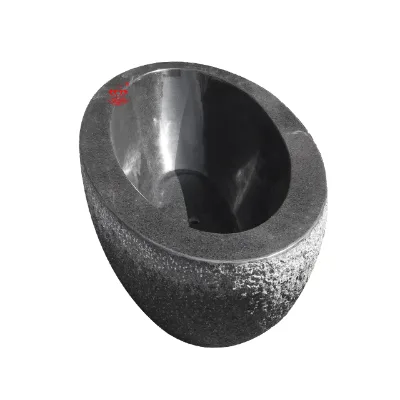
Large Size Black Marble Bathroom Tub Freestanding Solid Surface Stone Bathtub
$2160.00 - $2380.00
MOQ: 1 sets
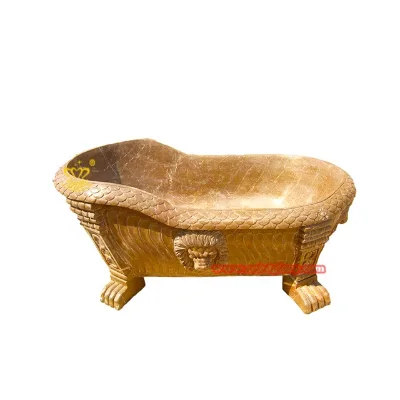
Hot Selling Freestanding Marble Bathtub with Leg Bracing Factory Price Whirlpool Bathtubs
$1260.00 - $1380.00
MOQ: 1 pieces

Qingdao Xinda Industrial Co., Ltd.
- Manufacturer/Factory
- China Shandong
- Lead time45 days
- Avg. response≤ 7h
Main productsAcrylic Bathtub, Steel Enamel Bathtub, Bathtub, Shower Tray, Freestanding Bathtub
Main marketsSouth America,Eastern Europe,Mid East,North America,Southeast Asia,Eastern Asia,Oceania,Western Europe,Africa


Freestanding Acrylic Freestanding Bathtub with Stainless Stand Support
$40.00 - $220.00
MOQ: 50 Pieces

Guangzhou Sarhang Stone Solutions Limited.
- Trading Company,Manufacturer/Factory
- China Guangdong
- Lead time15 days
- Avg. response≤ 7h
Main productsMarble Tiles, Granite Tiles, Onyx Marble, Limestone, Travertine, Sandstone, Waterjet Marble Medallion, Marble Inlay, Marble Panels, Marble Floor
Main marketsEastern Europe,Mid East,North America,Southeast Asia,Eastern Asia,Western Europe,Africa

Zhaoqing Hongdao Sanitary Ware Technology Co., LTD
- Combined
- China Guangdong
- Lead time30 days
- Avg. response≤ 8h
Main productsSolid Surface Washbasin, Solid Surface Bathtub, Solid Surface Bathroom Sinks, Pedestal Basin, Bathroom Vanity, Vanity Top, Kitchen Sink, Solid Surface Counter Top, Solid Surface Slabs
Main marketsDomestic,Europe,North America


Comprehensive Sourcing Guide
White Marble Freestanding Bathtub Supplier Concentration and Factory Types
The sourcing landscape for white marble freestanding bathtubs reveals a distinct geographic concentration in China, with significant manufacturing activity reported from the Fujian province. This region is historically associated with stone processing, leveraging local access to raw materials like marble, granite, travertine, and quartzite. Suppliers in this cluster often operate as combined entities, meaning they may function as both manufacturers and trading companies. This dual nature can offer buyers flexibility in product range, allowing access to diverse stone types such as Carrara white marble, limestone, and sandstone under one roof. The presence of these combined companies suggests a mature industrial ecosystem where raw material sourcing and finished product fabrication are closely integrated. Buyers should recognize that while Fujian is a key hub, the specific factory type can vary, with some entities focusing purely on natural stone carving while others integrate engineered materials like quartz or sintered stone into their offerings. Understanding this distinction is crucial for determining whether a supplier can meet specific material requirements or if they are primarily acting as an intermediary for other workshops.
In contrast to the stone-centric clusters, other manufacturing regions in China, such as Guangdong, present a different factory profile focused on acrylic and composite materials. While the core keyword specifies marble, the market often blends natural stone aesthetics with modern manufacturing techniques, leading to suppliers who produce acrylic bathtubs with marble-like finishes or composite structures. These factories often emphasize OEM and ODM capabilities, indicating a higher degree of customization and design flexibility compared to standard stone suppliers. The verification status of suppliers in these regions may differ, with some holding certifications from bodies like TÜV Rheinland, which signals a focus on quality management systems and product safety standards. This divergence in factory types means that buyers must carefully assess whether they are seeking a traditional natural stone artisan or a modern manufacturing facility capable of producing consistent, high-volume acrylic or composite units. The choice between these factory types will significantly impact the lead time, material authenticity, and overall cost structure of the final product, requiring a clear definition of priorities before engaging with potential partners.
How to Verify White Marble Freestanding Bathtub Suppliers
Verification is a critical step in ensuring the reliability of suppliers offering white marble freestanding bathtubs, particularly given the high value and fragility of natural stone products. Buyers should prioritize suppliers who display third-party verification badges, such as SGS or TÜV Rheinland, as these indicate that an independent agency has audited the company’s business legitimacy and operational capabilities. For instance, some suppliers in the stone sector hold SGS verification, which provides a baseline assurance of their corporate structure and export readiness. Similarly, acrylic or composite manufacturers may hold TÜV Rheinland certifications, suggesting adherence to international quality and safety standards. These verifications are not merely decorative; they serve as a preliminary filter to distinguish established businesses from transient trading entities. Buyers should look for these badges prominently displayed on supplier profiles and verify the scope of the certification to ensure it covers the relevant product categories, such as bathroom furniture or sanitary ware. Relying on unverified suppliers carries significant risk, as there is no external validation of their financial stability or production capacity.
Beyond verification badges, buyers must scrutinize the supplier’s response time and communication efficiency as indicators of operational maturity. A response time metric, such as 2.84 hours or 3.58 hours, can provide insight into the supplier’s customer service infrastructure. Faster response times often correlate with dedicated sales teams and streamlined internal processes, which are essential for handling complex custom orders involving natural stone dimensions or acrylic mold specifications. Additionally, buyers should examine the supplier’s main product listings to ensure alignment with their specific needs. For example, a supplier listing marble, granite, and travertine as main products is likely more specialized in natural stone than one listing faucets and shower mixers as primary items. This product focus helps confirm that the supplier has the necessary expertise and equipment for white marble bathtubs. Buyers should also check for evidence of past projects or detailed product attributes, such as specific jet types, installation methods, and material compositions, to gauge the depth of their technical knowledge and production capability.
What to Compare Across White Marble Freestanding Bathtub Suppliers
When evaluating multiple suppliers for white marble freestanding bathtubs, lead time is a primary differentiator that impacts project scheduling and inventory management. Suppliers may offer varying lead times, such as 15 days or 30 days, depending on the complexity of the order and the material source. Natural stone bathtubs often require longer lead times due to the custom cutting, polishing, and finishing processes involved, whereas acrylic or composite units may be produced more rapidly. Buyers should compare these timelines against their project deadlines to avoid delays. Additionally, the Minimum Order Quantity (MOQ) is a crucial factor, especially for smaller buyers or those testing the market. Some suppliers may have an MOQ of just one or two pieces, allowing for flexible trial orders, while others might require higher volumes. Understanding these MOQs helps buyers assess the financial risk of initial engagements and plan their procurement strategy accordingly. Comparing these operational metrics side-by-side allows for a more objective assessment of each supplier’s suitability for the buyer’s specific scale and timeline requirements.
Price and customization options are equally important dimensions for comparison, as they directly affect the total cost of ownership and product differentiation. Price ranges for white marble freestanding bathtubs can vary significantly, with some natural stone models starting around $1,359 and reaching up to $1,782, while others may be priced higher due to premium materials like Carrara marble. Acrylic or composite alternatives might offer lower price points, starting from $220 to $433, providing a budget-friendly option for certain projects. Buyers should compare these prices in the context of the included features, such as slip-resistant surfaces, specific drain locations, or integrated jet systems. Furthermore, the level of customization offered, such as OEM acceptance or specific size adjustments, should be evaluated. Suppliers that accept OEM orders and offer graphic design or total project solutions provide greater flexibility for branding and specific architectural requirements. By analyzing price, MOQ, lead time, and customization capabilities together, buyers can identify the supplier that offers the best balance of cost, quality, and service for their specific needs.
Common White Marble Freestanding Bathtub Sourcing Risks
One of the most significant risks in sourcing white marble freestanding bathtubs is the potential for material inconsistency and quality variation. Natural stone is a unique material, and each slab can have distinct veining, color variations, and structural flaws. Buyers must be aware that the final product may not exactly match the sample provided, especially if the supplier does not have strict quality control measures in place. This risk is heightened when dealing with combined suppliers who may source raw materials from multiple quarries. Additionally, the fragility of marble during shipping poses a substantial risk. Even with wooden packing or wooden crates, the heavy and brittle nature of stone bathtubs makes them susceptible to cracking or chipping during transit. Buyers should verify the packing standards, such as whether the supplier uses foam padding, wooden crates, or specialized protective films, to mitigate this risk. Failure to account for these packaging details can result in damaged goods, leading to costly replacements and project delays.
Another common risk is the misalignment between supplier claims and actual production capabilities, particularly regarding customization and lead times. Suppliers may promise flexible OEM services or rapid turnaround times that are not feasible given their current capacity or supply chain constraints. For instance, a supplier might claim a 15-day lead time for a custom acrylic bathtub, but this may only apply to standard models, while custom designs could take significantly longer. Similarly, claims about certification or verification status should be independently validated, as some suppliers may display badges that are outdated or not applicable to the specific product line. Buyers should also be cautious of suppliers who do not provide detailed product attributes, such as material composition or installation requirements, as this lack of transparency can lead to compatibility issues during installation. To mitigate these risks, buyers should request detailed product specifications, verify certifications through official channels, and establish clear communication channels to monitor production progress. Understanding these potential pitfalls allows buyers to implement stricter due diligence and contractual safeguards to protect their interests.
White Marble Freestanding Bathtub Regional Sourcing and Logistics
Sourcing white marble freestanding bathtubs from China involves navigating distinct regional logistics advantages, particularly when dealing with suppliers in Fujian and Guangdong provinces. Fujian, being a major hub for stone processing, offers logistical benefits for natural stone products due to its proximity to quarries and established stone export infrastructure. This proximity can reduce raw material transportation costs and lead times, making it an efficient choice for buyers seeking authentic marble or granite bathtubs. However, the heavy weight of stone products necessitates robust shipping solutions, often requiring sea freight in containers with specialized crating. Buyers should consider the port of departure and the associated freight costs, as these can significantly impact the total landed cost. Additionally, the complexity of handling fragile stone items requires careful coordination with freight forwarders who have experience in handling construction materials and sanitary ware. Understanding the regional logistics landscape helps buyers anticipate potential delays and costs associated with transporting heavy, fragile items from the factory to the final destination.
In contrast, sourcing from Guangdong province may offer different logistical advantages, particularly for acrylic or composite bathtubs. Guangdong is a major manufacturing center for bathroom fixtures and furniture, with well-developed supply chains for plastics and acrylics. The logistics for these products may be less complex due to their lighter weight and durability compared to natural stone. However, buyers should still be mindful of the packaging requirements, such as the use of foam padding and wooden crates, to prevent damage during transit. The response time and communication efficiency of suppliers in this region can also influence logistics planning, as faster communication can lead to quicker resolution of shipping issues. Additionally, buyers should consider the availability of local logistics partners who can handle the export process efficiently. By understanding the regional differences in logistics and supply chain maturity, buyers can make informed decisions about which region to source from based on their specific product requirements, budget, and timeline constraints. This regional awareness is crucial for optimizing the overall sourcing strategy and ensuring smooth delivery of white marble freestanding bathtubs.
White Marble Freestanding Bathtub Commercial Terms and Order Planning
Commercial terms and order planning are essential components of a successful sourcing strategy for white marble freestanding bathtubs, particularly when dealing with high-value and customizable products. Buyers should carefully review the payment terms, warranty policies, and after-sales service offerings provided by suppliers. For example, some suppliers may offer a five-year warranty on acrylic bathtubs, while natural stone products might have different warranty conditions due to the inherent variability of the material. Understanding these terms helps buyers assess the long-term value and risk associated with each supplier. Additionally, buyers should plan their orders based on the supplier’s MOQ and lead time to avoid overstocking or stockouts. For instance, if a supplier has an MOQ of two pieces and a 30-day lead time, buyers should plan their inventory accordingly to ensure timely delivery for their projects. Clear communication regarding order specifications, including size, color, and installation requirements, is crucial to avoid misunderstandings and ensure the final product meets expectations.
Furthermore, buyers should consider the total cost of ownership, including shipping, insurance, and potential customs duties, when planning their orders. While the unit price of a White Marble Freestanding Bathtub may be competitive, the additional costs associated with logistics and compliance can significantly impact the final price. Buyers should request detailed quotations that include all relevant fees to avoid hidden costs. Additionally, buyers should establish a clear timeline for order placement, production, and delivery to ensure alignment with their project schedules.
FAQs
What is the typical lead time for white marble freestanding bathtubs?
Lead times vary by supplier, with some offering 15 days and others requiring 30 days for production. Buyers should confirm the specific timeline based on customization needs and current factory capacity. Always verify the exact lead time in the final contract to ensure project schedules are met.
What is the minimum order quantity for these bathtubs?
MOQs range from 1 to 5 units depending on the specific product and supplier. Some acrylic options allow single-unit orders, while natural stone bathtubs often require a minimum of 2 pieces. Confirming the MOQ early helps buyers plan inventory and shipping costs effectively.
Where are these bathtubs primarily manufactured?
Suppliers are located in key Chinese manufacturing hubs, including Fujian and Guangdong. Fujian is known for natural stone processing, while Guangdong specializes in acrylic and bathroom fixtures. Choosing a location based on material type can streamline logistics and quality control for the buyer.
What materials are available for freestanding bathtubs?
Options include natural marble, granite, travertine, and acrylic. Natural stone offers a luxury aesthetic and durability, while acrylic provides a lighter weight and lower cost. Buyers should select materials based on their design preferences, budget, and installation requirements.
Do suppliers offer customization for size and design?
Yes, many suppliers accept OEM and ODM requests for custom sizes, shapes, and finishes. Buyers can specify dimensions, drain locations, and jet types to match their bathroom layout. Providing detailed technical drawings ensures the final product meets exact specifications.
What is the typical response time from suppliers?
Average response times range from 2.84 to 3.58 hours. Prompt communication is crucial for resolving technical queries and finalizing orders. Buyers should prioritize suppliers with faster response times to maintain project momentum and address any issues quickly.
Are these bathtubs suitable for luxury bathroom projects?
Yes, natural stone and high-end acrylic models are designed for luxury applications. Features like slip-resistant surfaces and modern designs enhance both safety and aesthetics. These bathtubs are ideal for high-end residential and commercial bathroom renovations.