White Cosmetic Grade Petroleum Jelly Suppliers and Manufacturers
Source White Cosmetic Grade Petroleum Jelly from 11 verified suppliers in Guangdong and Hebei, China. Compare response times, lead times, MOQs, and certifications like CTI and TÜV Rheinland. Request samples to verify purity and packaging options; review the available evidence before requesting comparable quotations from suitable candidates.
Suppliers List
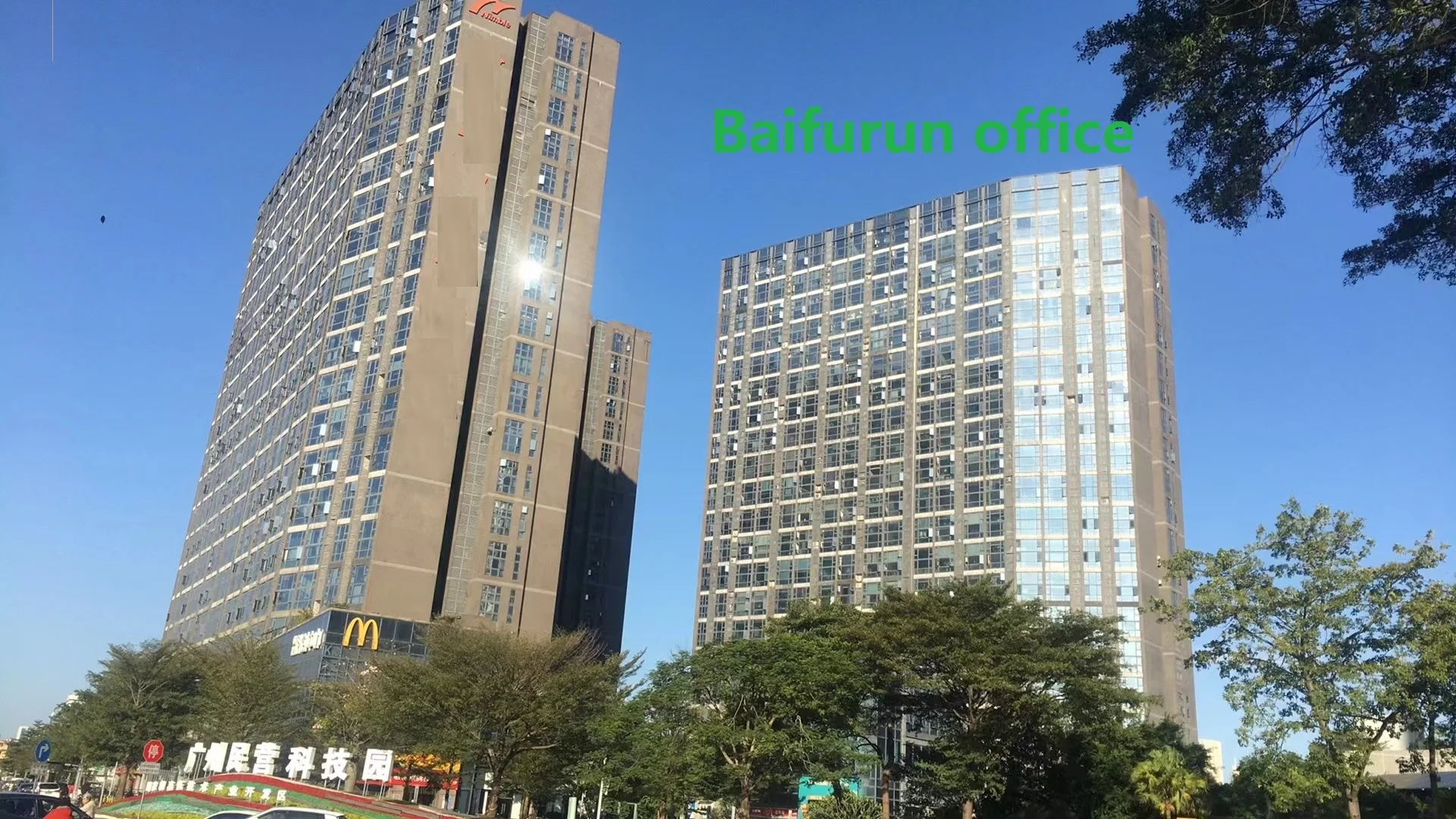
Guangzhou Baifurun Biotechnology Co., Ltd.
- Manufacturer, Trading Company, Distributor/Wholesaler
- Guangdong, China
- Lead time25 days
- Avg. response≤ 2h
Main productsSurface active agent,Cationic guar gum,CAB-35 CAO-30,6501 M550 Glycerol,AES/SLES70%
Main marketsSouth America(20.00%), North America(20.00%), Southern Europe(10.00%), Northern Europe(10.00%), Western Europe(10.00%), Mid East(10.00%), Oceania(10.00%), Africa(10.00%)

Hebei Fumailai Import and Export Co., Ltd.
- Verified by CTI
- Trading Company
- China Hebei
- Lead time15 days
- Avg. response≤ 4h
Main productsSodium Lauryl Sulfate, Aos, LABSA, Aeo, Cab, Cea, Las, Cdea, HPMC, Glycerin
Main marketsSouth America

Skin Care Raw Materials Petroleum Jelly Cosmetic Grade Bulk White Petroleum Jelly
$1100.00 - $1450.00
MOQ: 10 Tons

Cosmetic Grade White Petroleum Jelly for Sensitive Skin Moisturizing Care
$1000.00 - $1500.00
MOQ: 10 Pieces


Cosmetic Grade White Petroleum Jelly for Skin Care and Lip Balm Formulations
$1000.00 - $1500.00
MOQ: 10 Pieces

Refined White Petroleum Jelly for Cosmetics and Personal Care Products
$1000.00 - $1500.00
MOQ: 10 Pieces

High Purity Cosmetic White Petroleum Jelly for Moisturizers and Lotions
$1000.00 - $1500.00
MOQ: 10 Pieces

- Verified by TUVRHEINLAND
- Trading Company
- China Hebei
- Lead time30 days
- Avg. response≤ 6h
Main productsSLES 70%, LABSA 96%, SLS/K12, Soap Noodles, HPMC, Titanium Dioxide, Soy Wax, Aos 35% 92%, Monohydrous/Anhydrous Citric Acid, Petroleum Jelly
Main marketsSoutheast Asia/ Mideast

Shandong Asgard Import&Export Co.,Ltd
- Trading Company
- Shandong, China
- Lead time35 days
- Avg. response≤ 10h
Main productsmicrocrystalline wax,petroleum jelly,stearic acid,White mineral oil,paraffin wax
Main marketsNorth America(30.00%), Domestic Market(20.00%), Southeast Asia(15.00%), South Asia(15.00%), Mid East(8.00%), South America(5.00%), Africa(1.00%), Eastern Europe(1.00%), Southern Europe(1.00%), Northern Europe(1.00%), Central America(1.00%), Western Europe(1.00%), Eastern Asia(1.00%)

$1009.68 - $1326.49
MOQ: 3 Minimum


Fushun Dongyu Wax Industry Co., Ltd
- Verified by TUVRHEINLAND
- Trading Company
- China Liaoning
- Lead time15 days
- Avg. response≤ 10h
Main productsCandle, Paraffin Wax, Vaseline, Kunlun Fully Refined Paraffin Wax, Kunlun Semi Refined Paraffin Wax, White Petroleum Jelly, Yellow Petroleum Jelly
Main marketsSouth America,Africa,Southeast Asia/ Mideast


Premium White Petroleum Jelly for Cosmetic Applications and Beauty Care
$900.00 - $1600.00
MOQ: 1 Tons


Shandong Asgard Import&Export Co., Ltd
- Verified by TUVRHEINLAND
- Trading Company,Manufacturer/Factory
- China Shandong
- Lead time23 days
- Avg. response≤ 13h
Main productsParaffin Wax, Stearic Acid, Microcrystalline Wax, Vaseline, SLES, Fischer-Tropsch Wax, Oxidized Polyethlene Wax, C5 Hydrogenated Petroleum Resin, HEDP, Dotp
Main marketsSouth America,Mid East,North America,Southeast Asia,Eastern Asia,Western Europe,Africa


Supply Skin Care Raw Materials Petroleum Jelly Cosmetic Grade Bulk White Petroleum Jelly
$1046.00 - $1189.00
MOQ: 5 Tons

Cosmetic Grade Bulk Petroleum Jelly Refined White Petroleum Jelly for Personal Care
$1335.00 - $1452.00
MOQ: 3 Tons

$1058.00 - $1218.00
MOQ: 8 Tons

Cosmetic Raw Materials White Liquid Petroleum Jelly for Skin Protectant CAS 8009 3 8 Vaseline
$1100.00 - $1200.00
MOQ: 1 Tons

Wholesale Price White Petrolatum CAS 8009-03-8 Petroleum Jelly in Cosmetic Grade
$1033.00 - $1183.00
MOQ: 8 Tons

Hebei Qiyao Technology Co., Ltd.
- Verified by SGS
- Trading Company
- China Hebei
- Lead time15 days
- Avg. response≤ 7h
Main productsAluminum Sulfate PAC Xanthan Gum Citric Acid, SLES LABSA Cab
Main marketsAfrica


Petroleum Jelly Manufacturer Supply Cosmetics Grade White/Yellow Petroleum Jelly for Baby
$1300.00 - $1470.00
MOQ: 20 Tons

Refined White Petroleum Jelly Cosmetic Grade CAS 8009-03-8 Lubricant Industrial Petroleum Jelly
$1.25 - $1.41
MOQ: 13000 Bags

Hot Sale Pure White Petroleum Jelly for Cosmetic Cream Jelly Raw Material
$1300.00 - $1470.00
MOQ: 20 Tons


Skin Petroleum Jelly in Bulk Raw White/Yellow Pure Petroleum Jelly China Price
$1.25 - $1.41
MOQ: 13000 kg

Hebei Kenbin Technology Co., Ltd.
- Verified by SGS
- Trading Company
- China Hebei
- Lead time15 days
- Avg. response≤ 4h
Main productsTiO2, SLES, K12, Stearic Acid, LABSA, Glycerin
Main marketsAfrica

Refined White Petroleum Jelly Cosmetic Grade CAS 8009-03-8 Lubricant Industrial Petroleum Jelly
$900.00 - $2000.00
MOQ: 5 Tons


Factory Lowest Price Cosmetic Grade White Petroleum Jelly in Bulk Skin Care
$900.00 - $2000.00
MOQ: 5 Tons


Factory Best Price Industry and cosmetic Grade 100% Pure Petroleum Jelly Original
$1000.00 - $1500.00
MOQ: 1 Tons

Sheng Jinyao (Shanxi) New Materials Co., Ltd
- Verified by TUVRHEINLAND
- Trading Company
- China Shanxi
- Lead time15 days
- Avg. response≤ 2h
Main productsSLES70%, Isooctanol, Rosin, APG, Citric Acid, K12powder/Needle, Sorbic Acid, Aos Fan, Xanthan Gum, Ethylene Glycol
Main marketsAfrica

Bolin International Trade (Tianjin) Co., Ltd.
- Trading Company
- China Tianjin
- Lead time0 days
- Avg. response≤ 9h
Main productsDetergent Raw Materials, Detergent Material, Detergent Masterbatch, Chemical Fertilizer, Compound Fertilizer, Nitrogen Phosphorus and Potassium Compound Fert, Citygreen Artificial Grass, NPK Compound Fertilizer

Beijing Jinchenyuan Trading Co., Ltd.
- Manufacturer/Factory
- China Beijing
- Lead time15 days
- Avg. response≤ 5h
Main productsChemicals
Main marketsSouth America,Eastern Europe,Mid East,North America,Southeast Asia,Eastern Asia,Oceania,Western Europe,Africa

Cosmetic/Grade White Vaseline Petroleum Jelly White Vaseline/Vaseline Lotion
$780.00 - $1080.00
MOQ: 1 Tons

Wholesale Price Petroleum Jelly Cosmetic Grade White Vaseline 8009-03-8 White Petrolatum
$1180.00 - $1300.00
MOQ: 20 Tons


Comprehensive Sourcing Guide
White Cosmetic Grade Petroleum Jelly Supplier Concentration and Factory Types
The sourcing landscape for White Cosmetic Grade Petroleum Jelly reveals a diverse mix of supplier types, primarily comprising manufacturers, trading companies, and distributors. Buyers will encounter entities that operate as direct producers alongside those functioning as intermediaries or wholesalers. This variation in company structure significantly impacts the procurement strategy, as manufacturers often provide greater control over production specifications and raw material sourcing, while trading companies may offer broader product portfolios and flexible order sizes. Understanding this distinction is crucial for aligning supplier selection with specific business needs, whether prioritizing direct factory access or supply chain flexibility. The presence of both types in search results indicates a mature market where specialized production coexists with general chemical distribution networks.
When evaluating these entities, it is essential to look beyond the basic company type label to understand their operational capabilities. Some suppliers may list themselves as manufacturers but primarily engage in repackaging or blending, while others might have genuine production facilities for refining petroleum jelly. The main products listed by these suppliers often include related daily chemicals such as surfactants, glycerin, and other cosmetic raw materials, suggesting a broader chemical expertise. This diversification can be advantageous for buyers seeking a consolidated supplier for multiple ingredients. However, it also requires careful verification to ensure that the specific grade of petroleum jelly meets stringent cosmetic standards. The concentration of such suppliers in specific industrial hubs allows for efficient logistics but demands rigorous due diligence to identify true manufacturing capabilities versus mere trading operations.
How to Verify White Cosmetic Grade Petroleum Jelly Suppliers
Verification processes for White Cosmetic Grade Petroleum Jelly suppliers must focus on tangible credentials and independent audits rather than self-reported claims. Buyers should prioritize suppliers who have undergone third-party verification by recognized inspection bodies, as these audits provide objective evidence of business legitimacy and operational capacity. For instance, some suppliers display verification badges from entities like CTI or TÜV Rheinland, which indicate that specific aspects of their business have been scrutinized by external experts. These verifications often cover factory inspections, quality management systems, and legal compliance. Relying on such independent assessments reduces the risk of engaging with fraudulent or non-compliant entities, ensuring that the supplier has the infrastructure to handle bulk chemical orders safely and effectively.
Beyond verification badges, buyers must scrutinize product-specific data to confirm compliance with cosmetic industry standards. Key attributes such as purity levels, CAS numbers, and physical properties like melting point and density serve as critical indicators of product quality. For example, a purity level of 99% or higher, along with a CAS number of 8009-03-8, is a baseline requirement for cosmetic grade materials. Additionally, checking for detailed product specifications, including appearance, shelf life, and packaging standards, helps assess the supplier’s attention to detail. Buyers should also verify if samples are available, as physical testing is the most reliable method to confirm that the petroleum jelly meets texture and purity expectations. This multi-layered verification approach, combining third-party audits with technical data analysis, forms the foundation of a secure sourcing strategy.
What to Compare Across White Cosmetic Grade Petroleum Jelly Suppliers
Comparing suppliers requires a systematic evaluation of key operational metrics, including lead times, minimum order quantities, and response speeds. Lead times can vary significantly, ranging from fifteen to thirty days, which directly impacts inventory planning and supply chain resilience. Buyers with urgent needs should prioritize suppliers with shorter lead times, while those with stable demand may opt for longer cycles that often come with better pricing. Similarly, minimum order quantities (MOQs) present another critical comparison point, with some suppliers requiring bulk purchases of one ton or more, while others accommodate smaller orders of just ten kilograms. This flexibility is particularly important for new buyers or those testing market demand before committing to large-scale production runs.
Response time and pricing structures also play pivotal roles in supplier selection. Suppliers with faster response times, often measured in hours, demonstrate better communication capabilities and operational efficiency, which is vital for resolving issues quickly. Pricing, however, is not always a direct indicator of quality; while some suppliers offer competitive rates around one thousand dollars per ton, others may charge higher premiums for specialized grades or smaller packaging options. Buyers should also compare main product offerings to identify suppliers with complementary items, such as surfactants or emollients, which can simplify procurement processes. By analyzing these dimensions holistically, buyers can identify suppliers that offer the best balance of cost, speed, and reliability, ensuring a sustainable partnership for their cosmetic manufacturing needs.
Common White Cosmetic Grade Petroleum Jelly Sourcing Risks
One of the primary risks in sourcing White Cosmetic Grade Petroleum Jelly is the potential discrepancy between advertised specifications and actual product quality. Suppliers may list high purity levels or specific cosmetic grades, but without rigorous testing, buyers cannot be certain that the material meets regulatory requirements for skin care applications. This risk is exacerbated by the presence of industrial-grade alternatives that may contain impurities unsuitable for cosmetic use. Buyers must be vigilant in requesting detailed certificates of analysis and ensuring that the product is explicitly labeled for cosmetic or pharmaceutical use. Failure to verify these details can lead to product recalls, regulatory penalties, and damage to brand reputation, making thorough quality assurance a non-negotiable aspect of the sourcing process.
Another significant risk involves supply chain disruptions and inconsistent lead times. Suppliers may promise rapid delivery but fail to meet deadlines due to production bottlenecks or raw material shortages. This inconsistency can disrupt manufacturing schedules and lead to stockouts, affecting downstream customers. Additionally, the variability in packaging standards, such as drum sizes or bulk containers, can complicate logistics and increase handling costs. Buyers should also be aware of the risk associated with trading companies that may not have direct control over production, leading to potential communication gaps and quality control issues. Mitigating these risks requires clear contractual agreements, regular performance monitoring, and maintaining a diversified supplier base to ensure continuity of supply and maintain consistent product quality throughout the sourcing lifecycle.
White Cosmetic Grade Petroleum Jelly Regional Sourcing and Logistics
Regional sourcing strategies for White Cosmetic Grade Petroleum Jelly often focus on specific manufacturing hubs where chemical production is concentrated. Suppliers located in regions like Guangdong, China, benefit from established industrial infrastructure and access to raw materials, which can facilitate efficient production and export processes. These hubs often host a high density of chemical manufacturers and trading companies, creating a competitive environment that can drive down costs and improve service levels. Buyers sourcing from these regions should consider the logistical advantages of proximity to major ports and transportation networks, which can reduce shipping times and costs. However, it is also important to assess the local regulatory environment and environmental standards, as these factors can impact production consistency and compliance with international trade requirements.
Logistics planning must account for the specific handling requirements of petroleum jelly, which is a semi-solid substance that may require temperature-controlled storage during transit. Buyers should work with suppliers who have experience in exporting chemical products and can provide appropriate packaging solutions, such as sealed drums or bulk containers, to prevent contamination and leakage. Additionally, understanding the import regulations of the destination country is crucial, as certain jurisdictions may have strict requirements for cosmetic raw materials, including labeling and safety data sheet provisions. Collaborating with freight forwarders who specialize in chemical logistics can help navigate these complexities, ensuring that the product arrives in optimal condition. By aligning regional sourcing choices with logistical capabilities, buyers can optimize their supply chain efficiency and reduce the risk of transit-related damages or delays.
White Cosmetic Grade Petroleum Jelly Commercial Terms and Order Planning
Commercial terms and order planning are critical components of a successful procurement strategy for White Cosmetic Grade Petroleum Jelly. Buyers should negotiate clear payment terms, such as T/T or L/C, that align with their cash flow management and risk tolerance. Understanding the supplier’s payment policies, including any requirements for deposits or escrow services, helps mitigate financial risks and ensures secure transactions. Additionally, buyers must plan their orders based on lead times and MOQs, balancing inventory holding costs with the need for supply continuity. For suppliers with longer lead times, advance planning is essential to avoid stockouts, while those with shorter cycles may allow for more flexible ordering. Establishing a consistent ordering rhythm can also help build stronger relationships with suppliers, potentially leading to better pricing and priority service.
Pricing structures should be analyzed in the context of total landed cost, including shipping, insurance, and import duties. While some suppliers may offer lower unit prices, additional costs associated with smaller MOQs or specialized packaging can offset these savings. Buyers should request detailed quotations that break down all costs to make accurate comparisons. Furthermore, considering the shelf life of the product, which is typically around thirty-six months, buyers can optimize order quantities to minimize waste and ensure product freshness. Regularly reviewing commercial terms and adjusting order plans based on market conditions and supplier performance allows buyers to maintain a resilient and cost-effective supply chain. By focusing on these commercial details, buyers can secure favorable terms and ensure a smooth procurement process for their cosmetic manufacturing operations.
FAQs
What is the price range for White Cosmetic Grade Petroleum Jelly?
Prices vary significantly based on quantity and supplier tier. Bulk listings show unit costs as low as $1.45, while drum-packed industrial grades range from $900 to $1,500 per ton. Buyers should verify specific pricing tiers and minimum order quantities directly with manufacturers to secure accurate quotes for their volume requirements.
What is the typical lead time for these products?
Manufacturing and shipping lead times generally span 15 to 30 days depending on the supplier's location and production capacity. Suppliers in Guangdong often report a 25-day lead time, while others may offer faster 15-day turnaround. Buyers should confirm exact delivery schedules during negotiation to align with their inventory planning.
What is the minimum order quantity for bulk purchases?
Minimum order quantities vary widely, ranging from small trial orders of 100 units to bulk requirements of one ton. Some suppliers accept orders as low as 10 drums, while others require a full metric ton for pricing benefits. Buyers must check individual product listings to determine the specific MOQ applicable to their purchase size.
What certifications verify the safety of cosmetic grade petroleum jelly?
Reputable suppliers often hold third-party verification from entities like CTI or TÜV Rheinland to ensure product quality and safety standards. These certifications help validate that the petroleum jelly meets cosmetic grade specifications, including purity levels and appropriate physical properties. Buyers should request current certification documents to confirm compliance with international safety regulations.
Where are these petroleum jelly manufacturers located?
Major manufacturing hubs for cosmetic grade petroleum jelly are concentrated in Guangdong and Hebei provinces in China. These regions host a mix of manufacturers, trading companies, and distributors offering various grades of the product. Buyers can filter search results by these specific locations to prioritize suppliers with established supply chain infrastructure and logistics capabilities.
How quickly do suppliers typically respond to inquiries?
Response times for sourcing inquiries generally range from two to six hours for active suppliers. Faster response rates indicate higher operational efficiency and better customer service readiness. Buyers should prioritize suppliers with quick response times to ensure smooth communication throughout the negotiation and order fulfillment process, reducing potential delays in procurement.