White Ivory Bridal Veil Suppliers and Manufacturers
Explore 22 verified options for White Ivory Bridal Veil suppliers and manufacturers in Jiangsu, China. Compare response times, lead times, pricing, and customization capabilities to find the right partner. Review product details and request samples to verify quality before placing orders.
Suppliers List

Suzhou Gilka Trading Co., Ltd.
- Trading Company
- China Jiangsu
- Lead time23 days
- Avg. response≤ 4h
Main productsClothing and Apparel Wholesale, Wedding Dresses, Embroidery Lace Fabrics, Glliter Tulle Fabrics, Wedding Gowns, Party Dresses, Trimming Lace, Factory OEM Fabrics, Western Fabrics, Vestidos Fabrica
Main marketsSouth America,North America


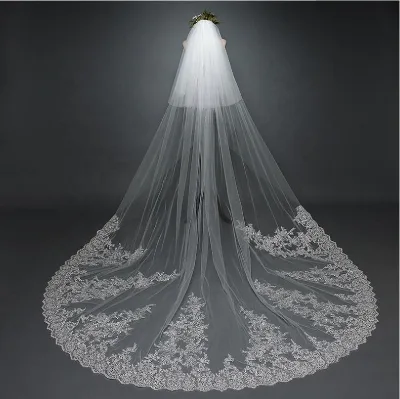
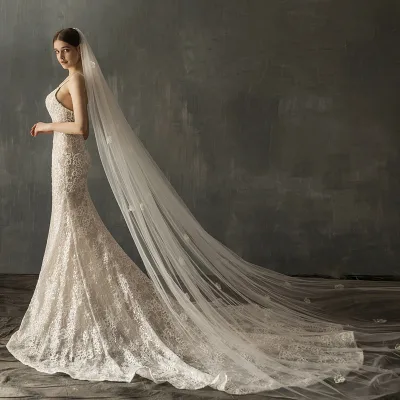
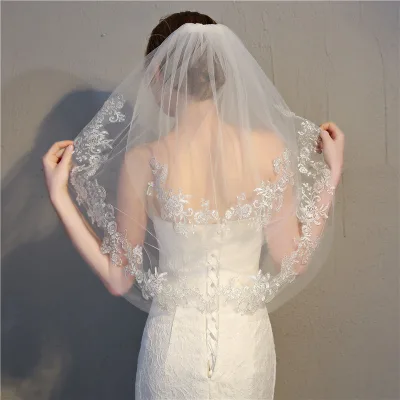
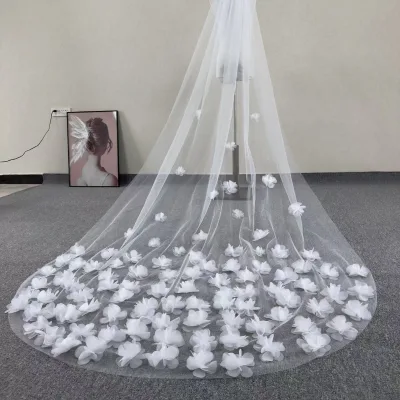
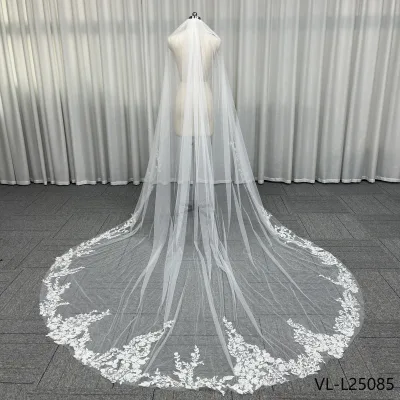
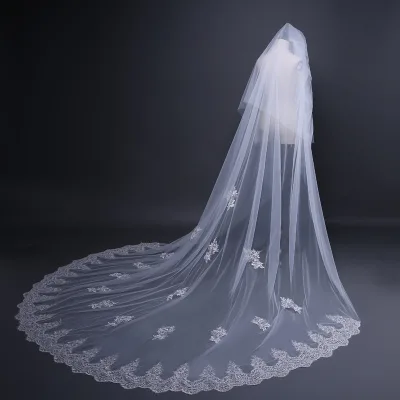
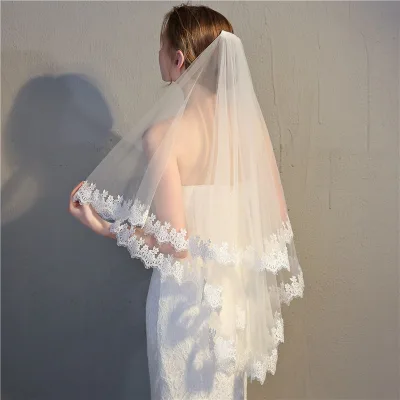
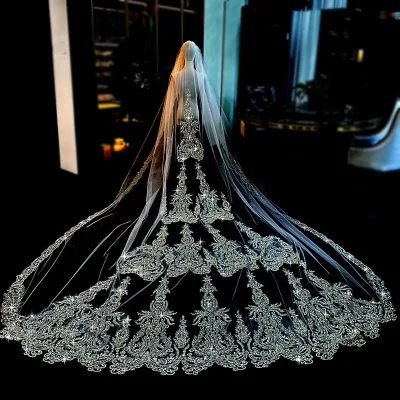
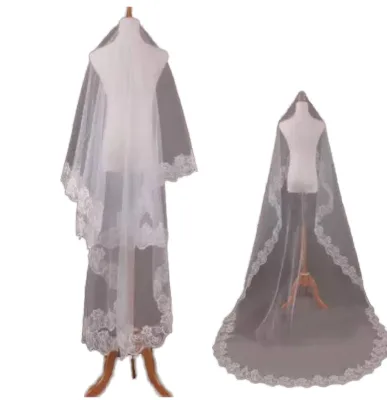
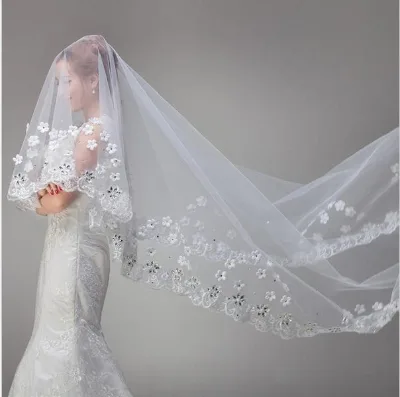
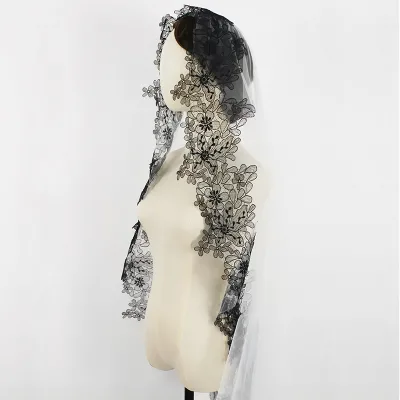
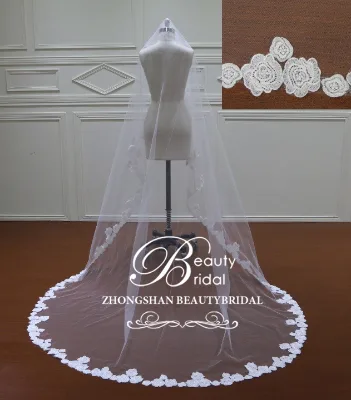
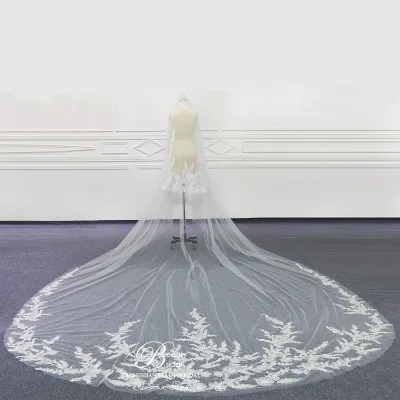
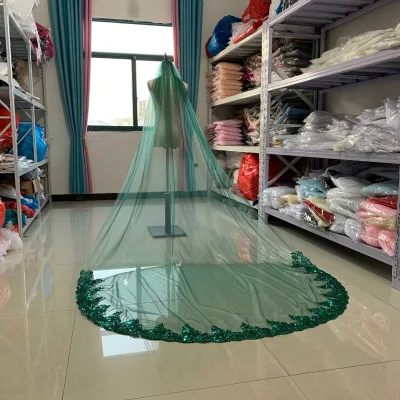
Customized White Lace Applique Wedding Accessories Bride Long Floral Wedding Veils
$16.30 - $28.50
Moq: 1


Lace Bridal Wedding Veils Women Accessories 3m/4m/5m Double Layer Veil with Comb
$14.30 - $19.28
Moq: 1

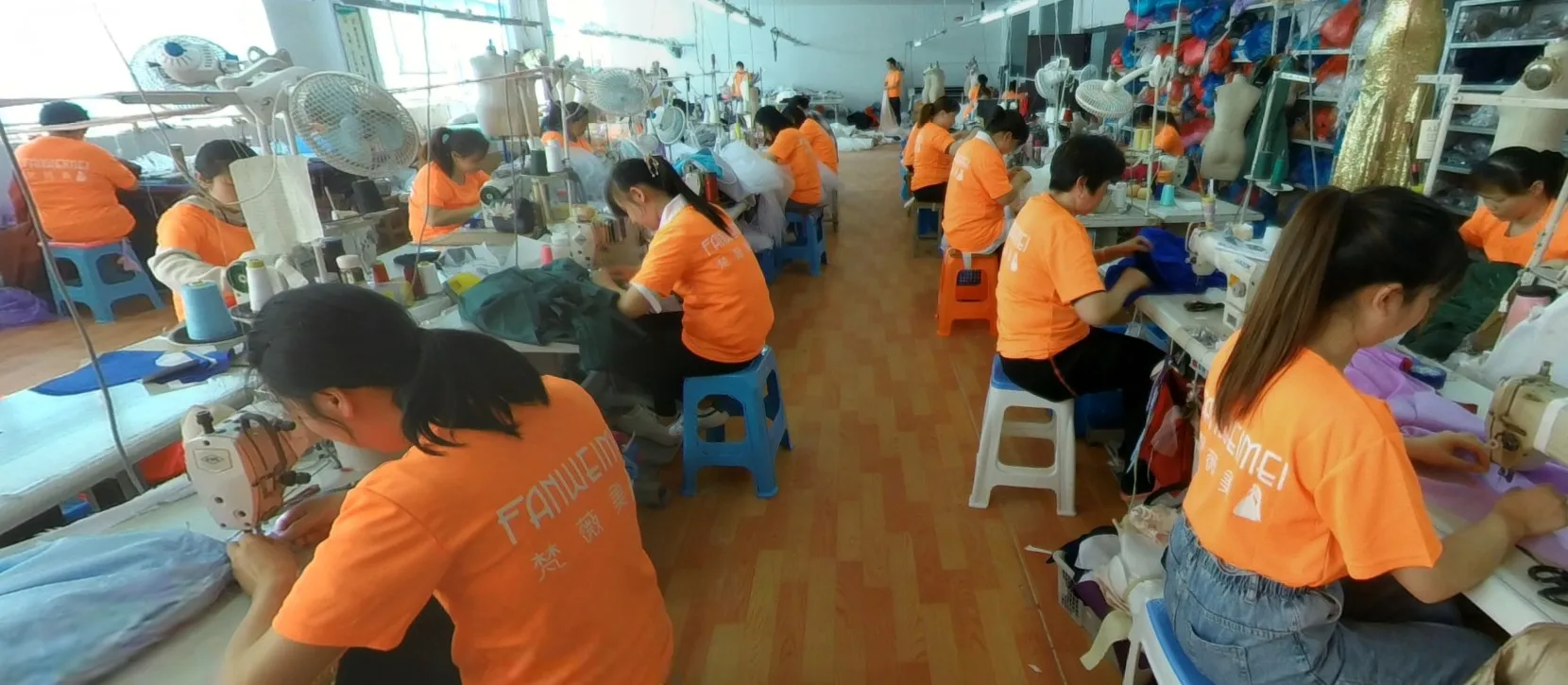
Suzhou Fanweimei Clothing Co., Ltd.
- Trading Company
- Jiangsu, China
- Lead time20 days
- Avg. response≤ 11h
Main productsWedding Dresses,Evening Dresses
Main marketsSouthern Europe(100.0%), Northern Europe(100.0%), Central America(100.0%), North America(40.0%), Western Europe(15.0%), Eastern Europe(5.0%), South America(5.0%), Southeast Asia(5.0%), Africa(5.0%), Domestic Market(5.0%), South Asia(5.0%), Eastern Asia(5.0%), Mid East(5.0%), Oceania(5.0%)

Ningbo Shinein Import & Export Co., Ltd
- Verified by CTI
- Manufacturer/Factory
- China Zhejiang
- Lead time15 days
- Avg. response≤ 15h
Main productsHair Extensions, Face Jewels, Body Glitter, Tattoos, Braiding Hair, Glitters, Plastic Buttons, Shell Buttons, Nipple Covers, Rhinestone Stickers
Main marketsSouth America,Eastern Europe,Mid East,North America,Southeast Asia,Eastern Asia,Oceania,Western Europe,Africa


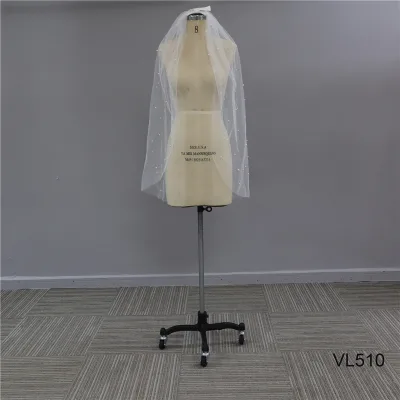
Bachelorette Short Tulle Pearl Bride Veil Bowknot Lace Bridal Wedding White Veil
$0.70 - $0.99
Moq: 100

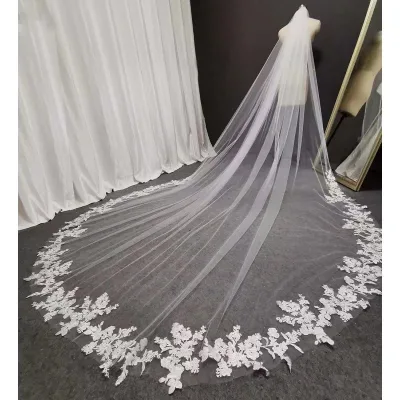
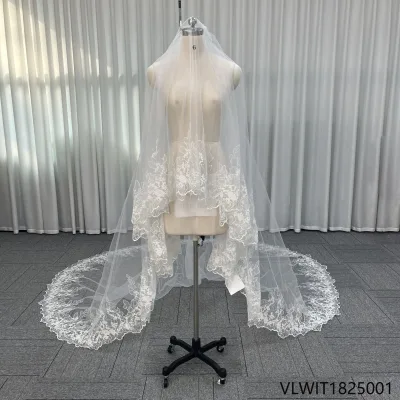
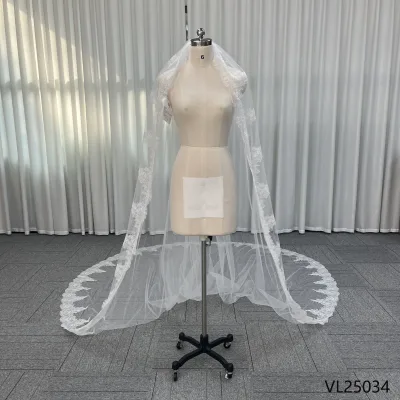
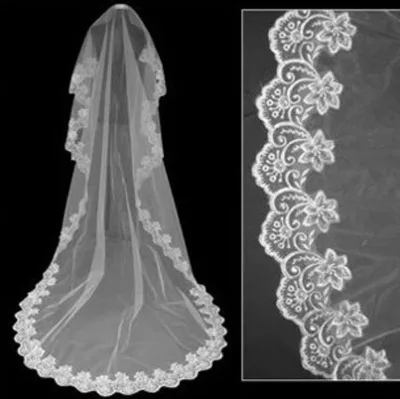
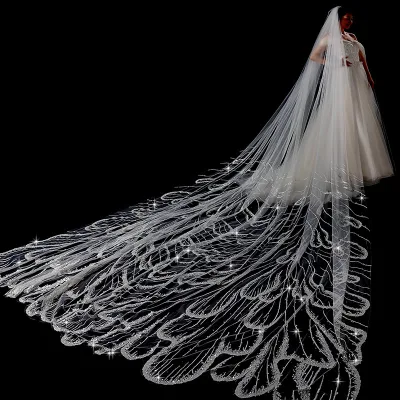
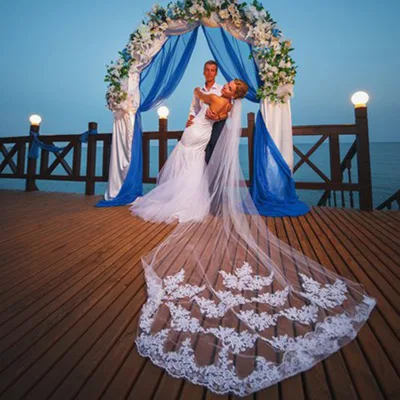
One Tier Embroidery Floral Tulle Bridal Lace Veils White Cathedral Wedding Veil
$0.90 - $1.30
Moq: 100

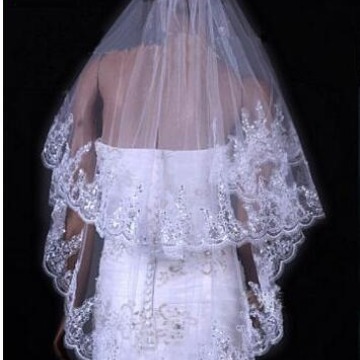
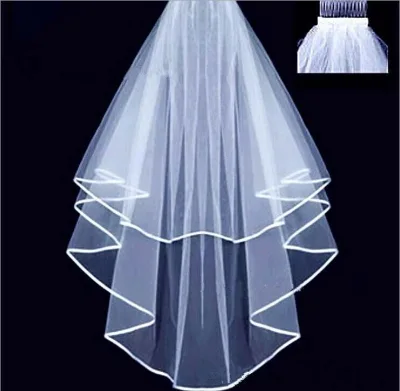
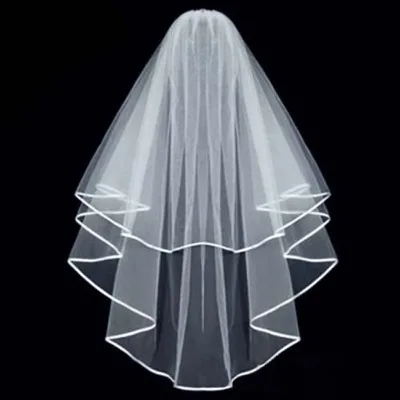
Ribbon Edge 2-Layer Cathedral Veil Headdress White Tulle Long Bridal Wedding Veil
$1.50 - $2.30
Moq: 100

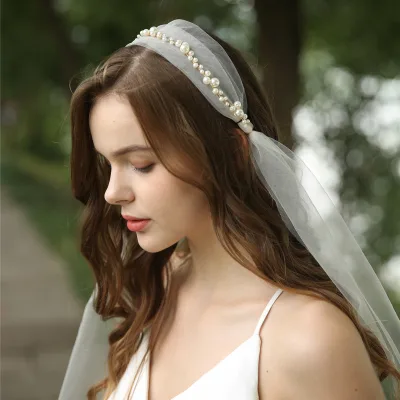
Luxury Tulle White Pearl Bridal Veil Headdress Bachelorette Party Pearl Wedding Veil
$1.80 - $2.40
Moq: 100

Suzhou Zhongsheng Dress Company Limited
- Trading Company
- Jiangsu, China
- Lead time30 days
- Avg. response≤ 10h
Main productsWedding Dress,girl dress,Bedding sets,evening dress,wedding gift
Main marketsDomestic Market(7.139999999999999%), South Asia(7.139999999999999%), Southern Europe(7.139999999999999%), Northern Europe(7.139999999999999%), Central America(7.139999999999999%), Western Europe(7.139999999999999%), Eastern Asia(7.139999999999999%), Mid East(7.139999999999999%), Oceania(7.139999999999999%), Africa(7.139999999999999%), Southeast Asia(7.139999999999999%), Eastern Europe(7.139999999999999%), South America(7.139999999999999%), North America(7.139999999999999%)
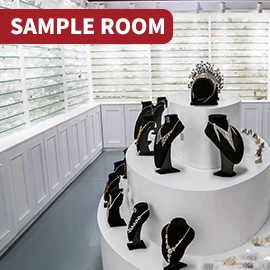
Happy Jewelry Co., Ltd. (yiwu)
- Manufacturer, Trading Company
- Zhejiang, China
- Lead time20 days
- Avg. response≤ 5h
Main productsBridal Jewelry; Hairband; Tiara; Hair Clip; Belt; Shoe Clip
Main marketsNorth America(50.0%), Western Europe(10.0%), Domestic Market(10.0%), South America(5.0%), Oceania(5.0%), Eastern Asia(5.0%), Eastern Europe(5.0%), Southeast Asia(5.0%), Southern Europe(3.0%), Mid East(2.0%)
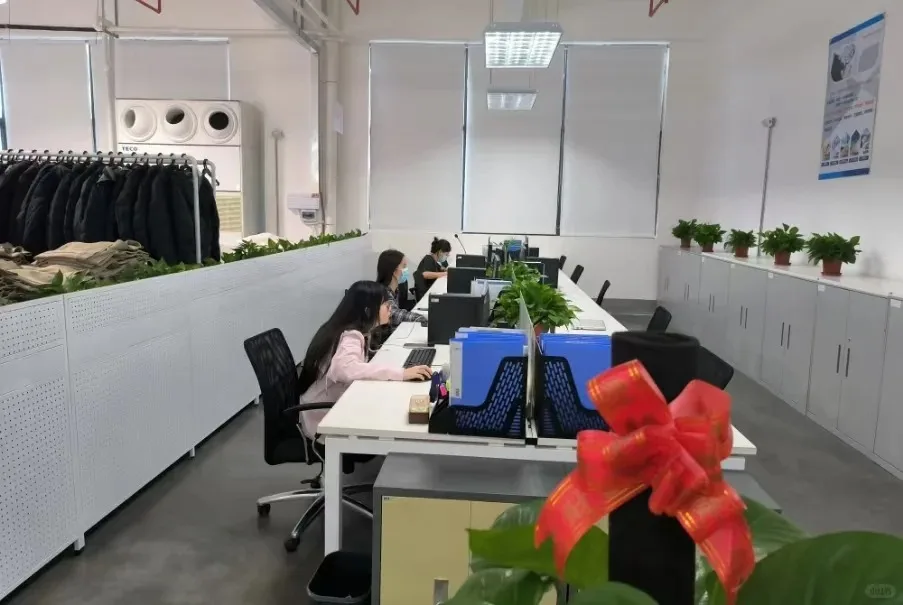
Chongqing Daimai Clothing Co., Ltd.
- Manufacturer, Trading Company
- Chongqing, China
- Lead time0 days
- Avg. response≤ 2h
Main productswedding dresses,Women's clothing.,Accessories,swimwear,pajamas
Main marketsOceania(10.0%), Mid East(5.0%), South Asia(3.0%), Central America(2.0%), South America(2.0%), Western Europe(2.0%), Eastern Europe(1.0%), Southern Europe(1.0%), Northern Europe(1.0%), Eastern Asia(1.0%), North America(1.0%)

- Verified by SGS
- Trading Company
- China Zhejiang
- Lead time15 days
- Avg. response≤ 15h
Main marketsEurope


Elegant French Bridal Veil Luxe Lace Headpiece Wedding Dress Photoshoot Accessories
$2.09 - $2.33
Moq: 428


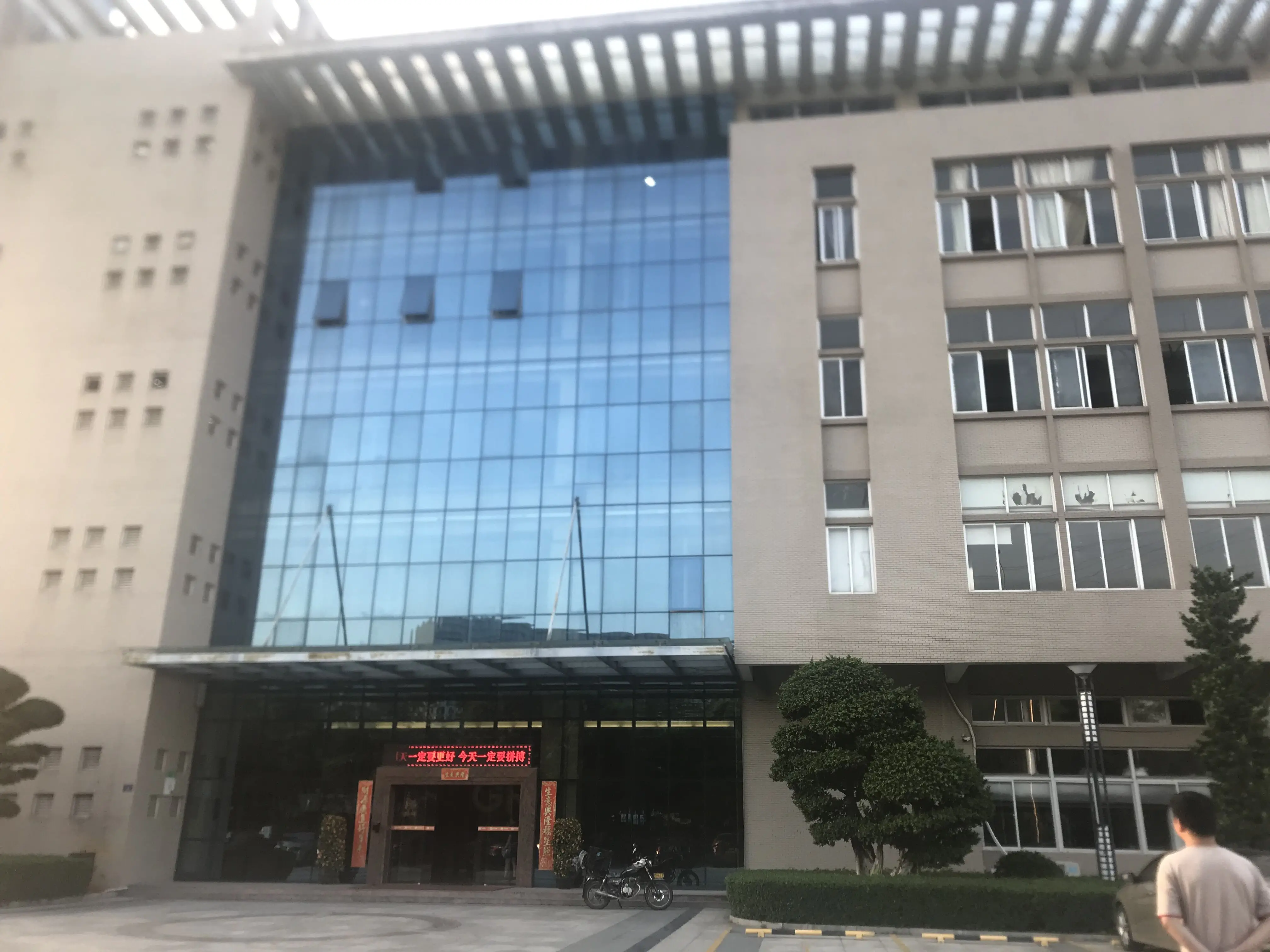
Quanzhou Huasheng Supply Chain Management Co., Ltd.
- Trading Company
- Fujian, China
- Lead time5 days
- Avg. response≤ 5h
Main products2 piece set women,casual dress,waist trainer,sexy lingerie,women clothes
Main marketsNorth America(35.0%), South America(20.0%), Western Europe(17.0%), Oceania(11.0%), Eastern Europe(3.0%), Southern Europe(3.0%), South Asia(2.0%), Africa(2.0%), Mid East(2.0%), Domestic Market(1.0%), Southeast Asia(1.0%), Eastern Asia(1.0%), Northern Europe(1.0%), Central America(1.0%)
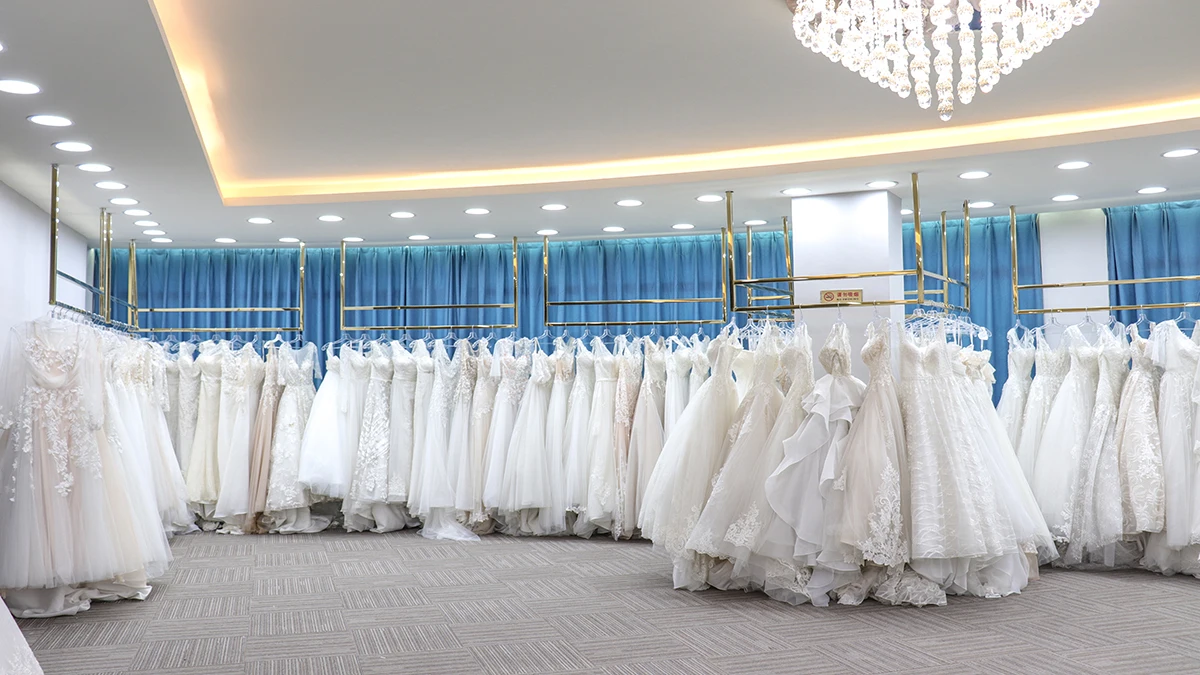
Guangzhou Angel Bridal Gown Factory
- Manufacturer, Trading Company
- Guangdong, China
- Lead time15 days
- Avg. response≤ 4h
Main productsWedding Dress,Bridesmaids Dress,Evening Dress,Mother Of Bridal Gown,Flower Girl Dress
Main marketsNorthern Europe(20.0%), Western Europe(20.0%), Southern Europe(10.0%), South America(10.0%), Africa(10.0%), Eastern Europe(10.0%), Mid East(5.0%), North America(5.0%), Southeast Asia(5.0%), Central America(5.0%)
Shenzhen Innoview Technology Co., Ltd.
- Trading Company
- Guangdong, China
- Lead time20 days
- Avg. response≤ 3h
Main productsGame Controller,speakers,sound cards,bicycle accessories,igs sports
Main marketsDomestic Market(30.0%), North America(11.0%), Western Europe(8.0%), Southeast Asia(8.0%), Eastern Europe(8.0%), South America(5.0%), Southern Europe(5.0%), Eastern Asia(5.0%), Northern Europe(5.0%), Oceania(5.0%), Africa(4.0%), Mid East(4.0%), Central America(1.0%), South Asia(1.0%)
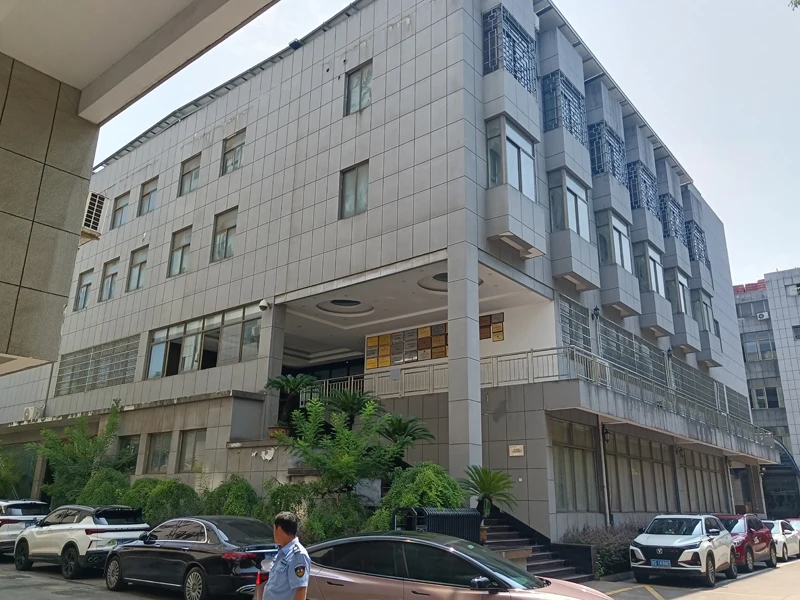
Jinhua Agata Trading Co., Ltd.
- Trading Company
- Zhejiang, China
- Lead time7 days
- Avg. response≤ 2h
Main productsWomen's Clothes,Kids Clothes,Shoes,Jewelry,Bags
Main marketsEastern Europe(20.0%), North America(20.0%), Central America(10.0%), Western Europe(10.0%), Southern Europe(10.0%), South America(10.0%), Southeast Asia(5.0%), Northern Europe(3.0%), Domestic Market(3.0%), South Asia(3.0%), Oceania(2.0%), Africa(2.0%), Eastern Asia(2.0%)
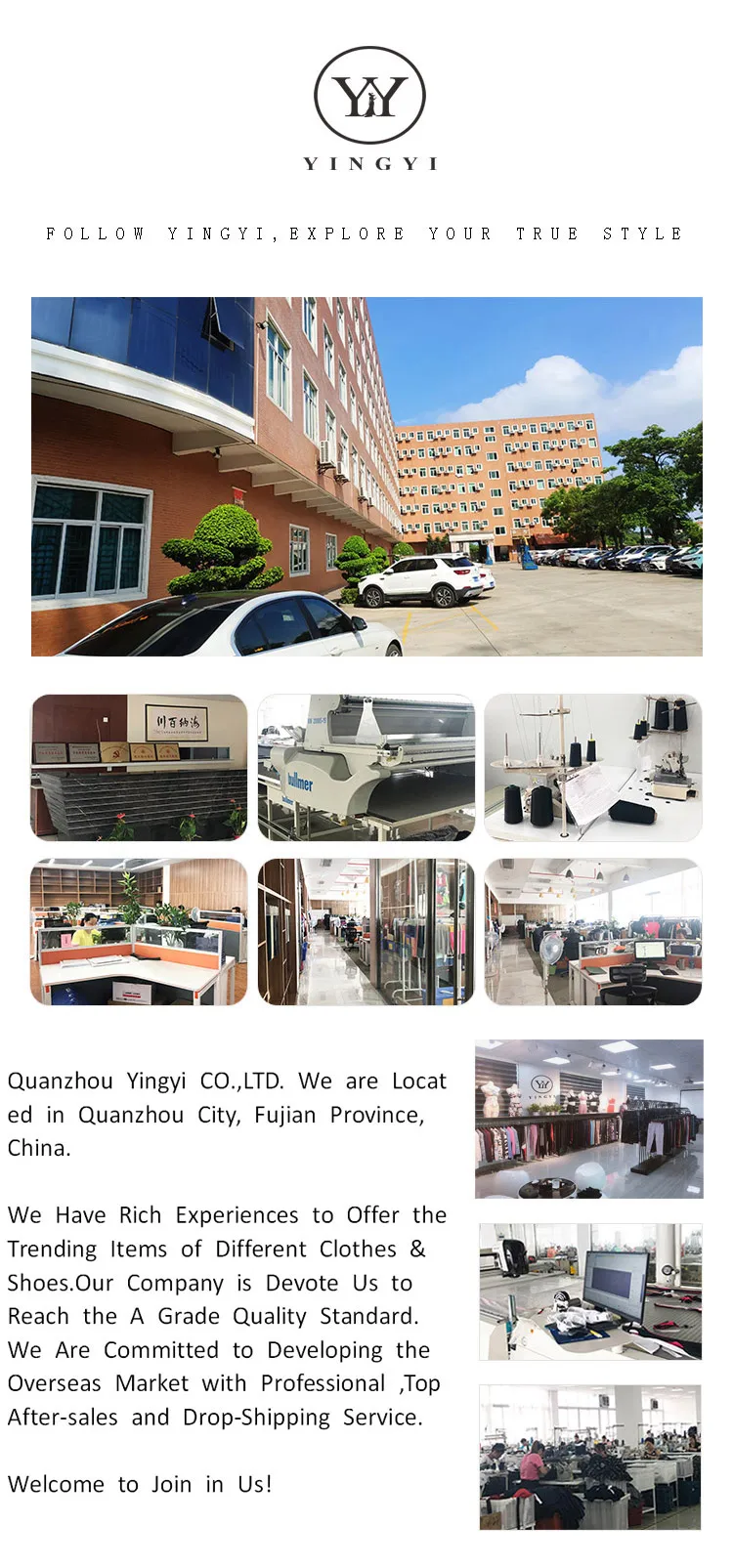
Quanzhou Yingyi Trade Company Limited
- Trading Company
- Fujian, China
- Lead time8 days
- Avg. response≤ 2h
Main productsCosplay Costume,Women Clothes,Wasit Trainer,Men Clothes,Kid Clothes
Main marketsNorth America(80.0%), South America(10.0%), Western Europe(5.0%), Eastern Europe(5.0%)

Yiwu Easy Source Jewelry Co., Ltd.
- Trading Company
- zhejiang, China
- Lead time15 days
- Avg. response≤ 10h
Main productsbridal hair accessory,wedding tiara and crowns,rhinestone brooches,wedding favor box,jewelry set
Main marketsNorth America(20.0%), Western Europe(15.0%), Central America(15.0%), Southern Europe(12.0%), Northern Europe(10.0%), South Asia(10.0%), Eastern Europe(8.0%), South America(5.0%), Eastern Asia(2.0%), Southeast Asia(2.0%), Mid East(1.0%)
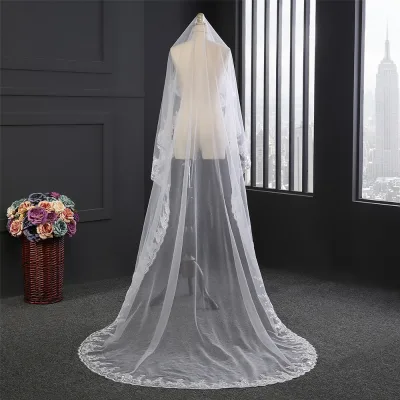
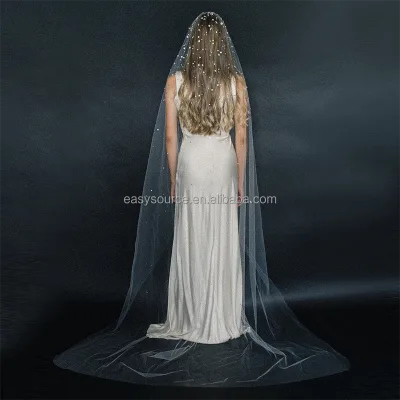
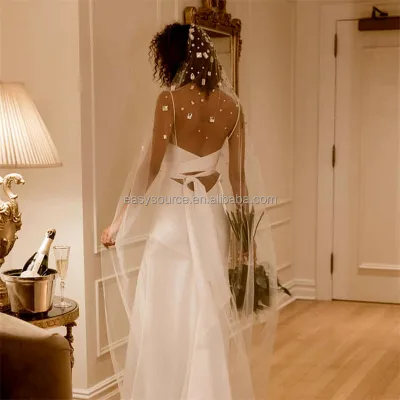
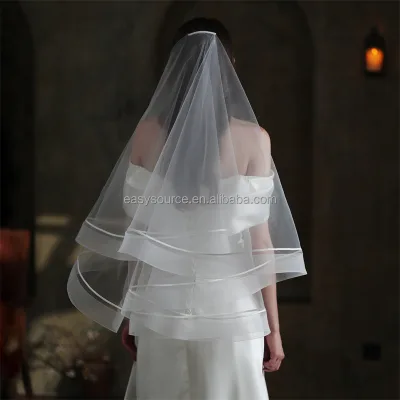
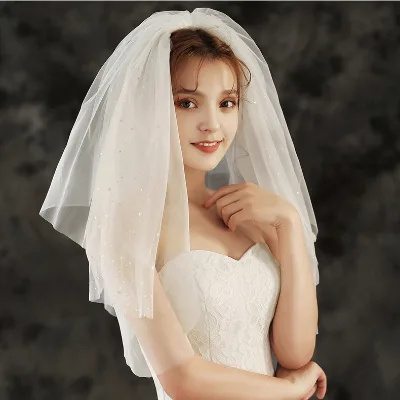
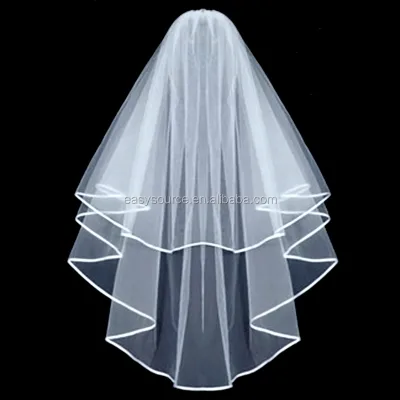
YM4 Big Crystal Bridal Veil 1 Tire Wedding Veil with Comb Wedding Dress Accessories
$17.69 - $18.62
Moq: 3
Suzhou Asa Wedding&Evening Dress Co., Ltd.
- Trading Company
- Jiangsu, China
- Lead time15 days
- Avg. response≤ 6h
Main productsWedding Dress/Evening Dress/Party Dress/Bridesmaid Dress/Wedding Accessories,Prom Dress,wedding accessories,evening dress,formal dress
Main marketsDomestic Market(40.0%), North America(20.0%), Northern Europe(10.0%), Western Europe(10.0%), South Asia(2.0%), South America(2.0%), Southern Europe(2.0%), Southeast Asia(2.0%), Central America(2.0%), Eastern Europe(2.0%), Eastern Asia(2.0%), Mid East(2.0%), Oceania(2.0%), Africa(2.0%)

- Verified by CTI
- Trading Company
- China Jiangxi
- Lead time60 days
- Avg. response≤ 1h
Main productsGuitar Picks, Fabric, Lace Trim, Handmade Flowers, Guitar Strap, Handicraft, Musical Instrument Accessories, Finger Pick, Tassels, Buttons
Main marketsSouth America,Africa,Southeast Asia/ Mideast,East Asia(Japan/ South Korea),Domestic,Europe,Australia,North America
Quanzhou Minshan Import And Export Trading Co., Ltd.
- Verified by Intertek
- Trading Company
- Lead time0 days
Main productsWaist Trainer, Sexy Lingerie, Costume, Ladies Dress, Men Suit
Main marketsNorth America(40%), Oceania(20%), Western Europe(12%)
Shenzhen Chenyangguang Garment Accessory Co., Ltd.
- Verified by SGS Group
- Manufacturer, Trading Company
- Lead time7 days
- Avg. response≤ 2h
Main productsWedding Dress Accessories, Corset Boning, Webbing, Underwear and Swimwear Accessories, Fabric
Main marketsNorth America(28%), South America(15%), Oceania(10%)
Quanzhou Hongqian Trading Co., Ltd.
- Trading Company
- Fujian, China
- Lead time30 days
- Avg. response≤ 3h
Main productsWedding Dresses,Bridal Gowns,Evening Gowns,Formal Dresses,Prom Dresses
Main marketsSouth America(20.0%), North America(20.0%), Southern Europe(10.0%), Northern Europe(10.0%), Western Europe(10.0%), Eastern Europe(10.0%), Domestic Market(5.0%), Oceania(3.0%), Mid East(2.0%), South Asia(2.0%), Eastern Asia(2.0%), Africa(2.0%), Central America(2.0%), Southeast Asia(2.0%)
Yiwu Amelie Import And Export Co., Ltd.
- Trading Company
- Zhejiang, China
- Lead time2 days
- Avg. response≤ 2h
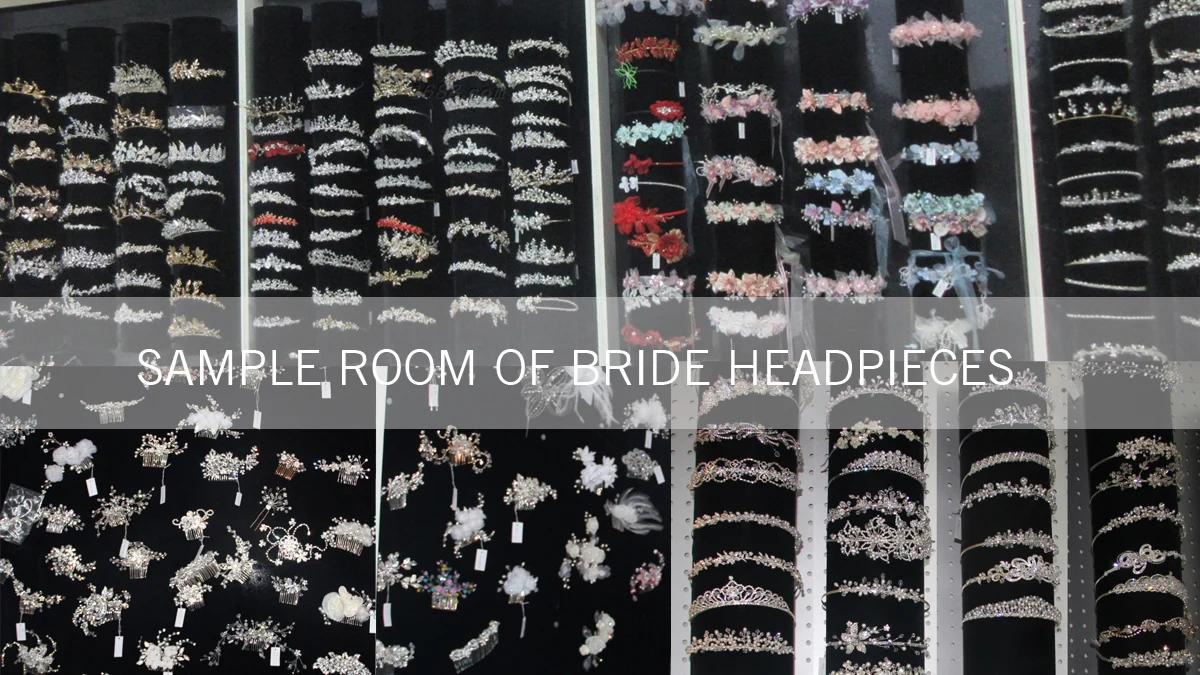
Main productsWedding Jewelry,Bride Headpieces,Weding Dress Belts,Party Accessories,Bridal Veils
Main marketsSouth Asia(8.33%), Southern Europe(8.33%), Northern Europe(8.33%), Central America(8.33%), Western Europe(8.33%), Mid East(8.33%), Oceania(8.33%), Africa(8.33%), Southeast Asia(8.33%), Eastern Europe(8.33%), South America(8.33%), North America(8.33%)
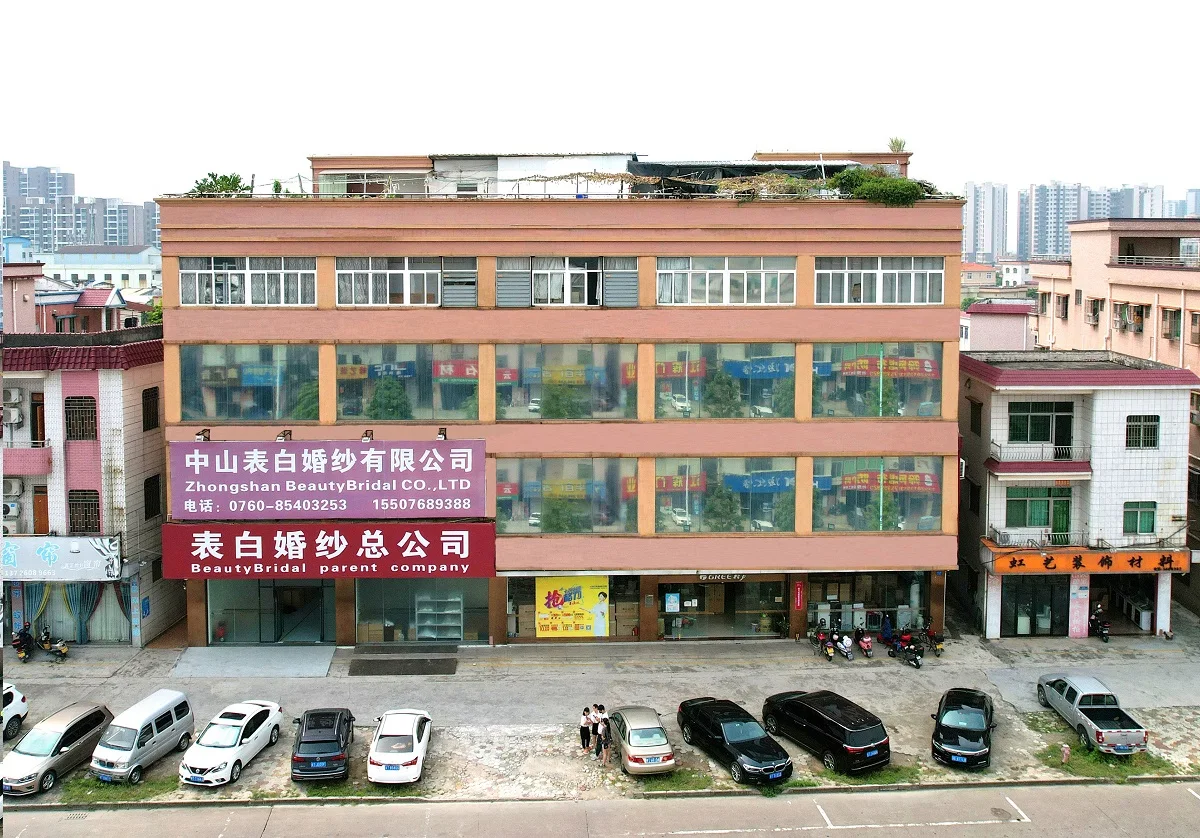
Zhongshan Biaobai Wedding Dress Co., Ltd.
- Manufacturer, Trading Company
- Guangdong, China
- Lead time30 days
- Avg. response≤ 7h
Main productsWedding Dress
Main marketsNorth America(40.0%), Oceania(25.0%), Western Europe(20.0%), Northern Europe(5.0%), Southeast Asia(4.0%), South America(3.0%), Africa(3.0%)
Changsha Ayhhed Biotechnology Co., Ltd.
- Trading Company
- Hunan, China
- Lead time10 days
- Avg. response≤ 7h
Main productsBicycle Accessories,Mom and baby goods,Fashion Clothes,Wedding and evening dress,Herbal & Flower Tea
Main marketsSouthern Europe(10.0%), Northern Europe(10.0%), Oceania(10.0%), Central America(10.0%), Western Europe(10.0%), Eastern Europe(10.0%), South America(10.0%), North America(10.0%), Mid East(5.0%), Africa(5.0%), Southeast Asia(5.0%), Eastern Asia(3.0%), South Asia(2.0%)

Huizhou Xinmeisheng Trading Co., Ltd.
- Trading Company
- Guangdong, China
- Lead time4 days
- Avg. response≤ 2h
Main productsclothing,bags,shoes,gift,home decoration
Main marketsNorth America(30.0%), Mid East(15.0%), Southeast Asia(15.0%), South Asia(10.0%), Northern Europe(10.0%), Central America(10.0%), Eastern Asia(10.0%)
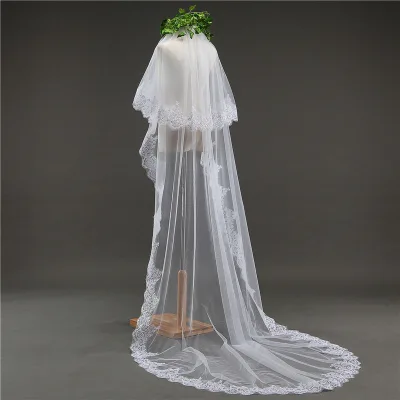
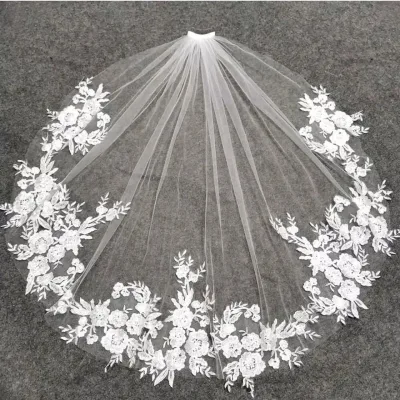

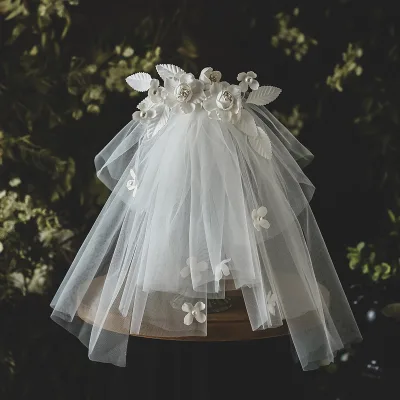
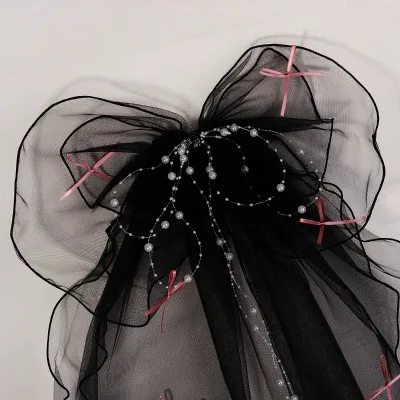
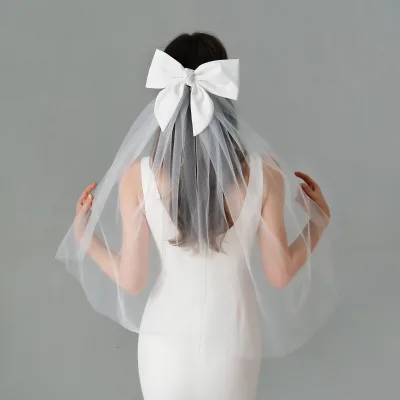
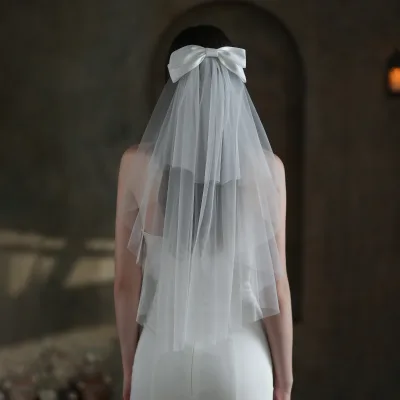
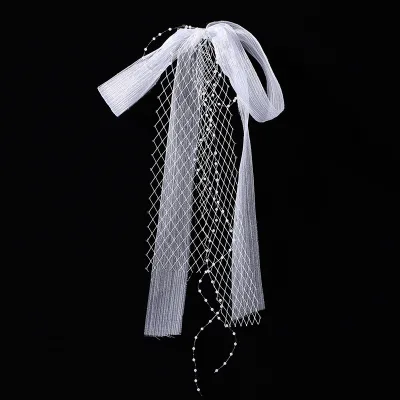
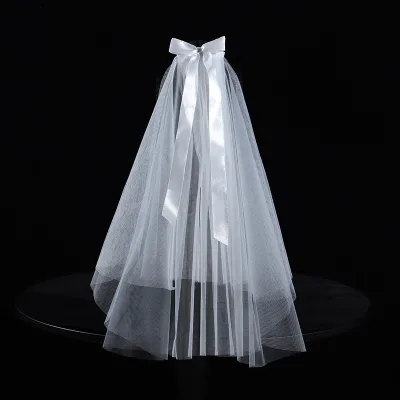
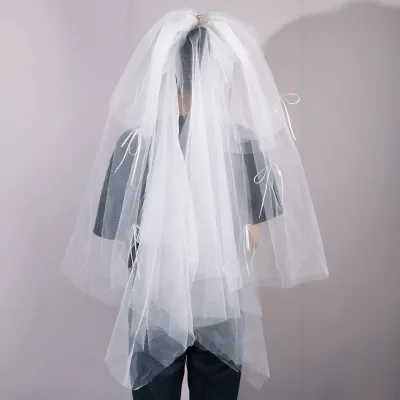
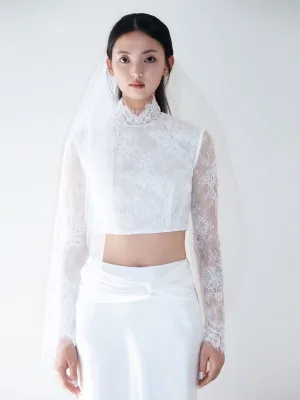
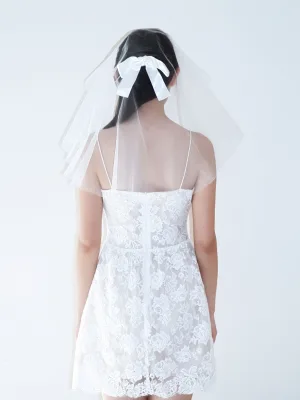
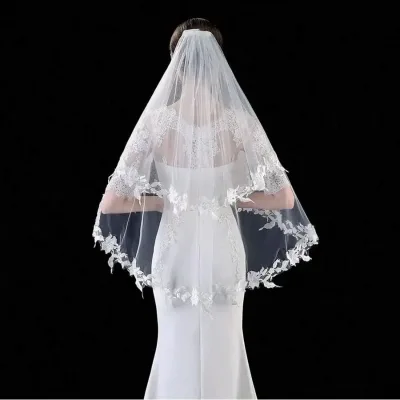
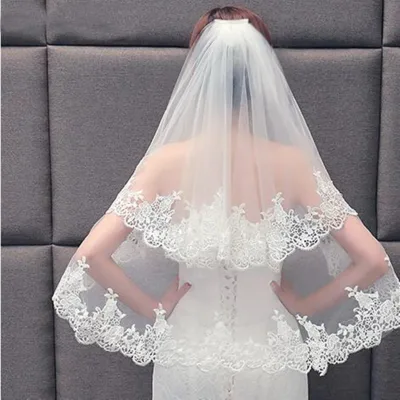
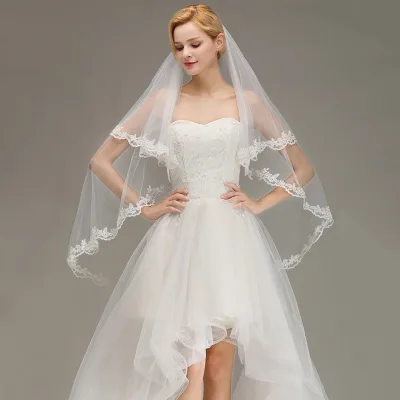
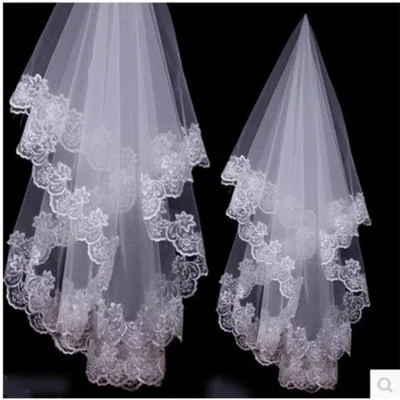
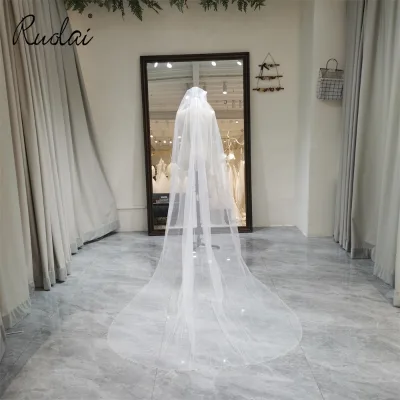
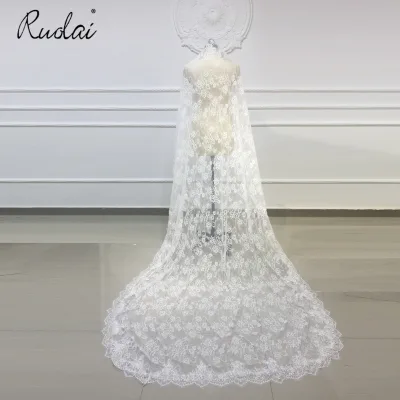
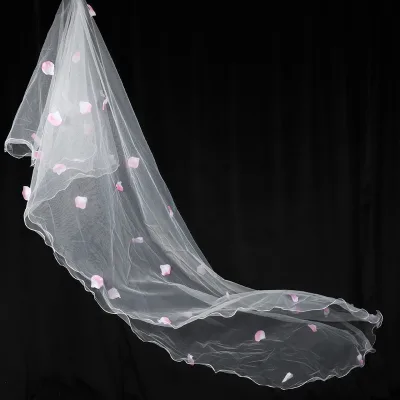
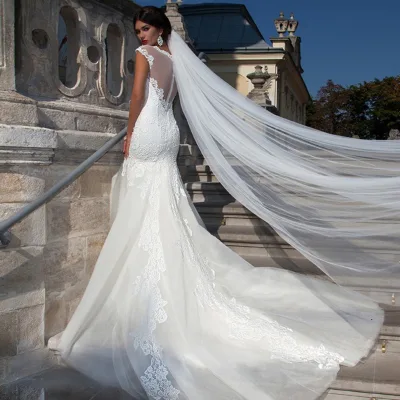
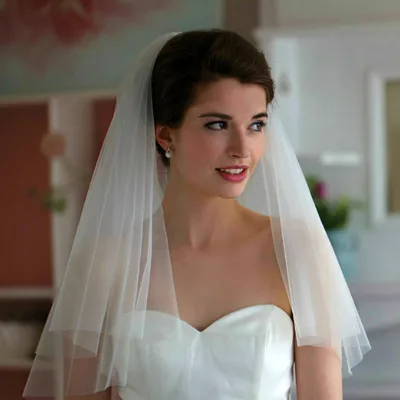
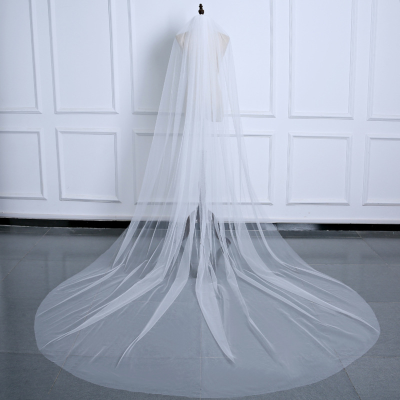
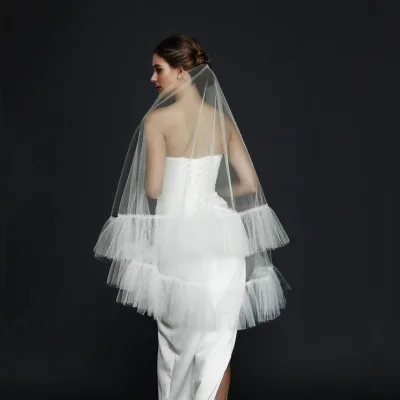
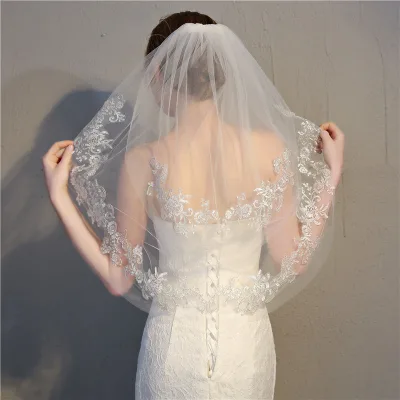
women Bridal Veil Lady Fluffy Ruffled White Wedding veil
$10.00 - $11.00





Comprehensive Sourcing Guide
White Ivory Bridal Veil Supplier Concentration and Factory Types
The available data indicates a significant concentration of suppliers operating within Jiangsu, China, specifically noting Suzhou as a key origin point for bridal veil manufacturing. This regional clustering suggests a specialized industrial ecosystem where factories and trading companies focus on wedding apparel and accessories. Buyers observing this pattern should recognize that a high volume of results from this specific province often correlates with established supply chains for tulle, lace, and embroidery fabrics essential for veil production. When evaluating the supplier list, the presence of multiple entities listing Jiangsu or Suzhou as their location provides a concrete signal of a manufacturing hub rather than a scattered global distribution.
Regarding company types, the current results explicitly identify several entities as Trading Companies rather than direct manufacturers. This distinction is critical for buyers seeking factory-direct pricing or custom design capabilities. While some suppliers list main products including wedding dresses and factory OEM fabrics, the trading company classification implies they may source from various factories within the region before selling to the buyer. Buyers must verify whether a supplier is a direct factory or a middleman by checking their specific product evidence and supply type declarations, such as OEM Design or In-Stock Items, to understand the actual production flow behind the listed White Ivory Bridal Veil offerings.
How to Verify White Ivory Bridal Veil Suppliers
Verification begins with scrutinizing the specific product attributes and origin data provided in the supplier listings. For instance, concrete evidence shows products with models like GLKV1 and GLKV14-KTS0004 originating from Suzhou, while others list YASHANG as a brand name with a place of origin in Jiangsu, China. Buyers should cross-reference these specific model numbers and origin claims against the supplier's profile to ensure consistency. If a supplier claims to be a factory but lists a trading company type, or if the product origin varies significantly from the company location, this discrepancy requires immediate clarification. The presence of detailed attributes like veil layers, material composition, and specific packing methods serves as a primary verification tool for product authenticity.
Response time and lead time data offer another layer of verification regarding supplier reliability and operational capacity. The observed response times vary, with some suppliers showing a response time of 3.53 while others indicate 11, suggesting differences in customer service responsiveness. Similarly, lead times range from 20 to 23 days in the provided data, which helps buyers gauge the speed of production and fulfillment. Buyers should prioritize suppliers whose response times and lead times align with their project deadlines. Additionally, checking for specific support features, such as the availability of sample orders within seven days or specific payment terms like T/T and PayPal, provides further evidence of a supplier's operational maturity and willingness to engage in standard trade practices.
What to Compare Across White Ivory Bridal Veil Suppliers
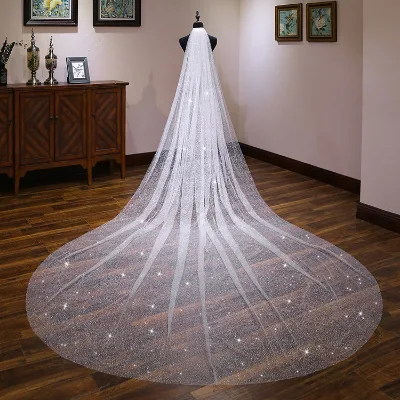
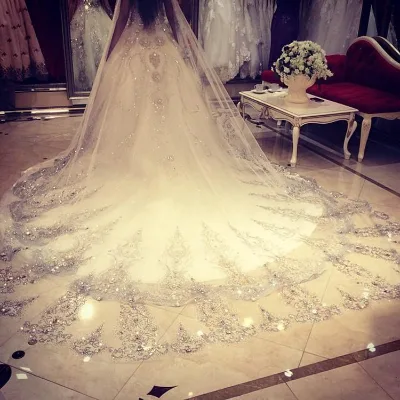
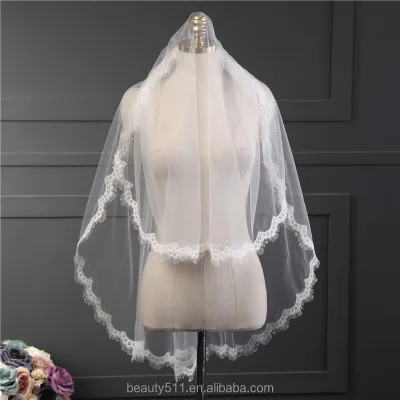
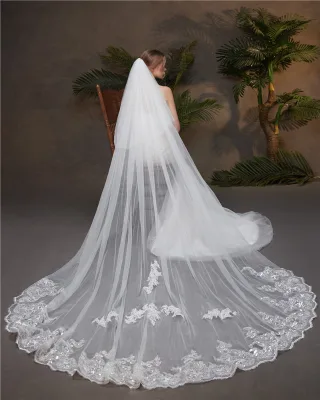
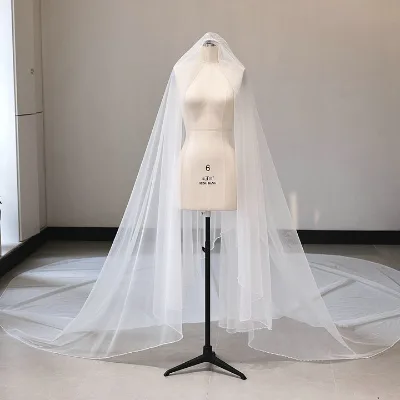
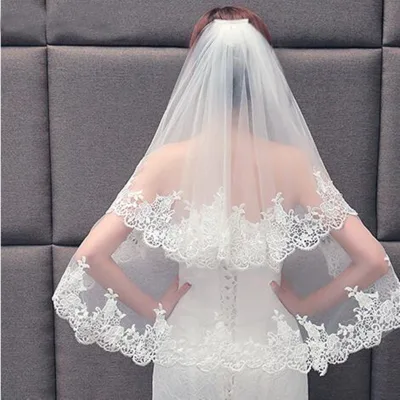
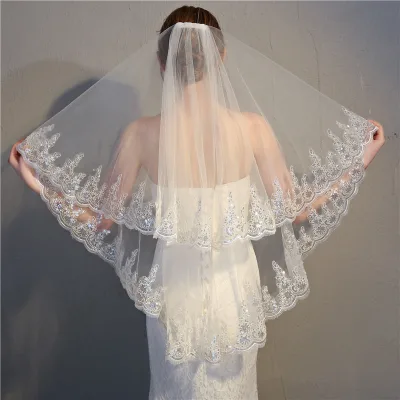
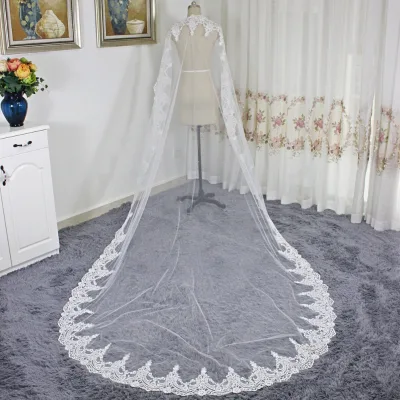
When comparing suppliers, the primary focus should be on the range of product specifications and customization capabilities available. The data reveals a diverse array of options, including single-layer, double-layer, and three-layer veils, with lengths varying from short 60-80 cm styles to cathedral lengths of 3.5 meters or more. Buyers must compare these structural differences alongside material compositions, such as 100% polyester versus chiffon gloves or plastic hair accessories, to ensure the product matches their design requirements. The availability of customization is another key differentiator, with some listings explicitly stating "Customization: Available" while others offer stock items, directly impacting the buyer's ability to create a unique bridal look.
Price and minimum order quantity (MOQ) are equally critical comparison metrics that vary significantly across the supplier pool. Current evidence shows price ranges starting as low as 4.80 USD for certain models and reaching up to 30.00 USD for more elaborate designs with specific embellishments. The MOQ also fluctuates, with some suppliers accepting orders as low as one piece, while others require a minimum of two items. Buyers should analyze these figures in the context of their budget and volume needs, noting that lower prices often correlate with standard stock items, whereas higher prices may reflect custom designs or premium materials like lace appliques. Comparing these commercial terms side-by-side allows for a more accurate assessment of value and feasibility for the specific order size.
Common White Ivory Bridal Veil Sourcing Risks
One significant risk involves the ambiguity between trading companies and actual manufacturing facilities, which can obscure the true source of production quality. Since the data identifies several suppliers as trading companies, there is a potential disconnect between the buyer's expectations of factory-direct quality control and the reality of a reseller model. This structure can lead to communication delays or misunderstandings regarding production standards, especially when customizing complex items like cathedral veils with specific lace appliques. Buyers must be vigilant in confirming whether the supplier has direct oversight of the production line or if they are merely aggregating products from multiple sources, as this affects the ability to resolve quality issues or enforce specific design changes.
Another risk pertains to the variability in lead times and the potential for delays in shipping and fulfillment. The observed lead times of 20 to 23 days, combined with varying response times, indicate that production schedules may not be uniform across all suppliers. If a buyer requires urgent delivery for a specific wedding date, relying on a supplier with a longer lead time or slower response rate could result in missed deadlines. Furthermore, the lack of standardized shipping terms in some listings, such as the mention of Express DHL in one context but not others, creates uncertainty about final delivery costs and timelines. Buyers should explicitly confirm shipping methods and delivery windows before placing an order to mitigate the risk of logistical failures.
White Ivory Bridal Veil Regional Sourcing and Logistics
The concentration of suppliers in Jiangsu, China, particularly in Suzhou, offers distinct logistical advantages for sourcing white ivory bridal veils. This region is known for its textile industry, providing easy access to raw materials like tulle and lace, which streamlines the production process. For buyers, this means that shipping from this cluster often involves established logistics networks capable of handling delicate textile goods. However, the specific location of the factory within Jiangsu can impact the final shipping cost and transit time. Buyers should verify the exact city of origin for each supplier to estimate freight charges accurately, as distances from major ports like Shanghai or Ningbo can vary, influencing the overall cost of goods delivered.
Logistics planning must also account for the specific packaging and handling requirements of bridal veils to prevent damage during transit. The data indicates that products are often packed in OPP bags or boxes, with some listings specifying single package sizes like 20x20x10 cm. These dimensions are crucial for calculating shipping volumes and costs, especially when ordering multiple units. Buyers should ensure that the packaging method protects the veil's structure, particularly for long cathedral styles that might be prone to bending or crushing. Additionally, verifying the supplier's experience with international shipping, including the use of express couriers like DHL, helps ensure that the delicate nature of the product is maintained from the factory floor to the final destination.
White Ivory Bridal Veil Commercial Terms and Order Planning
Commercial terms regarding payment and sample availability are essential components of order planning that vary across the supplier base. Evidence shows that some suppliers support sample orders within seven days, while others do not, which significantly impacts the buyer's ability to validate product quality before committing to a larger order. Payment methods also differ, with some listings accepting T/T, PayPal, and Western Union, while others may have different requirements. Buyers should prioritize suppliers who offer flexible sample policies and secure payment options to minimize financial risk. Understanding these terms early in the process allows for better budgeting and ensures that the buyer can test the product's quality, such as the feel of the chiffon or the precision of the lace appliques, before finalizing the purchase.
Order planning must also consider the minimum order quantities and the potential for bulk pricing tiers. With MOQs ranging from one to two items, buyers have the flexibility to start with small test orders, but larger volumes may require negotiating better pricing or lead times. The price ranges observed, from 4.80 USD to 30.00 USD, suggest that volume discounts might be available, though this is not explicitly stated in the current data. Buyers should plan their order quantities strategically to balance inventory costs with the need for variety in styles, such as offering both short and long veils. By aligning order sizes with the supplier's capacity and the buyer's sales forecast, the procurement process becomes more efficient and cost-effective.
FAQs
What is the price range for white ivory bridal veils?
Prices for white ivory bridal veils range from 4.80 to 30.00 USD per unit. Specific costs depend on the veil layer, customization options, and material used. Some single-layer veils start at 4.80 USD, while double-layer or lace-appliqued options can reach up to 30.00 USD.
What are the typical lead times for these bridal veils?
Lead times for bridal veils generally range from 20 to 23 days for standard orders. Some suppliers offer faster delivery windows of 5 to 20 days for specific in-stock items. Customized designs may require the full production cycle before shipping begins.
Do suppliers offer customization for white ivory bridal veils?
Yes, customization is available for many white ivory bridal veils including custom lengths and designs. Suppliers support OEM design services and can produce stock or customized items based on specific buyer requirements. Some models also allow for specific lace applique additions.
Where are the suppliers of these veils located?
Suppliers offering white ivory bridal veils are primarily located in Jiangsu, China, with specific origins in Suzhou. This region is known for producing wedding apparel and accessories. Buyers should verify the exact factory location when placing orders for specific models.
What is the minimum order quantity for these veils?
The minimum order quantity varies by supplier, with some accepting orders as low as one unit. Other suppliers may require a minimum of two units for specific styles like the white bride veil with bow clip. Always check the specific product listing for the exact MOQ.
How quickly do suppliers typically respond to inquiries?
Response times for suppliers vary, with some responding within 3.53 hours and others taking up to 11 hours. Faster response times are often associated with trading companies focusing on quick turnover. Buyers should expect a range of response speeds depending on the specific vendor.
What materials are used for white ivory bridal veils?
Common materials include 100% polyester, chiffon, and tulle for various veil styles. Some veils feature lace appliques or plastic hair accessories. The material choice affects the texture and drape, with options ranging from plain dyed mesh to soft three-layer constructions.