Wooden Tea Bag Organizer Suppliers and Manufacturers
Source 31 verified suppliers for Wooden Tea Bag Organizer products. Compare key dimensions including location, lead times, MOQ, response times, certifications, and prices. Review product details and contact suppliers directly to initiate your sourcing process; review the available evidence before requesting comparable quotations from suitable candidates.
Suppliers List

Forever Standing Stationery Co., Ltd.
- Combined
- China Guangdong
- Lead time30 days
- Avg. response≤ 25h
Main productsCosmetic Box, Jewelry Box, Make up Box, Wine Box, Wine Bags, Wine Rack, Storage Box, Gift Packing Box, Photo Albums, Stationery and Office Supply
Main marketsSouth America,Africa,Southeast Asia/ Mideast,East Asia(Japan/ South Korea),Domestic,Europe,Australia,North America
Caoxian Keyu Arts & Crafts Factory
- Verified by SGS Group
- Manufacturer, Trading Company
- Lead time30 days
- Avg. response≤ 2h
Main productsWood Crafts, Wooden Boxes, & Wall Signs, Wooden & Bamboo Packaging, Wooden Home & Garden Products
Main marketsNorth America(45%), Domestic Market(30%), Western Europe(10%)
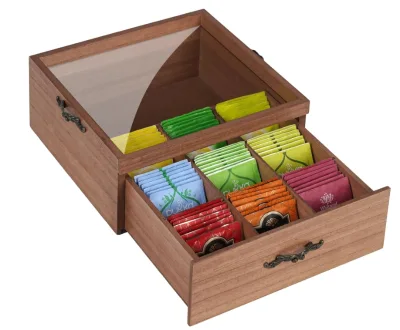
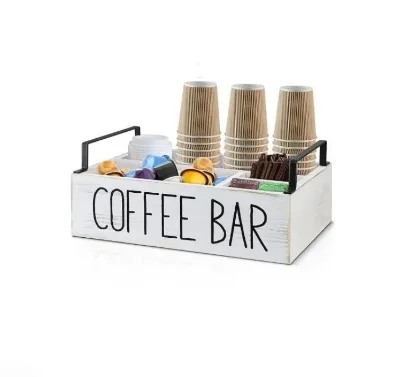
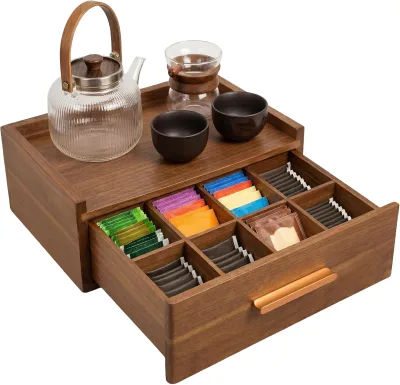
Wooden Coffee Station Organizer for Countertop Solid Wood Coffee and Tea Organizer with Handle
$4.20 - $4.50
MOQ: 500 pieces
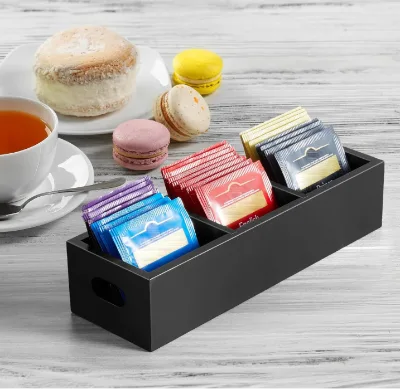
Caoxian Dachuang Wood Art Co., Ltd.
- Verified by SGS Group
- Manufacturer, Trading Company
- Lead time0 days
- Avg. response≤ 3h
Main productsGifts and Crafts, Wood Box, Wooden Fitness Products, Home Decor, Kitchen Supplies
Main marketsNorth America(35%), Western Europe(25%), Eastern Asia(10%)

Caoxian Zhongyi Wooden Co.,Ltd
- Verified by BV
- Combined
- China Shandong
- Lead time30 days
- Avg. response≤ 11h
Main productsWoodwork
Main marketsEurope

$5.46 - $7.35
MOQ: 500 Pieces


$5.46 - $7.35
MOQ: 500 Pieces


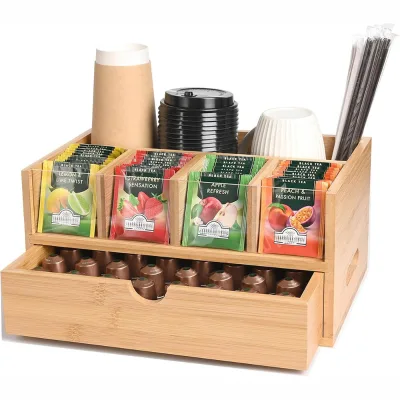
Wood Bamboo 4 Compartments Tea Bag Bamboo Wooden Organizer Box with Drawer
$3.99 - $6.79
MOQ: 500 Pieces

Xiamen Ebei Import & Export Co., Ltd.
- Verified by CTI
- Trading Company,Manufacturer/Factory
- China Fujian
- Lead time45 days
- Avg. response≤ 2h
Main productsEco-Friendly Products, Bamboo Tableware, Bamboo Furniture, Bamboo Kitchenware, Bamboo Office Supply, Bamboo Fibre Products, Biodegradable Products, Bamboo Towel, Solar Energy Products, Bamboo Garden Products
Main marketsSouth America,Eastern Europe,Mid East,North America,Southeast Asia,Eastern Asia,Oceania,Western Europe,Africa


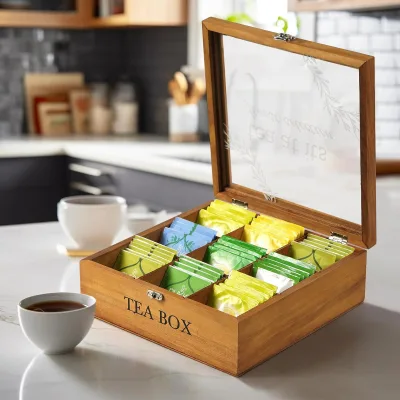
Bamboo Caddy Chest Tea Box Tea Bag Organizer with 9 Compartments and Clear Cover
$5.50
MOQ: 500 Pieces


Fujian Hoyee Household Items Co., Ltd.
- Verified by BV
- Manufacturer/Factory
- China Fujian
- Lead time0 days
- Avg. response≤ 10h
Main productsBamboo Products, Cutting Board, Bathtub Caddy, Bath Mat, Bath Towel Rack, Shoes Rack, Office Organizer, Desk Organizer, Cheese Board, Serving Tray

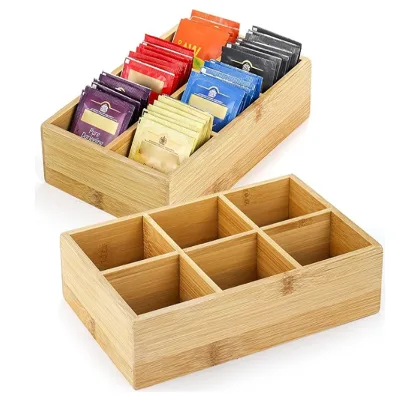
Tea Display Box Bamboo Storage Organizer, 4 Compartment Wooden Tea Bag Holder
$8.71 - $9.23
MOQ: 500 Pieces


$8.00 - $9.00
MOQ: 500 Pieces
Caoxian Huashen Arts And Crafts Co., Ltd.
- Manufacturer, Trading Company
- Shandong, China
- Lead time30 days
- Avg. response≤ 1h
Main productsCustom Wooden Boxes,Wooden Storage Crates,Wooden Home Decor,Raised Garden Beds,Wooden Pet Furniture
Main marketsNorth America(35.00%), Western Europe(25.00%), Oceania(12.00%), Northern Europe(10.00%), Eastern Europe(8.00%), Eastern Asia(6.00%), Southeast Asia(4.00%)
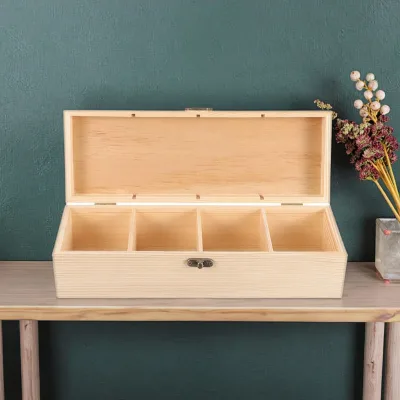
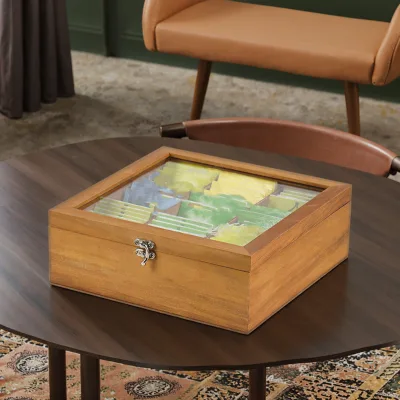
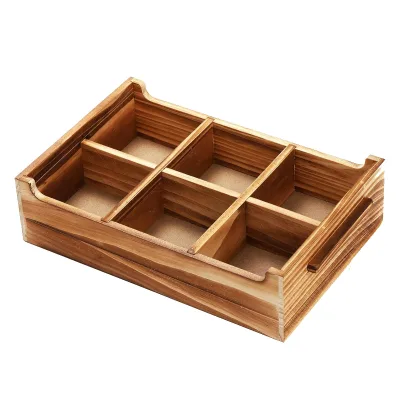
Wooden Tea Bag Storage Box 4 Compartments Multipurpose Spice Packets Organizer for Home
$5.78 - $5.99
MOQ: 200 pieces
Fujian Bridge Style Furnishings Co., Ltd.
- Verified by TüVRheinland
- Manufacturer, Trading Company
- Lead time45 days
- Avg. response≤ 2h
Main productsCutting Board, Cheese Board, Bamboo Drawer Organizer, Bath Tray, Bamboo Storage Box
Main marketsNorth America(60%), Western Europe(40%)

- Manufacturer/Factory
- China Fujian
- Lead time45 days
- Avg. response≤ 10h
Main productsBamboo Chopping Board, Bamboo Box, Bamboo Tray, Bamboo Bottle, Bamboo Products, Bamboo Cutlery, Bamboo Plywood, Bamboo Furniture, Bamboo Plate, Bamboo Broom
Main marketsSouth America,Eastern Europe,Mid East,North America,Southeast Asia,Oceania,Western Europe,Africa
- Verified by SGS Group
- Manufacturer, Trading Company
- Lead time30 days
- Avg. response≤ 3h
Main productsWood home decoration, Wood storage, Wood packaging, Wood crafts, Wood furniture
Main marketsNorth America(35%), Northern Europe(20%), Southern Europe(20%)
Cao County Huikang Crafts Co., Ltd.
- Manufacturer, Trading Company
- Shandong, China
- Lead time30 days
- Avg. response≤ 3h
Main productsWooden Pallets, Wooden Birds Nest, Bamboo Wooden Tray, Wooden Box, Multifunctional Wooden Wall Frame
Main marketsDomestic Market(30.00%), North America(20.00%), Oceania(10.00%), Western Europe(10.00%), Southern Europe(10.00%), Eastern Asia(10.00%), Southeast Asia(10.00%)
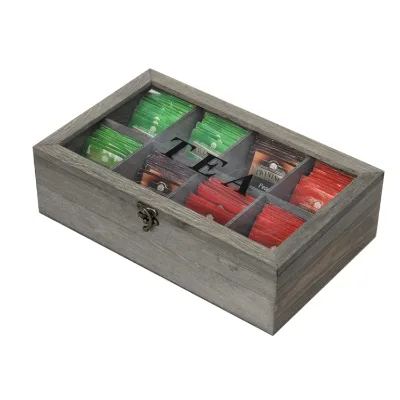
Wholesales Wooden Tea Box for Storing Tea Wooden Tea Bag Storage Box Light Green
$7.11 - $8.13
MOQ: 200 pieces
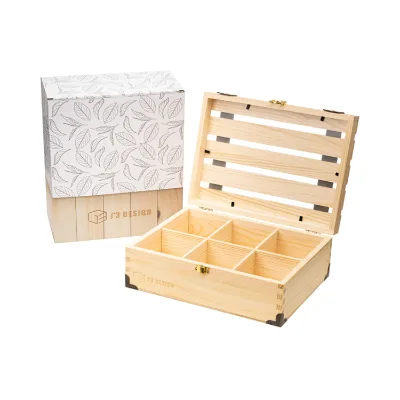
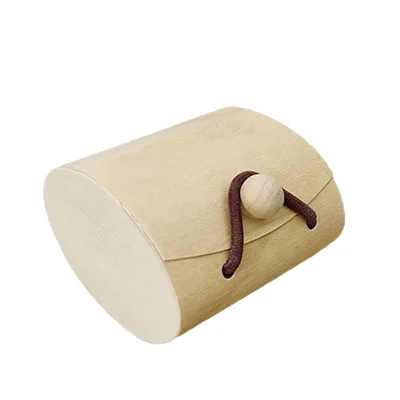
Wooden Tea Bag Box Sell Well Wooden Tea Bag Storage Box Pine with Leather Strip
$6.00 - $8.00
MOQ: 200 pieces

XIAMEN TWO CITY IMP AND EXP CO., LTD.
- Verified by SGS
- Trading Company
- China Fujian
- Lead time30 days
- Avg. response≤ 4h
Main productsBamboo Panel, Bamboo Plywood, Bamboo Cutting Board, Bamboo Chopping Board, Bamboo Products, Bamboo Kitchenware, Bamboo Tableware, Bamboo Furniture, Wood Product, Wood Root Carving Product
Main marketsSoutheast Asia/ Mideast,Europe,North America


$4.58 - $6.18
MOQ: 500 Pieces


Bamboo Tea Bag Organizer Storage Box with Divder Stackable Wood Tea Bags Storage Box
$4.58 - $6.18
MOQ: 500 Pieces

Wholesale Bamboo Tea Box with Small Drawer Tea Bag Storage Organizer Wooden Storage Chest
$4.58 - $5.95
MOQ: 500 Pieces
Caoxian Zhecheng Wood Industry Co.,ltd
- Verified by SGS Group
- Manufacturer, Trading Company
- Lead time20 days
- Avg. response≤ 2h
Main productsWooden box, Wooden tray, Wooden shelf, Wooden crate
Main marketsNorth America(50%), Western Europe(30%), Mid East(10%)
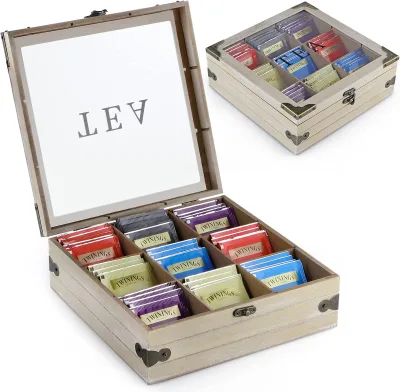
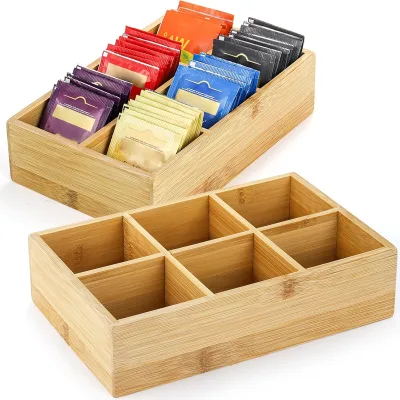
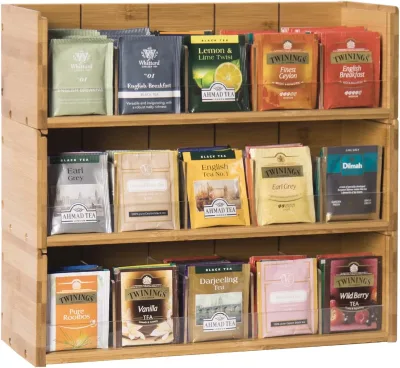
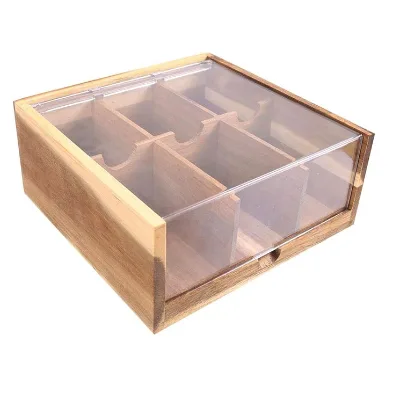
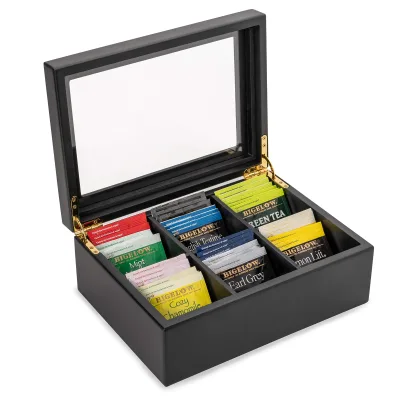
Wooden Tea Bag Organizer Box with Clear Lid Storage Chest for Tea Wooden Boxes
$2.84 - $3.68
MOQ: 200 pieces
Cao County Kailiyang Handicrafts Co., Ltd.
- Manufacturer, Trading Company
- Shandong, China
- Lead time0 days
- Avg. response≤ 2h
Main productsWood Box,Wood Tray,Wood Shelf,Wood Craft
Main marketsNorth America(45.00%), Oceania(15.00%), Domestic Market(10.00%), Eastern Europe(5.00%), Southeast Asia(5.00%), Eastern Asia(5.00%), Western Europe(5.00%), Northern Europe(5.00%), South Asia(5.00%)
$3.85 - $4.29
MOQ: 300 pieces
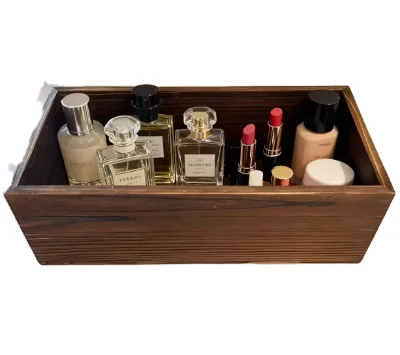
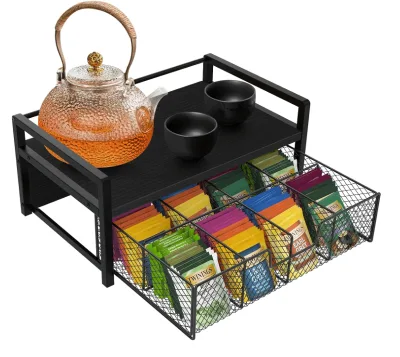
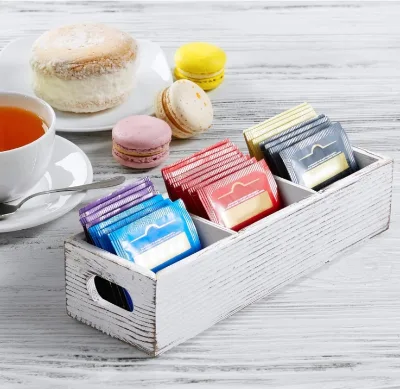
Vintage White Mini Tea Bag Organizer Wood Tea Storage Container with 3 Slots
$2.60 - $2.90
MOQ: 300 pieces

Shaowu Han Well Import and Export Trade Co., Ltd.
- Trading Company
- China Fujian
- Lead time23 days
- Avg. response≤ 7h
Main productsChopping Boards, Serving Boards, Bamboo Skewer, Bamboo Stick, Tray, Cutting Board, Box, Utensil Tool, Bamboo Chopsticks, Coffee Stirrers
Main marketsEast Asia(Japan/ South Korea),Europe,Australia,North America

DONGGUAN ZHIHE WOOD PACKAGING LIMITED
- Verified by SGS
- Combined
- China Guangdong
- Lead time60 days
- Avg. response≤ 8h
Main productsWooden Box, Wine Box, Jewelry Box, Pet House, Hotel Furniture, Smart Pet Furniture, Watch Box, Pet Urn, Precious Metals Display Box, The Wooden
Main marketsSouth America,Africa,Southeast Asia/ Mideast,East Asia(Japan/ South Korea),Domestic,Europe,Australia,North America


Wholesale Luxury 12 Compartment Eco-Friendly Wooden Tea Box Tea Bag Storage Packaging Organizer
$10.30 - $11.20
MOQ: 300 Pieces

$11.69 - $12.89
MOQ: 300 Pieces

$28.50 - $32.50
MOQ: 300 Pieces


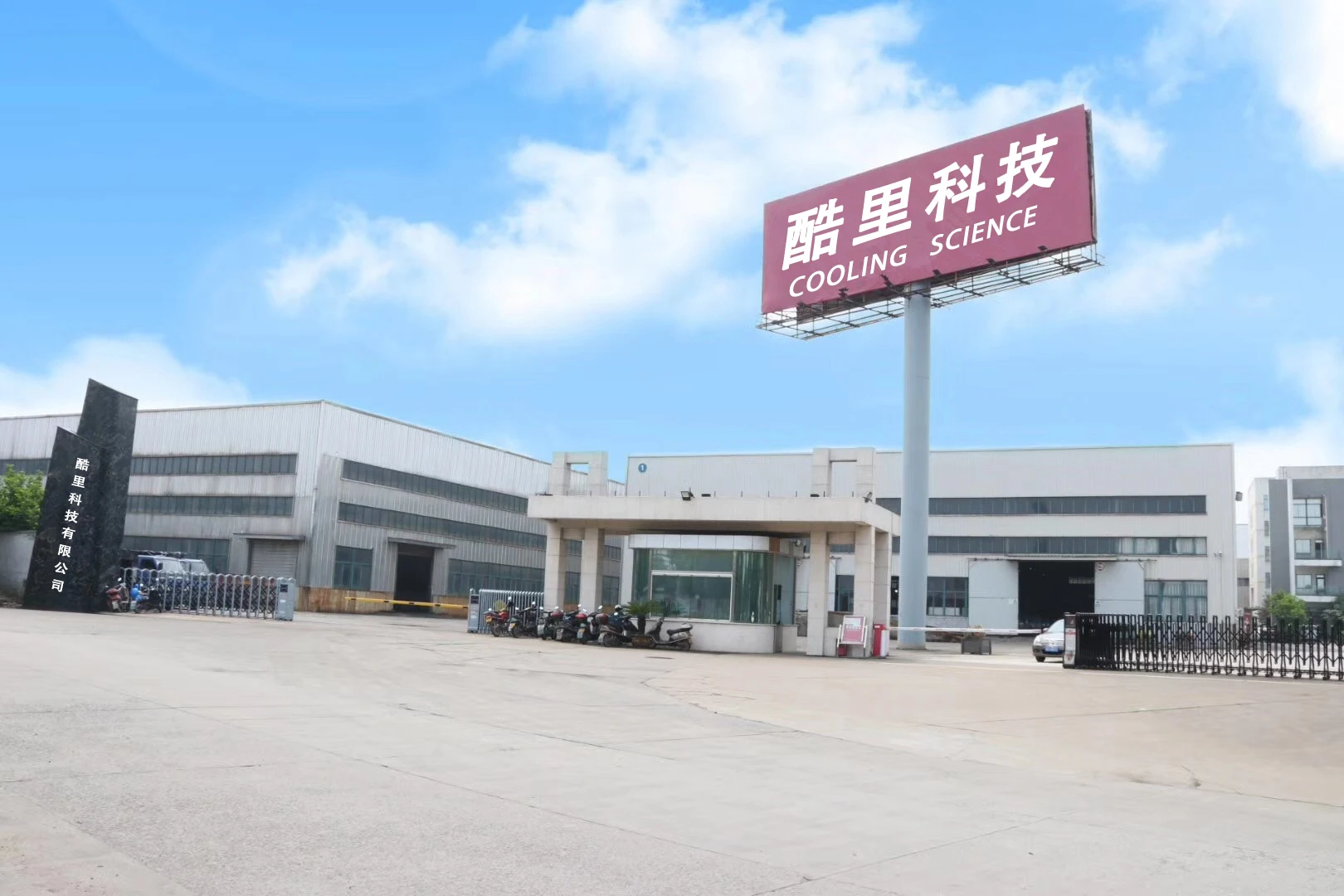
Hefei Cooling Science And Technology Co., Ltd.
- Manufacturer, Trading Company
- Anhui, China
- Lead time50 days
- Avg. response≤ 10h
Main productsTableware,Organizer,Home decoration,Kitchenware,Servingware
Main marketsEastern Europe(25.00%), Western Europe(15.00%), Southern Europe(15.00%), North America(12.00%), Northern Europe(11.00%), Central America(9.00%), Southeast Asia(8.00%), South America(5.00%)
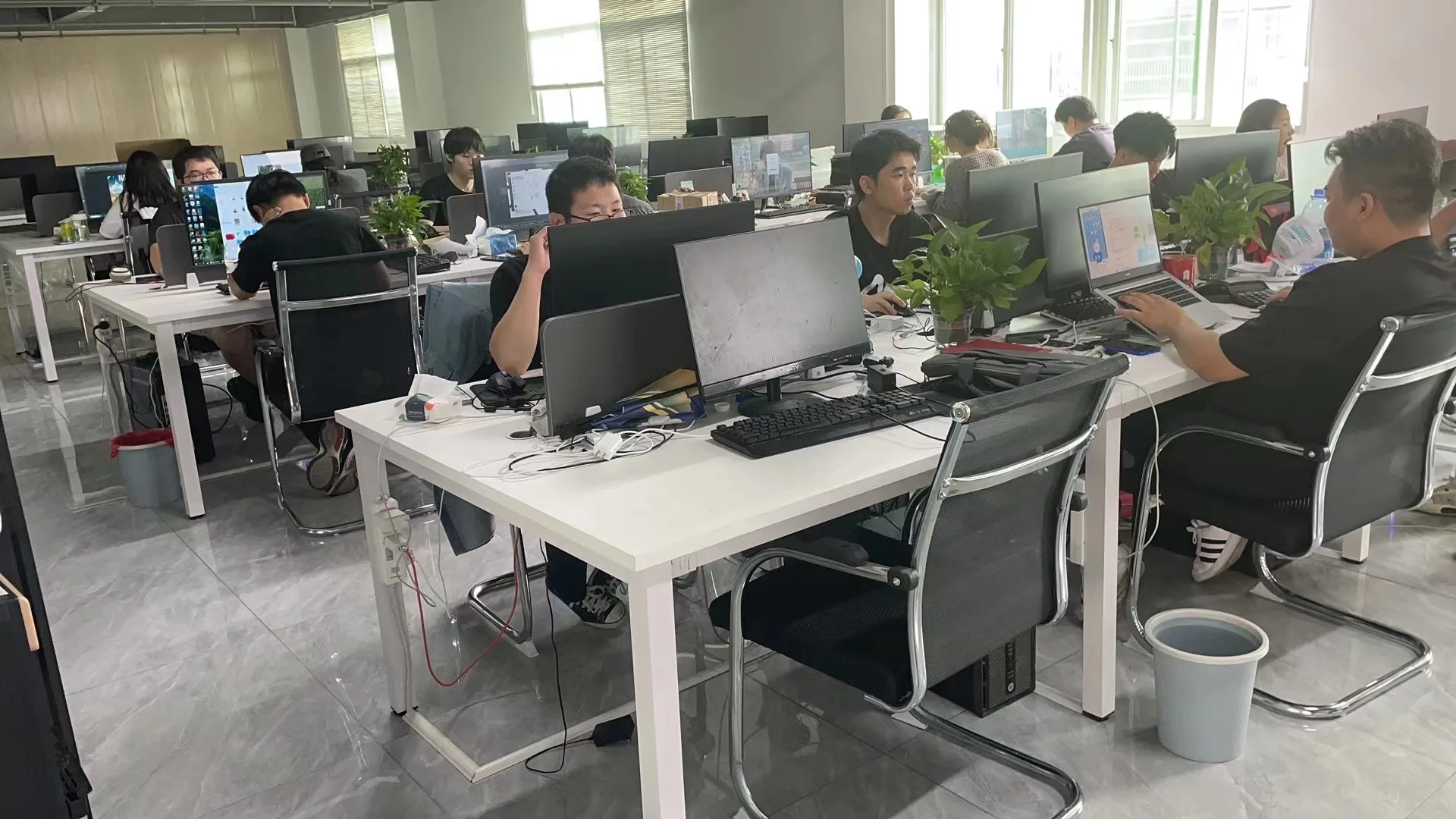
Dongguan Chongya Arts & Crafts Co., Ltd.
- Manufacturer, Trading Company
- Guangdong, China
- Lead time30 days
- Avg. response≤ 2h
Main productsWood carfts,Acrylic Products,Plywood crafts,Holiday Supplies,Home Decoration
Main marketsNorth America(50.00%), Western Europe(20.00%), Domestic Market(10.00%), Southeast Asia(5.00%), Southern Europe(5.00%), Northern Europe(5.00%), Eastern Europe(5.00%)
Fujian Sanming Zhimei Houseware Co., Ltd.
- Verified by TüVRheinland
- Manufacturer, Trading Company
- Lead time40 days
- Avg. response≤ 3h
Main productsBamboo Household Products
Main marketsNorth America(85%), Western Europe(15%)
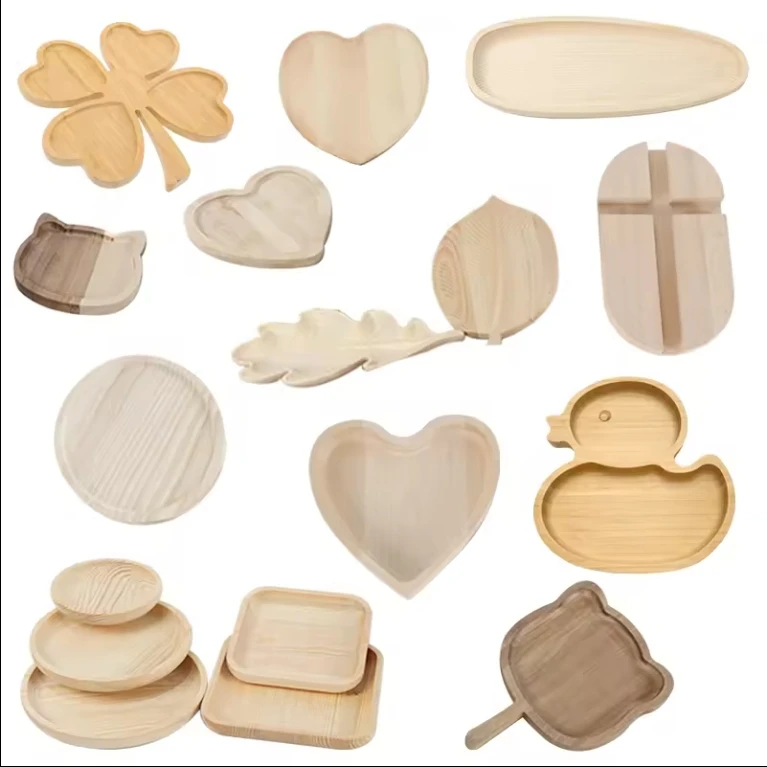
Cao County Huiyifeng Crafts Co., Ltd.
- Manufacturer, Trading Company
- Shandong, China
- Lead time25 days
- Avg. response≤ 4h
Main productswood decor,wood box,wood coaster,wood craft,wood shelf
Main marketsNorth America(35.00%), Eastern Europe(20.00%), Western Europe(10.00%), Eastern Asia(10.00%), Central America(5.00%), Southeast Asia(5.00%), Northern Europe(4.00%), Mid East(3.00%), Africa(3.00%), South America(3.00%), Oceania(2.00%)
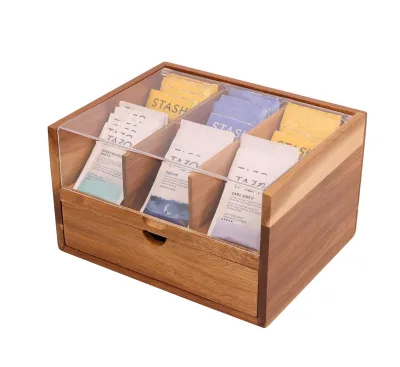
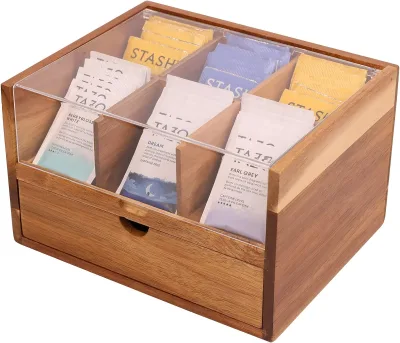
2 Tier Tea Bag Organizer Wooden Tea Bag Holder with Acrylic Transparent Hinged Lid
$4.43 - $4.85
MOQ: 200 pieces
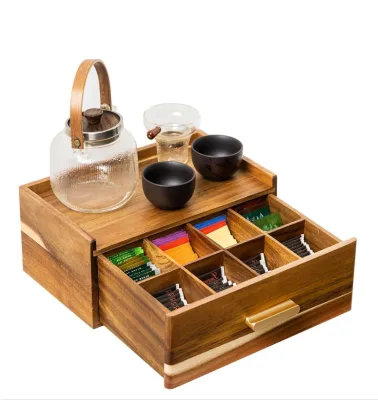
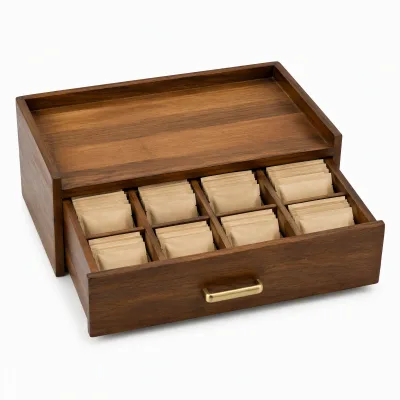
Rustic Acacia Wood Tea Bag Organizer Tea Organizers and Storage Box Teabag Holder Container Boxes
$5.09 - $5.89
MOQ: 200 pieces
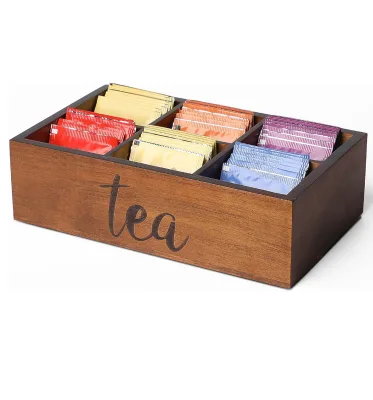
Best Selling Rustic Acacia Wood Tea Storage Containers Tea Bag Organizer
$4.15 - $4.96
MOQ: 300 pieces
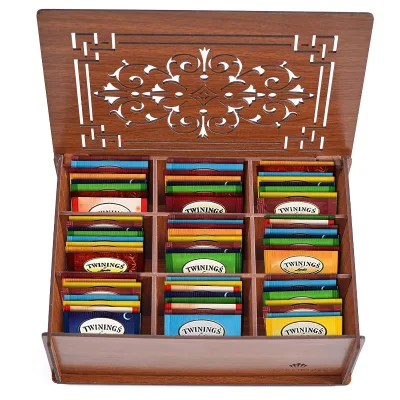
Customized Tea Bags Sampler Assortment in Wooden Tea Box Organizer Perfect Variety Pack in Wood
$4.20 - $5.60
MOQ: 300 pieces
Caoxian Smart And Thrive Woodwork Co., Ltd.
- Verified by SGS Group
- Manufacturer, Trading Company
- Lead time40 days
- Avg. response≤ 4h
Main productsWooden Crafts, Wooden Homeware and Garden Product, Wooden Office Culture Product
Main marketsNorth America(50%), Eastern Asia(15%), Domestic Market(13%)
Cao County Grandview Arts & Crafts Co., Ltd.
- Manufacturer, Trading Company
- Shandong, China
- Lead time20 days
- Avg. response≤ 3h
Main productskitchen knife rack,wooden trash bin,wooden frames,kitchen wall shelf,bathroom storage rack
Main marketsNorth America(35.00%), Western Europe(13.00%), South Asia(10.00%), Eastern Europe(7.00%), Mid East(7.00%), Southern Europe(5.00%), Domestic Market(5.00%), Eastern Asia(5.00%), Southeast Asia(5.00%), Northern Europe(4.00%), Oceania(2.00%), Africa(2.00%)
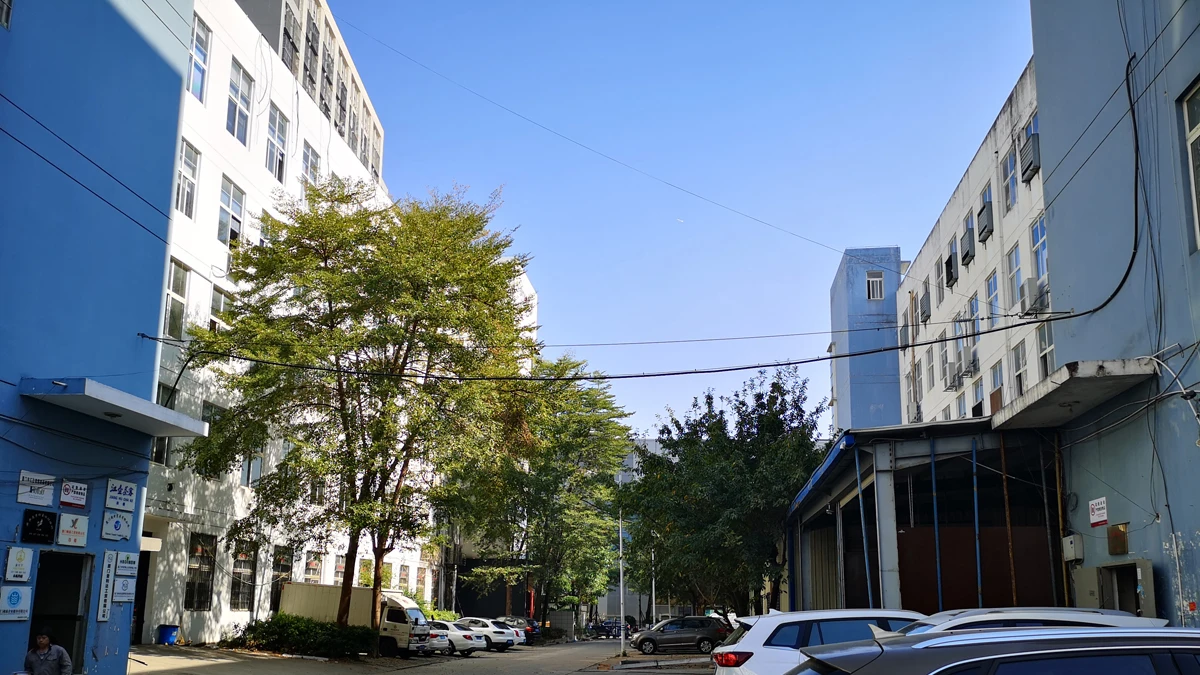
Xiamen Ehang Household Products Co., Ltd.
- Trading Company
- Fujian, China
- Lead time37 days
- Avg. response≤ 7h
Main productsKitchenware,bamboo and wooden products,Houseware,Kitchen gadgets,Garden
Main marketsSoutheast Asia(20.00%), North America(20.00%), Southern Europe(10.00%), Northern Europe(10.00%), Western Europe(10.00%), South America(10.00%), Eastern Europe(10.00%), Central America(5.00%), Domestic Market(1.00%), Mid East(1.00%), Oceania(1.00%), Eastern Asia(1.00%), Africa(1.00%)
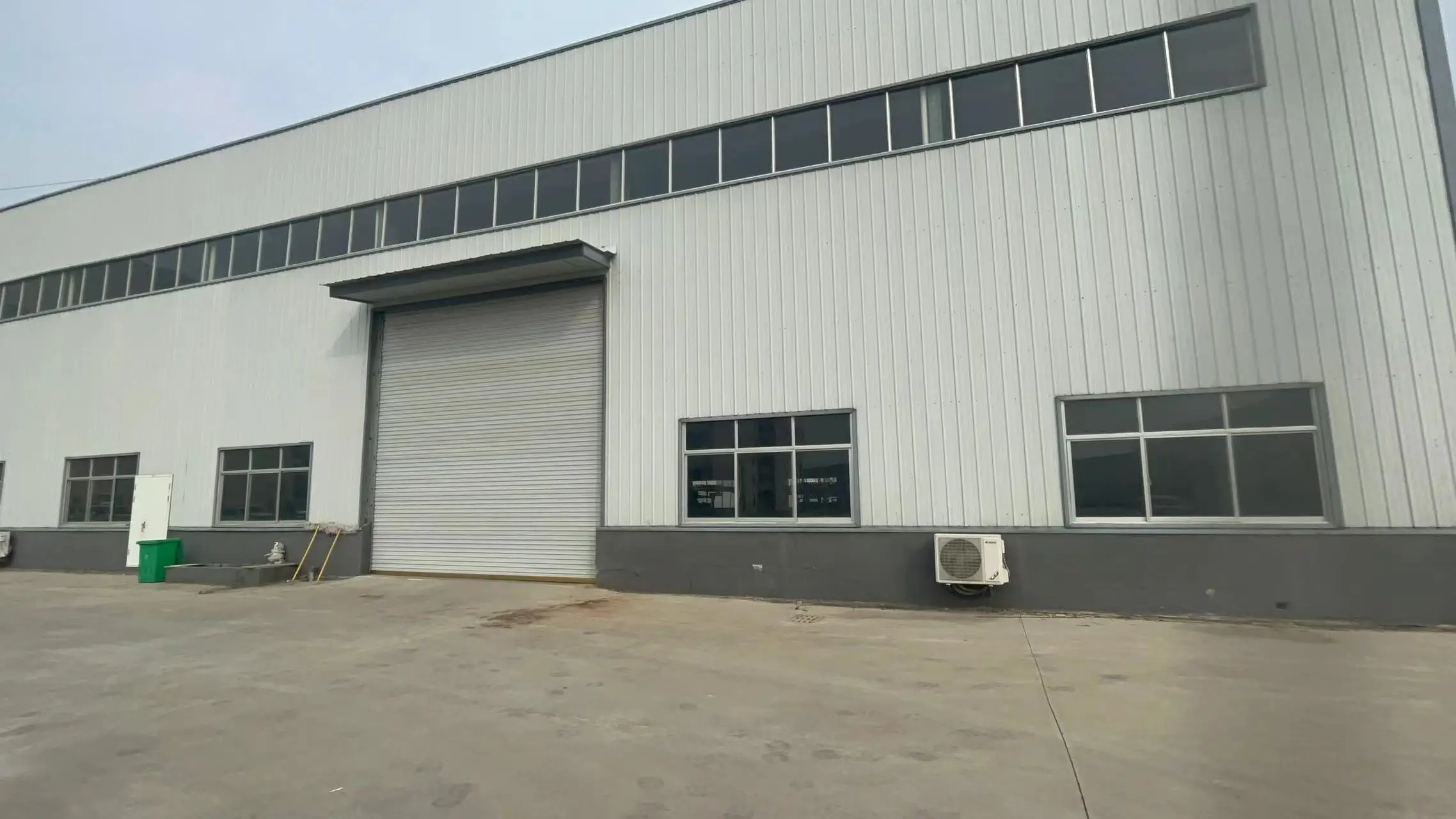
Caoxian Kaituo Wooden Co., Ltd.
- Manufacturer, Trading Company
- Shandong, China
- Lead time30 days
- Avg. response≤ 6h
Main productswall shelf,wooden decoration,wooden tray,wooden organizer,wooden Pet products
Main marketsNorth America(80.00%), Southern Europe(5.00%), Northern Europe(5.00%), Western Europe(5.00%), Eastern Europe(5.00%)
Cao County Huiy Arts & Crafts Factory
- Verified by SGS Group
- Manufacturer, Trading Company
- Lead time30 days
- Avg. response≤ 3h
Main productsWooden Box, Wooden Decoration, Bird House, Wood Craft, Wood Homeware
Main marketsNorth America(22%), Western Europe(18%), Eastern Asia(16%)
Classic Arts And Crafts Co., Ltd.
- Manufacturer, Trading Company
- Shandong Province, China
- Lead time15 days
- Avg. response≤ 3h
Main productswooden box,wooden tray,Storage rack,Pet supplies,Kitchen&Restaurant Series
Main marketsMid East(15.00%), Eastern Europe(15.00%), South America(15.00%), North America(15.00%), Central America(10.00%), Oceania(10.00%), South Asia(5.00%), Northern Europe(5.00%), Southeast Asia(5.00%), Western Europe(5.00%)
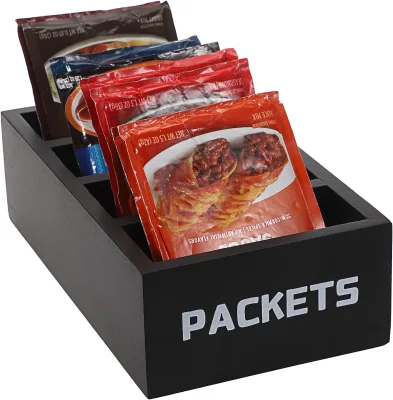
Black Divided Wood Pantry Organization Tea Bag Organizer Tea Box Sugar Packet Holder
$2.54 - $4.52
MOQ: 200 pieces
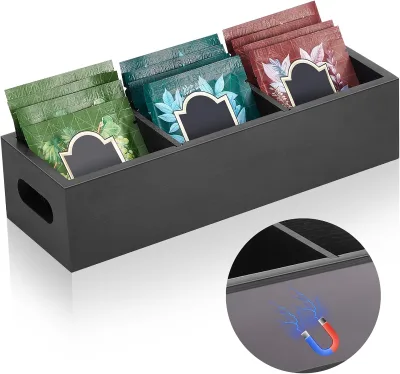
Wood Rectangle Tea Bag Organizer with Lacquer Technique for Food Storage
$5.10 - $6.47
MOQ: 200 pieces
Qingdao Enjoy Global Industry Co., Ltd.
- Verified by TüVRheinland
- Manufacturer, Trading Company
- Lead time25 days
- Avg. response≤ 1h
Main productsWooden Shelf, Wooden Cat Tree, Wooden Box, Wooden Crafts, Wooden Furniture
Main marketsNorth America(40%), Eastern Asia(15%), Western Europe(14%)
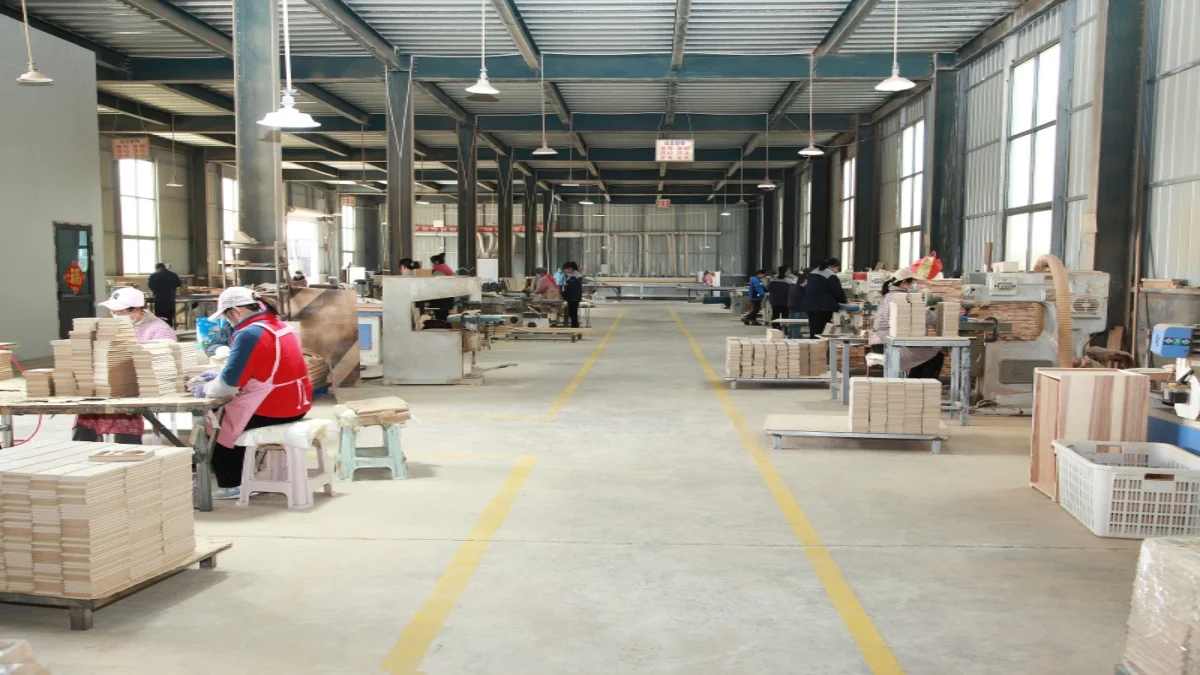
Caoxian Dongxing Arts And Crafts Co., Ltd.
- Manufacturer, Trading Company
- Shandong, China
- Lead time30 days
- Avg. response≤ 4h
Main productswooden craft,wooden tray,wooden box,wooden home decor,wooden shelf
Main marketsNorth America(50.00%), Eastern Asia(30.00%), Western Europe(20.00%)
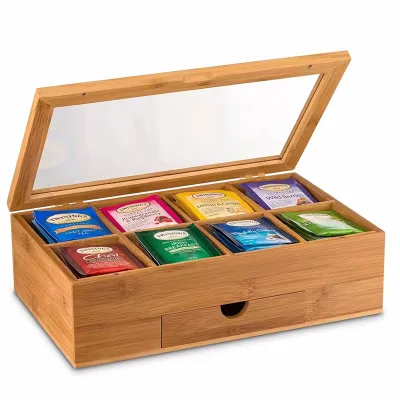
$4.10 - $6.16
MOQ: 500 Minimum
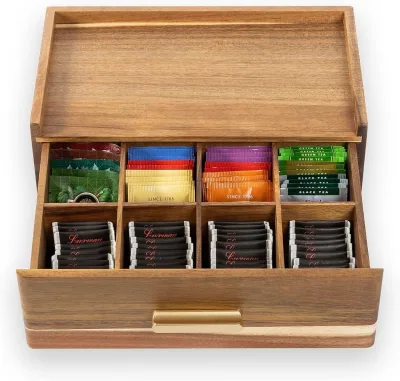
$6.77 - $10.88
MOQ: 500 Minimum
- Manufacturer, Trading Company
- Shandong, China
- Lead time0 days
- Avg. response≤ 1h
Main productsWooden Box,Wooden Shelf,Wooden Craft,cat tree,Wooden Furniture
Main marketsNorth America(50.00%), South America(20.00%), Mid East(10.00%), Southeast Asia(10.00%)

Easton Hotel Supplies Co., Ltd.
- Verified by TUVRHEINLAND
- Trading Company
- China Guangdong
- Lead time15 days
- Avg. response≤ 3h
Main productsHotel Accessories, Hotel Amenity, Hotel Supplies, Wall Mounted Hair Dryer, Magnifying Mirror, Ironing Board, Welcome Tray, Wooden Hanger, Digital Safe, Luggage Rack
Main marketsSoutheast Asia/ Mideast

Shenzhen Hongda Rong Technology Co., Ltd.
- Manufacturer, Trading Company
- Guangdong, China
- Lead time20 days
- Avg. response≤ 3h
Main productsAcrylic display case,acrylic display,acrylic rack,acrylic case,acrylic showcase
Main marketsSoutheast Asia(30.00%), Northern Europe(30.00%), North America(20.00%), Eastern Asia(20.00%)
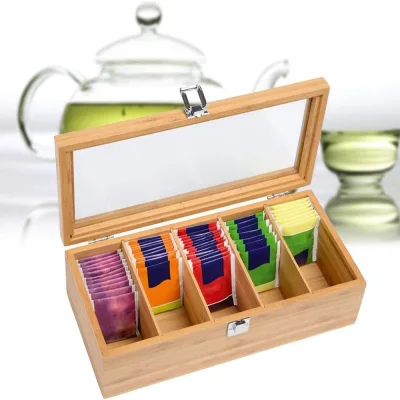
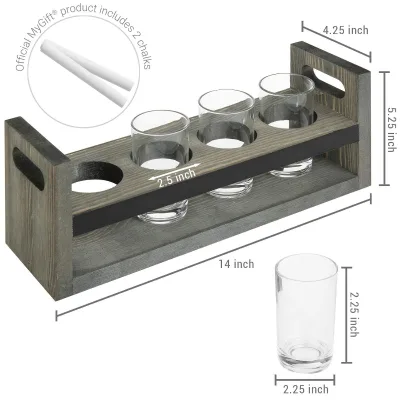
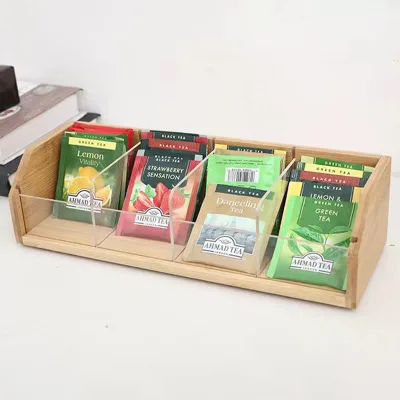
Clear Glass Portable Tea Bag Holder Stand Wood Storage Organizer for Tea Coffee Bags
$8.90 - $10.90
MOQ: 100






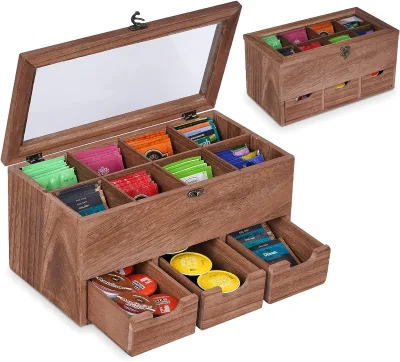
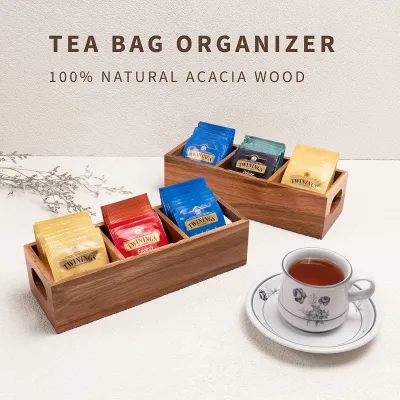
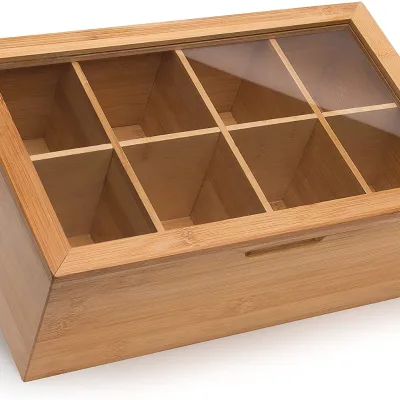
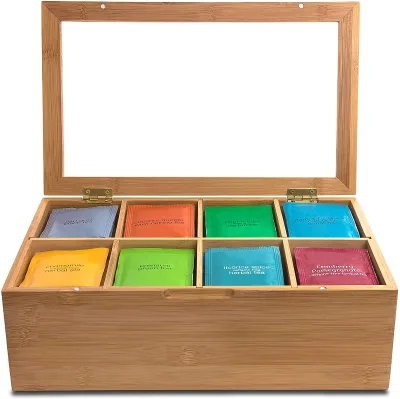



Comprehensive Sourcing Guide
Wooden Tea Bag Organizer Supplier Concentration and Factory Types
Buyers sourcing a Wooden Tea Bag Organizer will encounter two broad supplier archetypes on B2B platforms: combined manufacturers and exporters, and hybrid manufacturer-trading companies. Combined firms in this category typically advertise their own brand alongside ODM and OEM services, and often list multi-product wood workshops covering cosmetic boxes, jewelry boxes, wine boxes, storage boxes and related gift packaging. That breadth matters: a factory whose main products span wooden gift and storage packaging generally has the joinery, finishing and logo-printing capability needed for tea organizers with multiple compartments and hinged lids. Manufacturer-trading companies, by contrast, may combine light customization, sample processing and graphic processing with on-demand production, which can suit buyers testing designs before committing to tooling.
Location evidence in current listings points to Guangdong, China, with at least one product origin declared as Dongguan, a city within that province. This matters because Guangdong's Pearl River Delta hosts dense clusters of wooden packaging and craft factories, giving buyers access to material suppliers, hardware (hinges, slides) and finishing services within a short radius. When cluster data is not displayed on a listing, buyers should identify concentration themselves: filter by declared place of origin, check whether a supplier's product range suggests a specialized wood-craft region, and ask prospective partners which nearby subcontractors they use for cutting, varnishing and assembly. A supplier confident in its cluster will answer with specific process locations rather than vague references to "our factories."
How to Verify Wooden Tea Bag Organizer Suppliers
Verification should begin with third-party signals already attached to listings. Some suppliers in this category carry SGS verification, and one listing declares FSC system certification, which is directly relevant when buyers need traceable, responsibly sourced wood or bamboo. Product-level attributes can reveal claimed credentials too: one tea organizer listing declares BSCI, Sedex, ISO9001 and Reach certificates alongside a self-described "20 Years Manufacturer & Exporter" company type. None of these claims should be accepted at face value — request certificate numbers, issuing bodies and validity dates, and confirm FSC chain-of-custody scope covers the specific product, not just the company. For social compliance, BSCI and Sedex audits should be recent and tied to the actual production site.
Beyond paperwork, verify capability through the product evidence itself. Listings that state ODM/OEM service, free design support, logo printing acceptance and customization availability give you testable commitments: submit your artwork and ask for a rendered sample. Declare expected dimensional tolerance in writing — some listings state tolerances as tight as under ±1mm on dimensions and under ±1% on weight, which sets a benchmark you can enforce at inspection. Ask how each unit is packed (one listing specifies 1 PC/polybag with a stated pieces-per-carton figure) and whether the finish is waterproof or varnished, since tea organizers sit near kettles and humid kitchens. Finally, confirm the legal entity behind the listing matches the factory address, and request business license and export history documentation before sending any payment.
What to Compare Across Wooden Tea Bag Organizer Suppliers
Build a comparison sheet using dimensions that are actually displayed, without assuming every supplier shows every attribute. Useful columns include: lead time (one listing states 30 days; another states 4–5 weeks delivery), sample time (one listing declares 5–7 days), MOQ (listings range from 500 to 1,000 pieces), response time (declared figures in this category range dramatically, from 2 hours to 25 hours), company type, establishment claims, location, and main products. Price ranges also vary by material and construction: comparable tea organizers in current listings span roughly $5–8, $10–15, and $27.5–32.5 per unit, with the spread driven by wood type (MDF versus solid wood versus bamboo), compartment count and hardware.
Compare product construction, not just price. Check declared material, wood type, surface handling (varnishing appears in one listing), shape, waterproofing and whether a hinged lid or drawer is used. Compare commercial-term flexibility: one listing accepts EXW, FOB, CNF, CIF and door-to-door, and payment methods spanning T/T, L/C, PayPal, Alipay and Western Union — payment-method breadth often signals trading maturity. Compare customization depth, too: some suppliers offer shape customization and free design, others only graphic processing. Finally, weigh response speed against other signals. A 2-hour declared response time is valuable during sampling and claims, but only if paired with verified certifications and consistent specification accuracy across listings. Inconsistency between a supplier's product attributes and its company claims is itself a comparison data point.
Common Wooden Tea Bag Organizer Sourcing Risks
The most frequent risk is material substitution. Listings in this category declare MDF, bamboo and solid wood across similar-looking products, and a sample approved in solid wood can quietly become MDF or a veneered board in production. Lock material, wood type and surface handling (for example, varnishing) into the specification sheet, and require pre-shipment inspection to verify. A second risk is dimensional drift: tea bags are a standardized format, so compartments that are a few millimeters short will not fit standard bags even though the unit looks correct. One listing declares dimensional tolerance under ±1mm — treat that as the standard to demand, and measure compartments, not just the outer box.
Third-party verification gaps are another risk. Not every supplier displays certification; some list credentials only in product attributes rather than company records, and claimed certificates like BSCI, Sedex, ISO9001 or Reach must be validated for scope and date. Avoid assuming FSC status where it is not explicitly declared. Commercial risks include MOQ mismatches (500 versus 1,000 pieces affects your cash outlay at test order stage), response delays stretching to 25 declared hours, and payment terms that expose you if funds are sent directly rather than through protected channels. Packing errors are also common: confirm whether the declared "1 PC/polybag" includes a master carton count and whether individual retail packaging is included. Finally, watch for reliance on subcontracted finishing, which can break both finish quality and certificate traceability.
Wooden Tea Bag Organizer Regional Sourcing and Logistics
Current supplier evidence places sourcing in Guangdong, China, with at least one product declaring Dongguan as its origin. This regional concentration works in the buyer's favor for logistics: Guangdong offers proximity to major container ports, established wood and hardware supply chains, and freight forwarders accustomed to mixed wood-craft shipments. Bamboo and MDF variants may source sheet material or bamboo panels regionally, reducing material lead-time risk compared with factories that import components. When evaluating suppliers without a declared cluster location, infer it from listed place of origin, product range specialization, and the logistics terms they quote; a supplier fluent in FOB from a southern Chinese port is revealing its actual shipping base.
Plan logistics around the declared timelines rather than optimistic ones. One supplier declares a 30-day lead time and another a 4–5 week delivery window — these are broadly consistent, but they start from different points (order confirmation versus sample approval), so confirm the trigger in writing. Add sample time of 5–7 declared days on top for customized units. For sea freight, wooden goods may need ISPM-15 heat treatment or acceptable alternative packing; ask the supplier how they handle fumigation or treated packaging for wood products. For air-freighted samples, polybag packing keeps weight down. Buyers in Europe, North America, Australia, Asia and the Gulf — the markets several listings declare — should also confirm which commercial term (EXW, FOB, CNF, CIF or door-to-door) their quote assumes, because the same unit price can imply very different landed costs.
Wooden Tea Bag Organizer Commercial Terms and Order Planning
Structure orders around the trade terms and payment methods suppliers actually advertise. One declared set of commercial terms spans EXW, FOB, CNF, CIF and door-to-door, giving buyers room to match incoterms to their freight strategy: EXW for buyers with their own forwarder, FOB as the common default, CIF or door-to-door for first-time importers. Payment options declared in this category include T/T, L/C, PayPal, Alipay and Western Union. Prefer T/T with a deposit-and-balance structure, or L/C for larger orders; use PayPal only for samples or small trial quantities, since it rarely covers full production risk. Confirm in writing which currency, which incoterm and which port the quote references before comparing prices across suppliers.
Order planning should sequence around declared MOQs and lead times. With MOQs of 500 to 1,000 pieces and lead times of roughly 30 days to 4–5 weeks, a realistic first-order calendar is: sample request and 5–7 day sample production, sample approval, deposit payment, production, and inspection before balance payment. Budget for customization gates — free design support on some listings reduces upfront cost, but logo printing and shape customization each add approval checkpoints. Plan packaging specifications (1 PC/polybag, pieces per carton) into the purchase order, along with commercial term, material, tolerance and certificate requirements. For repeat orders, negotiate price tiers against the declared per-unit ranges ($5–8 for basic solid-wood organizers, higher for bamboo or MDF lidded designs) and lock lead-time penalties for late delivery into the framework agreement.
FAQs
What is the typical minimum order quantity for a Wooden Tea Bag Organizer?
Minimum order quantities for a Wooden Tea Bag Organizer commonly start at 500 units for solid wood drawer designs and 1000 units for multi-compartment models. Higher customization levels, such as custom compartments, logo printing, or special finishes, can push the MOQ toward the higher end. Always confirm the MOQ for your exact configuration before requesting a formal quotation from suppliers.
How much does a wholesale Wooden Tea Bag Organizer cost?
Wholesale prices generally range from about 5 to 8 dollars for smaller 12-compartment wooden tea boxes, while larger bamboo organizers run roughly 10 to 15 dollars. Premium varnished MDF boxes with lids can reach 27 to 32 dollars. Final pricing depends on material, size, finish, order volume, and printing requirements, so request itemized quotes for comparison.
What lead time should I expect when ordering a Wooden Tea Bag Organizer?
Plan on around 30 days for production after sample approval, which aligns with the 4 to 5 week delivery times commonly quoted for these items. Sampling typically takes 5 to 7 days first. Sea freight, holidays, and order size can extend the timeline, so build buffer time into your launch schedule and confirm dates in writing.
Which materials are used for wooden tea bag organizers?
The most common materials are solid wood, bamboo, and MDF. Solid wood offers a natural premium feel, bamboo is valued as an eco-friendly option, and MDF with varnishing keeps costs lower while still providing a smooth finish. Waterproofing and partial-hardness construction are frequently available, and surface options such as logo printing or varnishing can usually be combined with any material.
Can I customize a Wooden Tea Bag Organizer with my own logo and compartments?
Yes, customization is widely offered, including logo printing, custom compartment layouts, and shape adjustments for solid wood designs. Design support is often free of charge, and ODM and OEM services are standard among manufacturers. Expect a sample in about 5 to 7 days to verify size, finish, and print quality before committing to a full production order.
Where are most Wooden Tea Bag Organizer suppliers located?
Most suppliers of wooden tea bag organizers are concentrated in Guangdong, China, including Dongguan, a hub for wooden crafts and packaging. Many operate as combined manufacturer and trading companies or dual manufacturer-trading businesses, often with two decades of export experience. This clustering simplifies sourcing but makes comparing several factories within the region especially worthwhile.
What certifications should I check before importing tea storage boxes?
Ask suppliers for BSCI, Sedex, ISO9001, and Reach documentation, which are commonly listed for wooden tea boxes, and request FSC certification when sustainable wood sourcing matters to your brand. Verify that each certificate is current and applies to the factory actually producing your order. Also confirm material compliance documents for your destination market before signing any contract.