Find 105 Degree Windshield Wiper for Cars, Buses, and Trucks
Source 30 verified options for the 105 Degree Windshield Wiper suitable for cars, city buses, and trucks. Compare specifications including driving type, material, and sweep angles to find the right fit for your fleet needs.
Key considerations
Products List


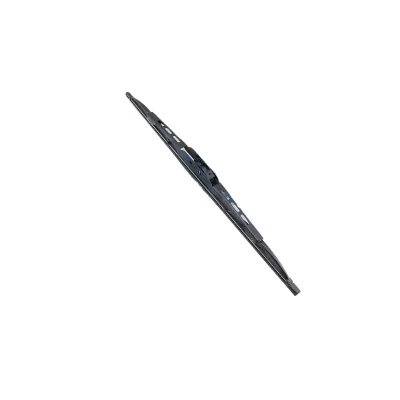


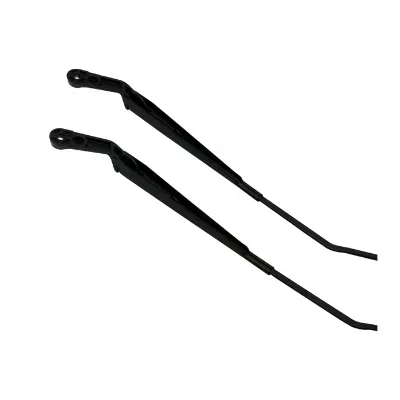
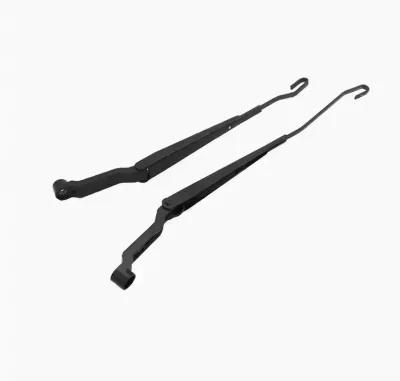


Comprehensive Sourcing Guide
Sourcing Guide for 105-Degree Windshield Wiper Systems
The automotive aftermarket and commercial vehicle supply chains increasingly demand specialized wiper systems capable of handling diverse operating environments. Among the specific technical requirements that differentiate standard products from high-performance units is the sweep angle. A 105-degree sweep angle represents a significant engineering specification, particularly for heavy-duty applications where maximum visibility is critical. This guide analyzes the procurement landscape for 105-degree windshield wipers, focusing on the technical attributes, material compositions, and supplier evaluation criteria derived from current market data. Buyers must navigate a complex array of specifications where the "105-degree" metric is not merely a geometric detail but a defining characteristic of the product's intended application scope.
Technical Specifications and Geometric Requirements
The primary differentiator for the 105-degree windshield wiper is its sweep angle, which dictates the arc of motion and the resulting coverage area on the windshield. In the context of the available product data, this specific angle is explicitly linked to heavy-duty applications, including cars, city buses, coaches, trucks, and engineering vehicles. This distinguishes it from standard passenger car wipers, which often feature sweep angles of 60° or 80°. The 105° specification suggests a design optimized for large glass surfaces where a wider arc is necessary to clear rain, snow, and debris effectively without requiring excessive mechanical complexity.
When sourcing these units, buyers must verify the driving type associated with the 105-degree specification. The observed market data indicates that while some wiper systems utilize electrical driving types, the specific 105-degree model is associated with hydraulic driving types. This distinction is crucial for integration into vehicle fleets, as hydraulic systems are typically found in heavy commercial vehicles and engineering machinery rather than standard passenger cars. The driving mechanism must be compatible with the vehicle's existing hydraulic architecture. Furthermore, the physical dimensions of the blade are a critical consideration. While standard sizes range from 12 inches to 28 inches, the 105-degree variant is observed in a 26-inch configuration. Buyers should confirm that the physical length aligns with the vehicle's wiper arm mounting points to ensure proper clearance and operation.
The structural composition of the wiper arm and blade also plays a vital role in maintaining the 105-degree sweep. The data highlights the use of high-carbon steel for the steel material component, ensuring the structural integrity required to withstand the torque generated by a wide sweep angle. The frame material is often ABS, providing a balance of rigidity and weight, while the blade itself may be constructed from natural rubber or silicone. The choice of blade material affects the flexibility required to maintain contact with the windshield across the full 105-degree arc, especially on curved glass surfaces. Additionally, the presence or absence of a "bone" (internal reinforcement) is a key specification; while some traditional batch types utilize a bone structure, others may be designed without one, relying on the frame and blade material for support.
Material Composition and Durability Factors
The longevity and performance of a 105-degree wiper system are heavily dependent on the materials selected for its construction. The observed product specifications reveal a diverse range of materials, each serving a specific function within the assembly. The frame material is frequently identified as ABS plastic, which offers resistance to corrosion and impact, essential for vehicles operating in harsh environments. The joint material, connecting the arm to the blade, is specified as a combination of metal, plastic, or Kirsite, indicating that buyers must verify the specific joint composition to ensure it can handle the rotational stress of a 105-degree sweep without premature failure.
The blade material is perhaps the most critical factor for performance. The data lists both natural rubber and silicone as viable options. Natural rubber is noted for its flexibility and cost-effectiveness, while silicone offers superior resistance to UV degradation and extreme temperatures. The applicable temperature range for these systems is observed to be between -50°C and +80°C, a wide spectrum that suggests suitability for global markets ranging from arctic conditions to tropical climates. Buyers should verify that the specific unit they are sourcing meets this temperature tolerance, as wiper failure in extreme cold is a common safety hazard.
For the structural components, high-carbon steel is the preferred material for the internal steel elements, providing the necessary tensile strength to maintain the 105-degree geometry under load. The adapter material is often POM (Polyoxymethylene), known for its high stiffness and low friction, which facilitates smooth movement within the wiper linkage. The spoiler material, if present, is typically PVC, designed to enhance aerodynamic performance and reduce wind lift at high speeds. The combination of these materials ensures that the wiper system can maintain consistent contact pressure across the entire 105-degree arc, preventing streaking or skipping.
Compliance, Certification, and Standard Verification
In the B2B procurement of automotive components, compliance with industry standards is non-negotiable. The product data indicates that wiper systems are often categorized by standard sizes, such as 12"-28" or specific metric equivalents like 12"/305mm. However, for a specialized 105-degree unit, buyers must look beyond generic size standards and verify compliance with specific safety and performance regulations relevant to the target market. The "Universal" car fitment attribute suggests broad compatibility, but this claim requires validation against the specific vehicle models in the buyer's fleet.
While specific certification bodies are not explicitly named in the provided data, the "Quality Level: High Level" attribute implies that reputable suppliers adhere to rigorous internal and external quality control protocols. Buyers should request documentation verifying that the wiper systems meet relevant international standards for automotive safety and performance. This includes testing for sweep angle accuracy, blade durability, and resistance to environmental factors. The origin of the products, noted as China with specific locations like Ningbo and Jiangxi, indicates a concentration of manufacturing in established industrial hubs. Buyers should verify that the suppliers in these regions adhere to the same quality standards as their counterparts in other major manufacturing nations.
The packaging standards also play a role in compliance and logistics. The data shows variations in packaging, ranging from cartons (CTN) to paper boxes and blister boxes. For international shipping, the packaging must protect the wiper systems from damage during transit, particularly given the delicate nature of the rubber blades and the precision of the mechanical joints. The package size of 55x7x2.5cm and a single weight of 0.25kg provide specific logistical data that buyers can use to calculate shipping costs and storage requirements.
Cost Drivers and Pricing Dynamics
The pricing of 105-degree windshield wiper systems is influenced by several factors, including material costs, manufacturing complexity, and order volume. The observed price range in the market spans from $0.20 to $30.00 USD, a wide spectrum that reflects the diversity of product quality and specifications. The lower end of the range likely corresponds to basic models with standard materials, while the higher end may reflect premium units with advanced materials like silicone blades or specialized hydraulic driving mechanisms.
The minimum order quantity (MOQ) is another significant cost driver, with observed ranges from 1 to 1000 units. Buyers purchasing in small quantities may face higher per-unit costs due to the lack of economies of scale. Conversely, bulk orders can significantly reduce the unit price, making it essential for buyers to align their procurement strategy with their inventory needs. The customization availability is a key factor that can impact pricing. Suppliers offering customization options for the 105-degree sweep angle or specific material compositions may charge a premium for these tailored solutions.
The driving type also influences cost. Hydraulic systems, associated with the 105-degree specification, are generally more complex and expensive to manufacture than electrical systems. This complexity, combined with the use of high-carbon steel and specialized joints, contributes to the higher price point of these units. Buyers should carefully evaluate the total cost of ownership, considering not just the initial purchase price but also the expected lifespan and maintenance requirements of the wiper systems.
Typical Applications and Market Segments
The 105-degree windshield wiper is primarily designed for heavy-duty and commercial applications. The data explicitly lists applications including city buses, coaches, trucks, and engineering vehicles. These sectors require wiper systems that can operate reliably under demanding conditions, such as high speeds, heavy loads, and extreme weather. The 105-degree sweep angle provides a wider field of view, which is critical for the safety of large vehicles where blind spots can be more pronounced.
In contrast, standard passenger cars typically utilize wipers with smaller sweep angles, such as 60° or 80°. The 105-degree specification is less common in the passenger car segment, although the data notes a "98% car types" fitment attribute. This suggests that while the primary market is commercial, there may be opportunities for retrofitting or specialized use in larger passenger vehicles. The "Universal" car fitment attribute further supports the versatility of these units, allowing them to be adapted to a wide range of vehicle models.
The engineering vehicle sector represents a significant market for 105-degree wipers. These vehicles often operate in construction sites, mining operations, and other environments where visibility is compromised by dust, mud, and debris. The robust construction of the wiper system, featuring high-carbon steel and durable rubber or silicone blades, makes it well-suited for these harsh conditions. The ability to withstand temperatures ranging from -50°C to +80°C ensures that these wipers can operate in diverse climatic zones, from the Arctic to the equator.
Supplier Evaluation and Quality Control
Selecting the right supplier is critical for ensuring the quality and reliability of 105-degree windshield wiper systems. Buyers should evaluate suppliers based on their ability to meet the specific technical requirements, including the 105-degree sweep angle, hydraulic driving type, and material specifications. The "Quality Level: High Level" attribute indicates that top-tier suppliers prioritize quality control throughout the manufacturing process. Buyers should request evidence of this quality level, such as test reports, quality management system certifications, and customer references.
The customization availability is another important factor in supplier evaluation. Suppliers that offer customization options can provide tailored solutions that meet the specific needs of the buyer's fleet. This includes the ability to adjust the sweep angle, select specific materials, or modify the packaging. The "Part" attribute, listing both "Wiper Blade" and "Wiper Arm," suggests that suppliers may offer complete systems or individual components. Buyers should clarify whether they are sourcing the entire assembly or individual parts to ensure compatibility.
Quality control measures should include rigorous testing of the sweep angle, blade durability, and resistance to environmental factors. Buyers should verify that the suppliers have established protocols for testing these attributes, such as wind tunnel testing for aerodynamic performance and accelerated aging tests for material durability. The "Standard" attribute, listing sizes like 12"-28" and 12"/305mm, provides a baseline for size verification, but buyers should also request specific test data for the 105-degree variant to ensure it meets the required performance standards.
Long-Term Procurement Considerations
For buyers engaging in long-term procurement of 105-degree windshield wiper systems, several factors must be considered to ensure sustained value and reliability. The lead time and production capacity of the supplier are critical, as delays in delivery can disrupt fleet operations. The observed lead times and production capabilities should be aligned with the buyer's inventory management strategy to avoid stockouts or overstocking.
The availability of spare parts and replacement components is another important consideration. The "Customization" attribute suggests that suppliers may offer a range of compatible parts, but buyers should verify the availability of specific components like blades, adapters, and joints. The "Part" attribute, listing both "Wiper Blade" and "Wiper Arm," indicates that the supply chain should support the procurement of individual components as needed.
Finally, the total cost of ownership should be evaluated over the lifespan of the wiper systems. While the initial purchase price is important, the longevity and maintenance requirements of the wipers will ultimately determine the overall cost. Buyers should consider the durability of the materials, the frequency of replacement, and the potential for downtime due to wiper failure. By selecting high-quality 105-degree wiper systems from reputable suppliers, buyers can ensure reliable performance and minimize long-term costs.
Summary of Key Specifications
| Attribute | Observed Value / Range | Relevance to 105° Wiper |
|---|---|---|
| Sweep Angle | 105° | Primary defining characteristic for wide coverage |
| Driving Type | Hydraulic | Matches heavy-duty application requirements |
| Application | Car, City Bus, Coach, Trucks, Engineering Vehicle | Defines target market segments |
| Material (Blade) | Natural Rubber or Silicone | Affects durability and temperature resistance |
| Material (Steel) | High Carbon Steel | Ensures structural integrity for wide sweep |
| Temperature Range | -50°C to +80°C | Critical for global operational viability |
| Size | 26" (Observed) | Specific dimension for this sweep angle variant |
| Fitment | Universal / 98% Car Types | Indicates broad compatibility potential |
This guide provides a comprehensive overview of the 105-degree windshield wiper market, emphasizing the importance of technical specifications, material quality, and supplier reliability. By adhering to these guidelines, buyers can make informed decisions that ensure the safety and efficiency of their vehicle fleets.
FAQs
What driving type is associated with 105-degree windshield wipers?
The 105-degree variant is associated with hydraulic driving types, distinguishing it from standard electrical systems. This hydraulic mechanism is typically found in heavy commercial vehicles and engineering machinery rather than standard passenger cars.
Which materials are used for the frame and blade of these wipers?
The frame material is often ABS plastic, while the blade is constructed from natural rubber or silicone. These materials ensure flexibility and durability across the full 105-degree arc, especially on curved glass surfaces.
What is the applicable temperature range for 105-degree wiper systems?
These systems operate effectively within a temperature range of -50°C to +80°C. This wide spectrum ensures suitability for global markets ranging from arctic conditions to tropical climates without performance degradation.
Can these wipers be customized for specific vehicle requirements?
Yes, customization is available for these wiper systems to meet specific vehicle requirements. Buyers can request tailored solutions for sweep angles or material compositions, though this may impact the final unit price.
Which applications are suitable for 105-degree sweep angle wipers?
These wipers are designed for city buses, coaches, trucks, and engineering vehicles. The wider arc provides maximum visibility critical for heavy-duty applications where standard passenger car wipers may be insufficient.
What is the typical size range for these windshield wiper products?
The standard size range spans from 12 inches to 28 inches, with specific 105-degree variants observed in 26-inch configurations. Buyers must confirm that the physical length aligns with the vehicle's wiper arm mounting points.
How is the structural integrity maintained for the 105-degree sweep?
Structural integrity is maintained using high-carbon steel for internal components and ABS for the frame. This combination ensures the system can withstand the torque generated by the wide sweep angle without premature failure.