Source 1080P AHD Rear View Camera for Trucks, Cars, and Forklifts
Compare 30 available options for the 1080P AHD Rear View Camera designed for agricultural vehicles, engineering trucks, and commercial fleets. Buyers can review specifications like screen size, waterproof ratings, and night vision features to select the right unit for their needs.
Key considerations
Products List


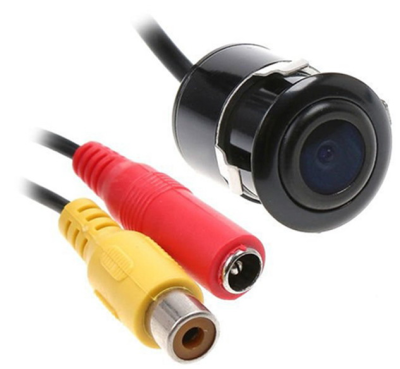
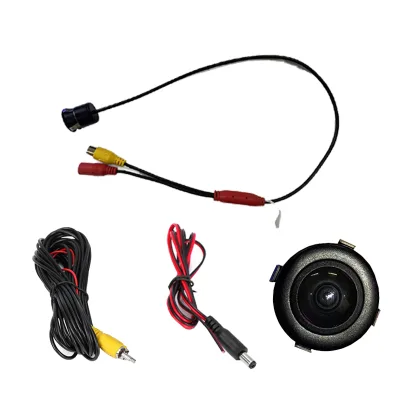


Universal Vehicle Rear View Backup Camera Ahd 1080P Infrared Night Vision Reversing Camera
$13.00 - $18.00
MOQ: 10 Pieces


Comprehensive Sourcing Guide
Strategic Sourcing Guide for 1080P AHD Rear View Camera Systems
Procuring high-definition rear-view camera systems for commercial and industrial fleets requires a rigorous approach to technical verification and supply chain due diligence. While the core keyword often centers on 1080p AHD (Analog High Definition) technology, the actual market inventory frequently presents a spectrum of resolutions, transmission distances, and environmental ratings. Buyers must navigate between advertised capabilities and verified product attributes to ensure compatibility with existing vehicle architectures. This guide outlines the critical factors for sourcing these systems, focusing on the specific technical constraints and compliance requirements observed in the current market landscape.
Technical Specifications and Resolution Verification
The primary differentiator in rear-view camera procurement is video resolution and transmission technology. While the search term specifies 1080p, a careful review of available product data reveals a diverse range of specifications. Some units in the current inventory are listed with 720p resolution, while others may feature different screen sizes or sensor types. Buyers must explicitly verify the sensor technology, as the market contains both CMOS and CCD sensors. The choice between these impacts low-light performance and image clarity.
Transmission distance is another critical technical parameter. In industrial settings, vehicles such as agricultural machinery, harvesters, and engineering vehicles often require extended cabling or wireless transmission capabilities. Observed data indicates transmission distances of up to 300 meters for specific models, a figure that must be validated against the specific vehicle length and wiring harness requirements. Furthermore, the display interface is not universal; some systems utilize Air Plug interfaces, while others may require specific wiring configurations.
The following table summarizes the key technical attributes observed in the current product pool, highlighting the variance buyers must account for:
| Attribute | Observed Range/Value | Procurement Verification Requirement |
|---|---|---|
| Resolution | 720p (observed) | Confirm if 1080p is available or if 720p meets the specific visibility standard. |
| Sensor Type | CMOS, CCD | Verify sensor type for low-light performance requirements. |
| Transmission | Up to 300m | Validate cabling length or wireless range against vehicle dimensions. |
| Screen Size | 5", 7" | Ensure monitor compatibility with the vehicle's dashboard or mounting point. |
| Voltage | DC 8-32V, DC 9-32V | Confirm compatibility with the vehicle's electrical system (12V vs 24V). |
| View Angle | 120°, 130° | Assess field of view needs for wide vehicles like trucks or forklifts. |
Compliance and Certification Standards
In the commercial vehicle sector, regulatory compliance is non-negotiable. Products intended for use in specific regions must adhere to strict safety and electromagnetic standards. The observed product data includes a variety of certifications, ranging from ISO and CE to more specialized automotive standards like IATF16949 and E-MARK. For buyers sourcing equipment for European markets, the E-MARK certification is a critical indicator of roadworthiness compliance. Similarly, the FCC certification is essential for devices operating in North American markets to ensure electromagnetic compatibility.
When evaluating suppliers, buyers should not rely on generic claims. Instead, they must request specific documentation for certifications such as CE, RoHS, TUV, and ISO9001:2000. The presence of these certifications in the product metadata suggests a baseline of quality management, but the specific application context matters. For instance, a camera used on a forklift in a warehouse may have different regulatory needs compared to a camera installed on a highway-capable truck. The product standard dimensions, such as 505405410mm or 754762mm, also play a role in ensuring the physical unit fits within the designated mounting area without violating safety clearances.
Cost Drivers and Pricing Structures
The pricing for rear-view camera systems is influenced by a complex interplay of resolution, build quality, and certification levels. The observed price range in the market spans from $3.50 to $350.00 USD. This significant variance indicates that the lower end of the spectrum likely corresponds to basic 720p units with standard waterproofing, while the higher end may include advanced features like night vision capabilities, higher resolution, or specialized industrial certifications.
Buyers must be cautious when comparing prices. A unit priced at $3.50 may lack the durability required for heavy-duty applications, whereas a $350 unit might include a comprehensive warranty and robust shockproofing. The Minimum Order Quantity (MOQ) also impacts the effective unit cost. The observed MOQ range is 0 to 1000 units. Suppliers offering an MOQ of zero are ideal for prototyping or small fleet replacements, while bulk orders may benefit from tiered pricing structures. However, buyers should verify if the low MOQ options come with a higher per-unit cost or reduced customization options.
Typical Applications and Vehicle Compatibility
The versatility of rear-view camera systems is evident in the wide array of applicable models listed in the product data. These systems are not limited to standard passenger cars but are extensively used in commercial and industrial sectors. The observed list of applicable models includes Agricultural Vehicles, Engineering Vehicles, Harvesters, Corn Machines, Sightseeing Cars, Escort Cars, Forklifts, SUVs, RVs, and Trucks.
For agricultural and engineering vehicles, the environmental rating is paramount. The observed waterproof grades of IP68 and IP69 indicate that these cameras are designed to withstand high-pressure water jets and submersion, which is critical for farm equipment operating in muddy or wet conditions. Similarly, the shockproof rating of 10g is a vital specification for vehicles operating on rough terrain, such as forklifts in warehouses or harvesters in fields.
The display type also varies by application. Some units feature Reverse Image functionality, which is essential for rear-view cameras to ensure the image is not mirrored on the monitor. Others utilize LCD Matrix displays with specific brightness levels, such as 600 CD/M2, to ensure visibility in direct sunlight. Buyers must match the display brightness and viewing angle (120° to 130°) to the specific operational environment of the vehicle.
Supplier Evaluation and Customization Capabilities
Selecting the right supplier involves more than just checking the product specifications; it requires assessing the supplier's ability to adapt to specific fleet needs. The product data indicates that customization is available, a crucial feature for large fleet operators who may need specific cable lengths, connector types, or mounting brackets. However, the extent of this customization should be clearly defined in the procurement contract.
When evaluating potential suppliers, buyers should look for evidence of a robust quality management system. Certifications like ISO and IATF16949 suggest that the supplier follows standardized processes for manufacturing and quality control. Additionally, the warranty period is a strong indicator of supplier confidence. The observed warranty of 12 months is a standard benchmark, but buyers should inquire about the terms of service, including replacement policies for defective units and support for firmware updates.
The packaging method, such as Cartons or Gift Boxes, may also be a factor for logistics and presentation, particularly for retail or gift-based distribution channels. For industrial procurement, the focus should remain on protective packaging that ensures the unit arrives without damage during transit.
Quality Control and Long-Term Procurement Considerations
Long-term procurement success depends on the durability and reliability of the installed systems. The observed functional attributes, such as Night Vision (often utilizing 18PCS LED Light), Waterproof, Dustproof, and Shockproof capabilities, are key indicators of long-term performance. However, these attributes must be verified through third-party testing or detailed product data sheets.
Buyers should establish a quality control protocol that includes sampling and testing upon delivery. Given the range of resolutions and sensor types, it is advisable to test a sample batch in the actual vehicle environment before committing to a full fleet rollout. This is particularly important for verifying the night vision performance and the stability of the transmission distance under real-world conditions.
Furthermore, the supply chain stability is a critical consideration. With an observed origin of China, buyers should assess the supplier's lead times and capacity to handle volume fluctuations. The standard dimensions and material compositions, such as Aluminum and Alloy shells, contribute to the longevity of the product but also affect the weight and installation complexity. Ensuring that the supplier can maintain consistent quality over time, especially when scaling up orders from low MOQs to bulk quantities, is essential for maintaining fleet safety standards.
In conclusion, sourcing 1080p AHD rear-view camera systems requires a meticulous approach that balances technical specifications with regulatory compliance and cost efficiency. By carefully verifying resolution, sensor type, and environmental ratings against the specific needs of agricultural, engineering, and commercial vehicles, buyers can secure reliable solutions that enhance safety and operational efficiency. The availability of customization and a range of certifications provides flexibility, but the ultimate success of the procurement depends on rigorous supplier evaluation and quality assurance protocols.
FAQs
What resolution options are available for rear view cameras?
Available units include 720p resolution models, though 1080p is the target keyword. Some products feature 7-inch or 5-inch screens with CMOS or CCD sensors to ensure clear visibility in various lighting conditions.
Which certifications do these camera systems typically hold?
Products often carry ISO, CE, RoHS, and FCC certifications. Specific models may also include TUV, IATF16949, and E-MARK standards to ensure compliance with international safety and electromagnetic compatibility requirements.
Can these cameras operate on different vehicle electrical systems?
Yes, most units support a wide voltage range from DC 8V to 32V. This flexibility allows them to function correctly in cars, trucks, and heavy engineering vehicles with varying electrical architectures.
What is the waterproof rating for industrial applications?
Cameras designed for harsh environments feature IP68 or IP69 waterproof grades. These ratings ensure protection against high-pressure water jets and submersion, making them suitable for agricultural and engineering vehicles.
How far can the signal transmit for wireless systems?
Some models offer a transmission distance of up to 300 meters. This range supports long cabling needs for large trucks, harvesters, and other vehicles requiring extended rear-view visibility.
Are customization options available for fleet operators?
Customization is available to meet specific fleet requirements. Buyers can request tailored specifications, though the extent of changes depends on the supplier's capacity and the minimum order quantity.