Find 1200C Quartz Tube Furnace for Metallurgy Lab School
Source 30 verified 1200C Quartz Tube Furnace units with horizontal and desktop structures. Buyers can compare induction and resistance heating options, vacuum capabilities, and customization features for industrial and laboratory applications.
Key considerations
Products List


$1500.00 - $4000.00
MOQ: 1 Sets


Laboratory 1200 Degree Resistance Quartz Tube Furnace for Materials Research
$1400.00 - $6600.00
MOQ: 1 Pieces


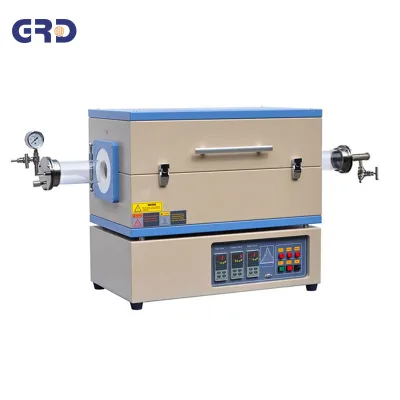


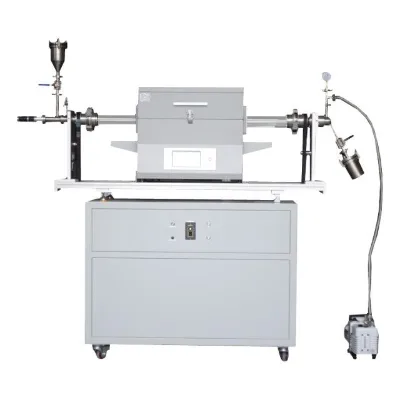
1200c Quartz tube 3 zones rotary inclines tilting horizontal tube furnace
$5564.42 - $12374.65
MOQ: 1 sets

$100.00 - $150.00
MOQ: 1 Pieces


Comprehensive Sourcing Guide
Strategic Sourcing Guide for 1200C Quartz Tube Furnace Procurement
Understanding Core Technical Specifications and Operational Limits
When evaluating a 1200C Quartz Tube Furnace for industrial or laboratory deployment, the primary focus must remain on the thermal capabilities and structural integrity of the heating chamber. The core operational parameter for this equipment class is the maximum temperature capability, which is explicitly observed at 1200c in available market listings. This threshold is critical for applications involving high-temperature sintering, annealing, or crystal growth where lower-temperature units would fail to achieve the necessary material phase changes. The working temperature is typically cited at 1100c, indicating a safety margin that prevents the heating elements from operating at their absolute thermal limit during continuous cycles.
The heating mechanism for these units is predominantly resistance wire-based, utilizing a K-type thermocouple for precise temperature feedback and control. The control systems often feature 50-segment programmable logic with PID auto-control, allowing for complex thermal profiles that are essential for reproducible results in metallurgy or materials science. The physical structure of the furnace varies significantly between suppliers; observed configurations include horizontal types, desktop units, and portable designs. The furnace body itself is frequently constructed with a double steel structure incorporating fan cooling to manage external surface temperatures and ensure operator safety.
The tube material is a defining characteristic of the "quartz tube" designation. High-purity quartz is the standard material observed for the reaction chamber, chosen for its thermal shock resistance and chemical inertness. Tube dimensions are not uniform across the market; specific listings indicate standard sizes such as OD40 to 100mm with lengths of 1000mm, while other configurations offer OD60/80/100mm tubes with 1000mm lengths. Some specialized models, such as CVD tube furnaces, may feature smaller tube dimensions like 50mm diameter by 450mm length. The heating zone length also varies, with some units specifying a 200mm heating zone, which directly impacts the uniformity of the temperature distribution across the sample.
Compliance, Certification, and Standard Verification
In the B2B procurement of industrial heating equipment, verifying compliance with international standards is a non-negotiable step to ensure safety and regulatory adherence. The supply chain for these furnaces is heavily concentrated in China, as indicated by product origin data. Buyers must rigorously check for specific certifications that validate the electrical and mechanical safety of the unit. The most frequently observed certification for these products is CE, which signifies conformity with health, safety, and environmental protection standards for products sold within the European Economic Area. Additionally, ISO certification is a common attribute, with ISO9001 specifically cited as a standard for quality management systems.
It is imperative for buyers to distinguish between the certification of the manufacturer and the certification of the specific product model. While some listings state "ISO" or "CE" broadly, others specify "customized" standards, which requires further clarification from the supplier. The product standard itself may be defined by the physical dimensions of the unit, such as 8009001300mm, or by the tube specifications like OD40/60/80/100*1000MM. Buyers should not assume that a "customized" standard implies a lack of quality; rather, it often indicates that the unit is built to specific client requirements. However, this necessitates a detailed review of the technical drawings and specifications before finalizing the order.
The warranty period is another critical compliance metric. A standard warranty of 1 Year is observed in the market, which serves as a baseline for the manufacturer's confidence in the product's durability. This warranty should cover defects in materials and workmanship, including the heating elements and the control system. When evaluating a supplier, buyers must ensure that the warranty terms are clearly defined in the contract and that the supplier has a documented process for handling warranty claims. The absence of a clear warranty or a warranty period shorter than the observed 1-year norm should be treated as a significant risk factor.
Cost Drivers and Pricing Structure Analysis
The pricing landscape for 1200c quartz tube furnaces is characterized by extreme volatility, with observed listed prices ranging from $1.1 to $18,000 USD. This vast disparity is not indicative of a single product category but rather reflects the diversity of configurations, materials, and customization levels available. The lowest price points often correspond to basic, non-customized desktop units or smaller tube sizes with minimal control features. Conversely, the upper end of the price spectrum is associated with large-scale industrial units, complex multi-zone heating systems, and extensive customization options.
Several key factors drive the final cost of the furnace. The material of the tube is a primary cost driver; high-purity quartz is significantly more expensive than standard glass or alternative materials. The size of the tube, particularly the diameter and length, directly impacts the amount of raw material required and the complexity of the sealing process. The heating element type and the sophistication of the temperature control system also play a major role. Units with 50-segment programmable controllers and advanced PID algorithms command a higher price than those with simple manual controls.
Packaging and logistics are additional cost components that buyers must account for. The observed packing methods include wooden boxes, wooden cases with protective material inside, and fumigated wooden boxes. These heavy-duty packaging solutions are necessary to protect the fragile quartz tube during transit but add to the overall shipping cost. The lead time for delivery is another variable; a standard delivery time of 30 days is observed, but this can vary based on the level of customization required. Buyers should request a detailed breakdown of costs, including the base unit price, customization fees, packaging, and shipping, to understand the true total cost of ownership.
Typical Applications and Industry Use Cases
The versatility of the 1200C Quartz Tube Furnace makes it suitable for a wide array of applications across multiple industries. The primary application areas observed include metallurgy, machinery, and light industry. In metallurgy, these furnaces are used for the melting and annealing of metals, as well as for the sintering of metal powders. The high-temperature capability and the inert atmosphere provided by the quartz tube make them ideal for processing materials that are sensitive to oxidation.
In the light industry sector, these furnaces are employed for the production of glass, ceramics, and other non-metallic materials. The precise temperature control allows for the creation of high-quality products with consistent properties. The industrial application of these furnaces extends to the manufacturing of electronic components, where the furnace is used for the doping and diffusion of semiconductors. The ability to create a vacuum environment, with observed maximum vacuum levels of 10PA or 1-10PA, is crucial for these processes.
Laboratory and educational institutions also rely heavily on these furnaces. Applications in labs, hospitals, and schools include material testing, chemical synthesis, and educational demonstrations. The compact size of desktop and portable models makes them particularly suitable for research environments where space is limited. The specific model TN-CVD1200-50-200-3TH-Q, for instance, is identified as a CVD (Chemical Vapor Deposition) tube furnace, highlighting its specialized use in thin-film deposition processes. The range of applications is further expanded by the availability of customization, allowing the furnace to be tailored to specific research needs or industrial processes.
Supplier Evaluation and Quality Control Protocols
Selecting the right supplier for a 1200C Quartz Tube Furnace requires a thorough evaluation of their technical capabilities and quality control processes. Buyers should prioritize suppliers who provide detailed technical documentation, including schematics, material certificates, and test reports. The presence of ISO9001 certification is a strong indicator of a supplier's commitment to quality management, but it should be verified through independent audits or third-party certification bodies.
Quality control should be a continuous process throughout the procurement lifecycle. Before placing an order, buyers should request samples or detailed photos of the furnace components, particularly the heating elements and the quartz tube. The condition of the product is listed as "New," but this should be confirmed through a pre-shipment inspection. The supplier should also provide a clear description of the testing procedures used to verify the furnace's performance, including temperature uniformity tests and vacuum integrity checks.
The structure of the furnace, such as the double steel structure with fan cooling, should be inspected to ensure it meets the specified design requirements. The thermocouple type, typically K-type, should be verified for accuracy and durability. Buyers should also evaluate the supplier's after-sales support, including the availability of spare parts and technical assistance. The warranty period of 1 Year is a standard offering, but buyers should negotiate extended warranty terms if the application requires long-term reliability.
Long-Term Procurement and Maintenance Considerations
Long-term procurement of 1200c quartz tube furnaces involves more than just the initial purchase; it requires a strategic approach to maintenance and lifecycle management. The heating elements, typically resistance wire, are consumable components that will eventually need replacement. Buyers should inquire about the expected lifespan of these elements and the cost of replacements. The quartz tube is another critical component that may need replacement due to thermal stress or chemical degradation over time.
The customization options available, such as the "Customized" or "Customization" attributes, can significantly impact long-term maintenance. A customized furnace may require specific spare parts that are not readily available off-the-shelf. Buyers should ensure that the supplier can provide a steady supply of these parts for the duration of the furnace's operational life. The packaging, described as a wooden box or wooden case, should be durable enough to protect the furnace during storage and transport, but it should also be easy to disassemble for maintenance.
Lead times for replacement parts and the overall delivery time of 30 days should be factored into the procurement plan. Buyers should establish a relationship with the supplier that includes a service agreement or a maintenance contract. This agreement should outline the response time for technical support and the availability of on-site service if required. By planning for the long term, buyers can minimize downtime and ensure the continued performance of their 1200C Quartz Tube Furnace.
Comparative Analysis of Furnace Configurations
To assist buyers in making informed decisions, the following table compares key attributes of the observed furnace configurations. This comparison highlights the variations in structure, application, and specifications that influence the selection process.
| Attribute | Configuration A (Box-1200) | Configuration B (TUBE-1200) | Configuration C (CVD Tube) |
|---|---|---|---|
| Type | Induction Heating Machine | Crucible Melting Furnace | Tubular Furnace |
| Structure | Horizontal Type | Horizontal | Desktop / Portable |
| Max Temp | 1200c | 1200c | 1200c |
| Tube Material | Quartz Tube | Quartz Tube | High Purity Quartz |
| Tube Size | OD40 to 100*L1000mm | OD40/60/80/100*1000MM | 50*450mm |
| Application | Metallurgy, Machinery | Industrial | Lab, Hospital, School |
| Certification | ISO, CE | CE | CE |
| Warranty | 1 Year | 1 Year | 1 Year |
| Packing | Wooden Box | Wooden Case | Fumigated Wooden Box |
This table illustrates that while the maximum temperature and certification standards remain consistent across different configurations, the structure, tube size, and intended application vary significantly. Buyers must align these attributes with their specific operational requirements to select the most appropriate unit. The choice between a horizontal type and a desktop unit, for example, will depend on the available floor space and the nature of the samples being processed. Similarly, the tube size must be selected based on the volume of material to be processed and the required heating zone length.
FAQs
What is the maximum temperature of this furnace?
The maximum temperature reaches 1200c, with a standard working temperature of 1100c. This ensures a safety margin for continuous operation during high-temperature sintering or annealing processes in industrial applications.
Can I customize the tube dimensions for my needs?
Yes, customization is available for tube sizes such as OD40 to 100mm with lengths up to 1000mm. Specific models like CVD furnaces may offer smaller dimensions, allowing tailored solutions for unique laboratory or industrial requirements.
Which certifications do these furnaces typically hold?
Most units carry CE and ISO certifications, including ISO9001 for quality management. Buyers should verify specific product standards, as some listings indicate customized standards that require detailed technical review before purchase.
How long is the delivery time for a new unit?
The standard delivery time is 30 days for most configurations. This lead time may vary depending on the level of customization required, so buyers should confirm specific schedules with the supplier before finalizing orders.
What type of heating elements are used in the furnace?
The heating elements are typically resistance wire paired with K-type thermocouples. This setup supports 50-segment programmable control with PID auto-control for precise temperature management during metallurgy or light industry processes.
Is the furnace structure suitable for laboratory use?
Yes, desktop and portable structures are available for labs, hospitals, and schools. These compact designs often feature double steel construction with fan cooling to ensure safety and stability in smaller research environments.