Source 12V 24V Rocker Switch Panel for Machinery Vehicles Trucks
Compare 30 listings for 12V 24V Rocker Switch Panel options featuring waterproof designs, LED indicators, and certifications like CE and RoHS. Buyers can evaluate specifications such as voltage ratings, current capacity, and panel cutout dimensions for machinery, vehicles, and marine applications.
Key considerations
Products List
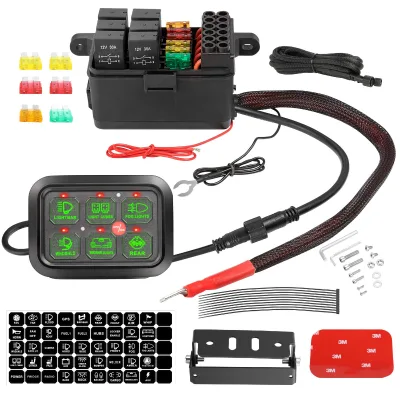


Factory 3 Position 2 Speed Electrical Push Button Electric Rocker Switch Panel
$0.15 - $0.25
MOQ: 1000 Pieces

High Quality 2200W 2 Speed Power Electric Push Button Rocker Switch Panel
$0.15 - $0.25
MOQ: 1000 Pieces


High Quality 3 Position 2 Speed Toggle Electric Waterproof Rocker Switch Panel
$0.15 - $0.25
MOQ: 1000 Pieces


Rocker Switch Panel DC 12V/24V 6 Waterproof for Marine Boat Caravan (AP6/S)
$20.10 - $23.20
MOQ: 10 Pieces

Factory Supply Toggle 2 Position on-off Rocker Switch Power Switches Switch Panel with Lamp
$0.05 - $0.20
MOQ: 1000 Pieces


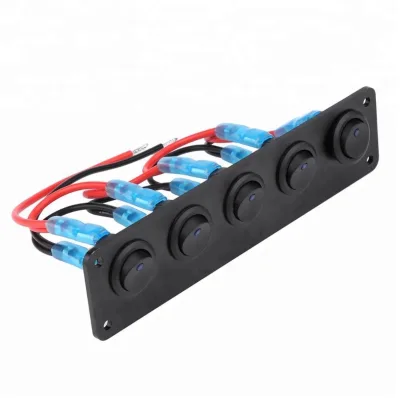
Comprehensive Sourcing Guide
Strategic Sourcing Guide for 12V 24V Rocker Switch Panels
Procuring industrial-grade rocker switch panels rated for 12V and 24V DC systems requires a disciplined approach that balances technical compatibility, regulatory compliance, and supply chain reliability. In the global B2B market, these components are ubiquitous in automotive, marine, and heavy machinery applications, yet the variance in quality and specification can be significant. This guide synthesizes observed market data and technical requirements to provide a framework for evaluating potential suppliers and products without relying on unverified claims or specific vendor recommendations.
Technical Specifications and Electrical Ratings
The foundational step in sourcing a 12V 24V Rocker Switch Panel is verifying the electrical ratings against the intended application. While the core keyword implies a voltage range of 12V to 24V, the actual load capacity is determined by the current rating. Market observations indicate that robust panels often feature a maximum current rating of 20A, while others may be rated between 10A and 12A. Buyers must ensure the selected unit's rating exceeds the peak current draw of the connected loads to prevent thermal failure.
Voltage tolerance is another critical parameter. Some specifications list a maximum voltage of 250V, which suggests the unit is capable of handling AC loads or transient spikes, but the primary design focus for this category is DC operation. The panel cutout dimensions are equally vital for installation. Observed data points to specific cutout requirements, such as 36.8x21mm for compact units or larger dimensions like 114.5x96x83mm for multi-gang configurations. The physical footprint of the switch, often described by dimensions like 42x24x40mm, must align with the panel design to ensure a secure fit.
Furthermore, the integration of LED indicators is a standard feature in modern panels. The presence of an internal lamp allows for status indication, with LED colors ranging from red, blue, and green to orange. Buyers should verify the specific LED color availability, as some suppliers offer single-color options while others provide multi-color variants. The mechanical life of the switch is a key durability metric; typical industry standards for high-quality rocker switches cite a mechanical life of 10,000 cycles. This figure represents the number of actuations the switch can perform before mechanical failure, a crucial factor for high-frequency usage environments.
Compliance and Certification Verification
Navigating the regulatory landscape is essential for international trade and product safety. The supply chain for these components is heavily influenced by certification requirements. Observed market data highlights a consistent presence of RoHS (Restriction of Hazardous Substances) and CE (Conformité Européenne) certifications. These are often accompanied by ISO standards, indicating a commitment to quality management systems.
When evaluating a supplier, buyers should look for a comprehensive certification portfolio that may include GS, SGS, CSA, VDE, and CCC. The presence of multiple certifications suggests a higher level of scrutiny in the manufacturing process. For instance, a product listing might explicitly state certifications such as "ISO, GS, RoHS, CE," while another might list "CE, RoHS, SGS, CSA." The absence of these marks does not necessarily disqualify a product, but their presence provides a verified baseline for safety and environmental compliance.
Insulation resistance is another technical specification that often correlates with certification standards. A typical value observed in the market is 100ohm, though buyers should verify the exact resistance rating for their specific safety requirements. Additionally, the operating temperature range is a critical compliance factor. Products designed for harsh environments often specify a temperature range of -25°C to 85°C. Ensuring the switch can operate within the thermal limits of the installation environment prevents premature failure due to thermal stress.
Cost Drivers and Pricing Dynamics
The pricing structure for rocker switch panels is influenced by several variables, including the number of gangs, material composition, and the complexity of the LED integration. The observed price range in the market spans from $0.05 to $48 per unit, reflecting the vast difference between basic single-gang switches and complex, multi-gang panels with advanced features.
Material costs play a significant role in the final price. Panels constructed from ABS material with anti-corrosion properties command a premium over those made from standard plastics. The customization options available, such as specific branding, custom cutout sizes, or unique color schemes, also drive up the cost. Furthermore, the packaging method affects the unit price; bulk packaging in normal cartons is generally more cost-effective than individual polybagging for single items.
Minimum Order Quantity (MOQ) is a primary driver of procurement strategy. Market data shows an MOQ range from 1 to 2000 units, with a high-confidence observation of 500PCS for many standard models. Buyers with smaller volume requirements may face higher per-unit costs or need to negotiate with suppliers who offer lower MOQs, potentially at the expense of price competitiveness. The single gross weight of the product, often around 1.600 KG for a single package, also impacts shipping costs, which should be factored into the total landed cost calculation.
Typical Applications and Usage Scenarios
The versatility of 12V and 24V rocker switch panels makes them suitable for a diverse array of industries. The primary usage categories identified in the market include digital products, electrical appliances, and machinery. However, the most demanding applications are found in the transportation and marine sectors.
Specific usage scenarios listed in product data include vehicles, trucks, marine vessels, and boats. In these environments, the switch panel must withstand vibration, moisture, and varying electrical loads. The "waterproof switch" feature is particularly relevant for marine and outdoor applications, ensuring that the internal components remain protected from water ingress. The "new style" and "newest 6 gang rocker switch panel" designations suggest that modern applications often require multi-function control panels that consolidate several switches into a single unit for ease of use and space efficiency.
Additionally, the usage extends to communication equipment and general electrical appliances. The ability to handle both digital and mechanical loads makes these panels a staple in control panels for industrial machinery. Buyers should match the panel's rating current and voltage to the specific load requirements of the application. For example, a heavy-duty truck application might require a 20A rated switch, whereas a digital control panel might only need a 10A unit.
Supplier Evaluation and Origin Analysis
Evaluating suppliers requires a focus on their geographical location and production capabilities. The majority of the observed supply originates from Guangdong, China, with specific mentions of Dongguan as a production hub. This region is known for its robust manufacturing ecosystem, particularly in the electronics and electrical components sector.
When assessing a supplier, buyers should verify the "Brand Name" and "Condition" of the products. Established brands like "Yu Jie" and "Maiyu" are observed in the market, indicating a level of brand recognition and quality assurance. The condition of the product is typically listed as "New," but buyers should confirm that the supplier does not sell refurbished or surplus items as new.
The customization capability is a significant differentiator among suppliers. Many suppliers offer "Customization: Available," allowing buyers to tailor the product to specific needs. This includes custom branding, specific panel dimensions, and unique LED configurations. However, buyers must ensure that customization does not compromise the standard certifications or material quality. The "Standard" designation in product specifications suggests that while customization is available, the core product adheres to established industry norms.
Quality Control and Long-Term Procurement
Ensuring long-term reliability involves rigorous quality control measures. The mechanical life of 10,000 times is a benchmark that buyers should verify through third-party testing or supplier documentation. For high-cycle applications, this figure may need to be higher, requiring a discussion with the supplier about reinforced internal mechanisms.
The warranty period is another indicator of supplier confidence. A standard warranty of 1 Year is observed in the market, but buyers should negotiate for extended terms if the application involves critical infrastructure or high-value equipment. The "Single package size" and "prod_packing" details, such as "10 PCS in a Polybag, Normal Carton," provide insight into the supplier's packaging standards, which affect product protection during transit.
Long-term procurement considerations also include the consistency of the supply chain. The "Standard" and "prod_standard" values, such as "CE RoHS SGS, VDE, CCC," suggest that the supplier maintains a consistent quality baseline. Buyers should establish a relationship with suppliers who can provide consistent quality over time, rather than focusing solely on the lowest initial price. The ability to maintain a steady supply of 12V and 24V rocker switch panels with consistent certifications and specifications is crucial for maintaining production schedules and product integrity.
Final Sourcing Considerations
In conclusion, sourcing 12V and 24V rocker switch panels requires a balanced approach that prioritizes technical specifications, regulatory compliance, and supplier reliability. By carefully evaluating the electrical ratings, cutout dimensions, and material properties, buyers can select products that meet their specific application needs. The presence of certifications like RoHS, CE, and ISO provides a necessary baseline for safety and quality, while the diverse range of applications from marine to industrial machinery highlights the versatility of these components.
Buyers should remain vigilant regarding the MOQ and pricing dynamics, ensuring that the total cost of ownership, including shipping and customization, aligns with their budget. The geographical concentration of suppliers in Guangdong, China, offers a wide selection of options, but due diligence in supplier evaluation is essential to avoid quality pitfalls. By adhering to these guidelines and focusing on verified data points, procurement teams can secure high-quality rocker switch panels that ensure the safety and efficiency of their electrical systems.
FAQs
What certifications are available for 12V 24V Rocker Switch Panel products?
Products typically hold RoHS, CE, and ISO certifications. Some listings also include GS, SGS, CSA, VDE, and CCC marks to ensure compliance with international safety and environmental standards for industrial use.
How is the mechanical life rated for these rocker switch panels?
The mechanical life is commonly rated at 10,000 actuation cycles. This durability metric indicates the number of times the switch can be operated before mechanical failure occurs in standard applications.
Which panel cutout dimensions are standard for these switch units?
Standard cutout dimensions vary by model, with options like 36.8x21mm for compact units or 114.5x96x83mm for larger multi-gang panels. Buyers must verify specific dimensions against their installation requirements.
Can I find 12V 24V Rocker Switch Panel suppliers with customization options?
Yes, customization is available for many products. Buyers can request specific branding, custom cutout sizes, or unique LED configurations while maintaining standard certifications and material quality from the manufacturer.
What is the typical MOQ for ordering 12v 24v rocker switch panels?
The minimum order quantity ranges from 1 to 2000 units, with a high-confidence observation of 500 pieces for standard models. Smaller volume orders may incur higher per-unit costs or require negotiation.
Where are the primary manufacturing locations for these switch panels?
The majority of supply originates from Guangdong, China, with specific production hubs in Dongguan. This region offers a robust ecosystem for electronics and electrical component manufacturing.
What LED colors are available for the integrated lamps in these panels?
Available LED colors include red, blue, green, and orange. Some models offer single-color options while others provide multi-color variants to suit different status indication needs.