Source 12V 24V Car CD Player for Dashboard, Headrest, and Radio Systems
Explore 30 listings for the 12V 24V Car CD Player featuring options like Bluetooth, GPS, and MP3/MP4 playback. Buyers can compare models such as MS-4107 and 5259 with varying resolutions, voltages, and packing standards from Jiangmen suppliers.
Key considerations
Products List


$5.90 - $6.50
MOQ: 500 Pieces

$5.90 - $6.50
MOQ: 500 Pieces

Comprehensive Sourcing Guide
12V 24V Car CD Player Sourcing Guide
The global market for 12v and 24v car CD players serves a diverse range of commercial and private vehicle applications, from standard passenger cars to heavy-duty trucks and buses requiring dual-voltage compatibility. Procurement teams must recognize that these units are engineered to operate across varying electrical systems, ensuring seamless integration regardless of the vehicle's power architecture. The observed product landscape includes models specifically designed for dashboard placement, while others are configured for headrest installations, indicating a need for buyers to align their selection with the specific mounting requirements of their fleet or retail inventory.
When sourcing these units, buyers should prioritize suppliers who demonstrate a clear understanding of the functional differences between single-voltage and dual-voltage systems. The presence of models supporting both 12V and 24V inputs suggests a robust supply chain capable of meeting mixed fleet demands without requiring separate SKUs for different vehicle types. This versatility is particularly critical for logistics companies and public transport operators who manage mixed fleets, as it simplifies inventory management and reduces the risk of installation errors caused by voltage mismatches.
Product Scope and Observed Listing Signals
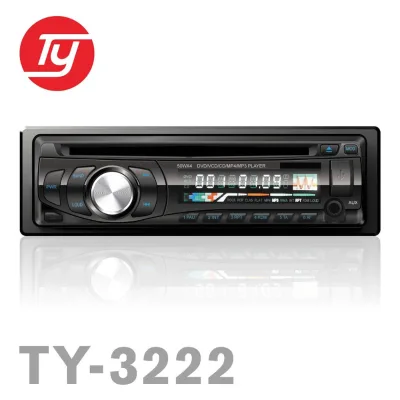
The current market listings reveal a distinct segmentation between standard dashboard units and specialized headrest systems, each catering to different user experiences and vehicle configurations. Dashboard-mounted players often feature integrated combinations such as Bluetooth, GPS, radio tuners, and TV capabilities, offering a comprehensive multimedia hub for the driver. In contrast, headrest units are frequently designed for rear-seat entertainment, focusing on display formats and audio outputs that support passenger engagement without distracting the operator.
Buyers must carefully evaluate the observed product attributes to ensure they match their specific operational needs, as the listings show significant variation in customization options and display technologies. Some units offer fixed panels, while others provide detachable panels for enhanced security or aesthetic flexibility, and display colors range from standard black to multi-color LED options that can be customized. The availability of customization services indicates that suppliers are prepared to adapt products for specific branding or functional requirements, but buyers should verify the scope of these customizations before committing to large orders.
Technical Specifications to Verify
Voltage compatibility is the primary technical specification that must be validated for every unit, as the core requirement involves reliable operation in both 12V and 24V electrical environments. While many listed models explicitly state support for 12/24V, buyers should request detailed electrical schematics or test reports to confirm that the internal power regulation can handle voltage fluctuations without failure. This verification is essential to prevent premature unit failure in vehicles with unstable power systems, which is a common issue in older fleets or heavy-duty applications.
Audio output capabilities and connectivity standards represent the second critical area for technical verification, as the listings indicate a wide range of features from digital coaxial and optical outputs to standard L/R channels. Buyers should confirm the specific audio output formats supported by the unit, such as digital optical or coaxial, to ensure compatibility with existing vehicle sound systems or external amplifiers. Additionally, the presence of multiple USB ports, Bluetooth connectivity, and MP3/MP4 player functionality should be cross-referenced with the intended use case to ensure the unit meets the necessary media playback and connectivity requirements.
Compliance and Safety Documentation
Certification status is a non-negotiable aspect of procurement for automotive electronics, as the observed listings frequently cite CE and RoHS compliance as standard requirements. Buyers must verify that the specific batch of units they intend to purchase carries valid certification documentation, as these marks indicate adherence to European safety and environmental standards. The presence of ISO certification in some listings further suggests that certain manufacturers maintain quality management systems, but buyers should request current certificates rather than relying on general claims found in product descriptions.
Safety documentation must also cover the physical construction and electrical safety of the units, particularly regarding their placement within the vehicle. Since the products are designed for dashboard or headrest installation, buyers should ensure that the units meet relevant automotive safety standards regarding heat dissipation, fire resistance, and electrical isolation. The absence of specific safety test data in the provided facts means that procurement teams must explicitly request third-party test reports to validate that the units will not pose a safety risk during operation or in the event of an electrical fault.
Cost Drivers and Commercial Terms
Pricing in this category is influenced by the complexity of the feature set, with units offering advanced combinations like GPS, TV, and Bluetooth commanding higher price points than basic radio tuners. The observed price range of 5 to 102 USD reflects this disparity, where entry-level models focus on core audio functions while premium units integrate multiple connectivity options and enhanced display capabilities. Buyers should analyze the cost-to-feature ratio carefully, ensuring that they do not overpay for functionalities that are not required for their specific application.
Minimum Order Quantities (MOQ) and packaging standards are significant commercial factors that impact the total cost of ownership and logistics planning. The observed MOQ range of 1 to 2000 units allows for flexibility, but buyers must negotiate terms that align with their inventory strategy and cash flow. Packaging variations, such as gift boxes for retail or export cartons for bulk shipping, also affect shipping costs and handling requirements, so procurement teams should clarify the exact packing specifications to avoid unexpected logistics expenses.
Supplier Qualification and Quality Control
Supplier qualification should begin with a thorough review of the manufacturing origin, as the observed data points to Jiangmen, China, as a primary production hub for these units. Buyers should verify the specific factory capabilities and production capacity of the supplier to ensure they can meet demand without compromising quality or lead times. The concentration of production in this region suggests a mature supply chain, but buyers must still conduct on-site audits or request detailed factory profiles to confirm that the supplier maintains consistent quality control processes.
Quality control protocols must be established to address the variability observed in product attributes, such as the different model numbers and feature combinations. Buyers should implement a rigorous inspection regime that includes functional testing of voltage compatibility, audio output quality, and connectivity features before shipment. Given the diversity of models like MS-4107, MS-4175, and others, it is crucial to define clear acceptance criteria for each specific model to ensure that the delivered goods match the ordered specifications exactly.
Long-Term Procurement Checks
Sustainability and supply chain resilience are critical considerations for long-term procurement, as buyers must ensure that their suppliers can maintain consistent production and supply of spare parts. The reliance on specific certifications like CE and RoHS means that any changes in regulatory requirements could impact the availability of these units, so buyers should monitor regulatory updates and maintain open communication with suppliers regarding compliance status. Establishing a long-term partnership with a supplier who demonstrates adaptability to regulatory changes will mitigate the risk of supply disruptions.
Performance monitoring over the product lifecycle is essential to validate the durability and reliability of the 12v 24v car CD players in real-world conditions. Buyers should track failure rates and customer feedback to identify any recurring issues with specific models or components, such as display failures or connectivity drops. By maintaining a detailed record of product performance, procurement teams can make data-driven decisions regarding future orders, supplier selection, and potential design improvements to enhance the overall value of their automotive electronics inventory.
FAQs
What certifications do these 12v 24v car cd players have?
These units typically carry CE and RoHS certifications to ensure safety and environmental compliance. Some models also include ISO certification for quality management. Buyers should verify specific certification documents for each product model before placing large orders.
Can I customize the 12V 24V Car CD Player design?
Yes, customization is available for many models in this category. Buyers can request specific features or branding options depending on the manufacturer. It is advisable to discuss customization requirements directly with suppliers to confirm feasibility and associated costs.
Which voltage options are supported by these car players?
The products support both 12V and 24V voltage systems for versatile vehicle compatibility. This dual-voltage capability allows installation in various car types without additional converters. Always check the specific model specifications to confirm voltage compatibility before purchase.
How is the 12V 24V Car CD Player packaged for shipping?
Packaging usually includes a gift box combined with a master carton for protection. Some models are packed with 20 pieces per carton, while others follow different standard quantities. Carton dimensions vary by model, so verify packing details with the supplier for logistics planning.
What audio output formats are available for these players?
Audio outputs include digital coaxial, digital optical, and standard L/R channel configurations. Some units also support MP3 and MP4 playback formats. The specific output type depends on the model, so review the product specifications to match your audio system requirements.
Where are these 12v 24v car cd players manufactured?
The products originate from Jiangmen, China, which is a known manufacturing hub for automotive electronics. This location influences shipping times and logistics costs for international buyers. Buyers should confirm the exact origin for each order to ensure accurate delivery estimates.