Source 12V 24V Short Circuit Tester for automotive, industrial, and electrical systems
Find 30 available 12V 24V Short Circuit Tester options from verified Chinese suppliers. Compare specifications like voltage ranges, accuracy, and certifications to select the right equipment for your testing needs.
Key considerations
Products List


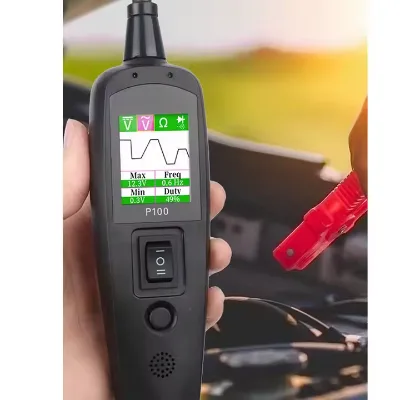


Short Circuit Impedance Tester Impedance Voltage Tester Transformer for Transformer
$1900.00 - $5700.00
MOQ: 1 Pieces


Temperature-Controlled Battery Short Circuit Tester for Safety Evaluation
$10000.00 - $50000.00
MOQ: 1 Pieces

Temperature-Controlled Battery Short Circuit Tester up to 1000A/2000A
$3800.00 - $6800.00
MOQ: 1 Pieces
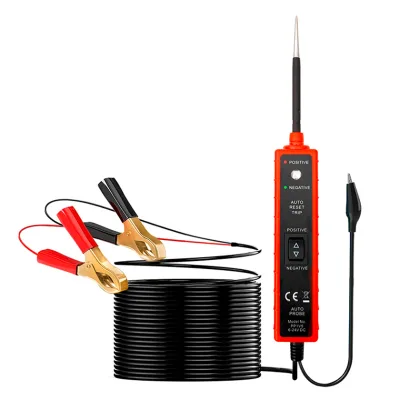
Comprehensive Sourcing Guide
Strategic Sourcing Guide for 12V 24V Short Circuit Testers
Understanding the Technical Landscape of Low-Voltage Testing Equipment
When sourcing a 12V 24V Short Circuit Tester, buyers must first navigate the diverse technical specifications that define the operational capabilities of these devices. The market presents a wide spectrum of tools, ranging from simple diagnostic probes to complex automated systems with touch controllers. A critical observation from current product listings indicates that specific high-end models feature a touch controller interface, which suggests a shift toward more user-friendly, digital diagnostic environments. However, not all devices in this category share this feature; many rely on traditional manual switches or simple LCD displays.
The electrical parameters of these testers vary significantly depending on the intended application. For instance, certain models are engineered with a test voltage range of 0-100V, providing a broad safety margin for testing 12V and 24V systems. In contrast, other units are strictly calibrated for a 6-24V range, making them ideal for automotive and light industrial applications where over-voltage testing is unnecessary. The maximum short circuit current is another pivotal specification. Some advanced units are rated to handle two distinct ranges: 500A and 1000A. This capability is essential for verifying the integrity of high-current circuits without damaging the device under test. Conversely, lower-capacity testers may have a testing current limit of less than 10mA, suitable only for low-power signal verification rather than power circuit fault detection.
Resolution and accuracy are equally vital for precise diagnostics. Buyers should look for devices that offer a resolution of 0.1V and an accuracy of 0.3VDC to ensure reliable readings. The physical form factor also varies; while some compact testers come with a coiled lead of 10 FT or a cord length of 8 inches, larger industrial units may have a maximum cable length of 1.25m. Understanding these physical and electrical constraints is the first step in matching the right tool to the specific maintenance or manufacturing workflow.
Compliance, Certification, and Safety Standards
In the realm of electrical testing equipment, compliance with international safety standards is non-negotiable. The supply chain for 12V and 24V short circuit testers includes products that carry various certifications, which serve as a proxy for safety and quality assurance. Common certifications observed in the market include CE and RoHS. The CE mark indicates conformity with health, safety, and environmental protection standards for products sold within the European Economic Area, while RoHS (Restriction of Hazardous Substances) ensures that the device does not contain specific hazardous materials.
It is important to note that certification status is not uniform across all products. While some listings explicitly state "CE, RoHS" or "CE, RoHS, ISO," others may only list "CE" or "RoHS" individually. Buyers must verify the specific certification documentation for each supplier rather than assuming a blanket compliance status. Furthermore, the operating environment standards must be considered. Devices are often rated for an operating temperature range of -10 to 50°C and an operating humidity of less than 80%. These environmental limits are crucial for ensuring the longevity and safety of the tester in various field conditions, from cold storage facilities to hot industrial workshops.
Additionally, the construction standards of the device play a role in safety. Some products adhere to ABS standards for their casing, providing robust protection against impact and electrical hazards. Other units may be built to a "Standard" specification without a specific material designation, requiring buyers to inspect the build quality directly. The presence of safety features such as fuses, with some models rated at 10A, further enhances the safety profile by protecting the circuit from excessive current.
Cost Drivers and Pricing Dynamics
The pricing for 12V 24V short circuit testers is highly variable, reflecting the complexity of the technology, the build quality, and the included features. The observed price range in the market spans from as low as $0.10 to as high as $50,000. This massive disparity is driven by several key factors. At the lower end of the spectrum, simple diagnostic tools with basic LCD displays and limited cable lengths may be priced affordably. These units often serve as entry-level tools for general maintenance.
In contrast, the higher price points are associated with sophisticated systems featuring touch controllers, high current handling capabilities (up to 1000A), and advanced accuracy specifications. The inclusion of features like internet-based update methods, which allow for firmware upgrades, can also drive up the cost. Furthermore, the power consumption of the device is a factor; models with a power rating of 12kW are significantly more expensive than low-power diagnostic probes.
The packaging and shipping logistics also influence the final cost. Products packaged in fumigation-free standard export wooden boxes or plywood cases incur higher material and handling costs compared to those in blister cards or slide cards. These packaging choices are often dictated by the weight and dimensions of the unit. For example, a heavy unit weighing 200kg with dimensions of 1200mm x 1200mm x 1850mm requires substantial packaging and specialized shipping arrangements, which are factored into the overall price. Buyers must balance their budget against the required technical specifications to avoid overpaying for unnecessary features or underpaying for inadequate performance.
Typical Applications and Operational Use Cases
The versatility of 12V 24V short circuit testers makes them indispensable across multiple industries. In the automotive sector, these tools are essential for diagnosing electrical faults in vehicles, trucks, and heavy machinery that operate on 12V or 24V systems. The ability to test a wide voltage range, including 6V, 12V, and 24V, allows mechanics to use a single device for various vehicle types. The high short circuit current capability (500A or 1000A) is particularly useful for testing starter motors, alternators, and battery banks without risking damage to the equipment.
Beyond automotive applications, these testers are widely used in industrial maintenance and electrical system testing. The "Electrical System Tester" designation found in product listings highlights their utility in checking the integrity of power distribution systems in factories and plants. The compact models with USB connectivity and LCD displays are ideal for field technicians who need portable, easy-to-read diagnostic tools. These devices often feature a "New" condition status, ensuring that they are ready for immediate deployment in critical repair scenarios.
The specific use cases also extend to research and development environments where precise voltage and current measurements are required. The high accuracy of 0.3VDC and the fine resolution of 0.1V allow engineers to detect subtle anomalies in circuit behavior. Whether the application involves testing the "Test Region: Voltage" or verifying the "Use: 6 12 24V" compatibility, the right tester can significantly reduce downtime and improve safety. The "Source: Electric" attribute confirms that these devices are powered by electrical means, making them suitable for integration into existing power grids or battery-operated systems.
Supplier Evaluation and Origin Considerations
When evaluating suppliers for 12V 24V short circuit testers, the origin of the product is a significant factor. The majority of the listed products originate from China, with specific manufacturing hubs identified in regions like Zhejiang. This concentration of supply in China often correlates with competitive pricing and a wide variety of models. However, buyers must conduct due diligence to ensure that the supplier maintains consistent quality control standards.
The customization capabilities of the supplier are another critical evaluation metric. Many manufacturers offer "Customization: Available" and "Customized" options, allowing buyers to tailor the device to specific needs. This could include custom branding, specific cable lengths, or unique packaging requirements. The ability to customize is particularly valuable for large-scale procurement where branding or specific technical requirements are necessary.
Lead times and delivery methods are also essential considerations. The standard delivery method for these products is "by Sea," which is cost-effective for large or heavy items but requires careful planning regarding lead times. The observed MOQ (Minimum Order Quantity) ranges from 1 to 10,000 units, offering flexibility for both small businesses and large corporations. Buyers should verify the specific lead times and MOQs with each supplier, as these can vary based on the complexity of the order and the current production capacity.
Quality Control and Long-Term Procurement Strategy
Ensuring the quality of 12V 24V short circuit testers requires a robust quality control strategy. Buyers should prioritize suppliers who provide clear documentation on their testing procedures and product standards. The "Standard: Standard" or "Standard: ABS" designations in product listings indicate the baseline quality, but buyers should request detailed test reports to verify performance claims. The warranty period, often listed as 1 Year, is a key indicator of the manufacturer's confidence in their product.
Long-term procurement considerations also involve the availability of updates and support. Products with an "Update Method: by Internet" offer the advantage of staying current with the latest diagnostic protocols and safety standards. This feature is crucial for maintaining the relevance and effectiveness of the testing equipment over time. Additionally, the durability of the device, indicated by its weight (e.g., 200kg for heavy units) and packaging (e.g., Fumigation-Free Standard Export Wooden Box), ensures that the equipment can withstand the rigors of daily use and transport.
Buyers should also consider the total cost of ownership, which includes not just the purchase price but also maintenance, calibration, and potential replacement costs. Selecting a supplier with a strong track record of after-sales support and a clear warranty policy can mitigate risks associated with equipment failure. By focusing on these quality control and long-term factors, buyers can secure a reliable supply of 12V 24V short circuit testers that meet their operational needs and safety requirements.
Comparative Analysis of Key Product Attributes
To facilitate informed decision-making, the following table summarizes the key attributes observed across different product models. This comparison highlights the diversity in specifications and helps buyers identify the features most relevant to their specific needs.
| Attribute | Model HJ-80 | Model FTech-HT500A | Model TE6-0707 | Model TE6-0719 | Model TE6-0609 | Model MG75140 |
|---|---|---|---|---|---|---|
| Controller | Touch | - | - | - | - | - |
| Test Voltage | 0-100V | - | - | - | - | - |
| Max Short Circuit Current | 500A, 1000A | - | - | - | - | - |
| Certification | ISO, CE | CE, RoHS | RoHS, CE | CE | CE | - |
| Packing | Fumigation-Free Box | Plywood Case | Blister Card | - | Slide Card | - |
| Origin | China | - | - | - | - | Zhejiang |
| Power | 12kw | - | - | - | - | - |
| Weight | 200kg | - | - | - | - | - |
| Dimension | 1200x1200x1850mm | - | - | - | - | - |
| Cable Length | Max 1.25m | - | 10 FT | - | 8" | - |
| Voltage Range | - | - | 6V-12V | - | 6-24V | - |
| Display | - | - | - | LCD | - | - |
| Update Method | - | - | Internet | - | - | - |
| Warranty | - | - | - | - | 1 Year | - |
This table illustrates that while some models are designed for heavy-duty industrial use with high power and current ratings, others are compact, portable tools focused on specific voltage ranges. Buyers must carefully match these attributes to their operational requirements to ensure optimal performance and safety.
FAQs
What certifications do 12v 24v short circuit testers typically have?
Many models carry CE and RoHS certifications to ensure safety and environmental compliance. Some advanced units also include ISO certification for quality management. Buyers must verify specific documentation as certification status varies by supplier and model.
How can I find testers with touch controller interfaces?
You can identify units with touch controllers by checking product attributes for the specific 'Touch' designation. This feature is found on high-end models like the HJ-80, offering a more user-friendly digital diagnostic environment compared to traditional switches.
Which short circuit current ranges are available for these testers?
Advanced units support two distinct ranges of 500A and 1000A for high-current circuit verification. Lower capacity testers may be limited to less than 10mA, suitable only for signal verification rather than power circuit fault detection in automotive systems.
Can I customize the packaging for bulk orders of these devices?
Yes, customization is available for packaging requirements such as fumigation-free wooden boxes or plywood cases. Suppliers often offer tailored options to meet specific export standards, though this depends on the manufacturer's capacity and order volume.
What is the typical delivery method for heavy industrial testers?
The standard delivery method for these products is by sea, which is cost-effective for large or heavy items. Buyers should plan for lead times accordingly, as shipping heavy units like the 200kg model requires specialized logistics arrangements.
How accurate are the voltage readings on these diagnostic tools?
High-precision models offer an accuracy of 0.3VDC with a resolution of 0.1V for reliable diagnostics. These specifications allow engineers to detect subtle anomalies in circuit behavior, ensuring precise measurements for research and development applications.
Where are the majority of these testers manufactured?
The majority of listed products originate from China, with specific manufacturing hubs in regions like Zhejiang. This concentration often correlates with competitive pricing, but buyers should verify quality control standards and supplier track records before purchasing.