Source 14 Passenger Enclosed Electric Bus for Resorts, Schools, Airports
Compare 30 listings for the 14 Passenger Enclosed Electric Bus suitable for resorts, schools, and airports. These vehicles feature electric power, customizable colors, and options for maintenance-free or lithium batteries with varying ranges and speeds.
Key considerations
Products List


72V Lithium Battery 14 Passenger Enclosed Electric Tourist Bus with Air Conditioner
$7580.00 - $8680.00
MOQ: 1 Pieces

7.5kw Lithium Battery 14 Passenger Enclosed Electric Tourist Bus with Air Conditioner
$6465.00 - $7565.00
MOQ: 1 Pieces

Electric 11 Passenger Sightseeing Vehicle Enclosed Cabin Low Speed Shuttle Bus
$6660.00 - $7760.00
MOQ: 1 Pieces

Electric 8 Passenger Sightseeing Vehicle Enclosed Cabin Low Speed Shuttle Bus
$5175.00 - $6275.00
MOQ: 1 Pieces

Closed Type 17 Passenger Electric Sightseeing Bus with Front Disc Rear Drum
$8100.00 - $9200.00
MOQ: 1 Pieces

11 Seater Enclosed Electric Sightseeing Bus for Tourist Shuttle with Air Conditioner
$6660.00 - $7760.00
MOQ: 1 Pieces

14-Passenger Enclosed Electric Tour Bus with Long-Lasting Lithium Battery
$11500.00 - $14950.00
MOQ: 1 Pieces

Enclosed Electric Tour Bus for 14 Passengers with Long Battery Life
$11500.00 - $14950.00
MOQ: 1 Pieces


14-Passenger Electric Ride, 100km Endurance Capacity Sightseeing Bus
$7450.00 - $9800.00
MOQ: 1 Pieces


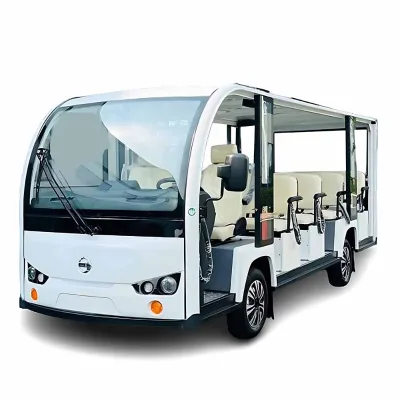


14-Seat Enclosed Electric Vehicle Sightseeing Car Tourist Shuttle Bus
$6900.00 - $8100.00
MOQ: 1 Pieces


14- Seat Electric Enclosed Sightseeing Bus with Long Battery Life for Group Comfort
$6200.00 - $7400.00
MOQ: 1 Pieces


17 Seats Hot Sale Enclosed Electric Sightseeing Bus for Scenic Spots
$6700.00 - $7900.00
MOQ: 1 Pieces

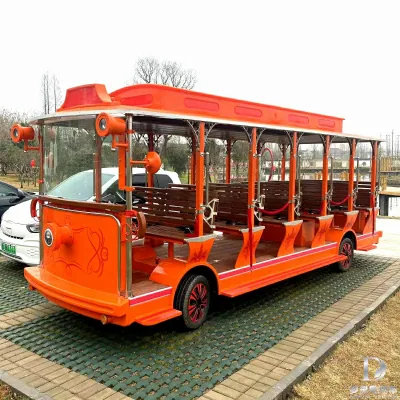
Fully Enclosed Electric 14 Passenger Sightseeing Tourist Bus for Scenic Spot
$1.00 - $9999.00
MOQ: 4 unit
$9999.00 - $18888.00
MOQ: 1

Electric City Bus with Long Traveling Range New Model Electric Bus New Energy Passenger Bus
$39000.00 - $40000.00
MOQ: 1 Pieces

Safe and Comfortable Electric Sightseeing Bus with Door for 14 Passengers
$6500.00 - $7500.00
MOQ: 1 Pieces


Comprehensive Sourcing Guide
Strategic Sourcing Guide for 14-Passenger Enclosed Electric Buses
The procurement of a 14-passenger enclosed electric bus represents a significant capital investment for organizations seeking to modernize their internal or guest transportation fleets. Whether for resort operations, university campuses, or large industrial complexes, these vehicles offer a low-emission alternative to traditional combustion engines. However, the market is characterized by a wide variance in specifications, from basic open-air sightseeing carts to fully enclosed, climate-controlled shuttles. This guide provides a disciplined approach to sourcing these vehicles, focusing on verifying technical capabilities, ensuring regulatory compliance, and evaluating supplier reliability based on observable product attributes and industry standards.
Technical Specifications and Performance Verification
When evaluating a 14-passenger electric bus, the primary focus must be on the core performance metrics that dictate operational viability. The vehicle's powertrain configuration is the most critical determinant of its range and speed capabilities. Based on observed market data, electric sightseeing vehicles often utilize AC controllers, such as the Lvtong Exclusive AC Controller, paired with motors ranging from 48V/5kW to 72V/7.5kW. Buyers must verify the specific motor rating against their intended terrain; a 7.5kW motor is generally required for vehicles with a curb weight of approximately 1450kg to ensure adequate acceleration and hill-climbing ability.
Range and energy consumption are equally vital. Standard specifications for these vehicles indicate a flat-road range between 105 and 125 kilometers on a single charge, with an energy consumption rate of approximately 12 kWh. However, these figures are highly dependent on the battery configuration. The market offers both maintenance-free lead-acid batteries (e.g., 6V, 8 units, 170Ah) and lithium options. A configuration utilizing 12 units of 6V batteries, such as the Us2000 series, may offer different performance characteristics compared to an 8-unit setup. Procurement teams must request specific discharge curves and real-world range data under load conditions rather than relying solely on idealized flat-road estimates.
Physical dimensions and handling characteristics also require strict verification. The vehicle's turning radius is a key factor for navigating tight corridors in hotels or airports; observed models demonstrate a minimum turning radius of 6.4 meters. The wheelbase, typically around 2660 mm, influences stability, while the tread width, often specified as Front 1300 mm / Rear 1330 mm, affects traction. For enclosed models, the overall dimensions (Length x Width x Height) are crucial for garage clearance and parking. Observed standards include dimensions such as 4950×1500×2050 mm or 4960×1480×1980 mm. Buyers must ensure these dimensions align with their facility's infrastructure constraints. Additionally, the braking distance, observed to be less than 6 meters, and braking stability metrics (1.9m) must be validated through independent testing reports to ensure passenger safety during emergency stops.
Compliance, Certification, and Regulatory Standards
Navigating the regulatory landscape is a non-negotiable aspect of sourcing electric buses, particularly for commercial applications. The market data indicates that suppliers often provide certifications such as CE, EEC, and ISO. These certifications are essential for verifying that the vehicle meets safety and electromagnetic compatibility standards required in various international markets. The CE mark, for instance, indicates conformity with health, safety, and environmental protection standards for products sold within the European Economic Area. The EEC certification further validates compliance with specific vehicle type-approval regulations.
However, the presence of a certification label does not guarantee universal applicability. Buyers must verify that the specific certification applies to the exact model number, such as the LT-S14.C or S17F, and not just the manufacturer's general portfolio. Furthermore, while some listings mention ISO standards, the specific standard number (e.g., ISO 9001 for quality management or ISO 14001 for environmental management) should be explicitly stated in the supplier's documentation. For vehicles intended for use in the United States or other regions with distinct safety codes, buyers must confirm that the vehicle's design, including seatbelt installation and lighting systems, meets local Department of Transportation (DOT) or equivalent regulations.
Safety features are also a critical component of compliance. The inclusion of seatbelts is a mandatory requirement for enclosed vehicles carrying 14 passengers. The observed data confirms that seatbelts are installed in these models, but the type, anchorage points, and ease of use must be inspected physically. Additionally, the vehicle's electrical system must comply with standards regarding battery safety, particularly regarding the thermal management of lithium batteries if that option is selected. The charger, often listed as "on-board," must be certified for the specific grid voltage and frequency of the destination country to prevent electrical hazards.
Cost Drivers and Total Cost of Ownership Analysis
The pricing for 14-passenger enclosed electric buses exhibits a massive variance, with observed listed prices ranging from $1 to $1,300,000. This wide range is not indicative of a single product but rather reflects differences in customization, battery technology, and enclosure quality. The lower end of the spectrum typically corresponds to basic sightseeing carts with minimal enclosure and lead-acid batteries, while the higher end reflects fully enclosed, climate-controlled vehicles with lithium-ion batteries and advanced AC controllers.
When analyzing the cost, buyers must look beyond the initial purchase price to the Total Cost of Ownership (TCO). The battery type is the most significant variable. While lead-acid batteries have a lower upfront cost, they generally have a shorter lifespan and require more frequent replacement. Lithium batteries, though more expensive initially, offer a longer cycle life and lower maintenance requirements. The energy consumption of 12 kWh per charge, combined with local electricity rates, will determine the ongoing operational costs.
Customization is another major cost driver. The market data confirms that customization is available for color, seating style (Luxury vs. Standard), and special features like air conditioning. An air-conditioned enclosed bus will inherently cost more than a standard model due to the added weight, power draw, and complexity of the HVAC system. Furthermore, the "Special" attributes listed, such as "Low Speed" and "Easy Handle," may involve specific engineering adjustments that impact the final price. Buyers should request a detailed breakdown of costs associated with optional features to avoid budget overruns.
Typical Applications and Operational Suitability
The versatility of the 14-passenger electric bus makes it suitable for a diverse range of applications. The observed product attributes list applications including Golf Courses, Resorts, Villas, Schools, Hospitals, Malls, Airports, Ports, and Factories. This broad applicability stems from the vehicle's low speed (maximum 30 km/h) and zero-emission profile, which are ideal for pedestrian-heavy zones and environmentally sensitive areas.
For resort and hotel environments, the "Luxury" seating style and optional air conditioning are critical. These vehicles serve as shuttles between parking areas and guest rooms, requiring a high level of comfort and aesthetic appeal. The ability to customize colors to match the brand identity of the resort is a significant advantage. In contrast, for industrial applications like factories or ports, the focus shifts to durability and load capacity. The vehicle's maximum climbing grade of 18% and slope performance of 20% are essential for navigating the varied terrain often found in industrial complexes.
Schools and hospitals benefit from the vehicle's safety features, including seatbelts and low-speed operation. The enclosed nature of the bus provides protection from the elements, which is particularly important for elderly patients or school children. The "Easy Handle" feature mentioned in the product attributes suggests a user-friendly interface, which is beneficial for staff members who may not be professional drivers. The minimum ground clearance of 155mm allows for moderate off-road capability, making the vehicle suitable for unpaved paths within large campuses or scenic spots.
Supplier Evaluation and Manufacturing Capabilities
Selecting the right supplier requires a rigorous evaluation of their manufacturing capabilities and track record. The product origin is consistently listed as China (Mainland), indicating a concentration of manufacturing in this region. Buyers should verify the supplier's production capacity and their ability to handle custom orders. The "Service: OEM" attribute suggests that many suppliers offer Original Equipment Manufacturing, allowing for branding and specific configuration changes.
However, the existence of OEM services does not guarantee quality. Buyers must assess the supplier's quality control processes, particularly regarding the assembly of the electrical system and the installation of safety features like seatbelts. The "Full Installed" packing method observed in some listings indicates that the vehicle may arrive ready for immediate use, which reduces the risk of installation errors. Conversely, "Container" packing may imply that the vehicle requires assembly upon arrival, which necessitates a skilled local team.
It is crucial to avoid relying solely on the supplier's self-reported data. Buyers should request references from previous clients in similar industries and, if possible, conduct a factory audit. The supplier's ability to provide after-sales support, including spare parts availability and technical training, is equally important. Given the complexity of the electric powertrain, a supplier with a dedicated service network is preferable to one that only offers a warranty.
Quality Control and Long-Term Procurement Considerations
Quality control should be an integral part of the procurement process, not an afterthought. For electric buses, the integrity of the battery pack and the reliability of the controller are paramount. The observed use of "Maintenance-Free Battery" types suggests a focus on reducing long-term maintenance, but buyers must verify the actual warranty terms and the expected cycle life of the battery. The "Lead Acid and Lithium" options indicate that the supplier offers flexibility, but the buyer must decide which technology best suits their operational needs and budget.
Long-term procurement considerations also include the availability of spare parts. The specific model numbers, such as S14 or S17F, should be used to ensure compatibility with replacement components. The "1236/300A" controller specification and the "Motor 48V/5kw" or "72V 7.5kw" details must be documented to facilitate future repairs. Additionally, the "on-board" charger should be compatible with the local electrical grid to prevent damage to the vehicle's charging system.
Finally, buyers should consider the environmental impact and sustainability of their procurement decision. The electric nature of these vehicles aligns with corporate sustainability goals, but the end-of-life disposal of batteries must be planned. Suppliers that offer battery recycling programs or have clear disposal guidelines add value to the procurement process. By focusing on these long-term factors, organizations can ensure that their investment in 14-passenger enclosed electric buses remains viable and beneficial for years to come.
Comparative Analysis of Key Specifications
To assist in the decision-making process, the following table summarizes the key technical specifications observed in the market for 14-passenger electric buses. This comparison highlights the variability in critical parameters that buyers must verify against their specific requirements.
| Specification | Observed Range / Options | Critical Verification Point |
|---|---|---|
| Maximum Speed | 30 Km/H | Verify actual speed under load; ensure it meets local speed limits. |
| Range (Flat Road) | 105-125 Km | Confirm range with full passenger load and HVAC usage. |
| Motor Power | 48V/5kW to 72V/7.5kW | Match motor power to vehicle weight (1100kg - 1450kg). |
| Battery Type | Lead Acid (6V) or Lithium | Assess lifecycle cost vs. upfront price; check warranty. |
| Battery Units | 6V, 8 Units or 12 Units | Verify total voltage and capacity (Ah) for range calculation. |
| Turning Radius | 6.4 Meters | Ensure facility corridors can accommodate this radius. |
| Climbing Grade | 18% | Test on actual site gradients; 20% slope performance noted. |
| Braking Distance | <6 Meters | Request independent braking test reports. |
| Dimensions (LWH) | ~4950×1500×2050 mm | Check against garage and parking space constraints. |
| Certifications | CE, EEC, ISO | Verify specific model certification and local regulatory compliance. |
| Seating Style | Luxury or Standard | Confirm interior finish and comfort level for target application. |
| Air Conditioning | Yes (Optional) | Verify power draw impact on range and battery capacity. |
This table serves as a checklist for buyers to ensure that all critical technical parameters are addressed during the sourcing process. By systematically verifying each point, organizations can mitigate risks and select a vehicle that perfectly aligns with their operational needs.
FAQs
What certifications do 14 passenger enclosed electric buses typically have?
These vehicles typically hold CE, EEC, and ISO certifications. Buyers must verify that the specific certification applies to the exact model number, such as the LT-S14.C or S17F, rather than just the manufacturer's general portfolio.
How far can these buses travel on a single charge?
Standard specifications indicate a flat-road range between 105 and 125 kilometers. These figures depend heavily on the battery configuration, such as maintenance-free lead-acid or lithium options, and may vary under load conditions.
Which motor power is suitable for a 1450kg curb weight vehicle?
A 7.5kW motor is generally required for vehicles with a curb weight of approximately 1450kg. This power rating ensures adequate acceleration and hill-climbing ability on varied terrain found in industrial complexes or resorts.
Can the color of the bus be customized for branding?
Yes, customization is available for color, seating style, and special features like air conditioning. Buyers should request a detailed breakdown of costs associated with optional features to avoid budget overruns during the procurement process.
What is the minimum turning radius for these enclosed buses?
Observed models demonstrate a minimum turning radius of 6.4 meters. This handling characteristic is a key factor for navigating tight corridors in hotels, airports, or other pedestrian-heavy zones effectively.
Are seatbelts installed in these 14-passenger enclosed vehicles?
Yes, seatbelts are installed in these models as a mandatory requirement for enclosed vehicles. The type, anchorage points, and ease of use must be inspected physically to ensure passenger safety during operation.