Source 20 Ton Hydraulic Used Excavator for mining, construction, and demolition
Compare 30 listings of 20 Ton Hydraulic Used Excavator with varying specifications like operating weight, digging force, and engine power. Buyers can evaluate models from China and Japan for mining, construction, and demolition projects; compare the available evidence and request quotations based on your requirements.
Updated
Key considerations
Products List


Used Excavators 320d Excavator 20 Ton Hydraulic Secondhand Crawler Excavator
$20000.00 - $25000.00
MOQ: 1 Pieces


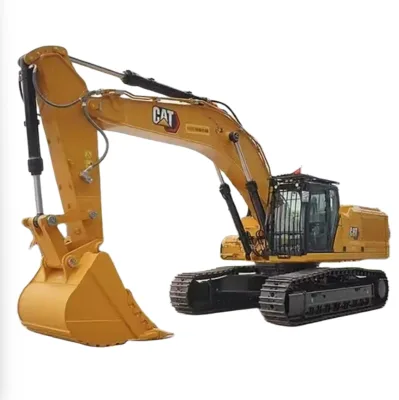


Heavy Equipment 20ton Hydraulic Excavators Used Original Cat 320gc
$33000.00 - $35000.00
MOQ: 1 Pieces


Original Used 20 Ton Digger Crawler Hydraulic Excavator with High Quality
$5000.00 - $7000.00
MOQ: 1 Pieces


Hot Selling 20 Tons Used Excavator 320d in Good Condition for Zambia
$29000.00 - $35000.00
MOQ: 1 UNIT


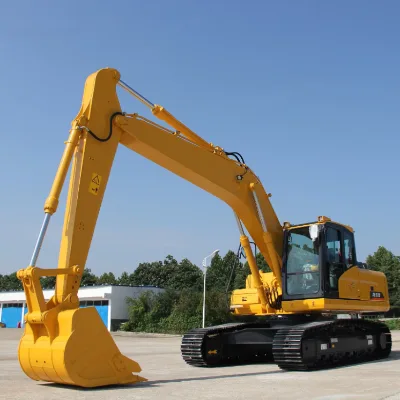
20 Ton Excavator SE220 Digger 22 Ton Crawler Excavator Second Hand Tier 2
$63700.00 - $67200.00
MOQ: 1 units
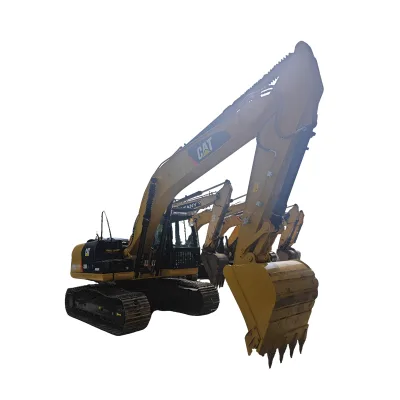
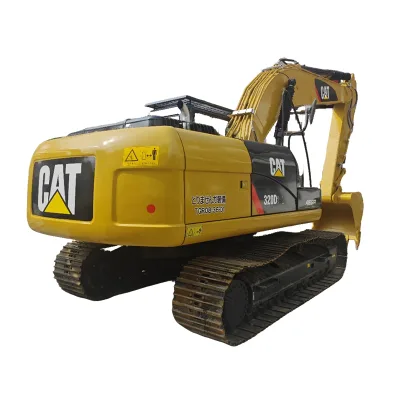
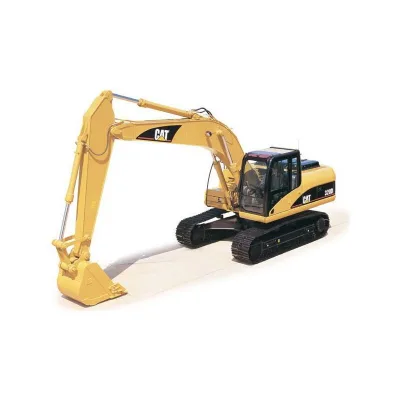


Crawler Excavator 20 Tons Used Excavator for Sale Original Parts Good Condition
$23000.00 - $28000.00
MOQ: 1 Sets


Second Hand Excavator Machine Used Cat 320d Excavator 20 Tons Excavator
$23000.00 - $28000.00
MOQ: 1 Sets


Comprehensive Sourcing Guide
20 Ton Hydraulic Used Excavator Sourcing Guide
The market for used 20-ton hydraulic excavators presents a distinct opportunity for buyers seeking heavy-duty machinery capable of handling substantial earthmoving tasks. Based on observed listings, these units often feature an operating weight around 20 tons, with specific models like the XE200DA demonstrating a digging force of 149 kN and a maximum digging depth of 6460 mm. Buyers must recognize that while some listings describe a 50-ton scale, the core keyword focuses on the 20-ton class, requiring careful verification of the actual machine weight against the advertised specifications to avoid confusion between different capacity tiers.
Procurement decisions for this equipment class rely heavily on understanding the specific operational context, as these machines are frequently marketed for mining and large-scale excavation. The observed data indicates a rotation speed of 11.6 Rpm and a walking speed ranging from 2.9 to 5.3 Km/H, which are critical metrics for assessing productivity in confined or rugged sites. Sourcing guides must emphasize that the "20-ton" designation is a starting point, and buyers should verify the exact model year and condition, as listings vary from "Great" to "Used" with varying degrees of remaining service life and component wear.
Product Scope and Observed Listing Signals
Buyers entering this market must navigate a wide range of product signals, including variations in packing and origin that significantly impact logistics and total cost of ownership. The supplied facts reveal that units may arrive in "Naked" packing or with "Nude Packing with Protective Wrapping for Critical" components, while others are shipped in containers. Origin data points to China and Japan as primary sources, with Japanese models often noted for their "Latest Year" manufacture status and specific track shoe widths of 600 mm, whereas Chinese models may offer different standard bucket capacities like 2.8 M³.
The visual and physical attributes of the excavators also vary, with color options typically listed as "Original Color" or "Yellow," and drive types consistently identified as internal combustion. It is essential for buyers to distinguish between the general "Large-Scale" classification and specific model identifiers like the 320D or 50-ton scale hydraulic excavators, which may appear in search results but do not match the 20-ton core requirement. Understanding these listing signals helps prevent the acquisition of oversized machinery that exceeds the intended operational capacity or budget constraints of the project.
Technical Specifications to Verify
Technical due diligence requires a rigorous comparison of key performance metrics, particularly the engine power and hydraulic system capabilities which define the machine's efficiency. Listings indicate rated power figures such as 298 Kw (400 HP) at 2,000 Rpm or 300 hp, alongside maximum torque values of 1,900 N·M. Buyers must verify that the transmission type, described as hydraulic transmission, aligns with their operational needs, and confirm the swing speed, which ranges from 9.5 to 11.6 Rpm, to ensure the machine can maintain the required cycle times for their specific excavation tasks.
Fuel and fluid capacities are another critical area for verification, as they influence downtime and operational range. Observed specifications include a fuel tank capacity of 650 L, a hydraulic oil tank of 380 L, and an engine oil capacity of 45 L. Additionally, the travel reduction gear oil system is noted as a 2-speed automatic gearbox in some contexts, though this requires clarification against the actual machine configuration. Buyers should also check the ground pressure, observed at 0.105 MPa, to ensure the machine will not cause excessive damage to the work surface or get stuck in soft terrain conditions.
Compliance and Safety Documentation
Compliance verification is paramount when sourcing used heavy machinery, as regulatory standards vary significantly by region and the age of the equipment. The supplied context lists CE and ISO9001 certifications for certain units, which serve as indicators of adherence to international safety and quality management standards. However, buyers must treat these certifications as observations rather than guarantees for every listed unit, requiring direct requests for valid certificates and inspection reports to confirm that the specific machine being purchased meets the safety regulations of the destination country.
Safety documentation also extends to the physical condition and structural integrity of the excavator, which is often described as "Great" or "Used" in listings. Buyers should demand detailed inspection records that cover the undercarriage, boom, and arm, as these are high-wear areas critical for safe operation. The standard dimensions provided, such as 962529003100 mm, serve as a reference for transport compliance, but the actual machine must be verified to ensure it does not exceed legal road transport limits without special permits, especially given the large-scale nature of these crawler excavators.
Cost Drivers and Commercial Terms
The commercial landscape for 20-ton used excavators is influenced by a complex mix of factors including the year of manufacture, condition rating, and the specific model's market demand. Prices observed in the market range widely from 1900 to 128000 USD, reflecting the disparity between older, high-mileage units and newer models with minimal wear. Buyers must analyze the price-to-condition ratio carefully, as a lower price might indicate significant hidden repair costs, while a higher price should be justified by recent maintenance records and a "Latest Year" manufacture date.
Commercial terms such as Minimum Order Quantity (MOQ) and customization options also play a vital role in the final procurement cost. The data indicates an MOQ of 1, allowing for flexible purchasing, while customization is listed as available for certain models. Buyers should negotiate clearly on after-sales service availability, which is confirmed as "Yes" in some listings, to ensure long-term support. Understanding these terms helps in budgeting for the total acquisition cost, including potential expenses for shipping, insurance, and any necessary modifications to meet local operational standards.
Supplier Qualification and Quality Control
Selecting a qualified supplier requires a thorough vetting process that goes beyond the basic listing information provided on the marketplace. Buyers should prioritize suppliers who can provide transparent documentation regarding the machine's history, including service logs and previous ownership details. The presence of certifications like CE and ISO9001 is a positive signal, but it is essential to verify the authenticity of these documents and ensure they apply to the specific serial number of the excavator being purchased.
Quality control measures should be established before the final payment is released, ideally involving a third-party inspection at the supplier's location. Given that the origin is listed as China or Japan, buyers must account for the logistical challenges of verifying the machine's condition remotely. Suppliers offering "Naked" packing or specific protective wrapping should be asked to provide detailed photos of the critical components before shipment. Establishing a clear communication channel for post-sale support is also crucial, as the availability of after-sales service can significantly impact the long-term viability of the investment.
Long-Term Procurement Checks
Long-term procurement success depends on establishing a robust maintenance strategy that aligns with the specific technical specifications of the acquired excavator. Buyers should plan for the regular replacement of wear parts, such as track shoes and bucket teeth, based on the observed ground pressure and digging force capabilities. The fuel and hydraulic oil capacities noted in the specifications provide a baseline for scheduling maintenance intervals, ensuring that the machine operates efficiently and safely throughout its remaining service life.
Finally, buyers must monitor the resale value and market trends for 20-ton excavators to maximize the return on investment. The availability of customization and the condition of the machine at the time of purchase will influence its future marketability. Regular performance checks against the original specifications, such as the maximum digging radius of 11,500 mm and the maximum dumping height of 7,200 mm, will help identify any degradation in performance early. By maintaining a proactive approach to asset management, buyers can ensure that their 20-ton hydraulic excavator remains a productive and reliable asset for years to come.
FAQs
What is the operating weight of the 20 Ton Hydraulic Used Excavator?
The operating weight is 20 tons, which corresponds to 50,000 kg for the larger scale model. This heavy-duty specification ensures stability during mining operations. The machine features a robust crawler design with a ground pressure of 0.105 MPa. Buyers should verify the exact tonnage as listings may vary between 20-ton and 50-ton categories for similar hydraulic systems.
Can the 20 Ton Hydraulic Used Excavator be customized for specific mining needs?
Yes, customization is available for this hydraulic excavator type. Suppliers offer options to tailor the machine for specific mining applications. The unit comes in its original color and includes after-sales service support. Buyers can request modifications to the bucket capacity or hydraulic transmission settings to match their operational requirements effectively.
What certifications does the 20 Ton Hydraulic Used Excavator hold?
The excavator holds CE and ISO9001 certifications, ensuring compliance with international quality and safety standards. These credentials are critical for importing heavy machinery into regulated markets. The product originates from China or Japan, depending on the specific model listed. Buyers should request valid certification documents to verify the machine's adherence to these established industrial standards.
What is the maximum digging depth of the 20 Ton Hydraulic Used Excavator?
The maximum digging depth is 6460 mm, providing significant reach for excavation tasks. This depth is complemented by a maximum digging radius of 11,500 mm. The bucket digging force is rated at 149 kN, ensuring efficient material handling. These dimensions make the crawler excavator suitable for deep trenching and large-scale mining operations requiring precise control.
How much does a 20 Ton Hydraulic Used Excavator cost?
Prices for these excavators range from 1900 to 128000 USD, depending on the condition and specifications. The minimum order quantity is typically one unit, allowing for flexible procurement. Factors influencing price include the year of manufacture, engine power, and included accessories. Buyers should compare listings to find the best value for their specific budget and operational needs.
What is the rotation speed of the 20 Ton Hydraulic Used Excavator?
The rotation speed is 11.6 Rpm, allowing for efficient material positioning during digging cycles. The swing speed is also noted at 9.5 Rpm for the larger model. This hydraulic transmission system ensures smooth and controlled movement. Operators benefit from consistent performance, which is essential for maintaining productivity in demanding mining and construction environments.