Source Japan Used Crane for Construction, Hotels, and Repair
Explore 30 listings of Japan Used Crane equipment available for construction works, hotels, and machinery repair shops. Buyers can compare models like CX500 and KH180 with varying lifting capacities and working hours to find suitable options; compare the available evidence and request quotations based on your requirements.
Updated
Key considerations
Products List


Used Original Japan Cranes 50 Ton Hitachi Kh180 Crawler Crane for Sale
$35000.00 - $45000.00
MOQ: 1 Pieces


Used Hitachii Clawer Crane Cx500c Hydraulic Crane Japanese Crane for Sale
$1.00 - $1000000.00
MOQ: 1 Pieces

Used Japan Original Made Hitachi Kh180-3 50ton Crawler Truck Crane for Sale
$48000.00 - $70000.00
MOQ: 1 Pieces
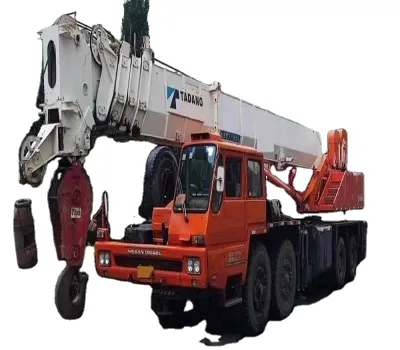
High Quality Used 50 Ton Crane Imported From Japan
$27766.3173 - $30494.5018
MOQ: 1 units
Shanghai Dianjue Machinery Equipment Co., Ltd. Guangzhou Branch
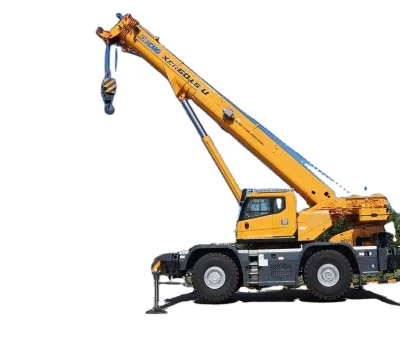
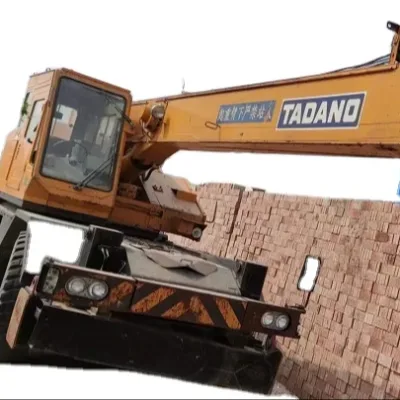
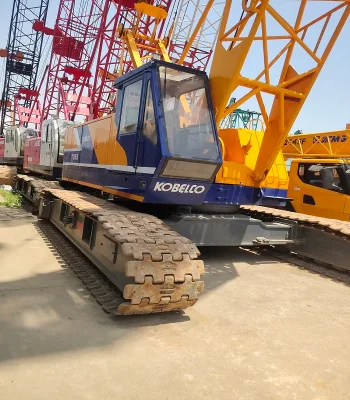
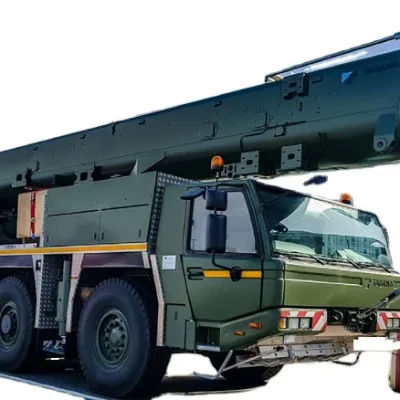
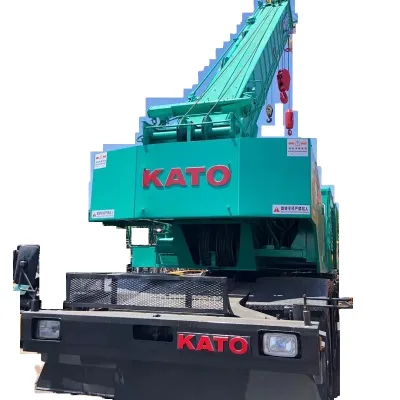


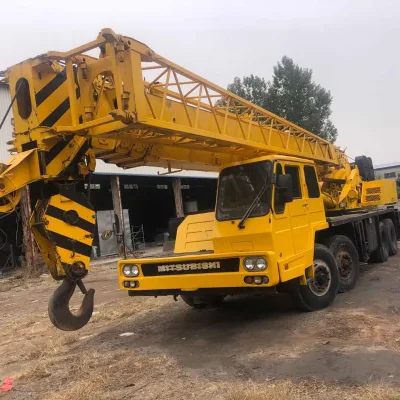
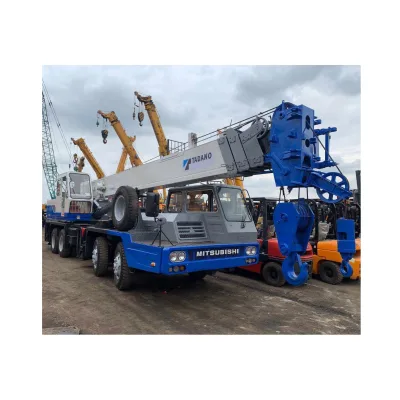
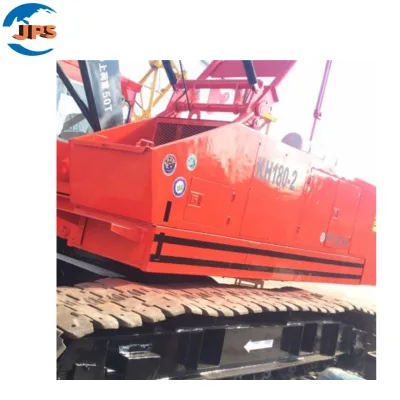
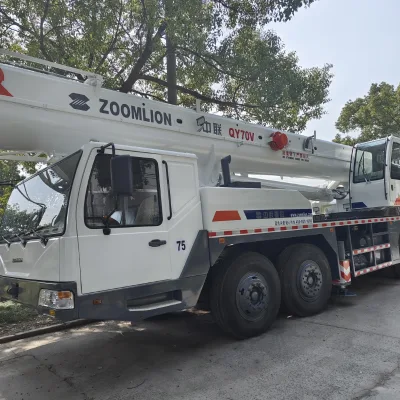
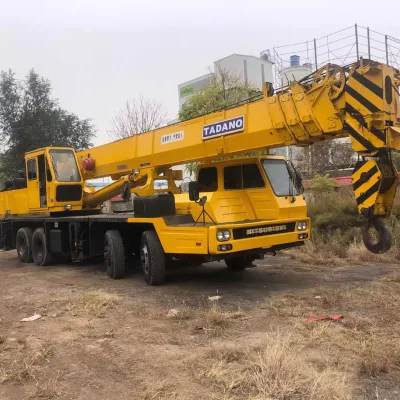
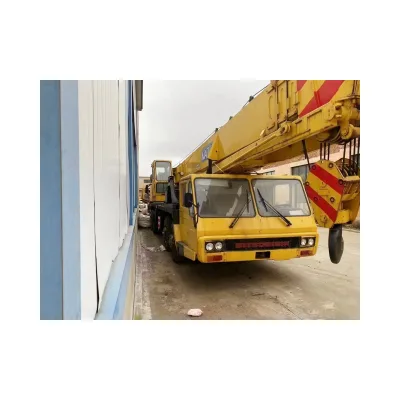
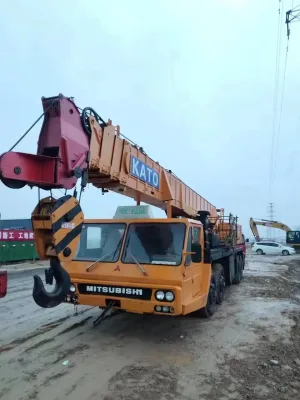

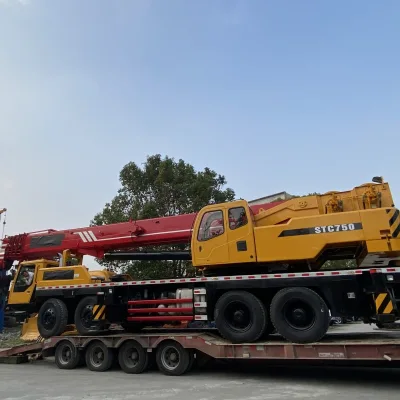
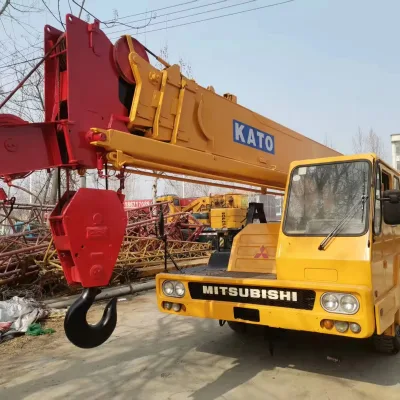
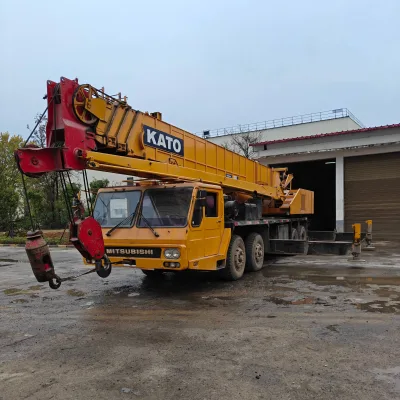
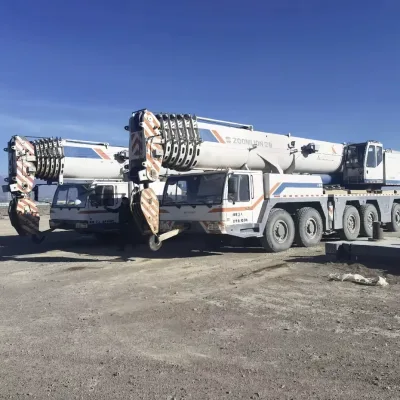
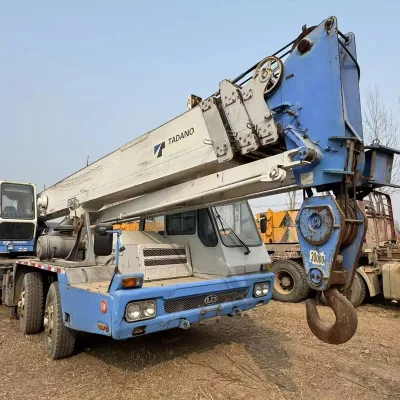
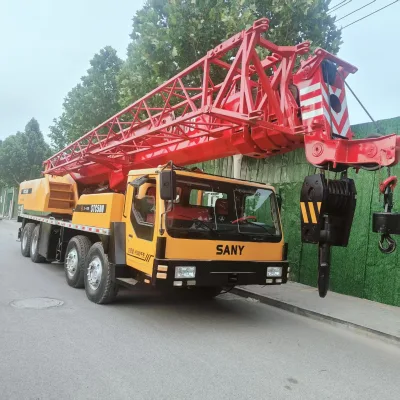
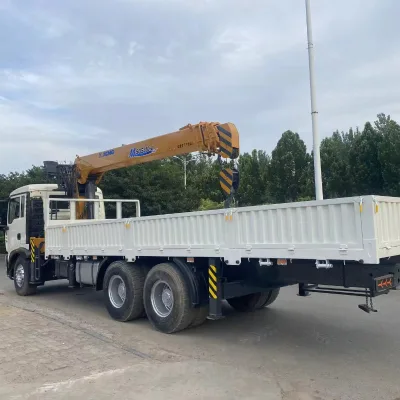
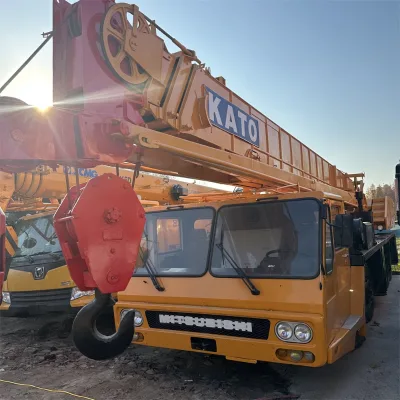
Used KATO NK400E Truck Cranes Japan Brand Mitsubishi Engine 40ton Capacity Pump Motor Core
$3500.00 - $5000.00
MOQ: 1 units
Comprehensive Sourcing Guide
Japan Used Crane Sourcing Guide
Procuring used cranes from Japan requires a disciplined approach to verifying machine history and operational integrity. Buyers must prioritize transparency regarding the equipment’s previous service environment, as Japanese industrial standards often dictate rigorous maintenance schedules. The observed market signals indicate a strong presence of models like the CX500 and KH180, which are frequently listed with specific customization options and warranty terms. Understanding these baseline attributes helps buyers filter listings that align with their specific lifting capacity and height requirements.
The sourcing process also demands careful attention to the condition reports and working hours provided by sellers. Listings often specify working hours ranging from 50 to 6000 hours, which directly impacts the remaining useful life of critical components. Buyers should cross-reference these hour meters with visual inspections and video outgoing-inspections to ensure consistency. This verification step is crucial for avoiding hidden wear and tear that may not be apparent in standard product photographs or brief textual descriptions.
Product Scope and Observed Listing Signals
The current market for used Japanese cranes features a diverse range of models, including the CX500, CX500C, KH180, and TR-500E-3. These machines are often categorized by their lifting capacity, with observed maximum loads ranging from 5-7 tons to over 16 tons, and specific high-capacity units reaching up to 55 tons. The variety in jib configurations, such as three-arm and five-arm setups, allows buyers to select equipment tailored to specific site constraints and operational needs. This diversity ensures that both small-scale construction projects and large industrial installations can find suitable machinery.
Condition reports are a critical signal in these listings, with most units described as used and accompanied by a one-year warranty. This warranty provision offers a layer of security for buyers, mitigating some risks associated with purchasing pre-owned heavy machinery. Additionally, the availability of customization options suggests that sellers are willing to adapt the equipment to meet specific buyer requirements, such as color preferences or structural modifications. Buyers should verify the extent of these customizations to ensure they do not compromise the machine’s original engineering integrity.
Technical Specifications to Verify
Technical verification must begin with the core components, which are frequently listed as including motors, gearboxes, engines, and PLCs. For models like the KH180-3, the presence of bearings and pumps alongside these primary components indicates a complex hydraulic and mechanical system that requires thorough inspection. Buyers should request detailed maintenance logs for these specific parts to assess their current health and remaining service life. The weight of these machines, often around 50,000 to 55,000 kilograms, also necessitates careful planning for transportation and foundation requirements at the destination site.
Lifting parameters are another vital area for verification, with observed maximum lifting heights ranging from 25-30 meters to 30-40 meters. The model numbers, such as 25T, 50T, and 70T, provide a quick reference for capacity, but buyers must confirm the actual load charts for the specific unit. The shaft number and arm type, whether straight or articulated, also influence the machine’s operational envelope. Ensuring that the technical specifications match the buyer’s operational requirements is essential to avoid costly modifications or operational inefficiencies during deployment.
Compliance and Safety Documentation
Compliance with international standards is a key consideration, with CE certification frequently mentioned in the listings. This certification indicates that the equipment meets certain European health, safety, and environmental protection standards, which can be beneficial for buyers operating in or exporting to European markets. However, buyers should verify the validity and scope of this certification, as it may not cover all local regulatory requirements in their specific country of operation. Additional documentation, such as original manufacturer manuals and service records, should be requested to ensure full traceability of the machine’s history.
Safety features and operational controls must also be thoroughly reviewed. The inclusion of PLCs in the core components suggests that modern control systems are present, which can enhance operational safety and precision. Buyers should verify that these systems are fully functional and that any software updates or modifications have been properly documented. Furthermore, the availability of video outgoing-inspections provides a valuable tool for assessing the physical condition of safety guards, emergency stops, and other critical safety mechanisms before purchase.
Cost Drivers and Commercial Terms
Cost drivers for used Japanese cranes include the machine’s age, working hours, and overall condition. Listings indicate a wide range of production years, from 2008 to 2026, which significantly impacts pricing. Machines with lower working hours and more recent manufacturing dates typically command higher prices, reflecting their extended remaining useful life. Buyers should balance their budget against the expected operational lifespan, considering that higher initial costs may be offset by lower maintenance expenses and reduced downtime in the long run.
Commercial terms such as MOQ and shipping arrangements also play a role in the total cost of acquisition. The observed MOQ of 1 suggests that buyers can purchase individual units without needing to commit to large bulk orders. Shipping is listed as a standard packing method, but buyers must account for additional logistics costs, including freight, insurance, and customs duties. Understanding these commercial terms helps buyers create a more accurate total cost of ownership model, ensuring that hidden expenses do not derail the procurement budget.
Supplier Qualification and Quality Control
Supplier qualification is critical when sourcing used heavy machinery, as the reliability of the seller directly impacts the quality of the transaction. Buyers should prioritize suppliers who provide comprehensive video outgoing-inspections and detailed component lists. The presence of specific brand names like TADANO, KATO, and XUGONG in the listings indicates that reputable manufacturers are represented, but buyers must verify the authenticity of these brands for each specific unit. Requesting references or past transaction records can also help assess the supplier’s reliability and professionalism.
Quality control measures should extend beyond the initial inspection to include pre-shipment testing and verification. Buyers should insist on a final inspection report that covers all core components, including the motor, gearbox, and engine. This report should be signed off by a qualified technician to ensure that the machine is in working order before it leaves the supplier’s facility. Implementing these quality control steps helps mitigate the risk of receiving a machine that does not meet the agreed-upon specifications or condition standards.
Long-Term Procurement Checks
Long-term procurement success depends on establishing a robust maintenance and support strategy for the acquired cranes. Buyers should identify local service providers who are familiar with Japanese crane models and can provide ongoing technical support. The availability of spare parts, particularly for core components like motors and gearboxes, is essential for minimizing downtime during repairs. Establishing a relationship with a reliable parts supplier ensures that maintenance can be performed promptly, extending the machine’s operational life and protecting the buyer’s investment.
Regular performance monitoring and periodic audits are also necessary to ensure that the crane continues to operate safely and efficiently. Buyers should implement a schedule for routine inspections and preventive maintenance, based on the manufacturer’s recommendations and the machine’s working hours. Tracking key performance indicators, such as lifting accuracy and hydraulic pressure, can help detect potential issues early. By maintaining a proactive approach to equipment management, buyers can maximize the value and reliability of their used Japanese crane investments.
FAQs
What certifications do these used cranes have?
The listed used cranes carry CE certification, ensuring compliance with European safety standards. Some models also display ISO condition markings, indicating adherence to recognized quality benchmarks. Buyers should verify specific documentation for each unit, as certification status varies by individual product listing and supplier verification.
Which crane models are available from Japan?
Available models include the CX500, CX500C, KH180, and TR-500E-3. These units originate from Japan and feature specifications such as straight arm shafts or five-arm jibs. Buyers can select based on lifting capacity, ranging from 5-7t to over 16t, and specific structural configurations suited for various industrial applications.
Can I customize these used cranes?
Yes, customization is available for many of the listed used crane units. Buyers can request specific modifications to meet unique operational requirements. This service allows for tailored solutions, ensuring the equipment fits particular site conditions or industry needs, such as construction works or machinery repair shops, directly from the supplier.
What is the warranty period for these units?
Most of the listed used cranes come with a 1-year warranty. This coverage provides buyers with assurance regarding the mechanical integrity of core components like motors, gearboxes, and engines. The warranty period helps mitigate risks associated with purchasing pre-owned heavy machinery, offering a safety net for initial operational phases.
What is the typical working hour range?
The working hours for these used cranes typically range from 50 to 6000 hours. Specific listings indicate ranges such as 0-2000h or 5-5000h, allowing buyers to select units based on their desired level of usage. Lower hour counts generally suggest less wear, while higher hours may offer cost savings.
What are the maximum lifting capacities?
Maximum lifting capacities vary significantly across the listings, ranging from 5-7t to 55t. Specific models support loads up to 50T or 55T, with some units exceeding 16t. Buyers should match the lifting load to their specific project requirements, considering both weight and height constraints for safe operation.