Source 2023 Excellent Condition Hydraulic Excavator for mining, construction, marine
Find 30 listings for the 2023 Excellent Condition Hydraulic Excavator with varying bucket capacities and engine powers. Buyers can compare specifications like swing speed, travel speed, and digging force to select the right machine for mining, construction, or marine applications.
Updated
Key considerations
Products List


Hydraulic Excavator Small Crawler Excavator Good Condition Excavator for Sale
$2600.00 - $2800.00
MOQ: 13350 Pieces


Excellent Condition Excavator with Superior Stability and Control Features
$69000.00 - $79000.00
MOQ: 1 Pieces

Versatile Used Excavator with Hydraulic Drive for Construction Needs
$32000.00 - $48000.00
MOQ: 1 Pieces


Used Excavator with CE Certification General-Purpose Hydraulic Drive
$15000.00 - $21500.00
MOQ: 1 Pieces

Specialized Used Excavator with Hydraulic Drive CE Certified for Quality
$15000.00 - $21500.00
MOQ: 1 Pieces

Specialized Used Excavator with EAC Certification and Hydraulic Drive
$15000.00 - $21500.00
MOQ: 1 Pieces
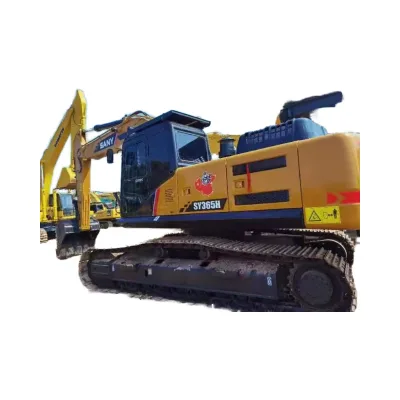
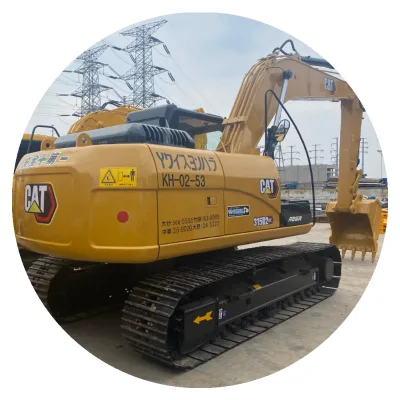
$10330.8082 - $20661.6164
MOQ: 1 units
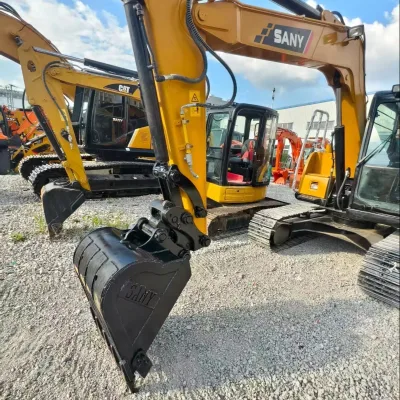
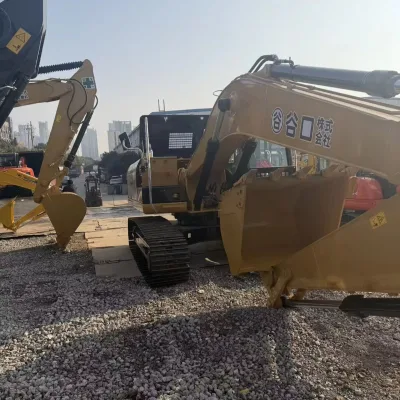


Comprehensive Sourcing Guide
2023 Excellent Condition Hydraulic Excavator Sourcing Guide
Procuring a 2023 Excellent Condition Hydraulic Excavator requires careful evaluation of machine history and operational readiness. Buyers must prioritize units with verified maintenance records to ensure the "excellent condition" label reflects genuine mechanical integrity rather than superficial cleaning. This guide helps sourcing professionals navigate the complex landscape of used heavy equipment, focusing on critical technical parameters and commercial safeguards.
The market offers a diverse range of crawler excavators, from small-scale models to robust 20-ton class machines. Understanding the specific application needs, such as mining, marine, or general construction, is essential for selecting the right configuration. This guide provides a structured approach to verifying specifications, ensuring compliance, and managing risks associated with international procurement of high-value earthmoving equipment.
Product Scope and Observed Listing Signals
The current market presents a wide variety of hydraulic excavators, with observed prices ranging from $700 to $79,000 USD. This broad spectrum reflects differences in age, brand, and operational hours. Buyers should note that the minimum order quantity (MOQ) varies significantly, ranging from single units to bulk orders of up to 13,350 pieces, indicating both individual sales and large-scale distributor channels are active.
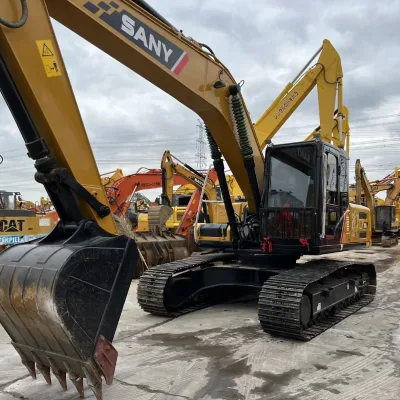
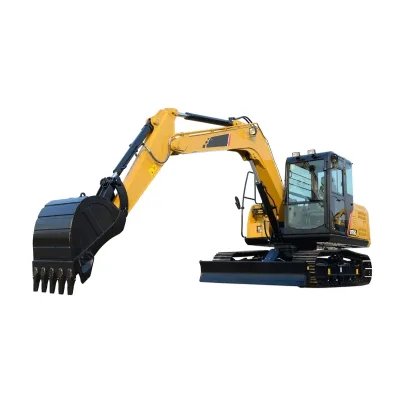
Observed listings highlight specific configurations, including 20-ton models with 300 hp engines and 1.5 cubic meter bucket capacities. Some units feature advanced electronic control hydraulic systems, while others rely on traditional hydraulic mechanical transmissions. The presence of attachments like breakers, grapples, augers, and rippers suggests versatility, but buyers must verify compatibility and condition separately for each accessory included in the package.
Technical Specifications to Verify
Critical performance metrics include swing speed, torque, and travel speed, which directly impact productivity. Verified data indicates swing speeds around 11 rpm with torque of 85,000 Nm, while travel speeds vary between 3.0 and 6.0 km/h. Buyers must confirm these figures against the specific machine’s operational history, as wear on tracks and hydraulic pumps can degrade performance over time, affecting efficiency on site.
Digging force and excavation dimensions are vital for assessing capability. Observed specifications list bucket digging forces up to 178 kN and arm forces up to 128 kN, with maximum excavation depths around 6.65 meters. Additionally, gradeability of 35 degrees and operating weights of 20 tons define the machine’s stability and power. Buyers should request load test results to validate these claims, ensuring the excavator can handle intended loads without hydraulic failure or structural stress.
Compliance and Safety Documentation
Safety certifications are non-negotiable for international procurement. Listings often cite CE and ISO9001 certifications, indicating adherence to European safety and quality management standards. Buyers must verify the validity of these certificates, ensuring they apply to the specific model and year of manufacture. ROPS/FOPS certified cabins are a common feature, providing essential protection for operators in hazardous environments, but documentation must be current and legally recognized in the destination country.
Documentation also includes operating manuals, service histories, and emission compliance records. For machines manufactured within the last five years, verifying engine model details, such as the Laidong 380, is crucial for parts availability and regulatory compliance. Buyers should ensure all paperwork is translated and notarized if required, facilitating smooth customs clearance and immediate operational readiness upon arrival at the job site.
Cost Drivers and Commercial Terms
Pricing is influenced by engine power, bucket capacity, and overall condition. Units with 300 hp engines and 1.5 cubic meter buckets typically command higher prices due to their versatility and power. However, buyers must consider total cost of ownership, including shipping, insurance, and potential refurbishment costs. The wide price range suggests significant variation in value, necessitating detailed comparison of specifications and included accessories to avoid overpaying for underperforming units.
Commercial terms such as payment methods, warranty periods, and return policies are critical risk management tools. Buyers should negotiate clear terms regarding inspection rights and post-delivery support. Given the variability in MOQs, smaller buyers may face higher per-unit costs, while bulk purchasers can leverage volume discounts. Understanding these dynamics helps in structuring deals that align with budget constraints and project timelines, ensuring financial predictability throughout the procurement process.
Supplier Qualification and Quality Control
Supplier verification is the first line of defense against fraud and substandard equipment. Buyers should prioritize suppliers with proven track records in heavy machinery export, checking business licenses and export credentials. The origin of many listed units is China, a major manufacturing hub, but buyers must distinguish between reputable manufacturers and trading companies. Requesting video inspections and third-party audit reports can provide additional assurance of supplier legitimacy and operational capacity.
Quality control extends to the physical inspection of the excavator. Buyers should employ independent inspectors to verify mechanical condition, hydraulic integrity, and structural soundness. Key areas to check include track tension, engine compression, and hydraulic hose condition. Customization options are available, but buyers must ensure that any modifications do not compromise original safety standards or warranty coverage. Clear communication of requirements before shipment prevents costly misunderstandings and ensures the delivered machine meets project specifications.
Long-Term Procurement Checks
Post-purchase support and parts availability are essential for maintaining operational uptime. Buyers should verify the supplier’s commitment to providing spare parts and technical support for the specific model. Machines with common engine models, such as the Laidong 380, may have easier access to replacement components, reducing downtime. Establishing a relationship with local service providers in the destination country can also facilitate quicker repairs and maintenance, ensuring long-term reliability.
Regular maintenance schedules and operational training are crucial for extending the machine’s lifespan. Buyers should develop a comprehensive maintenance plan based on the manufacturer’s recommendations, focusing on hydraulic fluid changes, filter replacements, and track adjustments. Training operators on proper usage and safety protocols can prevent premature wear and accidents. By investing in these long-term checks, buyers maximize the return on investment and ensure the excavator remains a productive asset for years to come.
FAQs
What is the bucket capacity of this excavator?
The bucket capacity is available in 1.2 and 1.5 cubic meters options. This allows operators to select the ideal size for specific material handling tasks. The machine features a grab shovel bucket type, providing versatility for various excavation and loading applications in demanding construction environments.
How much does the 20 ton excavator weigh?
The operating weight is 20 tons, ensuring stability during heavy digging operations. This weight class provides a strong balance between mobility and power. The machine is designed for efficient performance, making it suitable for a wide range of industrial and construction projects requiring reliable heavy equipment.
Can the excavator be customized for specific needs?
Yes, customization is available for this hydraulic excavator. Buyers can select specific configurations to match their operational requirements. The product supports various attachments including breakers, grapples, augers, and rippers, allowing for flexible adaptation to different job site conditions and specialized material processing tasks.
What certifications does the excavator cabin have?
The cabin is Rops/Fops certified, ensuring operator safety during operation. This certification meets rigorous safety standards for rollover and falling object protection. The machine also holds CE and ISO9001 certifications, indicating compliance with international quality and safety regulations for manufacturing and operational excellence.
What is the maximum excavation depth of the machine?
The maximum excavation depth is 6.65 meters. This depth capability allows for significant trenching and foundation work. Combined with a maximum excavation radius of 9.98 meters, the machine offers extensive reach and digging range for efficient earthmoving and construction site preparation tasks.
What is the engine power rating of the excavator?
The engine power is rated at 300 hp or 224 Kw. This powerful engine drives the advanced electronic control hydraulic system efficiently. The high power output ensures robust performance for heavy-duty tasks while maintaining low fuel consumption, optimizing operational costs for long-term project execution.