Source 20crmnti Hsk Taper Arbor Adapter for Machinery, Auto, Hardware
Find 30 listings for 20crmnti Hsk Taper Arbor Adapter suitable for machinery accessories, automotive parts, and hardware tools. Compare specifications like material, accuracy, and lead times from verified suppliers in China.
Key considerations
Products List


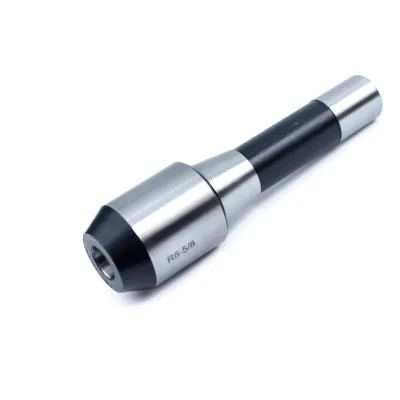
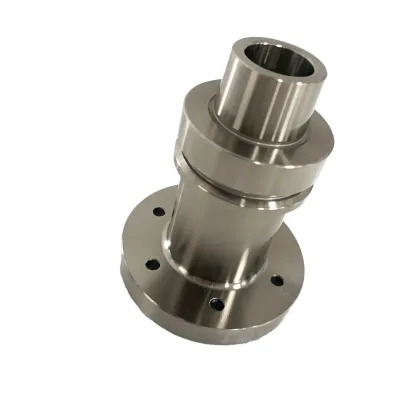
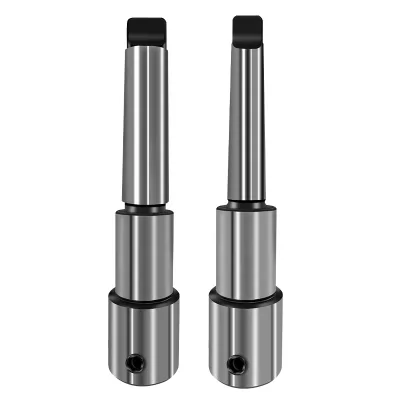

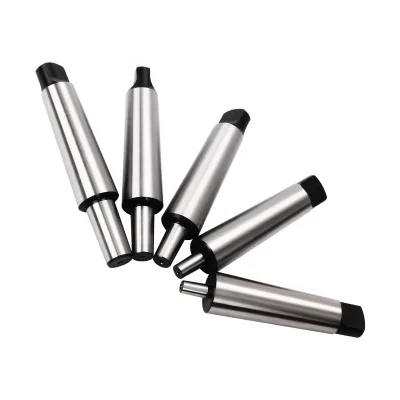


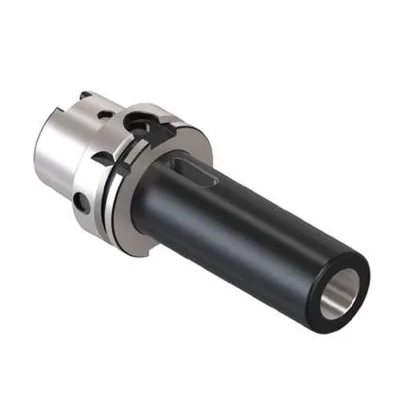


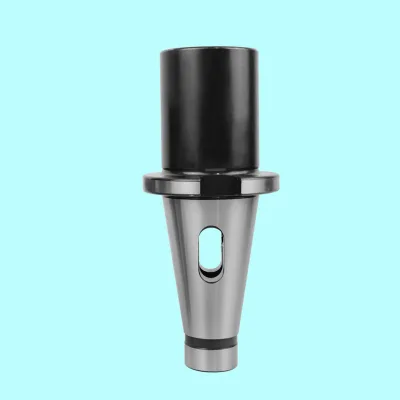
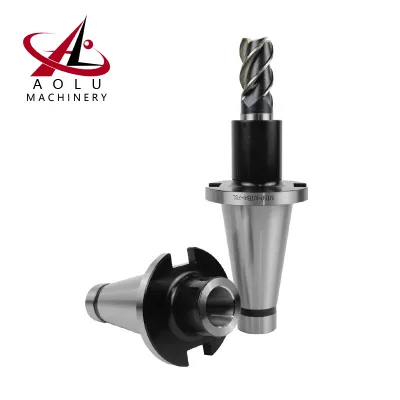
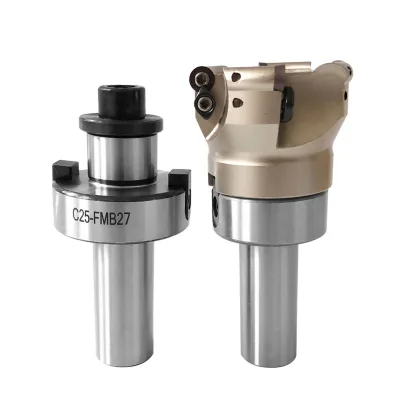

Comprehensive Sourcing Guide
Strategic Sourcing Guide for 20CrMnTi HSK Taper Arbor Adapters
The procurement of precision machining components, specifically the 20crmnti Hsk Taper Arbor Adapter, requires a rigorous approach that balances material science, dimensional accuracy, and supply chain reliability. While the core keyword suggests a specific alloy and taper system, the actual market landscape for these adapters often presents a variety of configurations, including straight shank to Morse taper, BT, NT, and MTA variants. Buyers must navigate this complexity by focusing on verified technical attributes rather than assuming uniformity across all listings. This guide outlines the critical factors for sourcing these components, ensuring that procurement decisions are grounded in observable product facts and established industry standards.
Material Composition and Hardness Requirements
The selection of the correct material is the foundational step in sourcing a high-performance arbor adapter. The core keyword specifies 20CrMnTi, a low-alloy steel known for its excellent carburizing properties and high strength. However, product listings in the current market frequently display a range of materials, including general steel, stainless steel, iron, and carbon steel. When evaluating a potential supplier, it is imperative to verify that the material composition matches the specific application requirements.
For applications demanding high wear resistance and fatigue strength, the hardness of the adapter is a critical metric. Observed product data indicates hardness ranges such as HRC40-45 and HRC50-55. The 20CrMnTi alloy is typically selected for its ability to achieve high surface hardness after heat treatment, which is essential for maintaining the integrity of the taper interface under heavy cutting loads. Buyers should not assume that all "steel" listed products meet the specific metallurgical requirements of 20CrMnTi. Instead, the procurement process must include a request for material certificates or mill test reports that confirm the alloy composition and the resulting hardness values. If the listing specifies a hardness of HRC50-55, this suggests a higher grade of heat treatment suitable for demanding industrial environments, whereas HRC40-45 may be sufficient for lighter duty or general hardware applications.
Dimensional Standards and Taper Compatibility
The term "HSK taper" implies a specific hollow shank design, yet the available product data reveals a diverse array of standard tapers, including Morse Taper (MT2, MT3, MT4, MT5), BT (BT30, BT40, BT50), NT (NT30, NT40, NT50), and MTA variants. This discrepancy highlights the necessity for buyers to clearly define their machine tool interface requirements before placing an order. The product listings show specific models such as "Straight shank To MT shank" and various MT, BT, and NT combinations.
Accuracy is another paramount specification in this category. The observed data lists accuracy values of 0.01, 0.01mm, and 0.003mm. These figures represent the tolerance levels for the taper fit and the concentricity of the adapter. For high-precision machining operations, an accuracy of 0.003mm is significantly more desirable than 0.01mm. Buyers must verify that the listed accuracy aligns with the spindle requirements of their specific CNC machinery. Furthermore, the standard compliance is vital; while some listings reference ASME, TEMA, JIS Code, China GB Code, and EN standards, the specific taper standard (e.g., DIN 69893 for HSK) must be explicitly confirmed. Relying on generic standard listings without verifying the specific taper geometry can lead to compatibility issues and potential damage to the machine spindle.
Compliance, Certification, and Quality Assurance
In the B2B procurement of precision tooling, compliance with international quality management systems is a non-negotiable baseline. The provided product facts indicate that some suppliers hold ISO 9001 certification, with specific mentions of "ISO 9001:Customized:Non-Customized." While other standards like CE, ISO 12164, and DIN 69893 are mentioned in background knowledge, they should be treated as verification targets rather than guaranteed attributes of every listing. Buyers must actively request proof of certification rather than assuming its presence based on keyword associations.
Quality assurance processes are equally critical. The data confirms that "100% Inspection" is a common practice among suppliers, with some specifying "100% Inspection" as a distinct attribute. This suggests a commitment to rejecting defective units before shipment. However, the scope of this inspection—whether it covers dimensional checks, hardness testing, or surface finish verification—must be clarified. The presence of "100% Inspection" is a positive indicator, but it does not replace the need for the buyer to define their own acceptance criteria. Additionally, the condition of the product is listed as "New," which is standard for industrial tooling, but the buyer should ensure that the packaging protects the precision surfaces during transit.
Cost Drivers and Procurement Parameters
Understanding the cost structure of arbor adapters is essential for budgeting and supplier negotiation. The observed price range in the market spans from 1.11 to 300 USD, a wide variance that reflects differences in material quality, manufacturing precision, brand reputation, and order volume. The Minimum Order Quantity (MOQ) also varies significantly, ranging from 1 to 100 pieces. This flexibility allows buyers to test suppliers with small orders or secure bulk pricing for large-scale production runs.
Lead times are another significant cost driver. The data indicates lead times of 5-20 days and 5-30 days for orders ranging from 1 to 1000 pieces. These timelines suggest that while some suppliers can deliver quickly, others may require a longer production window, particularly for customized orders or large batches. Buyers should factor these lead times into their production planning to avoid bottlenecks. Furthermore, the "Production Type" is listed as "Batch Production," which implies that customization may be subject to batch minimums or specific tooling setups. The "Customized" attribute is marked as both "Available" and "Non-Customized" in different listings, indicating that buyers must explicitly state their customization needs to avoid receiving standard off-the-shelf products that may not meet specific operational requirements.
Supplier Evaluation and Operational Verification
When evaluating potential suppliers, buyers should look beyond the product title and examine the detailed attributes provided. The origin of the products is frequently listed as "Shandong, China" or simply "China," which provides geographical context but does not guarantee quality. The brand "Onwcnc" is mentioned in one listing, but relying on a single brand name is not a viable strategy for diversified sourcing. Instead, buyers should assess the supplier's ability to provide detailed technical documentation, including drawings and material certificates.
The surface treatment of the adapters is another evaluation point. The data specifies "Polishing" as a common surface treatment, which is crucial for reducing friction and preventing corrosion. However, the color is listed as "Silver," which is a generic description. Buyers should verify if the polishing process meets specific surface roughness requirements for their application. Additionally, the packaging is described as "Carton," "Plastic Box," or "Carton Box," with a gross weight (G.W) of 1.5kg for some units. Proper packaging is essential to prevent damage to the precision taper surfaces during shipping. The "Logo Printing" attribute is listed as both "with Logo Printing" and "Without Logo Printing," offering flexibility for buyers who require branding or prefer generic packaging.
Long-Term Procurement and Application Suitability
The application of these adapters spans hardware tools, machinery accessories, fasteners, and automotive and motorcycle accessories. The versatility of the product, indicated by the keyword "Morse Taper Drill Chuck Arbors," suggests that these components are used in a wide range of machining scenarios. However, the specific suitability for 20CrMnTi HSK applications depends on the load and speed requirements of the machine. For high-speed machining, the balance and rigidity of the adapter are critical, and the material's fatigue resistance becomes a primary concern.
Long-term procurement considerations include the availability of replacement parts and the consistency of quality over time. The "Warranty" is listed as "1 Year" for some products, which provides a safety net for early failures. However, buyers should establish a relationship with suppliers who can consistently deliver to the same specifications over multiple orders. The "Production Type" being "Batch Production" means that consistency between batches must be monitored. Buyers should implement a quality control plan that includes periodic sampling and testing to ensure that the adapters continue to meet the required accuracy and hardness standards.
Comparative Analysis of Adapter Specifications
To facilitate decision-making, the following table summarizes the key variations observed in the product data, helping buyers distinguish between different adapter types and their associated attributes.
| Attribute | Observation A | Observation B | Observation C |
|---|---|---|---|
| Material | Steel, Iron, Carbon Steel | Stainless Steel | Metal |
| Hardness | HRC40-45 | HRC50-55 | Not Specified |
| Accuracy | 0.01 | 0.01mm | 0.003mm |
| Taper Standard | MT2, MT3, MT4, MT5 | BT30/40/50, NT30/40/50 | MTA |
| Packing | Carton | Plastic Box | Carton Box |
| Origin | Shandong, China | China | Shandong |
| Customization | Available | Non-Customized | Non-Customized |
| Lead Time | 5-20 Days | 5-30 Days | 5-20 Days |
This comparison underscores the importance of precise specification matching. A buyer seeking a high-precision adapter for a specific machine tool must ensure that the selected product matches the required accuracy (e.g., 0.003mm) and taper standard (e.g., BT or NT), rather than accepting a generic listing that may only offer 0.01mm accuracy or a different taper system.
Final Procurement Recommendations
Sourcing 20CrMnTi HSK taper arbor adapters requires a disciplined approach that prioritizes technical verification over marketing claims. Buyers must rigorously check material certifications, hardness values, and dimensional accuracy against their specific machine requirements. The wide range of available standards, from Morse Taper to BT and NT, necessitates clear communication with suppliers to ensure compatibility. By focusing on verified attributes such as 100% inspection, ISO 9001 certification, and specific hardness ranges, buyers can mitigate the risks associated with variable product quality. Ultimately, successful procurement depends on establishing a clear set of technical requirements and validating that the supplier can consistently meet those standards through batch production and quality control processes.
FAQs
What material is used for 20crmnti hsk taper arbor adapters?
These adapters are typically made from steel, stainless steel, or carbon steel. While the core keyword suggests 20CrMnTi, actual listings often specify general steel or iron, so verify material certificates before purchase.
Which taper standards are available for these adapters?
Available standards include Morse Taper (MT2-MT5), BT (BT30-50), NT (NT30-50), and MTA variants. Buyers must confirm the specific taper type matches their machine tool interface to ensure compatibility.
Can I find adapters with high accuracy tolerance levels?
Yes, accuracy levels range from 0.01mm to 0.003mm depending on the specific product listing. High-precision machining operations should prioritize units with 0.003mm accuracy to ensure spindle integrity.
How long is the lead time for ordering these adapters?
Lead times generally range from 5 to 30 days for orders between 1 and 1000 pieces. Production is typically batch-based, so confirm specific timelines with the supplier before placing an order.
What is the hardness range for these steel adapters?
Observed hardness values range from HRC40-45 to HRC50-55. Higher hardness grades like HRC50-55 are suitable for demanding industrial environments requiring greater wear resistance and fatigue strength.
Are these adapters available with ISO 9001 certification?
Some suppliers list ISO 9001 certification, often noted as customized or non-customized options. Buyers should request proof of certification rather than assuming it applies to all listed products.
What is the minimum order quantity for these products?
The minimum order quantity varies from 1 to 100 pieces across different suppliers. This flexibility allows buyers to test suppliers with small orders or secure bulk pricing for larger production runs.