Source 2024 New Energy Sedan with Rear Camera for fleets, taxis, and delivery
Explore 30 listings of the 2024 New Energy Sedan with Rear Camera available for wholesale sourcing. Buyers can compare specifications like drive type, battery capacity, and body styles across multiple models from verified suppliers.
Key considerations
Products List


Riding Comfort Highly Recognizable Look Powerful Power Performance SUV
$9000.00 - $11000.00
MOQ: 1 Pieces
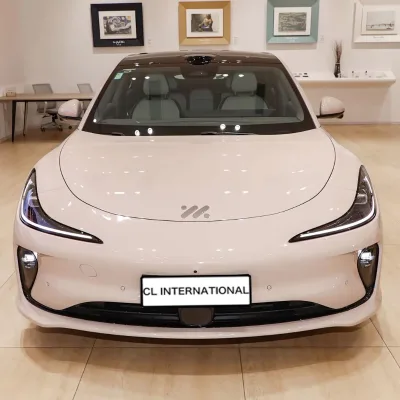

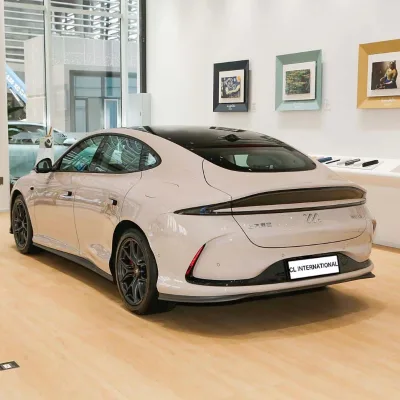
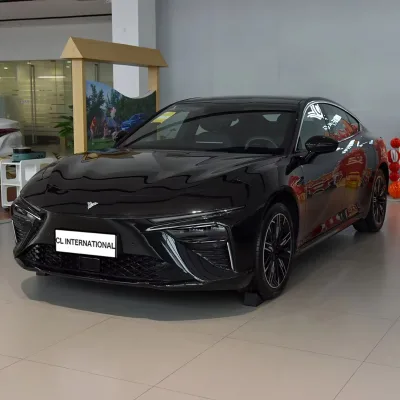
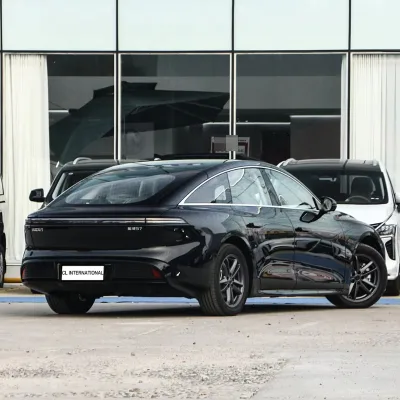
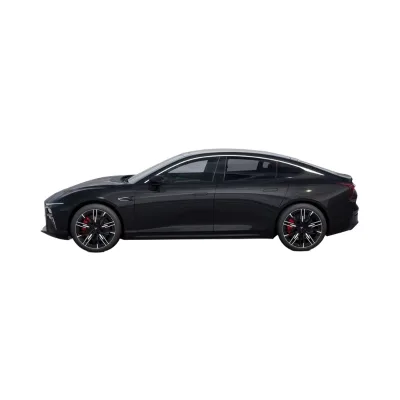

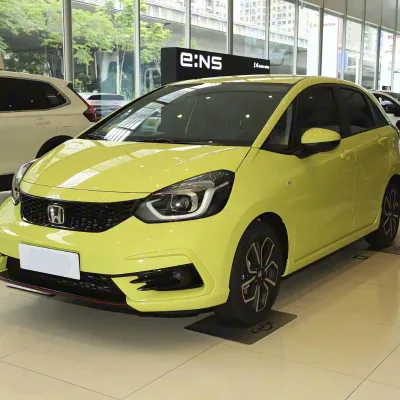
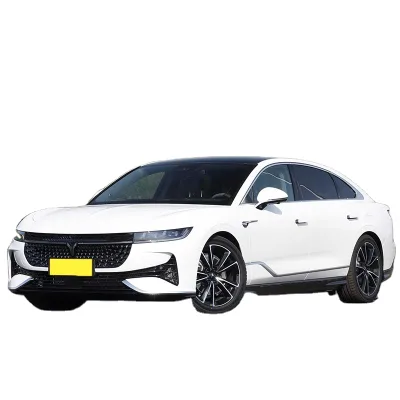
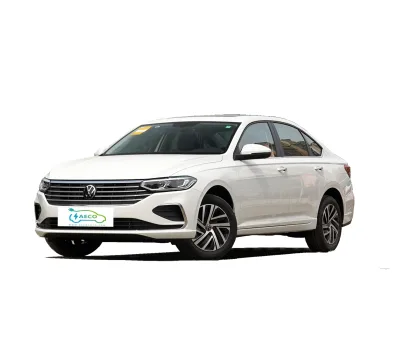
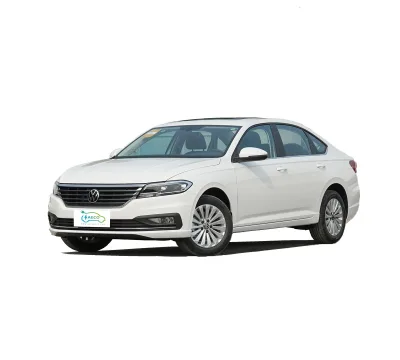


Five Seat Sedan Offer Comfortable Riding Experience for Small Family Trips
$18300.00 - $18600.00
MOQ: 1 Pieces

Competitive EV Car Youth Fashion Family Sedan Ready for Overseas Logistics
$25600.00 - $26400.00
MOQ: 1 A vehicle
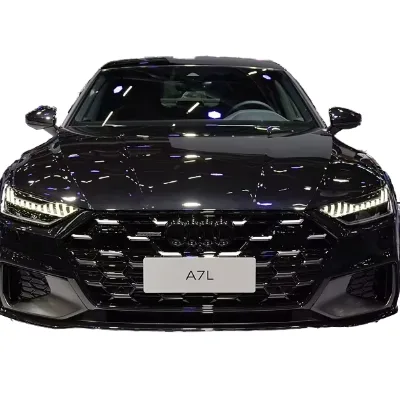

500 4MATIC Deluxe New Energy Vehicle Deluxe Features and Performance
$26000.00 - $26200.00
MOQ: 1 units




Comprehensive Sourcing Guide
Strategic Sourcing Guide for 2024 New Energy Sedans with Rear Camera Systems
Understanding the Modern New Energy Sedan Landscape
The global automotive procurement market has witnessed a significant shift toward new energy vehicles (NEV), driven by stringent emissions regulations and evolving consumer preferences for sustainable mobility. When sourcing a 2024 new energy sedan equipped with a rear camera, buyers must navigate a complex ecosystem of powertrain technologies, including pure electric (BEV), plug-in hybrid (PHEV), and extended-range electric vehicles. The core keyword "new energy sedan" implies a vehicle that utilizes advanced power sources rather than traditional internal combustion engines, yet the specific energy type can vary significantly between manufacturers.
In the current supply chain, the distinction between fuel types is critical for procurement strategy. Some listings indicate a "Plug in hybrid power" configuration, while others specify "Pure Electric (Bev)" or "100% Electric" fuel types. A 2024 model year sedan with a rear camera system is not limited to a single architecture. Buyers must verify whether the vehicle relies on a high-voltage battery pack, such as a ternary lithium battery, or utilizes a hybrid system that combines an internal combustion engine with electric propulsion. The presence of a rear camera is a standard safety feature in modern sedans, often integrated into the vehicle's infotainment system or standalone display, but the underlying powertrain dictates the vehicle's range, charging infrastructure requirements, and overall operating costs.
Technical Specifications and Powertrain Architecture
When evaluating technical specifications for a 2024 new energy sedan, the powertrain configuration is the primary differentiator. Procurement teams should scrutinize the model numbers and engine descriptions provided by suppliers. For instance, specific models in the market may be identified as "Voyah Chasing Light PHEV 2024 Ultra Long Range 4WD," indicating a plug-in hybrid architecture with all-wheel drive capabilities. In contrast, other listings might describe a "Lavida Automatic Five Million Version" or a "S-Lavida Automatic Five Million Version," which could represent different iterations of a standard sedan platform.
The physical dimensions and chassis architecture are equally vital for logistics and compatibility. A typical sedan in this category may feature a body size of approximately 4638×1820×1460 mm, with a wheelbase of 2650 mm, designed to optimize interior space while maintaining a compact footprint. However, variations exist; some models may utilize a Compact Cma Platform, while others might be built on different modular architectures. The suspension system is another key technical attribute, often described as a "Front Macpherson Strut; Rear Torsion Beam" setup, which balances ride comfort with handling stability.
Regarding the power source, buyers must confirm the specific energy type. Some vehicles are marketed as "Fuel" type in certain contexts but are actually electric or hybrid, requiring careful verification of the "Energy type" field. For pure electric sedans, the charging time is a critical performance metric. Data suggests that fast charging can achieve a 0-100% state of charge in approximately 0.48 hours, while slow charging may take up to 8 hours. This variance significantly impacts the operational strategy for fleet managers or individual buyers who require rapid turnaround times. The drive type, whether Front-Wheel Drive (FWD) or Rear-Wheel Drive (RWD), also influences the vehicle's dynamics and suitability for specific terrains or driving conditions.
Compliance, Certification, and Safety Standards
Ensuring compliance with international and local regulations is a non-negotiable aspect of sourcing new energy vehicles. The "prod_standard" field often categorizes the vehicle type, such as "Sedan" or "SUV," but buyers must verify that the specific model meets the safety and environmental standards of the destination market. For a 2024 model, this includes adherence to updated emissions standards for hybrids and safety protocols for high-voltage battery systems.
The braking system is a critical safety component that requires verification. While some listings describe a "Mechanical" braking system, modern new energy sedans often employ regenerative braking systems integrated with traditional hydraulic brakes to maximize energy recovery. Buyers should request detailed documentation regarding the braking performance and the integration of the rear camera system with the vehicle's electronic stability control. The rear camera itself must meet visibility and resolution standards to ensure it provides a clear view of the area behind the vehicle, aiding in parking and reversing maneuvers.
Furthermore, the "Condition" of the vehicle, whether "New" or "Brand New," must be explicitly confirmed to avoid acquiring refurbished units that may not meet the latest safety specifications. The "Seats" configuration, typically 5 seats for a standard sedan, must align with the intended use case, whether for personal transport or commercial fleet deployment. Buyers should also verify the "Drive" configuration, ensuring it matches the legal requirements of the target region, particularly regarding left-hand or right-hand steering.
Cost Drivers and Total Cost of Ownership Analysis
The pricing for 2024 new energy sedans can vary widely, with observed ranges extending from approximately $9.5 to over $44,000. This broad spectrum reflects differences in brand positioning, battery capacity, technology integration, and supply chain factors. The "Selling Units" are often listed as "Single item," indicating that procurement may involve unit-by-unit purchases rather than bulk container loads, though this depends on the specific supplier's terms.
Several factors drive the cost of these vehicles. The battery type, such as "Ternary lithium battery," is a significant cost component due to the raw materials required for production. The complexity of the powertrain, particularly in plug-in hybrid models like the "Voyah Chasing Light," adds to the manufacturing cost. Additionally, the inclusion of advanced features like a rear camera system, automatic gearboxes, and modular architecture platforms contributes to the final price.
Buyers must look beyond the sticker price to evaluate the Total Cost of Ownership (TCO). While new energy sedans may have a higher upfront cost compared to traditional gasoline vehicles, the savings in fuel costs can be substantial. For example, a vehicle with "100% Electric" fuel type eliminates gasoline expenses entirely, whereas a hybrid model reduces fuel consumption. The "Charging time" also affects operational efficiency; faster charging reduces downtime, potentially increasing the vehicle's utilization rate in a commercial setting.
Typical Applications and Use Case Scenarios
The versatility of 2024 new energy sedans allows them to serve a wide range of applications. In urban environments, the compact dimensions and efficient powertrains make these vehicles ideal for city commuting and last-mile delivery services. The "Front-Wheel Drive" configuration is particularly suitable for paved roads and moderate weather conditions, while "Rear-Wheel Drive" options may offer better traction for specific driving dynamics.
For commercial fleets, the "Customization: Available" attribute is a key consideration. Buyers may require specific modifications to the rear camera system, such as enhanced night vision or integration with fleet management software. The "Seats: Steering:Left" configuration indicates a specific market orientation, which must align with the region of operation. In some cases, the vehicle may be marketed as a "Pure Electric (Bev) SUV," but for the specific keyword of "sedan," the focus remains on the four-door passenger car configuration.
The "Product name" and "Brand Name" also play a role in application. For instance, a "Deepal S07 MID-Size SUV" might be considered for larger families, but for a sedan requirement, models like the "Lavida" or "Voyah" variants are more appropriate. The "Body Type: Open" designation in some listings might refer to convertible models, which are less common for standard sedan procurement but should be verified to ensure the correct vehicle type is selected.
Supplier Evaluation and Quality Control Protocols
Evaluating suppliers for new energy vehicles requires a rigorous due diligence process. Buyers should verify the "prod_origin" and "Place of Origin" to understand the manufacturing base. For example, some vehicles originate from "Shanghai," while others come from "Fujian, China." The location of the manufacturing plant can impact logistics costs, lead times, and the ability to inspect the production line.
Quality control is paramount, especially for high-voltage systems. Buyers should request test results for the battery system, braking performance, and the functionality of the rear camera. The "Gearbox: Automatic" specification should be verified for smooth shifting and reliability. Additionally, the "Condition: Brand New" status must be confirmed through inspection reports or third-party verification to ensure the vehicle has not been previously used or modified.
Suppliers should also provide clear documentation regarding the "prod_packing" method, which is often listed as "Shipping." This ensures that the vehicle is transported securely to prevent damage during transit. The "MOQ" (Minimum Order Quantity) range of 1-4 units indicates flexibility for buyers who may not need large volumes immediately. However, buyers should negotiate terms that allow for scalability as their needs grow.
Long-Term Procurement Considerations and Future-Proofing
Sourcing a 2024 new energy sedan is an investment in the future of mobility. Buyers must consider the longevity of the vehicle's technology and the availability of spare parts. The "Modular Architecture" used in these vehicles, such as the "Compact Cma Platform," suggests a design that allows for updates and upgrades, extending the vehicle's lifecycle.
The "Max Speed: 200 Km/h" specification indicates a high-performance capability, but buyers should assess whether this aligns with their operational needs. For city driving, lower speeds may be more relevant, while highway use requires higher top speeds. The "Fuel Type: Hybrid" or "Fuel Type: Gasoline" (in the context of hybrids) must be understood in terms of long-term fuel availability and price stability.
Finally, buyers should plan for the end-of-life management of the vehicle, particularly the battery. The "Battery type: Ternary lithium battery" requires specialized recycling processes. Establishing a relationship with suppliers who offer take-back programs or recycling services can mitigate environmental risks and ensure compliance with future regulations. By focusing on these long-term factors, buyers can secure a reliable and sustainable fleet of new energy sedans equipped with advanced safety features like rear cameras.
FAQs
What energy types are available for 2024 new energy sedans with rear camera?
Available energy types include pure electric, plug-in hybrid, and gasoline configurations. Listings show options like 100% electric fuel types and hybrid power systems. Buyers must verify the specific energy type field to ensure it matches their operational requirements and charging infrastructure.
Which drive types are offered for 2024 new energy sedans with rear camera?
Drive types include front-wheel drive and rear-wheel drive configurations. Some models specify front-wheel drive while others offer rear-wheel drive options. The specific drive type influences vehicle dynamics and suitability for different terrains or driving conditions.
How long does fast charging take for 2024 new energy sedans with rear camera?
Fast charging can achieve a full charge in approximately 0.48 hours. Slow charging may take up to 8 hours depending on the battery system. This variance significantly impacts operational efficiency and fleet management strategies for buyers requiring rapid turnaround times.
Can buyers customize 2024 new energy sedans with rear camera specifications?
Customization is available for specific models in this category. Buyers can request modifications to features like the rear camera system or integration with fleet management software. Verification of customization options is required before finalizing procurement agreements.
What are the typical dimensions for 2024 new energy sedans with rear camera?
Typical body dimensions range around 4638×1820×1460 mm with a wheelbase of 2650 mm. Some models may have different sizes like 5088x1970x1505 mm. These physical dimensions are critical for logistics planning and ensuring compatibility with intended use cases.
Where are 2024 new energy sedans with rear camera manufactured?
Manufacturing origins include locations such as Shanghai and Fujian in China. The place of origin impacts logistics costs and lead times. Buyers should verify the specific production location to understand the supply chain dynamics and potential shipping requirements.