Source 2024 Vertical Skill Game Machine for malls, parks, bars
Compare 30 verified listings of the 2024 Vertical Skill Game Machine suitable for game centers, shopping malls, and amusement parks. Buyers can review specifications like voltage, screen size, and coin capacity to find the right unit for their venue.
Key considerations
Products List


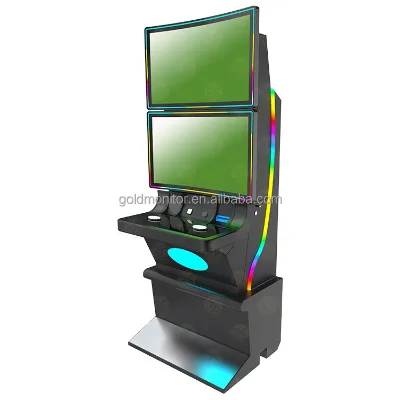
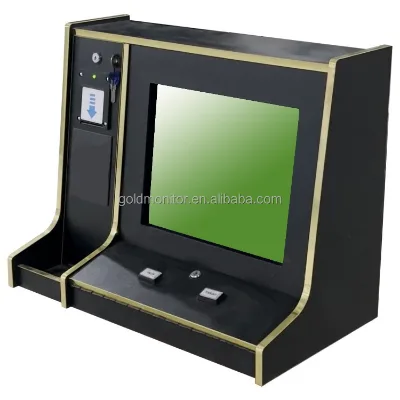
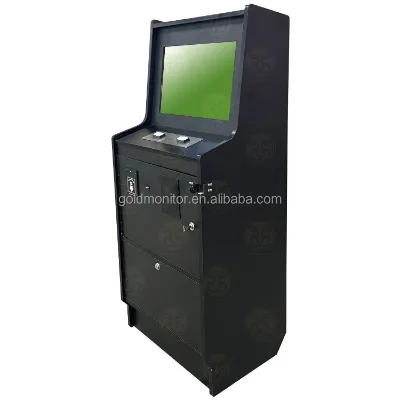
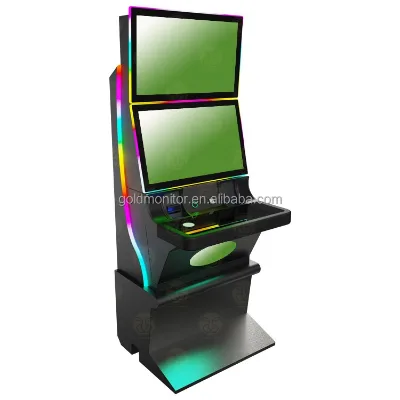
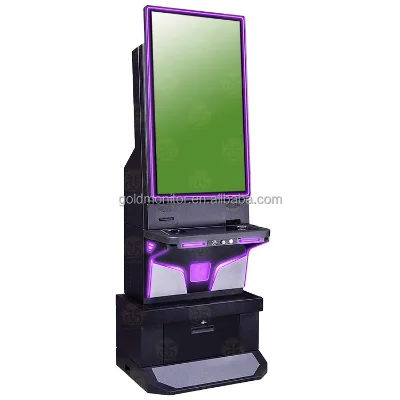
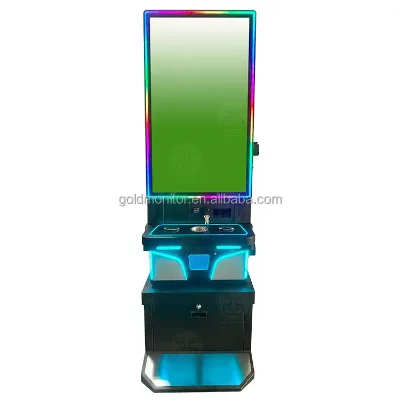


Amusement Game Machine Kids Game Machine Indoor Amusement Game Machine
$1400.00 - $1980.00
MOQ: 1 Pieces


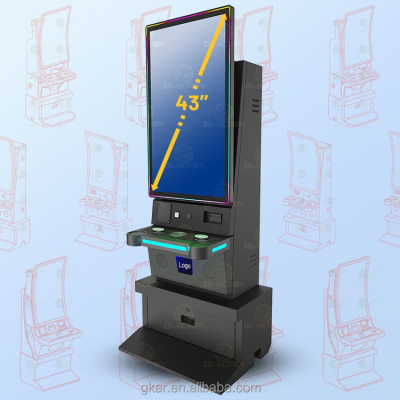
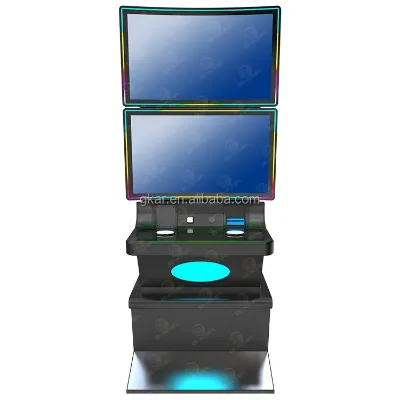


Comprehensive Sourcing Guide
Strategic Sourcing Guide for 2024 Vertical Skill Game Machines
The global market for arcade entertainment continues to evolve, with vertical skill game machines representing a significant segment for operators seeking high engagement and revenue potential. These units, often categorized under coin pushers or interactive simulation games, require a nuanced procurement strategy that balances technical specifications, compliance requirements, and operational durability. For buyers entering the 2024 landscape, understanding the specific attributes of these machines is critical to ensuring a return on investment. This guide provides a comprehensive framework for sourcing vertical skill game machines, focusing on verified product data, technical due diligence, and supplier evaluation protocols without relying on unverified market claims.
Technical Specifications and Hardware Architecture
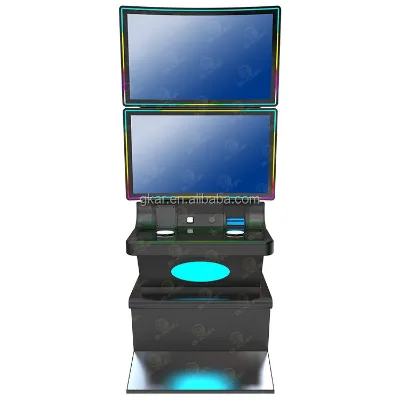
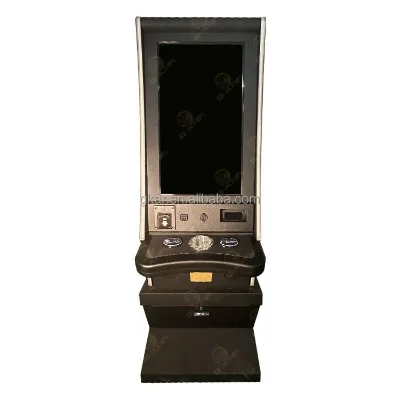
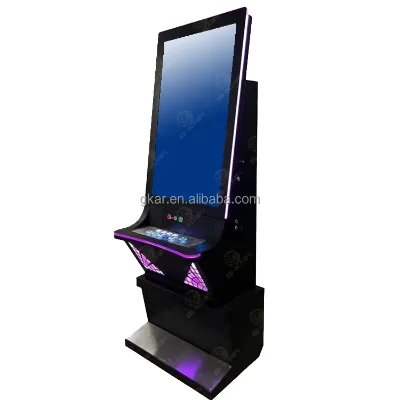
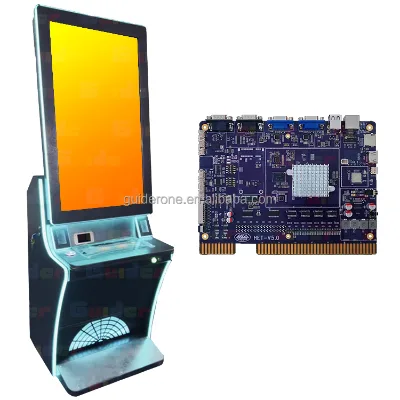
When evaluating vertical skill game machines, the hardware architecture serves as the foundation for performance and longevity. The observed product data indicates a diverse range of configurations, from traditional coin-operated units to modern touch-screen interfaces. A primary observation in the current market is the variation in voltage requirements, with many units supporting both 110V and 220V standards to accommodate different regional power grids. The plug types are similarly versatile, often listed as "All Kinds," which necessitates a pre-shipment verification of the specific plug configuration required for the target installation location.
The physical dimensions and weight are critical logistical factors. Specific models have been observed with standard dimensions such as 7351214 cm or 1450770830 mm, while others are defined by weight standards like 140KG. These variations directly impact shipping costs and floor space planning. The material composition is predominantly metal, often combined with acrylic and plastic components to ensure structural integrity while maintaining aesthetic appeal. For instance, some units utilize injection molding for specific parts, a process that enhances the durability of plastic components against wear and tear in high-traffic environments.
Screen technology has also become a defining feature. High-end models in the vertical skill category now incorporate large-format displays, with observed specifications including 23.6-inch screens and 1080P resolution. These displays are essential for delivering the visual fidelity required for modern gaming experiences. The control mechanisms vary significantly, ranging from simple button controls to advanced touch screen interfaces. Some units are designed for dynamic simulation, offering features like online racing capabilities, which requires robust networking hardware to ensure low-latency performance. Buyers must verify that the selected model's resolution and networking capabilities align with the specific game software being deployed.
Compliance and Certification Verification
Regulatory compliance is a non-negotiable aspect of sourcing arcade equipment, particularly for international trade. The supply chain for these machines often originates from manufacturing hubs in China, specifically regions like Guangdong and Guangzhou. While the origin location is a factual observation, the critical factor for buyers is the certification status of the individual units. Market data indicates that many vertical skill game machines carry CE and RoHS certifications. The CE mark signifies conformity with health, safety, and environmental protection standards for products sold within the European Economic Area, while RoHS restricts the use of specific hazardous materials.
However, buyers must exercise caution regarding certification claims. The presence of a certification label does not automatically guarantee that every unit in a batch meets the standard. Procurement protocols should include a request for valid test reports and certificates of conformity from the manufacturer. It is essential to verify that the certification covers the specific model being purchased, as different models may have different electrical and mechanical requirements. For example, a model with a 23.6-inch screen and dynamic simulation features may have different electrical load requirements compared to a basic coin pusher.
In addition to electrical safety, the mechanical safety of the machine is paramount. The weight of the unit, which can reach 140KG or more, implies a need for stable construction to prevent tipping or structural failure during operation. The material composition, described as metal and acrylic, must be verified to ensure it meets fire safety standards in the destination country. Buyers should explicitly request documentation proving that the materials used in the construction, including the acrylic and plastic components, comply with local fire codes.
Cost Drivers and Pricing Structure
Understanding the cost drivers for vertical skill game machines is essential for budgeting and financial planning. The observed price range for these units is extensive, spanning from $211 to $49,000. This wide variance is driven by several factors, including the complexity of the game mechanics, the quality of the display technology, the size of the unit, and the level of customization. Basic coin pusher models with simple button controls and standard dimensions will naturally fall at the lower end of the spectrum. In contrast, units featuring large touch screens, dynamic simulation, online networking capabilities, and custom branding will command premium prices.
The packaging method also influences the final cost. High-value units are often shipped in wooden crates or wooden boxes to protect the delicate electronics and large screens during transit. The use of specialized packaging, such as bubble packs, well paper, and stretch films in addition to wooden crates, adds to the manufacturing and shipping costs but is necessary to prevent damage. Buyers should factor these packaging costs into their total landed cost calculations.
Furthermore, the level of customization available is a significant cost driver. Many suppliers offer customization options for colors, branding, and even specific game mechanics. While customization adds value and can enhance the machine's appeal in a specific venue, it typically increases the unit price and may affect the lead time. The minimum order quantity (MOQ) for these machines is observed to be as low as 1 unit, which allows for flexible purchasing strategies but may result in higher per-unit costs compared to bulk orders. Buyers should negotiate based on their volume requirements to optimize the cost structure.
Typical Applications and Venue Suitability
Vertical skill game machines are designed for a variety of commercial applications, with the primary target being game centers and amusement parks. The observed data highlights that these units are suitable for indoor gaming environments, including shopping malls, bars, and dedicated amusement venues. The age appropriateness of the machines varies, with some models targeting audiences over 8 years old, while others are specifically designed for adults aged 15-50 or 18+. This segmentation allows buyers to select machines that align with the demographic profile of their specific venue.
The functional requirements of the venue also dictate the choice of machine. For high-traffic locations like shopping malls, machines with robust coin capacity, capable of holding several hundred to a couple of thousand coins, are preferred to minimize maintenance frequency. The currency detection systems, which often support single currency detection, must be reliable to ensure smooth transactions. In contrast, venues focusing on simulation experiences, such as racing simulators, require units with advanced networking capabilities and dynamic seat adjustments.
The condition of the machines is another critical factor. The market predominantly offers new units, which ensures that the equipment is in optimal working condition and comes with a full warranty. The warranty period observed in the market is typically around 15 months, providing a safety net for buyers against early failures. However, the specific warranty terms should be reviewed carefully, as they may vary by manufacturer and model. Buyers should ensure that the warranty covers both parts and labor, and that the manufacturer has a support network in the destination country to facilitate timely repairs.
Supplier Evaluation and Quality Control
Selecting the right supplier is as important as selecting the right product. When evaluating potential suppliers for vertical skill game machines, buyers should focus on their production capabilities and quality control processes. The use of injection molding for specific components indicates a level of manufacturing sophistication that can contribute to the durability of the final product. Buyers should inquire about the supplier's quality control protocols, including in-process inspections and final testing procedures.
The origin of the product, often listed as China, Guangdong, or Guangzhou, suggests a concentration of manufacturing expertise in these regions. However, the location alone is not a guarantee of quality. Buyers should verify the supplier's track record, including their experience with similar products and their ability to meet international standards. Requesting references from previous clients and reviewing case studies can provide valuable insights into the supplier's reliability.
Quality control should also extend to the packaging and shipping process. Given the fragile nature of large screens and complex electronics, the packaging must be robust enough to withstand the rigors of international shipping. The use of wooden crates and multiple layers of protective materials, such as bubble packs and stretch films, is a standard practice for high-value units. Buyers should verify that the packaging meets the specific requirements of their logistics provider and that the shipping documentation is accurate to avoid delays at customs.
Long-Term Procurement and Maintenance Considerations
For buyers planning long-term operations, the maintenance and support aspects of vertical skill game machines are critical. The warranty period, typically around 15 months, provides an initial buffer, but buyers should plan for long-term maintenance needs beyond this period. This includes the availability of spare parts, the cost of repairs, and the technical support offered by the manufacturer. The complexity of the machines, with features like touch screens, networking capabilities, and dynamic simulations, means that maintenance may require specialized skills.
The customization options available also play a role in long-term procurement. If a buyer opts for a customized unit, they should ensure that the customization does not compromise the machine's ability to be serviced or upgraded in the future. For example, custom branding should not interfere with the accessibility of internal components for repairs. Additionally, the software supporting the machine should be upgradable to keep the game content fresh and engaging for players.
Finally, buyers should consider the resale value and lifecycle of the machine. High-quality units with durable materials and reliable components tend to have a longer lifespan and better resale value. The condition of the machine at the time of purchase, which is typically new, sets the baseline for its operational life. By investing in high-quality units from reputable suppliers, buyers can maximize the return on their investment and ensure a consistent revenue stream for their venue.
Conclusion
Sourcing vertical skill game machines for 2024 requires a strategic approach that balances technical specifications, compliance, cost, and supplier reliability. By carefully evaluating the product data, verifying certifications, and understanding the cost drivers, buyers can make informed decisions that align with their operational goals. The diverse range of models available, from basic coin pushers to advanced simulation units, offers flexibility for various venue types and target audiences. However, the complexity of these machines necessitates a thorough due diligence process to ensure that the selected units meet the required standards and provide long-term value. Through rigorous supplier evaluation and a focus on quality control, buyers can successfully navigate the procurement landscape and secure high-performance vertical skill game machines for their businesses.
FAQs
What certifications do these machines typically have?
Many units carry CE and RoHS certifications to ensure safety and environmental compliance. Buyers should verify that the specific model purchased includes valid test reports and certificates of conformity from the manufacturer before finalizing the order.
Can I customize the color and branding of the machine?
Customization is available for colors and branding on many models. This option allows operators to match venue aesthetics but typically increases the unit price and may affect the production lead time compared to standard configurations.
What is the typical warranty period for these units?
The market typically offers a warranty period of around 15 months for new units. Buyers should review specific terms to ensure coverage includes both parts and labor, and verify the manufacturer has a support network in their destination country.
How much weight can the coin capacity hold?
The coin capacity ranges from several hundred to a couple of thousand coins depending on the model. This capacity minimizes maintenance frequency in high-traffic venues like shopping malls and bars where continuous operation is required.
Which voltage standards are supported by these machines?
Most units support both 110V and 220V voltage standards to accommodate different regional power grids. The plug types are listed as all kinds, so buyers must verify the specific plug configuration required for their target installation location before shipping.
What materials are used in the construction of these machines?
The primary material composition is metal, often combined with acrylic and plastic components. Injection molding is used for specific parts to enhance durability against wear and tear in high-traffic environments while maintaining structural integrity.